
Rare 1971 Hemi Road Runner 4-Speed Hits the Market Again After $200K Offer Was Turned Down
One of just 55 built in 1971, this Hemi four-speed resurfaces after previously stalling at $200,000 bid.
When Plymouth rolled out the Road Runner for 1968, the mission was clear: dominate the budget muscle car scene. The formula worked—big power, minimal frills, and a price working-class buyers could swing. Plymouth even paid Warner Bros. $50,000 to license the Road Runner name and cartoon character, plus another $10,000 to engineer the now-famous “Beep-Beep” horn.
At launch, the standard engine was a 335-horsepower 383 cubic-inch V8. Buyers wanting the ultimate factory punch could check the box for the legendary 426 Hemi.
Hemi-powered Road Runners were built from 1968 through 1971. Production started strong, with 1,019 units assembled in 1968. That number fell to 788 in 1969, then dropped sharply to just 152 in 1970 as insurance premiums for high-performance cars climbed.
By 1971, only 55 Hemi Road Runners left the factory. Across four years, total production reached just 2,014 cars. The ’71 model year marked the end of the line for the Hemi in the Road Runner—and effectively the close of the original Street Hemi era.
Tightening emissions standards and the industry’s shift toward unleaded fuel brought the high-compression muscle car glory days to a halt. For years afterward, Detroit’s performance scene never quite matched the late-’60s peak.
The Road Runner badge survived until 1980, though later versions were more appearance package than pavement-pounder, eventually tied to the Volare. They were a far cry from the hard-charging B-body cars built between 1968 and 1971.
Now, one of those final-year heavy hitters has surfaced again.
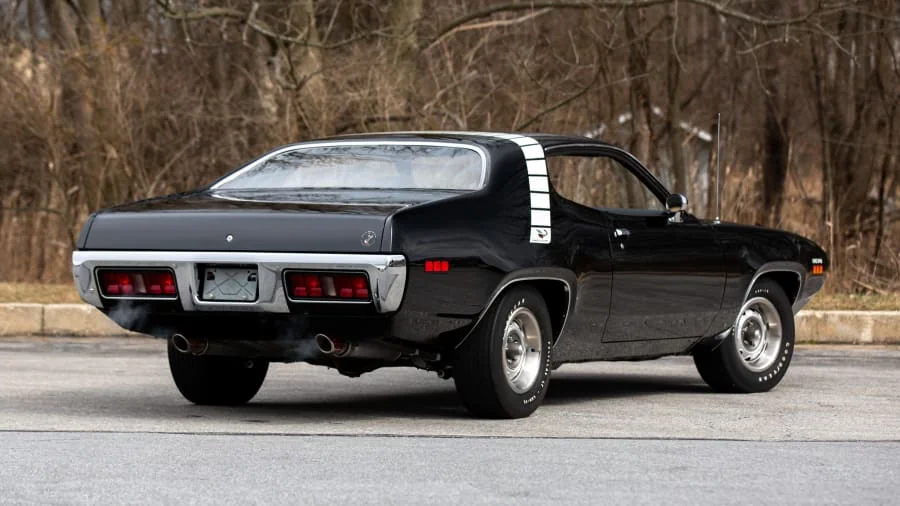
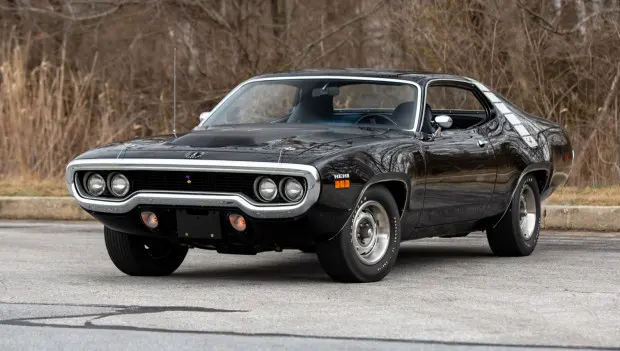
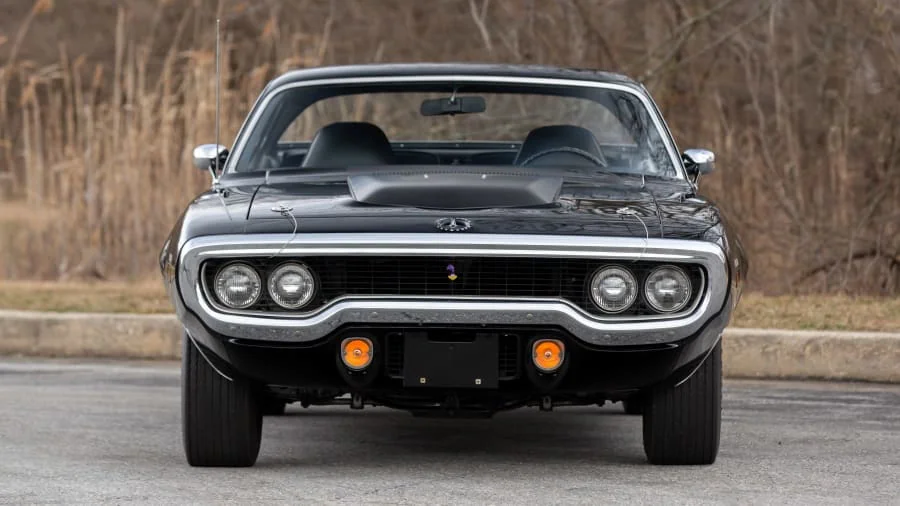
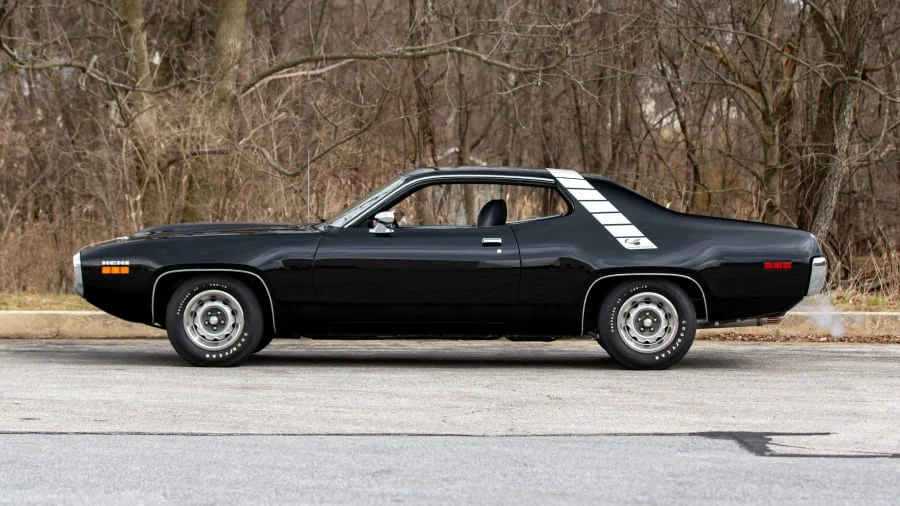
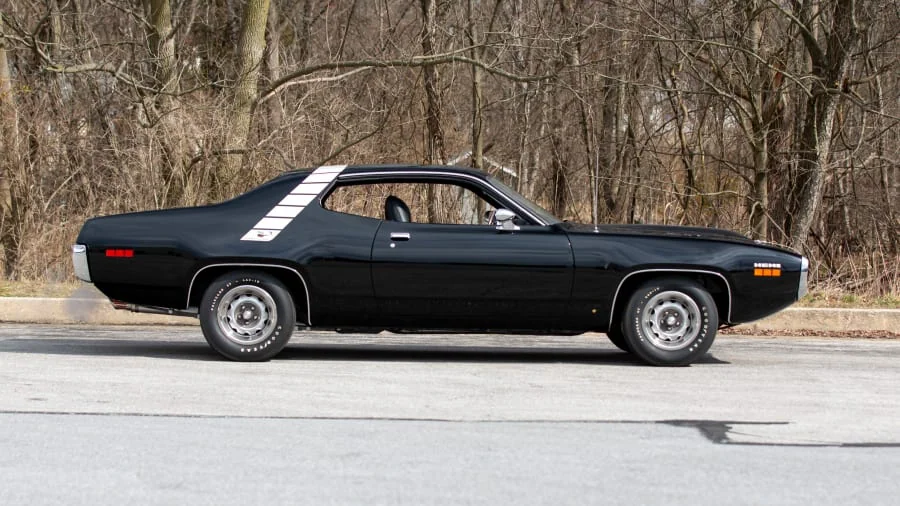
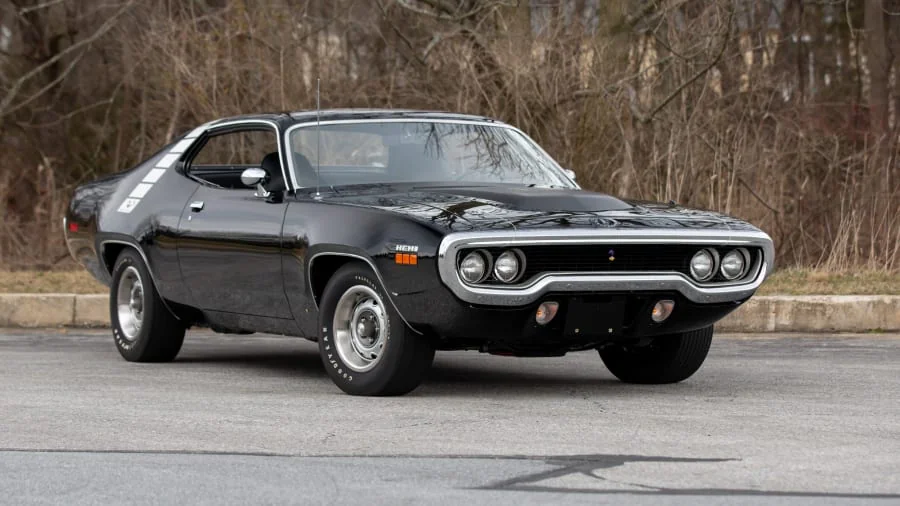
The car in question—a 1971 Plymouth Road Runner Hemi, VIN RM23R1R205361—is among the 55 built that year and one of only 28 equipped with the A833 four-speed manual transmission. However you break it down, that’s serious rarity.
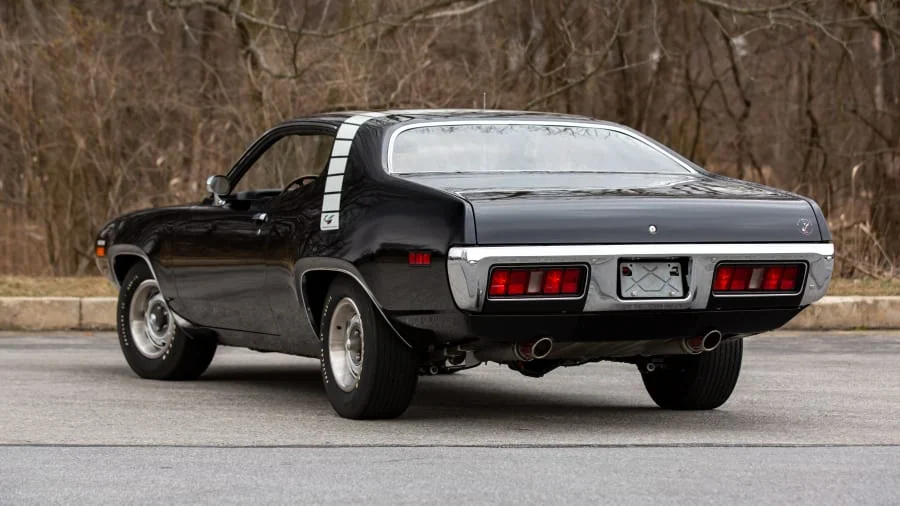
This example wears the second-generation “fuselage” styling and was assembled at the Windsor, Ontario plant. Documentation includes its original window sticker, outlining factory pricing and options. The base RM23 Hardtop carried a $3,147 sticker price. Adding the 426 Hemi (code E74) bumped the cost by $883.55, while the four-speed manual (D21) added $206.40.
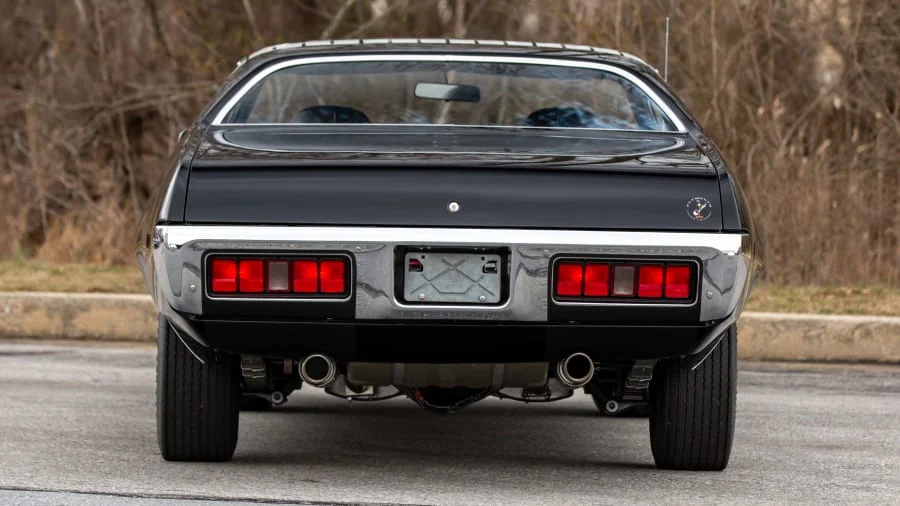
Performance-minded buyers also selected the A34 Super Track Pak package for $219.30, which included a 4.10-geared Dana 60 rear axle. An AM/FM stereo cost $213.70. Other options ranged from the Road Runner Decor Group to hood pins and white-letter tires. Including destination charges, the total came to $5,313.65 when new.
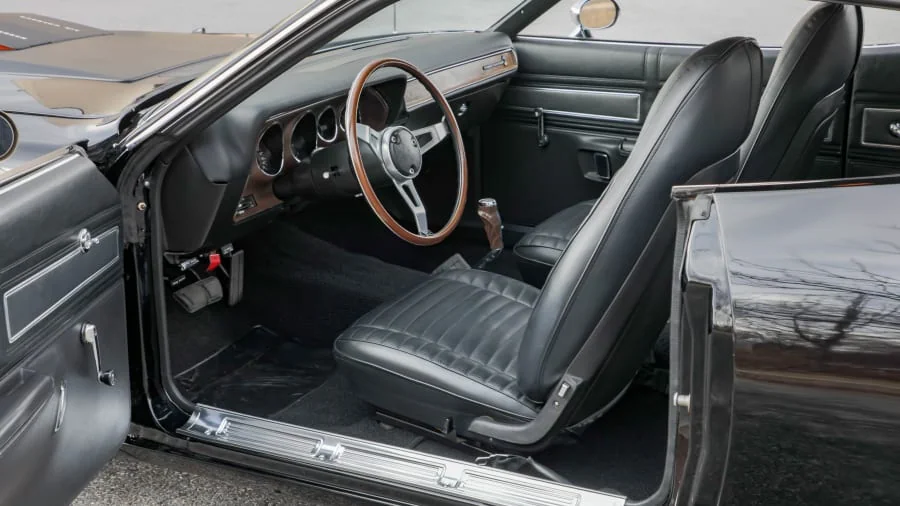
Showing just under 19,700 miles, this car previously crossed the block at the Mecum Indy 2020 auction as part of the Dr. Eric Felix Collection. Bidding climbed to $200,000 but failed to meet reserve. The car was listed as a high-bid no-sale.
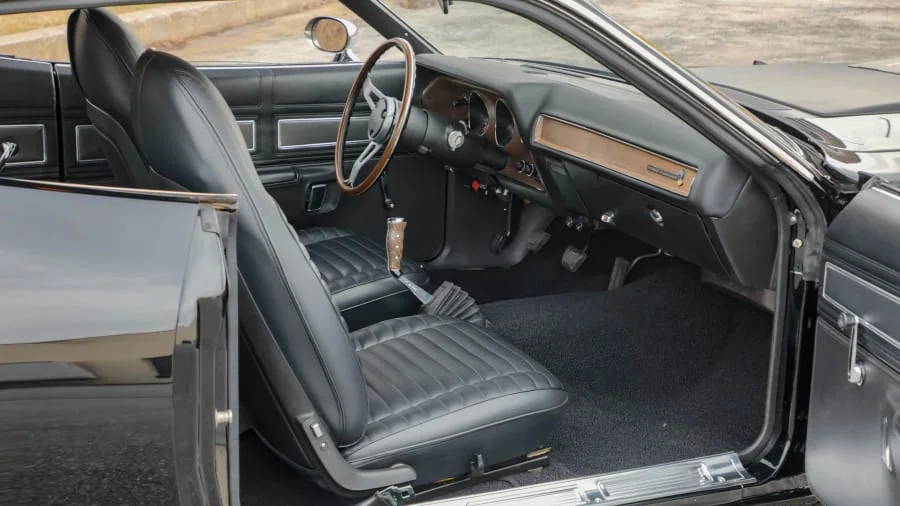
Now it’s back on the market through SBX Cars, giving collectors another shot—assuming the price aligns with expectations.
Finished in factory TX9 Formal Black over a matching black interior, this triple-black coupe features the vacuum-operated Air Grabber hood and a Hurst Pistol Grip shifter. The paperwork includes two original broadcast sheets and an inspection report from Dave Wise of MMC Detroit, confirming the car retains its original body panels and VIN tags.
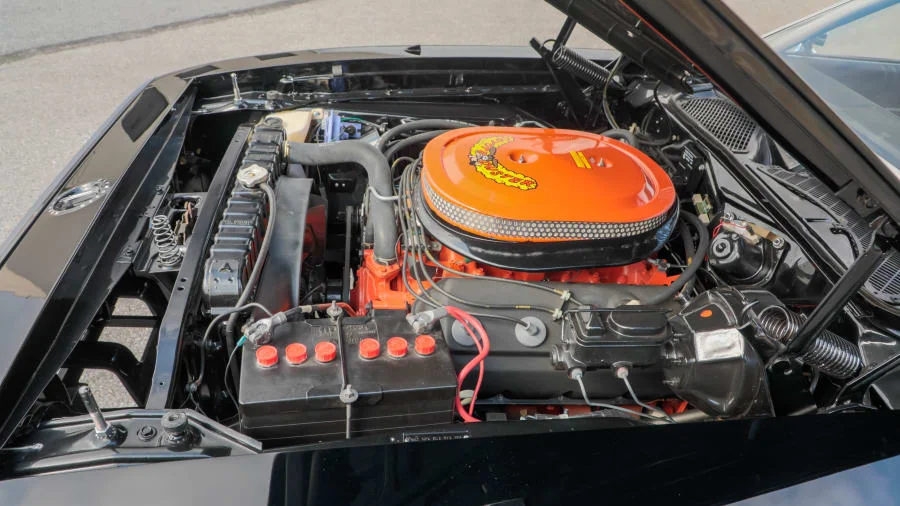
Mechanically, the A833 transmission is numbers-matching. The 426 Hemi under the hood, however, is a period-correct replacement block sourced over the counter back in the day. The car has been professionally restored, with body and paint rated at 9 out of 10. It also retains the proper K-member with skid plate and the Dana 60 rear axle.
As one of the most thoroughly documented survivors from the final Hemi production year, it’s bound to attract attention.
Bidding is set to run for 21 days, opening at $26,000—a figure that feels more like a placeholder considering the $200,000 high bid it once commanded. Whether the reserve reflects today’s market reality remains to be seen.
You may also be interested in the news:
Copart to Acquire ACV Auctions in $1.9 Billion Deal, Expanding Into Dealer-to-Dealer Car Auctions
Copart is acquiring ACV Auctions for about $1.9 billion, expanding its online auction business into dealer-to-dealer vehicle sales.
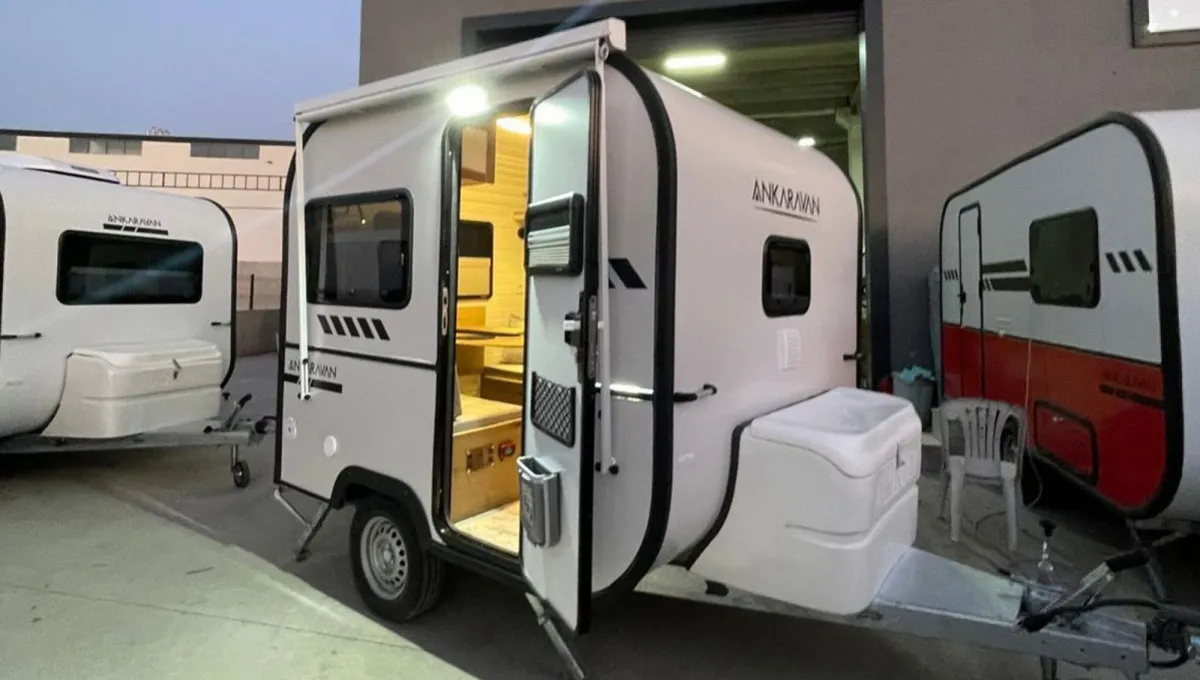
Micro 240 Travel Trailer Packs Three Beds and a Full Bathroom Into a Tiny, Affordable Package
Micro 240 debuts at 2026 Dusseldorf Caravan Salon in four configurations for off-grid family vacations.
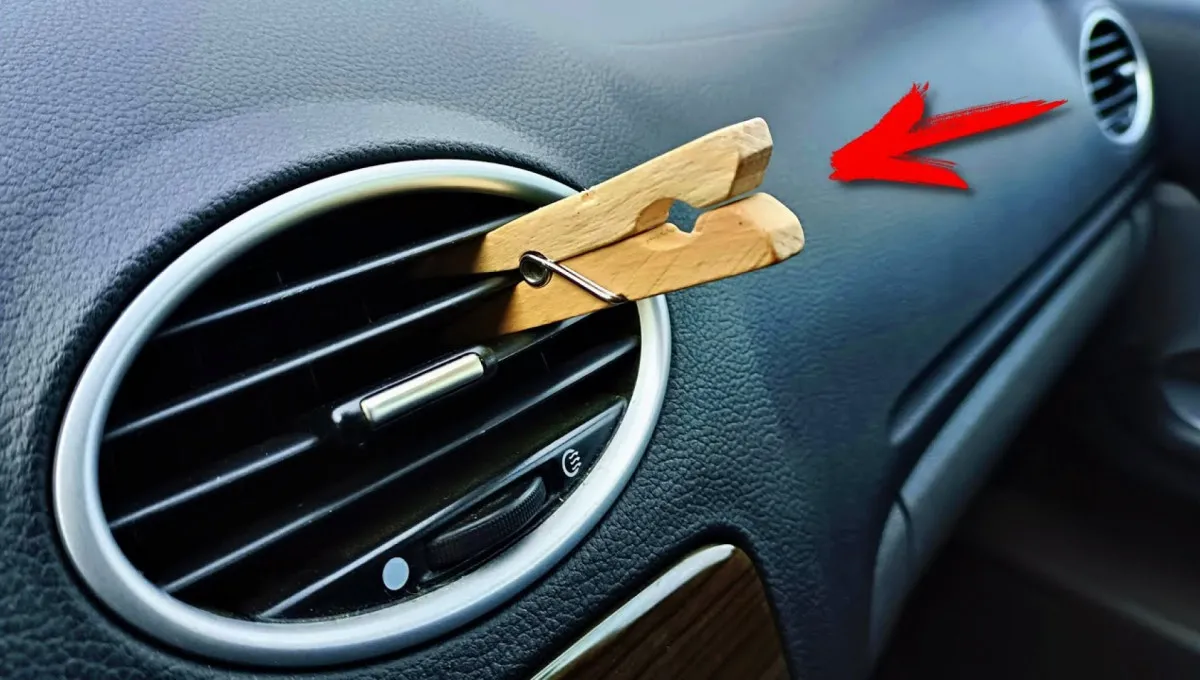
Drivers Are Putting a Clothespin on Their Car’s Air Vent: Here’s Why This Simple Hack Works
This simple trick doesn’t affect the air conditioner, but it can quickly change the way your car’s interior smells.

Volkswagen to Shut Down SEAT as the Brand Turns 80
Volkswagen will shut down the SEAT brand. The German automaker has made a final decision to close the Spanish brand.
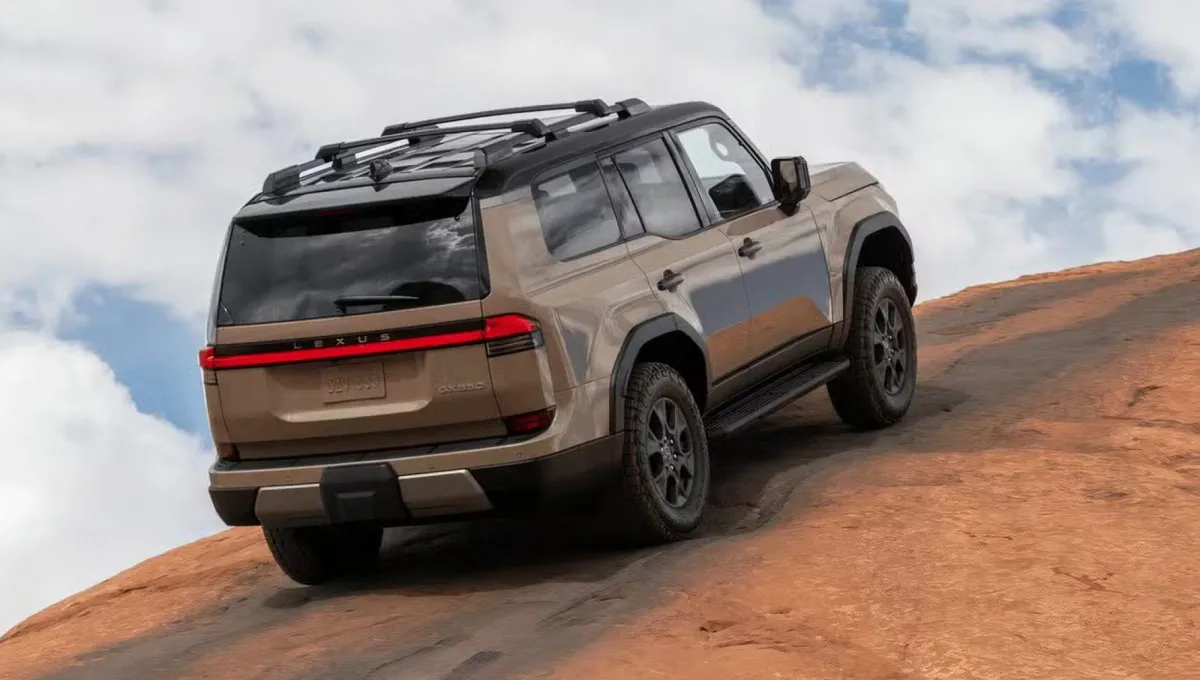
The 10 Most Reliable Luxury SUVs for 2026: Models Owners Can Count On
When luxury costs more than money, it's worth knowing which SUVs truly justify their premium price.