
They Put Vegetable Oil in a Car Engine Instead of Regular Oil: Weird Test & Unexpected Result
An experiment using vegetable oil in place of engine oil produced unexpected findings.
Engine oil is one of the most critical components required for an engine to function properly. Its properties are essential because the moving parts inside the engine rely on proper lubrication to operate smoothly and avoid damage.
Typically, automakers design engines to run with specific types of motor oil. However, a recent test using vegetable oil as a substitute produced some surprising results.
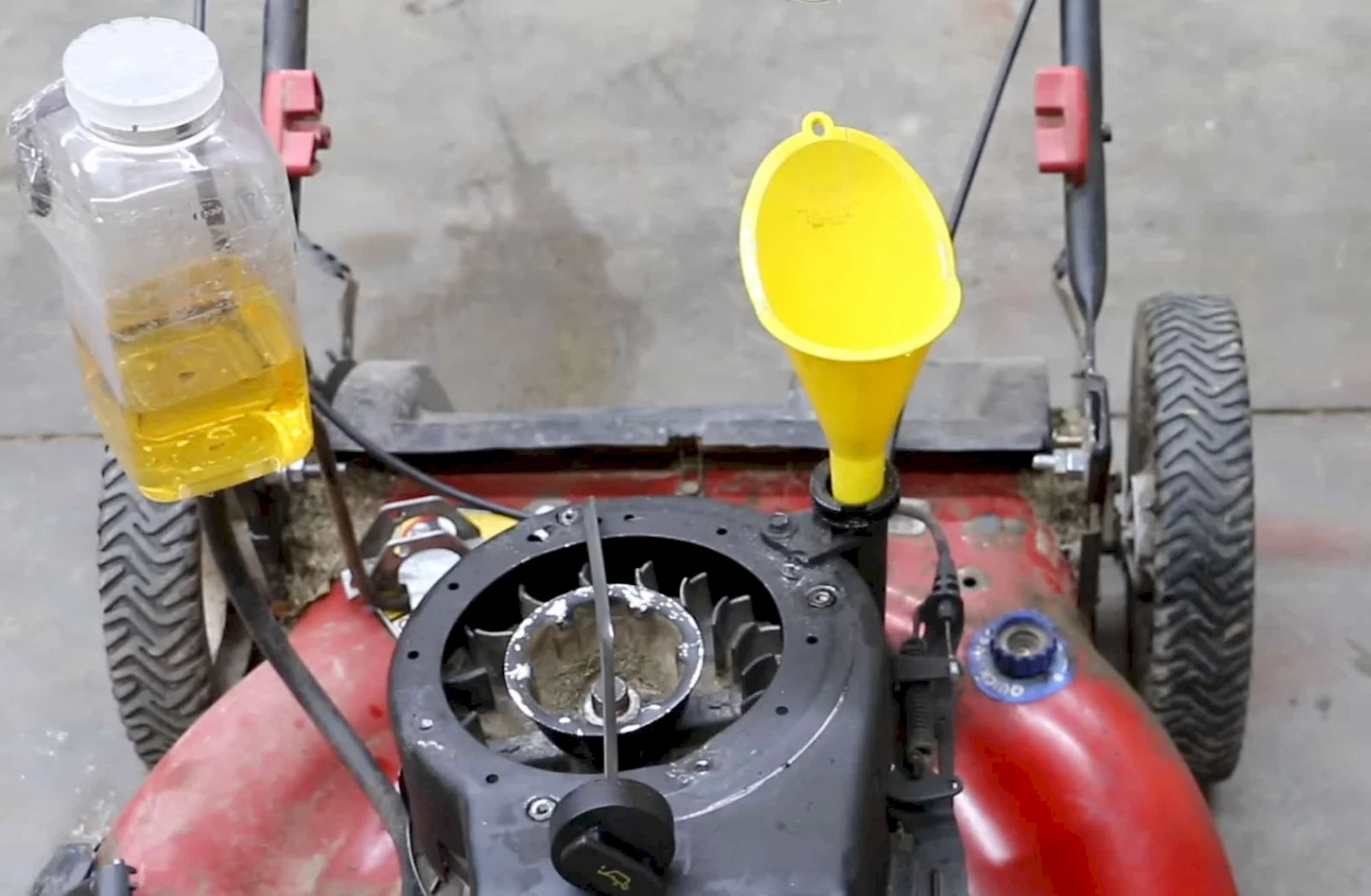
Bloggers from the Project Farm channel filled the engine of a lawn mower with vegetable oil instead of conventional motor oil. Surprisingly, the engine did not immediately suffer any catastrophic failure.
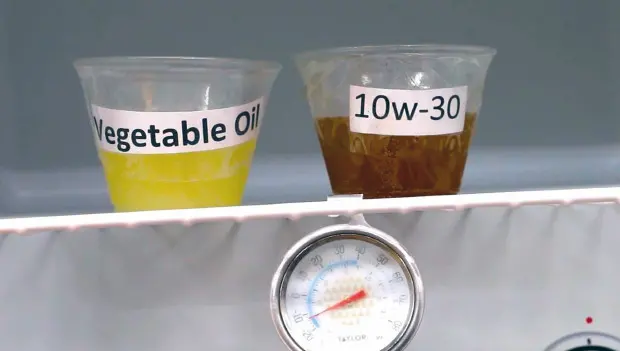
The main issue observed during the experiment was that vegetable oil nearly froze at very low temperatures, while regular motor oil maintained its viscosity. This is due to the specialized chemical composition of engine oil, which allows it to perform reliably across a wide range of temperatures.
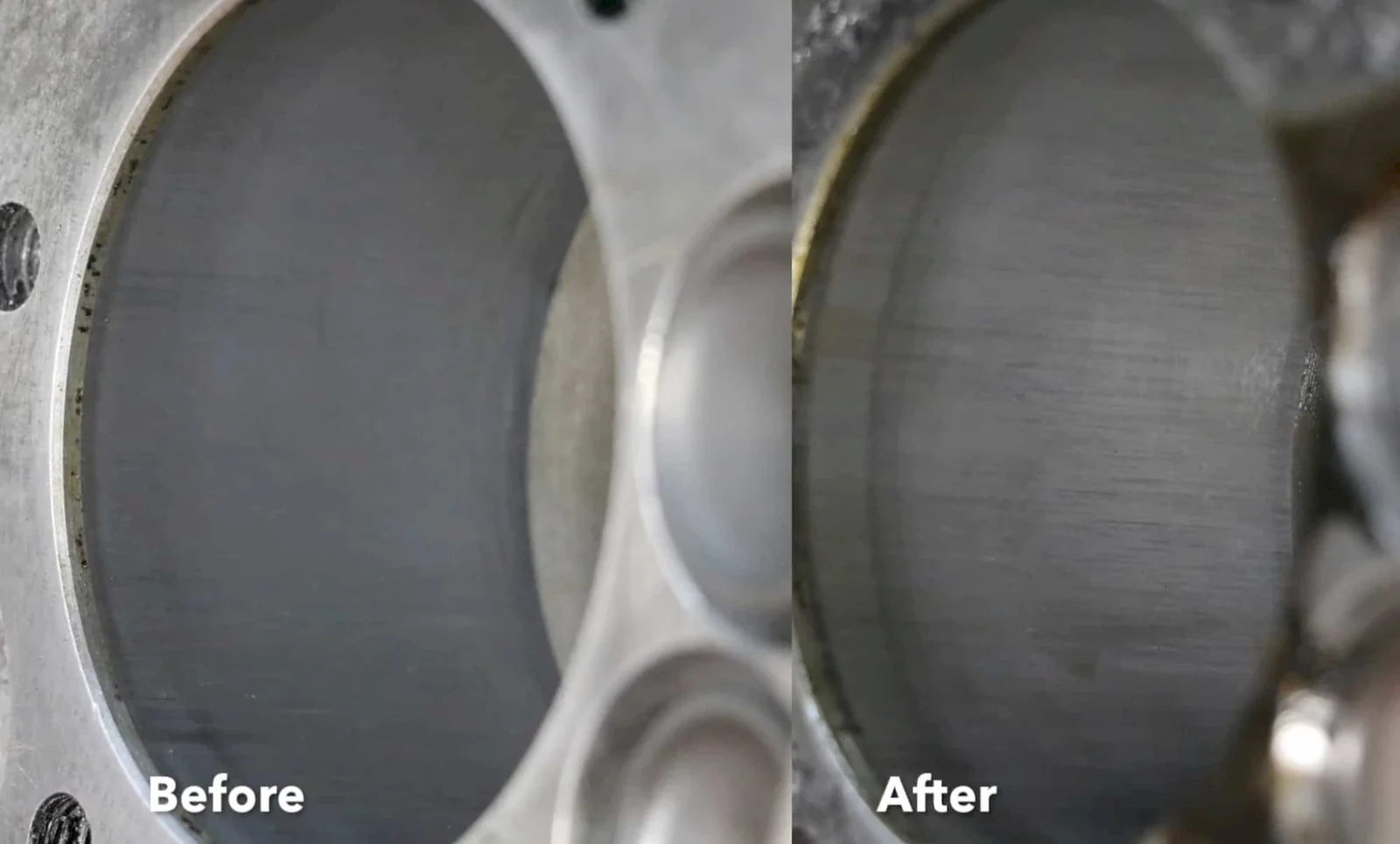
The testers also noted that once the engine heated up, vegetable oil broke down faster and failed to create a strong protective film between engine components. As a result, it could not provide the level of lubrication required for long-term engine operation.
While using vegetable oil as a replacement for motor oil would eventually damage an engine, its use as a fuel is a different story. This approach is mainly associated with diesel engines, which operate differently from gasoline engines.
Gasoline engines require a spark for ignition, while diesel engines rely on compression ignition. Compressing diesel fuel and air inside the cylinder raises the temperature high enough for combustion.
A similar principle can apply to vegetable oil, which is also the primary base for biodiesel fuel.
However, using vegetable oil as a regular substitute for diesel fuel is not straightforward. The fuel and sometimes the engine itself must be modified to achieve the correct viscosity and ensure proper atomization and lubrication during operation.
You may also be interested in the news:

Toyota Hilux BEV Gets Hit With a Falling Camper in a Top Gear-Inspired Test
Toyota's UK team recreated a famous Top Gear-style stunt by dropping a camper onto its new all-electric Hilux pickup.

AI Took Over a Real Car. What Happened Next Was a Wake-Up Call
An American engineer handed several AI models control of a real car, and their driving performance fell short of expectations.

2028 Lexus RX Morizo RR Spy Photos Reveal a Hood Vent and Aggressive New Seats
The Lexus RX Morizo RR is back at the Nürburgring, revealing a functional hood vent and its sport-focused interior.

Honda's New 7-Seat Luxury SUV Gets a Projected Price
Honda is preparing a new Avancier three-row SUV aimed at buyers seeking more space, comfort and upscale features.

Production Nissan Terrano Spotted on the Road for the First Time
The new Nissan Terrano has been spotted testing on public roads with a plug-in hybrid powertrain expected to debut in 2027.