
Owner Never Drives His Ultra-Rare McLaren Senna GTR, Decides To Sell, Loses Half a Million Dollars
An ultra-rare McLaren Senna GTR with barely any miles just sold far below its original price, costing the first owner roughly half a million.
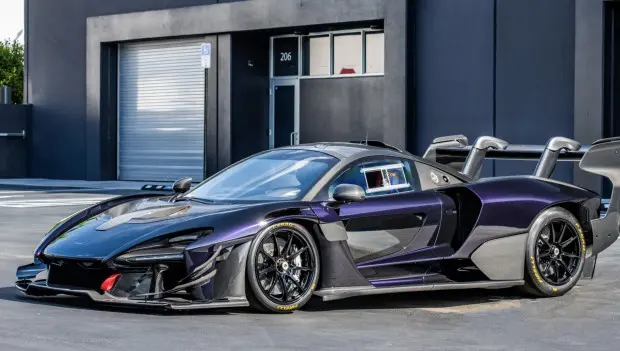
The owner of one of just 75 McLaren Senna GTRs has sold the track-only supercar for far less than its original sticker price. When McLaren first offered the model to select loyal customers back in 2020, it started at $1.65 million before options and taxes. One example has now changed hands for $1,270,000.
That raises a familiar question in the collector world: why buy an ultra-rare car and almost never drive it? For some owners, simply having the vehicle sitting in the garage is enough. Others like the prestige that comes with owning something extremely exclusive. And for some, it’s an investment strategy. In this case, though, the investment didn’t exactly work out.

Once taxes and optional extras were added, this particular Senna GTR reportedly climbed to about $1.8 million when new. Selling it six years later for $1.27 million represents a serious loss for the original owner, who clearly kept the car in near-showroom shape hoping its value would climb over time.
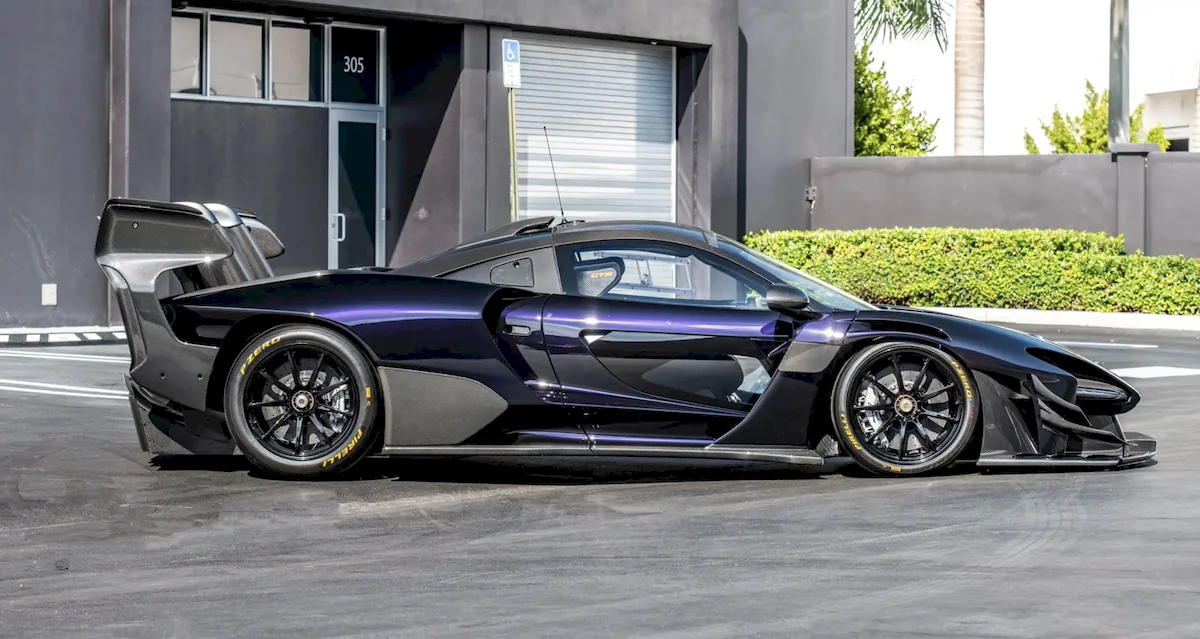
First unveiled at the 2018 Geneva Motor Show, the model honors legendary Formula 1 driver Ayrton Senna. McLaren holds exclusive rights to use the Brazilian champion’s name, and the GTR variant was built with one goal in mind: extreme track performance.
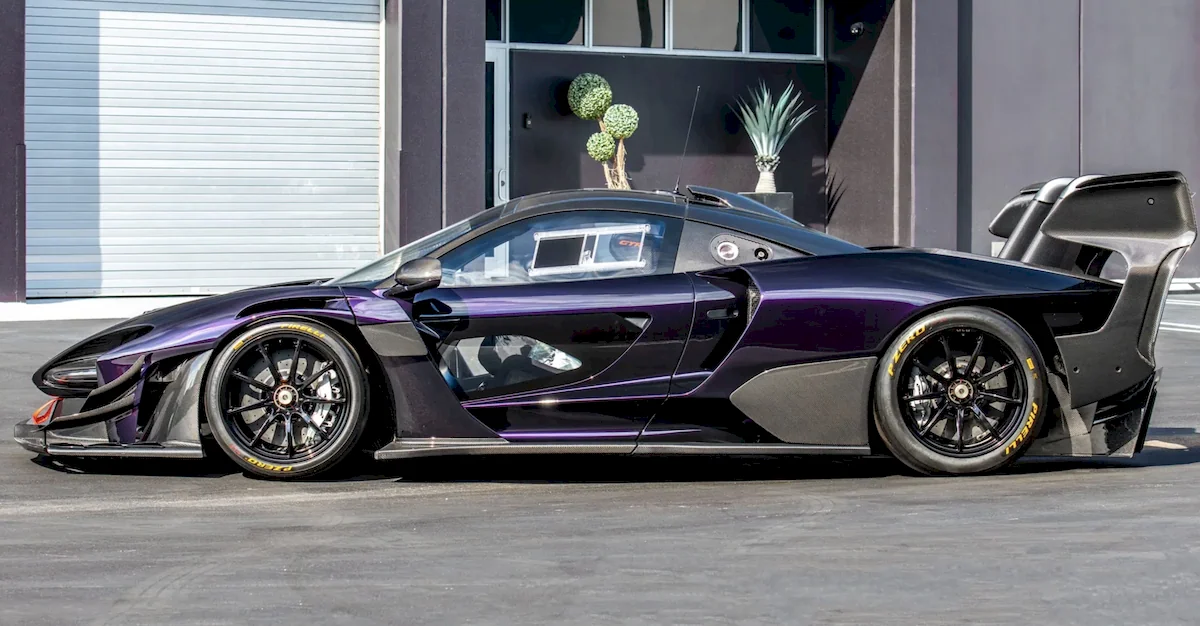
The car features an ultra-lightweight architecture built around a carbon fiber Monocell III-R tub, along with race-derived suspension technology developed through McLaren’s GT3 racing program. The result blends the company’s experience from both the track and the road.
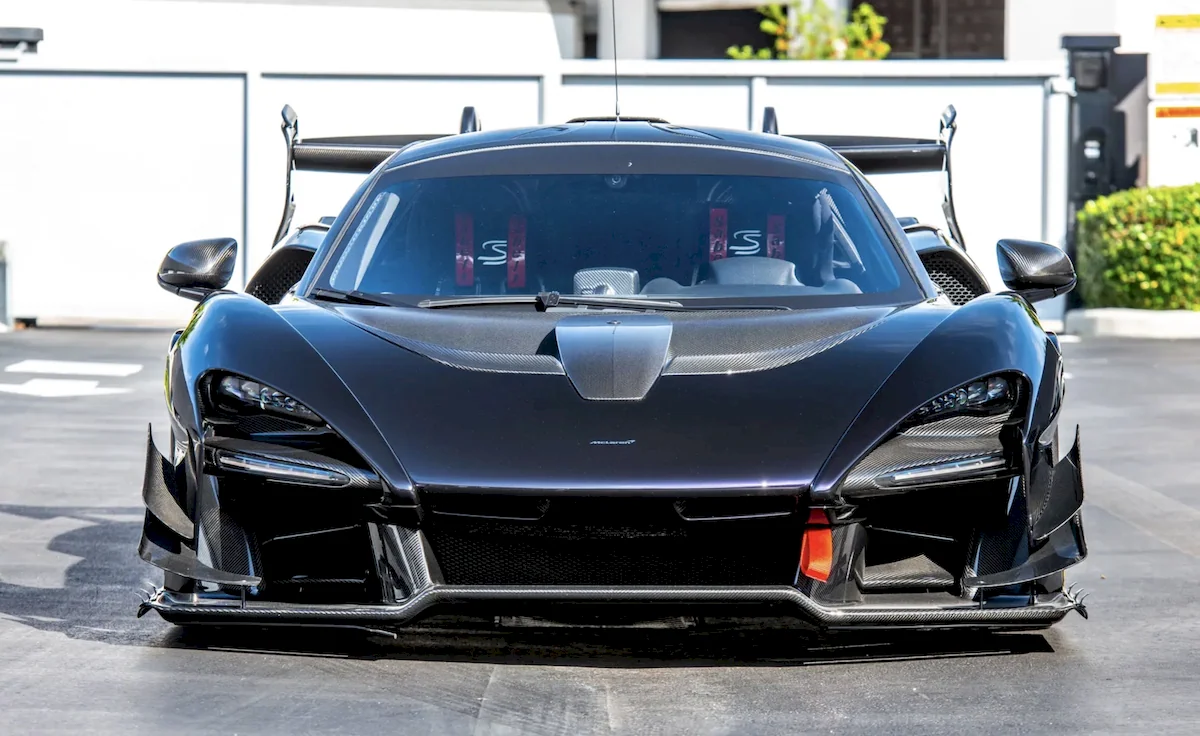
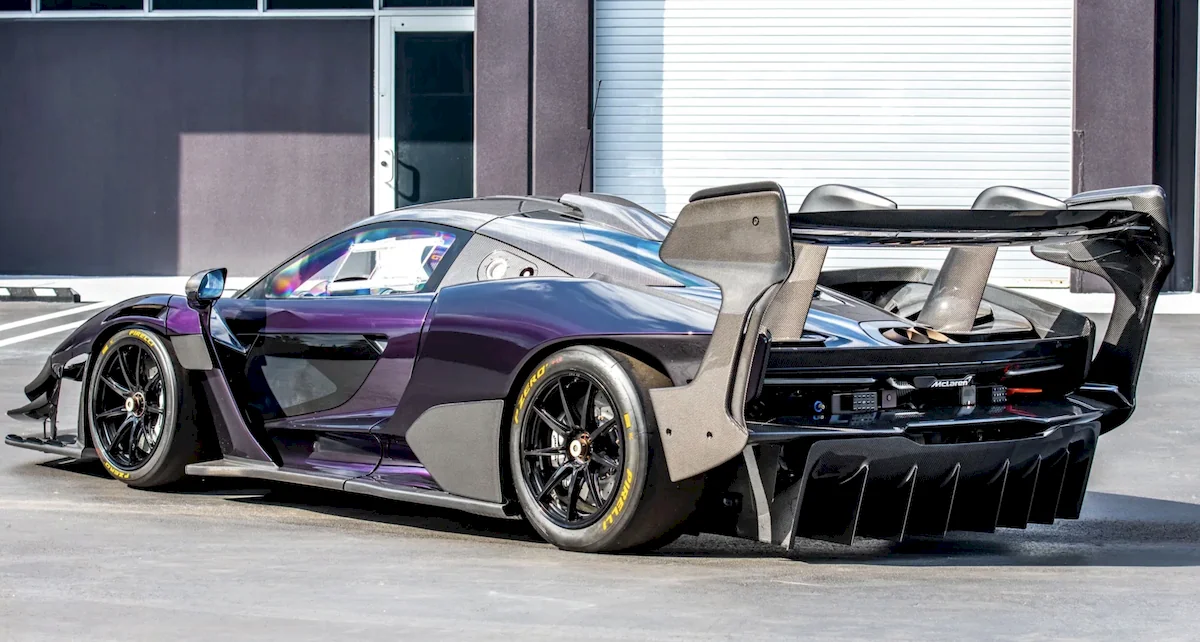
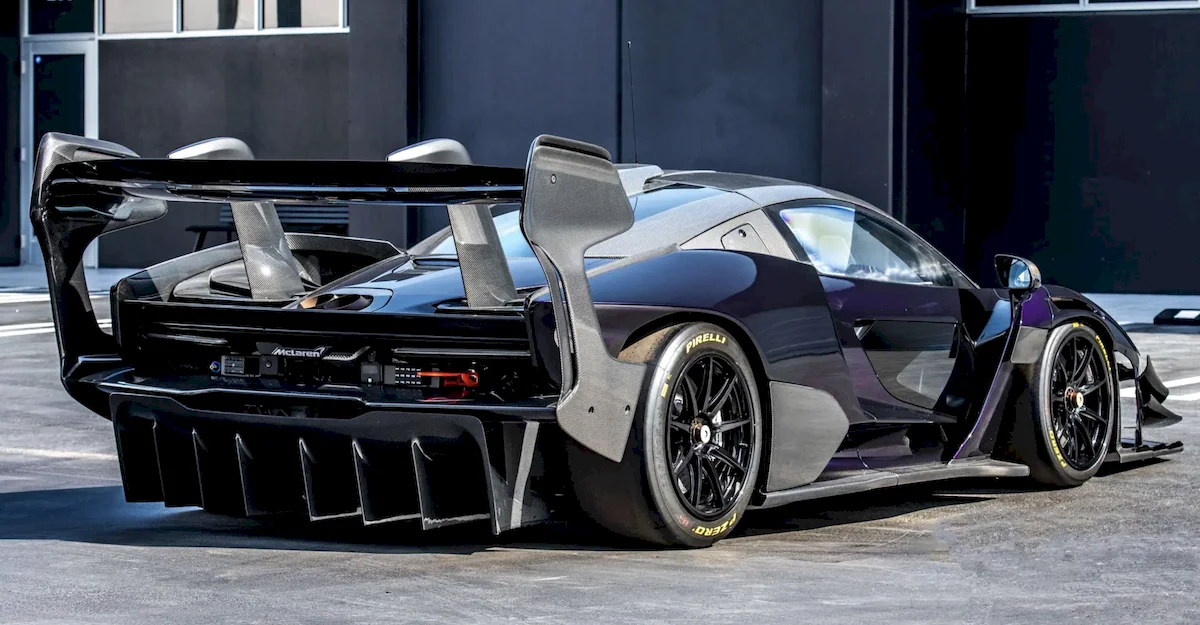
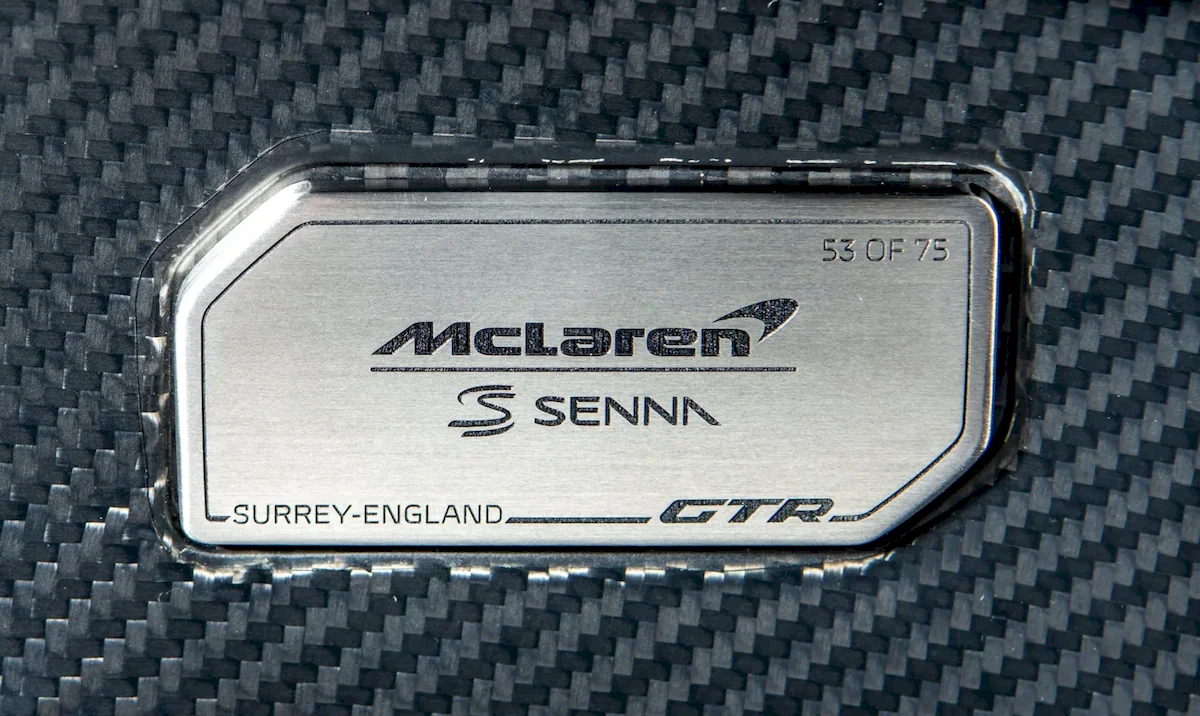
Only 75 examples of the Senna GTR were ever produced, making it one of the rarest modern McLarens. This particular car is chassis number 53, and it’s believed to be the only one finished in McLaren Special Operations Amethyst Black. The $12,155 paint option shifts color depending on the light, changing from bright purple to deep black.
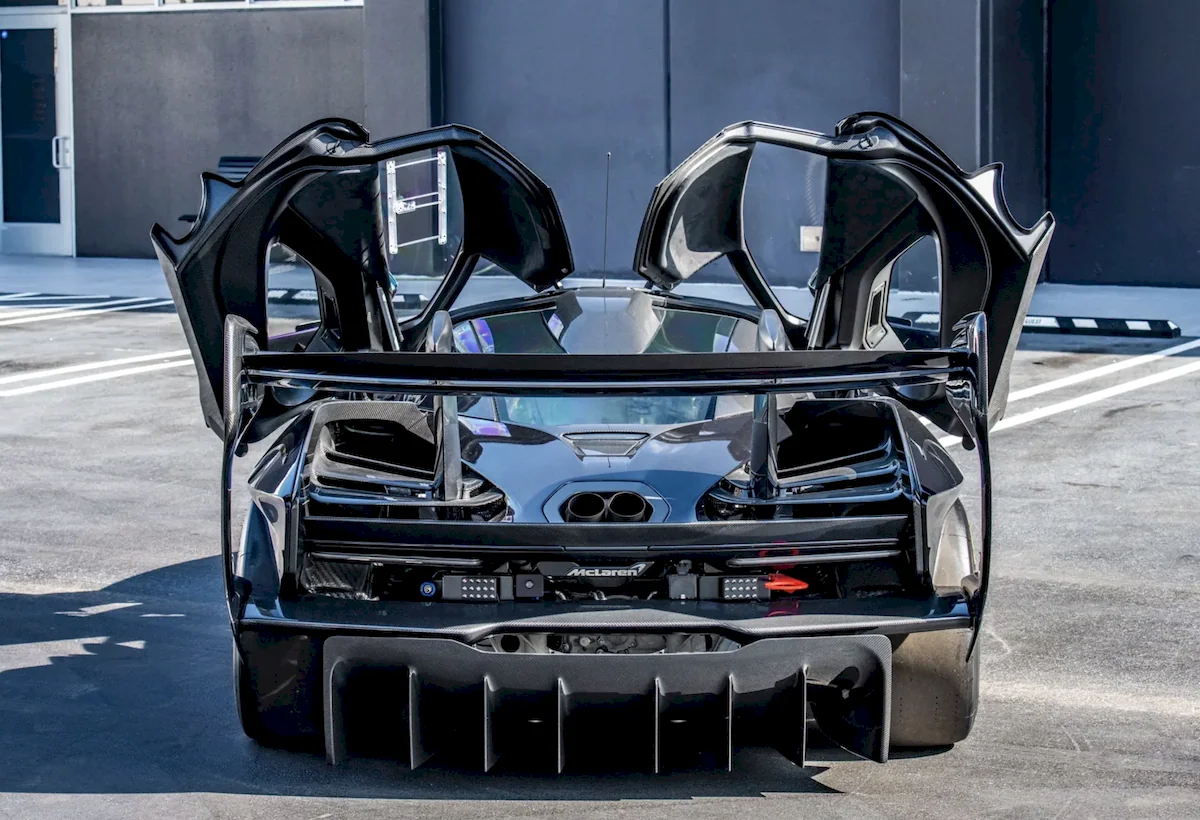
It rides on ultra-light forged alloy wheels wrapped in bespoke Pirelli P Zero slick tires rather than regular road rubber. The car also features optional satin carbon fiber sill panels, along with gloss carbon fiber Aero Blade and canopy panels—extras that added another $45,419 to the original bill.
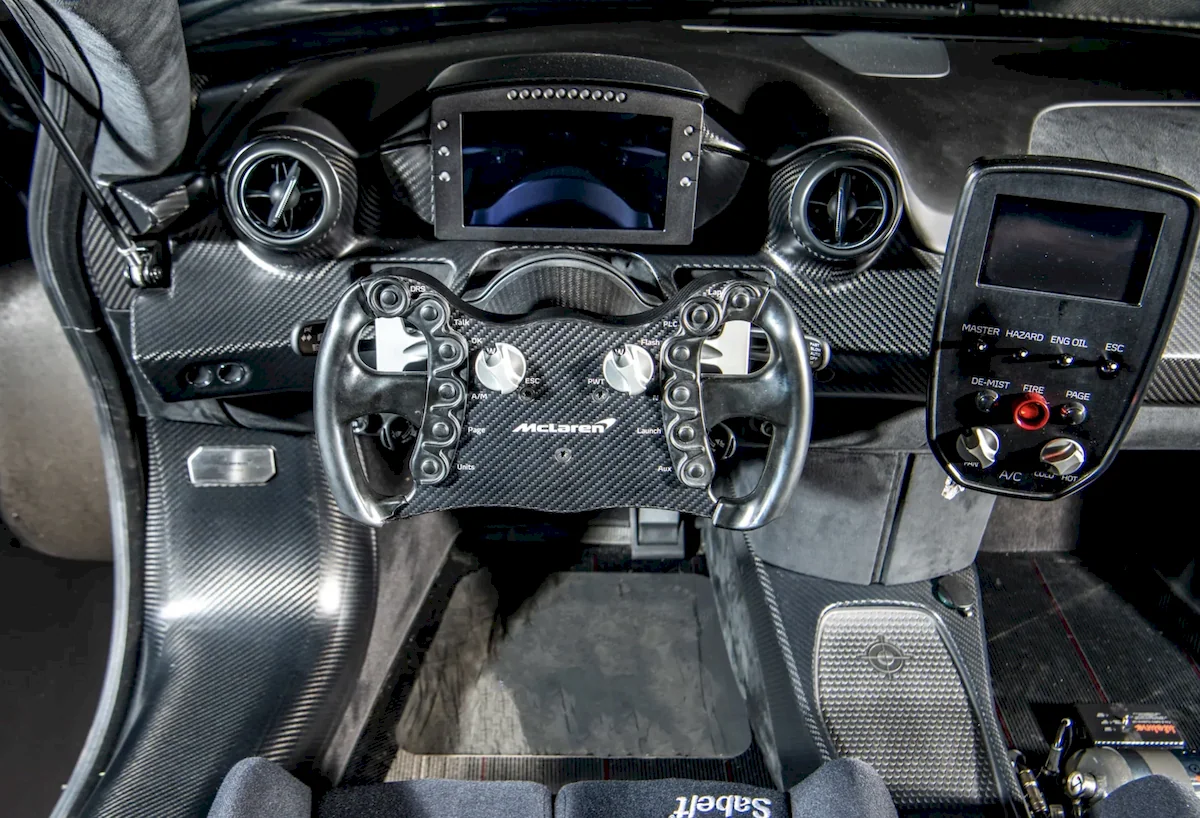
Since the Senna GTR is strictly a track machine, it includes an integrated fire-suppression system designed to protect both the engine bay and the cockpit. Pressing a red button activates the setup, spraying fire-extinguishing chemicals instantly if a fire breaks out.
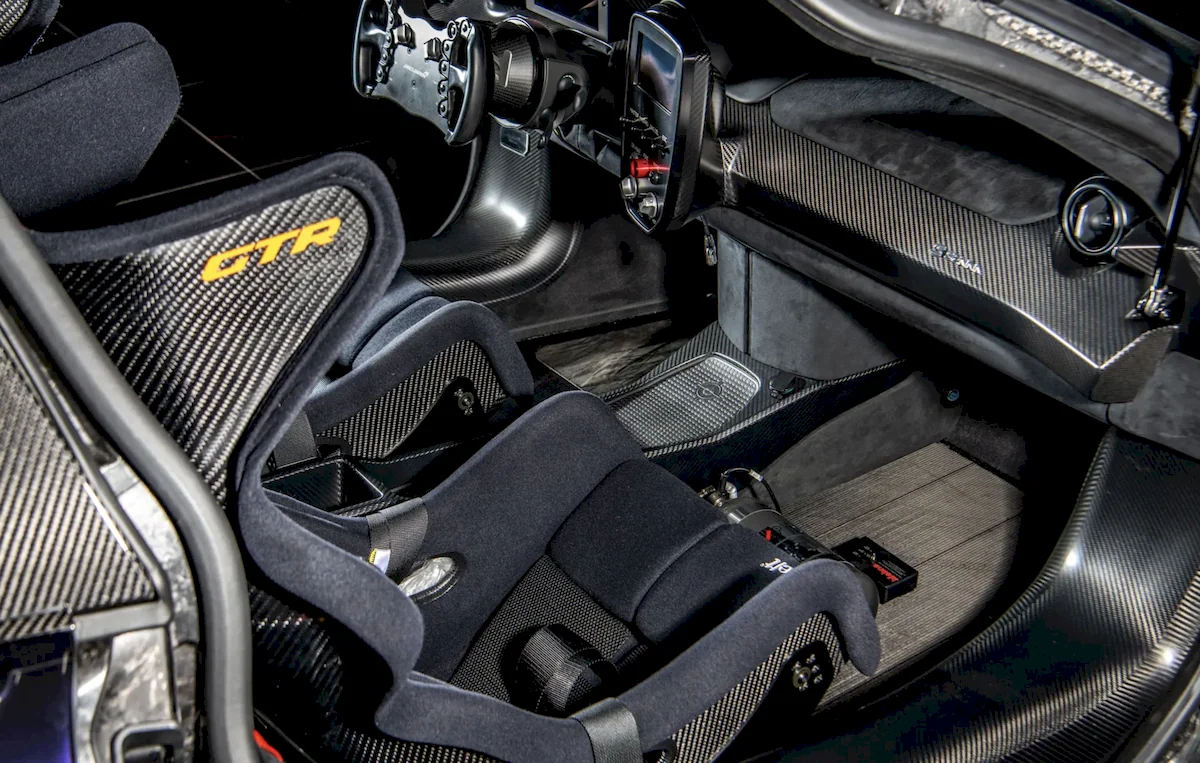
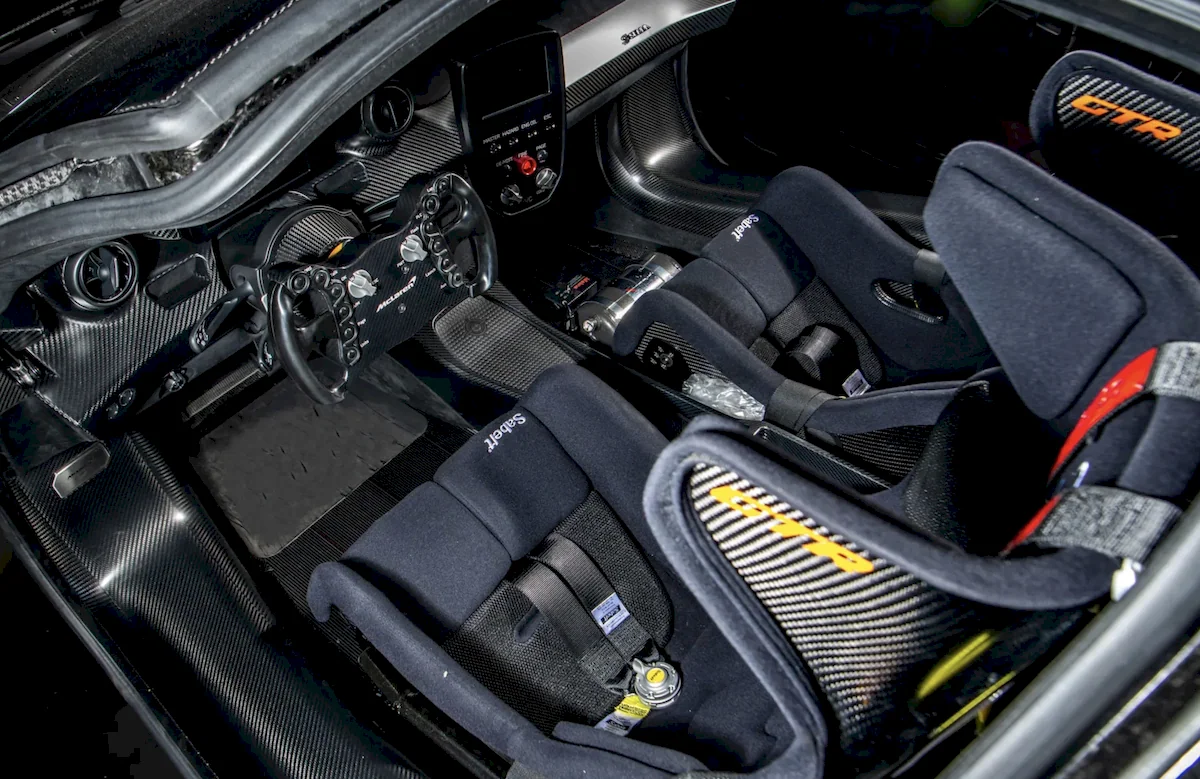
Inside, the car is packed with race-ready gear. A VBOX HD data logger records track performance, while a car-to-pit radio system allows communication with crew members. FIA-approved Sabelt six-point harnesses hold occupants in place in ultra-light carbon fiber seats, helping counteract the hug g-forces drivers experience during heavy braking and cornering.
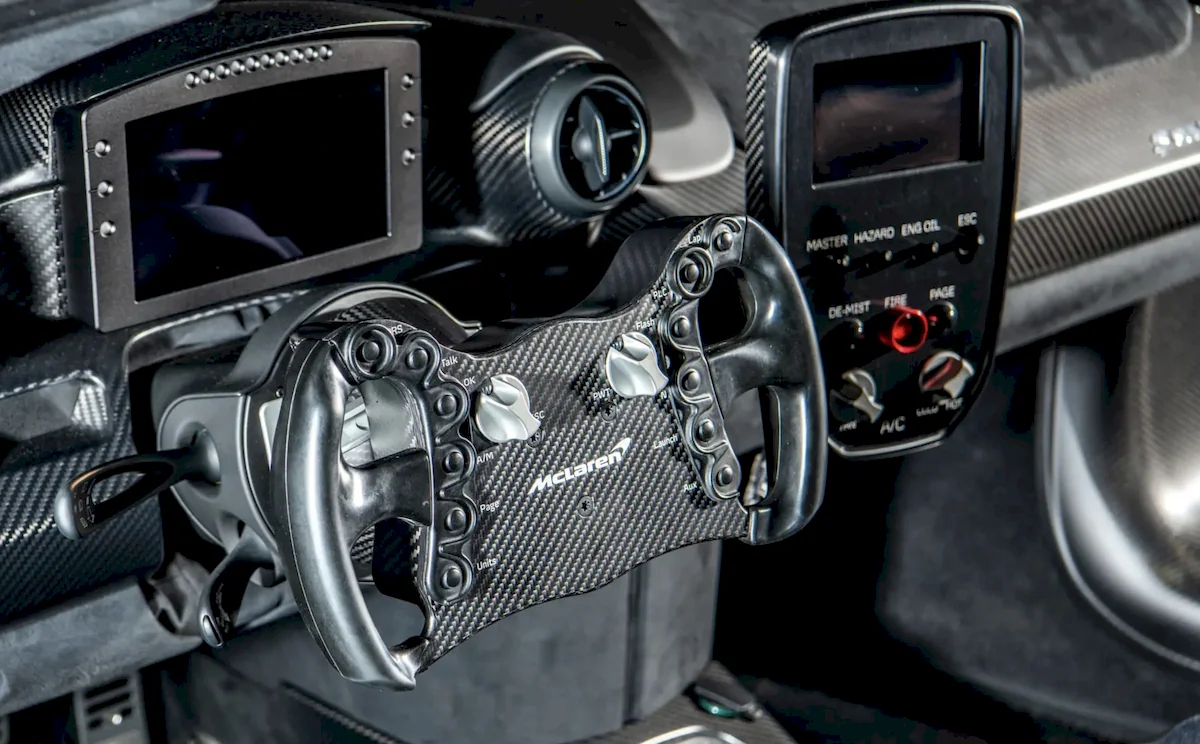
The driver controls the car using a race-inspired steering “helm,” a design that looks complicated enough to make even a seasoned F1 driver pause for a second.
To shave weight, plexiglass replaces the glass used in the street-legal Senna. The standard transparent side blades from the road car were also replaced with carbon fiber panels to help keep overall mass in check.
And it worked. The track-only GTR weighs about 24 pounds less than the road-going Senna, coming in at roughly 2,619 pounds with fluids. Aerodynamic upgrades help reduce drag and boost downforce, including a front splitter equipped with vortex generators that smooth airflow beneath the car.
Out back sits a massive Formula-1-style Drag Reduction System (DRS) wing mounted higher and further rearward than the standard Senna’s. It can adjust within milliseconds and produces up to 2,205 pounds of downforce at 155 mph.
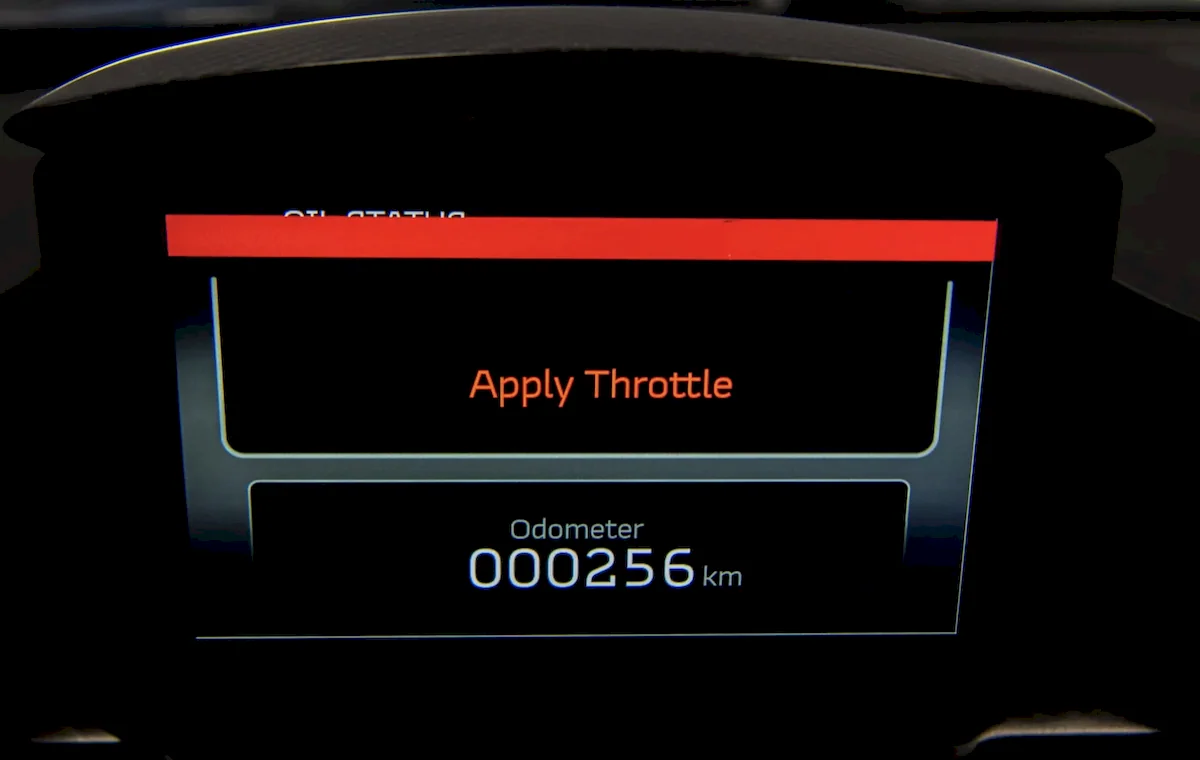
Despite all that engineering, this example has barely been used. The odometer shows only 256 kilometers—about 159 miles—meaning the 4.0-liter twin-turbocharged M840TR V8 hasn’t seen much action. The engine produces 814 horsepower and 590 lb-ft of torque thanks to lightweight internals and ultra-low-inertia twin-scroll turbochargers.
That’s enough to launch the British supercar from 0 to 60 mph in about 2.8 seconds, reach 124 mph in 6.8 seconds, and eventually top out at around 210 mph. A race-derived braking system capable of producing more than 3g of deceleration brings it back down when needed.
Interestingly, not every Senna GTR sale has gone this way. Some owners have taken even bigger losses. RM Sotheby’s previously sold example number 73 for just $973,000—almost half of its original $1,789,000 price. That Solar Yellow car had 871 kilometers on the odomter.
But there are exceptions. One lucky owner who kept their Senna GTR nearly untouched—with just delivery mileage of around 35 kilometers—managed to sell chassis number 59 for a whopping $2,250,000. That particular car, finished in Onyx Black, proved that sometimes keeping a supercar parked can still pay off… even if it doesn’t always.
You may also be interested in the news:
The U.S. Builds the World’s Fastest Lawn Mower
An American-built lawn mower hit 152.8 mph at Arkansas Mile and can still cut grass.
Toyota Is About to Turn the GR86 Into a Very Different Sports Car
Next-generation Toyota GR86 is expected to replace its naturally aspirated engine with a turbocharged powertrain.
This Shelby-Style 1966 Mustang Was Left to Rot—and Someone Still Wants $15,000 for It
This 1966 Mustang looks like it spent decades outdoors after being transformed into a Shelby clone, and now needs saving.
Experts Name the Two Most Powerful Production Sports Cars in the U.S.
American sports cars continue to impress with their horsepower, speed and innovative engineering, with two models standing above the rest.

Bovensiepen Brings Back the BMW Z4 as a 435-HP Spider
The family behind Alpina has revived the BMW Z4 in limited-production form, adding more power, sharper handling, and a hand-finished cabin.