
Next-Gen Nissan GT-R: Official Details Reveal Bold Choices for the R36
Nissan confirms new GT-R R36 will keep a V6 engine and adopt hybrid technology.
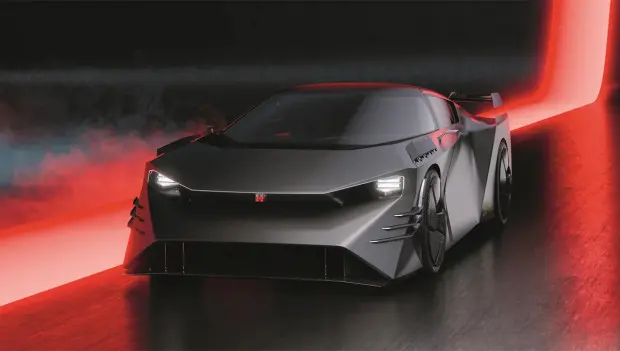
Nissan has officially confirmed development of the next-generation GT-R, and the early details suggest a surprising direction. Instead of going fully electric, the upcoming R36 is expected to retain its signature V6 engine, potentially paired with hybrid technology.
The arrival of a new GT-R is always a big moment in the performance car world, and this one could reshape the segment. While many automakers are pushing aggressively toward all-electric sports cars, Nissan is taking a different route. The company hasn’t just kept the iconic name alive—it’s actively working on a successor that’s now moving closer to completion.
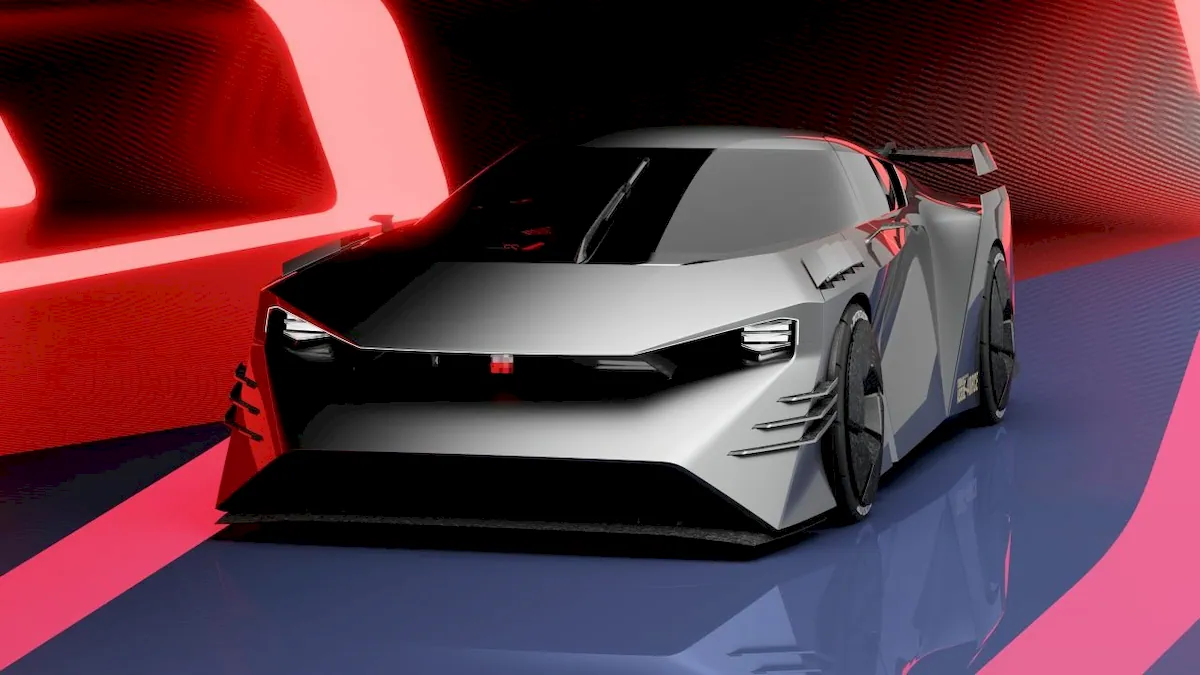
Confirmation of the R36 project came from Ivana Espinosa, a key figure in the development team, with additional insight from Richard Candler, Nissan’s global head of product strategy. According to Candler, the company has no plans to switch entirely to an electric platform. The reasoning is straightforward: today’s electric sports cars—and especially current lithium-ion battery technology—still can’t deliver the performance expected from a GT-R.
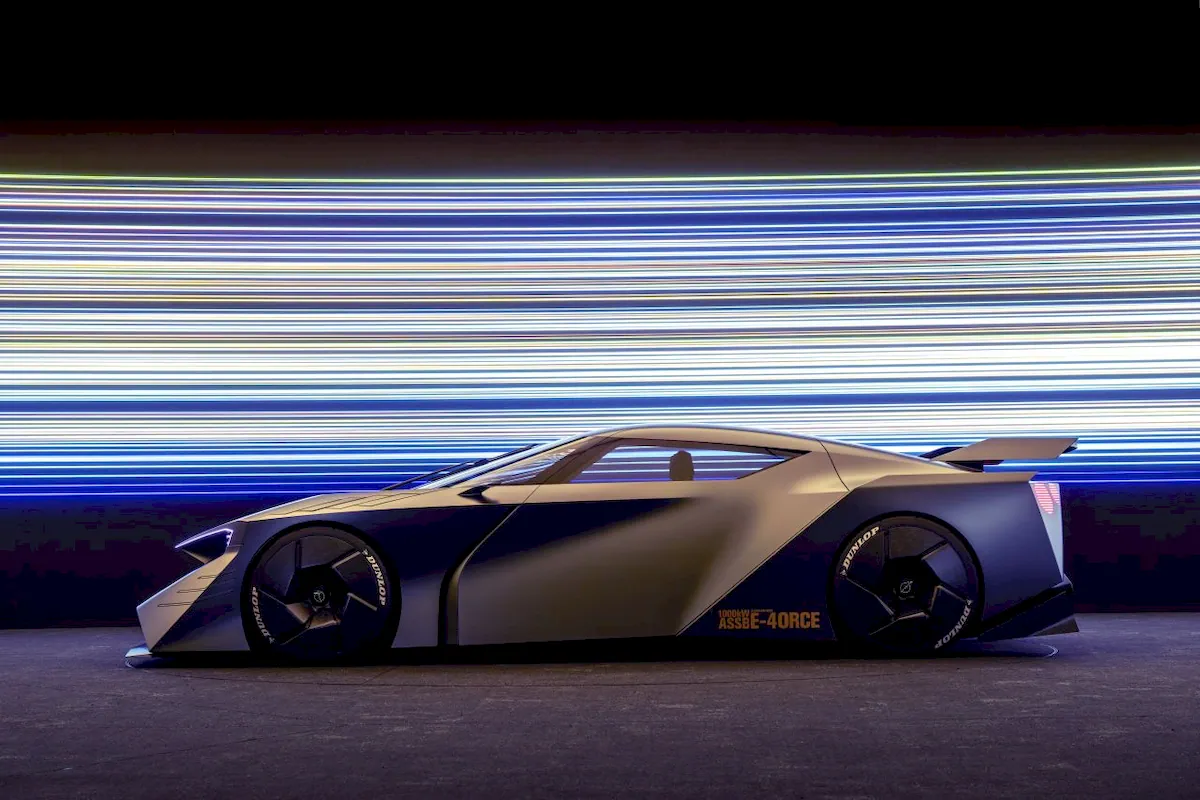
Candler made the stance clear, noting that a fully battery-powered setup isn’t on the table for the next generation. That said, electrification isn’t being ignored. With tightening emissions standards worldwide, the R36 is expected to incorporate a hybrid system. This approach should help reduce emissions, improve efficiency, and potentially boost overall performance.
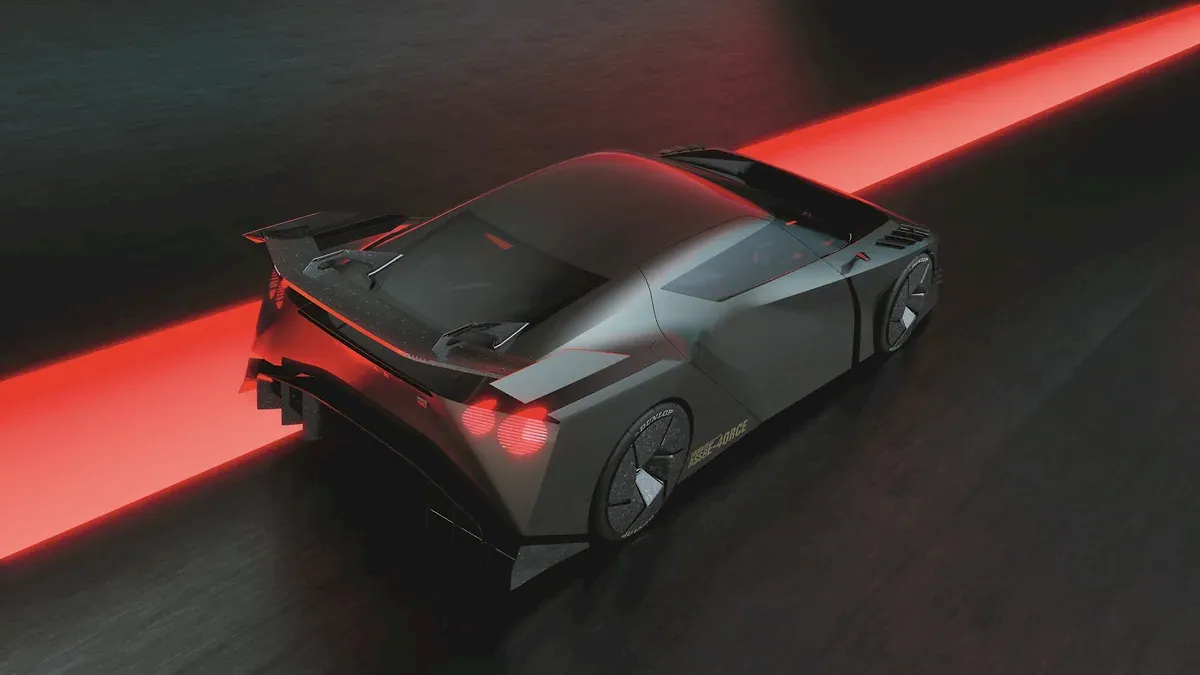
From a technical standpoint, the new GT-R will stick to its roots. The car is expected to feature a front mid-engine layout with a twin-turbocharged V6 under the hood. A new dual-clutch automatic transmission is also under consideration, though details like the number of gears haven’t been disclosed yet. Power output is expected to surpass that of the previous generation, which ended production last summer.
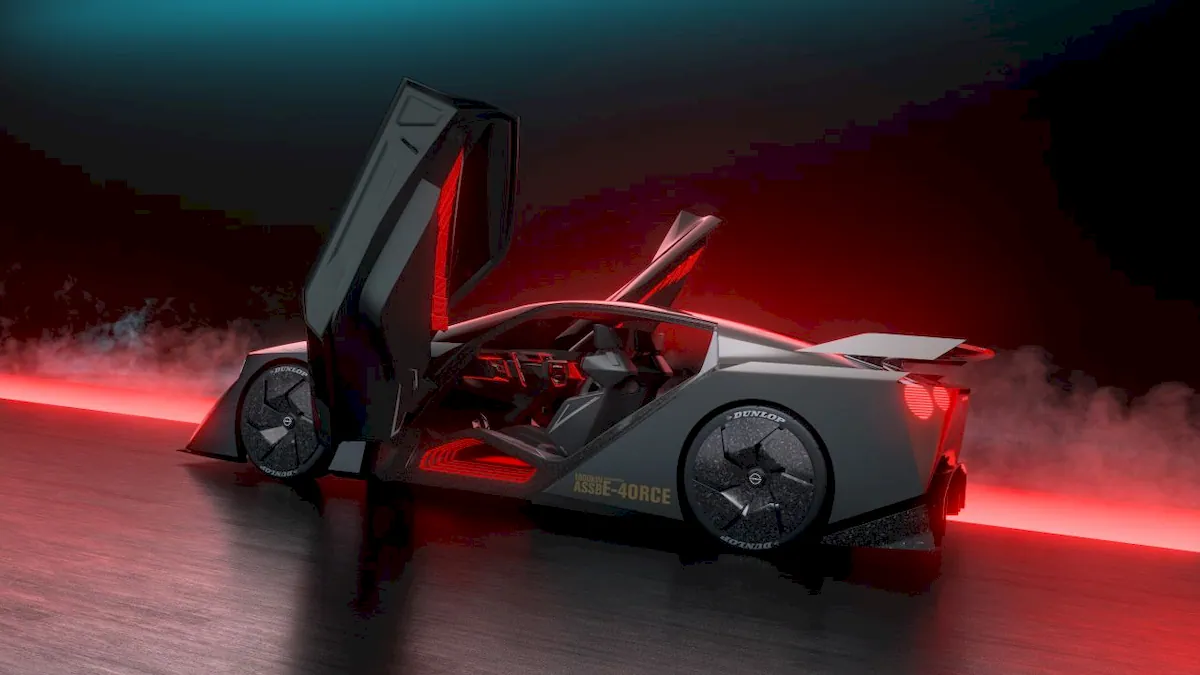
The broader performance market is in the middle of a technology arms race. New and unconventional models—like high-performance builds based on trucks such as the Ford F-150—are entering the spotlight and challenging traditional sports car norms. Against that backdrop, Nissan’s decision to avoid full electrification feels both bold and deliberate.
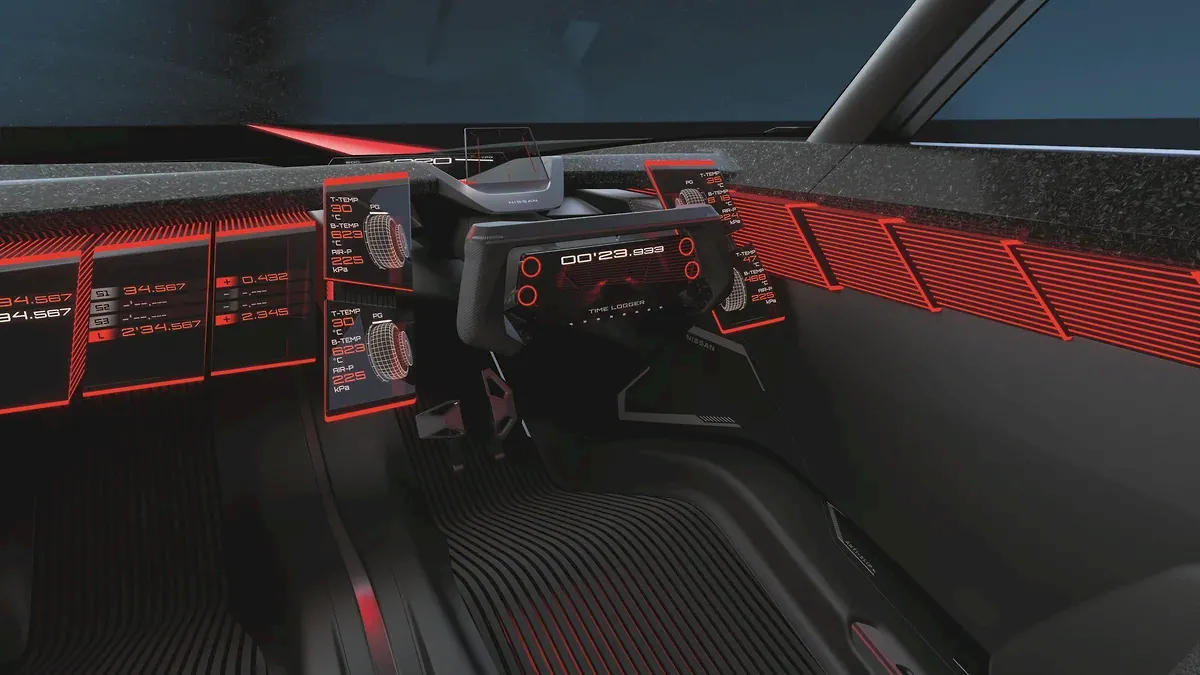
An official release date for the R36 hasn’t been announced, but most industry watchers don’t expect it to arrive before 2029. A lot can change by then, from battery technology to emissions regulations. Still, one thing is already clear: Nissan is determined to preserve the GT-R’s distinctive character, even as the industry evolves.
You may also be interested in the news:
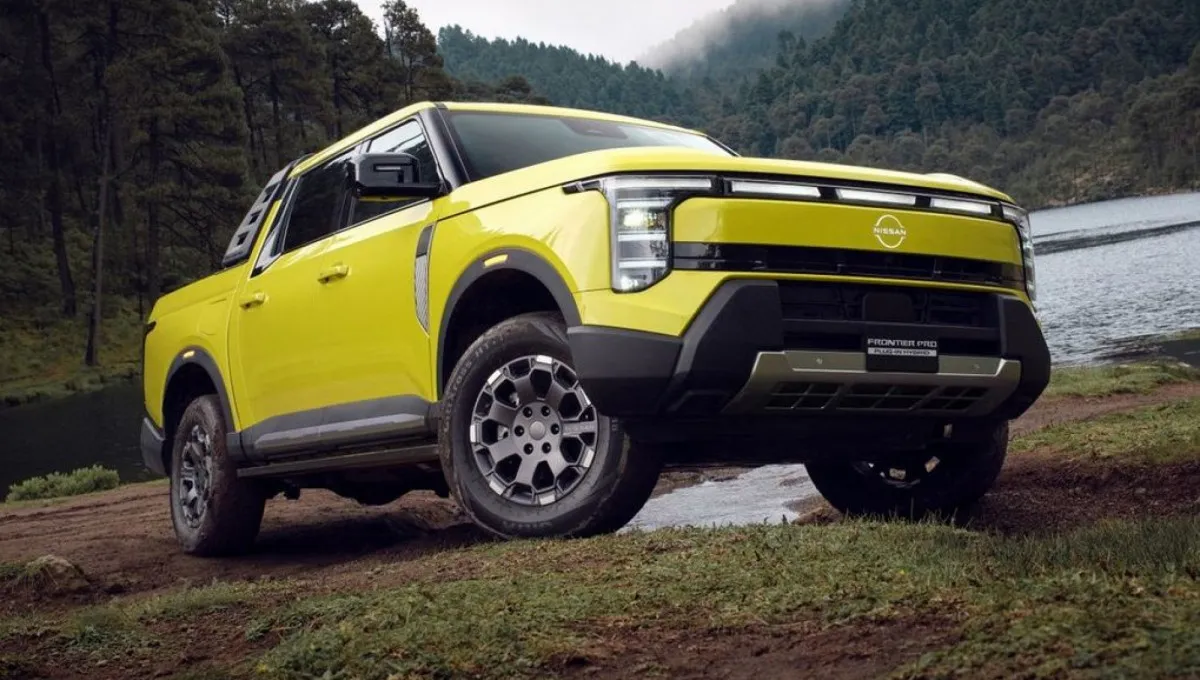
Nissan's New Frontier Pro Isn't the Truck Americans Know — And It's Heading to Global Markets
Nissan has confirmed plans to launch its China-built Frontier Pro pickup in international markets, starting with Mexico this month.
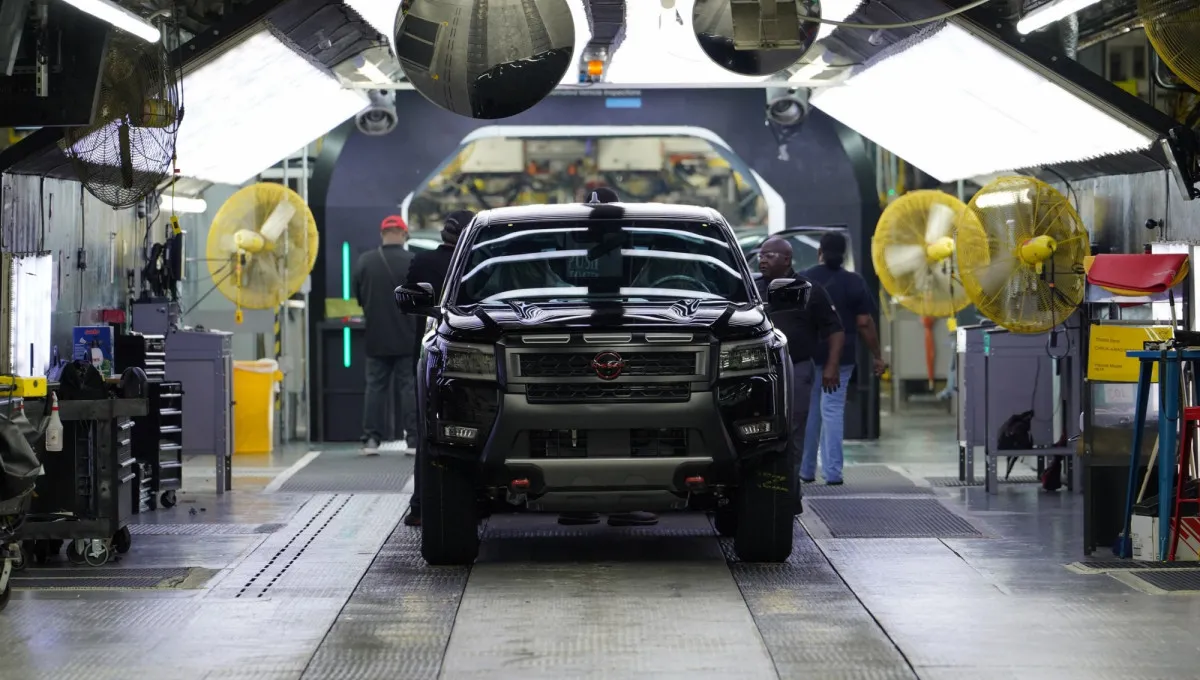
Nissan Restarts US-Made Murano, Pathfinder, Frontier Sales in Canada
Nissan resumed Canadian sales of three U.S.-built models, but tariffs keep supply below earlier levels.
Toyota Is About to Turn the GR86 Into a Very Different Sports Car
Next-generation Toyota GR86 is expected to replace its naturally aspirated engine with a turbocharged powertrain.
This Shelby-Style 1966 Mustang Was Left to Rot—and Someone Still Wants $15,000 for It
This 1966 Mustang looks like it spent decades outdoors after being transformed into a Shelby clone, and now needs saving.
These Wild New EVs Look Like They Drove Straight Out of a Sci-Fi Movie
Saudi automaker Ceer has unveiled two futuristic electric models that look more like movie props than production cars.