
What Happens If You Hit a Speed Bump Too Fast—and How It Can Damage Your Car
Speed bumps are designed to slow drivers down, but ignoring them can lead to costly damage.
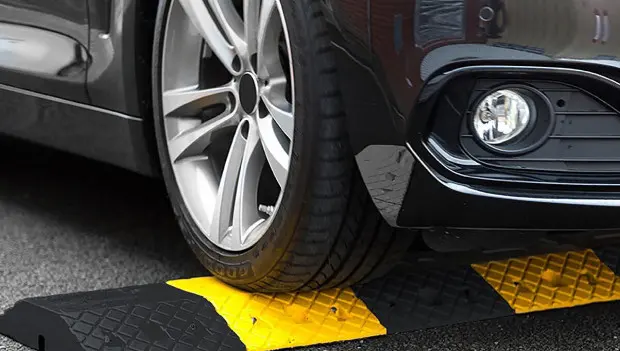
Speed bumps are installed for one simple reason: to force drivers to slow down. They play a key role in improving road safety, especially near crosswalks, schools, and other high-risk areas. Still, many drivers have wondered at some point—what really happens if you hit one at high speed? Could you get away with it without any damage?
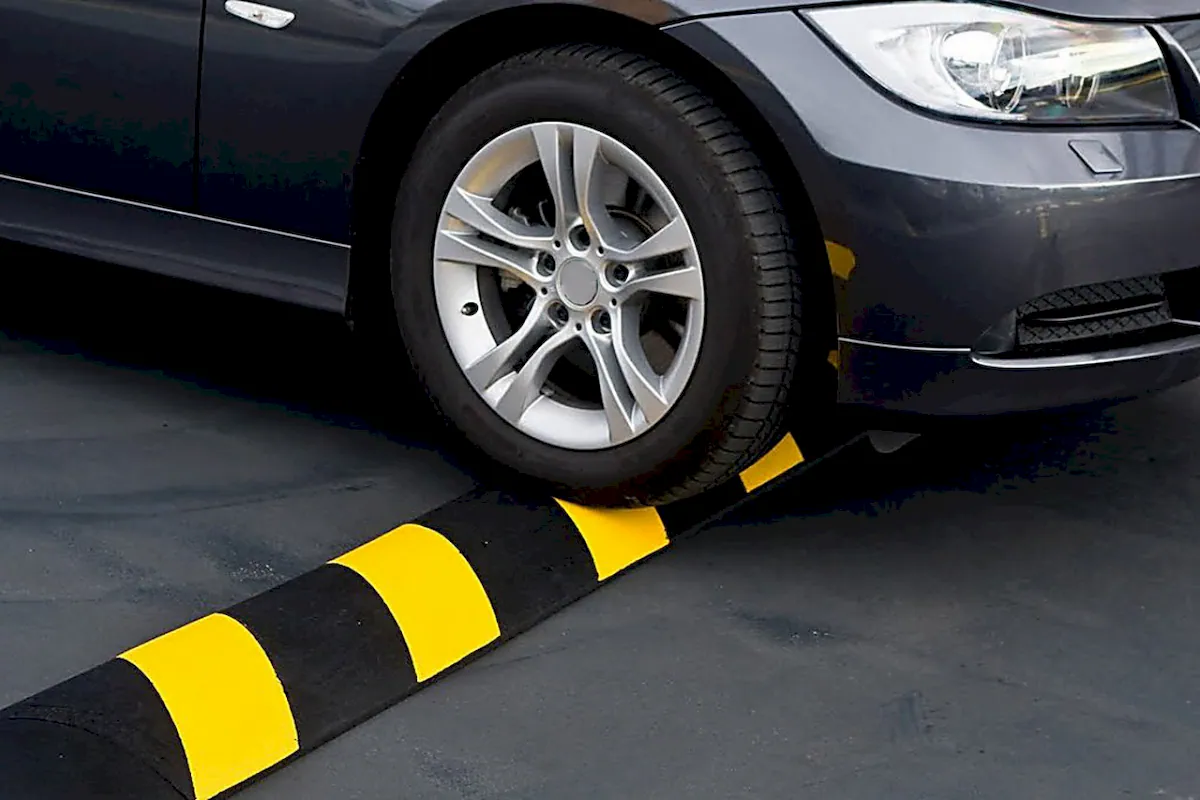
In reality, speed bumps are among the most effective traffic-calming measures ever introduced. Despite their simplicity, few solutions match their ability to reduce vehicle speeds. They’re especially useful in areas where extra caution is needed, and data consistently shows they help cut down on accidents. But that doesn’t mean your car will come out unscathed if you ignore them.
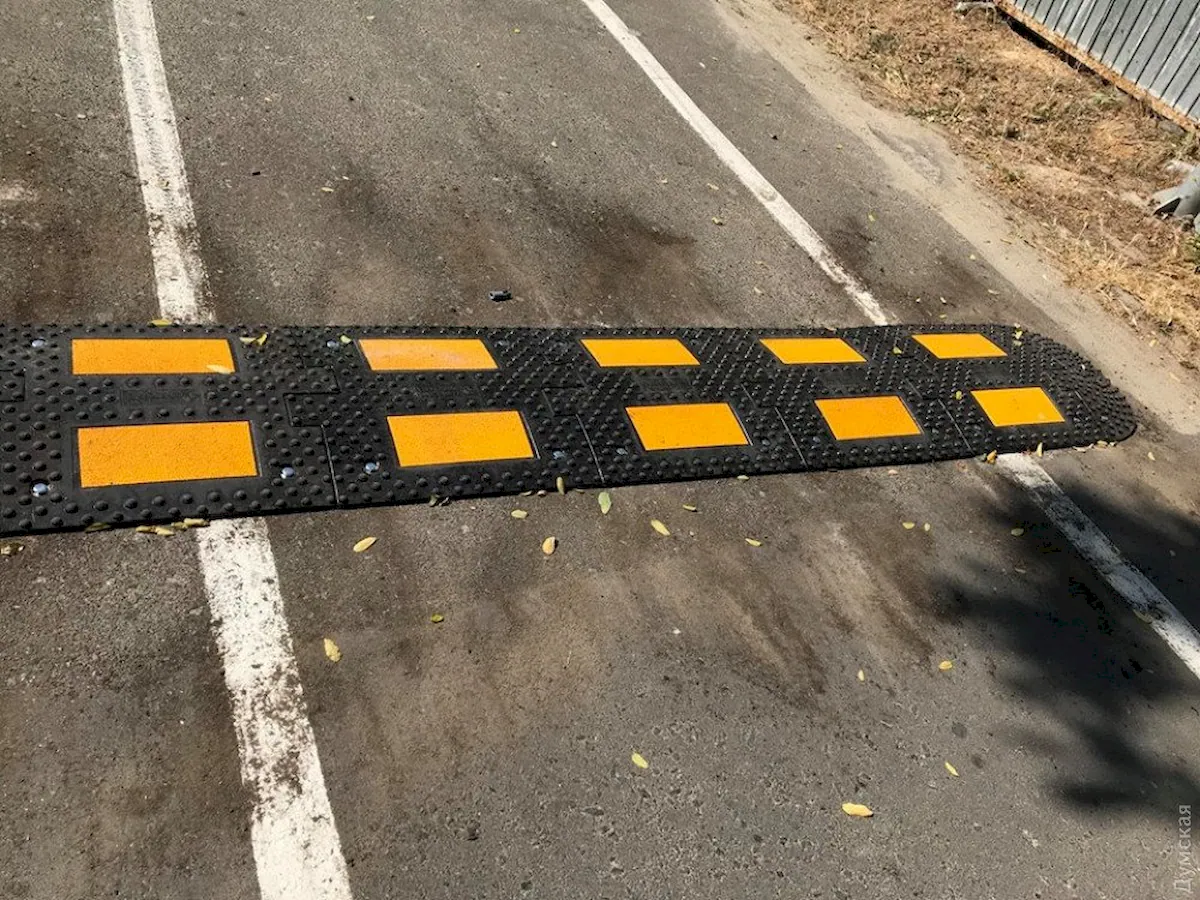
One important detail: not all speed bumps are the same. Ideally, they should be about 2.8 inches high, with a maximum of around 4 inches. However, due to uneven or poorly maintained road surfaces, some can effectively rise to 5–6 inches or more. That difference matters a lot when you hit one at speed.
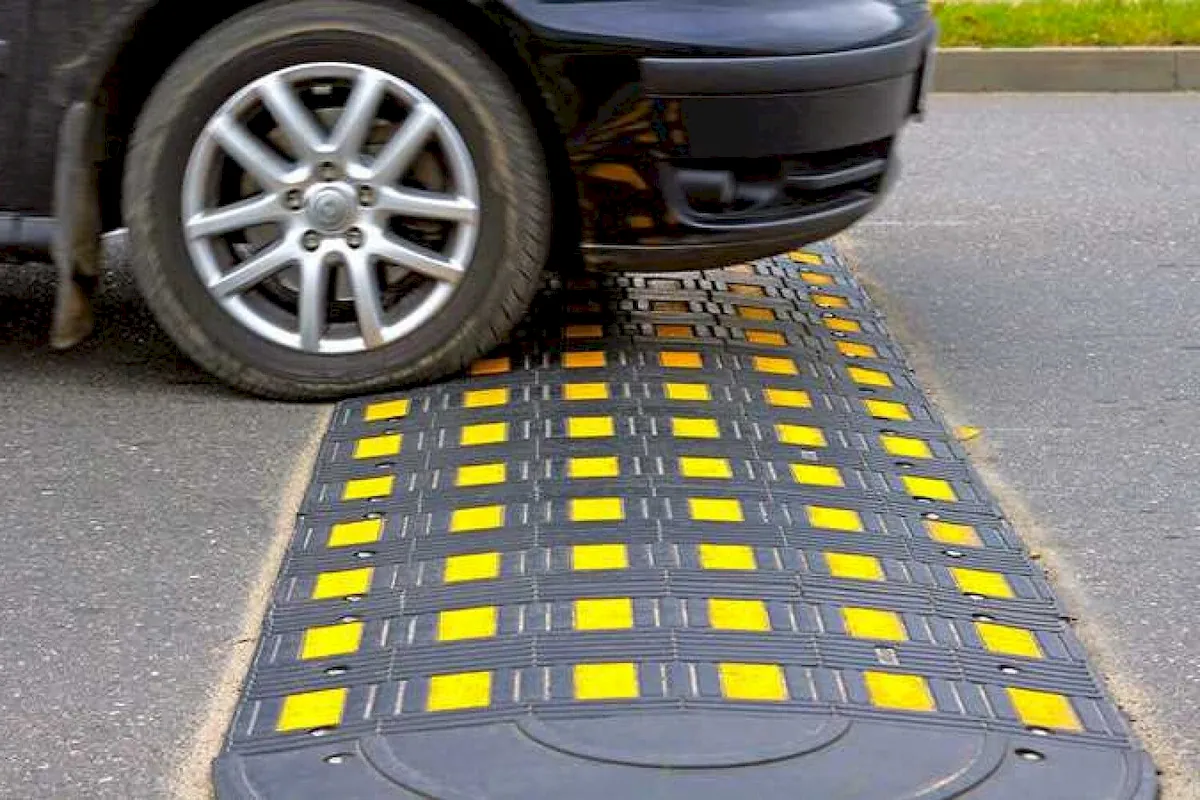
There’s also a persistent myth that you can safely “fly over” a speed bump without slowing down. That’s simply not true. For vehicles with softer or higher suspension setups, a safe crossing speed is around 25 mph. Go faster, and the impact starts putting serious stress on key components. For cars with low-profile or stiff suspensions, the safe speed drops closer to 12 mph.
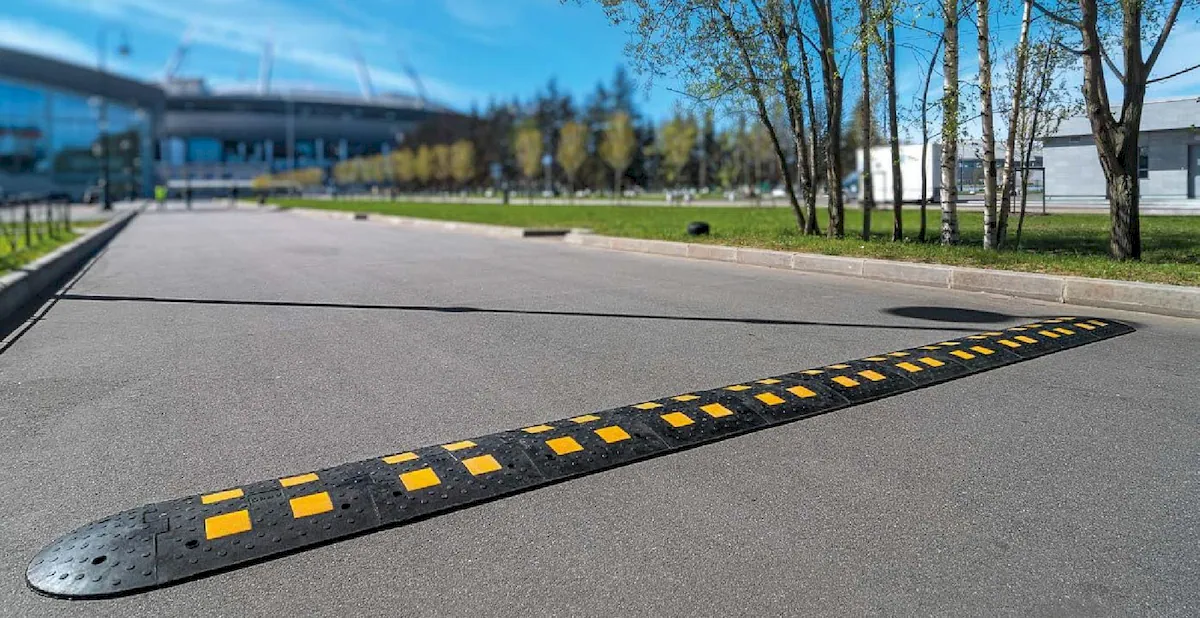
Ignoring these limits can quickly lead to problems. Repeated high-speed impacts can damage suspension components, wheels, brakes, and springs. At around 50 mph, hitting a speed bump can deliver a shock strong enough to affect multiple systems—including parts under the hood.
If you want to avoid expensive repairs, the best approach is simple: slow down before the bump and ease off the brake pedal just before contact. It’s a small adjustment that can save you from major mechanical headaches later.
You may also be interested in the news:
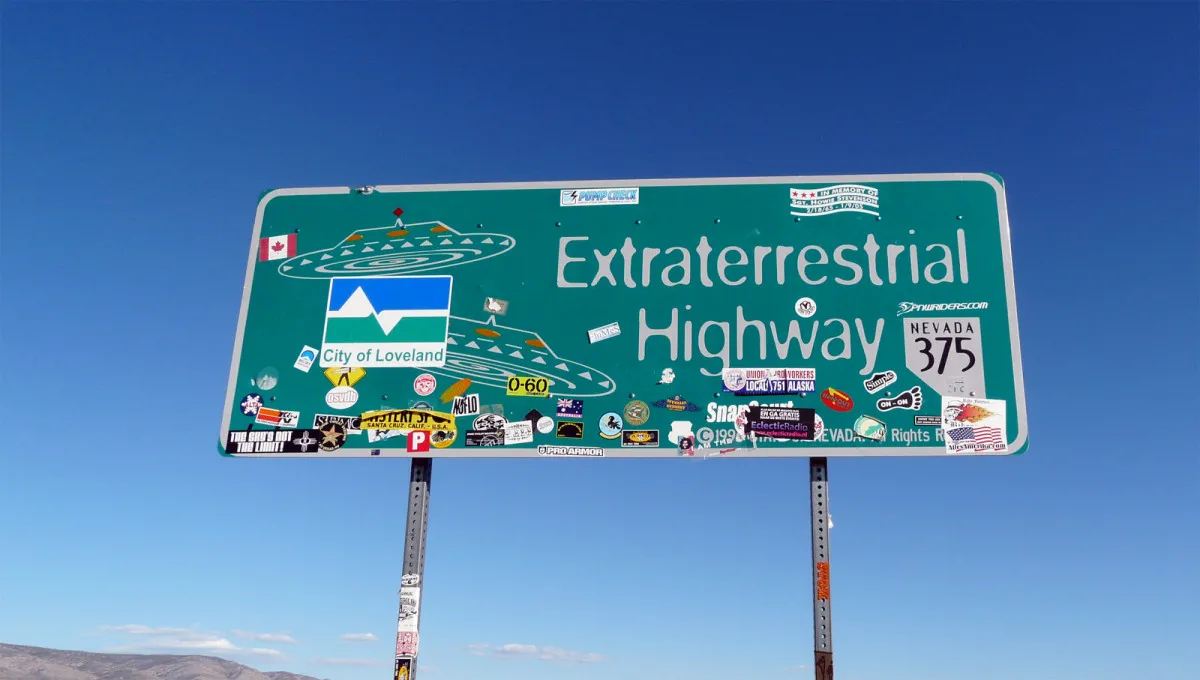
Invisible Cows and a 17.3 MPH Speed Limit? 4 of America's Strangest Road Signs
From invisible cows to alien highways, these unusual American road signs turn ordinary drives into unforgettable roadside surprises.
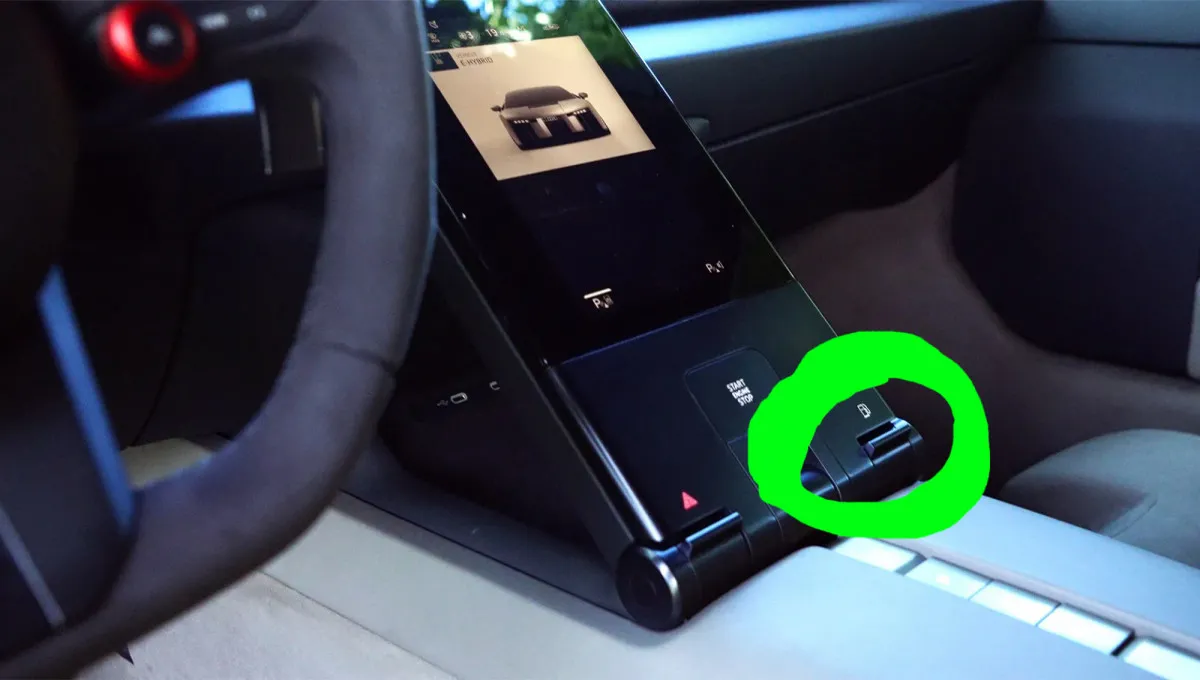
Solving the Mystery of the Audi Nuvolari’s Massive Fuel Door Button
Audi’s striking Nuvolari supercar has an unusually large fuel door button, and its placement may reveal an unexpected connection.
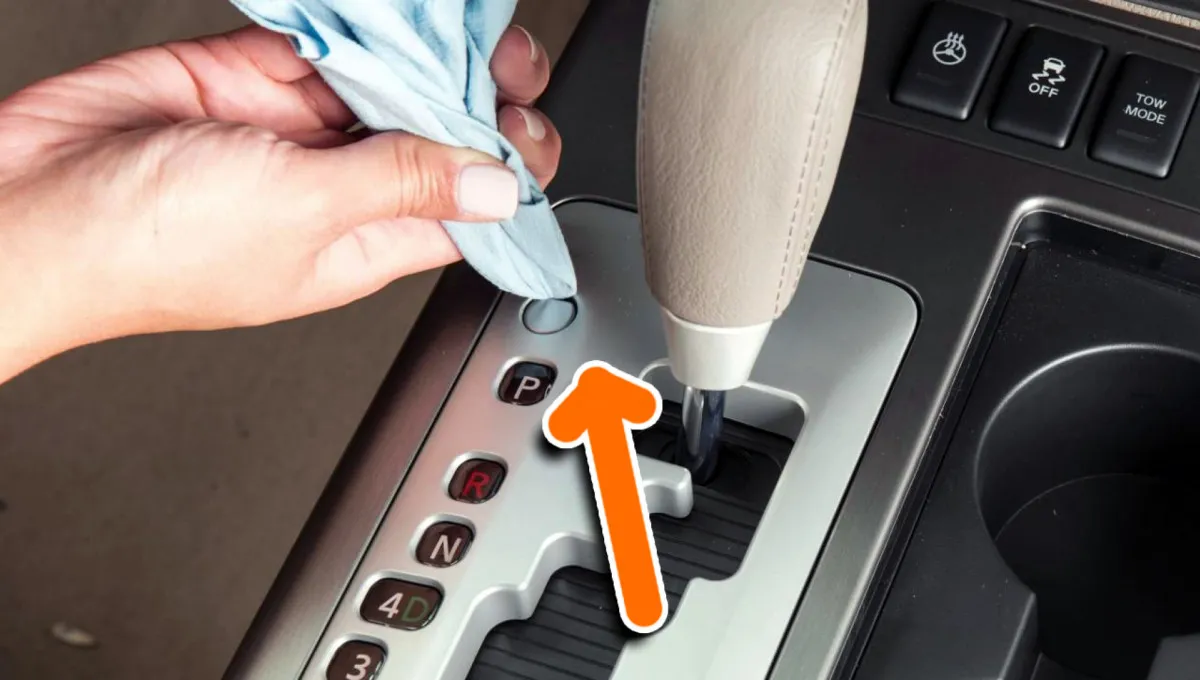
Tow Truck Driver Reveals a Hidden Car Feature That Could Save Your Life in an Emergency
A professional tow truck driver revealed a little-known feature that can help drivers move a disabled vehicle to safety.
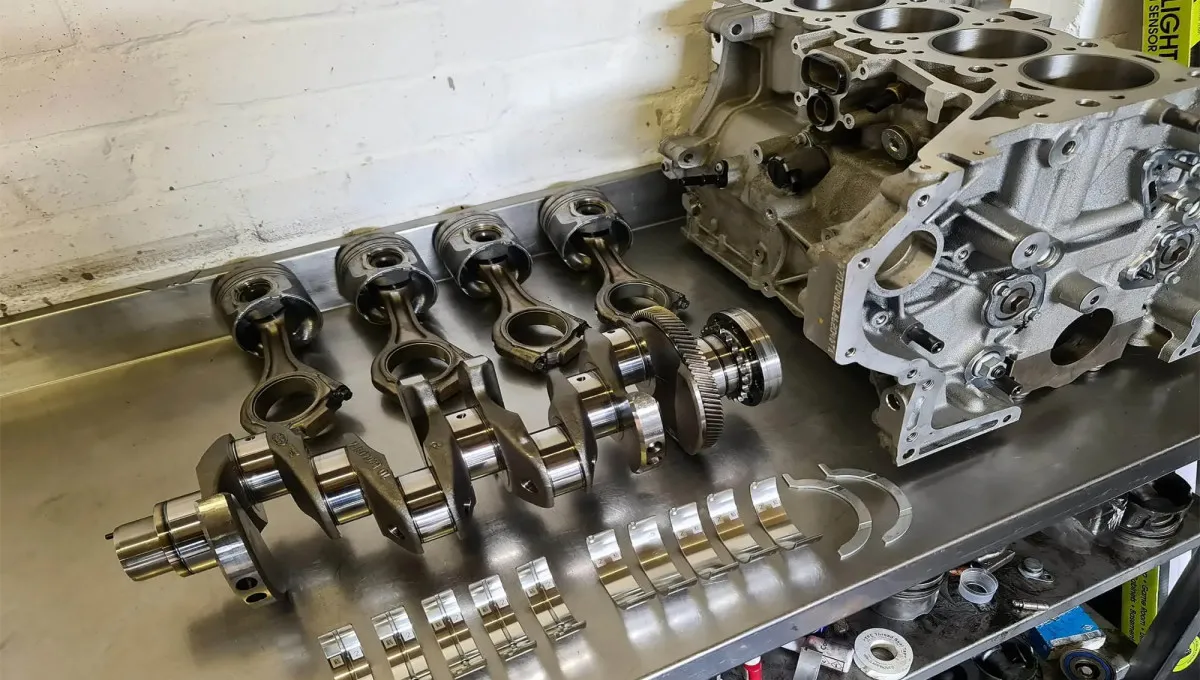
Not Ford, BMW or Audi: Mechanic Names the Car Brand That Almost Never Breaks Down
Auto repair professionals reveal which models rarely suffer major failures and which ones repeatedly end up on the lift.

What Does a Flashing Red Traffic Light Mean? Can You Keep Driving?
Drivers must come to a complete stop at the stop line before deciding whether it is safe to proceed.