
Why Some Drivers Attach a Magnet to the Oil Filter—and How It May Help Protect the Engine
A simple real-world test was conducted to see whether a magnet can actually reduce engine wear particles.
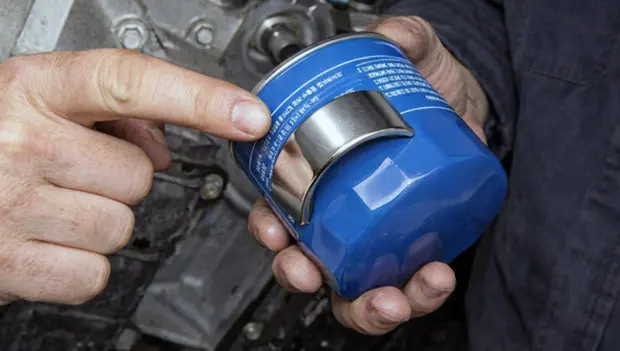
Even with careful driving, an engine gradually wears over time. As this happens, tiny metal particles inevitably make their way into the oil. They don’t just settle out—they continue circulating through the lubrication system. Over time, this can contribute to wear on internal components. In theory, the oil filter should handle this completely, but in practice, things are not quite that perfect.
A lot depends on the filter itself and the materials used inside it. The filtering media varies in density, and in cheaper designs, extremely fine particles can still pass through and keep circulating with the oil, continuing the wear process.
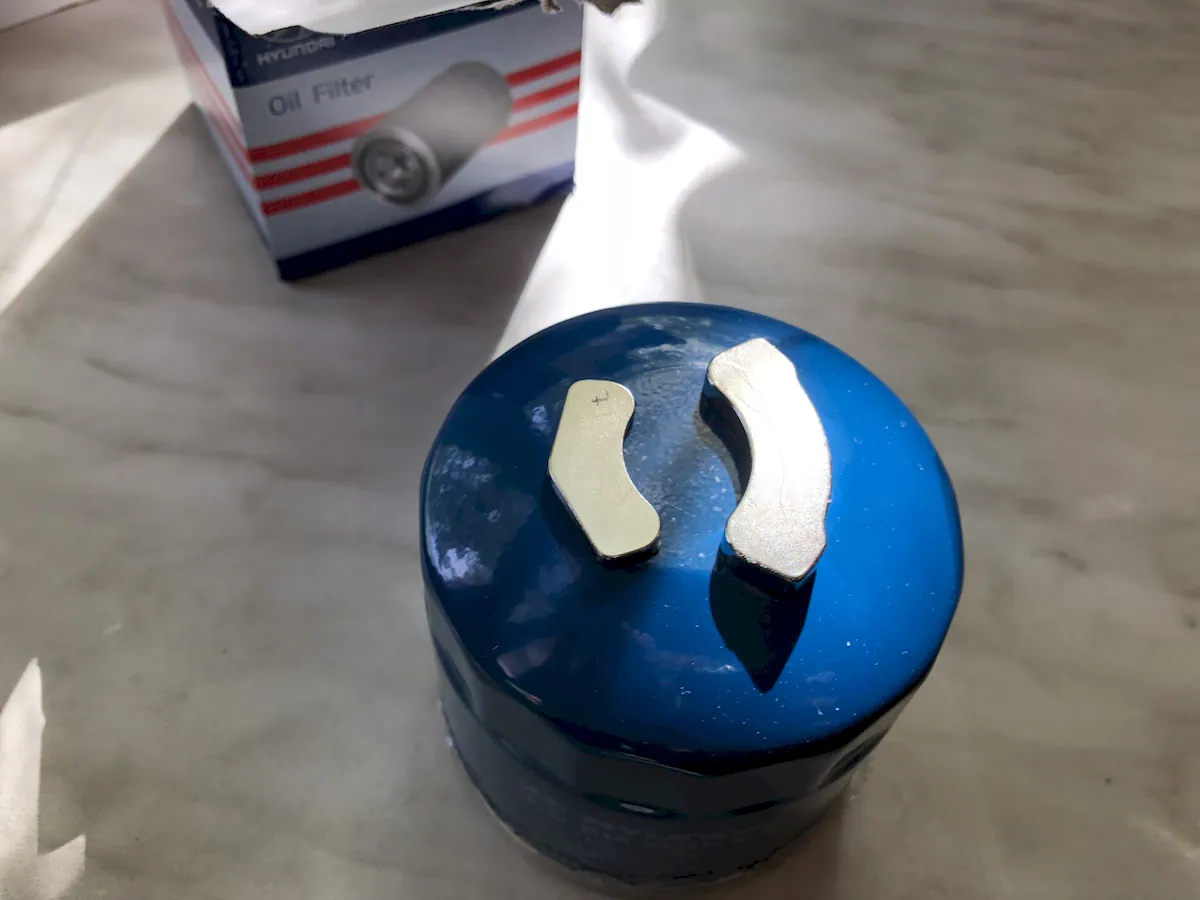
There’s another factor often overlooked. The filter doesn’t always clean oil under all operating conditions. When engine speed rises, oil pressure increases, and at a certain point a bypass valve opens. This allows oil to flow around the filter element to protect the system from oil starvation. The downside is that, during these moments, filtration is effectively reduced or paused, and some contaminants remain in the lubrication circuit. Even high-quality filters can’t fully eliminate this behavior.
Because of this, some drivers have started using an additional measure: attaching a strong magnet to the oil filter housing. It’s a simple modification since most filter bodies are steel. The idea is that the magnet attracts ferrous metal particles, helping reduce their presence in the oil system—without replacing the filter’s function.
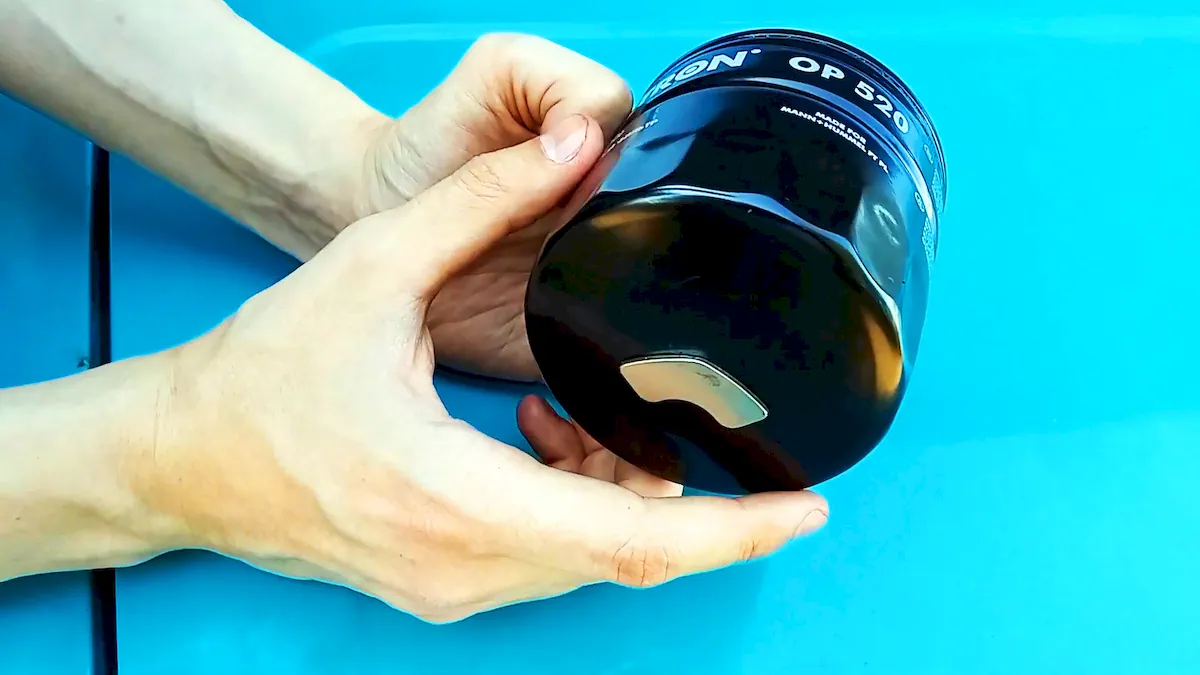
To move beyond theory, a basic real-world test was carried out under normal driving conditions. A magnet was installed on the oil filter of a vehicle with roughly 75,000 miles on the odometer. The car was then driven for about 5,000 miles before the next scheduled oil change, with no changes to driving style.
When service time came, the filter was removed and inspected. Inside, a noticeable amount of fine metallic dust was found clinging to the area near the magnet. It was visible even without special equipment, suggesting that the magnet had indeed captured some of the circulating particles.
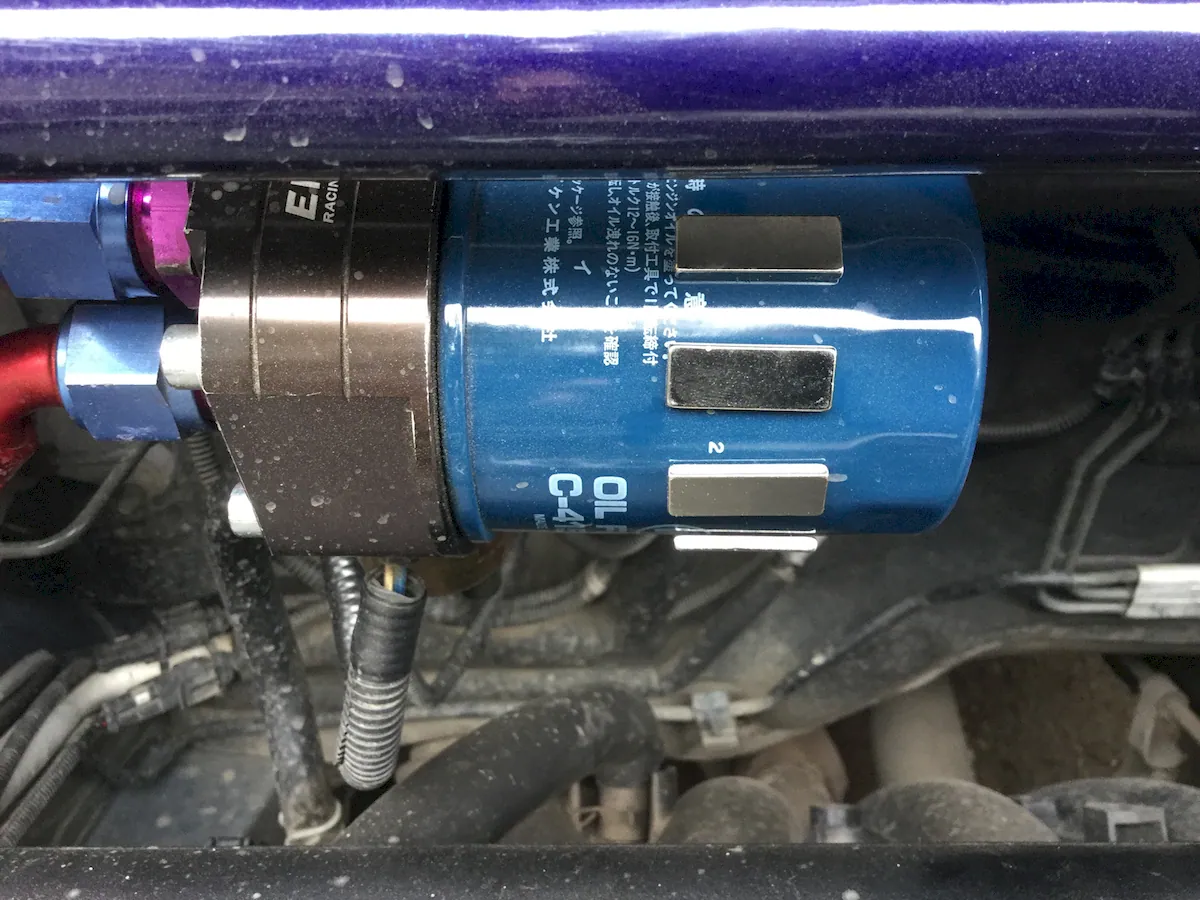
That said, the results shouldn’t be overstated. It’s impossible to measure how much debris would have been captured by the filter alone during the same interval. The filter itself still plays the primary role in cleaning oil, especially when it’s of good quality.
In the end, a magnet should be seen as an auxiliary measure—not a replacement for proper filtration. It doesn’t eliminate wear particles entirely, but it may help reduce their overall presence in the system. And since it doesn’t introduce obvious downsides, many drivers see it as a simple, low-cost way to add a small layer of extra engine protection.
You may also be interested in the news:

Invisible Cows and a 17.3 MPH Speed Limit? 4 of America's Strangest Road Signs
From invisible cows to alien highways, these unusual American road signs turn ordinary drives into unforgettable roadside surprises.

Solving the Mystery of the Audi Nuvolari’s Massive Fuel Door Button
Audi’s striking Nuvolari supercar has an unusually large fuel door button, and its placement may reveal an unexpected connection.

Tow Truck Driver Reveals a Hidden Car Feature That Could Save Your Life in an Emergency
A professional tow truck driver revealed a little-known feature that can help drivers move a disabled vehicle to safety.

This Land Rover Is So Low It Nearly Scrapes the Road — And It Runs on VW Beetle Hardware
It looks like a classic Land Rover Series III, but this radically lowered custom hides a very different mechanical setup underneath.
Not Ford, BMW or Audi: Mechanic Names the Car Brand That Almost Never Breaks Down
Auto repair professionals reveal which models rarely suffer major failures and which ones repeatedly end up on the lift.