
That Weird Thing Wrapped Around Big Rig Wheels in Latin America? Here’s What It Does
Take a closer look at some Latin American tractor-trailers, and you’ll spot something strange bolted to the wheels.
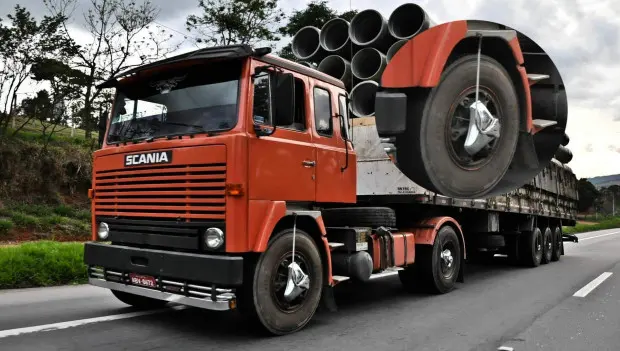
If you take a good look at certain long-haul trucks cruising around Latin America, especially their wheels, you’ll notice an odd piece of gear mounted right over the rim. Anyone who hasn’t spent time behind the wheel of a big rig will probably scratch their head wondering what that contraption is and why it’s there. And no, despite how it looks, it’s not some flashy custom accessory dreamed up by truckers looking to jazz up their ride.
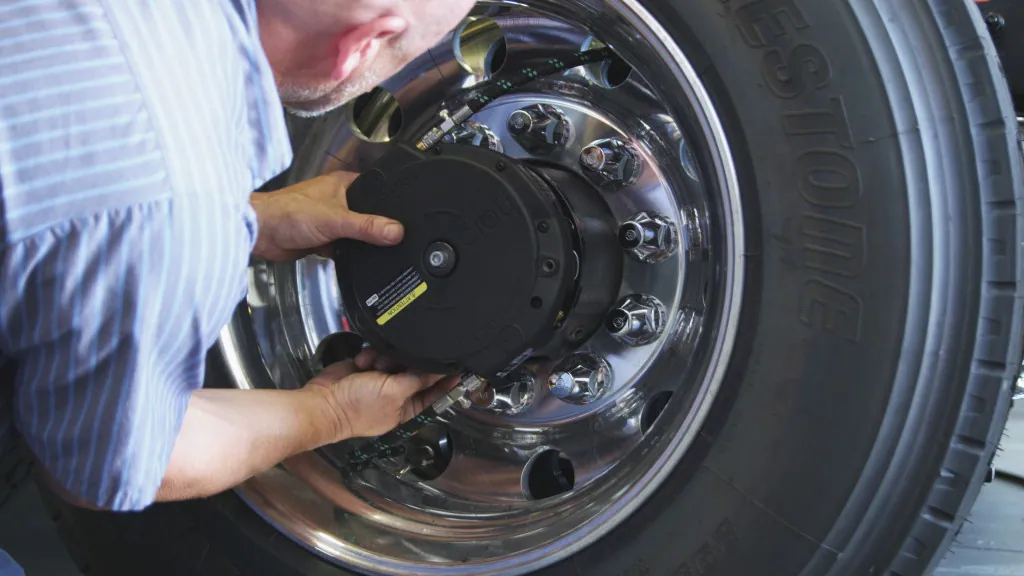
So what is that weird gizmo bolted onto the wheels of some semi-trucks? The answer is actually pretty simple: it’s an automatic tire inflation system. This isn’t just for over-the-road tractors either. You’ll also find it on plenty of work trucks, off-road rigs, farm tractors, military vehicles, certain 4x4s, and other similar machines. As you might have guessed, the job of this system is to keep tire pressure exactly where it needs to be — dropping or raising it depending on the situation.
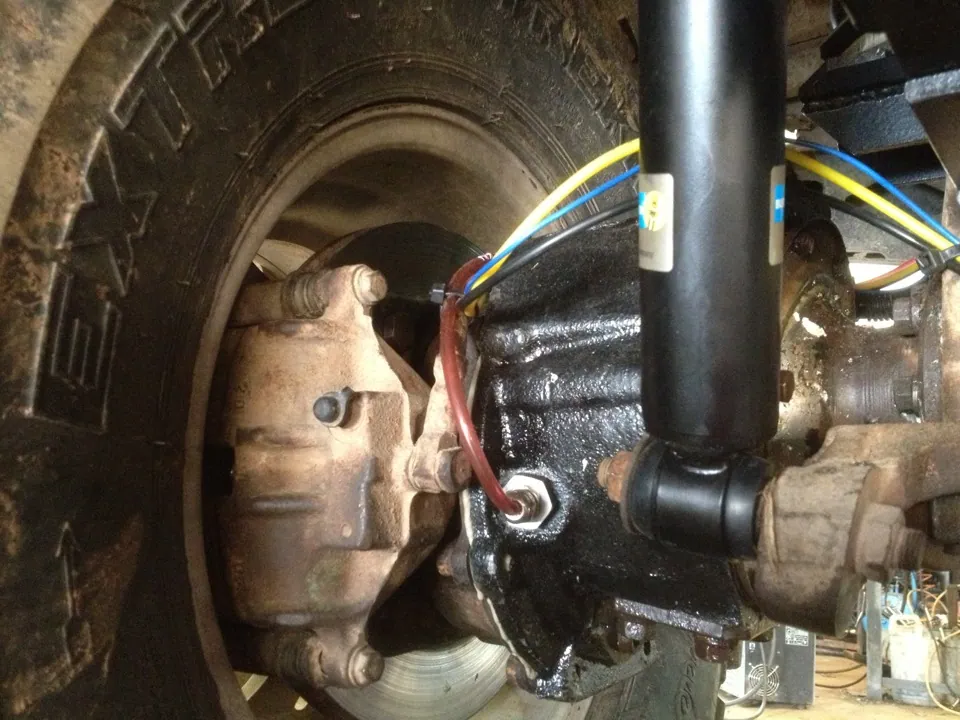
Most of the time, this inflation gear is part of a central tire pressure management setup. That lets the driver adjust pressure on the fly without ever leaving the cab. It becomes a lifesaver when the pavement ends and the road turns into dirt, gravel, or mud. On a solid highway, you want those tires hard and stiff. But on a dirt road or rough terrain, you need to air down for better grip and a smoother ride. The system pulls its air from a dedicated compressor or taps into the truck’s onboard air supply if it’s got one.
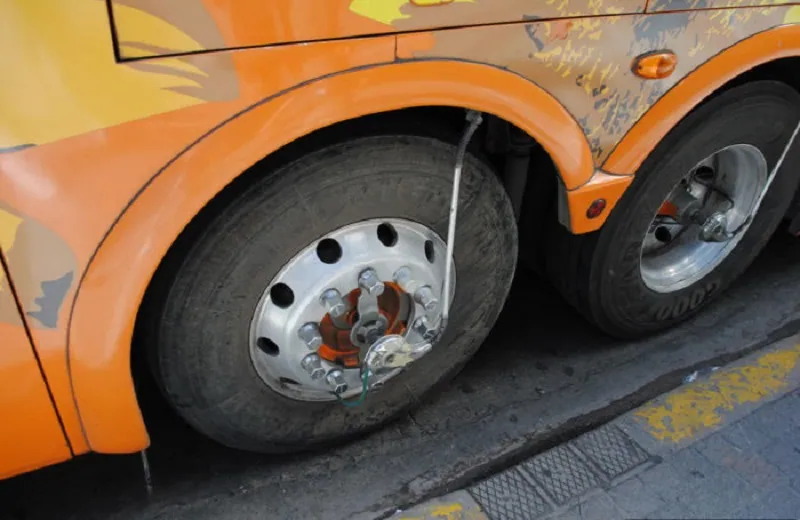
Now, you might be wondering — why would a highway semi even need this? Fair question. The short answer is that this equipment mostly shows up on trucks that have to roll through countries where good roads aren’t a given. Take Latin America: pretty much every heavy-duty hauler down there runs some form of inflation system because drivers constantly hit absolutely terrible stretches of highway or are forced to pull off onto unpaved roads. On top of that, adjusting tire pressure based on load weight or weather conditions can be a real game-changer. That last part matters even more when the rubber itself isn’t top quality. In hot climates, for instance, drivers will lower the pressure even on decent pavement.
You may also be interested in the news:

Invisible Cows and a 17.3 MPH Speed Limit? 4 of America's Strangest Road Signs
From invisible cows to alien highways, these unusual American road signs turn ordinary drives into unforgettable roadside surprises.

Solving the Mystery of the Audi Nuvolari’s Massive Fuel Door Button
Audi’s striking Nuvolari supercar has an unusually large fuel door button, and its placement may reveal an unexpected connection.
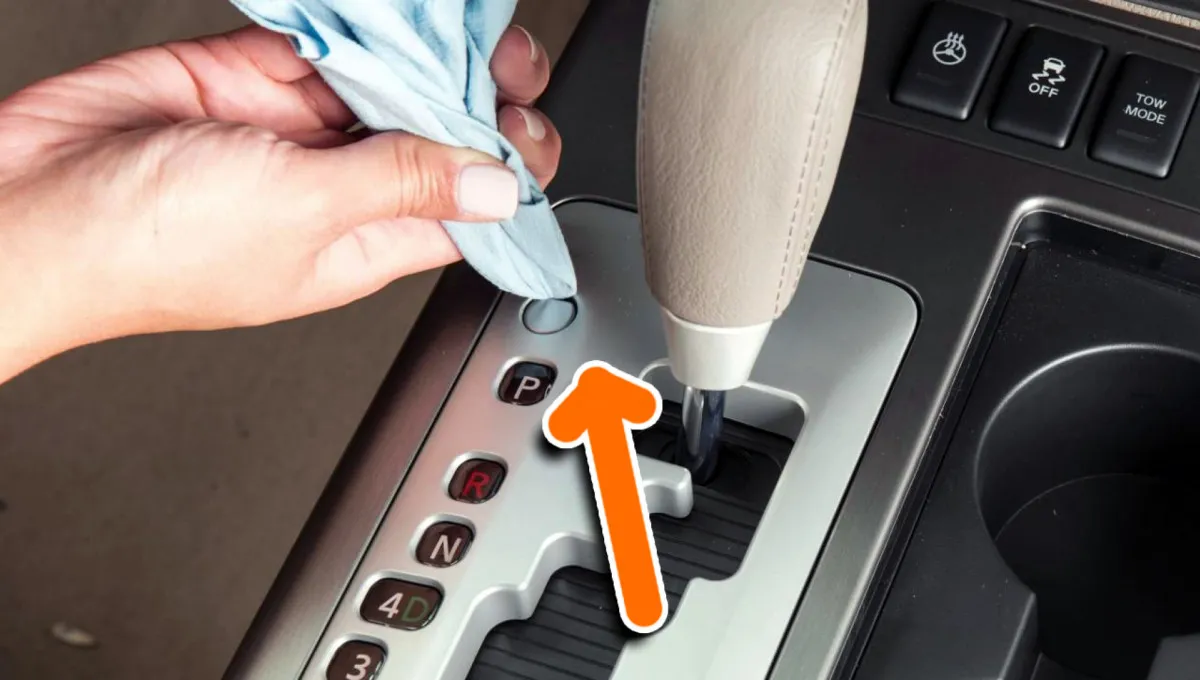
Tow Truck Driver Reveals a Hidden Car Feature That Could Save Your Life in an Emergency
A professional tow truck driver revealed a little-known feature that can help drivers move a disabled vehicle to safety.
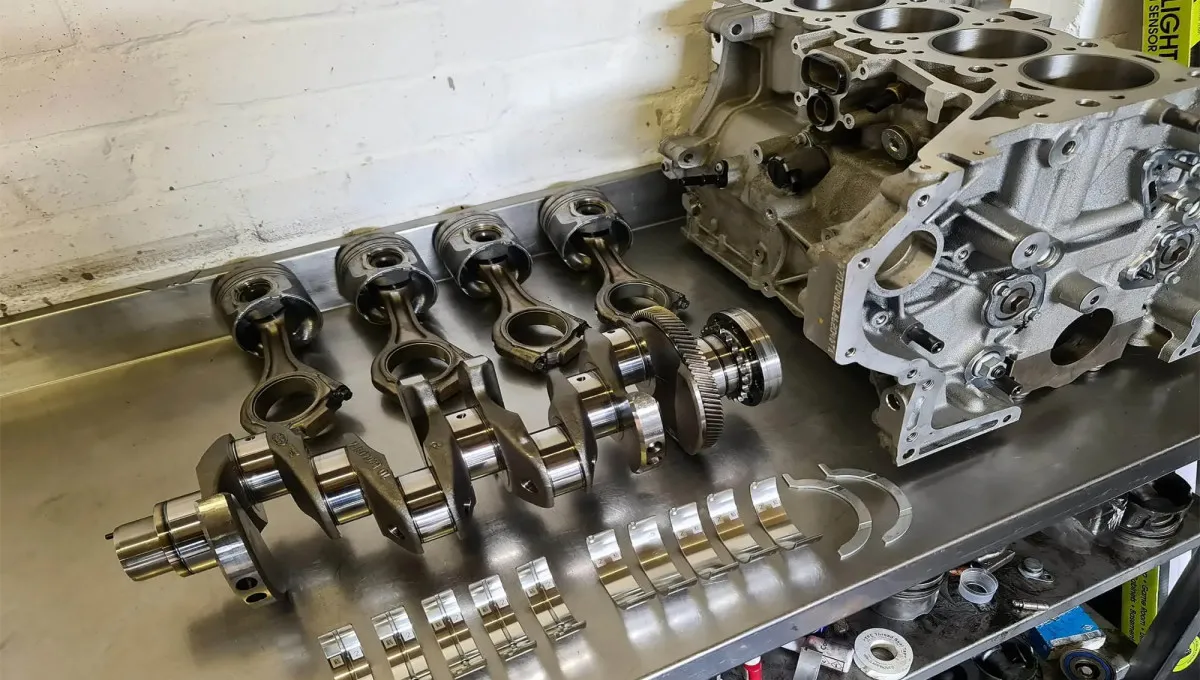
Not Ford, BMW or Audi: Mechanic Names the Car Brand That Almost Never Breaks Down
Auto repair professionals reveal which models rarely suffer major failures and which ones repeatedly end up on the lift.

What Does a Flashing Red Traffic Light Mean? Can You Keep Driving?
Drivers must come to a complete stop at the stop line before deciding whether it is safe to proceed.