
How Much Did American Cars Cost in the 1950s—and Who Could Afford Them?
Let's take a closer look at what these cars actually cost and who could realistically afford to buy them.
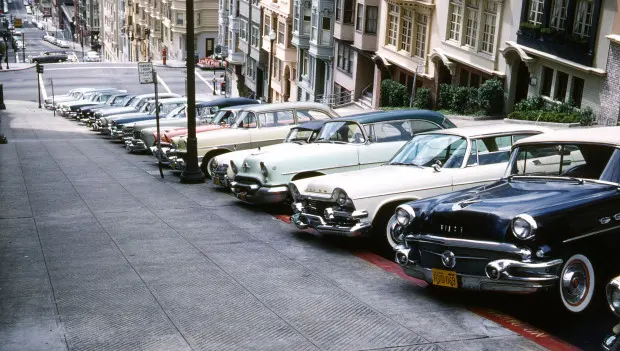
Looking at American cars from the so-called "golden era" of the 1950s through the 1970s, it's easy to assume that these massive vehicles packed with chrome and powerful V8 engines couldn't have been inexpensive. Let's take a closer look at what they actually cost and who could realistically afford them.
The U.S. Auto Industry at the Start of the 1950s
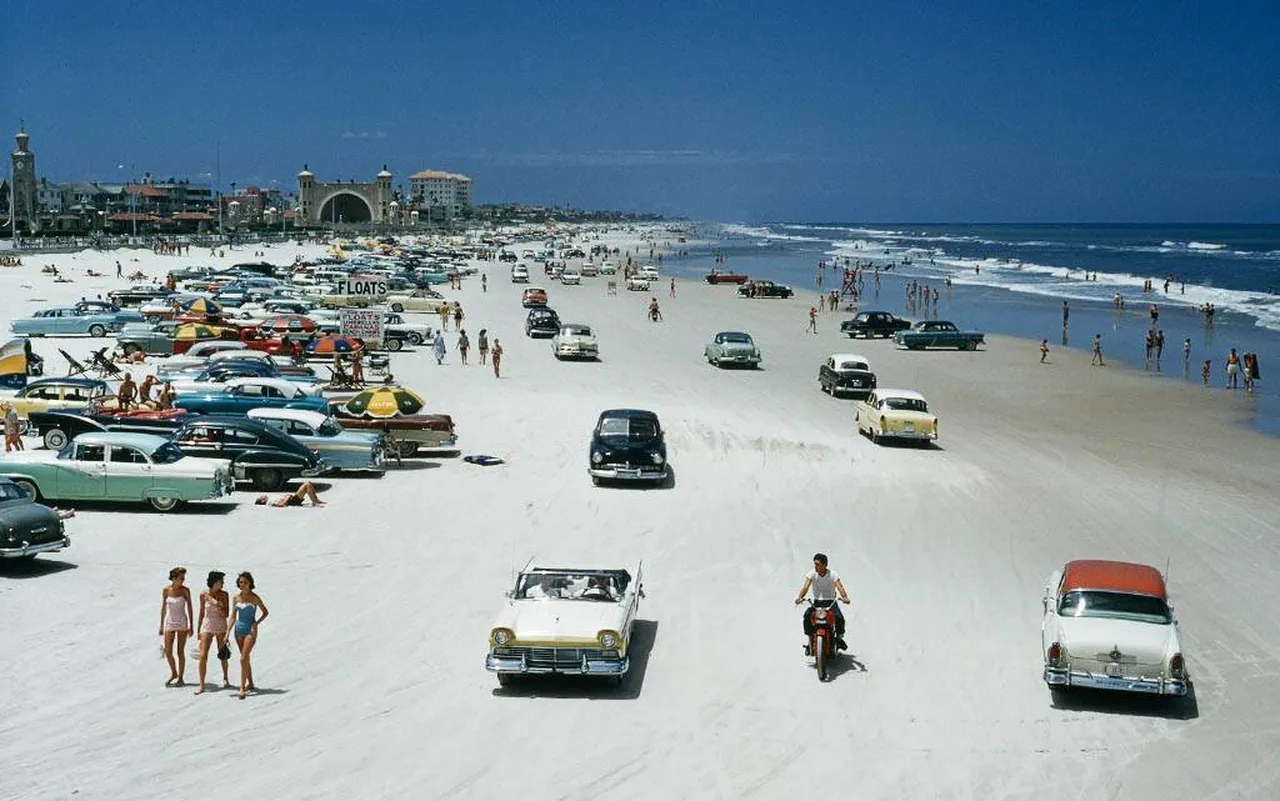
The American auto industry of the early 1950s was one of the country's strongest economic sectors. In 1950, more than 5.6 million passenger cars rolled off assembly lines. And what cars they were. During the 1950s, American automakers widely introduced innovations such as overhead-valve V8 engines, automatic transmissions, air conditioning, power steering, and power windows. In addition, styling received minor updates every year, while major redesigns arrived every three years. The 1950s marked the peak of the famous "Space Age" design era, complete with dramatic tailfins, sweeping rear fenders, and wraparound windshields.
American Cars of the 1950s and Their Prices
Buick
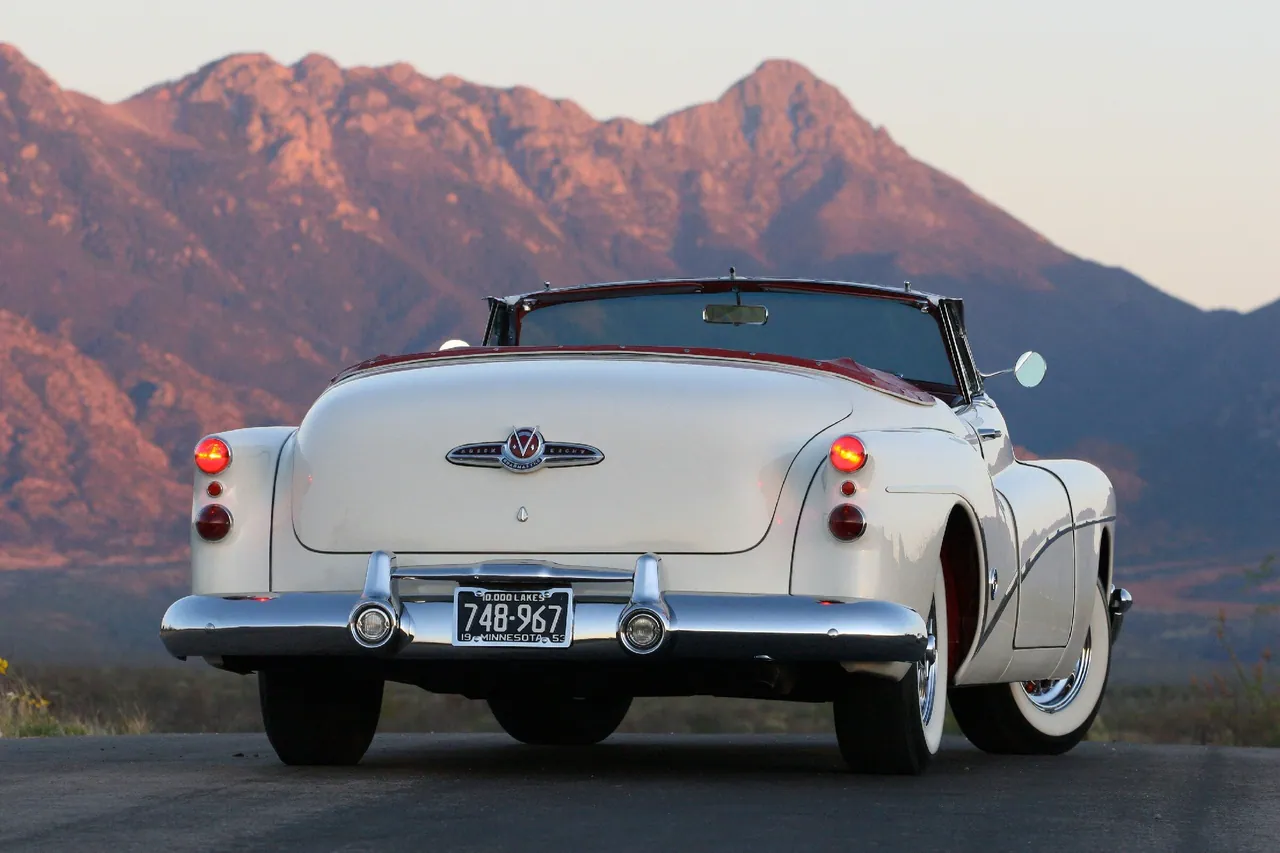
The Roadmaster Skylark was one of the era's most striking automobiles. This convertible was built to celebrate the company's 50th anniversary. It featured elegant styling, luxurious equipment, and a very high price.
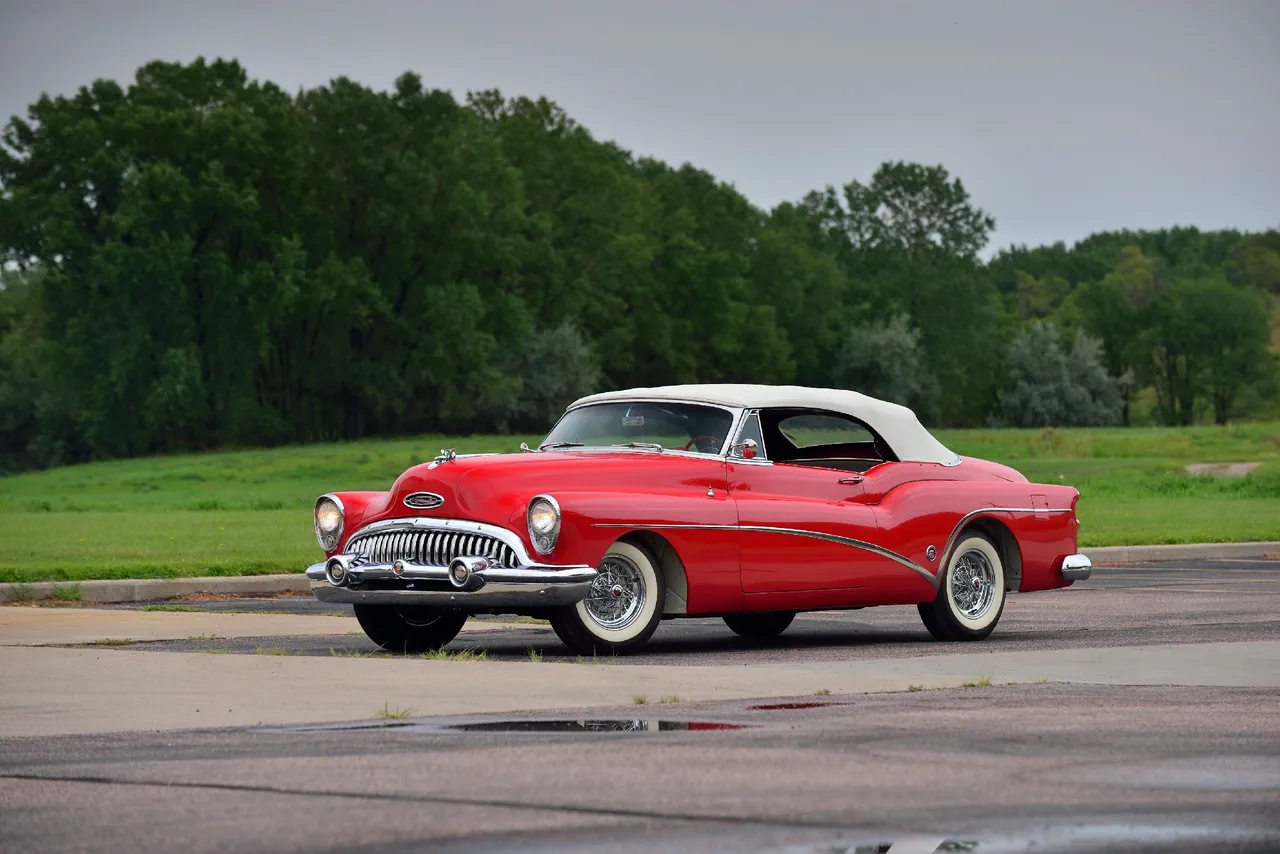
When it reached the market, the Buick Roadmaster Skylark carried a sticker price of exactly $5,000 (about $49,000 in today's dollars). Let's see whether that was expensive given the economic conditions in the United States at the time.
In 1950, the federal minimum wage was 75 cents per hour, or about $1,550 per year. Skilled workers naturally earned considerably more. According to Value of a Dollar 1860–2019 (Grey House Publishing), the average annual income for a government employee was $2,758, a teacher earned $2,794, and a healthcare worker earned $2,067. In addition, a 1952 U.S. Department of Commerce report stated that the average annual household income in 1950 was $3,300. To complete the picture, a gallon of gas cost 27 cents, a one-pound loaf of bread cost 14 cents, and the average American home sold for $7,354. Based on these figures, you can judge for yourself how expensive the Buick Skylark really was.
Cadillac
The Skylark, however, was a rare limited-production car that was expensive by definition. Let's look at another General Motors model—the flagship Cadillac Series 75.
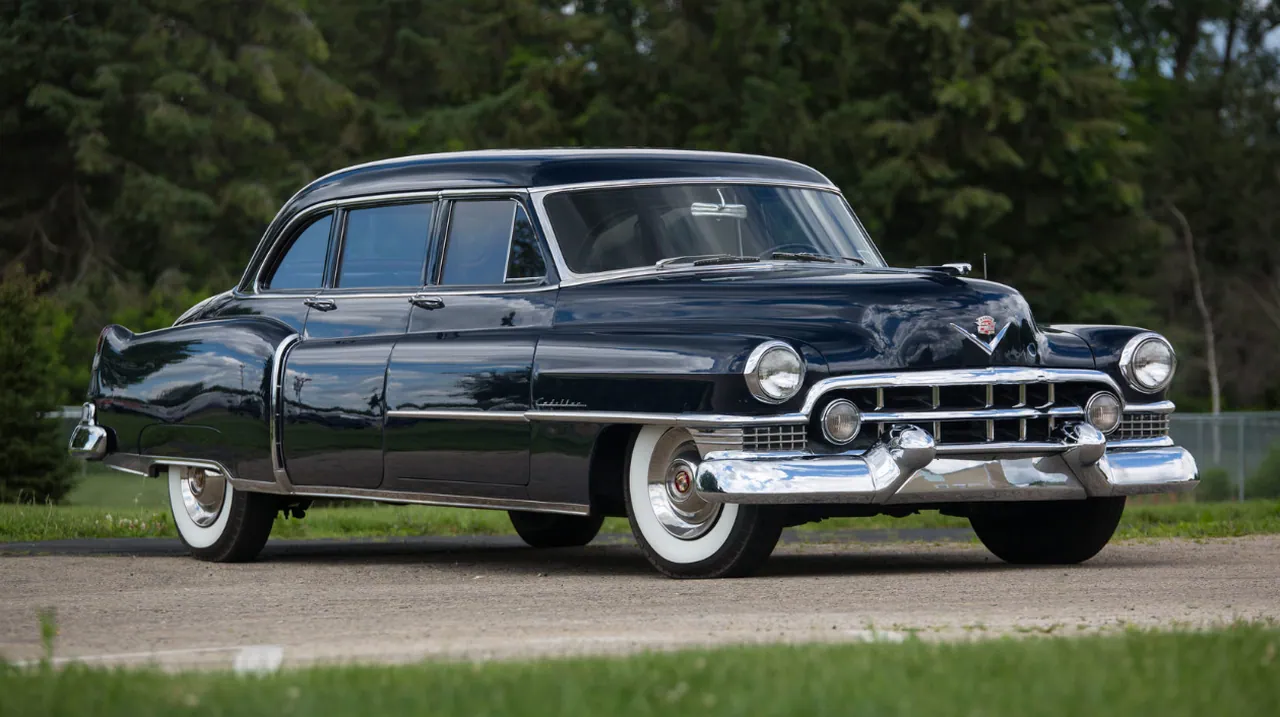
This full-size luxury car, riding on a massive 147-inch wheelbase, sold for $4,950. It was Cadillac's first completely new postwar model. Before that, the company had continued producing its 1942 design with yearly cosmetic updates. In 1950, the Series 75 also became the most expensive and luxurious Cadillac in the lineup.
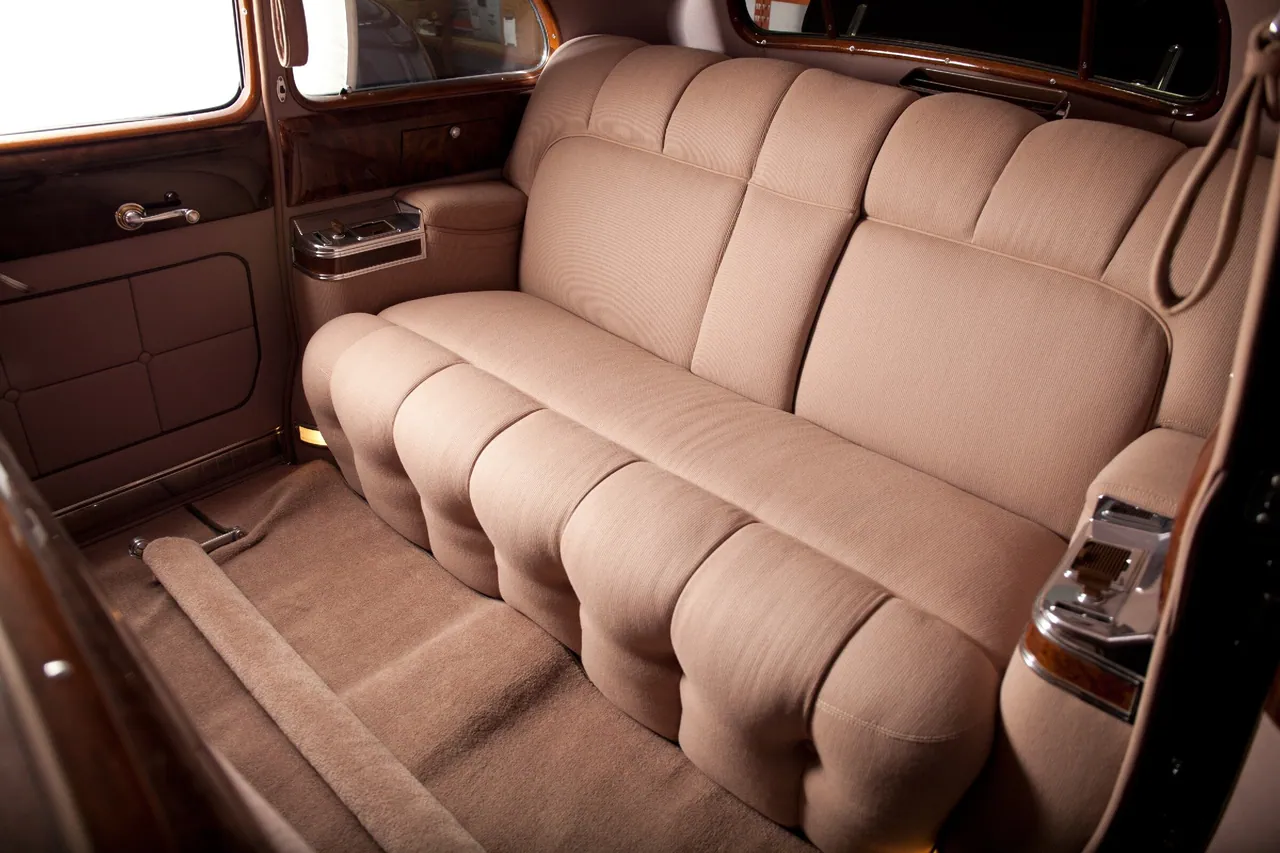
Buyers got a spacious seven-passenger interior with elegant wood trim and velour seats. A 5.4-liter V8 producing 190 horsepower came standard, while the three-speed automatic transmission was available as an option.
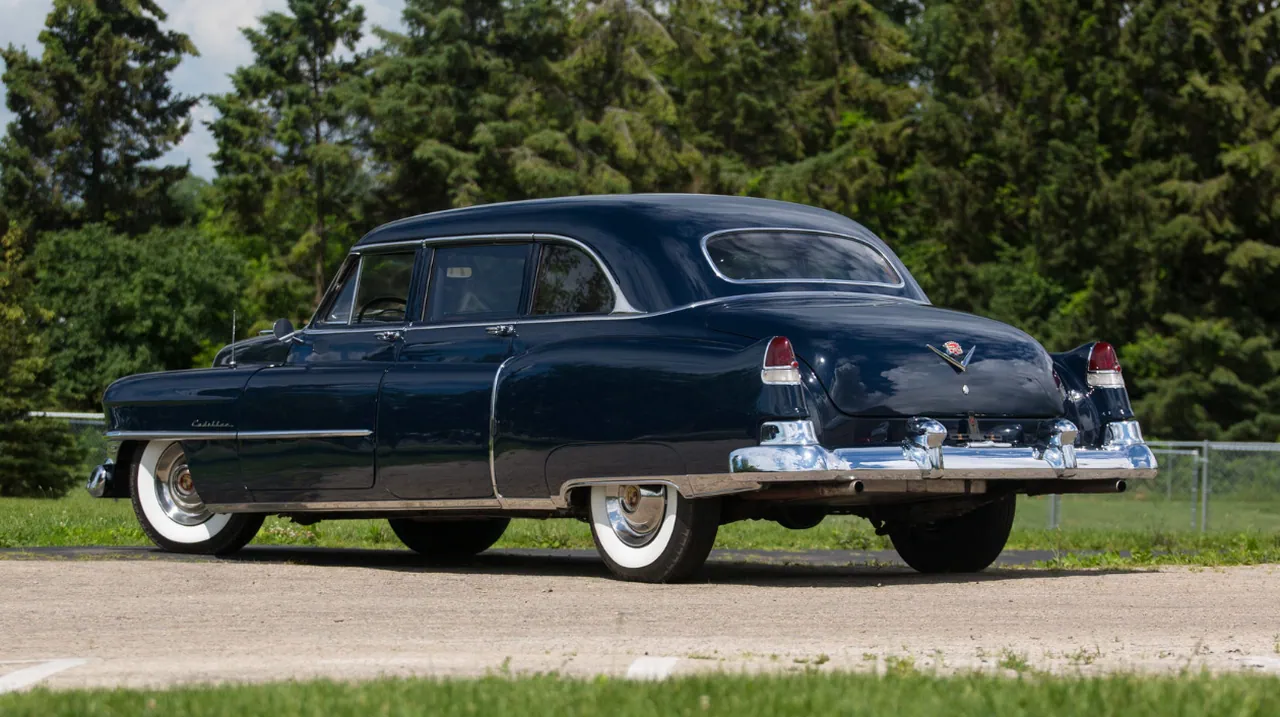
It's worth noting that postwar Cadillacs sold very well. For the first time in the company's history, annual sales exceeded 100,000 vehicles. Most of those sales came from the smaller and more affordable Series 60 models, which started at $3,400.
Chevrolet
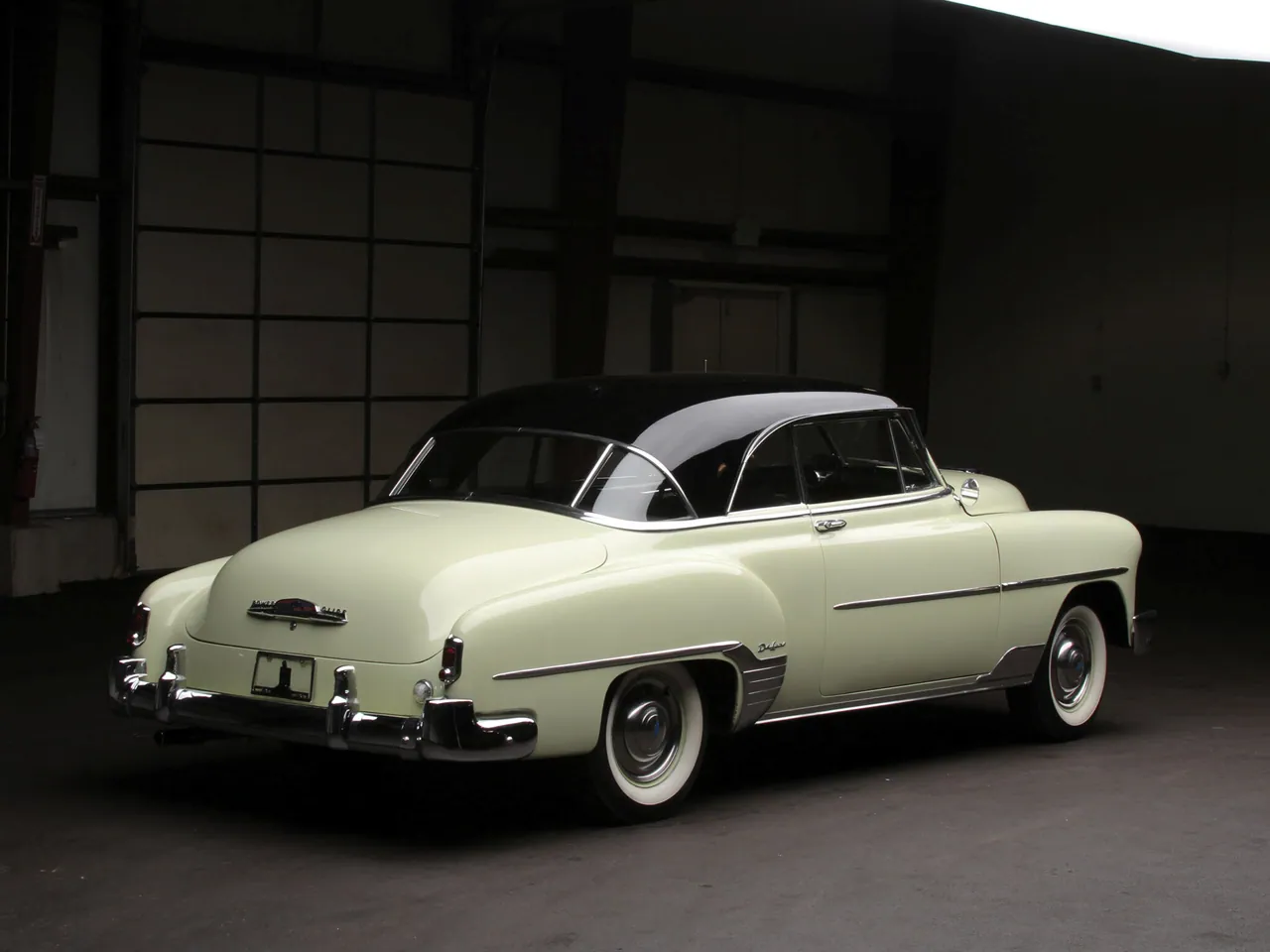
In 1950, Chevrolet introduced what would become one of its biggest successes—the Bel Air. It later became an icon of 1950s American automotive design and is widely regarded as one of Chevrolet's most successful models.
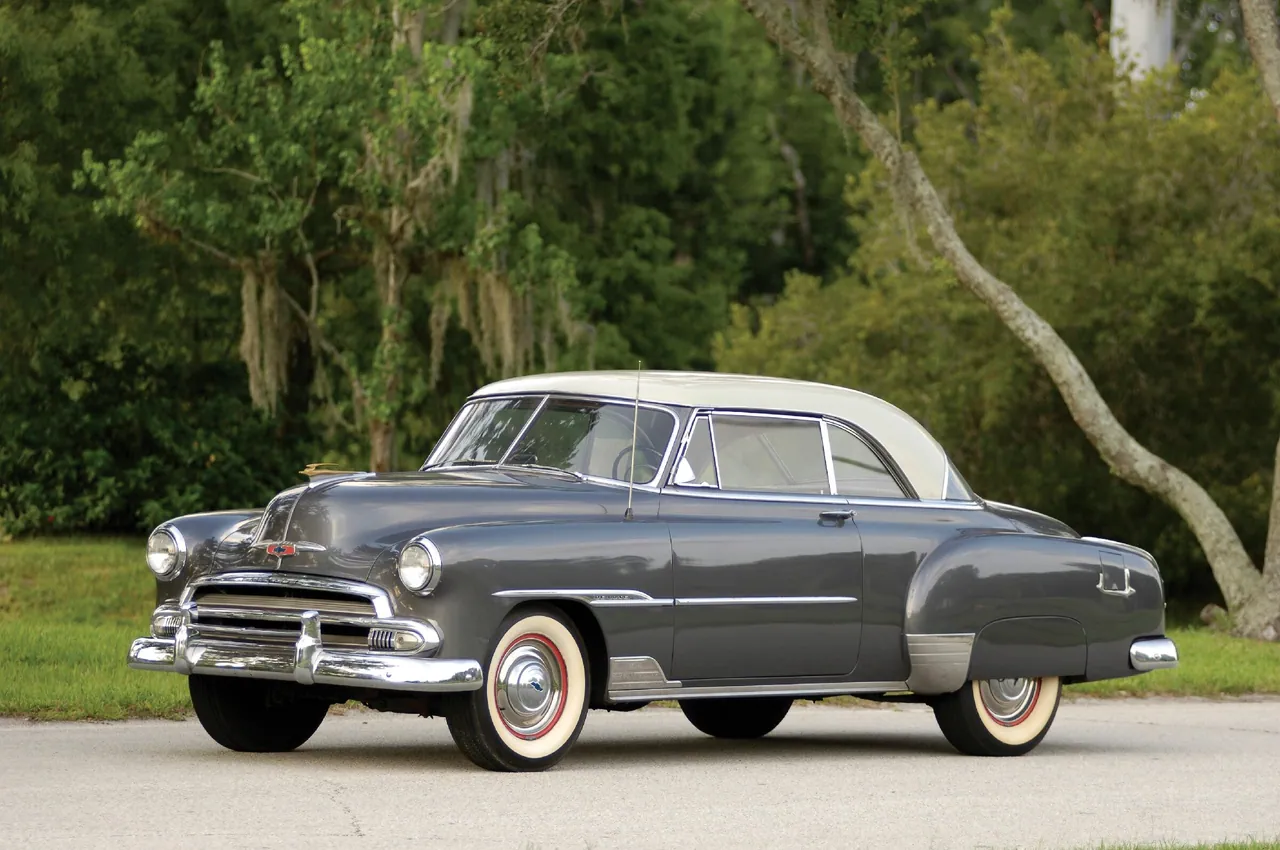
The first-generation Chevrolet Bel Air sold for $1,741. Buyers received a stylish two-door hardtop powered by a 92-horsepower inline-six engine. Mechanically, the first Bel Air was identical to the Chevrolet Deluxe sedan, which cost even less at $1,492.
Another iconic vehicle of the 1950s was the first-generation Chevrolet Corvette. Introduced in 1953 with a price of $3,490, the sports car was powered by a relatively small 3.85-liter inline-six producing 150 horsepower. It was paired with a two-speed automatic transmission because Chevrolet simply did not have a suitable manual transmission available at the time. With that setup, the Corvette accelerated from 0 to 60 mph in a lengthy 11.5 seconds.
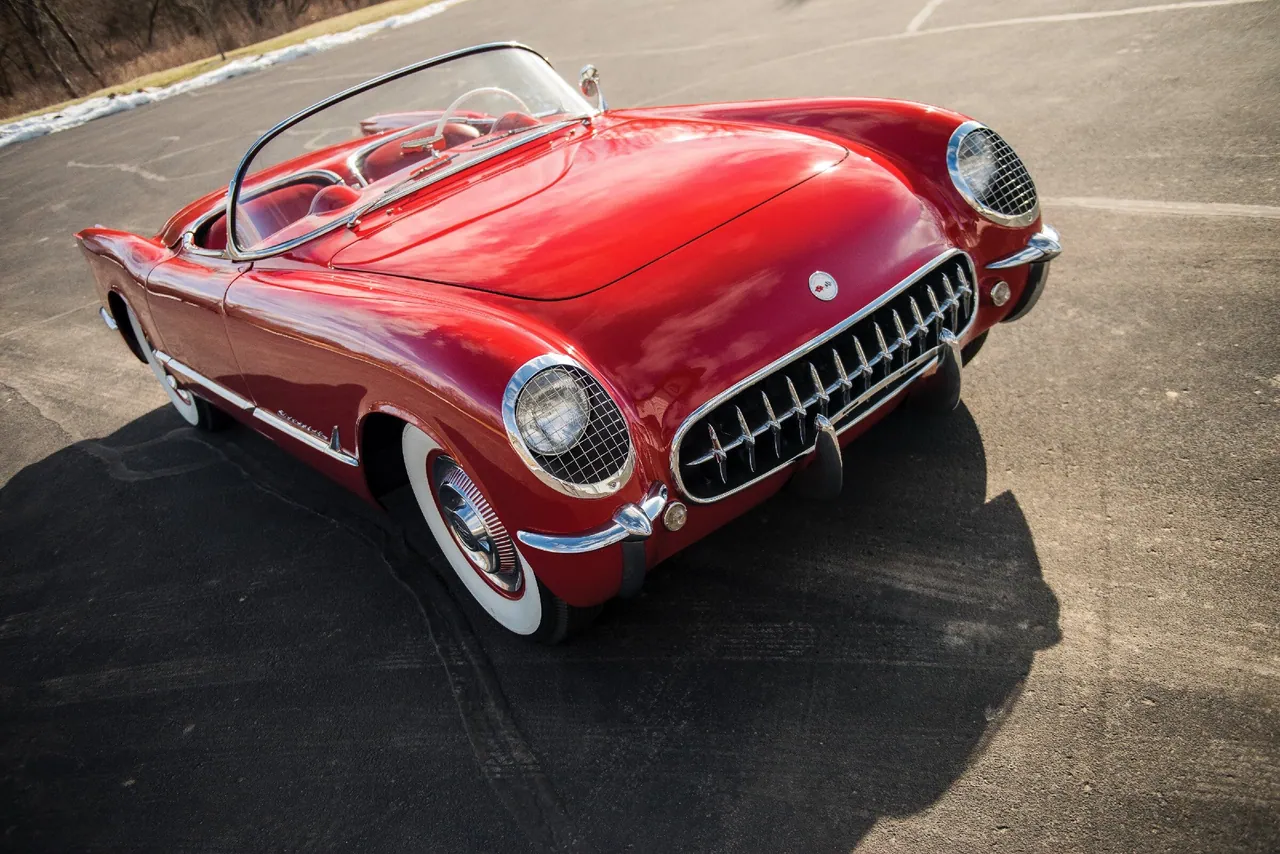
The first Corvette experienced numerous technical problems and failed to attract strong demand. However, the introduction of a new 195-horsepower V8 in 1955, along with improvements that addressed its shortcomings, effectively saved the Corvette.
Ford
Since the introduction of the Model T in 1908, Ford had built a reputation for producing dependable and affordable automobiles. Forty-one years later, with the arrival of the Ford Custom, that reputation remained intact.
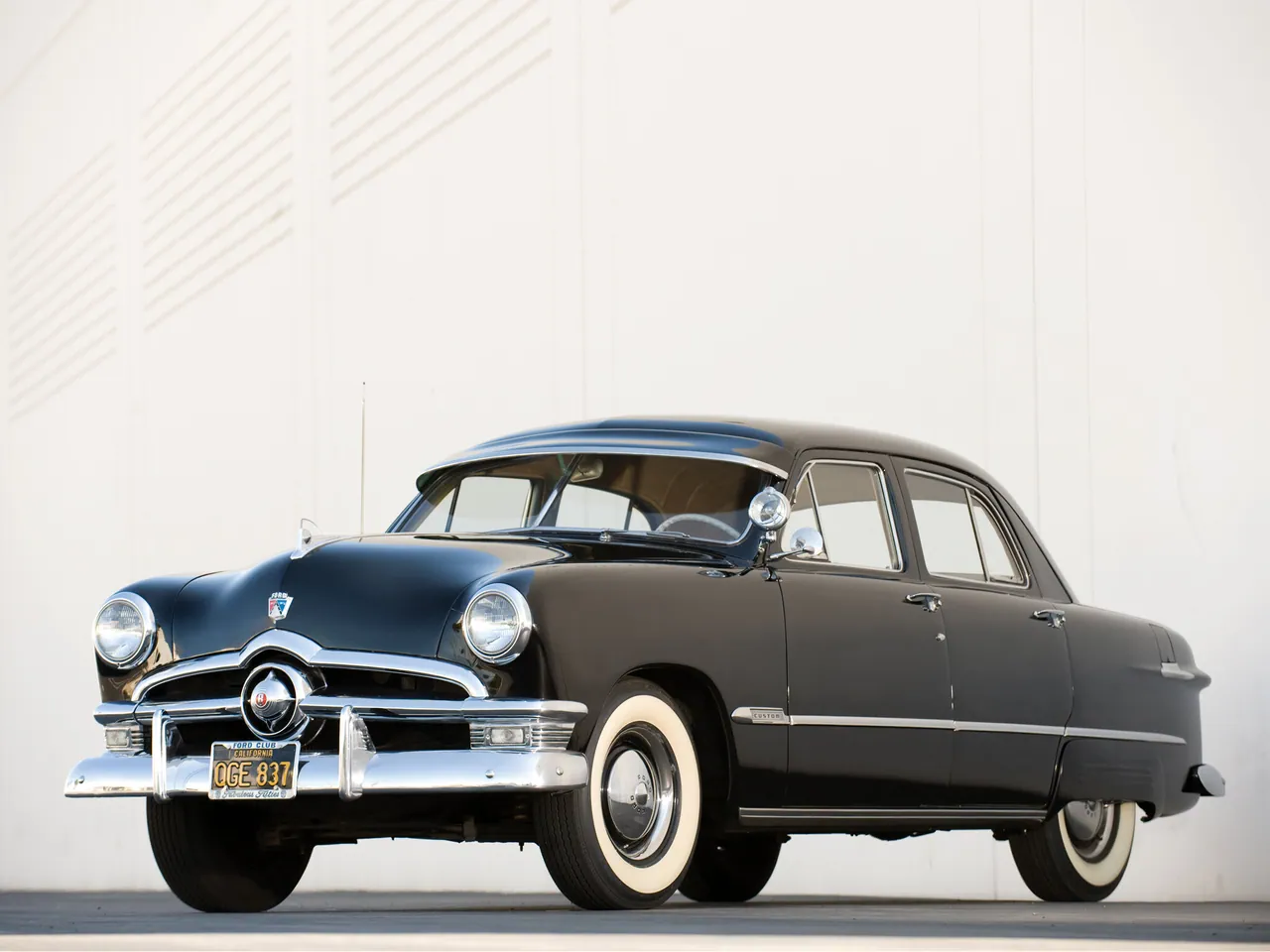
For $1,800, American buyers could purchase a midsize sedan equipped with a 100-horsepower V8 and a three-speed automatic transmission. Versions with an inline-six and a manual transmission were even more affordable, starting at just $1,590.
The 1950s
The 1950s in the United States can be described as a time of great optimism. The country avoided large-scale warfare on its own soil. As a result, the economy experienced significant growth and living standards improved. At the same time, the postwar baby boom and other social changes drove demand for consumer goods, including automobiles. As a result, automakers' revenues increased, fueling continued technological progress.
This situation remained largely unchanged until the mid-1970s, when a major economic crisis struck. But that is another story.
You may also be interested in the news:
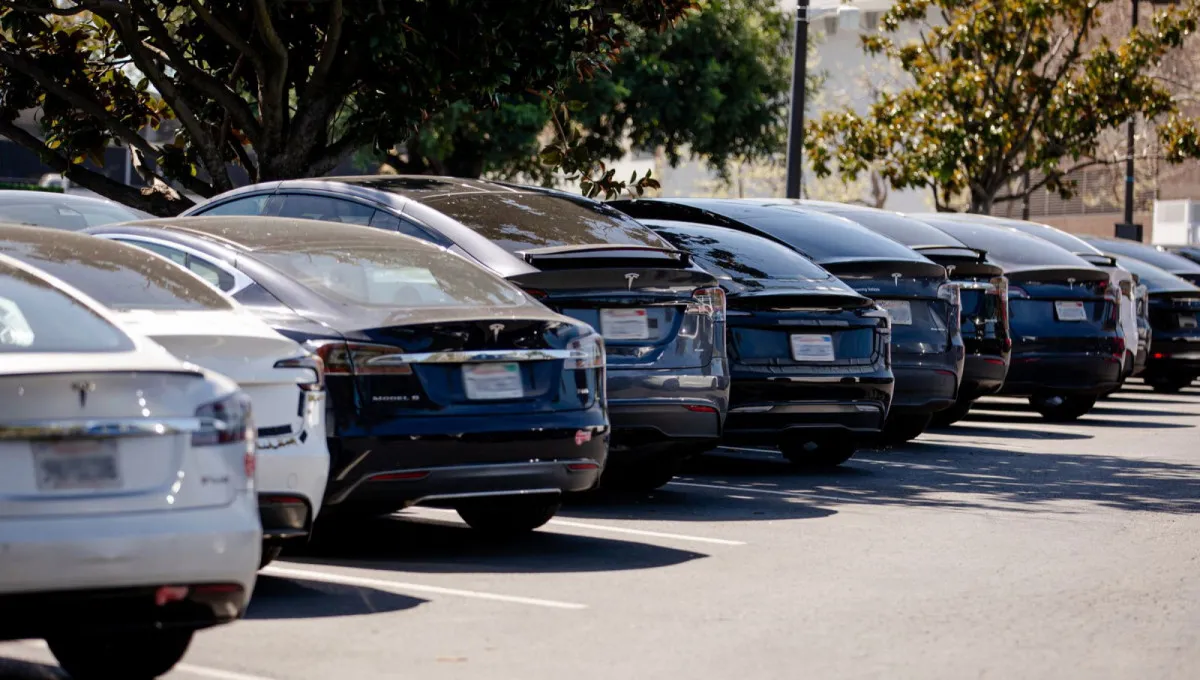
He Sold His House to Buy 20 Teslas—Then Sold 213 of Them in One Year
A car dealer admitted he briefly questioned his decision after betting his property money on a fleet of Teslas.
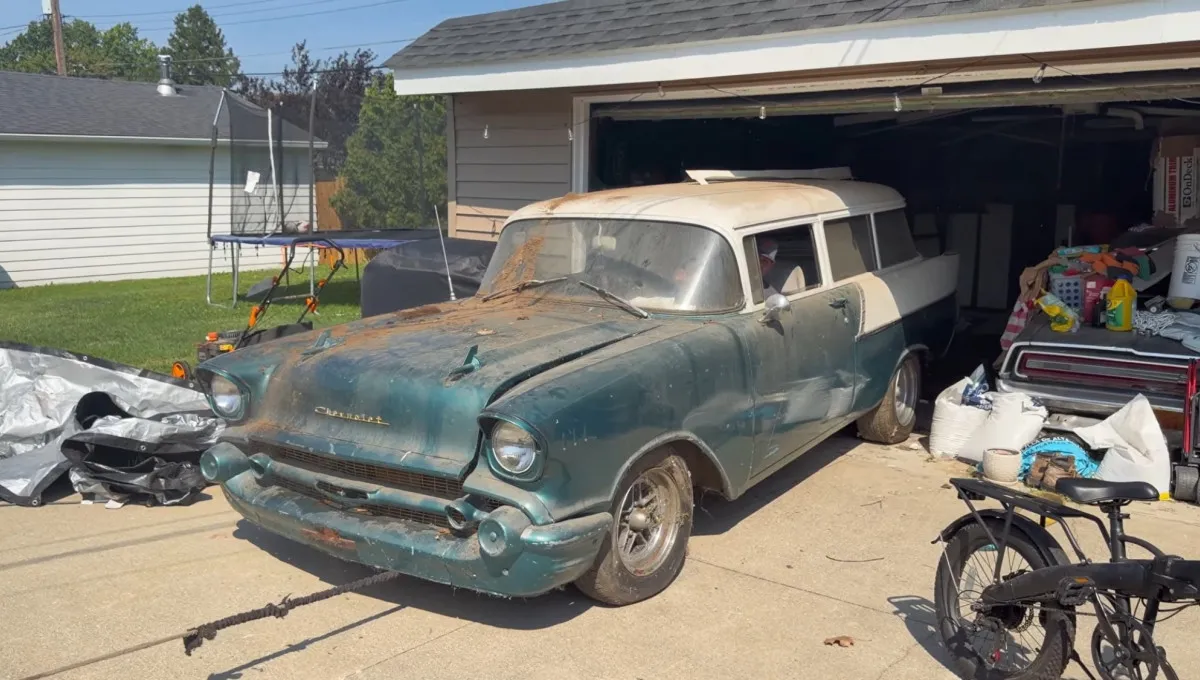
Dad's '57 Chevy Two-Door Wagon Gets First Wash in 30 Years, the Sight Makes Owner Burst Into Tears
A 1957 Chevrolet One-Fifty Handyman sat in a garage for 30 years before its owner’s children arranged a birthday rescue, bringing the classic wagon back to life.
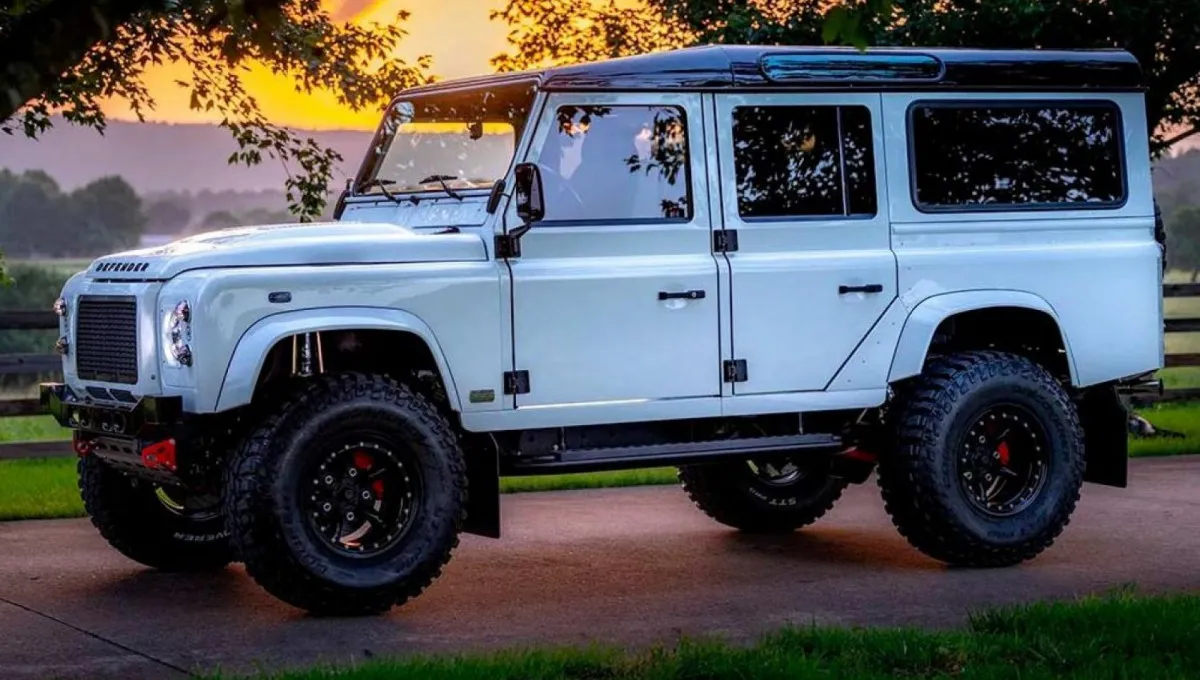
This $403,740 Defender Looks Like a Painting — But the Biggest Surprise Is What’s Under the Hood
An Arkansas-based custom shop recently unveiled a re-engineered classic Land Rover Defender 110 called Vermeer.
Test Yourself: Toyota’s Famous “Oh, What a …” Slogan — Can You Finish It?
Can You Finish Toyota’s Most Famous Slogan? Millions of Americans Heard This One Growing Up
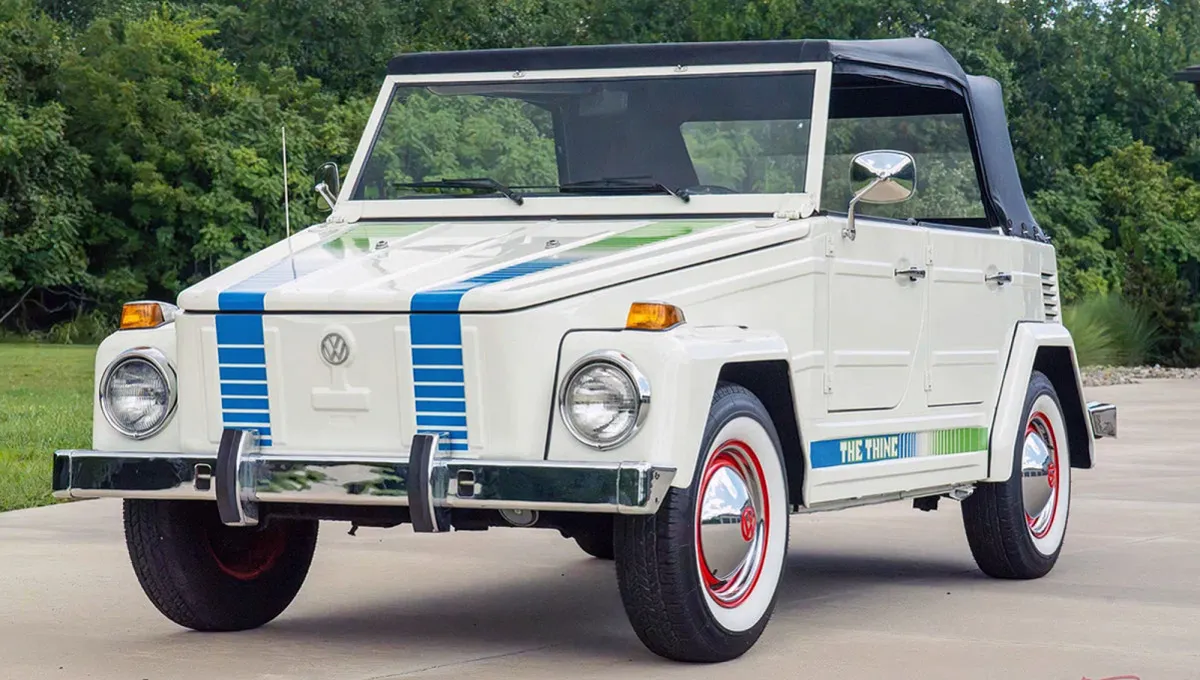
This Weird 1973 Volkswagen Has No Reserve—and It Could Sell for Thousands
A rare 1973 Volkswagen Thing will cross the auction block in the U.S. later this month with no reserve.