
Honda CR-V Tops U.S. Sales in the First Half of 2026
The U.S. auto market delivered a surprising result in the first six months of 2026.
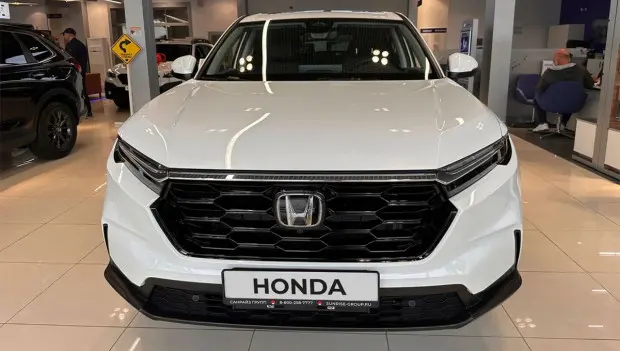
The U.S. auto market delivered a surprising result in the first six months of 2026. Instead of the Ford F-150, which had long been considered the segment's undisputed leader, the Honda CR-V claimed the top spot in sales. The margin was also significant. During the period, Honda dealers sold 226,114 CR-Vs, while the Ford F-150 posted approximately 209,311 sales. The Toyota RAV4 finished third with a considerably lower total of 153,955 vehicles sold.
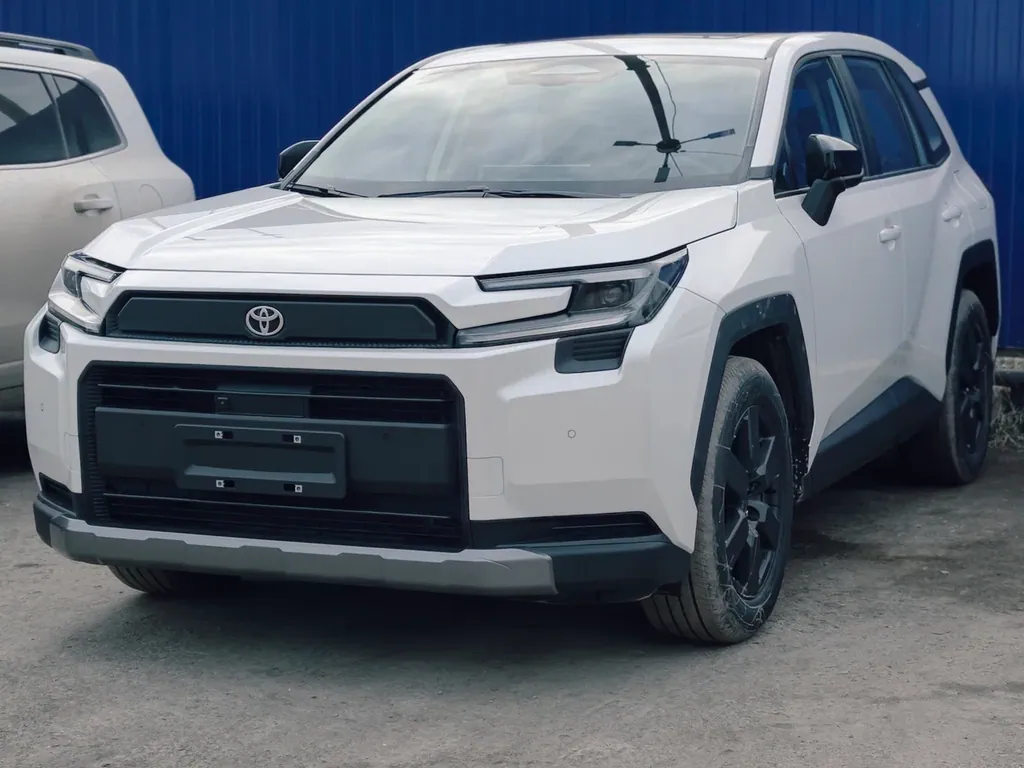
It's worth noting that the F-150 had been the best-selling vehicle in the United States 15 times over the past 16 years. The only previous exception was the Toyota RAV4, which had once displaced the pickup from the top position. In 2026, however, the Japanese crossover not only failed to repeat that achievement but effectively fell out of contention. The reason is straightforward: first-half demand dropped by 36 percent.
Why the Usual Leaders Lost Ground
A closer look at the market shows that Honda's leadership was driven not only by the brand's strategy but also by challenges facing its direct competitors. Toyota encountered major difficulties during the transition to production of the updated 2026 RAV4. Changes to manufacturing operations led to supply disruptions, leaving dealer lots and inventory depleted.
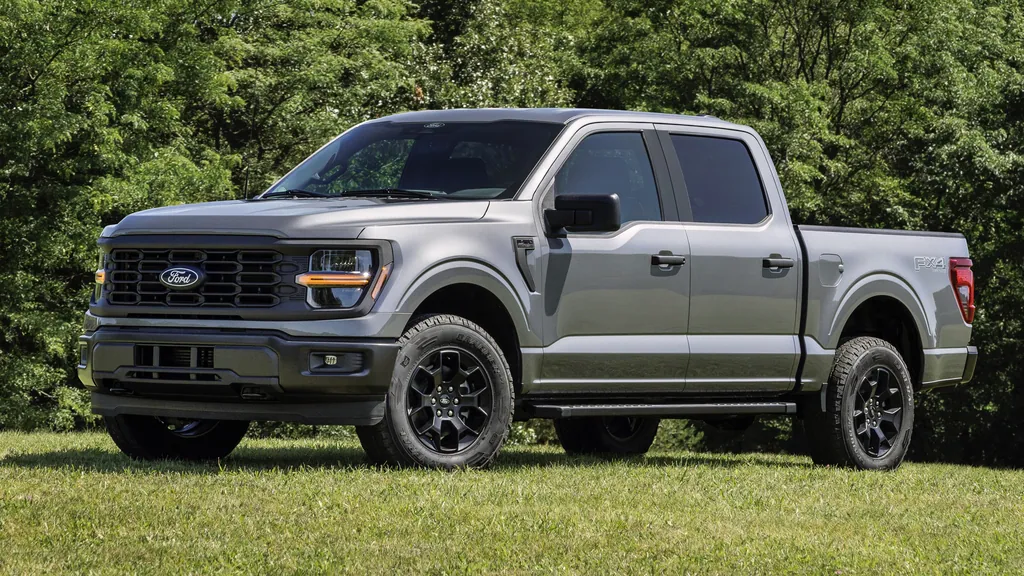
Ford faced a different but equally serious problem. Late in 2025, a major aluminum supplier suffered a fire, significantly affecting F-150 production. Although the supplier has since returned to normal operations, Ford spent much of the first half of the year working through the effects of the shortage. As a result, the pickup was sold with limited inventory for much of the period.
- Honda CR-V — 226,114 vehicles sold.
- Ford F-150 — approximately 209,311 vehicles sold.
- Toyota RAV4 — 153,955 vehicles delivered.
How the CR-V Took Advantage of the Opportunity
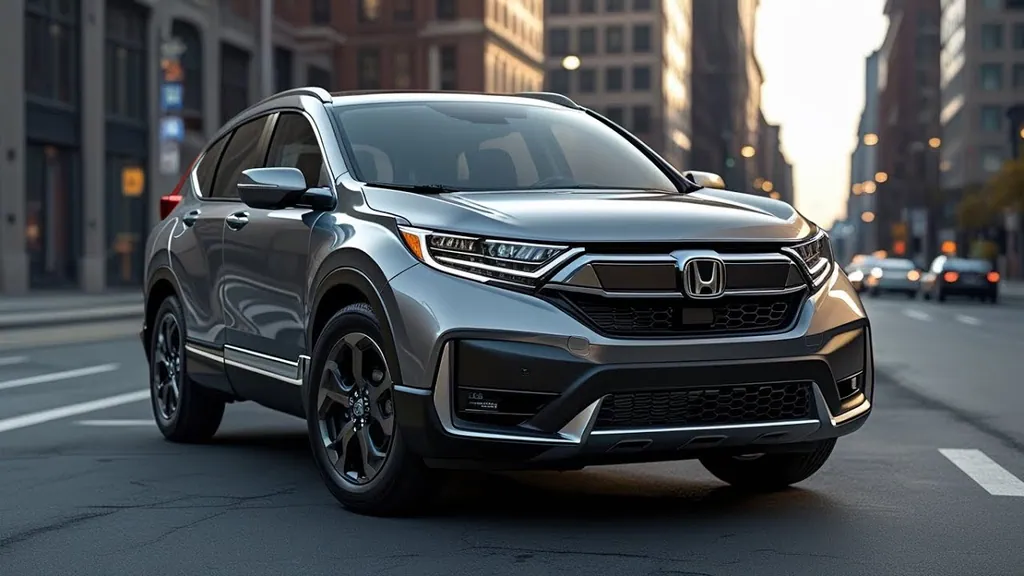
Honda's own performance should not be overlooked. The automaker took advantage of market conditions and focused on areas with particularly strong demand. Hybrid versions of the CR-V played a key role, accounting for 56 percent of all CR-V sales since the beginning of the year.
The company also worked actively with customers coming off vehicle leases. According to the available data, the brand retains up to three-quarters of those lessees, while leased CR-Vs now account for 24 percent of the model's sales. Against the backdrop of high new-vehicle prices and unstable supply, that approach proved highly effective.
You may also be interested in the news:
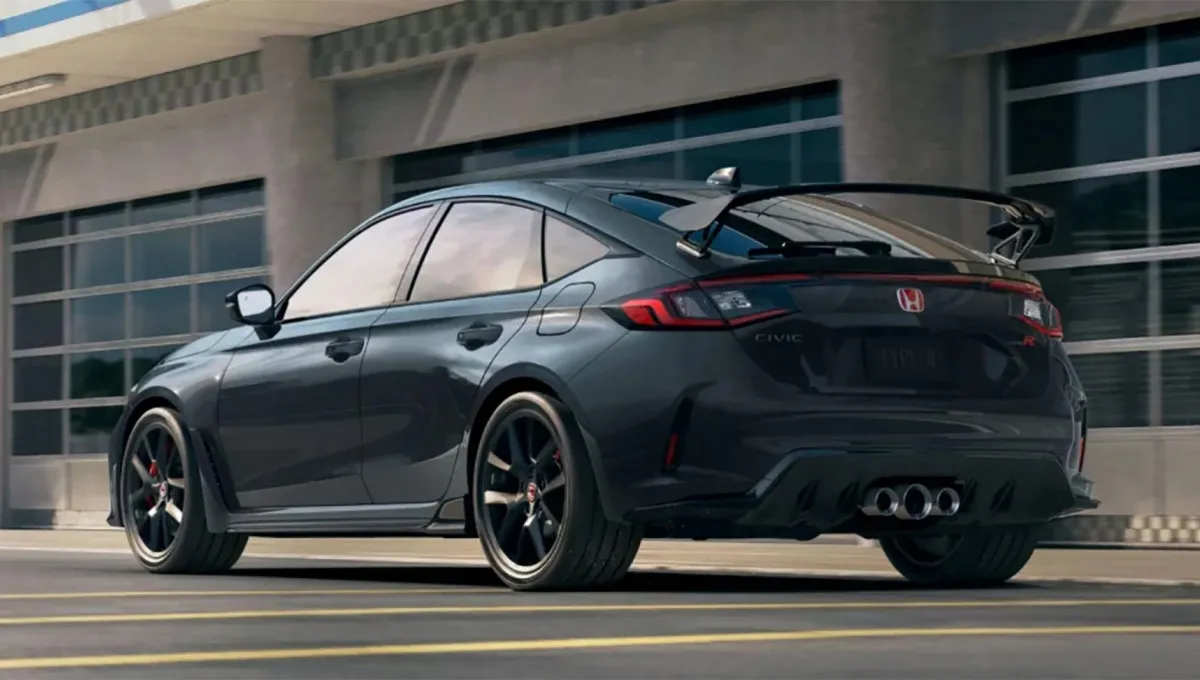
Updated Honda Civic Type R Arrives in the U.S. at $48,695 With Sharper Handling and More Comfort
Official pricing and specifications have been announced.
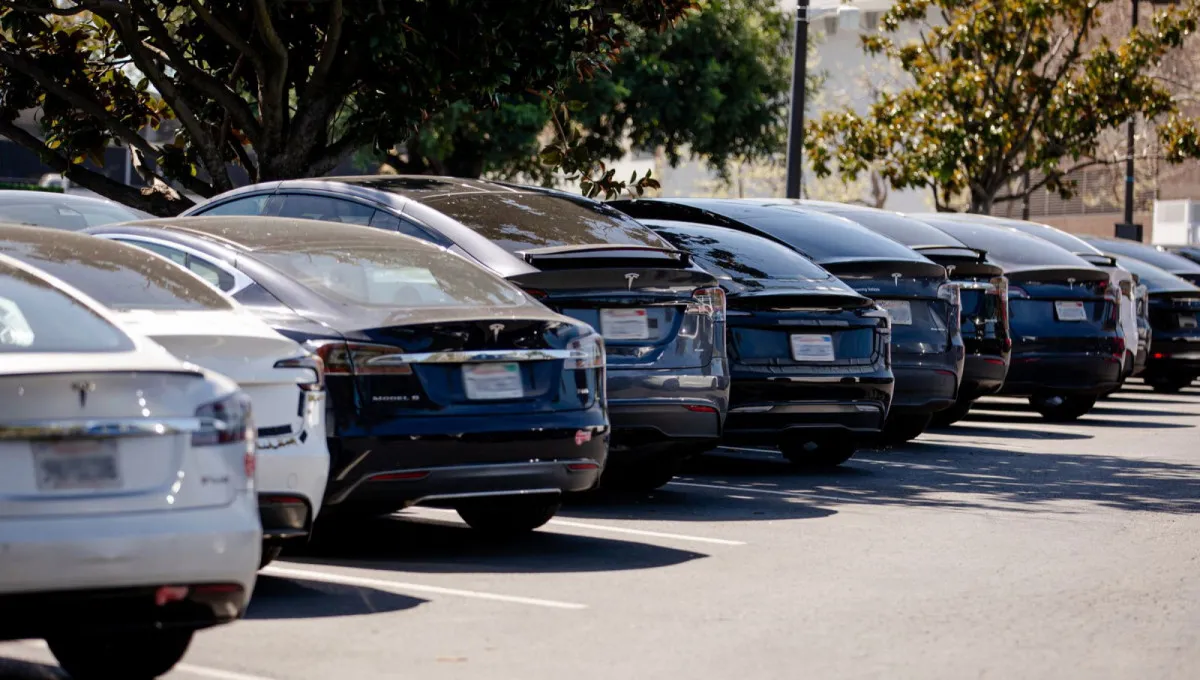
He Sold His House to Buy 20 Teslas—Then Sold 213 of Them in One Year
A car dealer admitted he briefly questioned his decision after betting his property money on a fleet of Teslas.
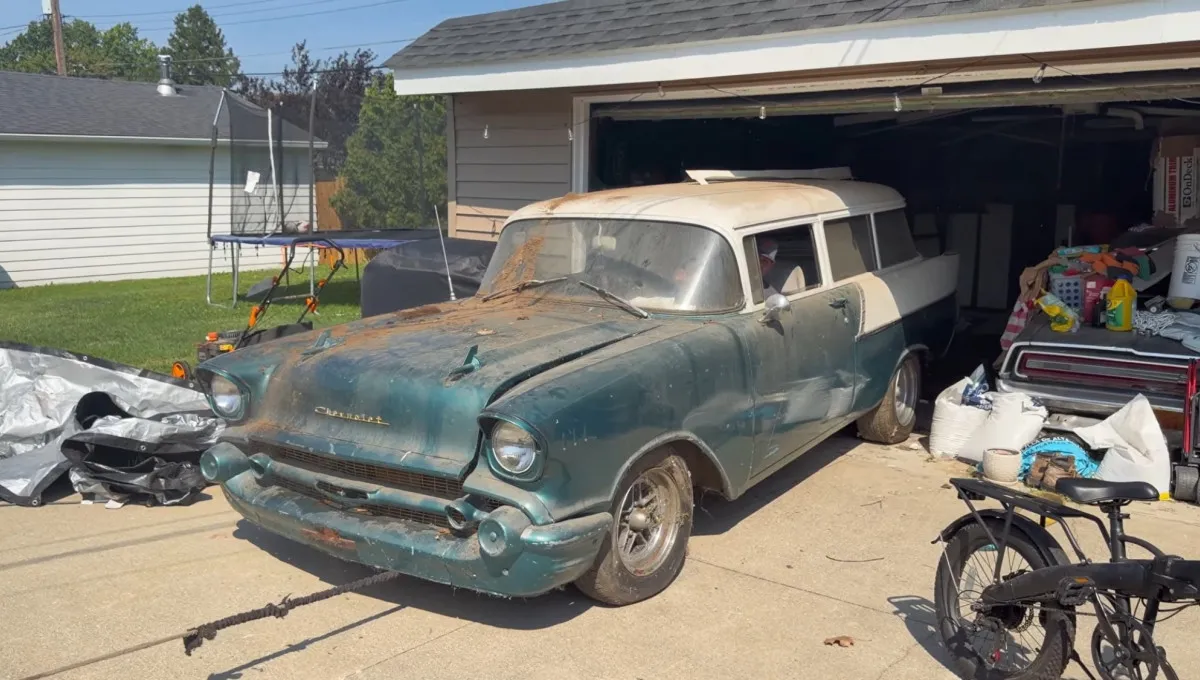
Dad's '57 Chevy Two-Door Wagon Gets First Wash in 30 Years, the Sight Makes Owner Burst Into Tears
A 1957 Chevrolet One-Fifty Handyman sat in a garage for 30 years before its owner’s children arranged a birthday rescue, bringing the classic wagon back to life.
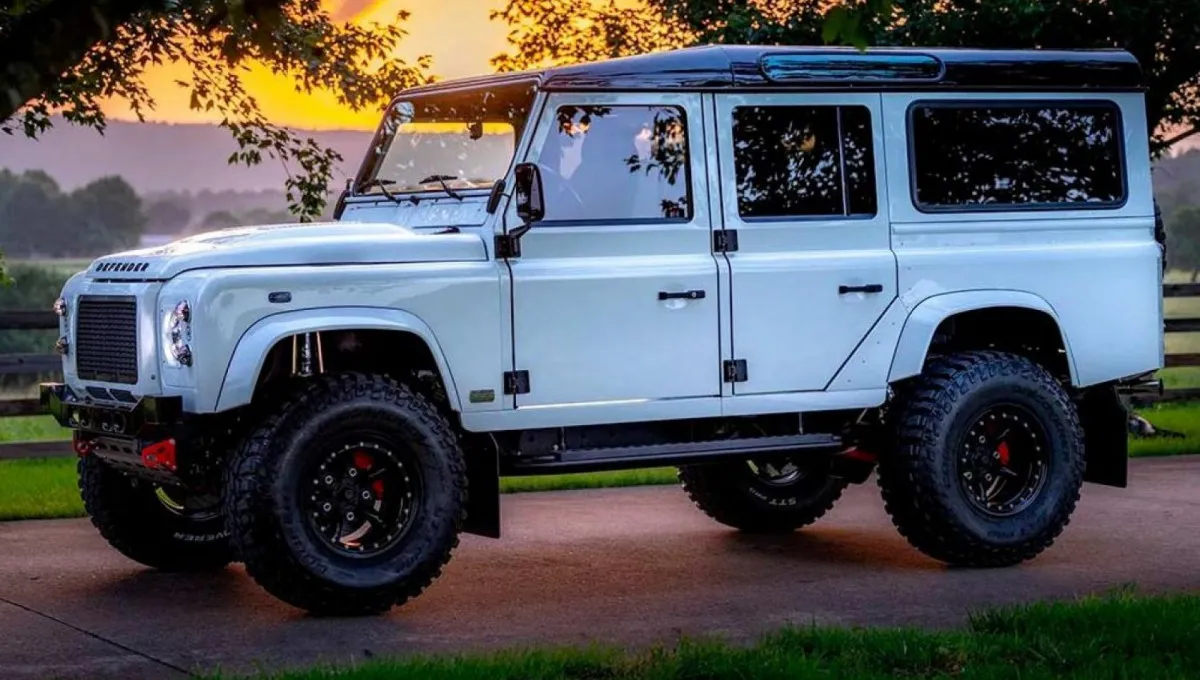
This $403,740 Defender Looks Like a Painting — But the Biggest Surprise Is What’s Under the Hood
An Arkansas-based custom shop recently unveiled a re-engineered classic Land Rover Defender 110 called Vermeer.
Test Yourself: Toyota’s Famous “Oh, What a …” Slogan — Can You Finish It?
Can You Finish Toyota’s Most Famous Slogan? Millions of Americans Heard This One Growing Up