
5 Easy Ways to Remove Tar, Tree Sap, and Bug Splatter From Your Car Without Damaging the Paint
Fresh asphalt, tree sap, and bug splatter can quickly ruin your vehicle's finish—but a few simple household products can help.
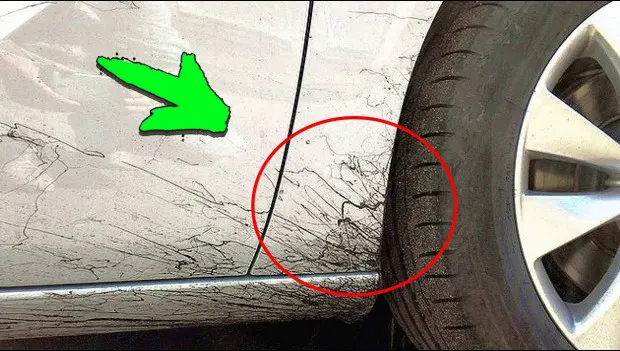
Summer is road trip season, but it's also one of the toughest times of the year for your car's paint. Fresh asphalt leaves behind sticky tar spots, long highway drives cover the front end with bug splatter, and parking under trees often means dealing with stubborn sap.
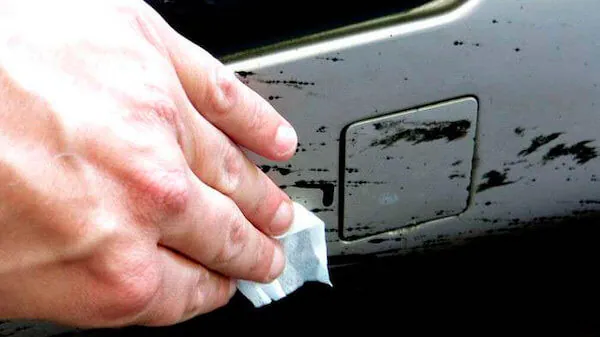
Ignore those contaminants for too long, and they can bond to the clear coat, making a regular car wash ineffective. Here are five tried-and-true household remedies that can help remove stubborn residue without harming your vehicle's finish.
Mineral Spirits: A Go-To Solution for Fresh Tar
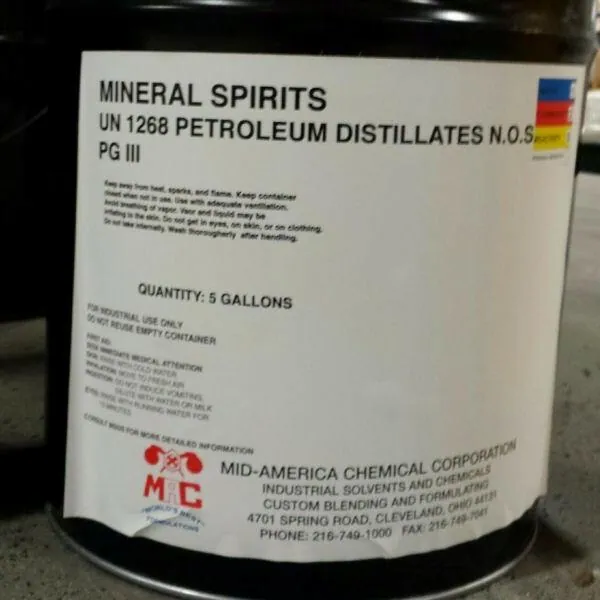
Mineral spirits are one of the most effective petroleum-based solvents for removing fresh tar. Dampen a soft microfiber cloth, press it against the affected area for about 10 seconds, then gently wipe away the residue. Used sparingly, mineral spirits are generally safe for automotive paint, but avoid aggressive scrubbing that could scratch the clear coat.
WD-40 Works Surprisingly Well on Tree Sap
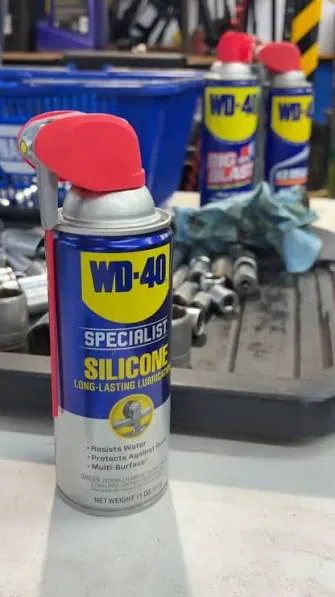
Thanks to the petroleum distillates in its formula, WD-40 does an excellent job of softening fresh tree sap and tar spots. Spray the product directly onto the stain and give it a minute to work. Once the residue begins to loosen, wipe it away with a clean, soft cloth. There's no need to scrub hard.
Household Ammonia Helps Remove Bug Residue
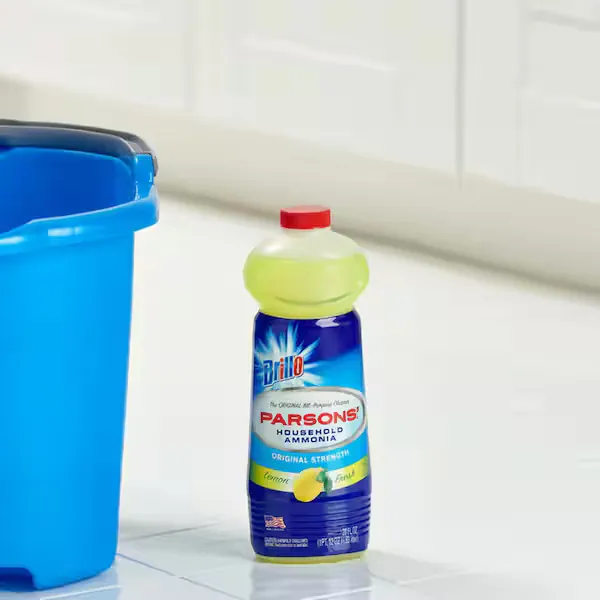
Diluted household ammonia can be effective against bug remains and certain plant residues. Soak a cotton pad with ammonia, place it over the affected area for about 20 seconds, and let it soften the organic material before gently wiping it away. Be careful not to leave ammonia on the paint for too long, as prolonged exposure may damage the finish.
Cooking Oil Can Loosen Fresh Tar

It may sound unusual, but common vegetable oil can help dissolve fresh tar before it has time to harden. The oil breaks down the sticky residue, making it much easier to wipe away. However, this trick is only effective on fresh contamination and won't do much for old, dried-on tar.
Gasoline or Diesel Fuel Should Be a Last Resort
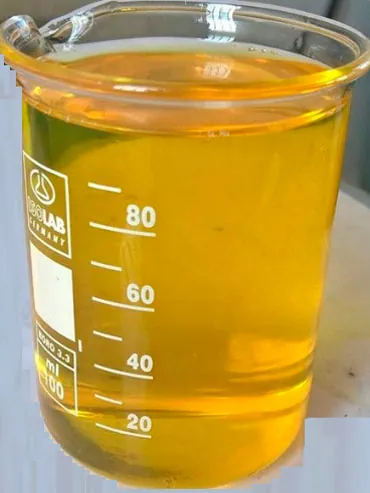
Using fuel as a cleaner is an old-school trick that still works in some situations. Diesel fuel is particularly effective at removing heavy tar deposits, but it leaves behind an oily film that should always be washed off afterward with automotive shampoo. Because both gasoline and diesel can affect paint and trim if used improperly, this method should only be considered as a last resort.
You may also be interested in the news:
Copart to Acquire ACV Auctions in $1.9 Billion Deal, Expanding Into Dealer-to-Dealer Car Auctions
Copart is acquiring ACV Auctions for about $1.9 billion, expanding its online auction business into dealer-to-dealer vehicle sales.
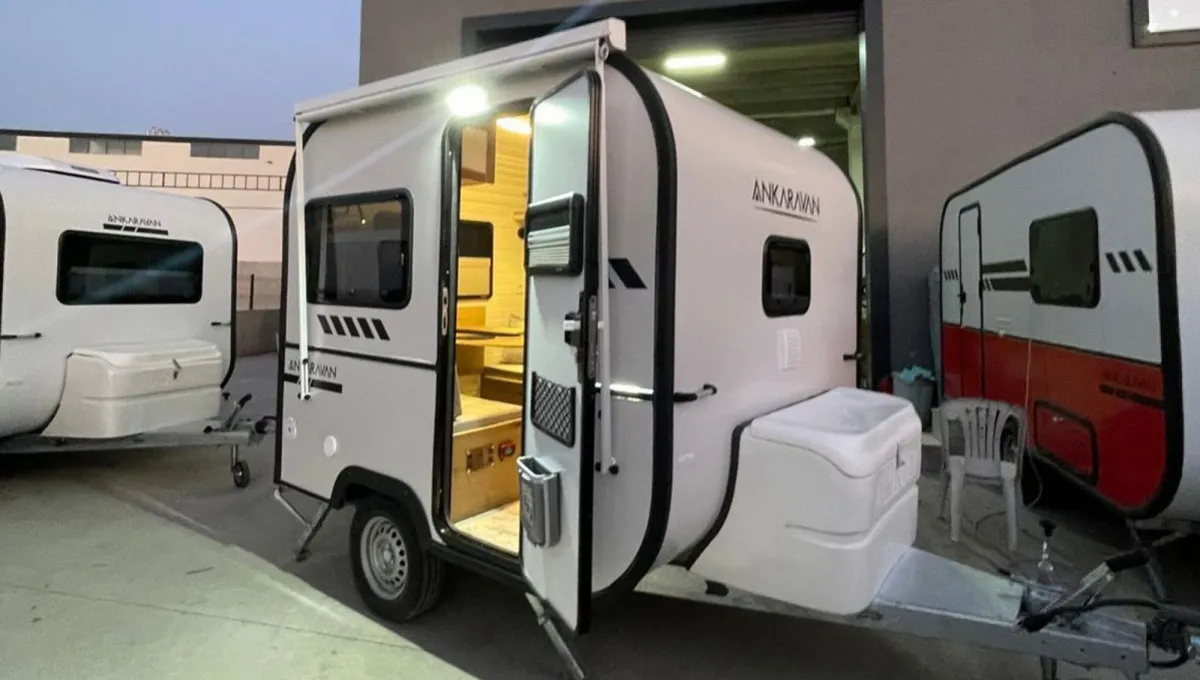
Micro 240 Travel Trailer Packs Three Beds and a Full Bathroom Into a Tiny, Affordable Package
Micro 240 debuts at 2026 Dusseldorf Caravan Salon in four configurations for off-grid family vacations.
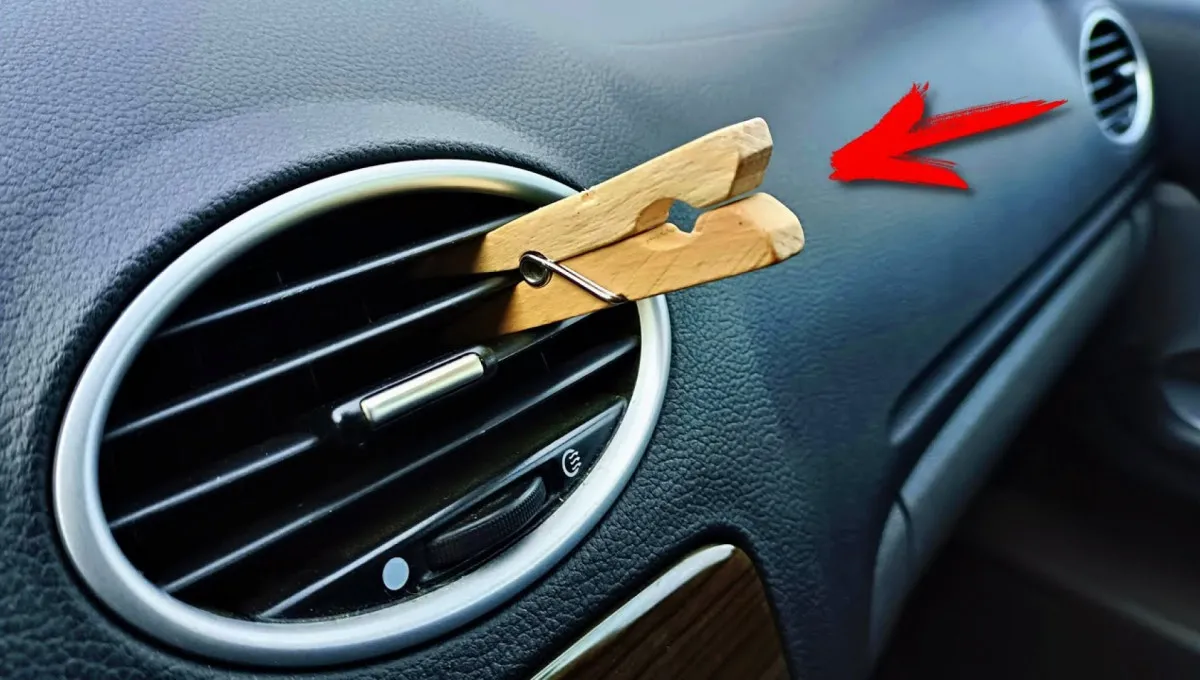
Drivers Are Putting a Clothespin on Their Car’s Air Vent: Here’s Why This Simple Hack Works
This simple trick doesn’t affect the air conditioner, but it can quickly change the way your car’s interior smells.

Volkswagen to Shut Down SEAT as the Brand Turns 80
Volkswagen will shut down the SEAT brand. The German automaker has made a final decision to close the Spanish brand.

The 10 Most Reliable Luxury SUVs for 2026: Models Owners Can Count On
When luxury costs more than money, it's worth knowing which SUVs truly justify their premium price.