
Family, Memories, and a 1971 Plymouth ’Cuda: How One Muscle Car Became a Legacy Across Three Generations
One family's beloved 1971 Plymouth ’Cuda became a lasting symbol of love, memories, and generations of shared automotive passion.

For enthusiasts, a car is rarely just a way to get from one place to another. It can preserve memories, celebrate milestones, and keep family traditions alive. That's exactly what a black 1971 Plymouth ’Cuda 340 has done for the Bezick family, where the classic Mopar has connected three generations over more than three decades.

The Plymouth Barracuda was produced from 1964 through 1974. Early models rode on Chrysler's compact A-body platform before the car was redesigned for 1970 on the larger E-body architecture. That final generation ultimately became the version enthusiasts remember most.

Although the earlier Barracudas sold in much greater numbers, the E-body cars built between 1970 and 1974 have become the icons of the nameplate. Their muscular styling and performance-focused engineering helped define the golden era of American muscle cars.

The Bezick family's story centers on a black 1971 Plymouth ’Cuda 340 with distinctive red billboard graphics. The car has been part of the family since 1993, but its history actually began much earlier with Mike Bezick.

Mike purchased a brand-new 1971 ’Cuda 340 when it was new. As family life took priority, the car was eventually parked and remained unused for years. Even so, he never lost his appreciation for the model that had meant so much to him.

By 1985, Mike planned to restore his original car. His wife had another idea. Rather than spending years rebuilding it, she encouraged him to find another well-preserved example instead.

Mike understood how difficult that search would be. Finding the right car wouldn't happen overnight, but the couple committed to the hunt anyway. Their search ultimately lasted eight years.

In the fall of 1993, they finally found the car they had been waiting for at Carlisle's Mopar Nationals in Pennsylvania. Mike's wife surprised him by buying the black 1971 ’Cuda, beginning a new chapter for both the family and the car.

Over the years, the Plymouth became much more than another vehicle in the garage. It accompanied countless road trips and family memories, becoming as familiar to their children as any member of the household. Mike's wife enjoyed the car just as much as he did, making it something they shared together.

That chapter came to an end in 2024 when Mike's wife passed away. Every drive in the car reminded him of the life they had built together, making it increasingly difficult to keep.
Mike had always intended to pass the car to his son, Mikey. Following his wife's passing, he decided the time had come to hand over the keys.

Rather than simply preserving the car, father and son worked together to improve it while maintaining its family connection. Several important components came from Mike's original 1971 ’Cuda, which had remained stored for decades.

The original 340 cubic-inch V8 was removed and sent to respected engine builder Ray Barton, who increased displacement to 416 cubic inches. The engine also received a first-generation Holley Sniper electronic fuel injection system, producing substantially more power than the factory-rated 275 horsepower (235 net horsepower).

Additional parts transferred from Mike's original car included the Rally instrument panel and a 3.91 rear axle gear set. Mikey also restored the Cragar five-spoke wheels his father had purchased new in 1971 before installing them on the black car.
The finished combination remains understated on the outside but features serious performance upgrades underneath, including a complete TTI exhaust system with electronic cutouts.
The family's automotive tradition is already continuing with another generation. Mikey's two daughters, now five and seven years old, have already developed an interest in classic cars. The younger daughter is expected to inherit the black 1971 ’Cuda someday, while her older sister will receive Mike's 1969 Barracuda Formula S.
The Bezick family's car represents one of the most celebrated chapters in Barracuda history. Introduced in 1964, the original Barracuda actually reached dealerships two weeks before the Ford Mustang. Those first-generation A-body cars remained closely related to the Plymouth Valiant through 1969.
Between 1964 and 1969, Plymouth built approximately 265,991 A-body Barracudas. The strongest sales year came in 1965, when 64,596 examples were produced.
For 1970, Plymouth introduced the wider, shorter E-body platform to accommodate larger V8 engines and better compete with increasingly powerful rivals from Ford and Chevrolet. Despite its popularity today, the E-body remained in production for only five model years.
Total E-body production from 1970 through 1974 reached roughly 114,864 vehicles. The 1970 model year accounted for the largest share, with 48,867 units assembled.
Production dropped dramatically for 1971, however. Plymouth built only 18,690 Barracudas that year, making 1971 models significantly rarer than those produced just one year earlier.
Most 1971 Barracudas were hardtop coupes. Plymouth assembled 17,302 hardtops across the Base, Gran Coupe, and ’Cuda trims, while only 1,388 convertibles left the factory.
Most buyers selected V8 engines paired with automatic transmissions. Manual gearboxes were considerably less common, and only 1,739 customers chose the six-cylinder engine.
The 1971 model year also marked the final year a Barracuda convertible was offered. Changing market conditions and upcoming safety regulations led Plymouth to discontinue the body style.
It was also the final year for several legendary big-block engines. After 1971, the 383, 426 Hemi, and 440 Six-Barrel and Super Commando V8s disappeared from the lineup. Later Barracudas were limited to lower-compression 318, 340, and 360 cubic-inch engines.
For the Bezick family, these cars represent far more than restored classics. The black 1971 ’Cuda carries decades of family history, while Mike's 1969 Barracuda Formula S became part of his healing process after losing his wife.
One day, both cars will belong to Mikey's daughters when they each turn 16, ensuring the family's passion for classic Mopars continues for another generation.
You may also be interested in the news:
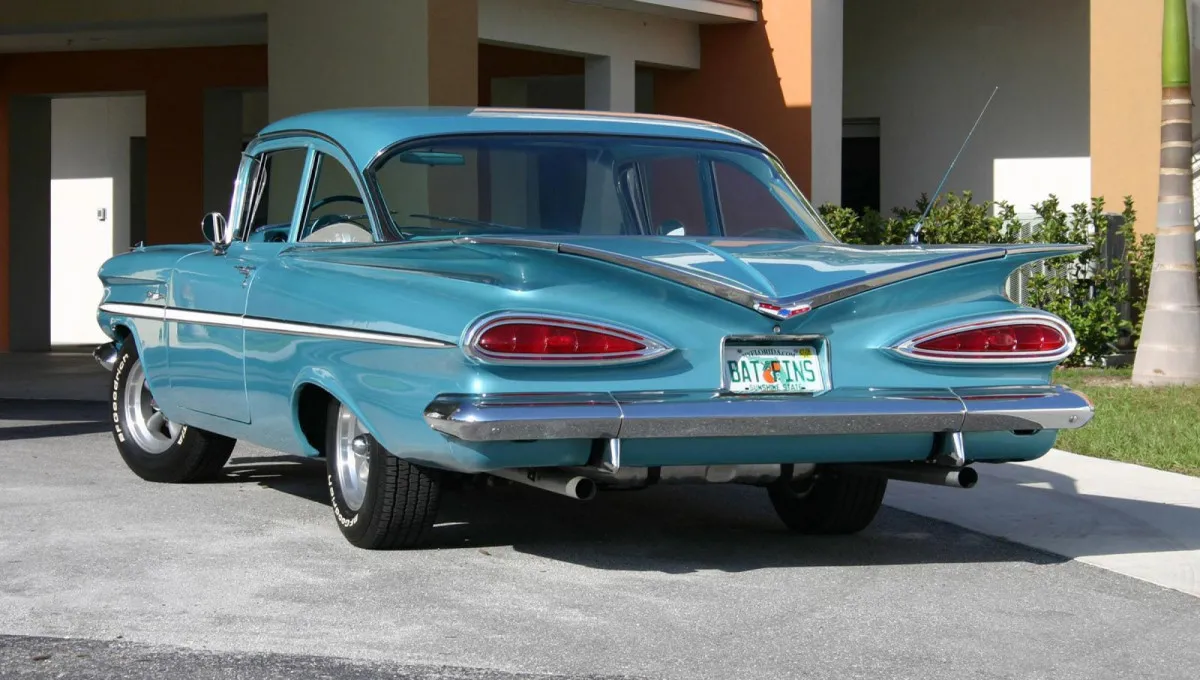
Elegance for Everyone: How Chevrolet Made Its 1960 Cars Stand Out
Chevrolet toned down its extravagant 1959 styling for 1960, bringing a more refined look to its affordable full-size cars.

Invisible Cows and a 17.3 MPH Speed Limit? 4 of America's Strangest Road Signs
From invisible cows to alien highways, these unusual American road signs turn ordinary drives into unforgettable roadside surprises.
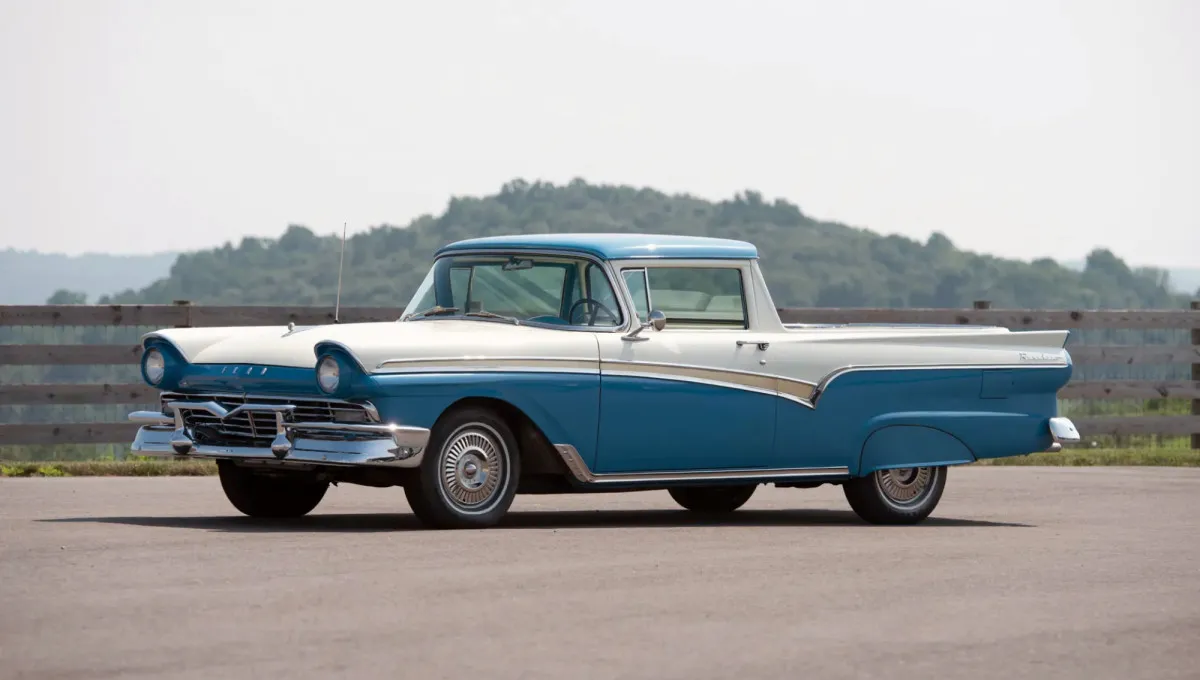
More Than a Car! More Than a Truck! The 1957 Ford Ranchero
The 1957 Ford Ranchero launched a new kind of American vehicle, blending passenger-car styling with pickup-truck utility years before the segment took off.
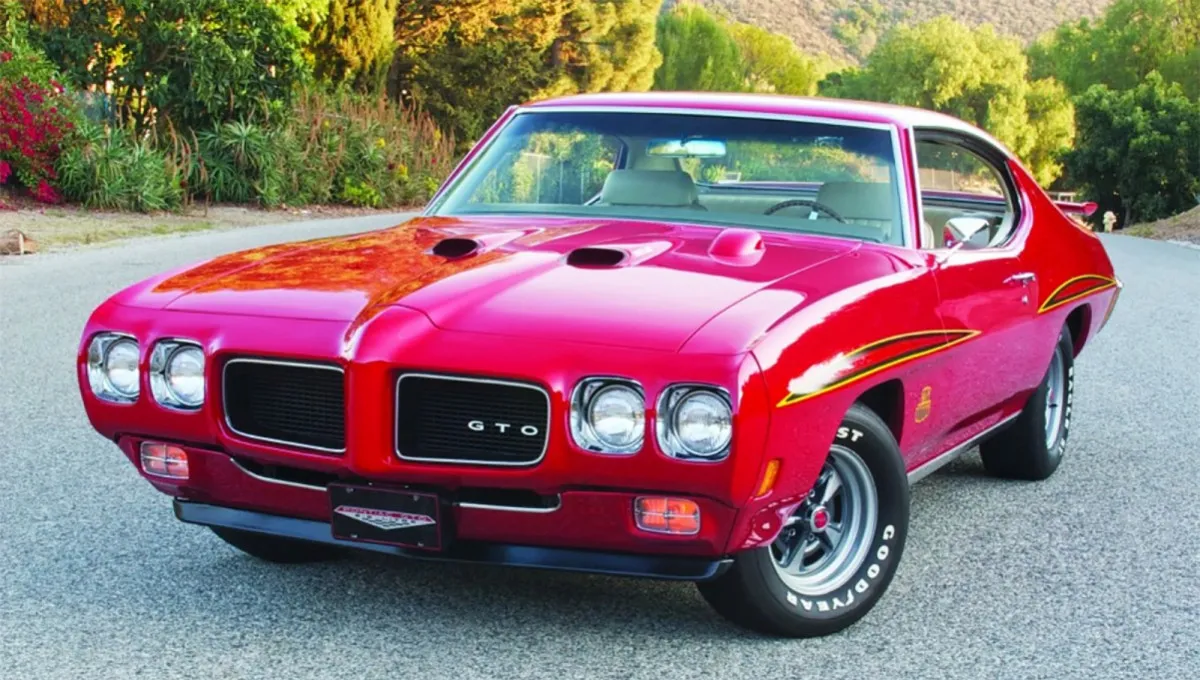
Pontiac's 1970 GTO Had a Wild Exhaust Option—Only 233 Cars Got It
Pontiac offered an unusual exhaust system for the 1970 GTO, but the factory option didn't last long.
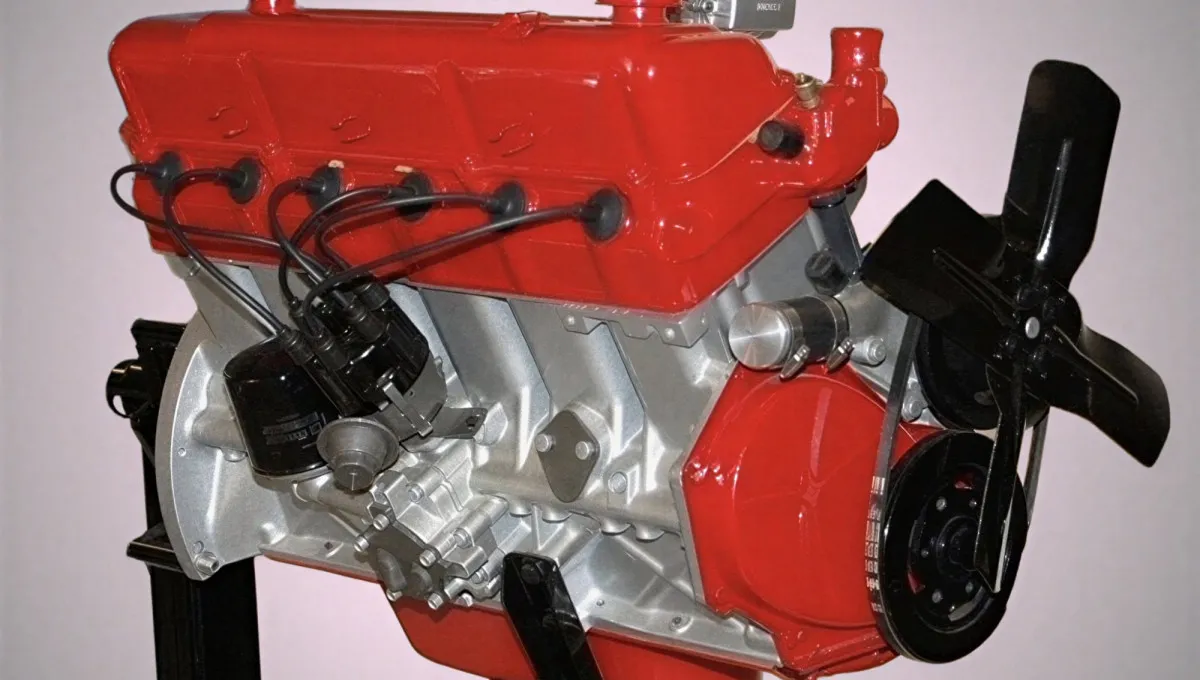
Chrysler's Aluminum Slant 6 Engine: The Lightweight Experiment of 1961–1963
Chrysler built more than 50,000 cars with an aluminum-block Slant 6 before production challenges brought the project to an end.