
Waymo Has Imported More Than 3,200 Zeekr Robotaxis Into the U.S. Despite 102.5% Tariffs
Waymo has imported more than 3,200 Zeekr-based Ojai robotaxis into the U.S. despite tariffs of 102.5%, with hundreds now undergoing integration.

Alphabet subsidiary Waymo has imported more than 3,200 Zeekr-based Ojai robotaxis into the U.S. despite the 102.5% tariffs currently in effect, Forbes reports. A video posted by user David Moss shows hundreds of the vehicles at a site in Arizona: more than 2,600 deliveries took place in 2026, while more than 500 vehicles were simultaneously at Waymo’s integration facility in Mesa in August.

The Ojai is built by Zeekr, part of Geely Group, at a factory in Ningbo, China, and also appears under the CM1e codename in documents; however, Waymo is not listed as the consignee in customs records. The vehicles have been added to the company’s fleet and have been used for commercial rides in San Francisco, Phoenix, and Los Angeles since 2026.
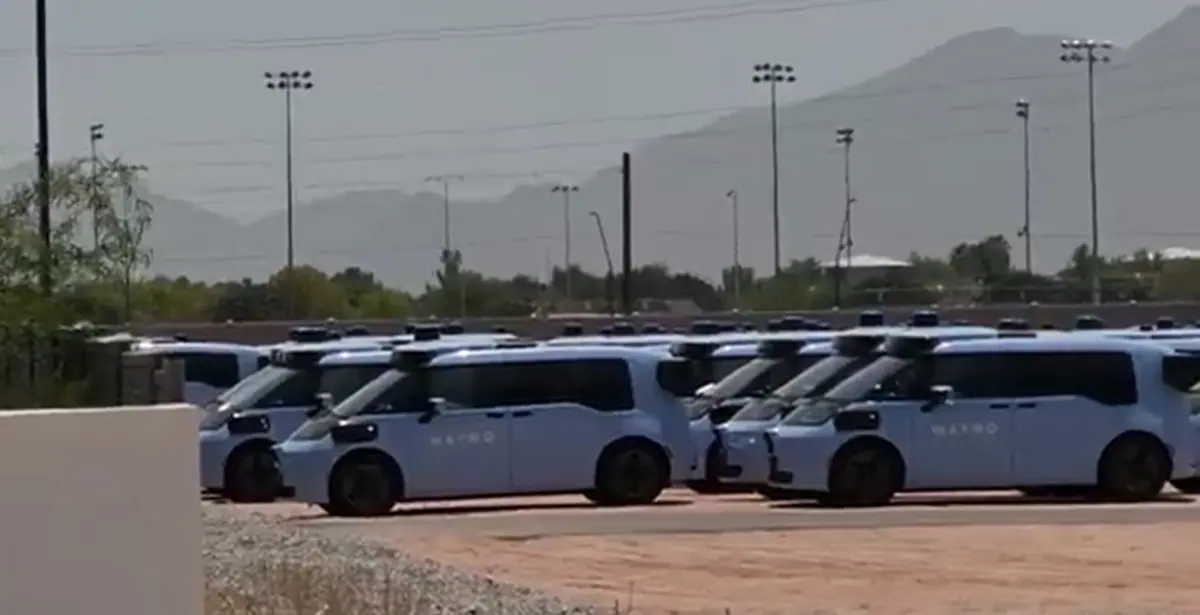
The model is built on the SEA-M architecture, which traces back to the Zeekr M-Vision concept unveiled in 2022 and developed specifically for the Waymo program. The vehicle is equipped with an 800-volt electrical system, a 93-kWh battery, and a 200-kW (268-hp) rear motor, along with sliding doors without a B-pillar and redundant electronic steering and braking systems. The body, battery, and powertrain are shipped from China, while the autonomous-driving system — the sixth-generation Waymo Driver, with four lidar sensors, six radar sensors, and 13 cameras — is installed in the U.S.; according to the company, the simplified hardware configuration reduces costs while expanding the system’s capabilities.
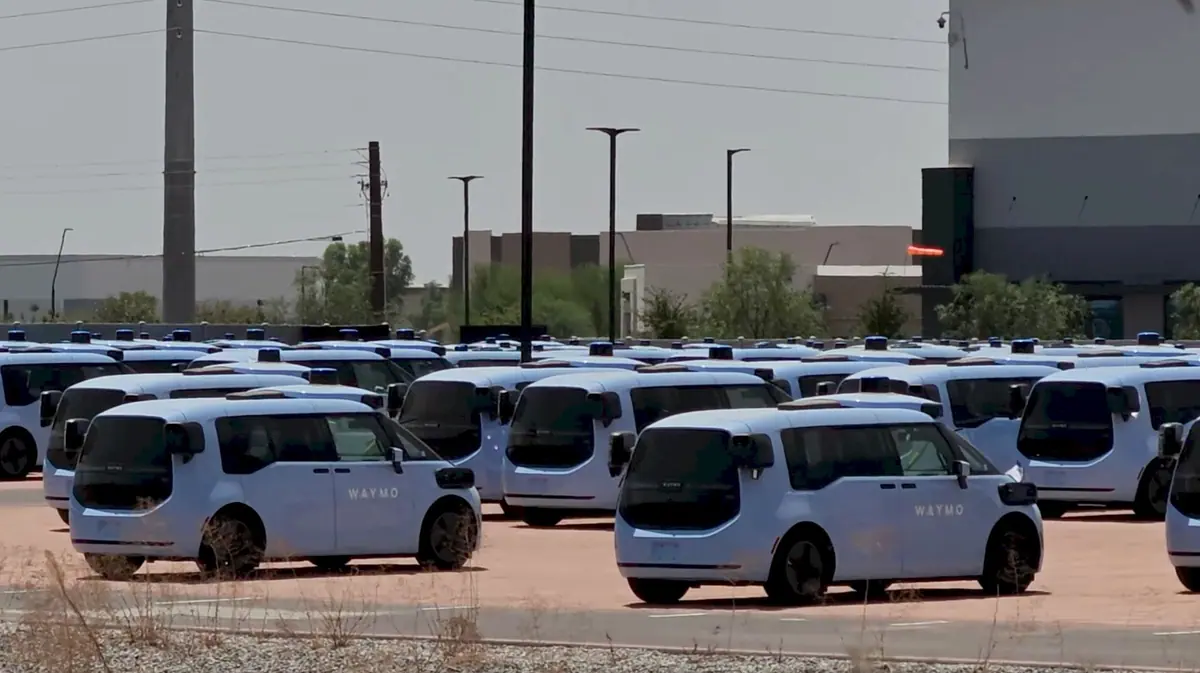
According to customs declarations, the factory value of an Ojai chassis is about $38,000-$38,500 per vehicle; with the 102.5% tariff, the estimated value of the chassis after customs clearance reaches roughly $78,000. Adding Waymo’s disclosed $25,000 cost for its sixth-generation hardware brings the estimated total to about $103,000 per vehicle and hardware before final integration — the final cost of a completed vehicle has not been disclosed. By comparison, the previous generation based on the Jaguar I-Pace was valued at about $200,000, of which $125,000 was attributed to the autonomous-driving hardware — making the new platform about 48.5% cheaper by these measures, although the comparison does not account for the full costs of manufacturing, logistics, and operation.
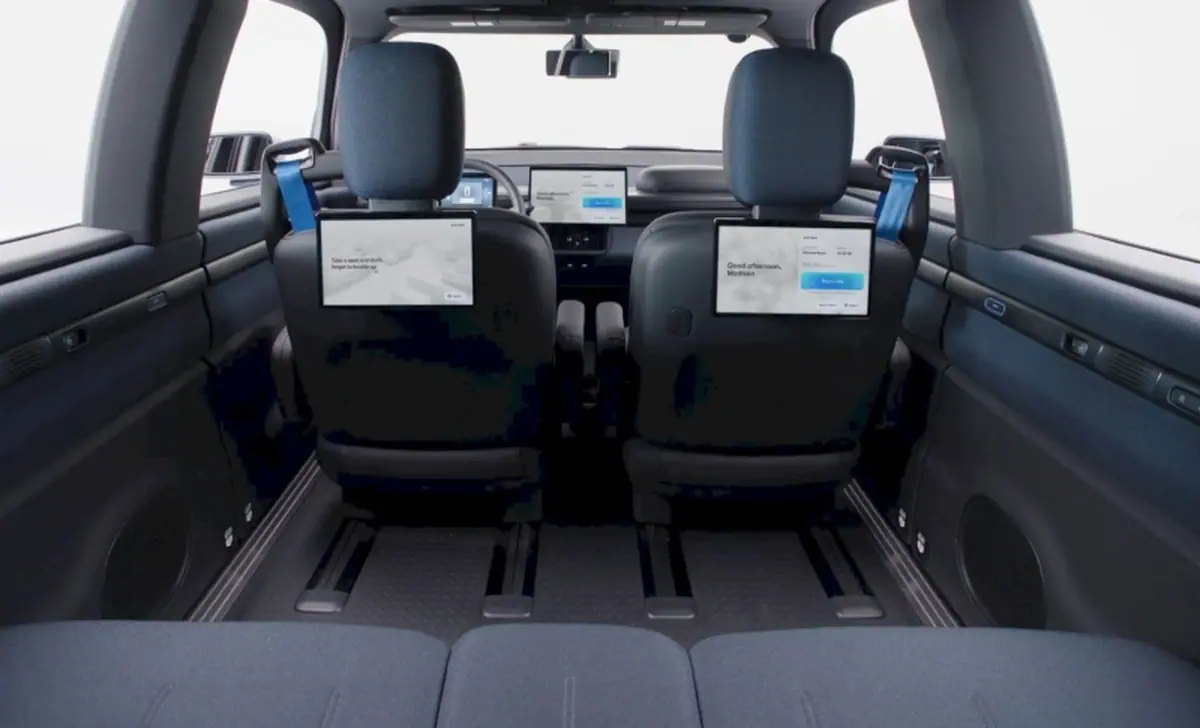
The same platform underpins the consumer Zeekr Mix, which launched in China in 2024 for $41,200. However, only four Mix vehicles were sold in June 2026, compared with several thousand sales of other Zeekr models, which does not indicate a direct connection to Ojai deliveries for Waymo.

Waymo’s use of Chinese-built vehicles has drawn criticism in Washington: Senator Bernie Moreno criticized the company’s partnership with Geely and Zeekr in February 2026 and called for restrictions on the use of Chinese automotive hardware. Customs statistics, however, reflect only the volume of shipments, not the number of vehicles actually operating on U.S. roads; in May, Waymo confirmed the launch of its Ojai service in San Francisco, Phoenix, and Los Angeles.
You may also be interested in the news:
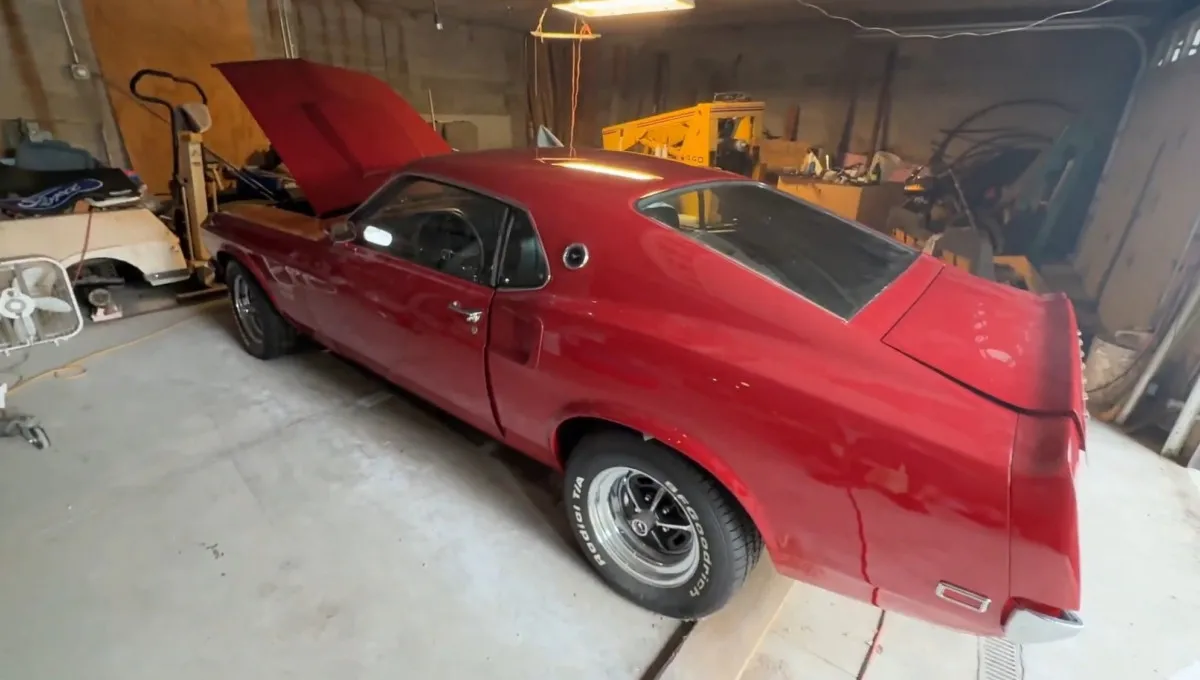
Late Owner’s 1969 Ford Mustang Boss 429 Sat Hidden in a Wisconsin Garage for Years
A rare 1969 Boss 429 emerged from a Wisconsin garage after years hidden beneath a dusty cover.
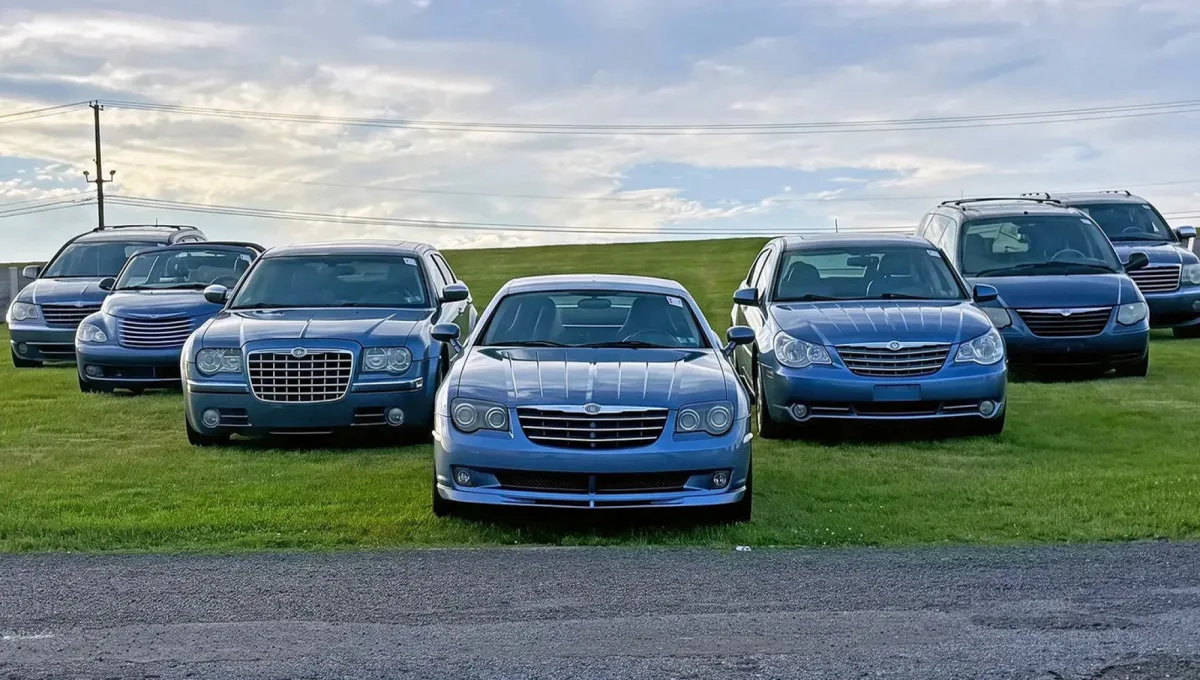
He Bought Seven 2007 Chryslers in the Exact Same Color — Then People Started Asking Why
Every model is different, yet together they represent Chrysler’s entire 2007 lineup in one unusual collection.
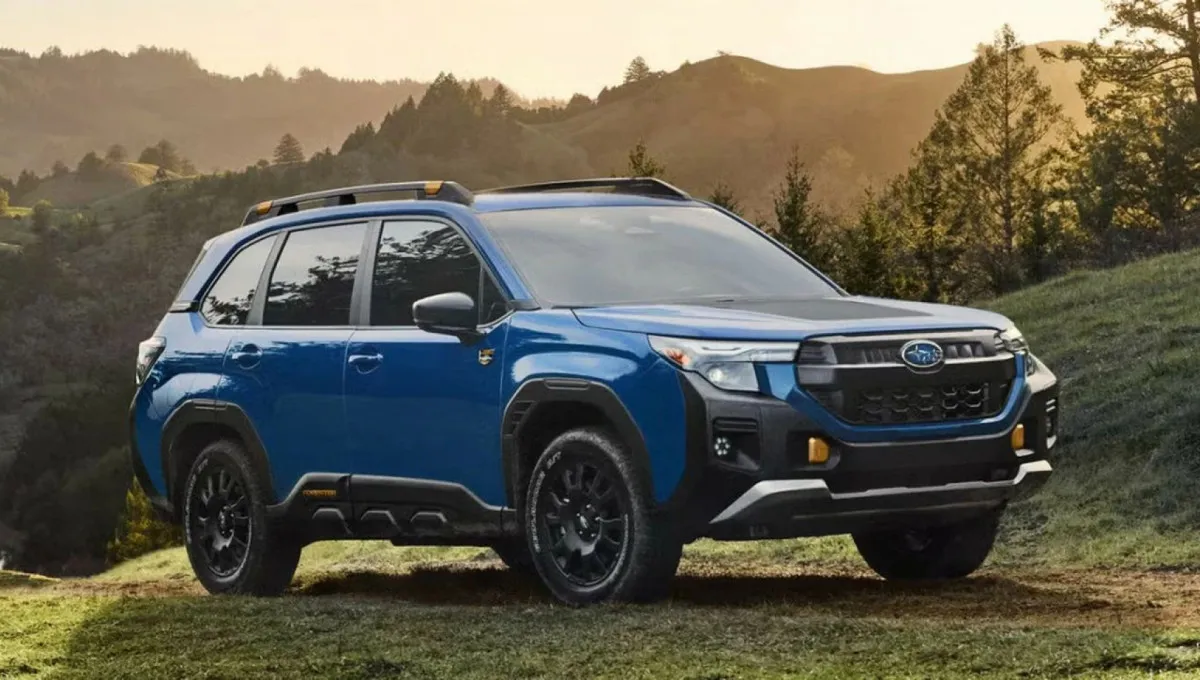
2027 Subaru Forester Debuts in the U.S. With Revised Lineup and More Hybrid Options
Subaru has revised the 2027 Forester lineup for America, dropping slower-selling trims while expanding hybrid availability.
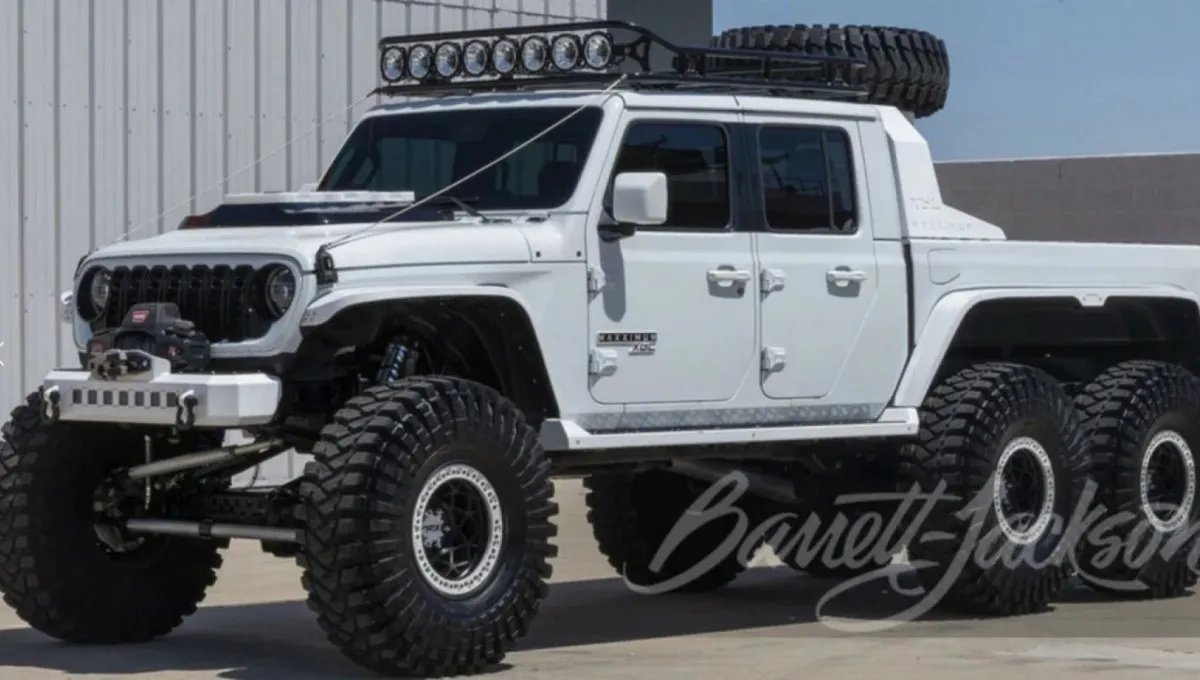
This One-of-a-Kind Jeep Gladiator Has 6 Wheels, 42-Inch Tires and a $184,900 Price Tag
The extreme six-wheel-drive Jeep Gladiator Maximus 6x6, built as a one-off, is now headed to a U.S. auction.
GM Faces Federal Lawsuit Over CVT Problems in Malibu, Trailblazer, Equinox and Terrain
GM faces a federal lawsuit alleging CVT defects affect several Chevrolet and GMC models.