
Chrysler Atlantic (1995) and Dodge Copperhead (1997): Two Landmark American Concept Cars
Both concepts featured impressive engineering for their time and, in many ways, were years ahead of the industry.

Bold, stylish, and visually striking concept cars have appeared in different eras, capturing imaginations with their originality and drawing admiring glances wherever they were shown. Beyond their looks, many of these vehicles also showcased advanced engineering, often pushing well beyond what was typical for their time.
Chrysler Atlantic
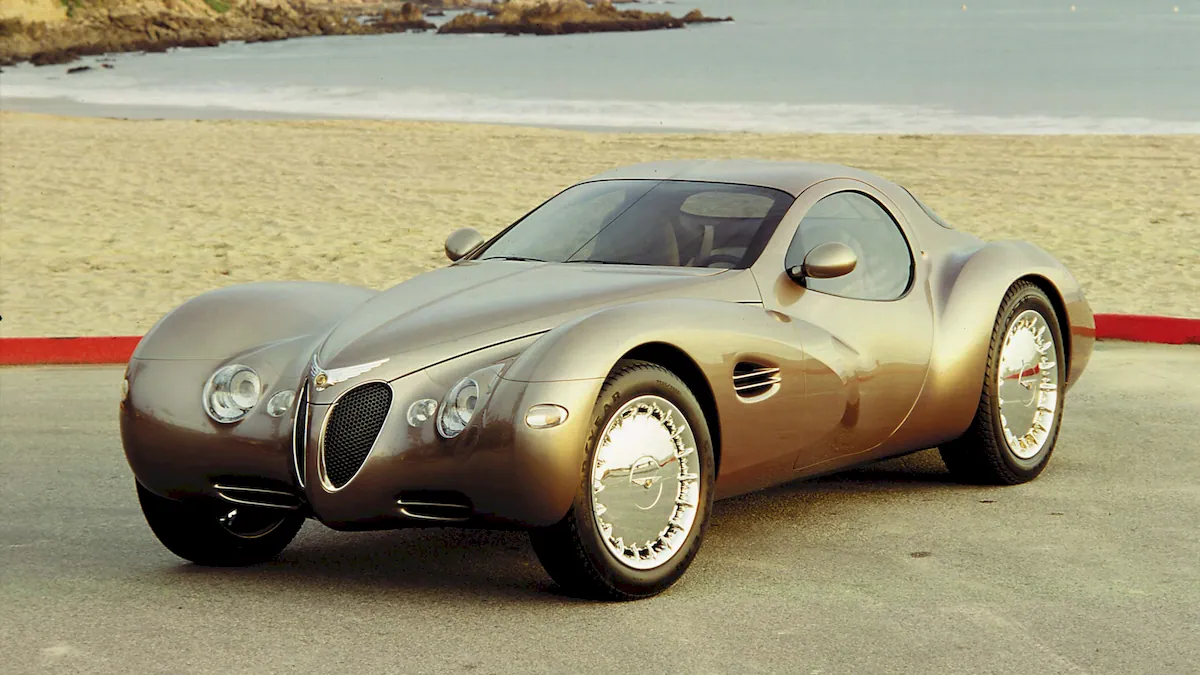
Often regarded as one of the most beautiful concept cars of the 1990s, the Chrysler Atlantic had an unusually spontaneous origin. Designer Bob Hubbach famously sketched the idea on a napkin during a dinner with company executives—and the concept was approved almost immediately.
The design took inspiration from classic European icons such as the Bugatti Type 57S Atlantique and the Talbot-Lago T150 SS. The car featured a low, elegant profile, a pronounced rear deck, a central fin running from the hood to the trunk, and slim taillights connected by a reflective strip.
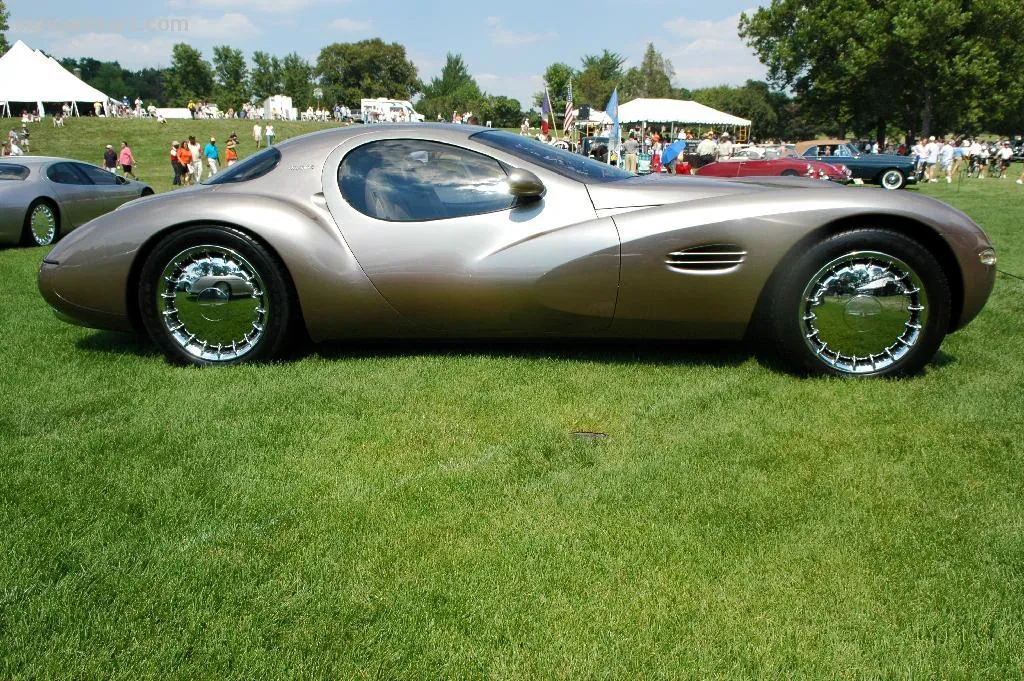
Under the hood, the Atlantic was just as impressive. It was powered by a rare 4.0-liter inline-eight engine producing 360 horsepower. The concept also featured a staggered wheel setup, with 21-inch wheels up front and 22-inch wheels in the rear.
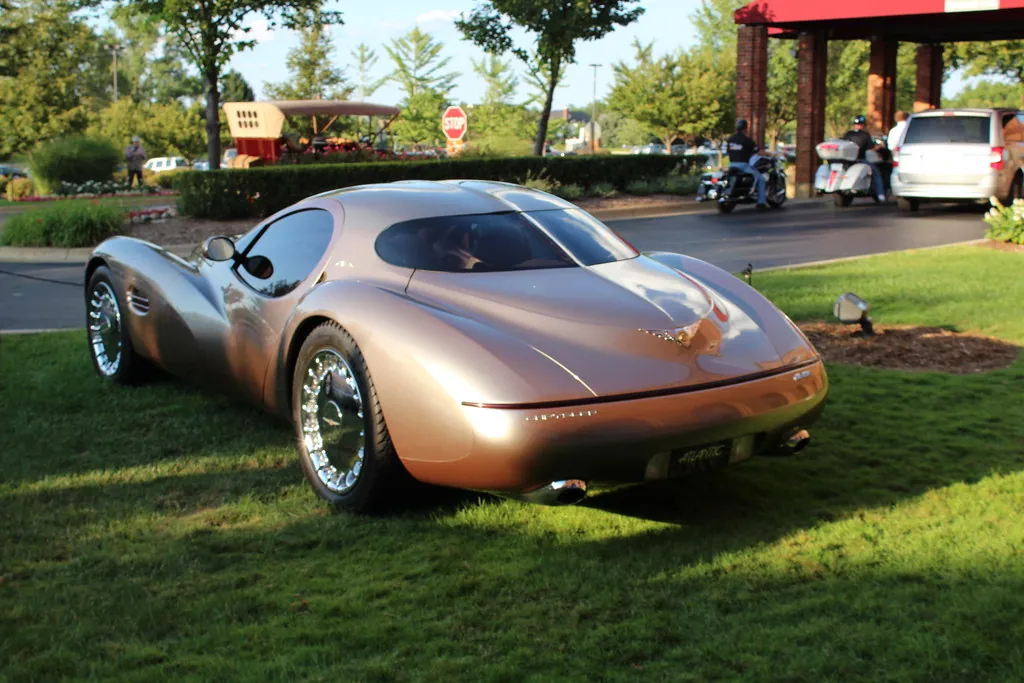
The car’s popularity was extraordinary. Images of the Atlantic appeared on magazine covers, automotive product packaging, and even in cosmetics advertising. Despite being fully engineered and widely considered commercially viable, the Atlantic never reached production—a decision many enthusiasts still view as a missed opportunity for Chrysler.
Even today, the 1995 Chrysler Atlantic remains one of the most memorable and visually stunning concept cars of its era.
Dodge Copperhead

The Dodge Copperhead is another standout concept from the mid-1990s, praised for its originality and thoughtful design. Its styling was inspired by nature, and the name was no coincidence—“Copperhead” refers to a type of venomous snake.
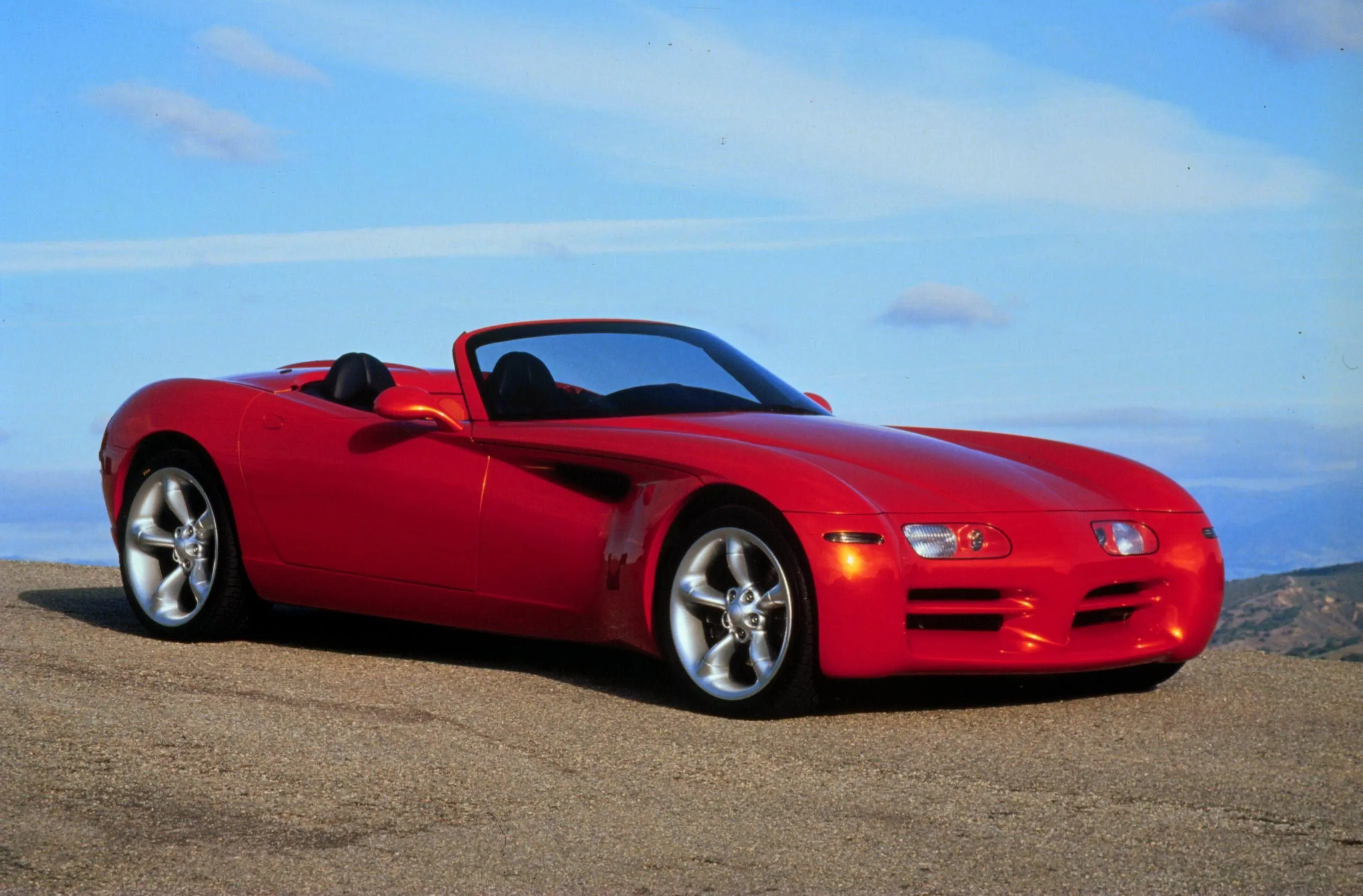
That theme extended throughout the interior. The center console was shaped to resemble a snake’s hood, the seat upholstery mimicked snake skin, and even the tire tread pattern echoed a reptilian texture.
From an engineering standpoint, the Copperhead roadster featured:
-
a ladder-frame chassis;
-
a 5-speed manual transmission;
-
all-wheel drive;
-
independent spring suspension front and rear;
-
disc brakes on all four wheels.
The concept was envisioned as a more affordable alternative to the Dodge Viper, with a projected price of around $30,000 at the time. Rather than chasing outright performance, the Copperhead emphasized comfort and handling. Its creators described it as a modern interpretation of the Austin-Healey 3000, whereas the Viper was seen as a revival of the Shelby Cobra spirit.

Interestingly, shortly after its debut at the 1997 Detroit Auto Show, the car was renamed simply the Dodge Concept Car due to legal disputes with rock musician Billy Gibbons, who had already used the name Copperhead for his customized 1950 Ford Coupe.
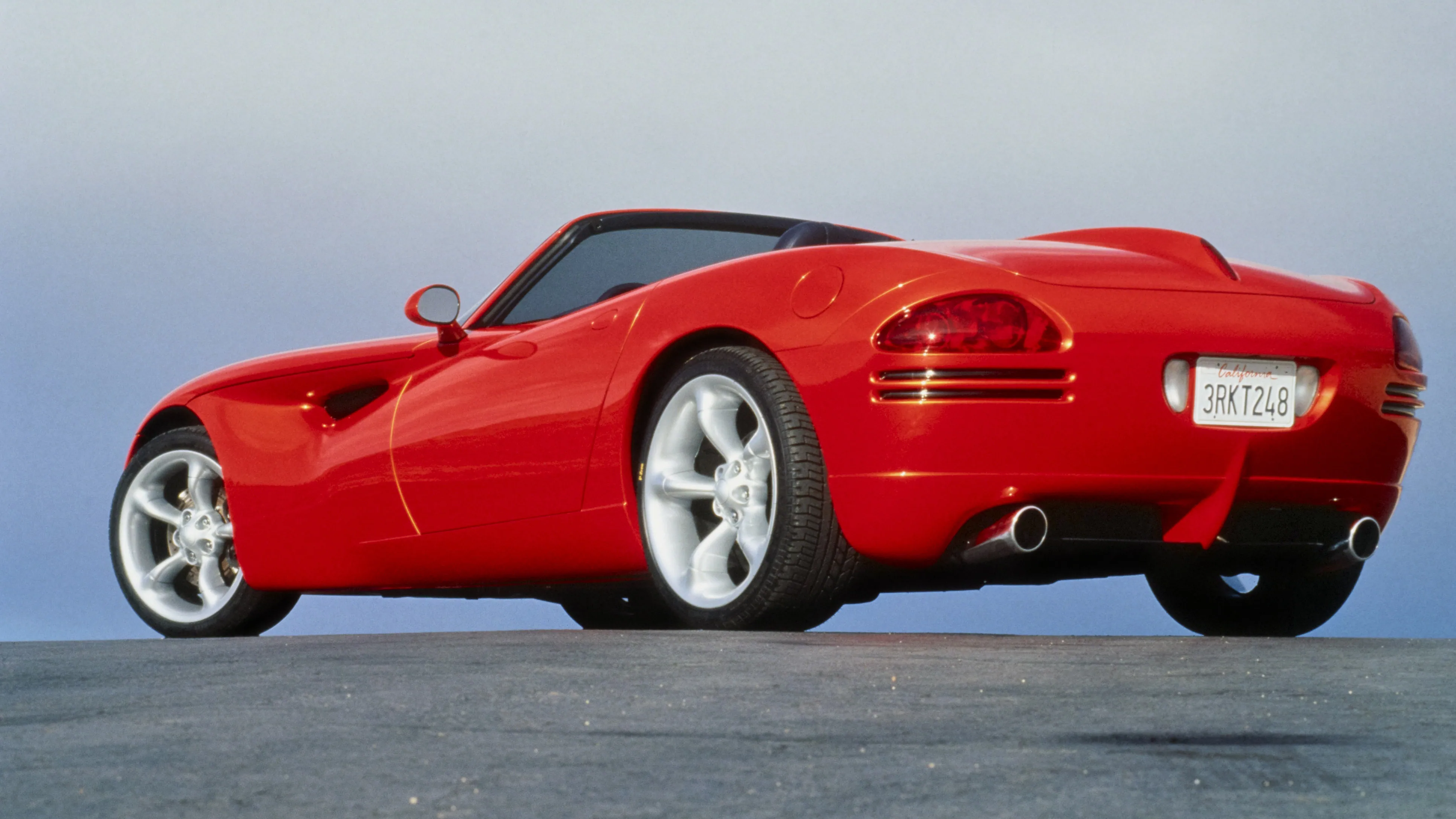
The Dodge Copperhead remains a compelling example of how thoughtful design, innovative engineering, and attention to detail can result in a truly distinctive concept car—one that continues to impress with its aesthetics and technical creativity even decades later.
You may also be interested in the news:
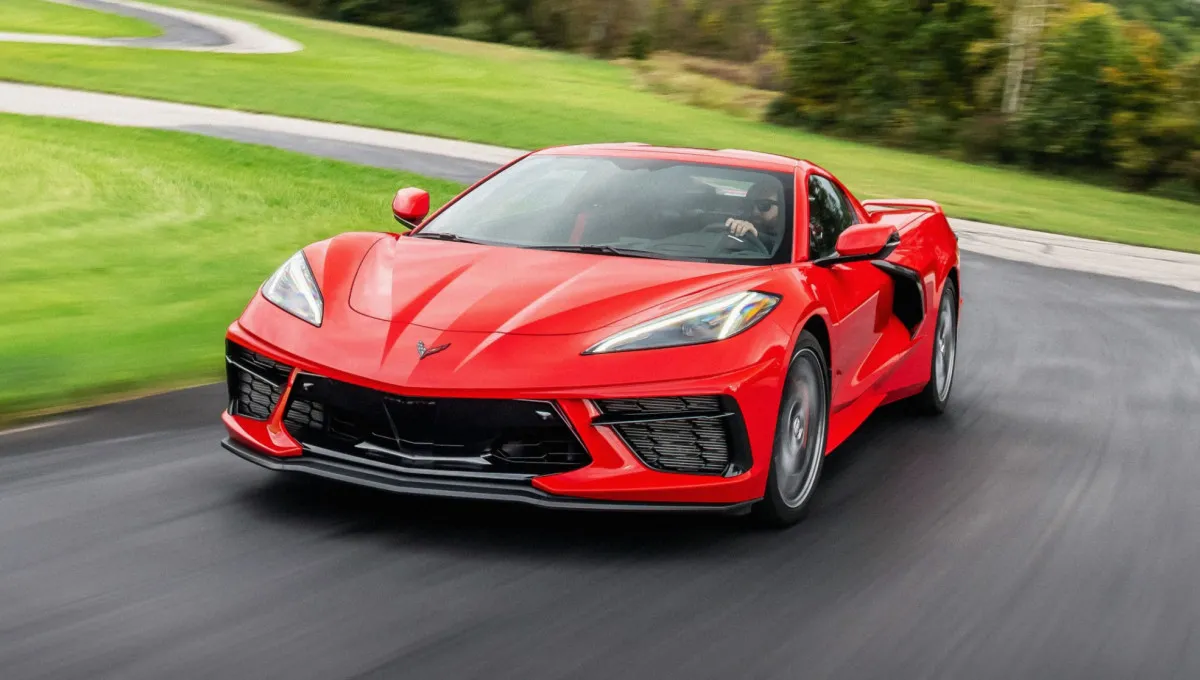
5 of the Most Beautiful Chevrolet Cars: Timeless Designs With Stunning Silhouettes
Which Chevrolet models deserve to be called the most beautiful?
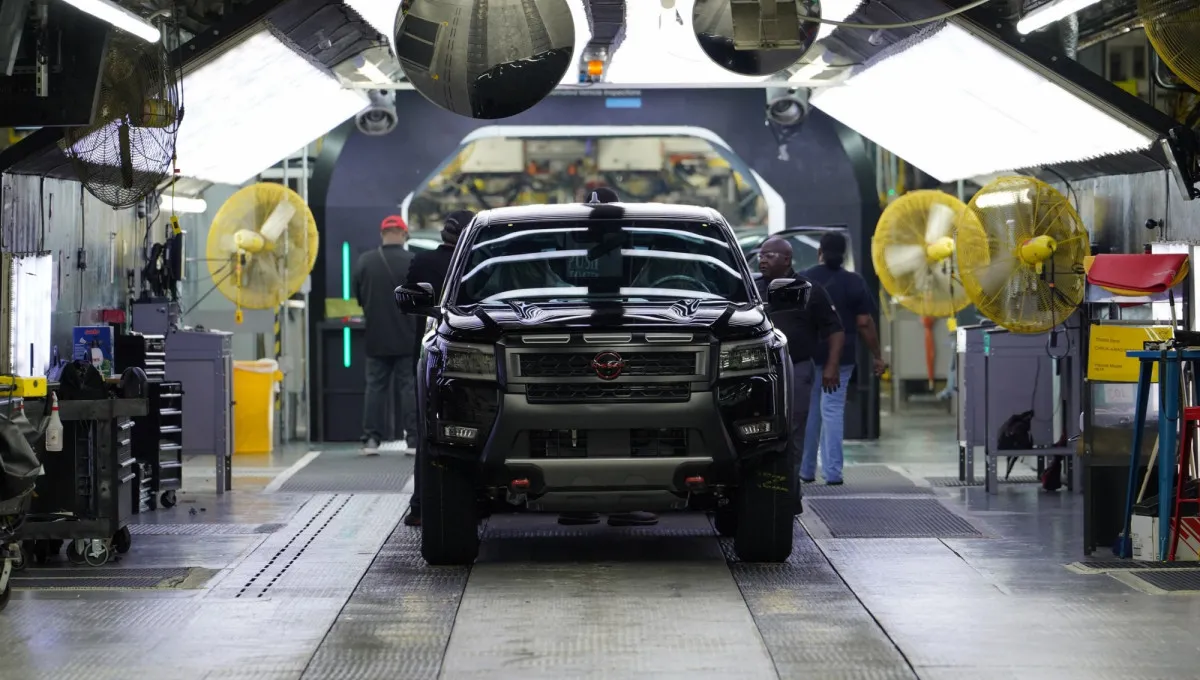
Nissan Restarts US-Made Murano, Pathfinder, Frontier Sales in Canada
Nissan resumed Canadian sales of three U.S.-built models, but tariffs keep supply below earlier levels.

41,748 Ford SUVs and Trucks Recalled—Your Headlights Could Suddenly Stop Working
Ford recalls 41,748 vehicles after contaminated LED chips threaten required headlight performance on newer models.

The Sheriff Knew She Was Speeding—Then This Blonde Driver Turned the Ticket Against Him
A sheriff pulls over a Ferrari for speeding, but the driver's bizarre logic quickly turns the traffic stop against him.
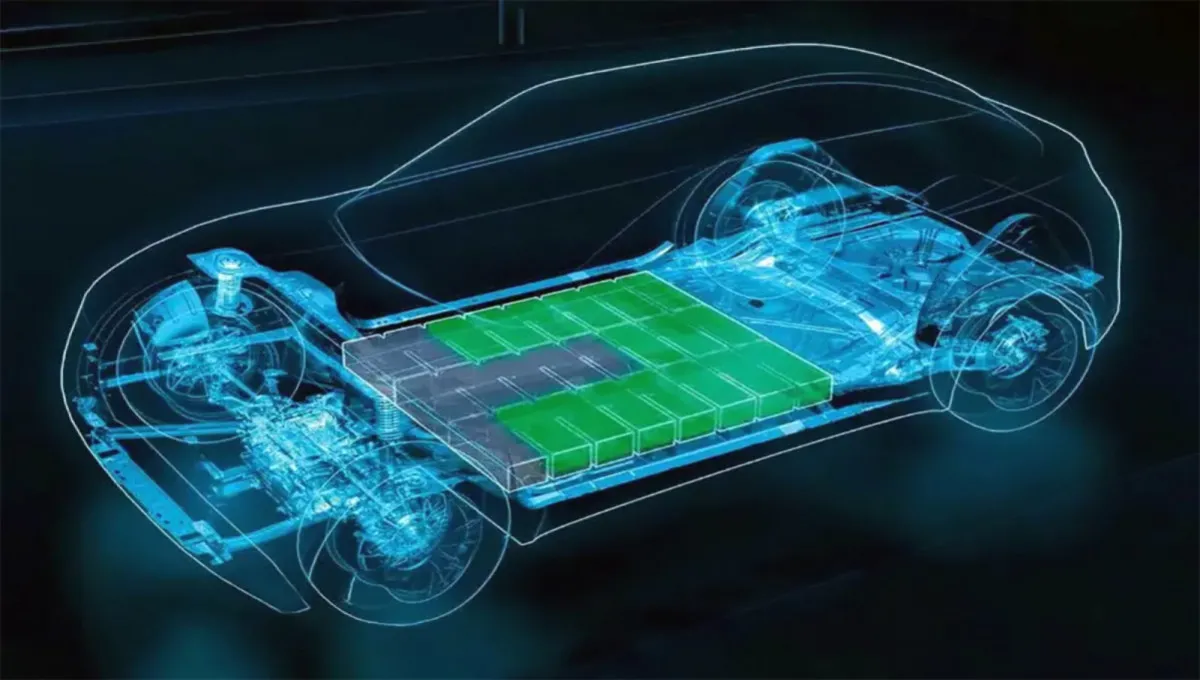
Stellantis Patents System That Lets an EV Drop Its Battery and Drive Away
A new patent details an emergency system that could let an EV disconnect its high-voltage battery and move away from danger.