
Stepping Back From Plug-Ins: Stellantis to End Current Jeep and Chrysler PHEVs in North America
Stellantis will gradually phase out its current plug-in hybrid Jeep and Chrysler models in North America.
By the end of the 2025 model year, the Jeep Wrangler 4xe, Jeep Grand Cherokee 4xe, and the plug-in hybrid version of the Chrysler Pacifica will disappear from the North American market. That means these vehicles will no longer be offered in their current form with the ability to recharge from a wall outlet.
Early signs of the move surfaced on Jeep’s website. One reader noticed that 4xe models had vanished from the brand’s build-and-price tool. After that, The Drive contacted Jeep representatives and received confirmation that sales of the 4xe lineup have been temporarily halted due to ongoing recalls.

At the moment, Jeep’s website lists only a limited number of electrified models. The upcoming Cherokee will be offered solely as a conventional hybrid without plug-in capability, while the Jeep Recon and Jeep Wagoneer S will be fully electric.
According to The Drive, this shift does not signal that Stellantis is abandoning electrification altogether. Instead, the company plans to focus on traditional hybrids and electric vehicles with range-extending systems. One example still on the roadmap is the Ram electric pickup equipped with a range extender.
At the same time, Stellantis does not intend to cancel newer models that have only recently launched or are about to enter production. Vehicles such as the Cherokee, Recon, and Wagoneer S will remain in the lineup, as their production programs are still in the early stages.
In a statement to the publication, Stellantis said it continually reviews its product strategy in response to changing customer demand and regulatory requirements. As demand shifts, the automaker will gradually wind down its plug-in hybrid programs in North America starting with the 2026 model year and redirect its efforts toward more competitive electrified solutions, including hybrids and range-extended electric vehicles, where those options better align with customer needs.
As a result, Stellantis is placing less emphasis on plug-in hybrids and betting instead on other forms of electrification, ranging from conventional hybrids to fully electric models.
You may also be interested in the news:
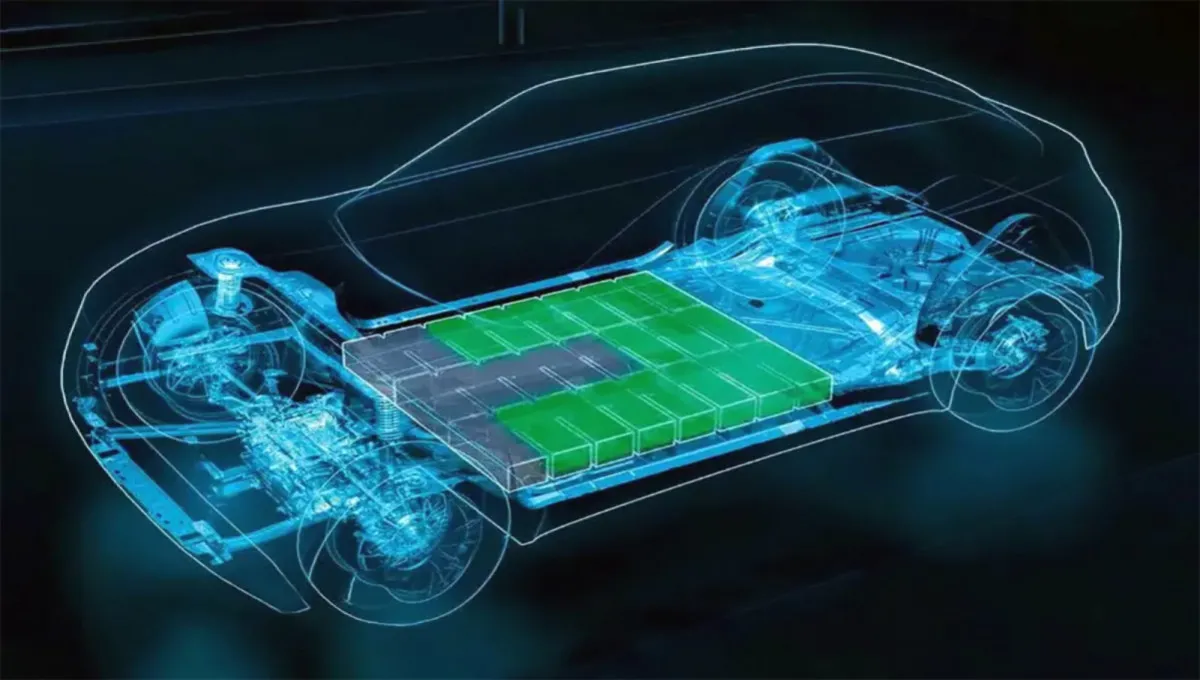
Stellantis Patents System That Lets an EV Drop Its Battery and Drive Away
A new patent details an emergency system that could let an EV disconnect its high-voltage battery and move away from danger.
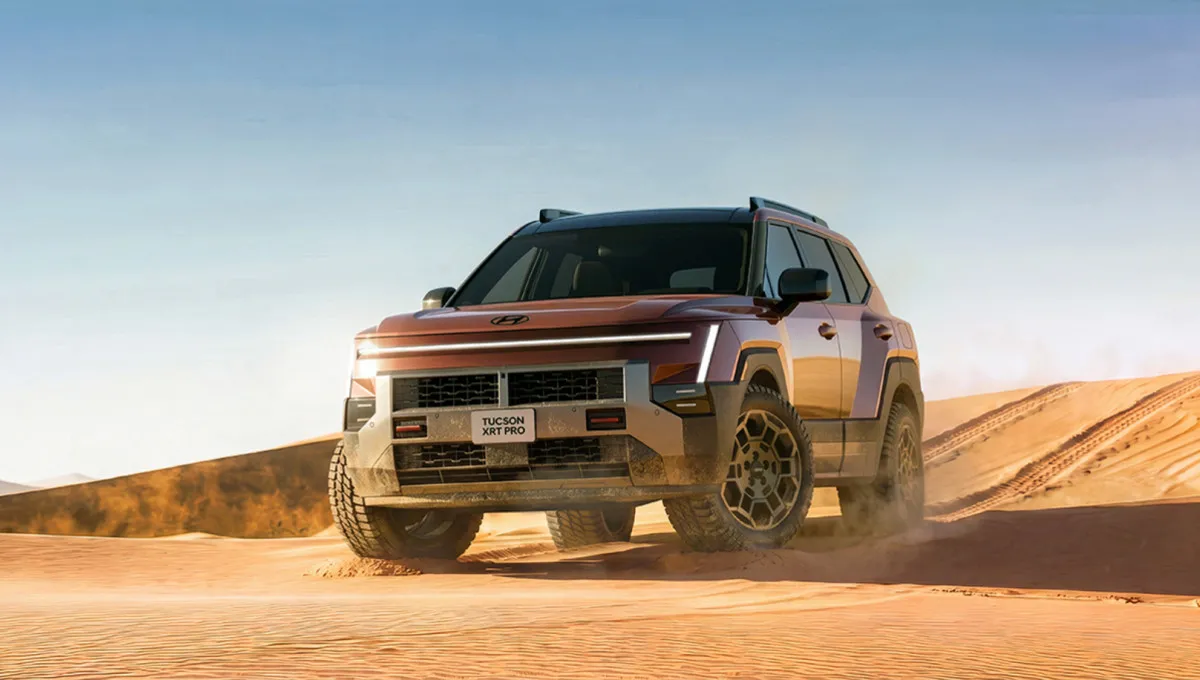
The New Hyundai Tucson Is Official: Hybrid Targets Up to 42 MPG
Hyundai has unveiled the next-generation Tucson with Art of Steel styling, updated hybrid powertrains and new technology.
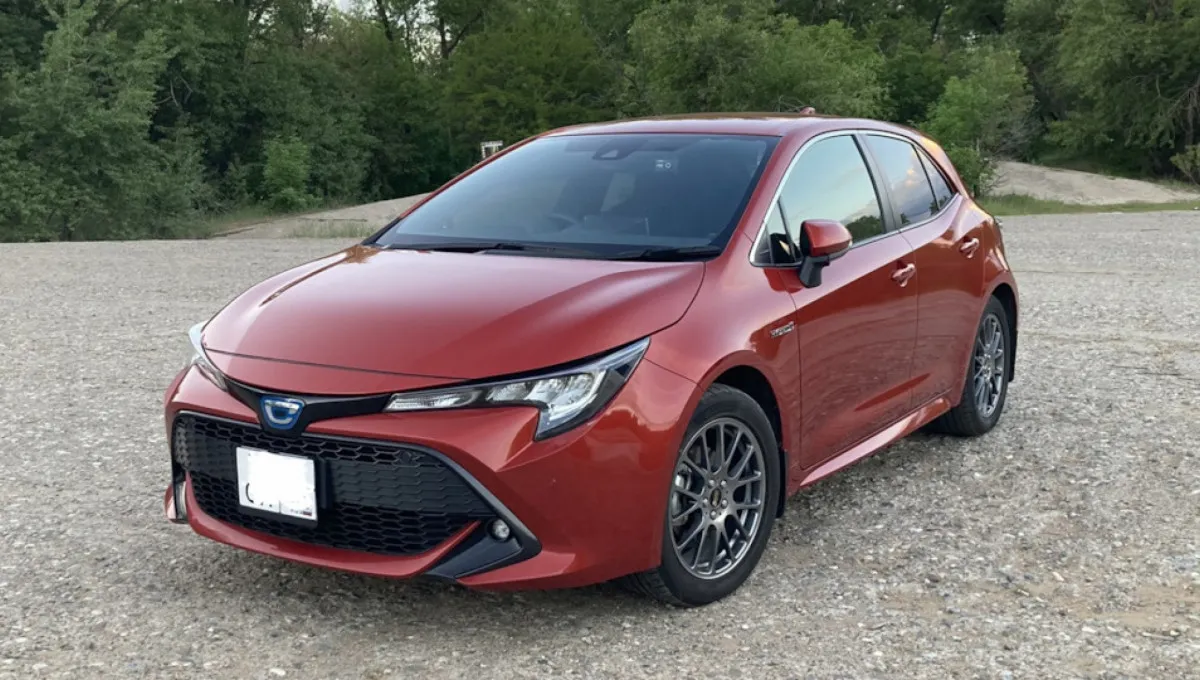
Japan’s Most Fuel-Efficient Cars of 2026 Revealed, With Toyota Taking Eight of the Top 10
Toyota dominates Japan’s 2026 fuel-economy rankings, taking eight of the top 10 spots with hybrid models.
Stellantis Just Revealed Nine New Cars Under $40,000 — And Two Could Cost Less Than $30K
Stellantis plans nine cheaper vehicles as high prices leave American shoppers with fewer affordable new-car choices.
The Gas Turbine Chrysler Drove a Million Miles Across the U.S., Ran on Perfume, but Never Went Into Production
In late 1963, a strange new car hit American roads, turning heads with the unmistakable sound of a jet engine.