
The Jeep That Could Turn in Place: The Wild Story of the Hurricane Concept
In the mid-2000s, automakers were locked in a battle to build the most outrageous concept vehicles imaginable.
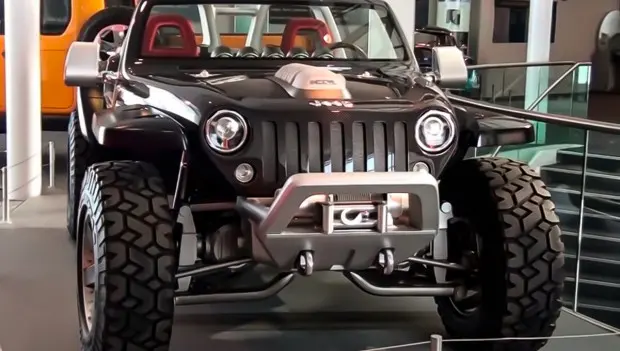
In the mid-2000s, automakers were competing to outdo one another with increasingly bold concept cars. It was a fascinating era of experimentation, when engineers were often given near-total creative freedom.
Even against the backdrop of concepts like the Dodge Kahuna and the Chevrolet Borrego, one vehicle from Jeep stood out. The brand’s engineers set out to prove that the legendary off-roader could become a truly фантастical all-terrain machine—if you bolted in not one, but two V8 engines.
Meet the 2005 Jeep Hurricane
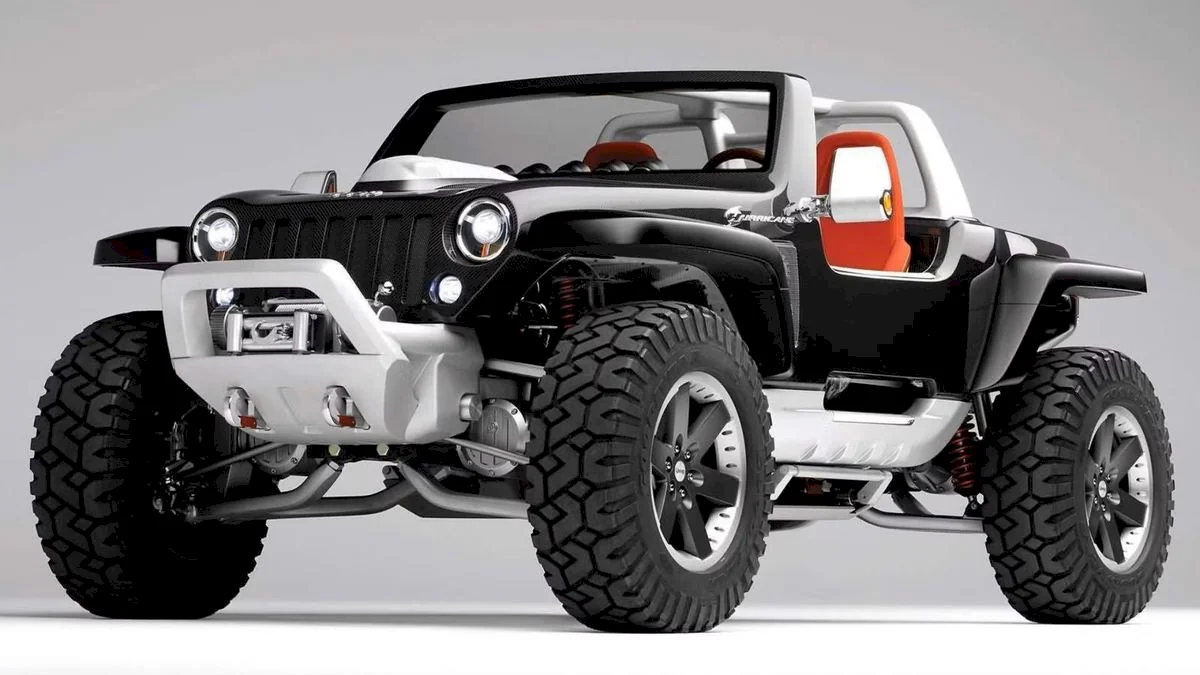
Beneath the carbon-fiber body of this two-seat monster was a setup that still makes enthusiasts smile. Engineers installed two 5.7-liter HEMI V8 engines—one up front and one in the rear. Each produced 335 horsepower, for a combined 670 horsepower and 740 lb-ft of torque. To make the twin-engine system work as a single unit, both were connected to a shared five-speed automatic transmission through a specially developed transfer case.
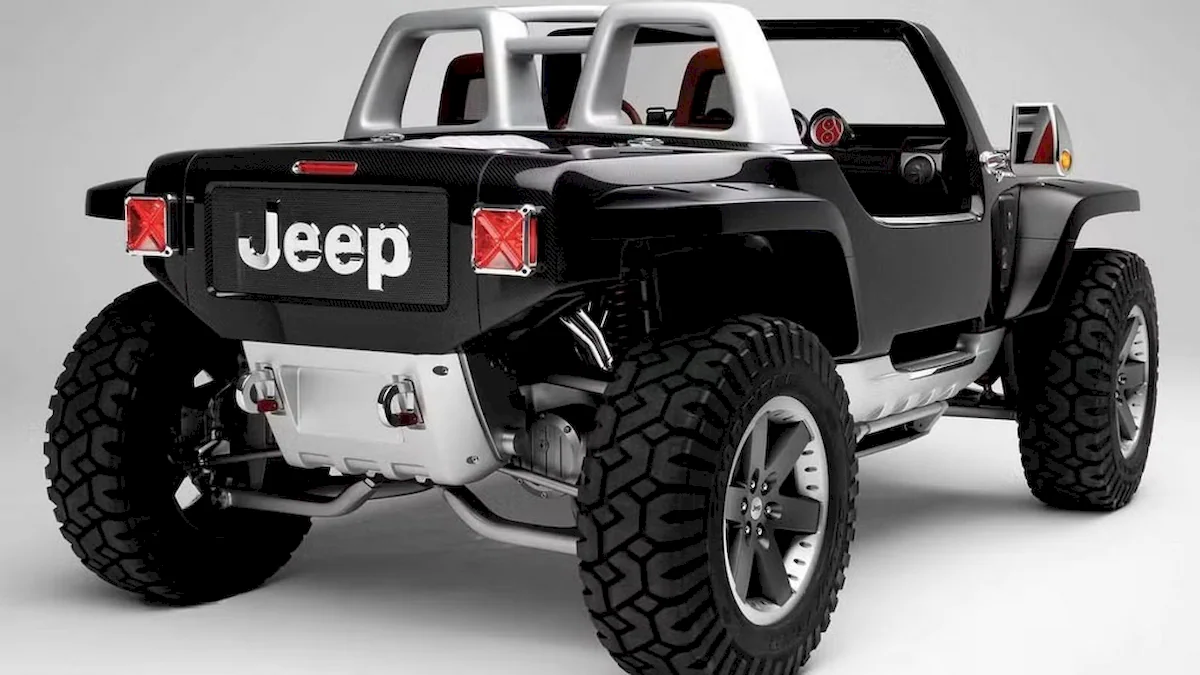
Zero to 60 mph came in just 4.9 seconds. For comparison, a standard Jeep Wrangler from that era wasn’t even in the same league.
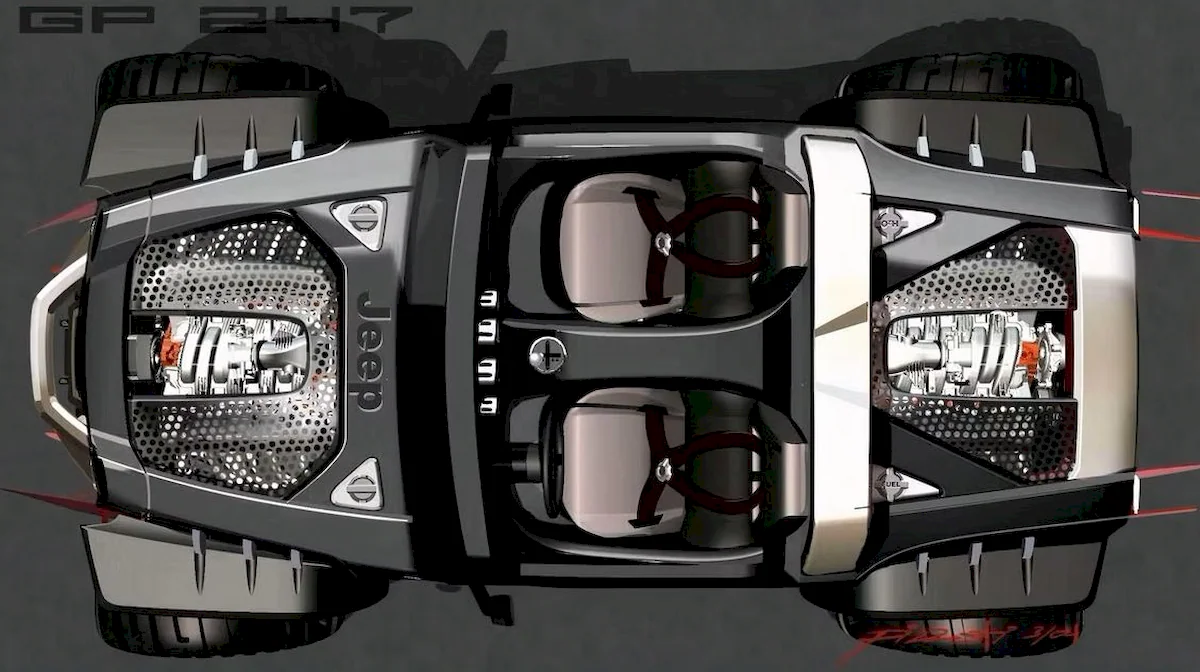
But the Hurricane impressed with more than just raw power. Thanks to an advanced four-wheel steering system developed by MillenWorks, this Jeep could perform some astonishing tricks. It featured three steering modes.
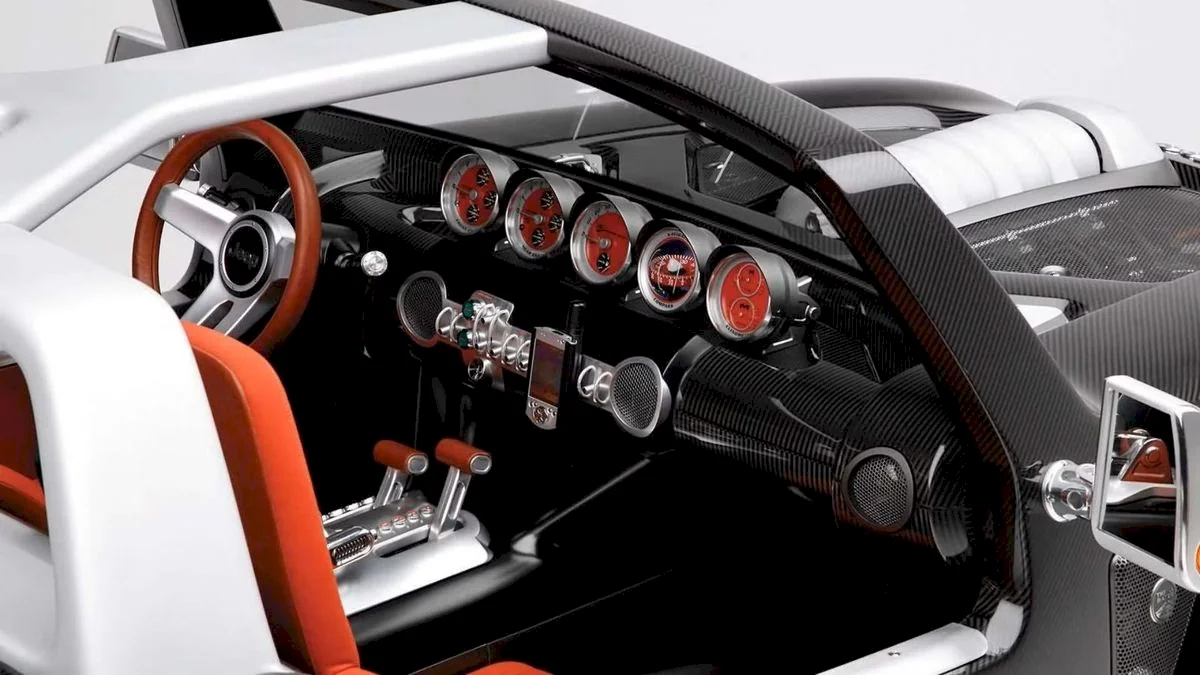
In regular off-road driving, the rear wheels turned opposite the fronts, tightening the turning circle. In the second mode, all four wheels turned in the same direction, allowing the vehicle to “crab walk” sideways.
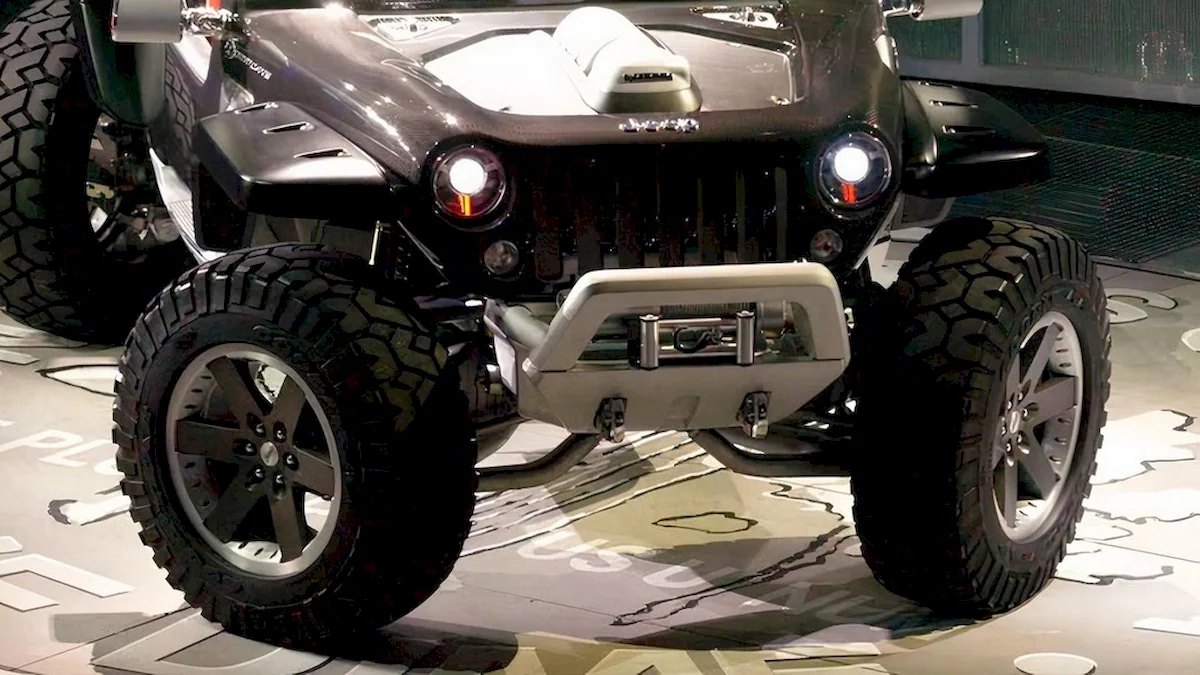
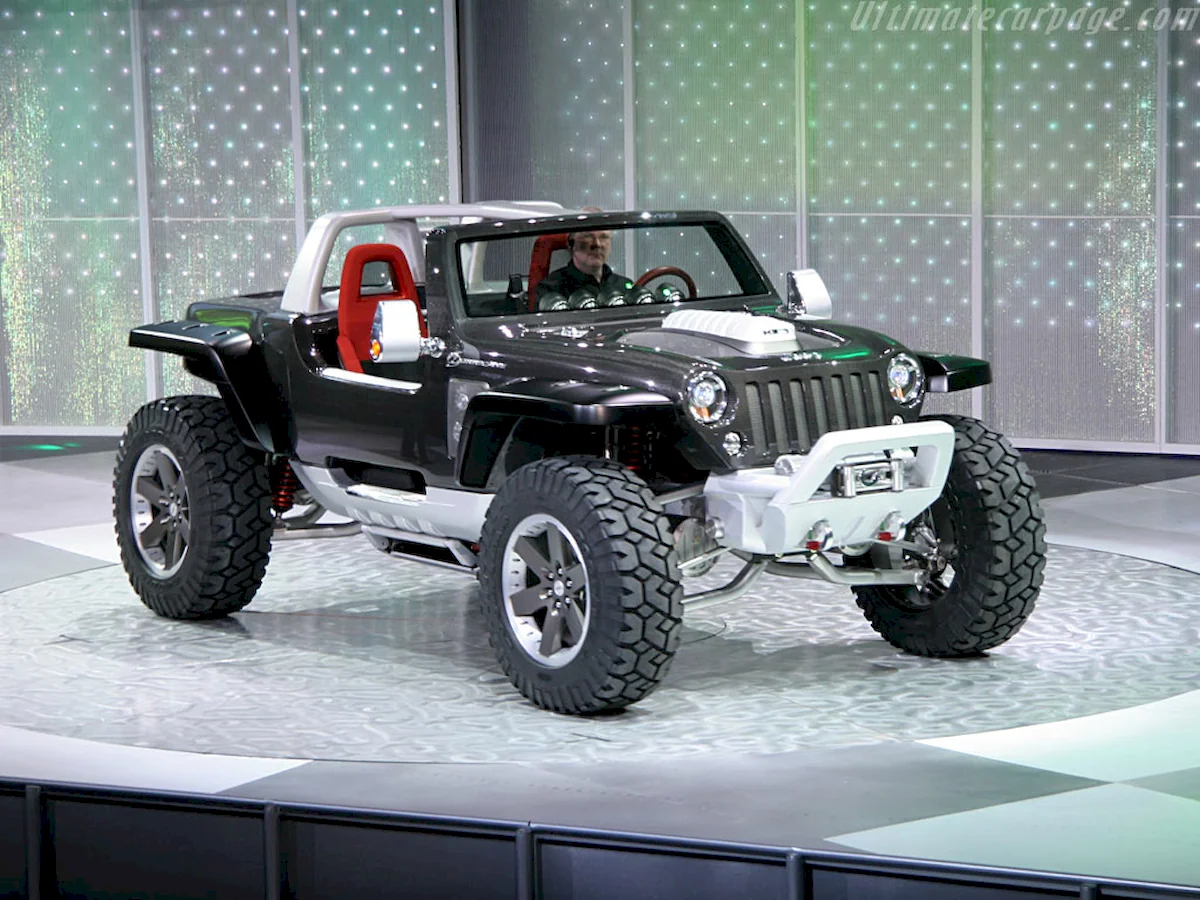
The most dramatic feature, however, was the third mode. The front wheels turned inward against the rear wheels, allowing the Hurricane to rotate in place with a zero-degree turning radius. Picture the scene at the North American International Auto Show in Detroit: a massive black Jeep with no doors or roof, sitting sideways on the display stand, suddenly spinning around its own axis. It was unforgettable.
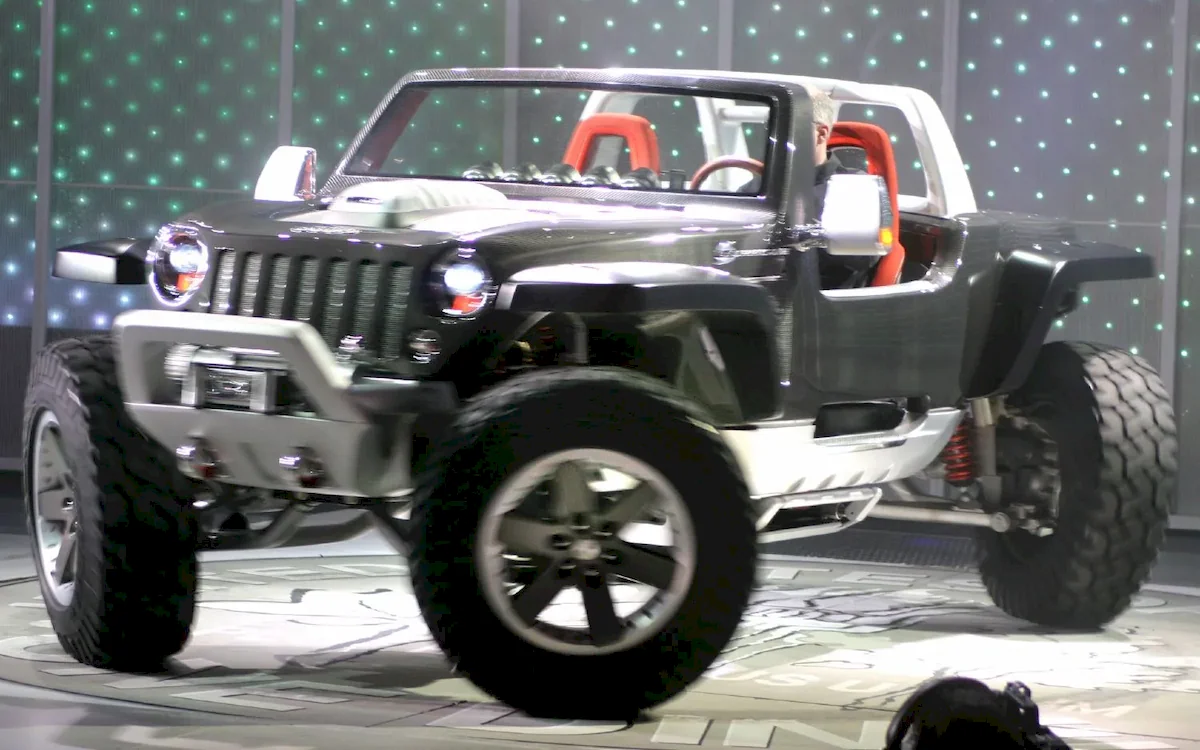
Its off-road geometry was just as extreme. The approach angle measured 64 degrees, while the departure angle reached an astonishing 86.7 degrees. Ground clearance stood at 14.3 inches. The Hurricane could climb vertical obstacles and crawl back down them like a lizard. Despite its capability, the carbon-fiber construction helped keep weight to around 3,850 pounds—remarkably light given its hardware.
Of course, the Hurricane never made it to production. It was a pure show car—a rolling technology demonstrator. Building such a complex machine on an assembly line would have been prohibitively expensive. Still, Chrysler engineers secured the necessary patents, and the world got a glimpse of what fearless engineering could accomplish.
P.S. The story took an unexpected turn in 2021, when Jeep finally put a V8 under the hood of a production Wrangler. The Jeep Wrangler Rubicon 392 arrived with a 6.4-liter HEMI delivering 470 horsepower. It wasn’t a twin-engine monster, but a naturally aspirated V8 in a modern Rubicon sounded like music to fans.
Interestingly, in 2024 the company announced it would end production of the 392 version—only to reverse course and extend it into the 2025 model year after strong demand.
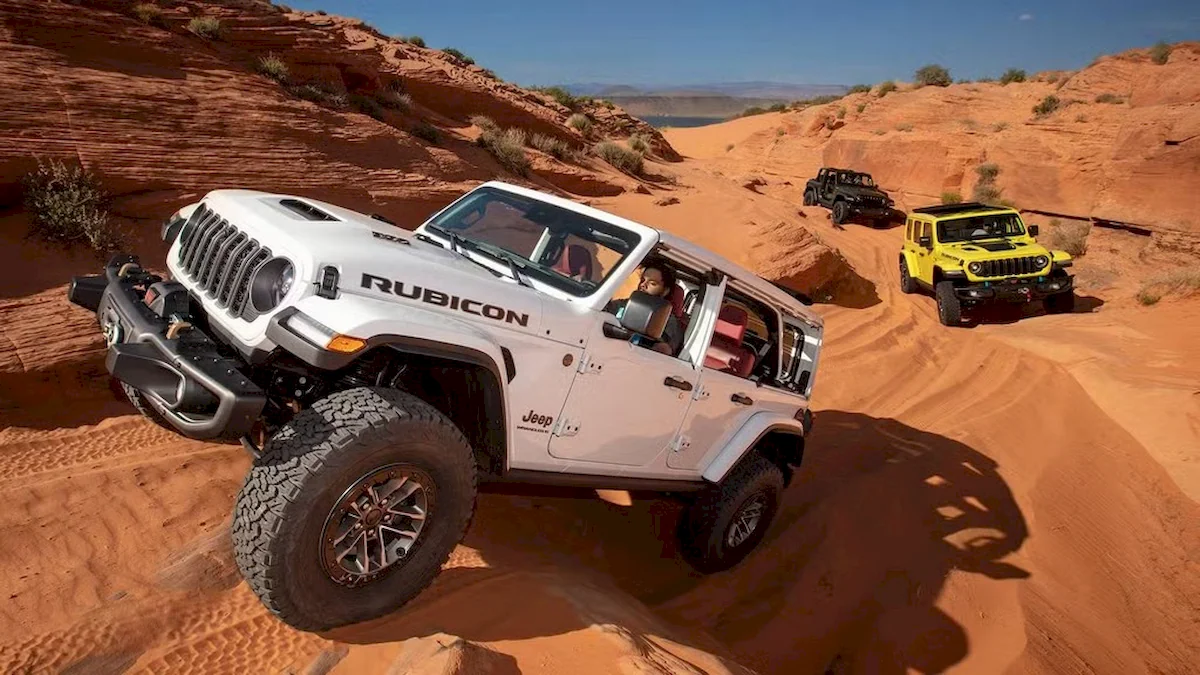
Looking at the more restrained capabilities of many modern SUVs, it’s worth remembering projects like the Hurricane. They remind us that true engineering progress begins with a willingness to break the rules. And while the twin-engine Jeep remained a concept, its spirit lives on in every V8-powered Wrangler rolling out of the Toledo factory.
You may also be interested in the news:
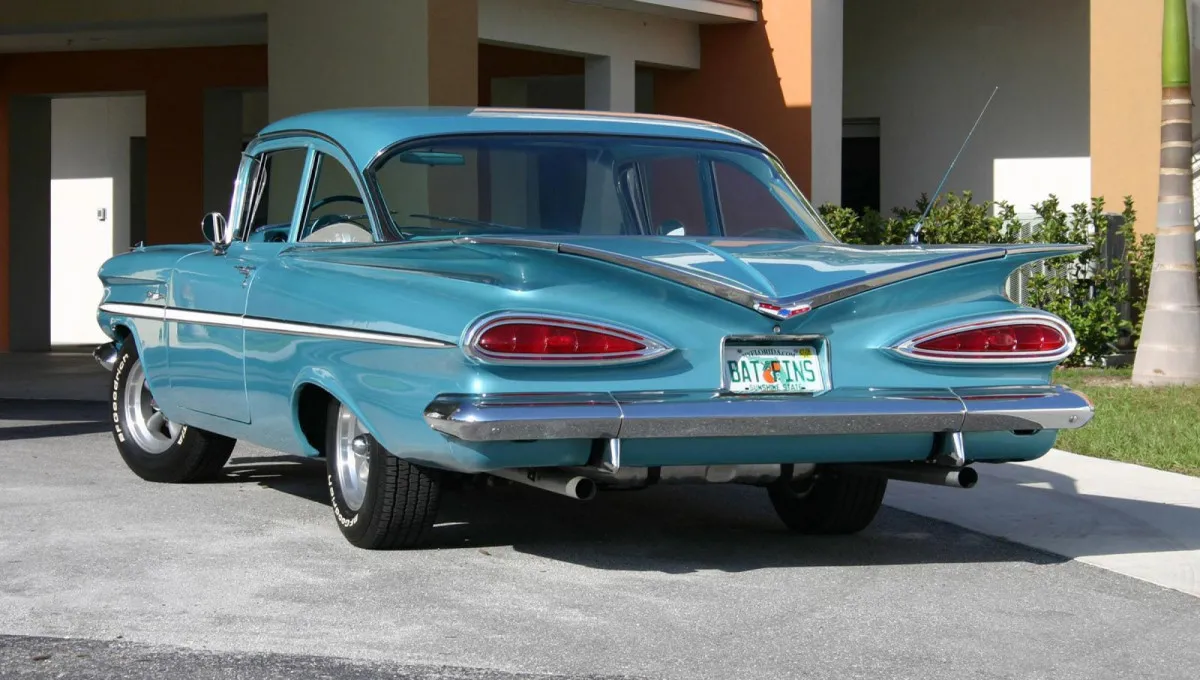
Elegance for Everyone: How Chevrolet Made Its 1960 Cars Stand Out
Chevrolet toned down its extravagant 1959 styling for 1960, bringing a more refined look to its affordable full-size cars.

Invisible Cows and a 17.3 MPH Speed Limit? 4 of America's Strangest Road Signs
From invisible cows to alien highways, these unusual American road signs turn ordinary drives into unforgettable roadside surprises.
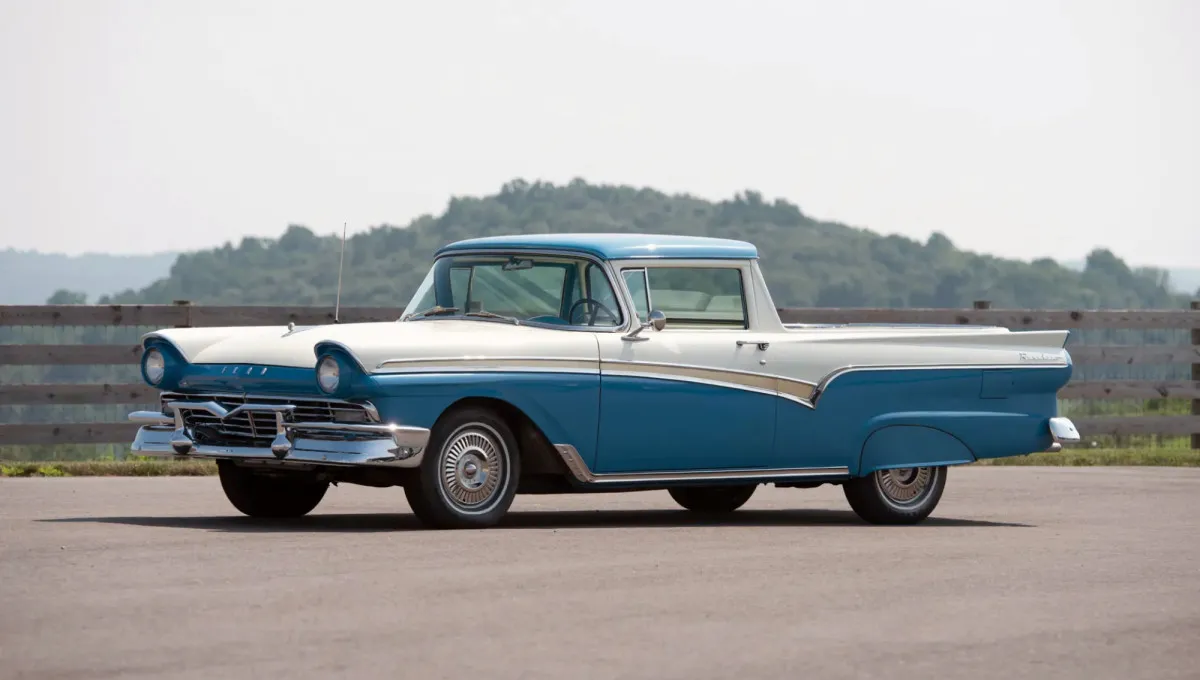
More Than a Car! More Than a Truck! The 1957 Ford Ranchero
The 1957 Ford Ranchero launched a new kind of American vehicle, blending passenger-car styling with pickup-truck utility years before the segment took off.

Solving the Mystery of the Audi Nuvolari’s Massive Fuel Door Button
Audi’s striking Nuvolari supercar has an unusually large fuel door button, and its placement may reveal an unexpected connection.

Tow Truck Driver Reveals a Hidden Car Feature That Could Save Your Life in an Emergency
A professional tow truck driver revealed a little-known feature that can help drivers move a disabled vehicle to safety.