
Italy Strikes Back: The Other Chapter of Ford vs. Ferrari
Most enthusiasts know the story of Ford’s Le Mans victory, but Ferrari’s dramatic revenge on American soil remains largely forgotten.
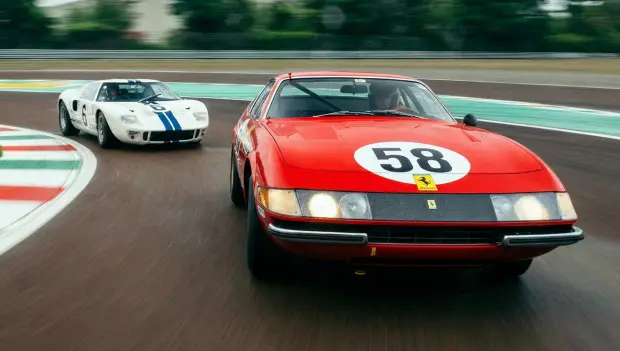
From the very beginning of the 1960s, Ford Motor Company, led by Henry Ford II, was determined to gain control of Ferrari. After lengthy negotiations collapsed, Ford decided to teach the stubborn Italians a lesson. The company assembled a racing program that ultimately conquered the legendary 24 Hours of Le Mans, long considered Ferrari territory. Most enthusiasts know this story from the blockbuster film Ford v Ferrari.
What far fewer people know is what happened next. On February 5, 1967, three brand-new Ferrari 330 P4 race cars completely overwhelmed the Ford GT40s entered against them—not in Europe, but on Ford’s home turf at Daytona International Speedway in Florida. To commemorate that landmark victory, Ferrari’s new grand touring model introduced in 1968 would become forever associated with the name Daytona.
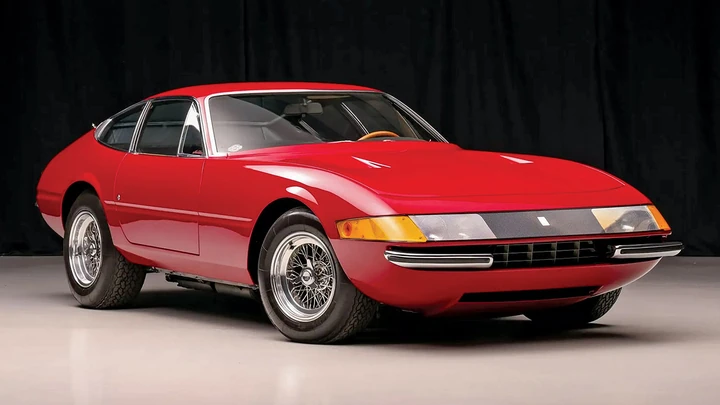
Technically, Daytona was never Ferrari’s official designation for the car. The nickname was coined by American journalists because the vehicle was powered by a version of the same V12 engine that had propelled the victorious 330 P4 race cars. At the factory, the model carried the far less memorable designation Ferrari 365 GTB/4.
The numbers and letters actually meant something. The “365” referred to the displacement of a single cylinder measured in cubic centimeters rather than the total engine size. “GT” stood for Gran Turismo, while the letter “B” signified Berlinetta, indicating a closed coupe body style. The “/4” identified the engine’s four overhead camshafts.
That sophisticated valvetrain was a major contributor to Ferrari’s success both on the road and on the track. The 4.4-liter V12 featured four camshafts and 24 valves, revved freely to 8,000 rpm, and produced 352 horsepower and 317 lb-ft of torque. Both the engine block and cylinder heads were cast from aluminum. The timing system utilized gear-driven camshafts, while fuel delivery came from six twin-barrel Weber carburetors.
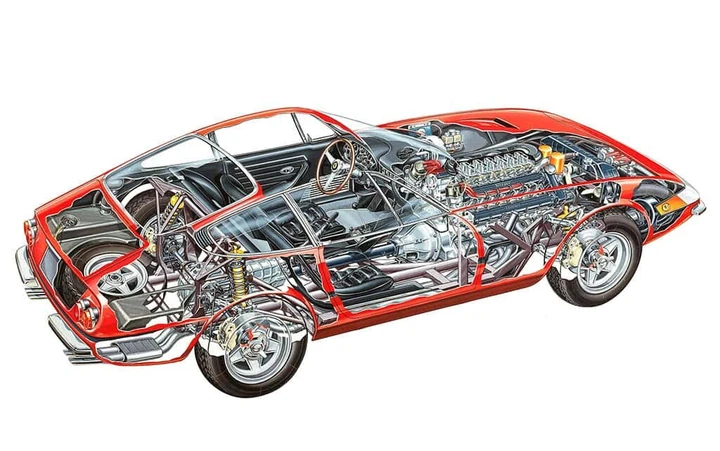
Unlike Ferrari’s later mid-engine supercars, the Daytona mounted its engine up front. Power was transmitted through a driveshaft to a rear-mounted five-speed manual transaxle, creating balanced weight distribution. Everything was built around a robust steel chassis constructed from welded square-section tubing. Independent double-wishbone suspension was fitted at all four corners, while large ventilated disc brakes measured 11.3 inches up front and 11.6 inches at the rear. Steering was handled by a traditional recirculating-ball system.
As was customary for Ferrari at the time, the Daytona’s styling was developed by Pininfarina. The project was personally overseen by the talented young designer Leonardo Fioravanti, who created a timeless shape featuring a long hood and a short fastback rear deck.
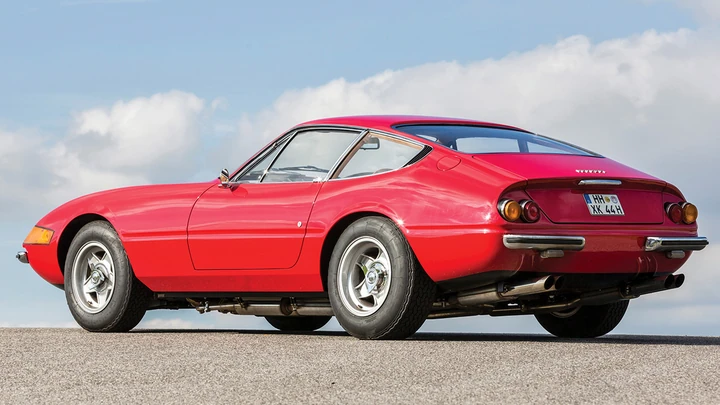
The front end was particularly distinctive. The headlights were positioned behind a full-width Plexiglas cover, creating a sleek, futuristic appearance. However, U.S. safety regulations prohibited this design, forcing Ferrari to equip American-market cars with pop-up headlights instead.
Although the Ferrari 365 GTB/4 was capable of extraordinary performance, it was designed as a true grand tourer. The two-seat cabin featured high-quality natural materials, supportive bucket seats, a large wooden steering wheel, and a dashboard accented with metal trim. Behind the seats sat a small luggage shelf where travel bags could be secured with premium leather straps.
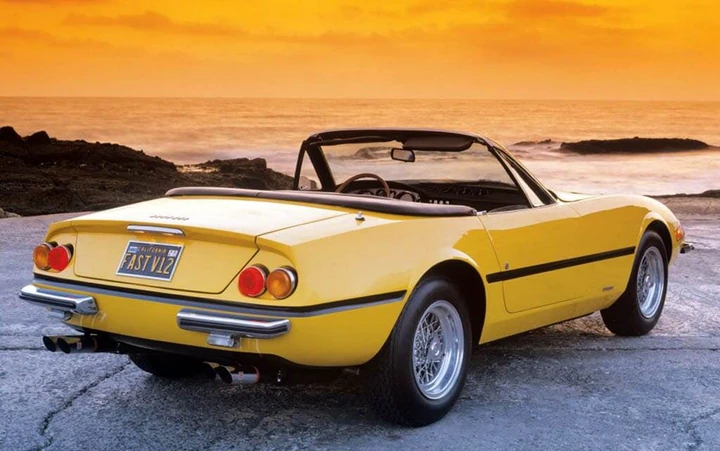
Performance was impressive even by supercar standards. The Daytona could reach approximately 168 mph and sprint from 0 to 62 mph in just 5.8 seconds. Those figures placed it alongside another Italian icon of the era, the Lamborghini Miura.
In many ways, the Miura overshadowed the Daytona. Ferruccio Lamborghini’s masterpiece was more modern in concept and slightly faster. Yet Ferrari’s front-engine GT proved easier to drive and far more comfortable on long-distance journeys.
The Miura’s success nevertheless pushed Ferrari toward a new direction. In 1973, the company abandoned front-engine flagship sports cars in favor of mid-engine designs. It would not return to the classic front-engine layout until the introduction of the Ferrari Maranello some 23 years later.
But that is another story.
You may also be interested in the news:
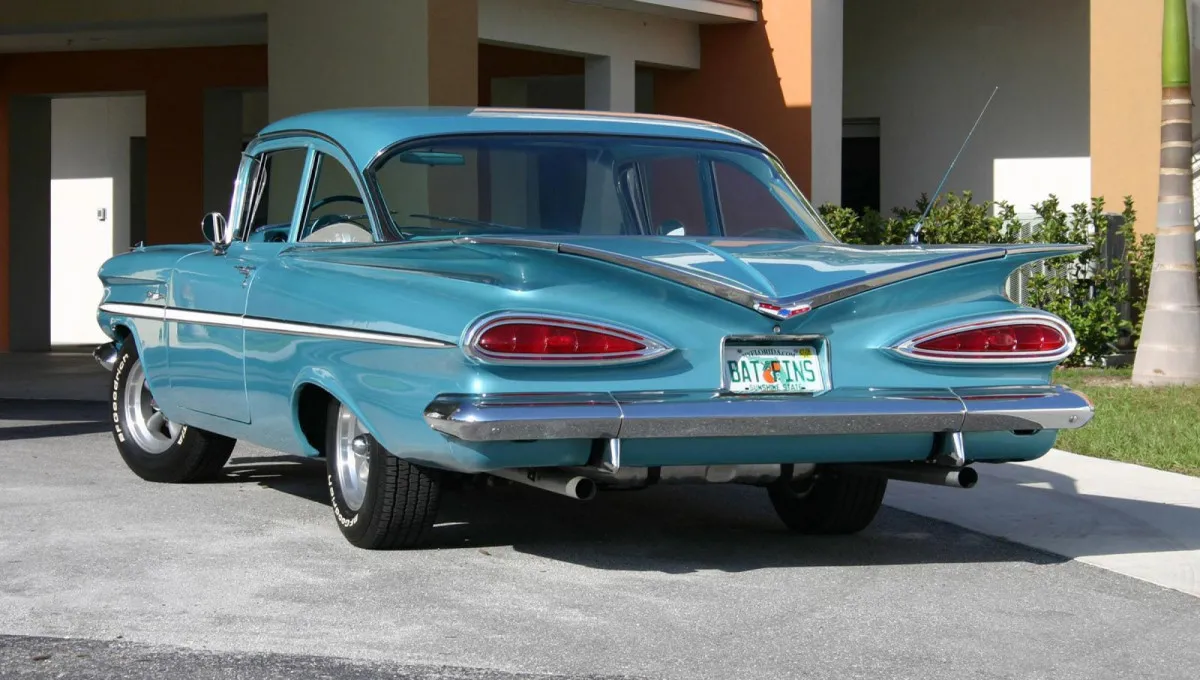
Elegance for Everyone: How Chevrolet Made Its 1960 Cars Stand Out
Chevrolet toned down its extravagant 1959 styling for 1960, bringing a more refined look to its affordable full-size cars.
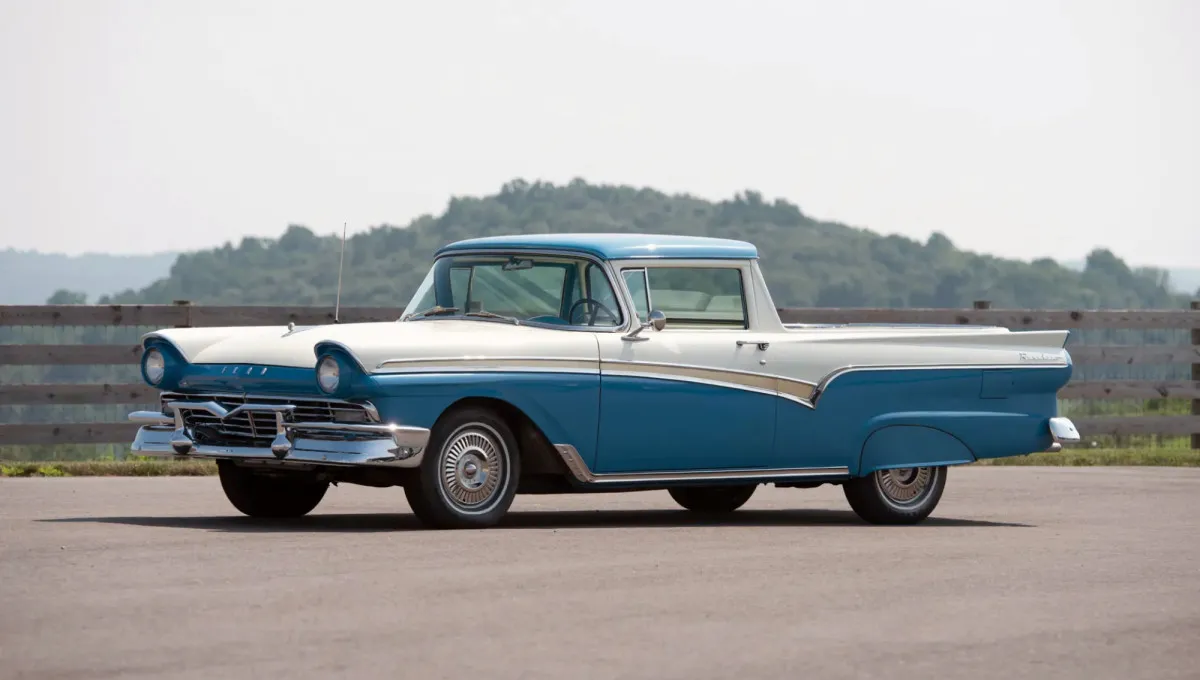
More Than a Car! More Than a Truck! The 1957 Ford Ranchero
The 1957 Ford Ranchero launched a new kind of American vehicle, blending passenger-car styling with pickup-truck utility years before the segment took off.
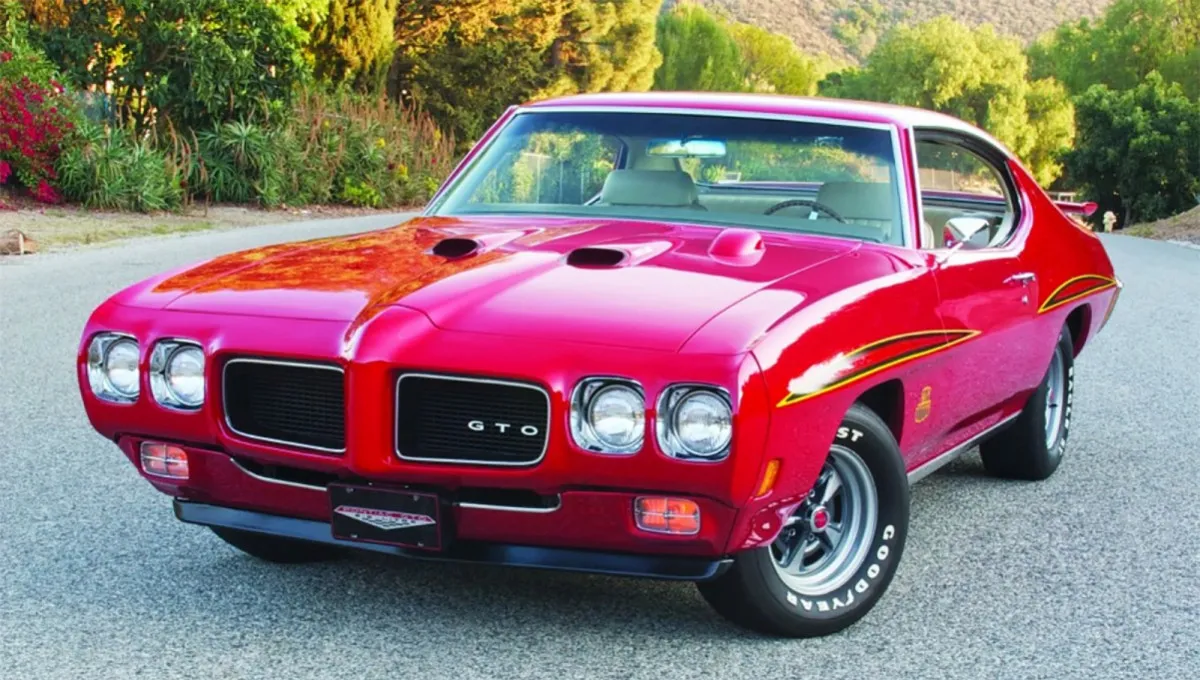
Pontiac's 1970 GTO Had a Wild Exhaust Option—Only 233 Cars Got It
Pontiac offered an unusual exhaust system for the 1970 GTO, but the factory option didn't last long.
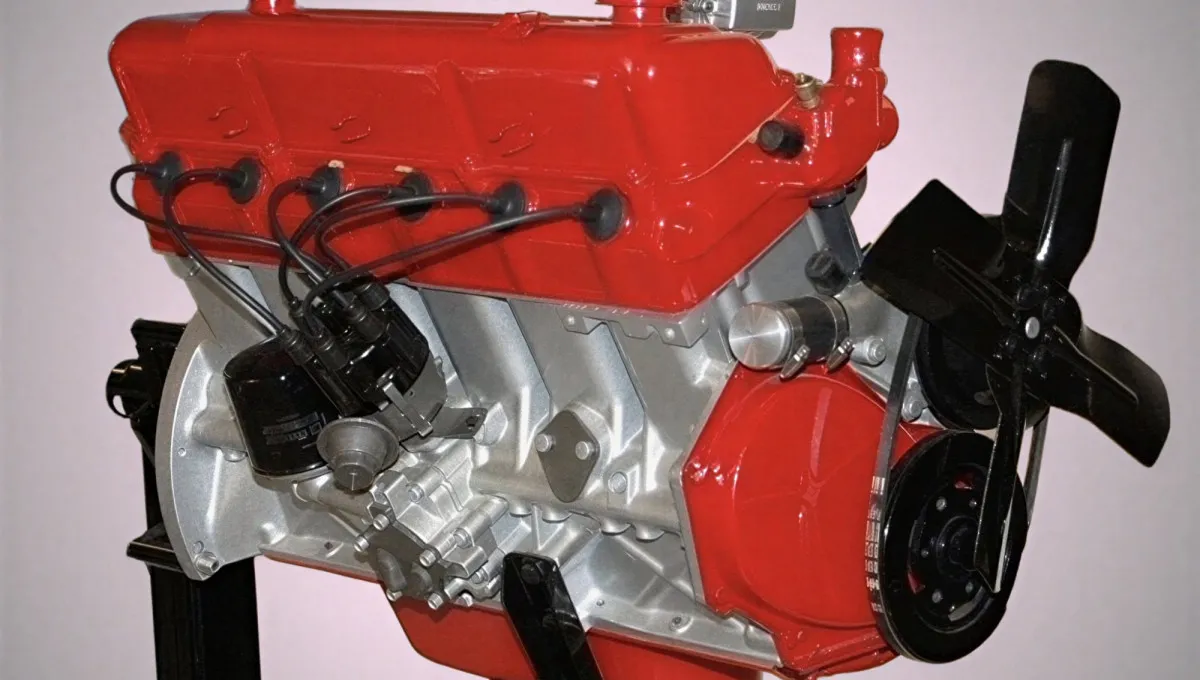
Chrysler's Aluminum Slant 6 Engine: The Lightweight Experiment of 1961–1963
Chrysler built more than 50,000 cars with an aluminum-block Slant 6 before production challenges brought the project to an end.
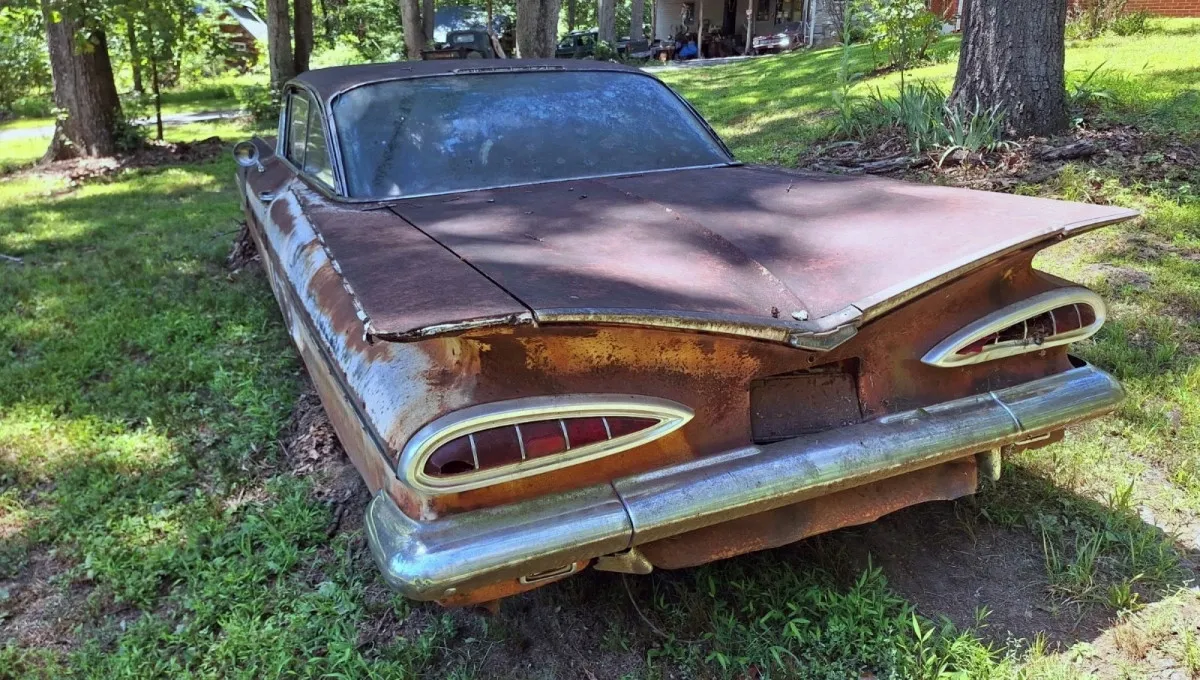
1959 Chevy Impala Parked in a Farm Begs for Restoration As Owner Decides To Let It Go
This 1959 Chevrolet Impala has landed online with one big mission: it must convince a skilled restoration guy to give it a second chance