
Chrysler’s Hemi Was Too Expensive to Build. Its 1958 Plan B Became a V8 Legend
After its famous Hemi V8s, Chrysler took a new direction in 1958 with a simpler, more affordable engine.
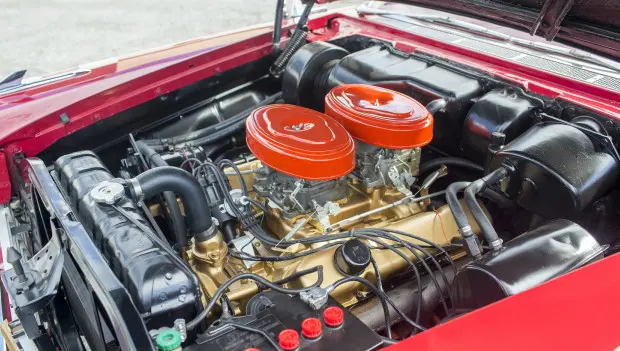
After making its hemispherical-head V8 engines famous, Chrysler entered a new phase of development in 1958 with the introduction of the B-series V8, featuring wedge-shaped combustion chambers.
Chrysler’s Hemi V8 engines from Chrysler, DeSoto, and Dodge were major engineering achievements, but they weren’t ideal from a manufacturing and profitability standpoint. Their complex valvetrain designs and heavy construction made them expensive to build. More importantly, the three engine families shared few major components. To streamline production, Chrysler established a centralized engine development group tasked with creating powerplants that could serve multiple brands across the corporation. Its first clean-sheet design was the B-series V8, internally designated A561.
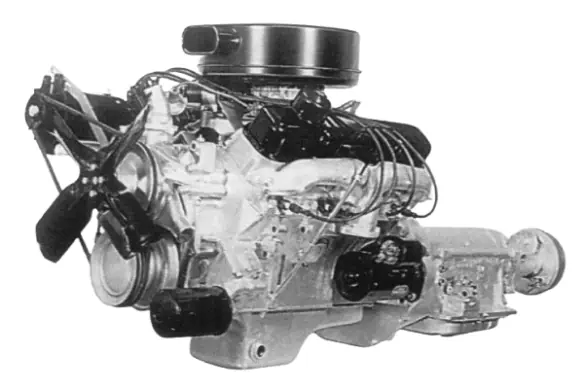
The first two production versions arrived in 1958 with relatively modest displacements of 350 and 361 cubic inches. However, the design left plenty of room for future expansion. The engines featured a 4.80-inch bore spacing and a 9.98-inch deck height. The sturdy cast-iron block extended a full 3 inches below the crankshaft centerline, while each cylinder head was secured with 17 bolts per bank, compared with the more typical 10.
The next development was the RB, or Raised Block, series, internally designated A652. It was essentially the same engine architecture, but with the deck height increased to 10.72 inches to accommodate a longer piston stroke and greater displacement. Within Chrysler, the two related V8 families were initially known as LB (Low Block) and RB (Raised Block). The B and RB designations eventually became standard.
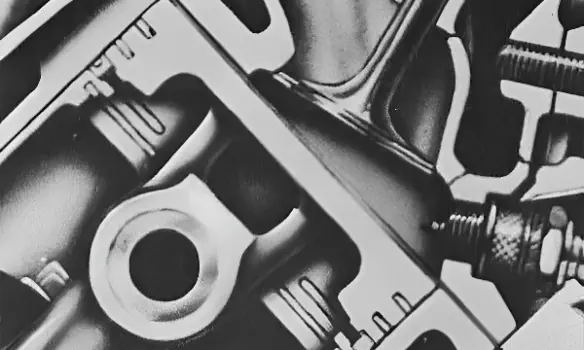
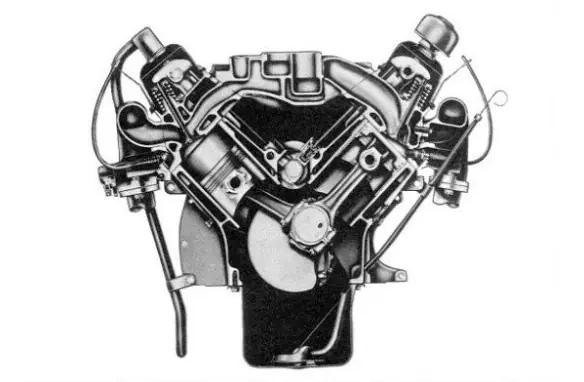
From an engineering perspective, the defining feature of the B-series V8 was its wedge-shaped combustion chamber, which Chrysler called a “modified wedge.” Although the design followed the conventional approach favored by much of Detroit at the time, it wasn’t as efficient as a hemispherical chamber. Its advantages were a lighter, more compact package that cost less to manufacture.
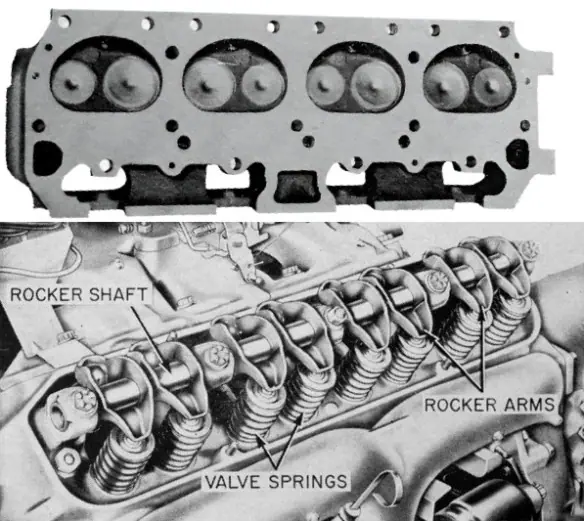
The cast-iron cylinder heads were designed to be interchangeable between the left and right banks, reducing tooling complexity and production costs. The rocker arms were made from flat steel stock that was stamped, coined, and heat-treated to precise specifications. This approach offered substantial savings over forged or cast components. Chrysler, however, retained its proven rocker-arm mounting system.
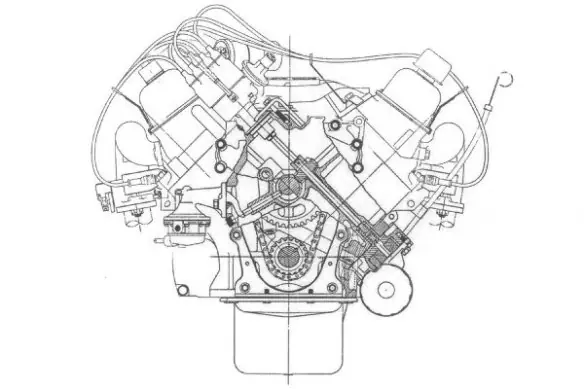
Another departure from Chrysler’s traditional V8 layout was the distributor’s location. Instead of sitting at the rear of the engine, it was moved to the front, away from the firewall for easier access. That distinctive arrangement makes the B/RB family one of the easiest early Chrysler V8 designs to identify. The distributor sat at an angle and shared its drive with the oil pump, helping keep the engine’s overall height down for a lower hood profile.
In his book Chrysler Engines, 1922–1998, Chrysler engineer Willem L. Weertman described an early development problem in which the oil pump gears would seize, shearing a pin in the drive mechanism. Because the distributor stopped turning at the same time, the engine simply shut down, preventing more serious damage. Once those early problems were resolved, the B/RB V8 family went on to enjoy a long production run. The B-series eventually grew to 400 cubic inches, while the RB reached 440 cubic inches. The engines remained in production through 1978, and the RB architecture also provided the foundation for the 426-cubic-inch Hemi V8.
By 1958, B-series engines were available in several configurations, including high-performance versions. Plymouth offered the Golden Commando V8 in the Fury with 305 horsepower. Dodge’s D-500 models could be equipped with 413-cubic-inch-class powerplants producing as much as 320 horsepower, while the DeSoto Adventurer delivered 345 horsepower.
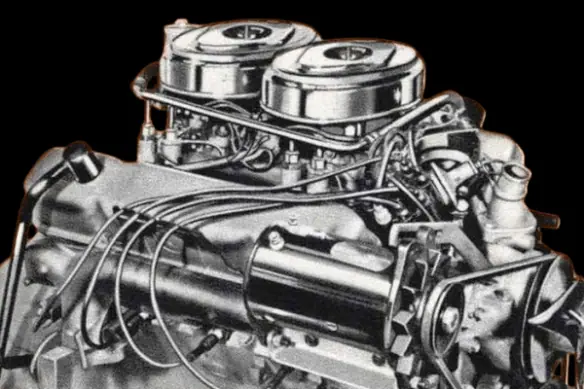
One ambitious B-series initiative from 1958, however, failed to gain traction. A small number of Plymouth, Dodge, and DeSoto vehicles were equipped with Bendix Electrojector electronic fuel injection. The system wasn’t ready for reliable consumer use and was quickly withdrawn from the market.
You may also be interested in the news:
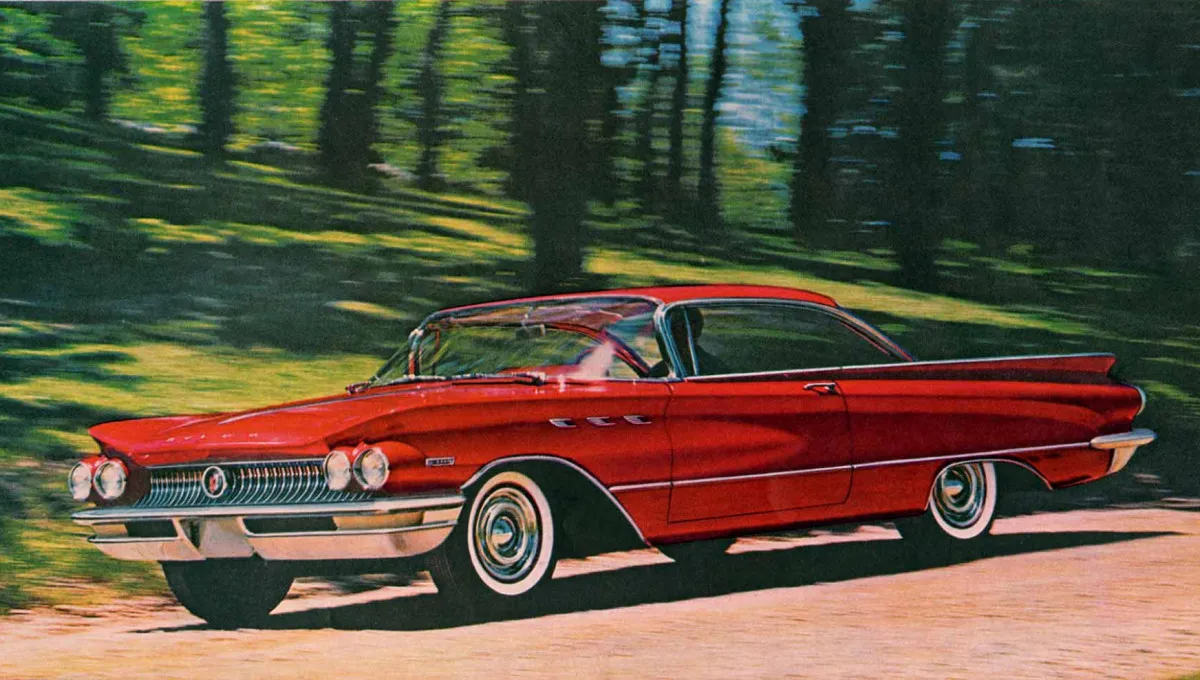
Buick Called Its 1960 Cars “Turbine Drive” Models, but There Was No Turbine Engine Under the Hood
Buick spent decades using memorable marketing phrases, but its 1960 turbine-drive branding had a surprising explanation.
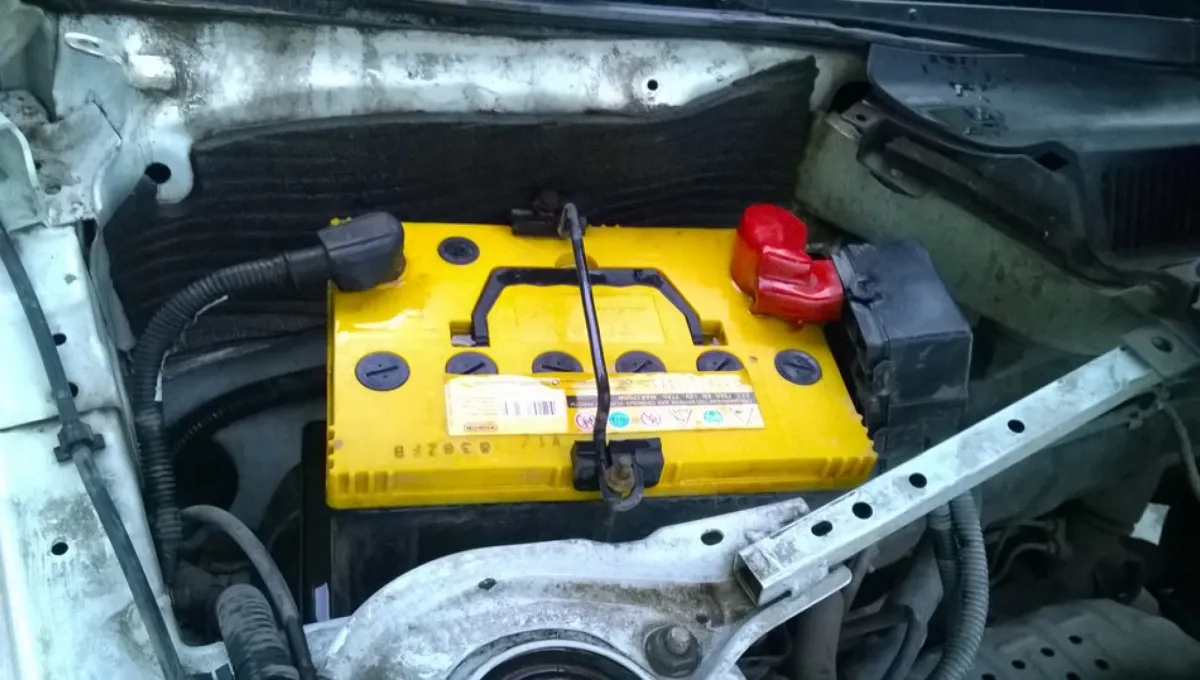
Car Won’t Start When Temperatures Drop? 4 Battery Checks Every Driver Should Make in October
A few simple battery checks in October can help prevent cold-weather starting problems when winter temperatures arrive.

Scooter vs. $32,000 Superbike: The Ending Nobody Saw Coming
A young rider thought his brand-new superbike was unbeatable, until an old man on a little scooter gave him a surprise.
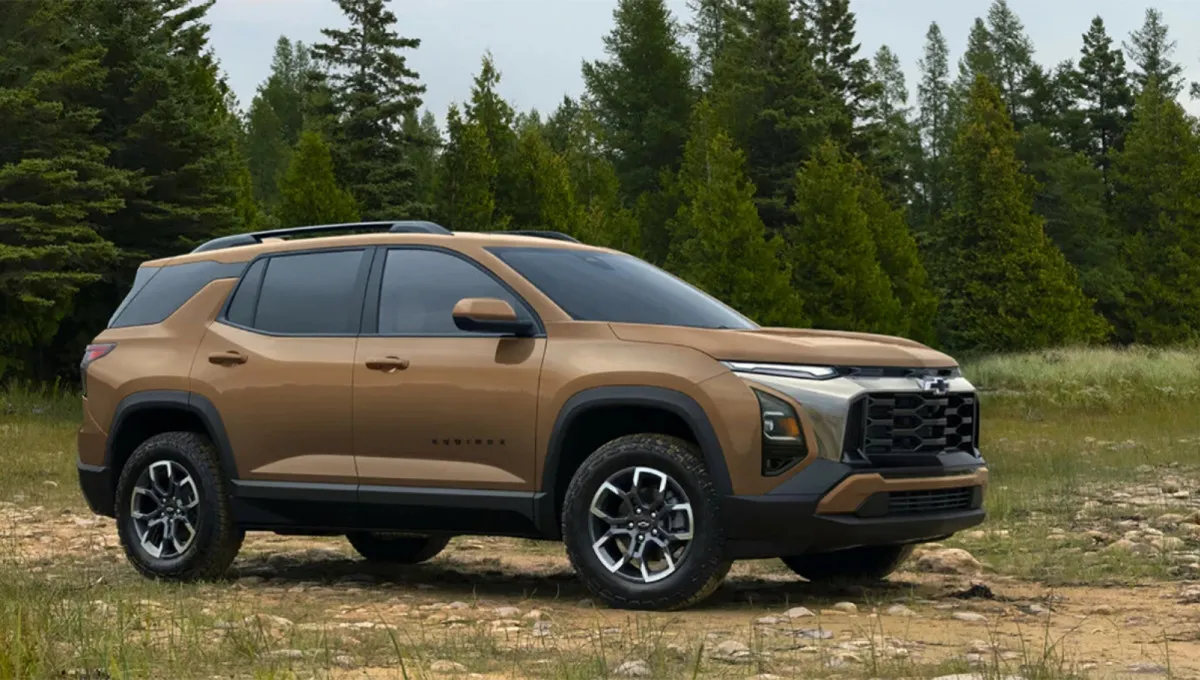
2027 Chevrolet Equinox Drops Its CVT, but Prices Go Up Across the Lineup
Chevrolet has unveiled the updated 2027 Equinox in the U.S., replacing its CVT and raising prices across the lineup.
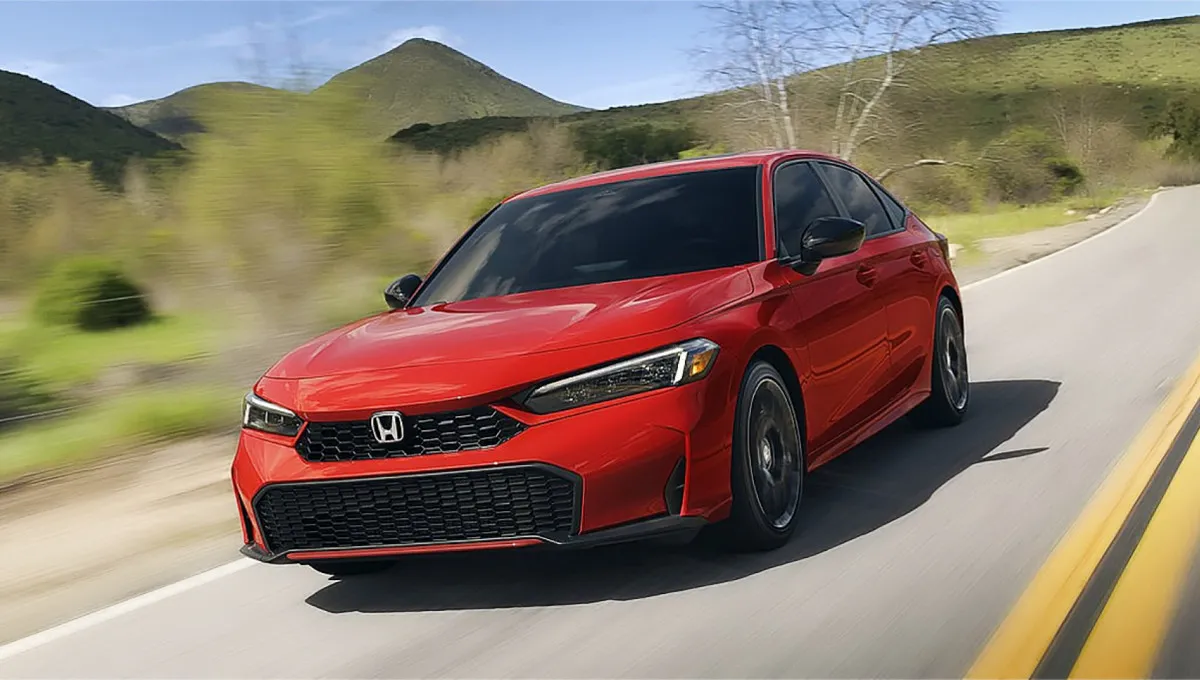
The 2027 Honda Civic Just Got More Premium — And It Still Starts Under $27,000
Honda has updated the Civic for the U.S. market, adding premium features and new driving technology without significantly raising prices.