
The Gas Turbine Chrysler Drove a Million Miles Across the U.S., Ran on Perfume, but Never Went Into Production
In late 1963, a strange new car hit American roads, turning heads with the unmistakable sound of a jet engine.
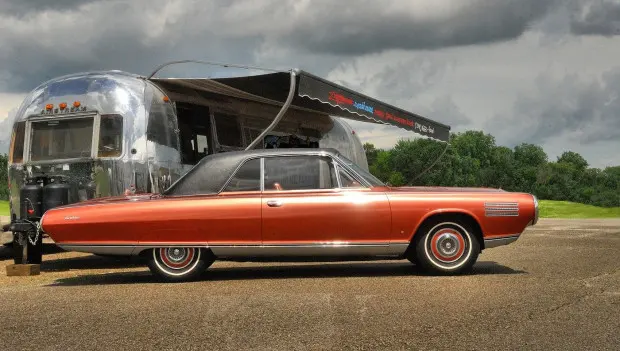
Instead of the familiar rumble of a gasoline engine, people heard the high-pitched whine of a gas turbine. The car looked like something from the future, and its engine promised to change the way Americans thought about passenger cars.
The turbine could run on gasoline, kerosene, diesel fuel and even far more unusual fuels, including perfume.
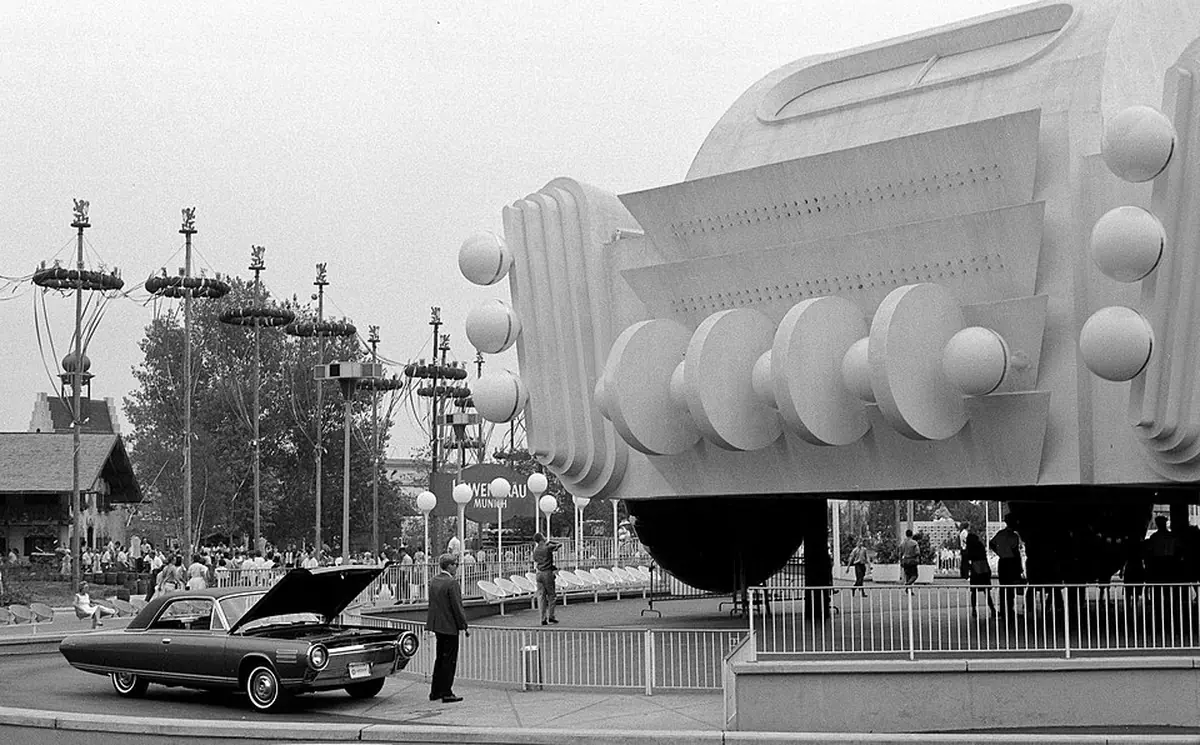
The automaker didn't stop at building a prototype. It produced 55 cars and handed them over to ordinary Americans for real-world testing.
The project was driven by an engineer who had served as the company's chief designer since 1946. His goal was to bring turbine technology from aircraft into everyday passenger cars.
How It Started
During World War II, the engineer worked on aircraft engines, but his real ambition was to put a gas turbine in a civilian car.
A major breakthrough came in 1954, when the company unveiled its first experimental turbine-powered passenger car.
Engineers were thrilled to report that the car had crossed the country without a single breakdown. The engine didn't need a conventional radiator, wasn't bothered by freezing temperatures and didn't require an oil change every 3,000 miles like a traditional engine.
The Body Was Just as Radical
By the early 1960s, the company had accumulated years of experience developing turbine engines.
The fourth-generation A-831 turbine produced 130 horsepower and an impressive 425 lb-ft of torque, available from zero rpm. The turbine spun at 60,000 rpm, while a reduction gearbox brought that speed down to levels suitable for a passenger car.
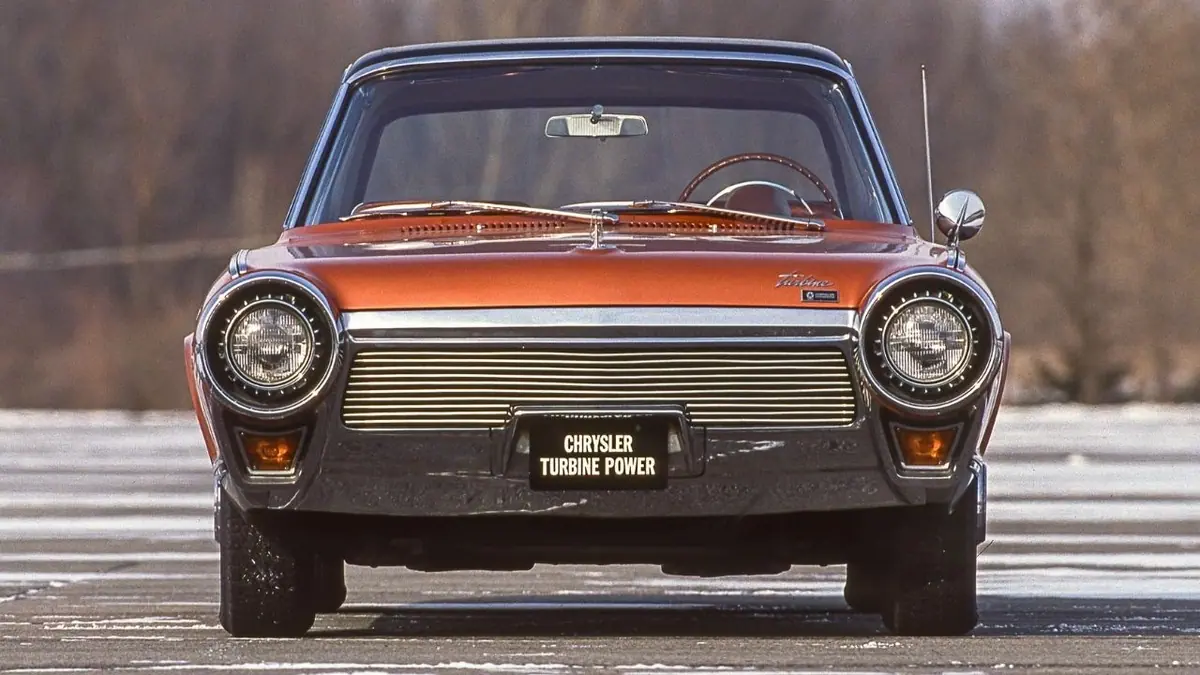
The result was strong acceleration, while the engine itself weighed only about 410 pounds—considerably less than conventional V8 engines with similar output.
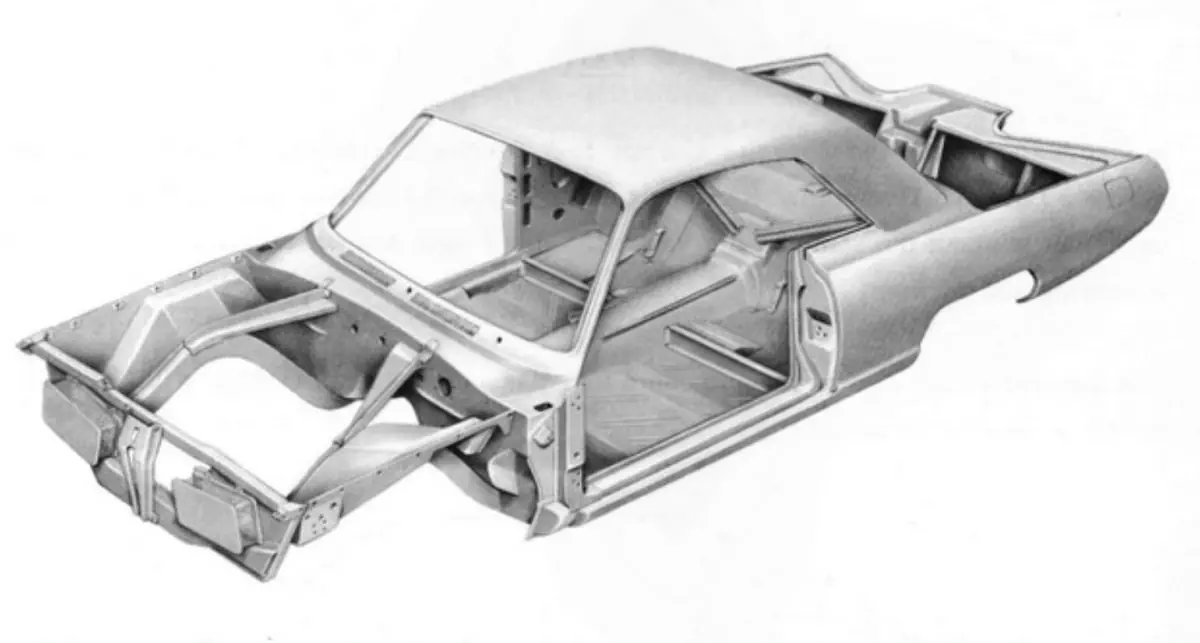
The body was designed by an Italian coachbuilder, while its styling came from an American designer who had previously worked for another major automaker.
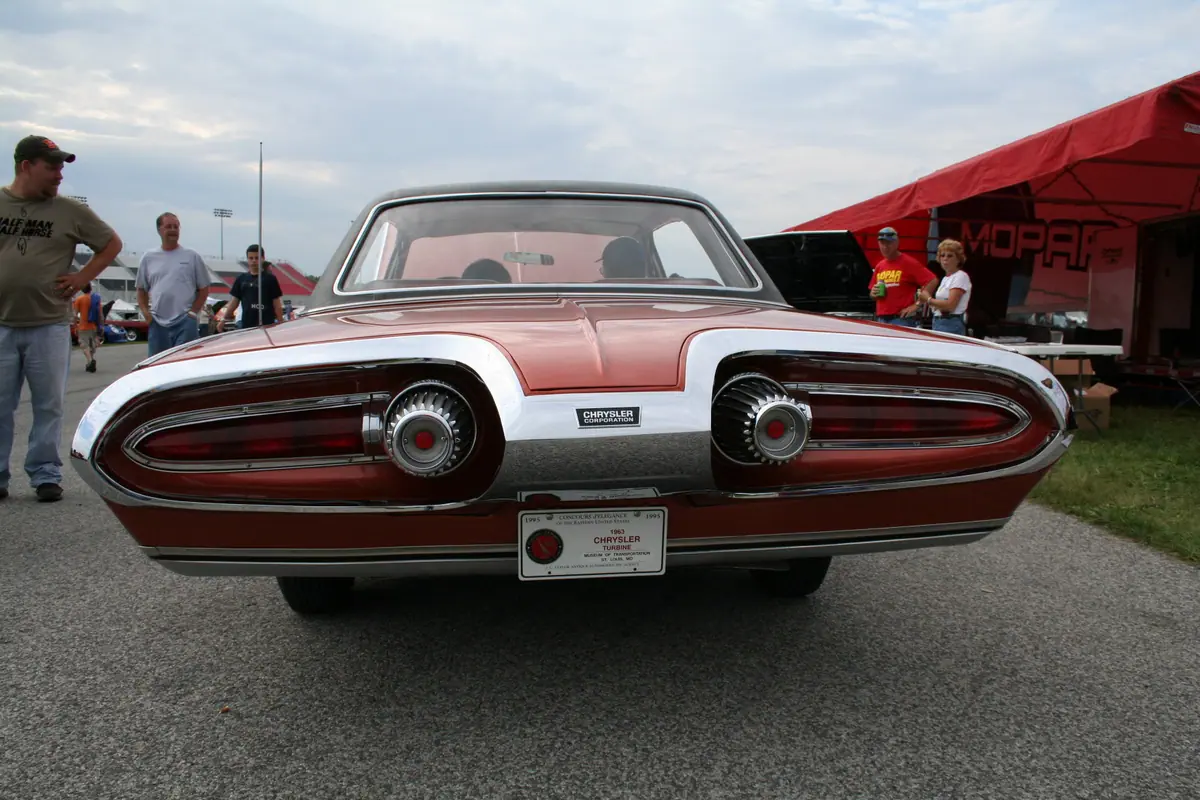
The result was so futuristic that the car earned a nickname inspired by its resemblance to another famous American coupe.
The rear end looked like the exhaust nozzles of a jet aircraft, while the front featured shapes reminiscent of fighter-jet air intakes.
The body was finished in a distinctive turbine-bronze color. Instead of a conventional tachometer, the dashboard featured a pyrometer, a temperature gauge capable of reading up to 2,012 degrees Fahrenheit.
What Drivers Thought
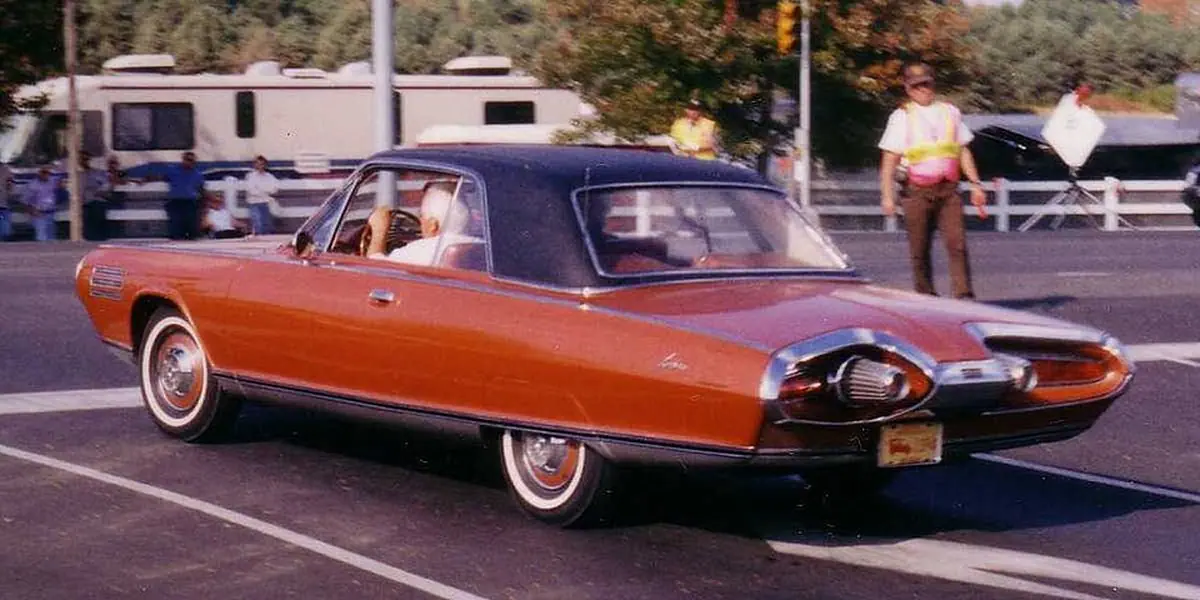
In 1963, the company launched an ambitious public test program, announcing on radio and television that 55 cars would be loaned to ordinary Americans for three months at no cost.
About 30,000 people applied. Around 200 families—including teachers, doctors, accountants and farmers—were selected to participate in the program.
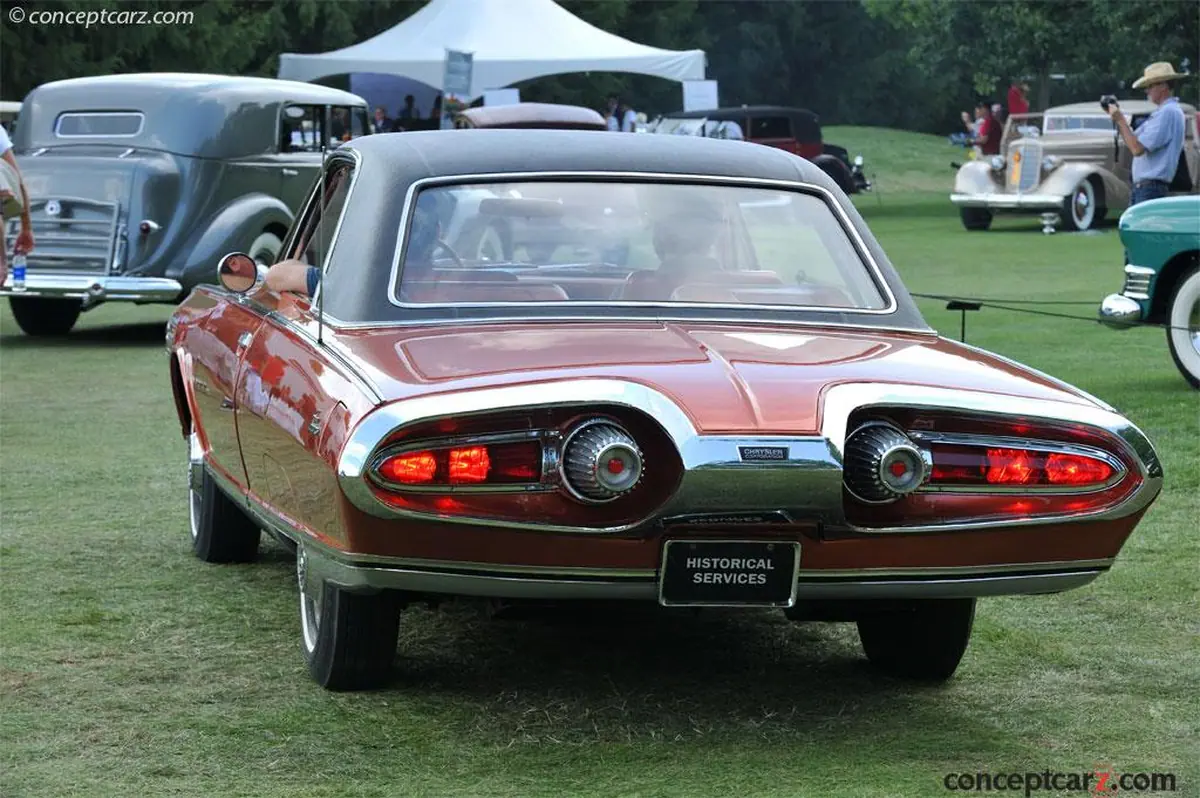
The cars eventually reached 48 states.
Over nearly three years, the fleet accumulated more than 620,000 miles.
Drivers praised the turbine's exceptionally smooth operation, lack of vibration and low maintenance demands. But they also complained about the delay when pressing the accelerator, which could sometimes reach two seconds.
There was also no engine braking, and fuel consumption was high—roughly 13 mpg on the highway and as low as 9 mpg in city driving.
Tequila and Perfume in the Engine
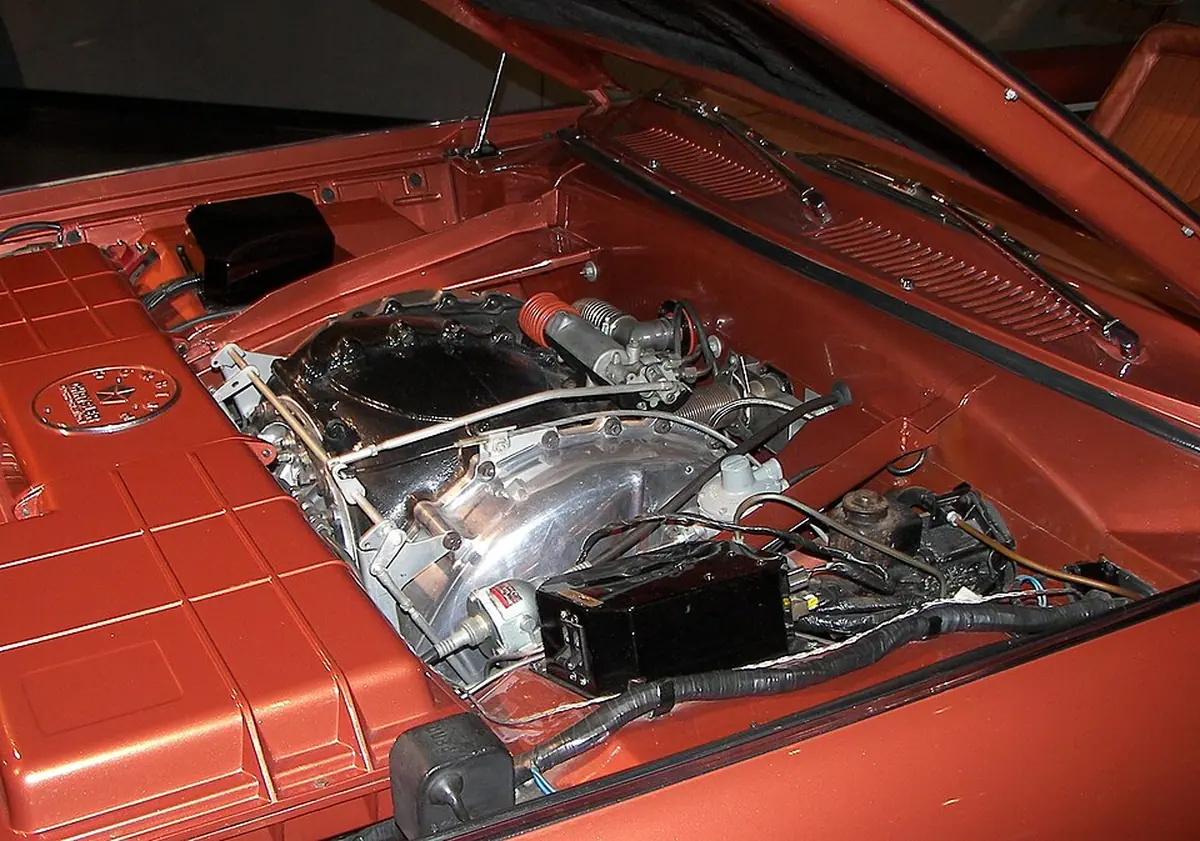
One of the most memorable episodes happened during a tour of Mexico.
The country's president doubted that the car could really run on almost any fuel and suggested filling it with tequila.
Engineers back in Detroit quickly tested the idea and poured several pitchers of inexpensive tequila into a laboratory engine.
The surprising part was that the turbine ran without any problems.
The president was eventually taken for a ride in a car fueled with the very tequila he had suggested, turning the stunt into a publicity sensation.
The company also experimented with other unusual fuels for promotional purposes. The turbine was tested with peanut butter and Chanel No. 5 perfume, although perfume was obviously far too expensive to make practical everyday fuel.
Why It Never Reached Mass Production
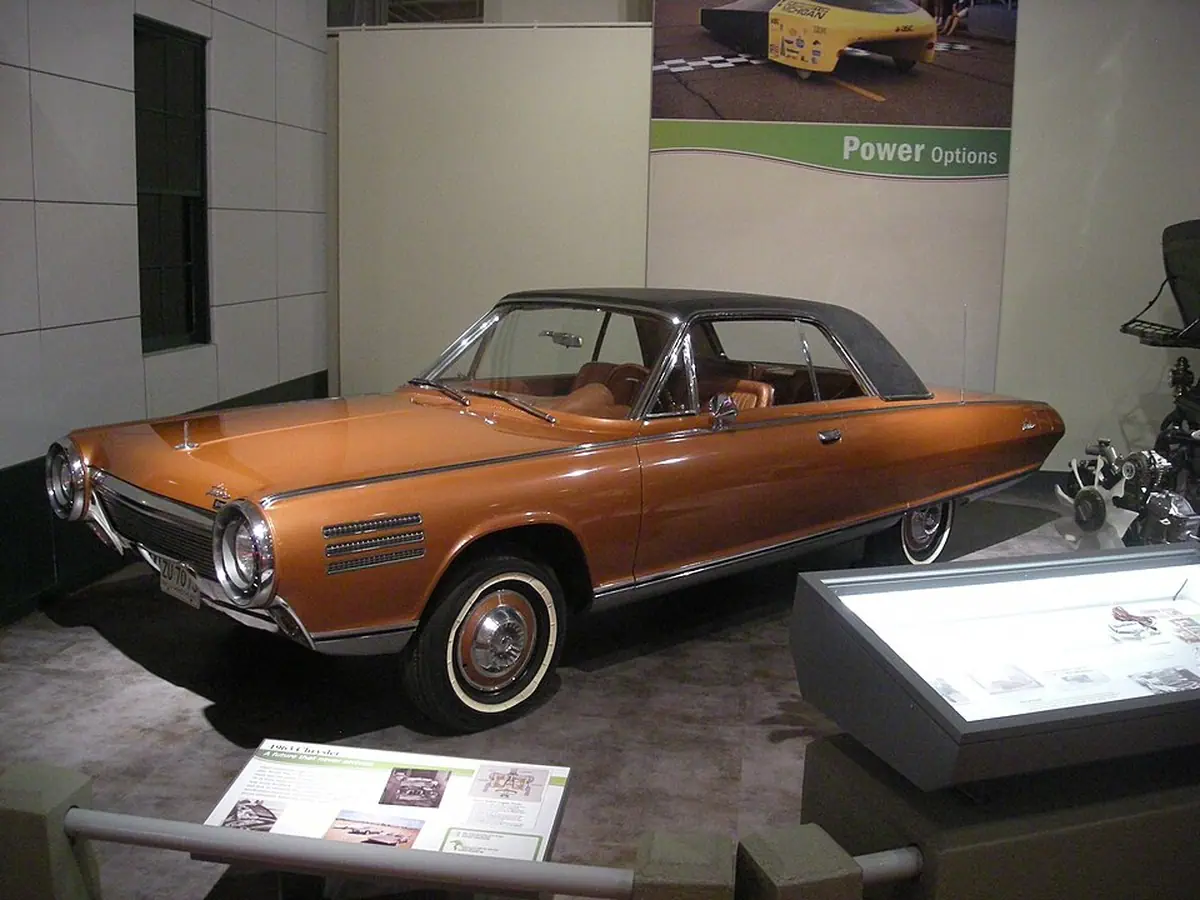
By the middle of the 1960s, the situation in America had changed.
Gasoline was cheap, and buyers were more interested in powerful V8 engines than experimental turbine technology.
Early emissions testing created another problem. While the turbine produced less carbon monoxide, its extremely high combustion temperatures resulted in excessive nitrogen oxide emissions.
New emissions regulations that took effect in the early 1970s made the turbine program increasingly difficult to justify.
Cost was another major obstacle. A single turbine engine cost more than $10,000, while a conventional car cost roughly $3,000.
By 1966, the company effectively shut down the program.
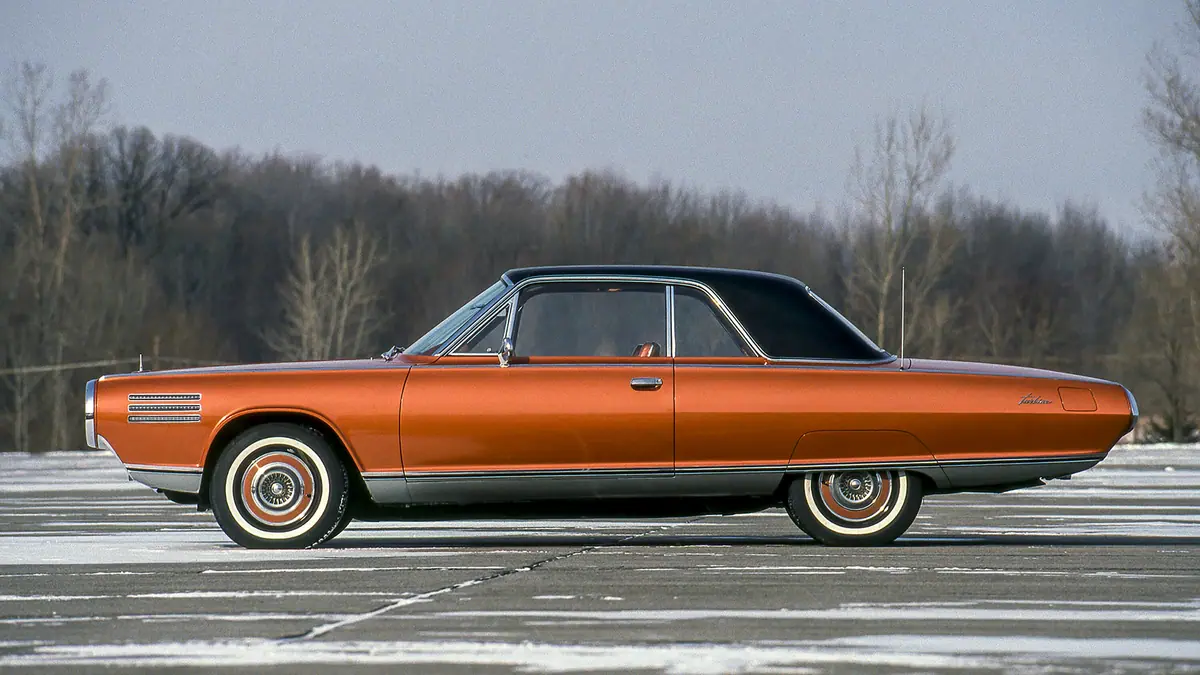
Then came an even harsher ending.
Because the bodies had been built in Italy, they had entered the country under temporary import arrangements. Rather than paying the required duties, the company made the decision to destroy most of the cars.
Forty-six of the 55 turbine cars were crushed using hydraulic presses.
Only nine survived.
Just a handful remain today, making the turbine car one of the strangest chapters in American automotive history.
You may also be interested in the news:
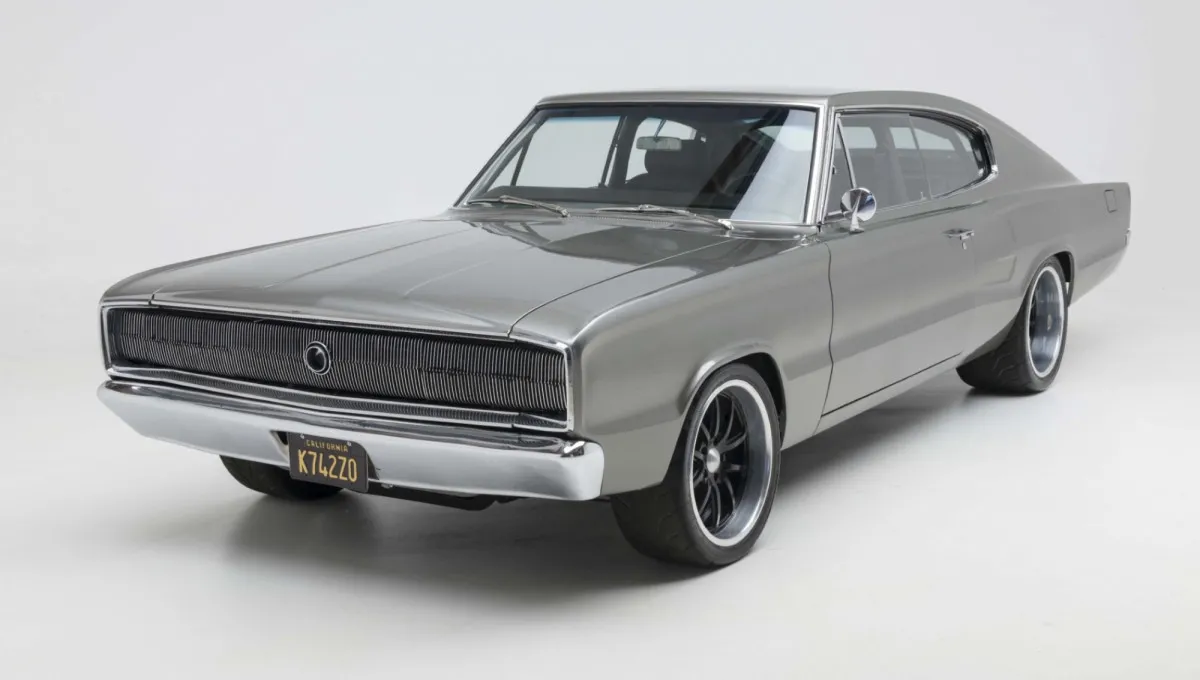
The “Leader of the Dodge Rebellion”: The 1966 Dodge Charger
The Dodge Charger has endured for 60 years, but its story began with an unlikely 1966 debut.
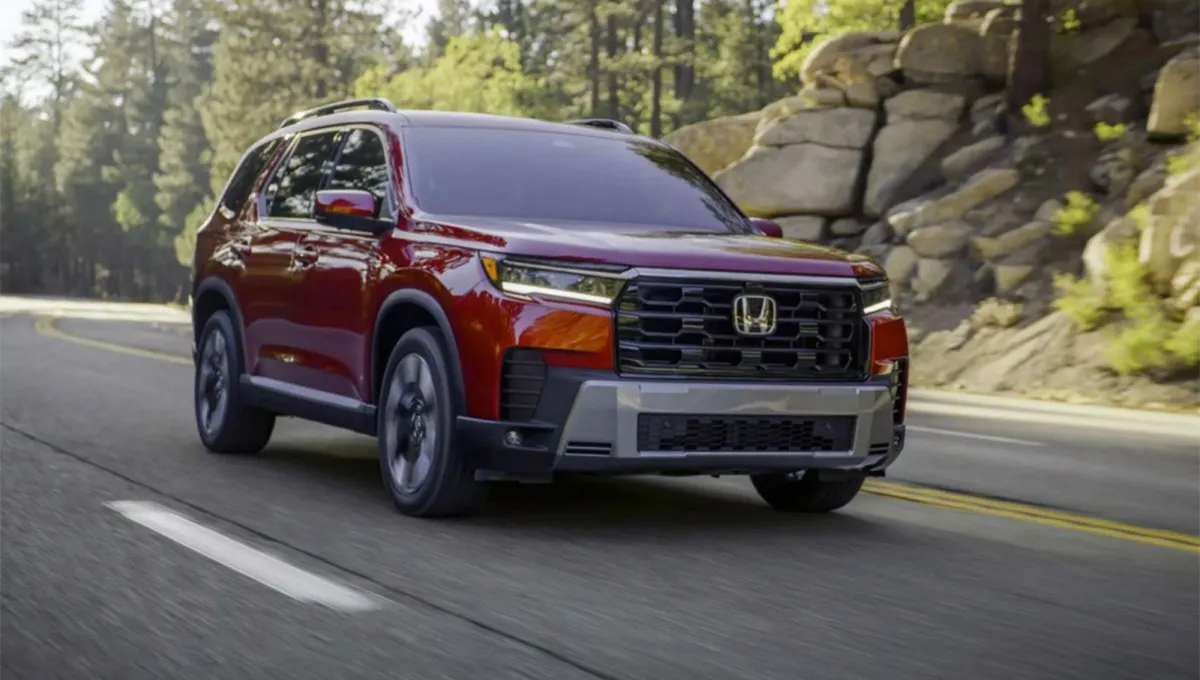
Honda May Be Building an SUV So Big It Could Rival America’s Biggest Three-Row Models
Honda could be preparing a much larger three-row SUV, potentially stretching nearly as long as a full-size American SUV.
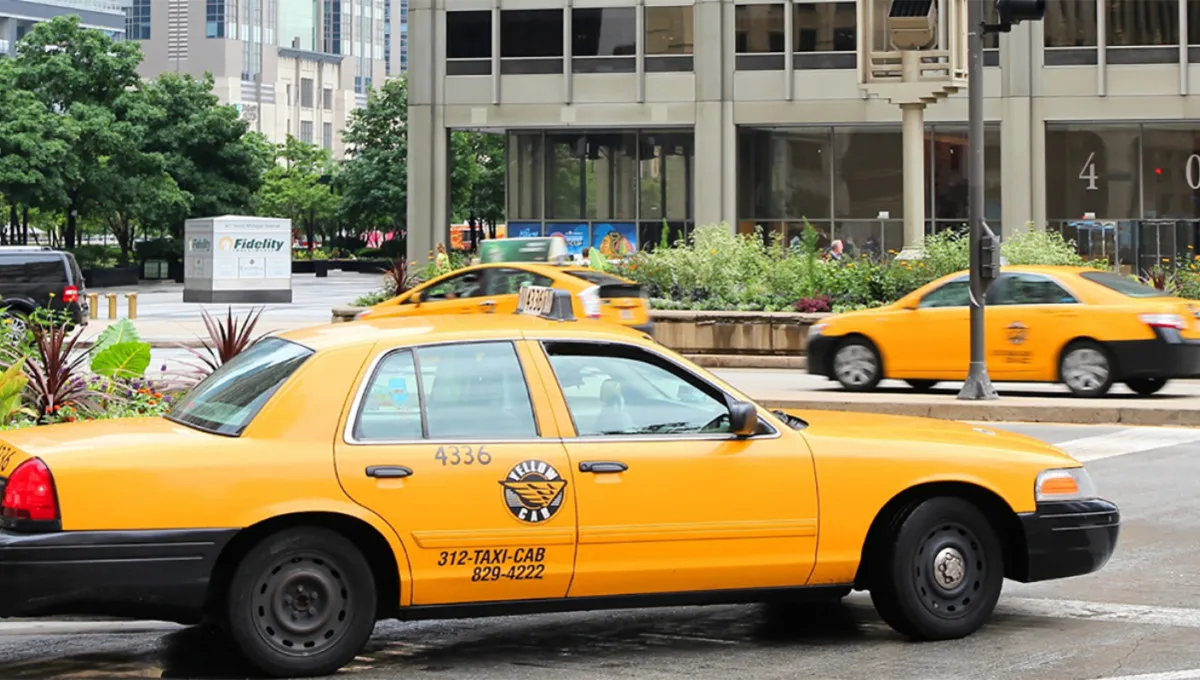
His Passenger Left a Bag With a Passport Inside—What This Uber Driver Did Next Touched Millions
An Uber driver drove back to return a forgotten bag, turning a ride into kindness.
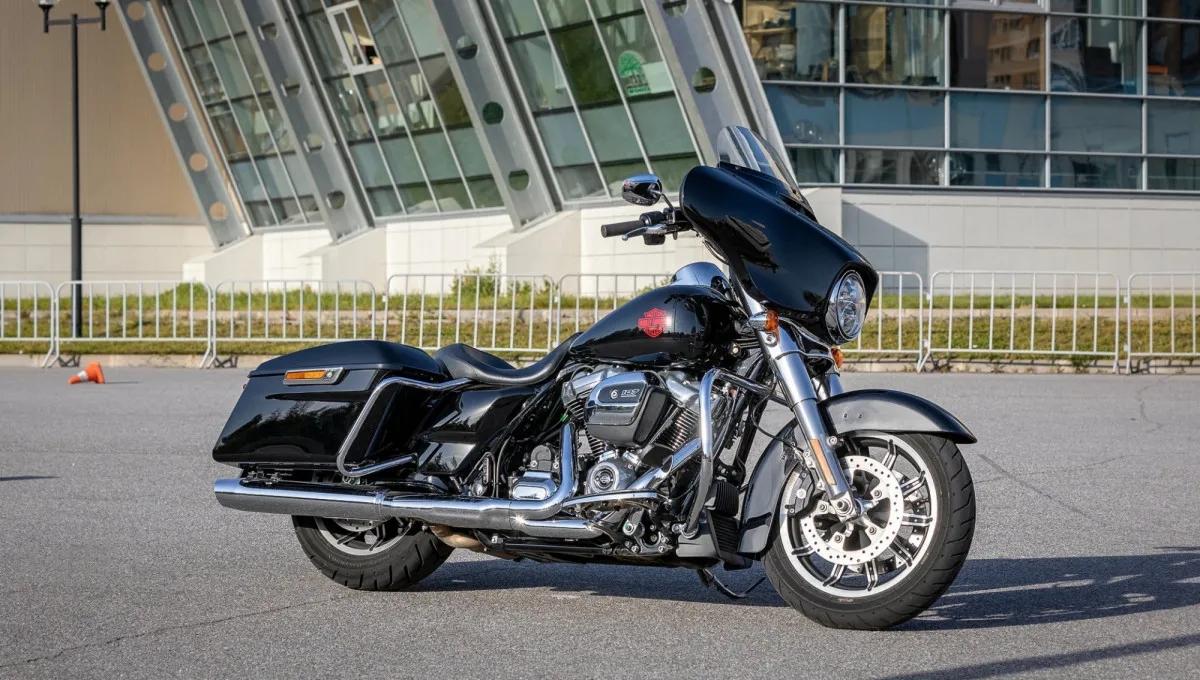
A Little Boy Spotted a Bearded Biker at the Store—What Happened Next Felt Like a Christmas Miracle
A biker with a white beard turned an ordinary grocery run into a Christmas memory one little boy won't forget.
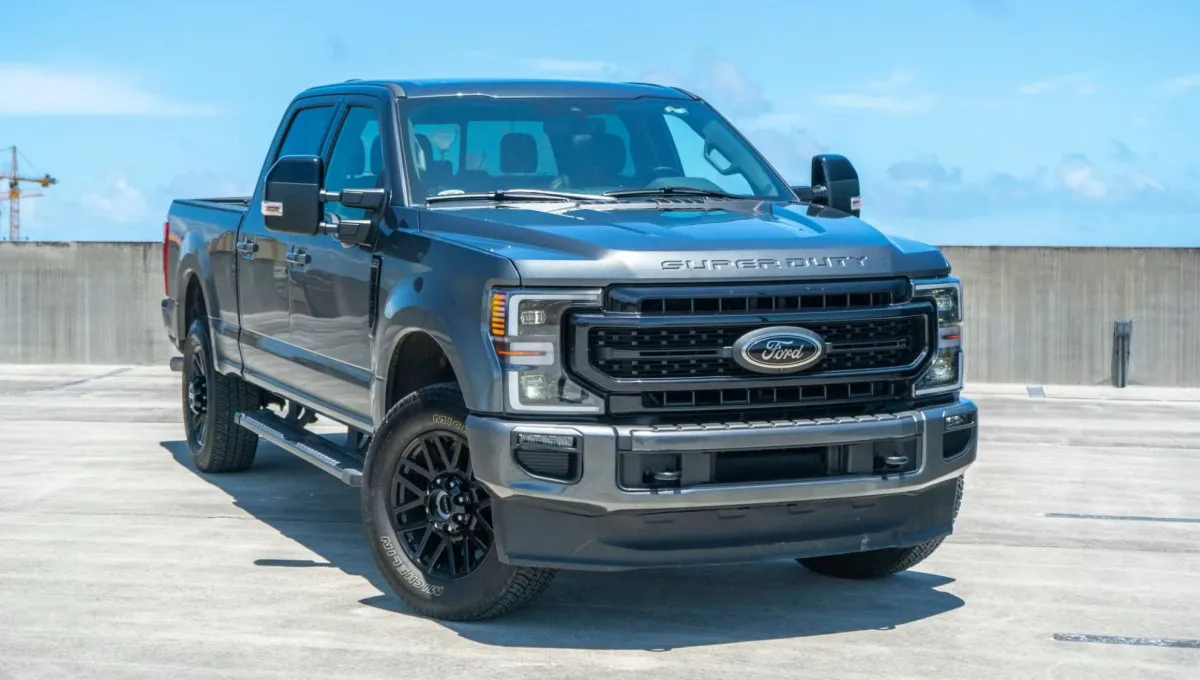
Ford Recalls 41,748 Vehicles After Headlights Can Suddenly Lose Critical Functions
Ford is recalling more than 41,000 vehicles after a headlight defect was found to potentially reduce visibility and increase crash risk.