
How a Repair Shop Can Overcharge You: What Every Driver Should Know
An experienced mechanic knows how to increase a repair bill, and drivers should know what to watch for before approving work.
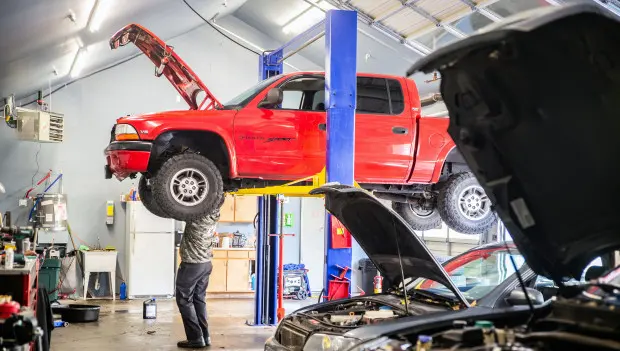
Who doesn't like making a little extra money? For some businesses, one of the easiest ways to increase profits is to deal with customers who don't know much about the product or service they're buying.
Auto repair is one area where this can happen. Few drivers know their vehicle down to the last bolt, which can make it difficult to tell whether a recommended repair is necessary or whether a shop is simply trying to increase the bill.
Here are several common situations drivers should watch for, along with ways to respond.
Parts That Aren't What You Expected
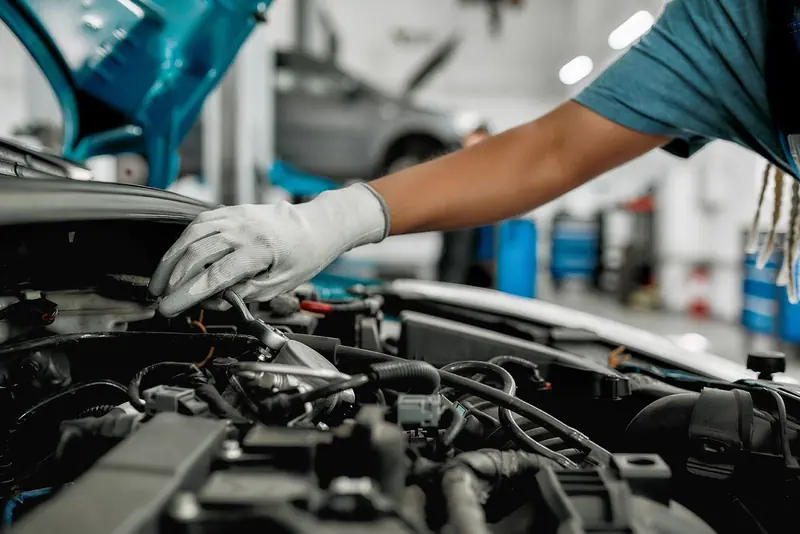
A mechanic could potentially replace an original or brand-name part with a less expensive aftermarket component without clearly communicating the change to the customer. In some cases, a shop could then keep or resell the original part.
Drivers can reduce the risk by asking to see the replacement part and confirming exactly what part will be installed before work begins. Choosing a reputable repair shop with a strong track record is another important step.
If you've already purchased a specific replacement part yourself, make sure the shop knows exactly what you supplied and what you expect to be installed.
Unexpected Repairs on the Final Bill
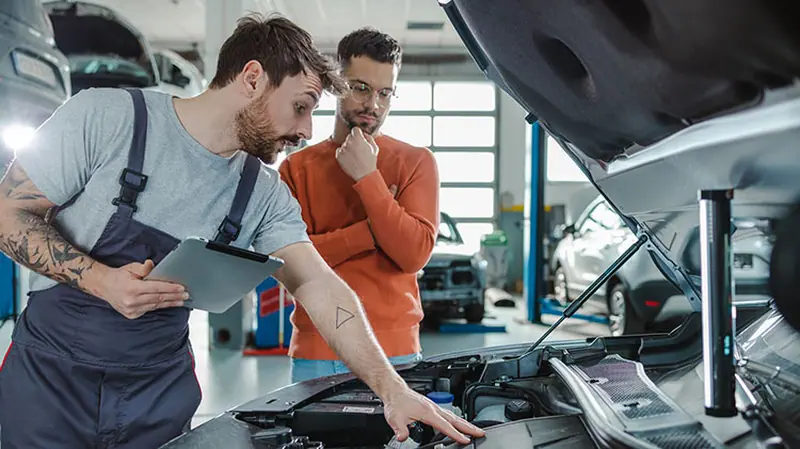
You may bring your car in for one problem and receive a bill listing several additional repairs you weren't expecting. The final amount can be significantly higher than the original estimate.
A mechanic may explain that additional problems were discovered during the repair and that the work was completed because it appeared necessary.
Before approving a repair, ask the shop to contact you if additional work is needed. In many cases, the shop can explain the problem, provide an updated estimate and give you the opportunity to decide whether you want the additional work performed.
Rules regarding authorization for additional repairs vary by state, so drivers should also be familiar with their local consumer-protection laws.
Making a Problem Sound Worse Than It Is
Be cautious when a shop immediately recommends replacing an entire component or performing a major repair, particularly when the vehicle is still running normally.
A mechanic may point to something such as a small oil or fluid seep and present it as evidence of a much larger mechanical problem. Sometimes the issue really is serious, but other times the required repair may be relatively minor.
Start by asking whether there are less expensive repair options. Ask what would happen if the repair were postponed and whether the problem poses an immediate safety risk.
If you're still uncomfortable with the recommendation, tell the mechanic you want a second opinion. If the shop refuses to explain the diagnosis clearly or pressures you into approving expensive work, finding another repair shop may be the better option.
How to Prepare Before Talking to a Mechanic
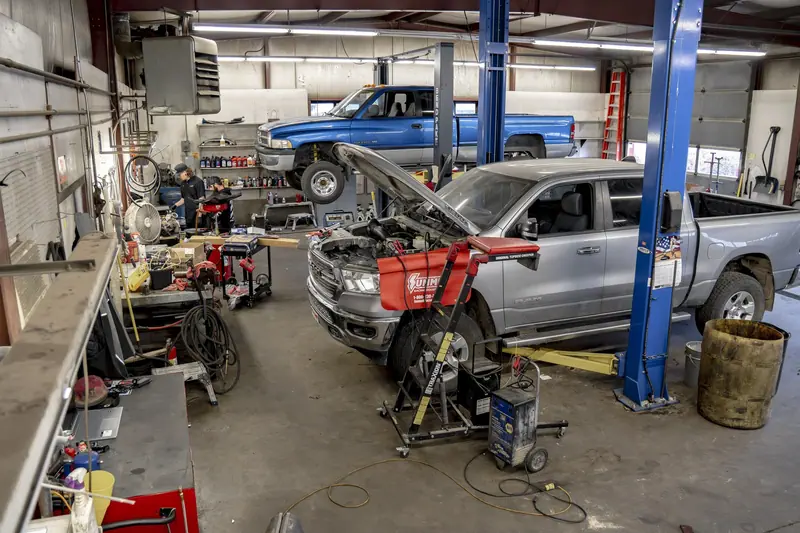
Knowing how repair shops operate can make it easier to avoid unpleasant surprises. Before authorizing work, ask about the shop's labor rate, diagnostic fees, parts costs and other charges.
Get the estimate in writing whenever possible. Keep copies of the estimate, repair order and final invoice. These documents provide a record of what you and the shop agreed to and can be important if a dispute arises.
It also helps to learn the basics of your own vehicle. Know its recommended maintenance schedule, common trouble spots and the symptoms associated with major problems.
You don't need to become a mechanic. But the more you understand about your vehicle, the harder it becomes for anyone to sell you repairs or services you don't actually need.
You may also be interested in the news:
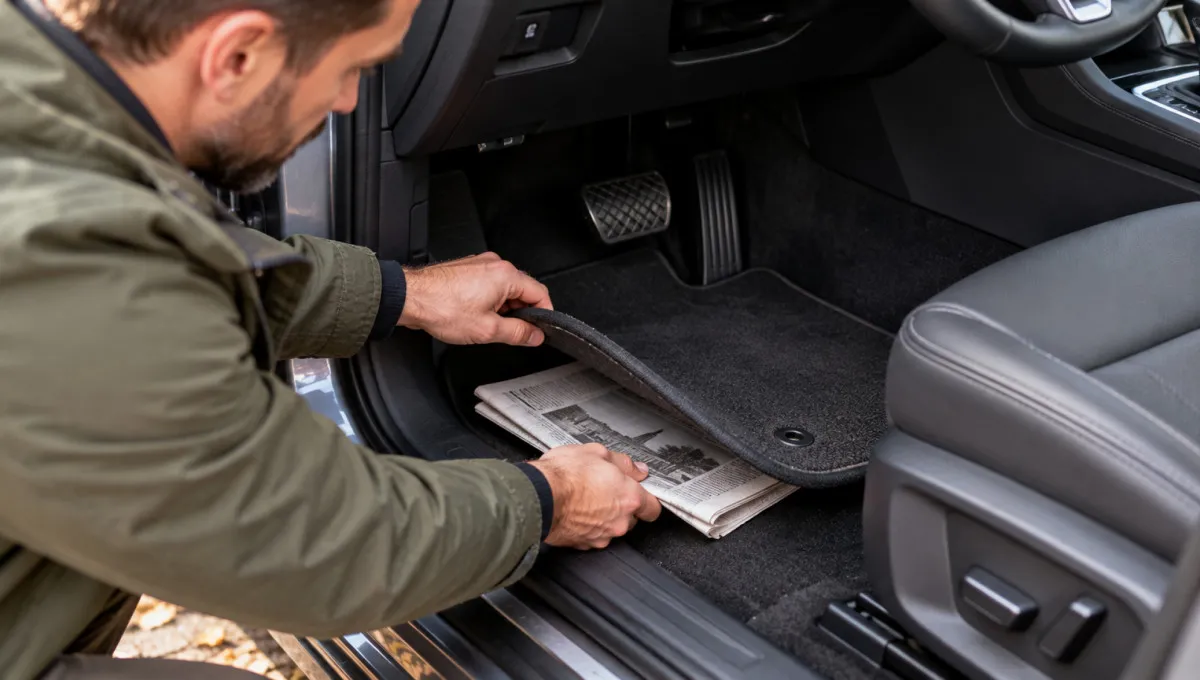
When the First Freeze Hits, Put Newspaper Under Your Floor Mat: An Old Winter Driving Trick
Newspaper under a floor mat can help protect a car's floor from winter moisture, but it requires regular attention.
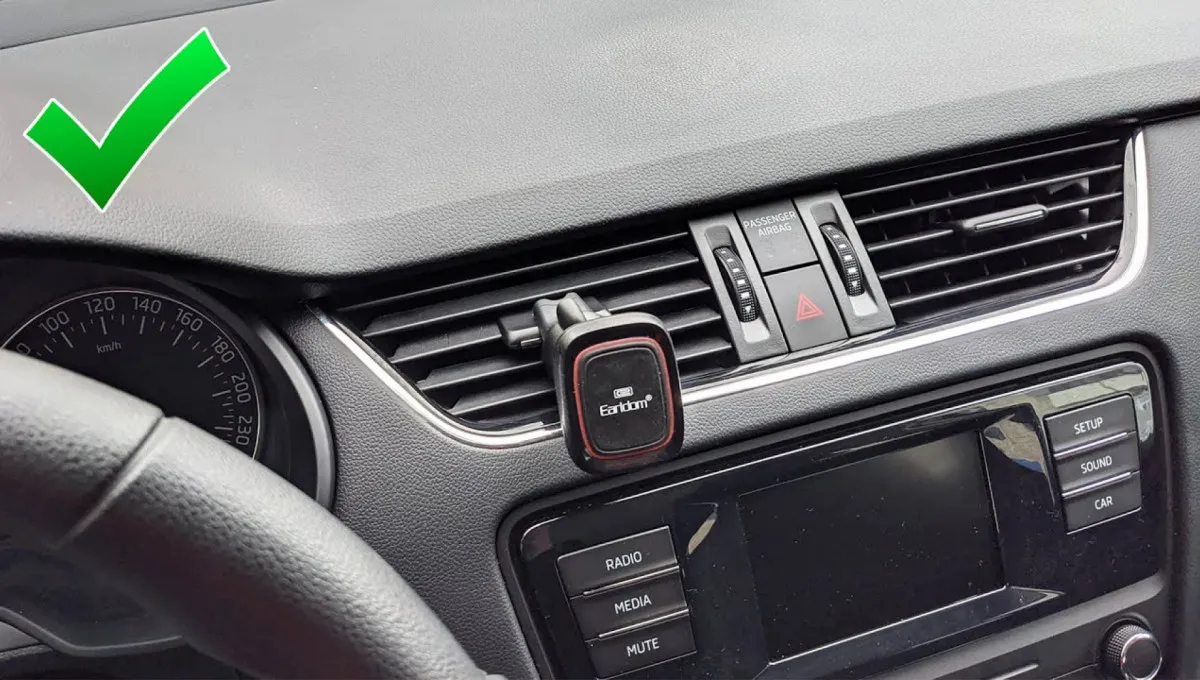
How to Find the Source of a Car Interior Rattle in 15 Minutes
A simple trick can help drivers pinpoint an annoying interior rattle without taking apart half the cabin or visiting a repair shop.
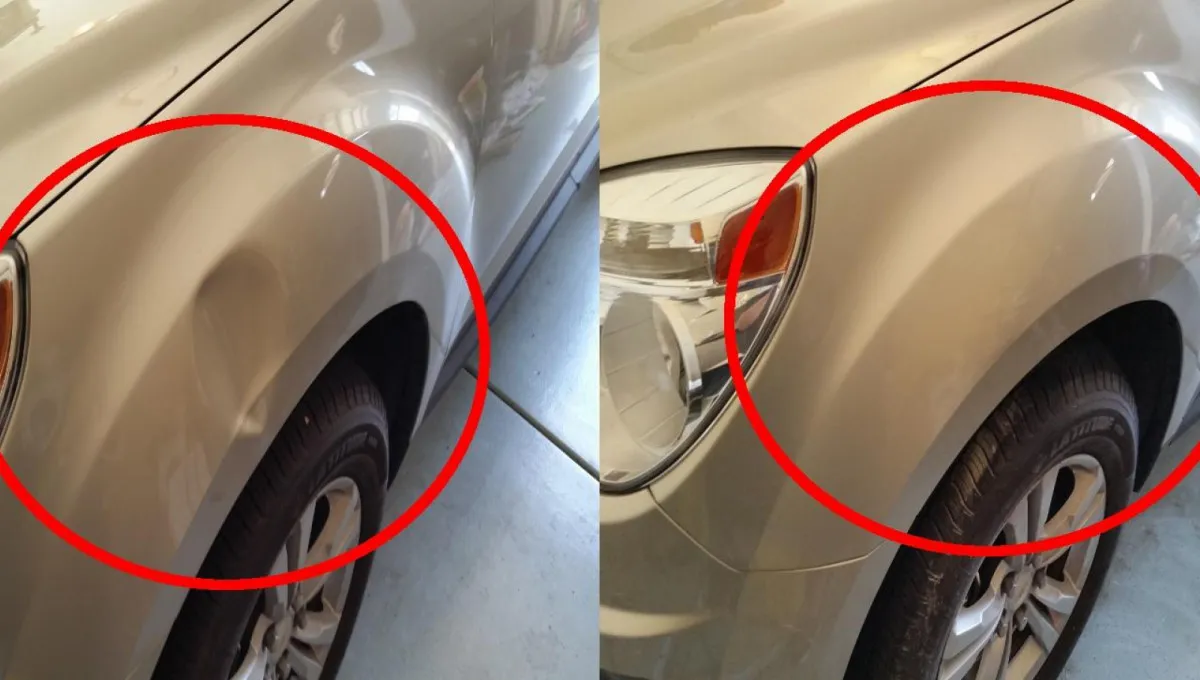
The Dent Can Disappear Without a Trace: How to Repair Car Body Damage Without Paint
Paintless dent repair can restore a damaged panel to its original shape, but only when certain conditions are met.
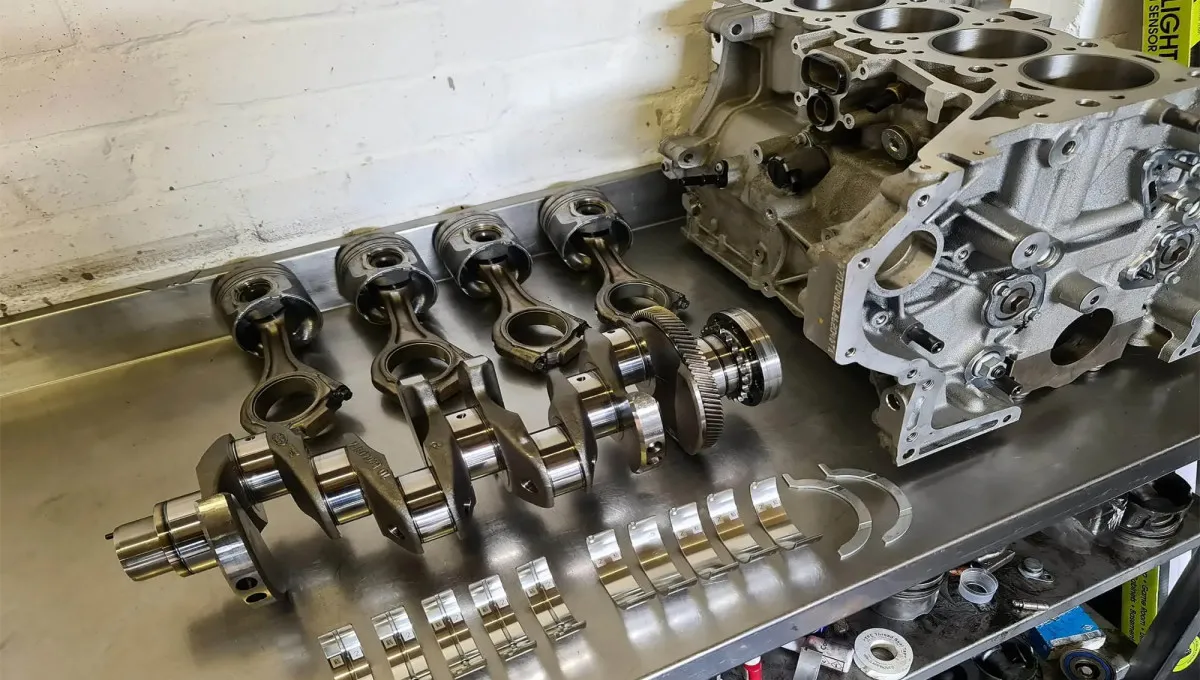
Not Ford, BMW or Audi: Mechanic Names the Car Brand That Almost Never Breaks Down
Auto repair professionals reveal which models rarely suffer major failures and which ones repeatedly end up on the lift.

What Does a Flashing Red Traffic Light Mean? Can You Keep Driving?
Drivers must come to a complete stop at the stop line before deciding whether it is safe to proceed.