
Windshield Freezes Every Morning — This Mechanic’s Trick Helps You De-Ice It Faste
Is frost leaving your car windows covered in ice? A few simple steps can make morning cleanup easier and help keep ice from forming.
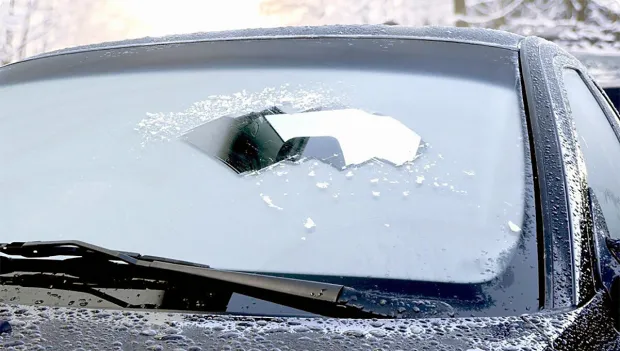
In cold weather, drivers can spend plenty of time clearing ice off their cars. But a few simple methods can help prevent windshield icing or make it easier to tackle in the morning. Auto30 explains.
When temperatures drop below freezing, the windshields of cars parked outdoors often ice over. Moisture in the air settles on the cold surface and freezes. A few simple steps can help prepare your car for overnight freezes and make the windows easier to clear.
Preparing for cold weather is important for road safety. Along with clearing the windows, check the condition of your winter tires and look up road conditions before heading out.
Clearing just a small patch of the windshield is not enough. Before driving, clear all windows and mirrors, make sure the license plate is visible, and remove snow from the roof.
How to Prevent Windshield Ice
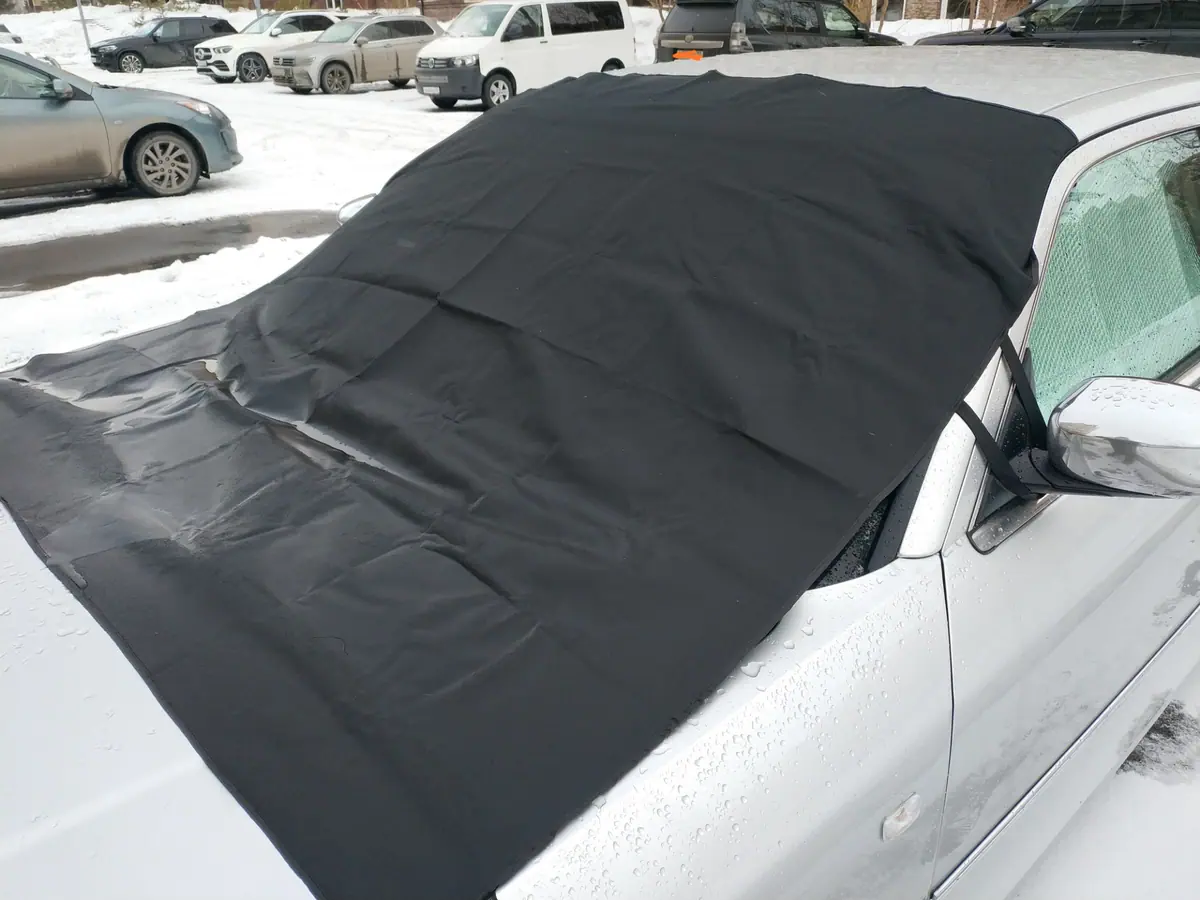
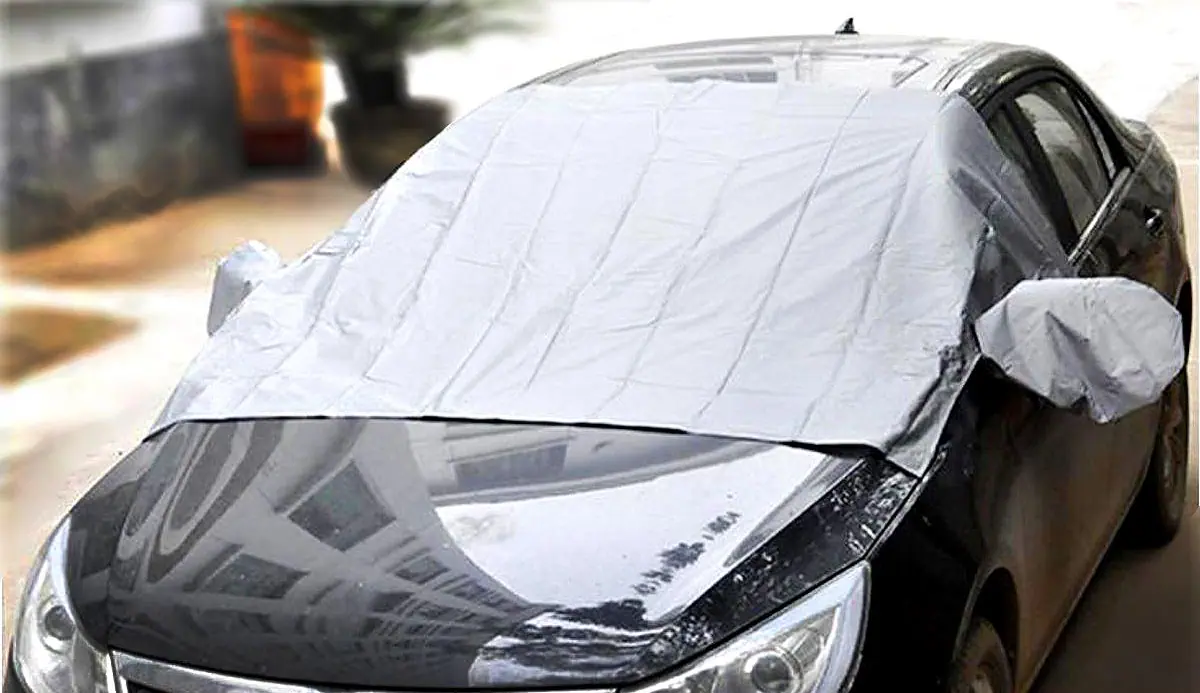
One of the simplest options is a windshield cover. Put it on in the evening to avoid spending time removing ice the next morning. Ordinary cardboard is less suitable: It can get wet and then freeze to the glass.
Another useful trick is to slip old socks over the side mirrors. This helps protect them from ice so you won't have to clear them separately in the morning.
Keeping the windshield clean also matters. Ice forms and clings more easily on a dirty surface, so washing your car regularly can make morning cleanup easier.
Where you park matters, too. If possible, park beside a wall or in another spot sheltered from the wind. The windshield may ice over more slowly there.
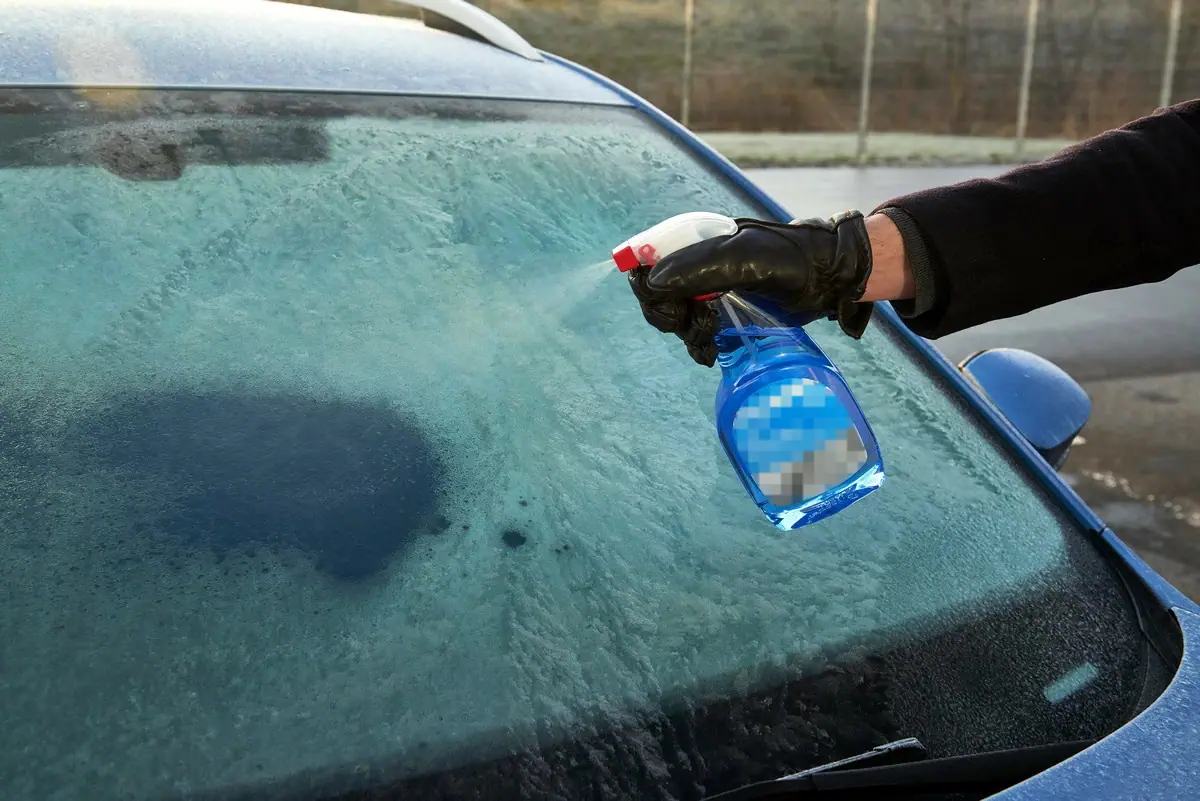
If ice has already formed, you can use a homemade de-icing spray. Mix two parts isopropyl alcohol with one part water. Pour the mixture into a spray bottle and apply it to the frozen glass.
You can watch a video on removing ice from a frozen car window here:
Mistakes to Avoid
Do not try to melt the ice with hot water. The sudden temperature change can crack the glass. Salt solutions and vinegar are also not recommended because they can damage the car's paint.
Do not scrape ice with a credit card, spatula, or metal objects. They can scratch the glass. Use a dedicated automotive ice scraper or a window de-icer instead.
Once the car is clear, drive cautiously. In winter, avoid abrupt maneuvers, maintain a safe following distance, and allow for longer stopping distances on slippery roads.
You may also be interested in the news:
Car Windows Will Stop Fogging Up — Here’s the Mistake Almost Every Driver Makes
Car windows constantly fogging up? Experts explain how to set the heat, when to turn off recirculation, and why the cabin air filter matters.
5 Car Engines Capable of Covering More Than 220,000 Miles
These five engines have the potential to reach roughly 217,000 miles or more.
How Not to Ruin Your Car: One Winter Habit Will Help You Save on Repairs
Your car’s air conditioning isn’t just for summer. Experts recommend using it periodically during colder months, too.
Even Experienced Drivers Make a Mistake: On Which Axle Should the Best Tires Be Installed?
Should new tires go on the front or rear? Physics points to the rear, because losing rear-wheel traction poses a greater risk of a spin.
Why Rear-Hinged Car Doors Are Called Suicide Doors
The name sounds grim, and the explanations for how suicide doors earned it are unsettling.