
How Not to Ruin Your Car: One Winter Habit Will Help You Save on Repairs
Your car’s air conditioning isn’t just for summer. Experts recommend using it periodically during colder months, too.
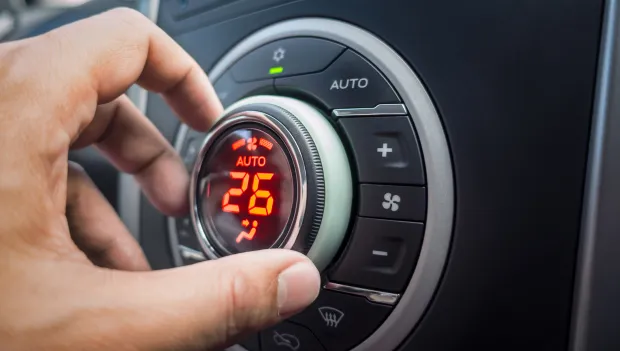
Your car’s air conditioning isn’t just for summer. Experts recommend using it periodically during colder months, too.
The reason is simple: Running it helps keep the climate control system in working order and could help avoid repair bills down the road.
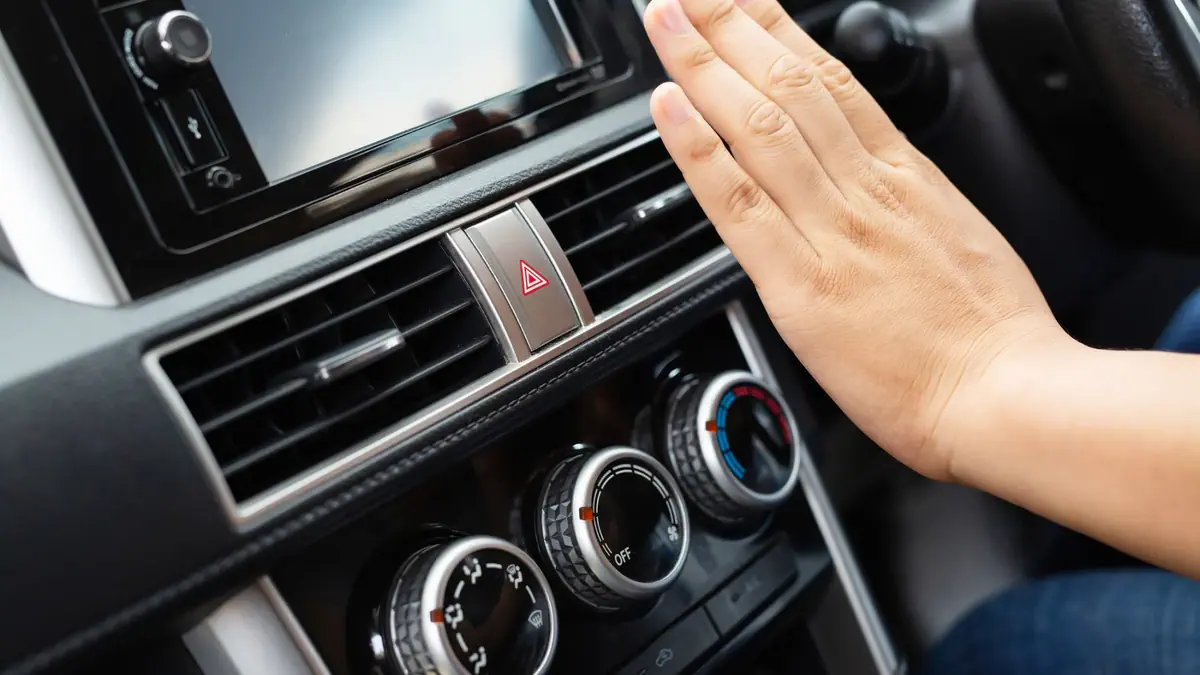
At first glance, turning on the A/C in winter might seem pointless. When it’s freezing outside, there’s no need to cool the cabin. But the system has other important jobs that are especially useful in cold weather.
One of its main functions is reducing excess moisture inside the car. Air conditioning dries the incoming air, helping clear condensation from the windows faster and reducing fogging. That makes driving more comfortable and improves visibility, an important factor in road safety.
Regular operation also helps maintain the system’s mechanical condition. Refrigerant circulates through the A/C system, carrying oil that lubricates certain components. If the system stays off for months, some seals can dry out and lose their flexibility, increasing the risk of small refrigerant leaks.
Long periods of inactivity can also be hard on moving parts. Certain compressor components and its clutch, in particular, may face greater stress when restarting after an extended break. Using the system periodically helps keep its components in working order.
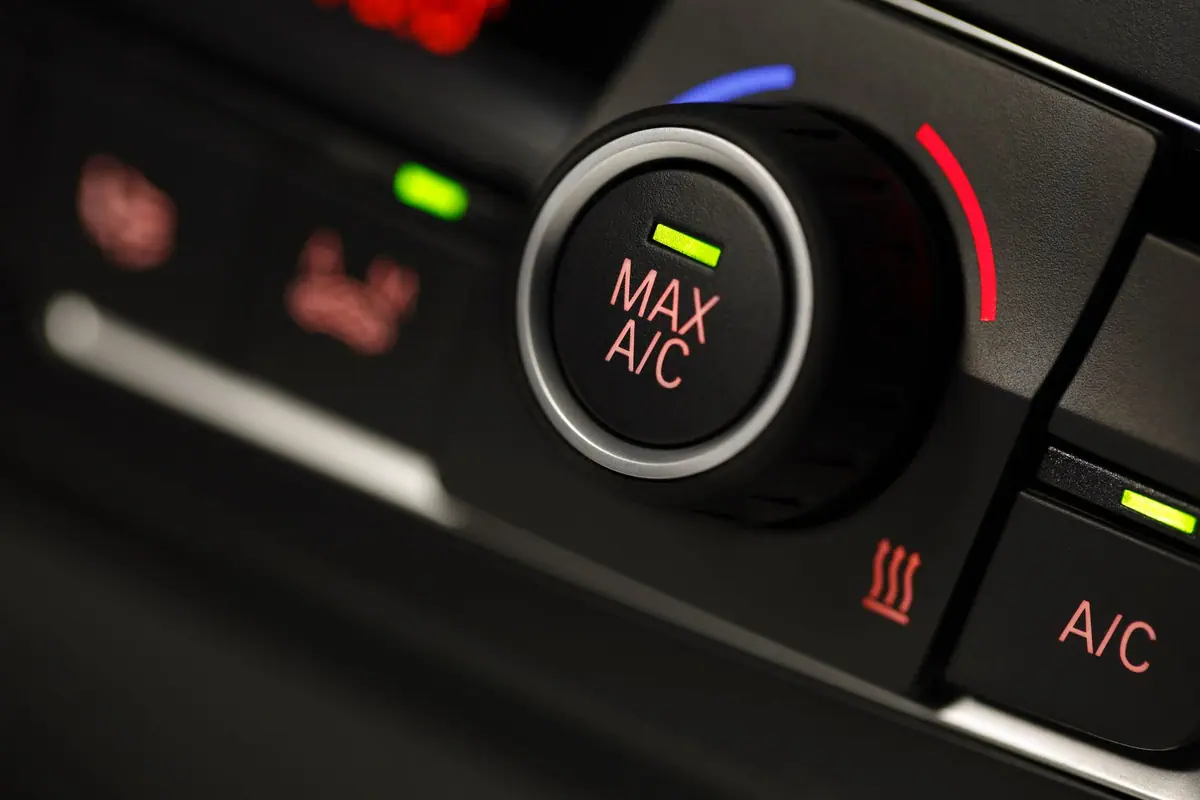
Another common problem is an unpleasant smell when the A/C turns on. Moisture buildup in the air ducts, along with bacterial and mold growth, is often to blame. Drivers who use their climate control system only occasionally are especially likely to encounter this issue.
Running the A/C periodically throughout the year helps reduce moisture buildup, discourages conditions that allow microorganisms to grow and lowers the chance of a musty smell in the cabin.
Using your car’s air conditioning in winter is more than a way to make the drive comfortable. It is also a form of preventive care for the climate control system. Regular operation can help prevent some problems, extend the life of certain components and potentially reduce future maintenance costs.
Why Drivers Sprinkle Baking Soda on Floor Mats to Fight Odors
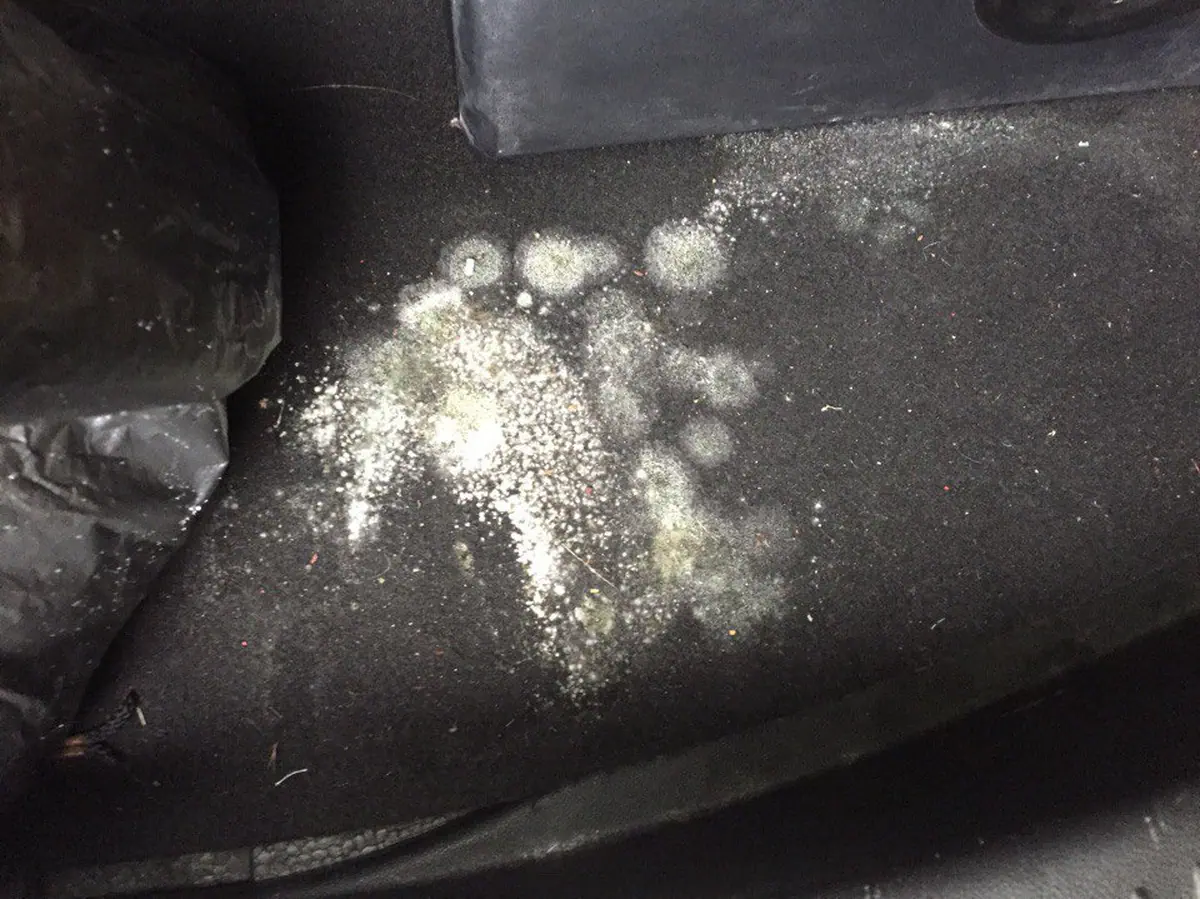
Car floor mats collect dust, dirt and moisture every day. Over time, the fabric also absorbs odors from spilled drinks, food scraps and dampness. As a result, an unpleasant smell can linger even after the cabin has been cleaned, and ordinary air fresheners don’t always solve the problem.
There is an inexpensive household way to freshen fabric mats without buying costly automotive cleaning products: ordinary baking soda, a staple in many kitchens.
The process is simple. Spread a small amount of dry baking soda evenly over a mat that has already been dried. Then let it sit for a while so the baking soda can absorb some of the unwanted odors.
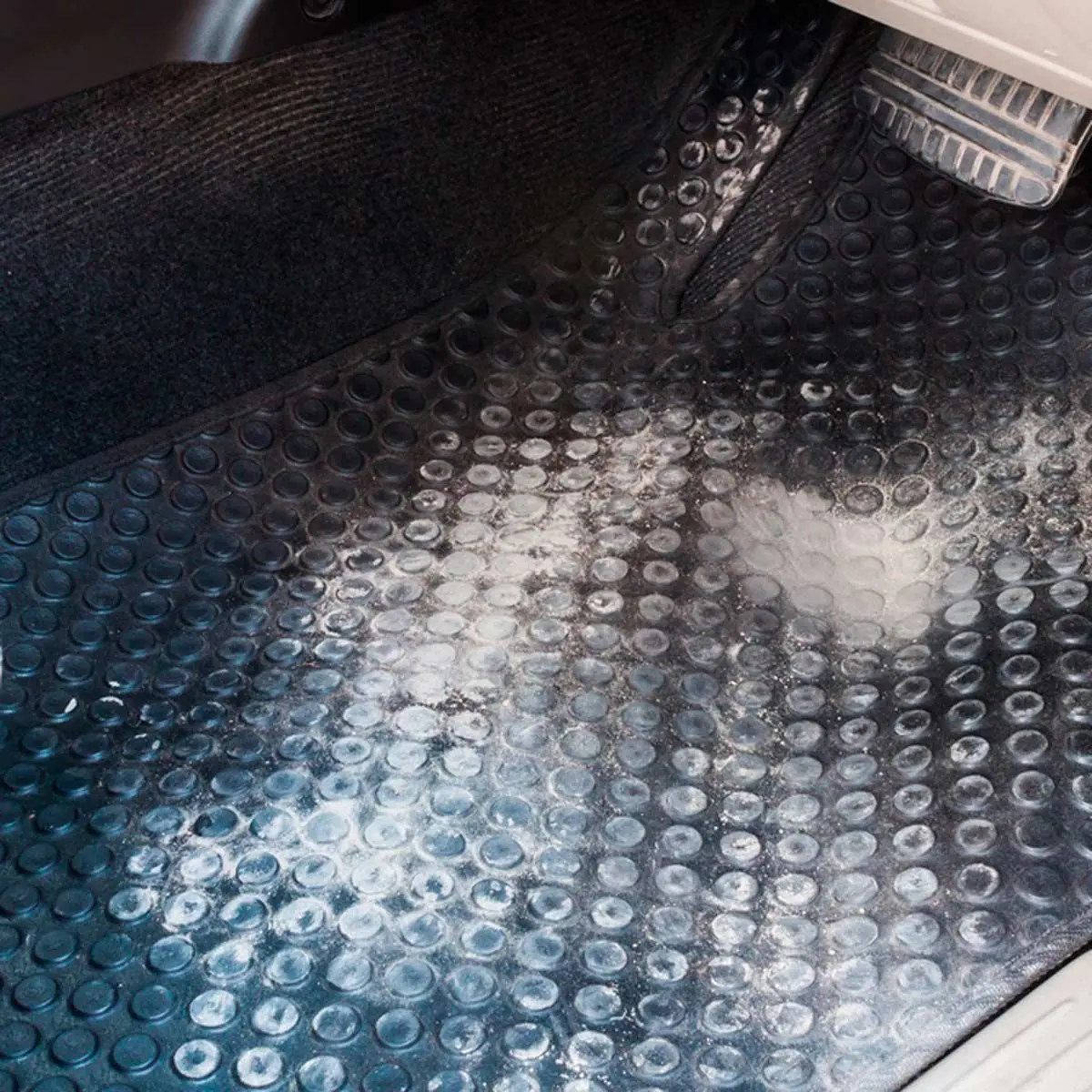
This method is popular because it is inexpensive and easy. It requires no specialty cleaners, complicated tools or professional equipment. Baking soda and a regular vacuum are enough to freshen the cabin and help keep it clean between more thorough cleanings.
However, baking soda can help with odors but is no substitute for thorough cleaning when mats are heavily soiled or have deeply embedded mold.
You may also be interested in the news:
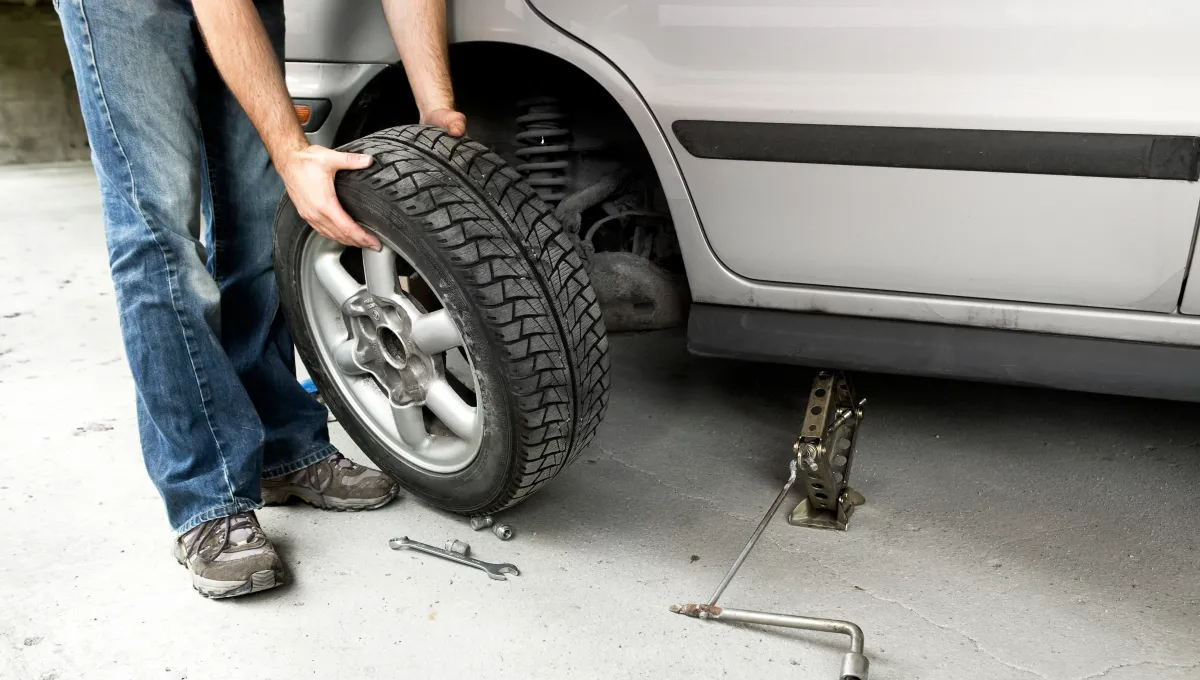
Even Experienced Drivers Make a Mistake: On Which Axle Should the Best Tires Be Installed?
Should new tires go on the front or rear? Physics points to the rear, because losing rear-wheel traction poses a greater risk of a spin.
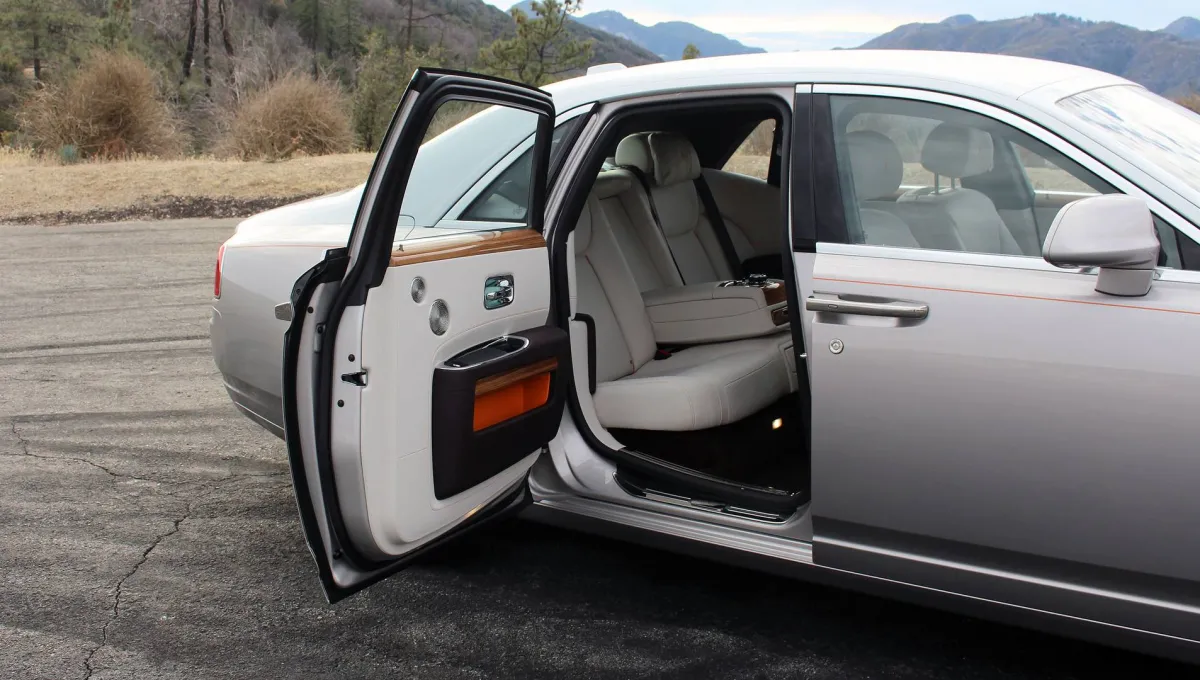
Why Rear-Hinged Car Doors Are Called Suicide Doors
The name sounds grim, and the explanations for how suicide doors earned it are unsettling.
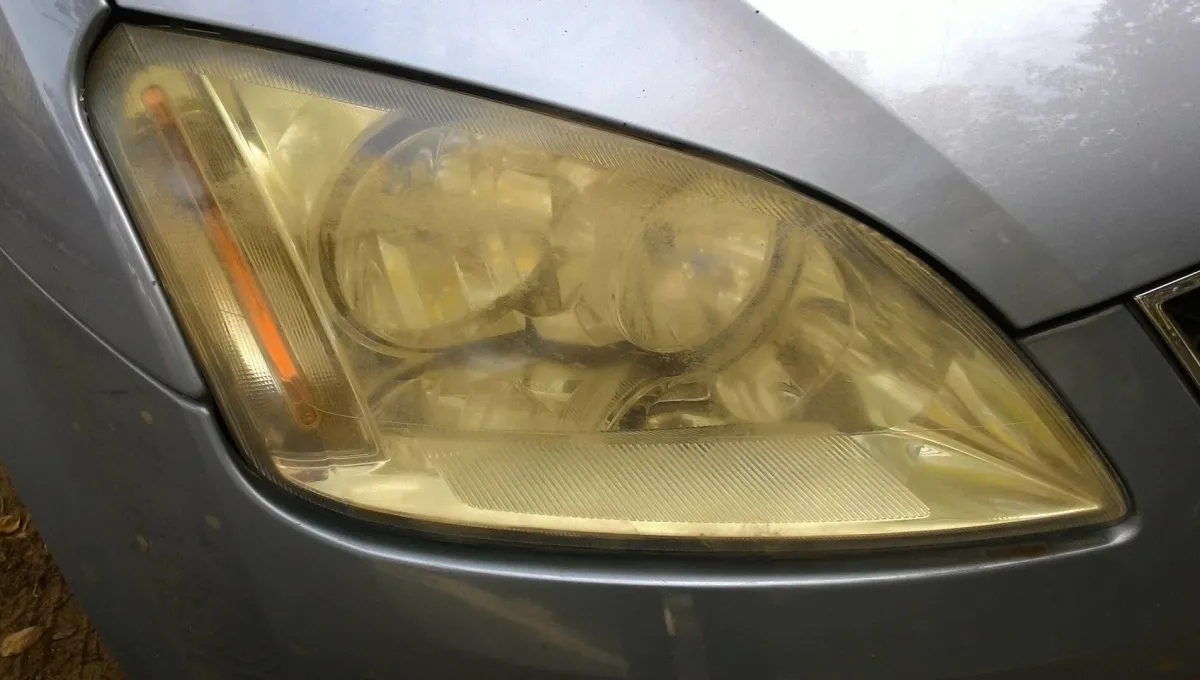
Yellow Buildup on Headlights Can Be Removed in a Matter of Minutes: An Unexpected Product Does the Trick
Yellowed headlights may not need an expensive polishing job. Here’s how to use white toothpaste to remove surface haze and improve clarity.

Does Extra Weight Matter? How Passengers and Cargo Change a Vehicle's Performance
Let's revisit the theory and put some of it to the test, using real-world driving and instrumented measurements.

The Language of the Road: Which Hand Signals Do American Drivers Still Understand?
Traditional driving hand signals are fading from American roads, but a few old gestures can still help drivers avoid trouble.