
Yellow Buildup on Headlights Can Be Removed in a Matter of Minutes: An Unexpected Product Does the Trick
Yellowed headlights may not need an expensive polishing job. Here’s how to use white toothpaste to remove surface haze and improve clarity.
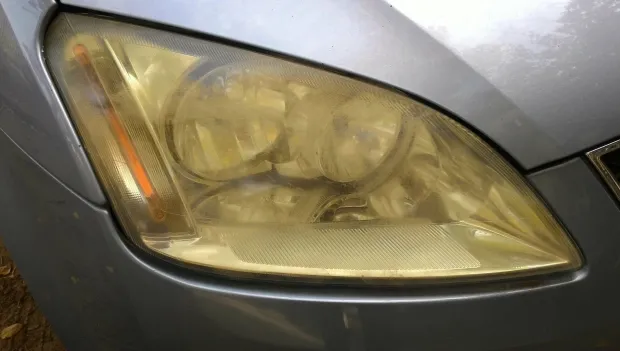
Over time, headlights lose clarity and take on a yellow tint. Sunlight and weather are usually to blame, gradually breaking down the protective coating on plastic headlight lenses. Auto30 explains how to improve their clarity at home.
This method is intended for oxidation on the outside of polycarbonate lenses. Toothpaste acts as a mild abrasive, helping remove the surface layer of haze. First, though, you need to determine whether the problem is actually on the outside.
How to Tell Why Your Headlights Have Turned Yellow
Before cleaning, check the condition of the plastic. If the lens feels rough, its exterior protective coating is likely damaged. Smooth plastic with cloudiness or spots still visible through it, however, may indicate a problem inside the housing. In that case, toothpaste will not deliver the desired result.
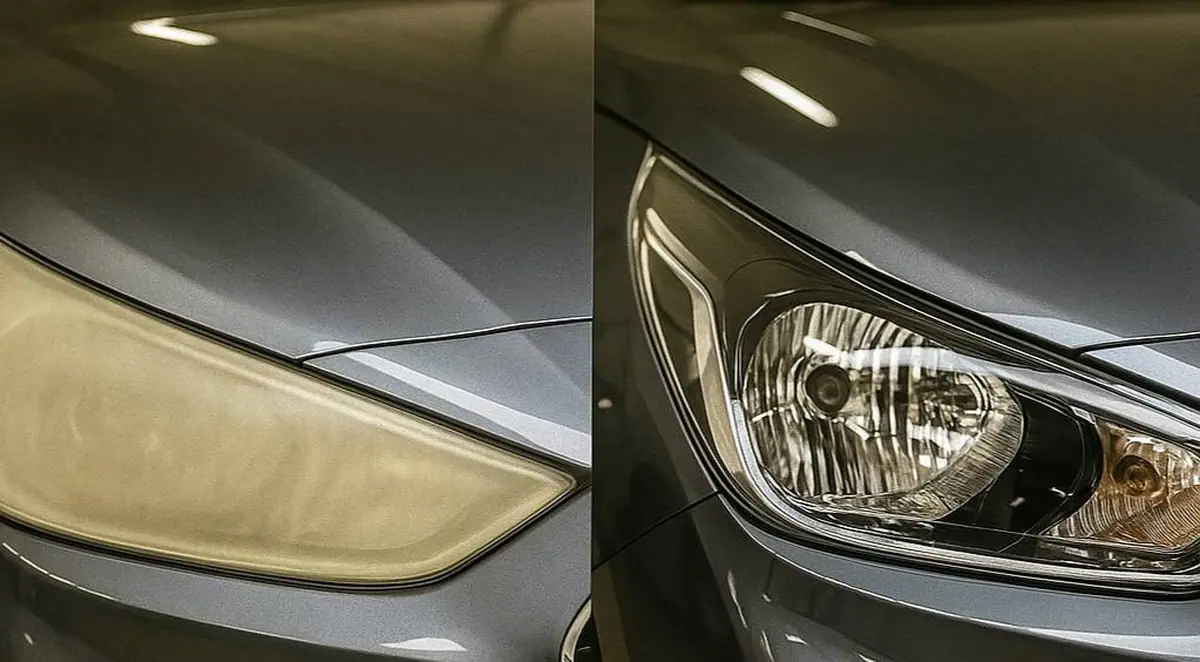
How to Clean Yellowed Headlights With Toothpaste
Start by washing the lens with warm, soapy water to remove dust and dirt. Do not rub the surface while it is dry, since grit can scratch the plastic. After washing, dry the lens with a microfiber cloth and mask off the surrounding bodywork with painter’s tape.
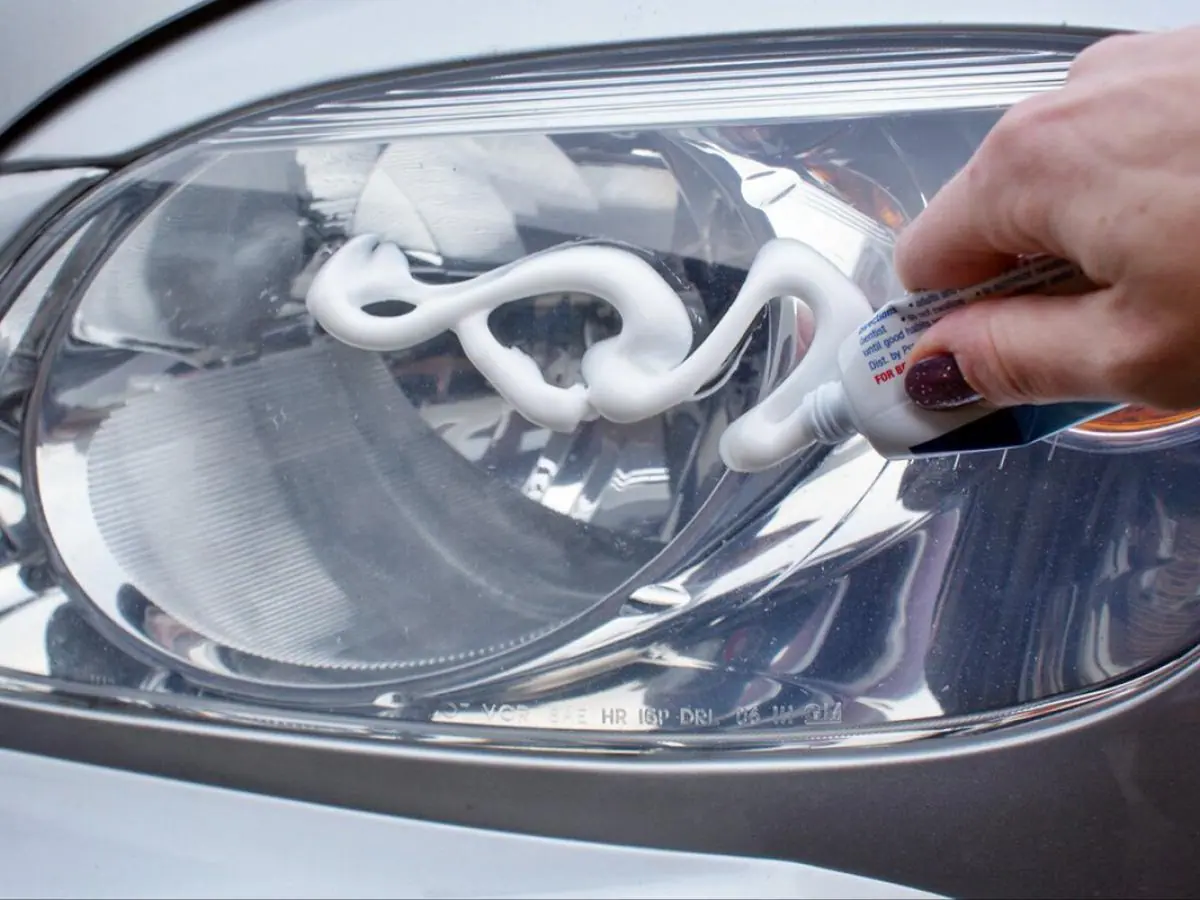
Use plain white toothpaste. Apply it to the lens with a clean cloth or an old toothbrush, then rub in circular motions. Leave it on for a few minutes, rinse with clean water, and dry the lens thoroughly.
For heavier buildup, toothpaste can be mixed with an equal amount of baking soda. This makes the mixture more abrasive, so work carefully without applying excessive pressure.
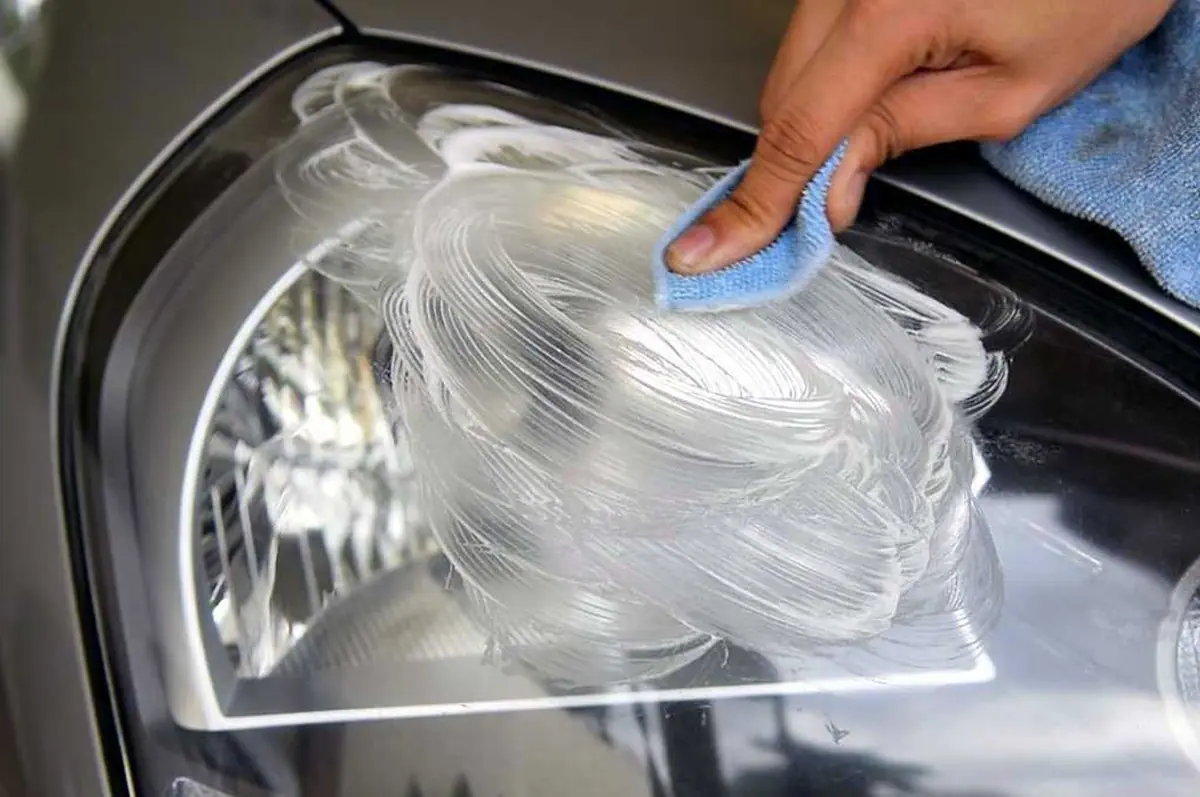
How to Protect Headlights After Cleaning
After removing the yellow haze, protect the plastic by applying automotive wax or a dedicated UV-protective sealant to the dry surface. Without an additional coating, sunlight will continue to damage the polycarbonate, and yellowing may return within a few months.
Do not use insect repellent, household aerosol cleaners, steel wool, or harsh abrasive scrub pads to clean the lenses. They can damage the plastic and make the headlights worse.
This home remedy is not suitable for every situation. If the lens is cracked, water is getting inside, or the reflector is damaged, toothpaste will not help. Those problems require headlight repair or replacement.
You may also be interested in the news:
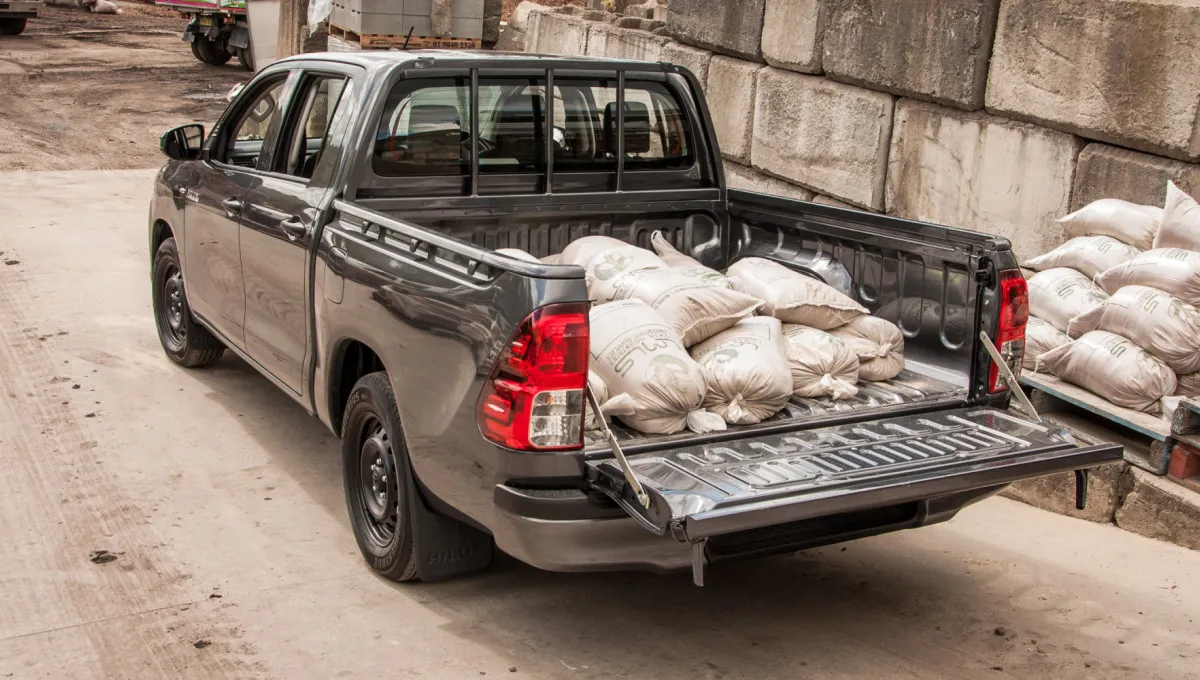
Does Extra Weight Matter? How Passengers and Cargo Change a Vehicle's Performance
Let's revisit the theory and put some of it to the test, using real-world driving and instrumented measurements.
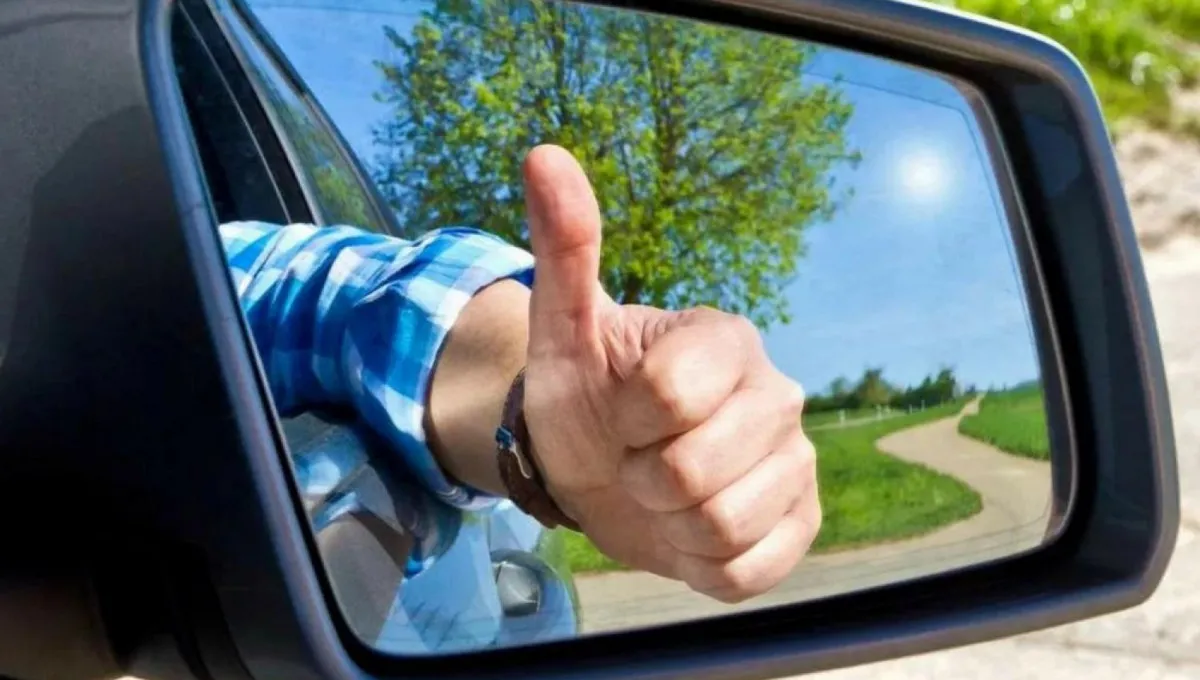
The Language of the Road: Which Hand Signals Do American Drivers Still Understand?
Traditional driving hand signals are fading from American roads, but a few old gestures can still help drivers avoid trouble.
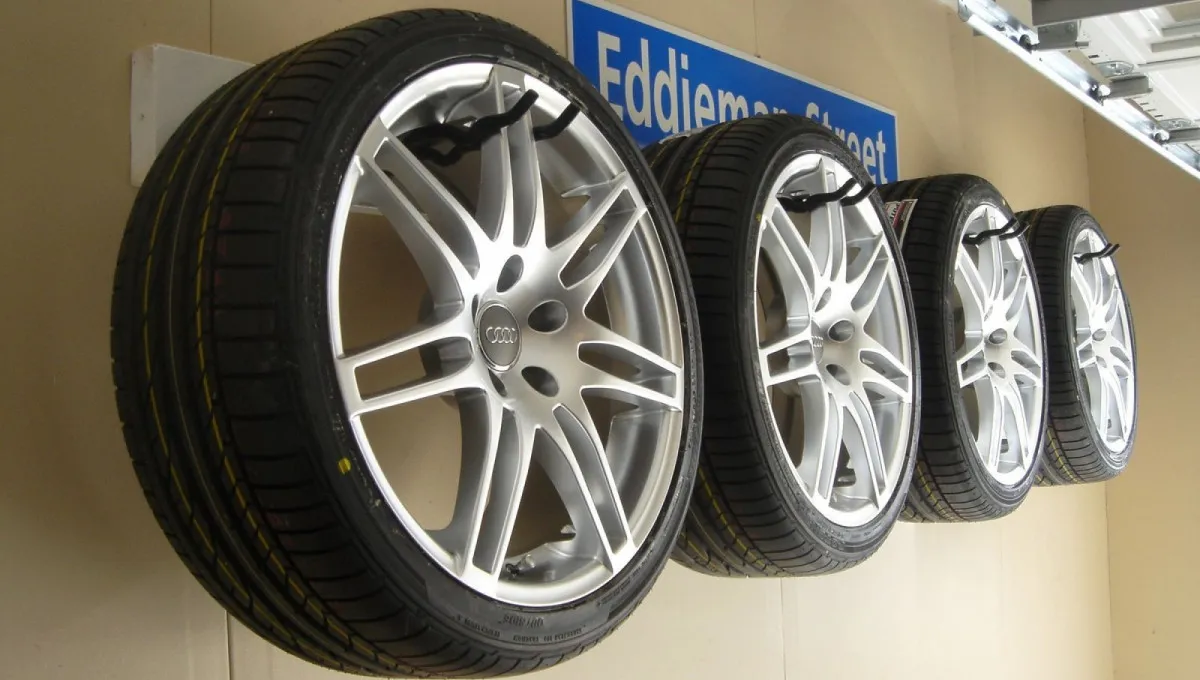
One Storage Mistake Can Ruin Your Summer Tires: How to Prevent Cracks and Premature Aging
Even a garage or basement can damage your summer tires over winter without a few simple precautions.
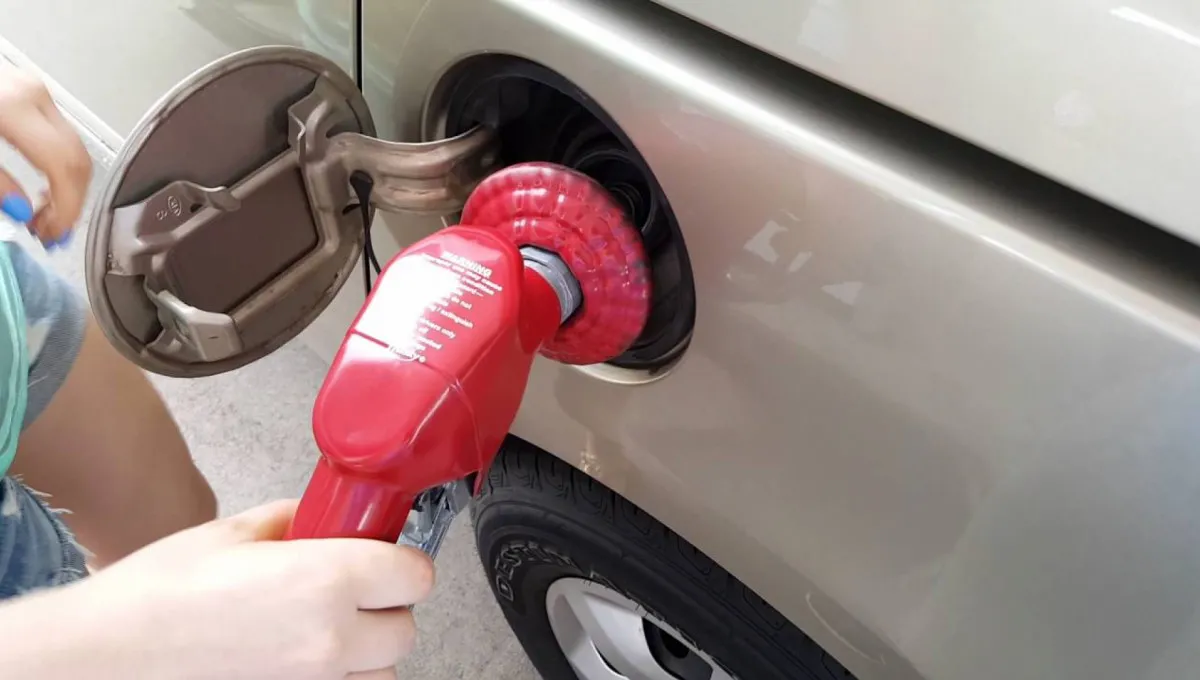
The Mistake Thousands of Drivers Make: Why You Should Never Let Your Gas Tank Get Too Low
Mechanics explain how driving on empty can damage fuel pumps and injectors, and how much gas to keep.
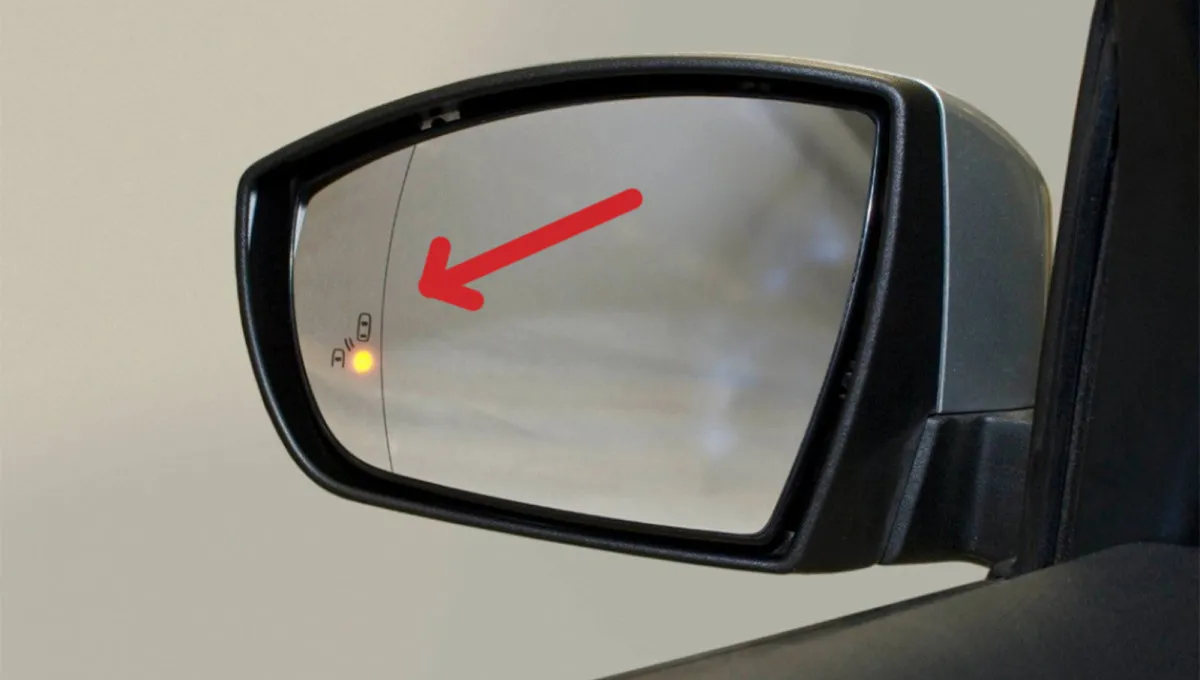
Why Do Some Car Side Mirrors Have a Dotted Line? Most Drivers Don't Know What It Does
That small dotted line on your car's side mirror serves an important purpose many drivers overlook.