
One Storage Mistake Can Ruin Your Summer Tires: How to Prevent Cracks and Premature Aging
Even a garage or basement can damage your summer tires over winter without a few simple precautions.
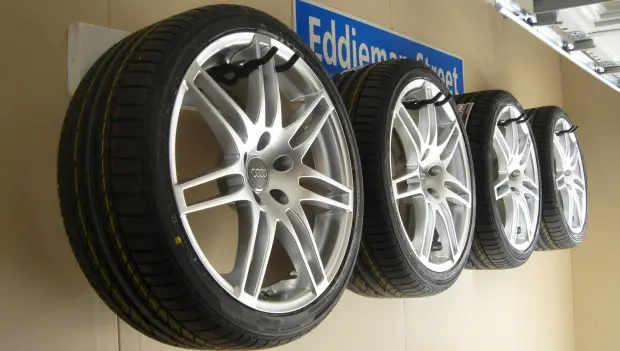
In November, many drivers switch their vehicles from summer tires to winter tires. However, putting the summer set away properly is just as important as making the seasonal change. Auto30 explains how to store summer tires during the winter months and keep them in good condition until spring.
Summer tires stored under the wrong conditions can become unusable by spring, even if they have barely been driven. Heat, ultraviolet (UV) exposure, and contact with certain chemicals can accelerate rubber deterioration. As the rubber ages, it loses elasticity, which can directly affect traction, handling, and overall driving safety.
The ideal storage location should be dry, shaded, and protected from sudden temperature changes. The recommended temperature range is approximately 23°F to 77°F, with humidity levels kept below 70%.
A garage or basement can work perfectly well, provided the tires are kept away from radiators, space heaters, furnaces, and containers holding oil or solvents. Storing tires on a balcony is generally a poor choice because maintaining stable conditions throughout the winter can be difficult.
Before putting tires away, wash them thoroughly, remove any small stones lodged in the tread, and allow them to dry completely. A dedicated tire care product can be applied, but it isn't necessary.
It's also a good idea to mark which wheel position each tire came from. This makes it easier to rotate them into the appropriate positions when installing them again in the spring.
How to Store Tires With and Without Rims
The correct storage method depends on whether the tires are mounted on wheels.
Tires without rims should be stored upright, standing next to one another rather than stacked horizontally. Prolonged pressure can cause them to deform. It's also advisable to rotate each tire approximately 90 degrees once a month so the same section of tread doesn't remain under pressure throughout the winter.
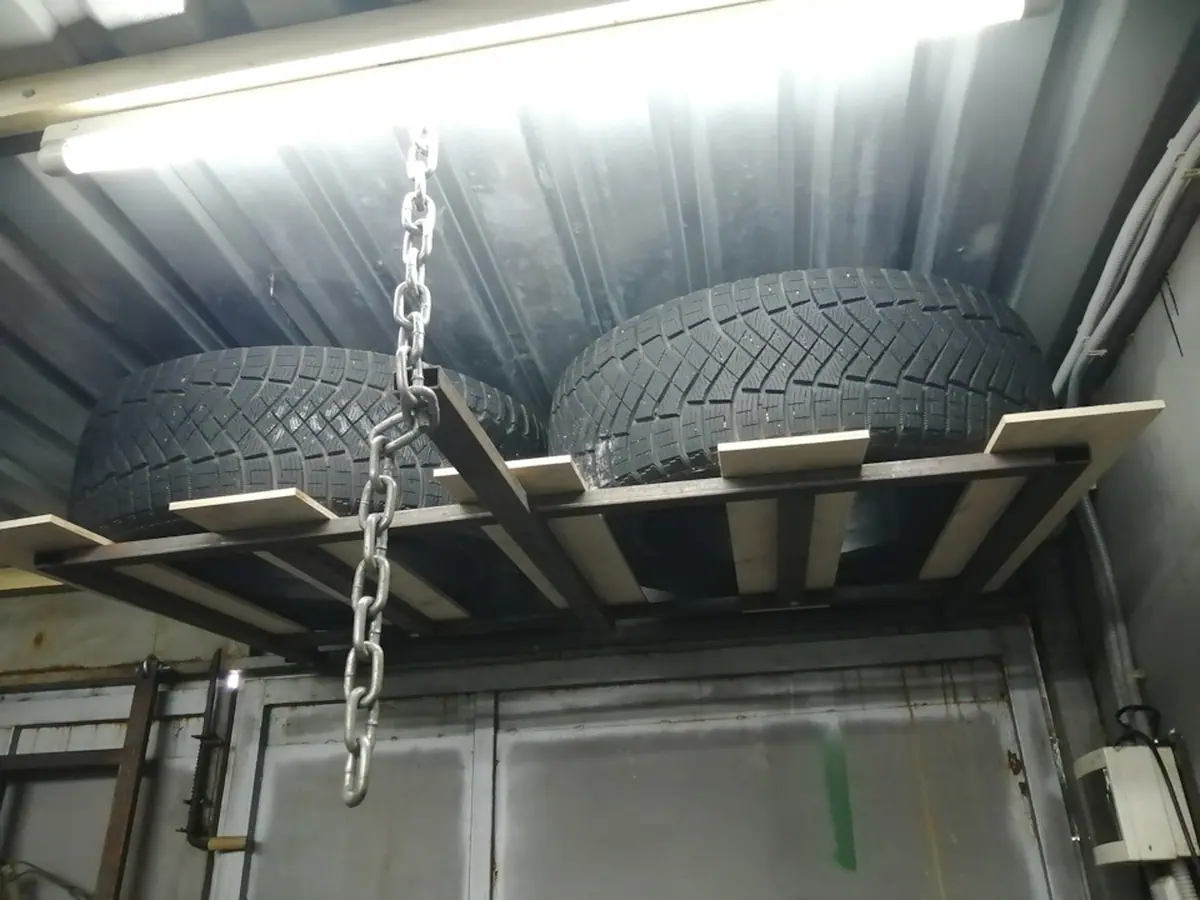
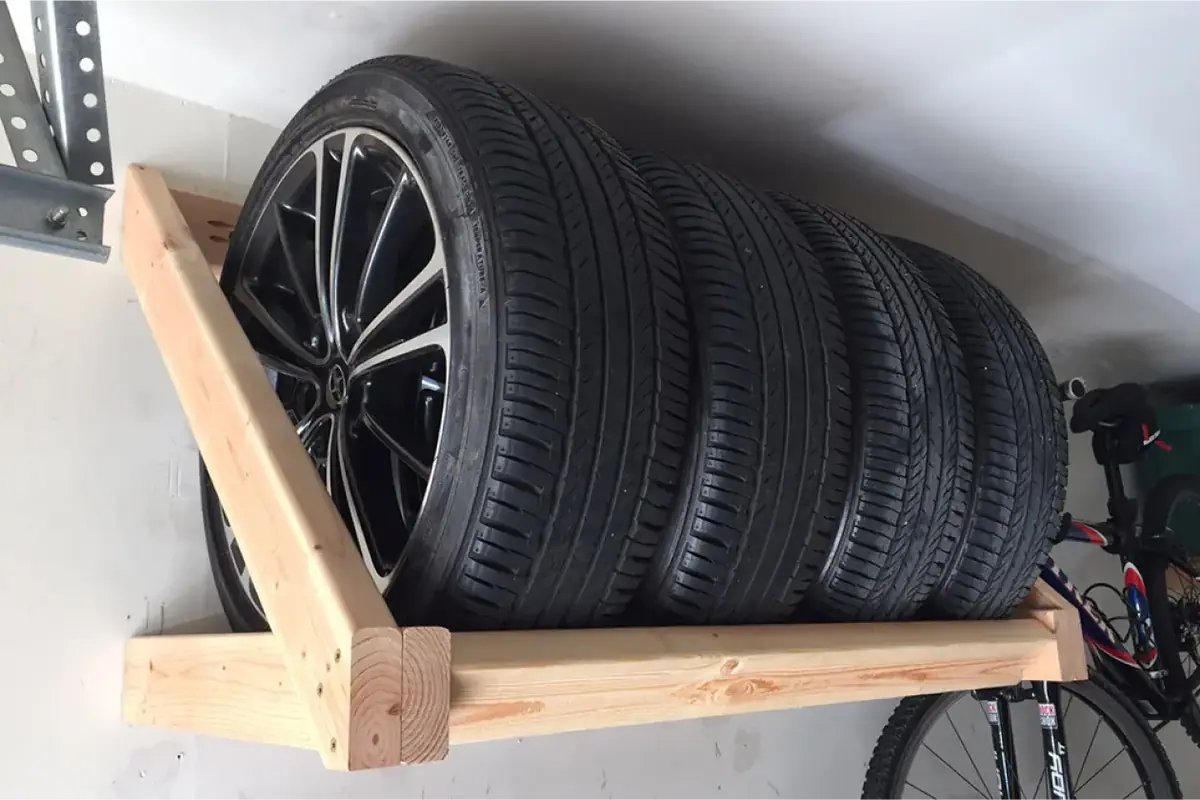
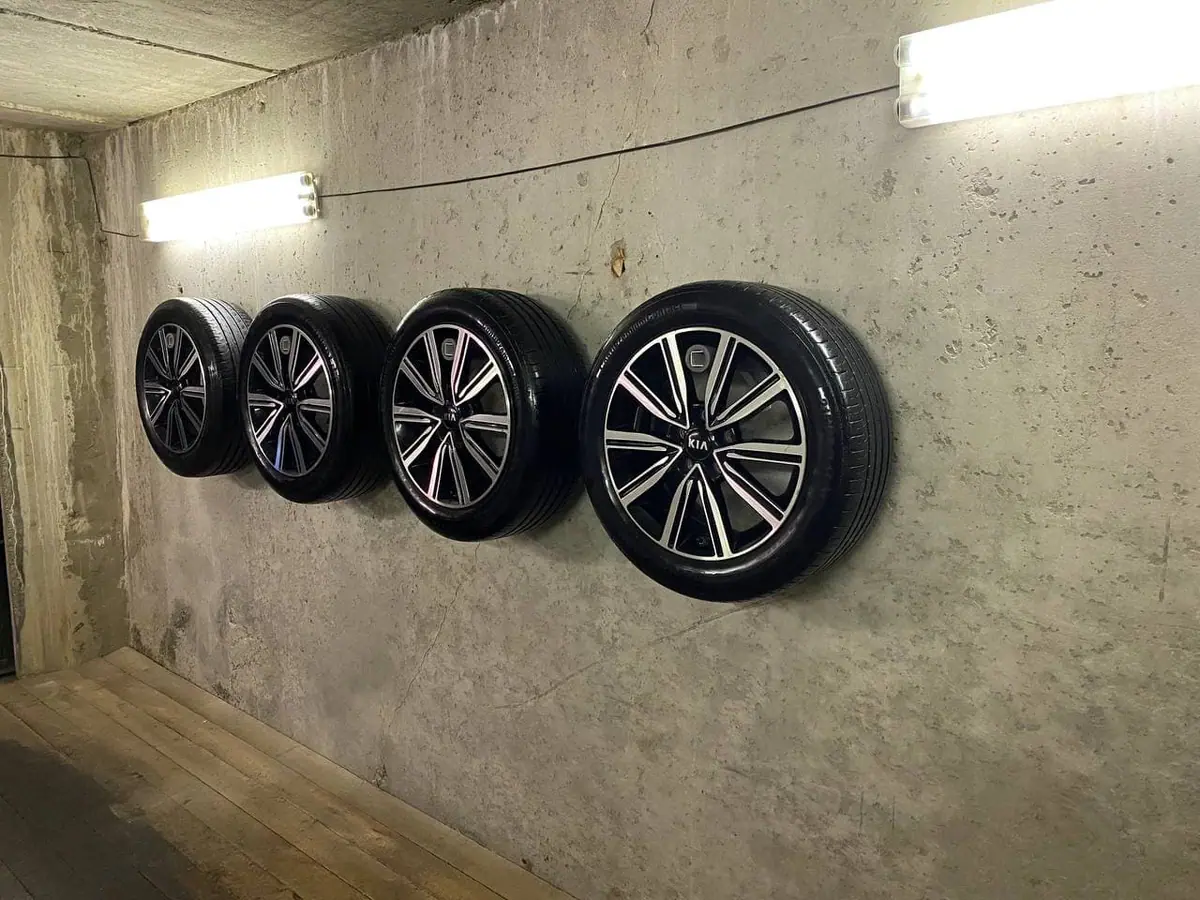
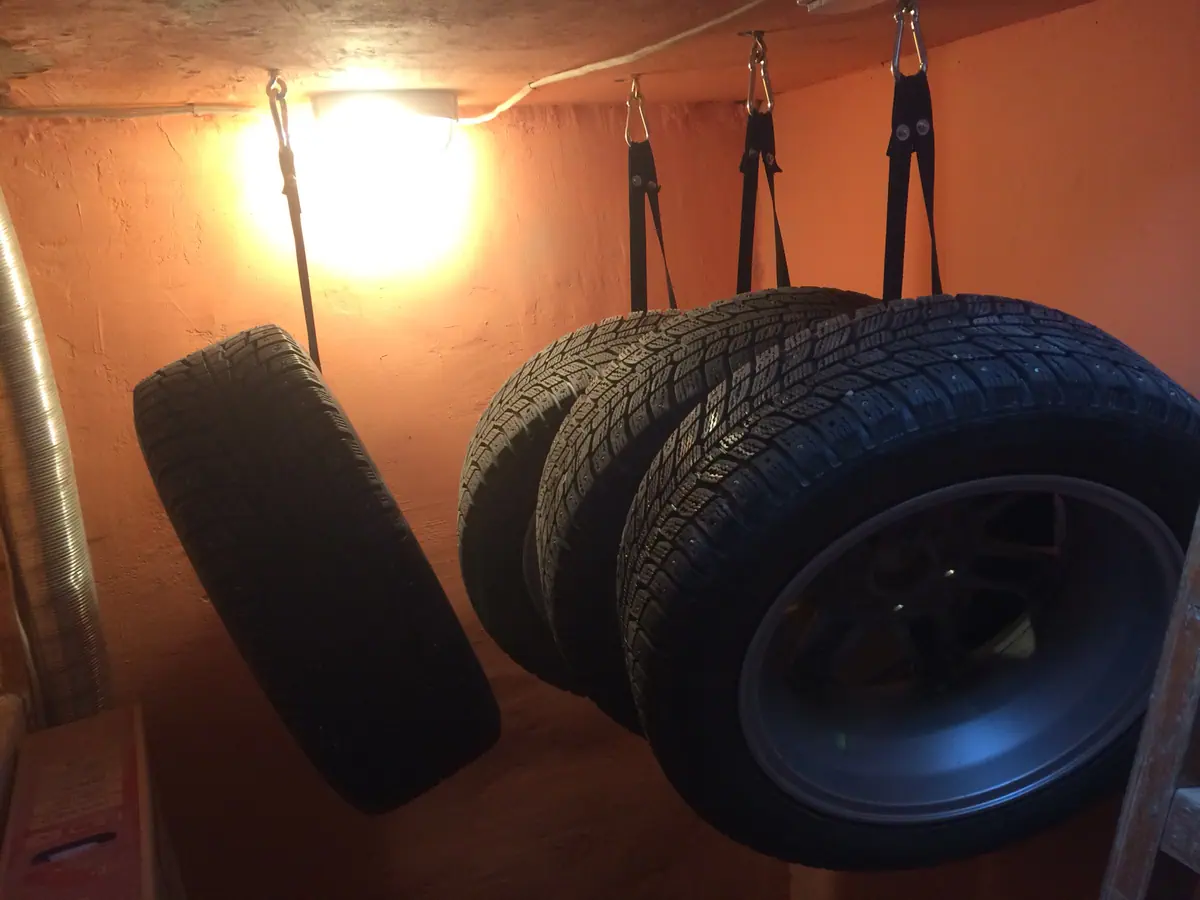
Tires mounted on rims can be stacked horizontally or hung from specially designed tire hooks. The important thing is to avoid placing excessive weight on them.
Before storage, it's also a good idea to check the air pressure and adjust it according to the vehicle or tire manufacturer's recommendations.
You may also be interested in the news:
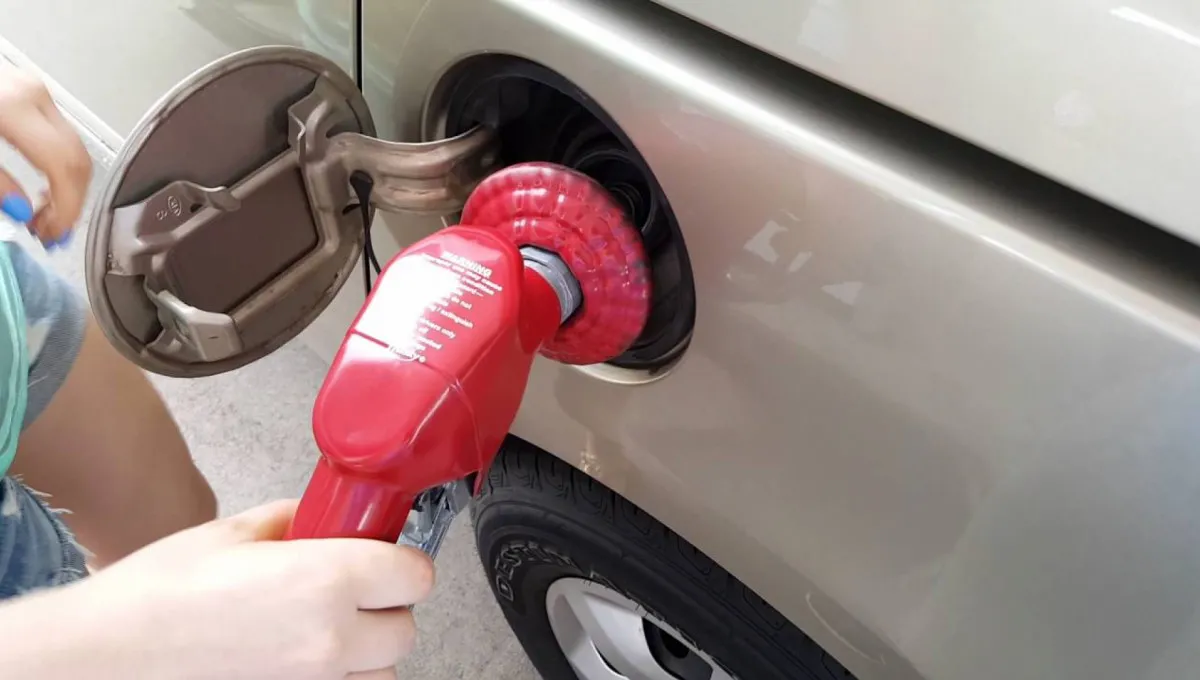
The Mistake Thousands of Drivers Make: Why You Should Never Let Your Gas Tank Get Too Low
Mechanics explain how driving on empty can damage fuel pumps and injectors, and how much gas to keep.
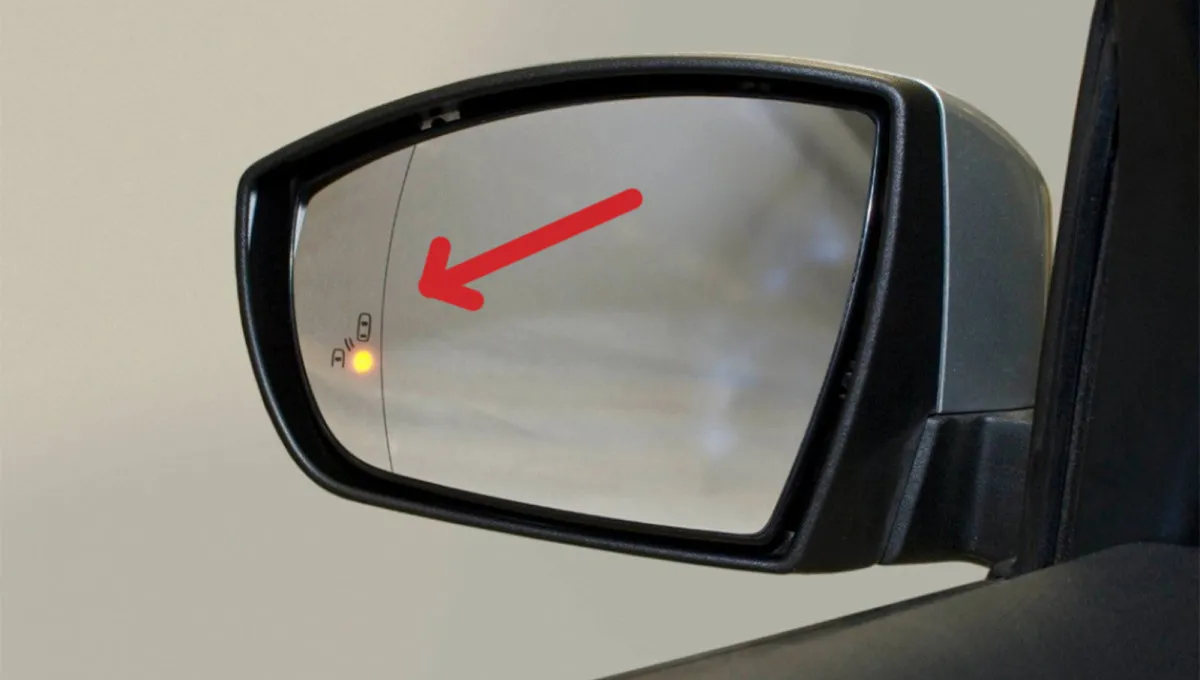
Why Do Some Car Side Mirrors Have a Dotted Line? Most Drivers Don't Know What It Does
That small dotted line on your car's side mirror serves an important purpose many drivers overlook.
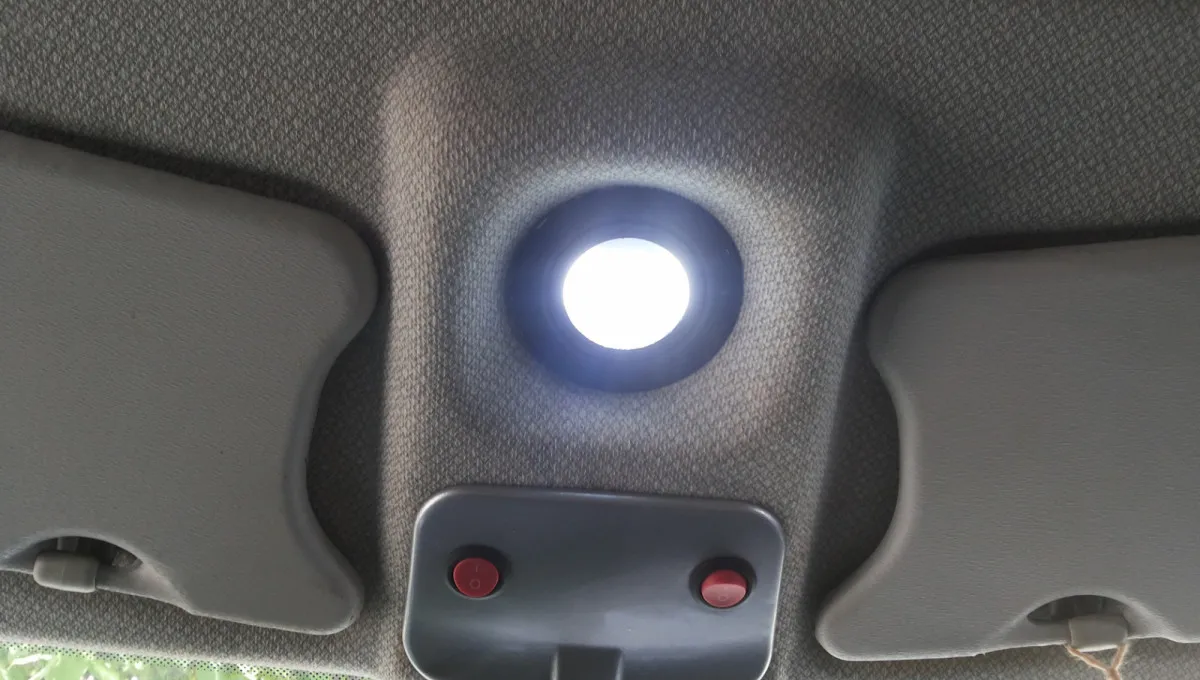
Is It Illegal to Drive With Your Car's Interior Lights On? Here's What Drivers Need to Know
Drivers often wonder whether turning on their car's interior lights while driving is illegal or could result in a ticket.
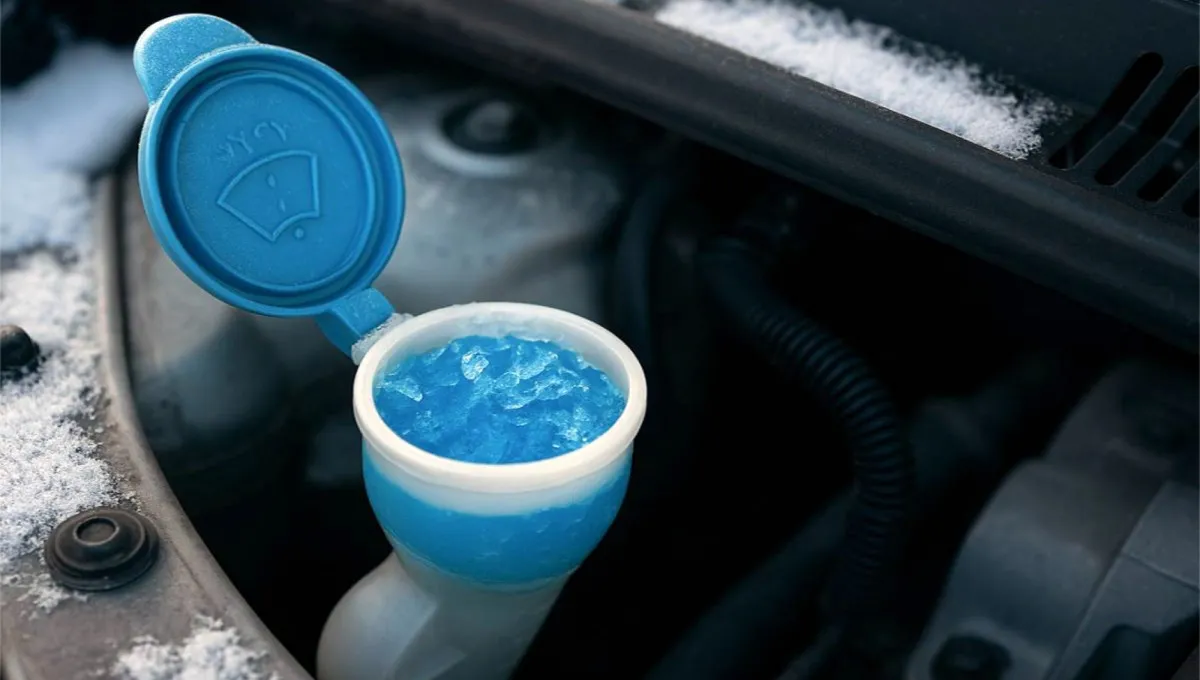
Windshield Washer Fluid Frozen in the Reservoir? Here’s How to Thaw It
A frozen washer system can catch drivers off guard, especially when a cold morning reveals that yesterday’s windshield washer suddenly stopped working.
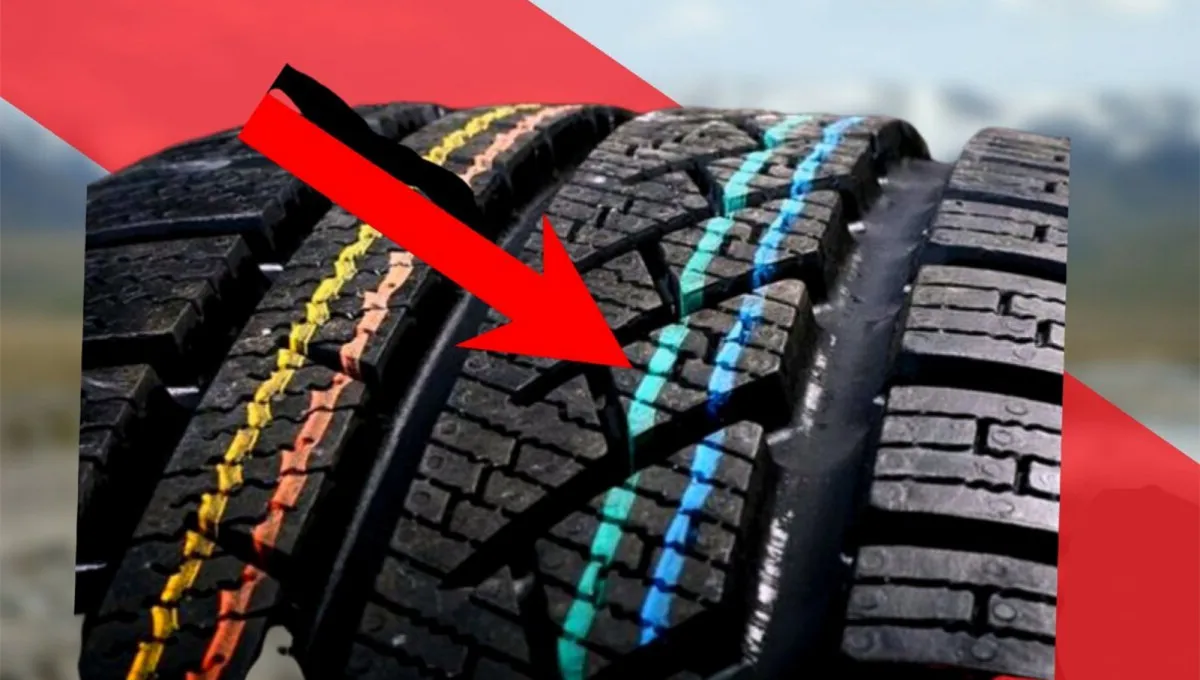
Why Colored Stripes on New Tires Confuse Drivers: What They Really Mean
A blue stripe on one tire brand can mean something entirely different on another, leaving drivers wondering what the markings mean.