
The Mistake Thousands of Drivers Make: Why You Should Never Let Your Gas Tank Get Too Low
Mechanics explain how driving on empty can damage fuel pumps and injectors, and how much gas to keep.
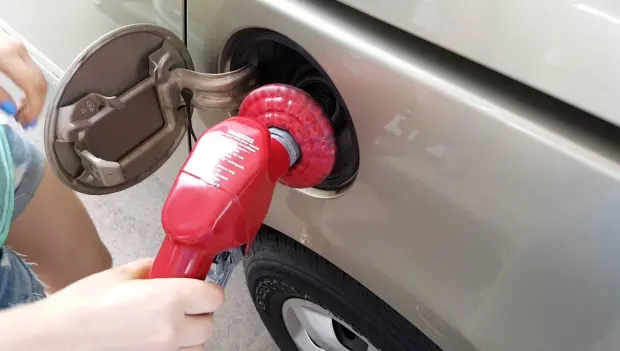
Driving regularly with a nearly empty gas tank can accelerate wear on your vehicle's fuel system. Excess air inside the tank, particularly during sharp temperature changes, can contribute to moisture condensation. Over time, water can enter the fuel system, potentially reducing its efficiency and shortening the lifespan of its components. In older vehicles with metal gas tanks, moisture can also contribute to corrosion.
Many drivers deliberately run their fuel levels down to the warning light, believing it saves time or money by reducing trips to the gas station. However, according to an automotive service expert, those who fill up in small amounts and routinely drive on reserve are taking the biggest risk.
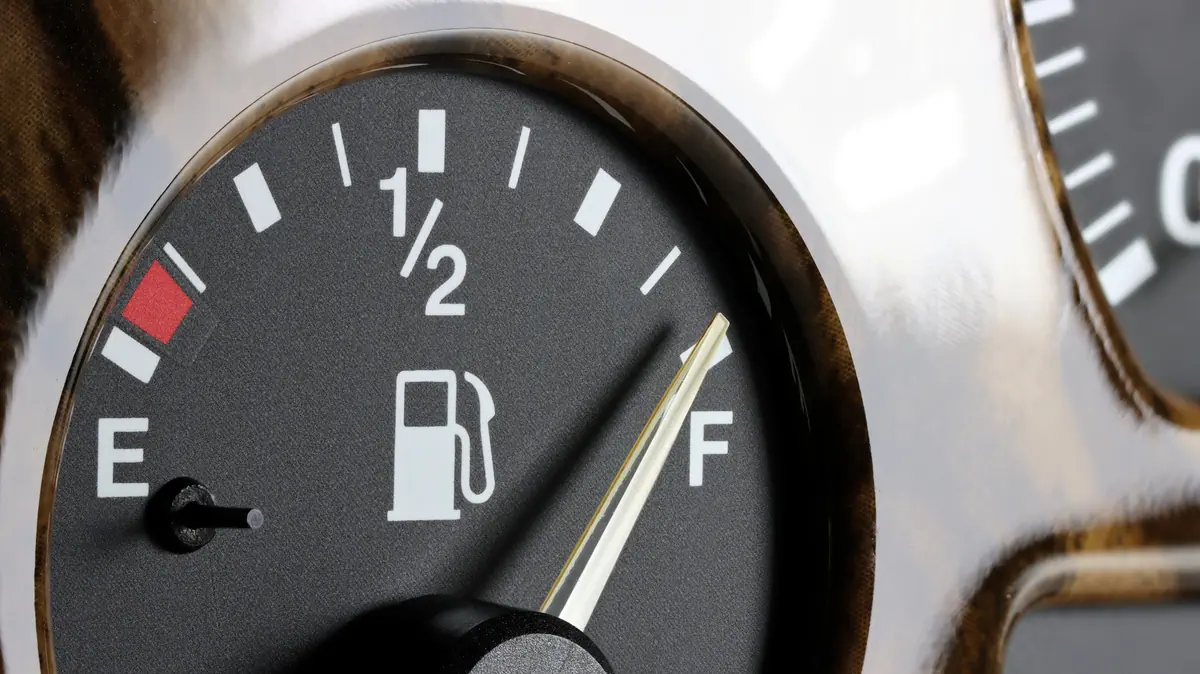
"Your vehicle's estimated driving range can become a dangerous temptation to push things all the way to empty. Many drivers know that even when the display reads zero miles to empty, the vehicle may still travel anywhere from a few dozen to several hundred miles. However, relying on that reserve can lead to expensive mechanical problems."
The first component at risk is the part that relies on gasoline for cooling and lubrication: the fuel pump. When the fuel level gets too low, the pump loses some of that protection, may overheat, and can begin drawing in air.
"The low-pressure fuel pump is the only mechanical component of the fuel delivery system located inside the tank. If it seizes after drawing in air, there is a serious risk of contaminating the tank with metal shavings. The situation becomes especially serious when those particles travel farther through the system, reaching the high-pressure fuel pump and fuel injectors."
Repairs can become considerably more expensive at that point. The high-pressure pump and injectors each cost significantly more to replace than the low-pressure pump. Another concern is sediment that has accumulated over the years. Rust particles and contaminants introduced during refueling can settle at the bottom of the tank. When fuel levels get extremely low, the pump may draw this debris into the fuel system.
Repeatedly running the pump with insufficient fuel can also cause problems with engine operation and its electronic controls. Fuel pressure may drop, the engine may misfire, and the Check Engine light may illuminate on the dashboard. Clearing the warning light does not necessarily solve the underlying problem, and a visit to a repair shop may still be unavoidable.
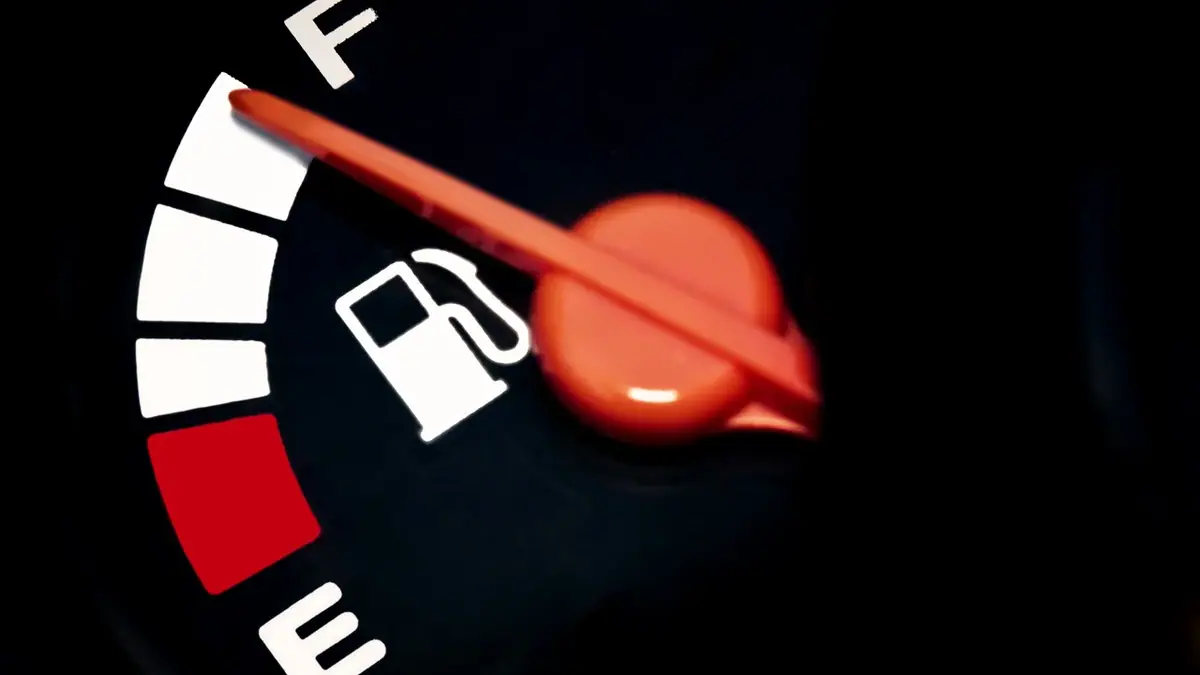
How Much Gas Should You Keep in Your Tank?
Mechanics recommend following a simple rule: keep your gas tank between one-quarter full and completely full during everyday driving. This helps protect the fuel pump and reduces the chances of running out of gas unexpectedly.
During winter, drivers should raise that minimum to at least half a tank. The American Automobile Association (AAA), among other automotive safety organizations, recommends keeping extra fuel in the tank during cold weather. If you get stuck in traffic or stranded during a snowstorm, having at least half a tank can allow you to run the engine and heater for several hours while waiting for help. A fuller tank also leaves less empty space where moisture can accumulate.
Theoretically, another component helps protect the high-pressure fuel pump from debris inside the tank: the fuel filter. It removes contaminants before they reach sensitive fuel-system components. However, many drivers go years without giving this part much attention.
"The fuel filter is often overlooked, despite being an extremely important component that needs regular replacement. Just as importantly, after installing a new filter, a mechanic must properly bleed the air from the fuel system. On newer vehicles, this may require connecting a diagnostic computer. If the procedure isn't performed correctly, problems can develop later, and the owner may not even realize they are related to the filter replacement."
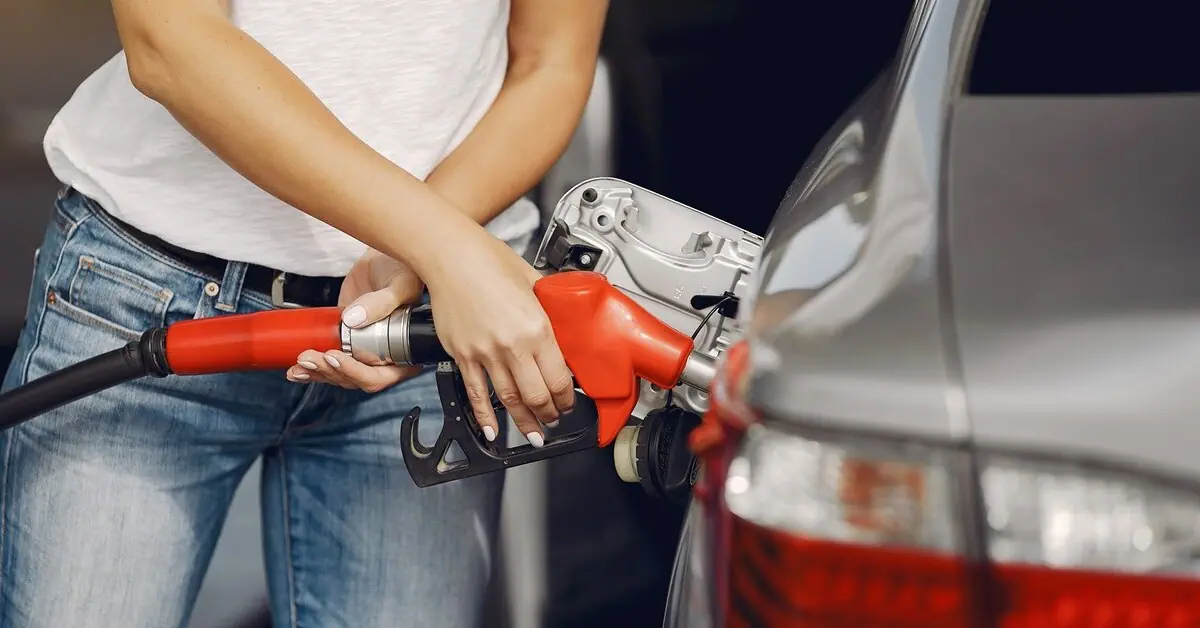
Is It Bad to Fill Your Gas Tank All the Way to the Top?
A common theory circulating online claims that filling a gas tank all the way to the brim can damage the charcoal canister, a component designed to capture fuel vapors. Lenort says drivers shouldn't exaggerate this risk.
"In practice, we rarely encounter such cases, although it is theoretically possible in some modern vehicles. Today's fuel vapor recovery systems are quite sophisticated. For fuel to reach and flood the charcoal canister, a substantial amount would have to get into the system. Automakers simply don't design their vehicles to allow that to happen easily."
He adds that if the risk were significant, manufacturers would likely place a clear warning near the fuel filler. Still, the safest approach is to stop pumping when the nozzle clicks off for the first time. Repeatedly topping off the tank after that point can force gasoline into the evaporative emissions system and interfere with its ability to manage fuel vapors.
"In extreme cases, the engine may begin running roughly, producing symptoms similar to misfires and a loss of power. The symptoms can disappear after the excess fuel in the filler neck is burned off. However, repeatedly overfilling the tank at every stop can potentially damage components of the evaporative emissions system."
You may also be interested in the news:
One Storage Mistake Can Ruin Your Summer Tires: How to Prevent Cracks and Premature Aging
Even a garage or basement can damage your summer tires over winter without a few simple precautions.
Why Do Some Car Side Mirrors Have a Dotted Line? Most Drivers Don't Know What It Does
That small dotted line on your car's side mirror serves an important purpose many drivers overlook.
Is It Illegal to Drive With Your Car's Interior Lights On? Here's What Drivers Need to Know
Drivers often wonder whether turning on their car's interior lights while driving is illegal or could result in a ticket.
Windshield Washer Fluid Frozen in the Reservoir? Here’s How to Thaw It
A frozen washer system can catch drivers off guard, especially when a cold morning reveals that yesterday’s windshield washer suddenly stopped working.
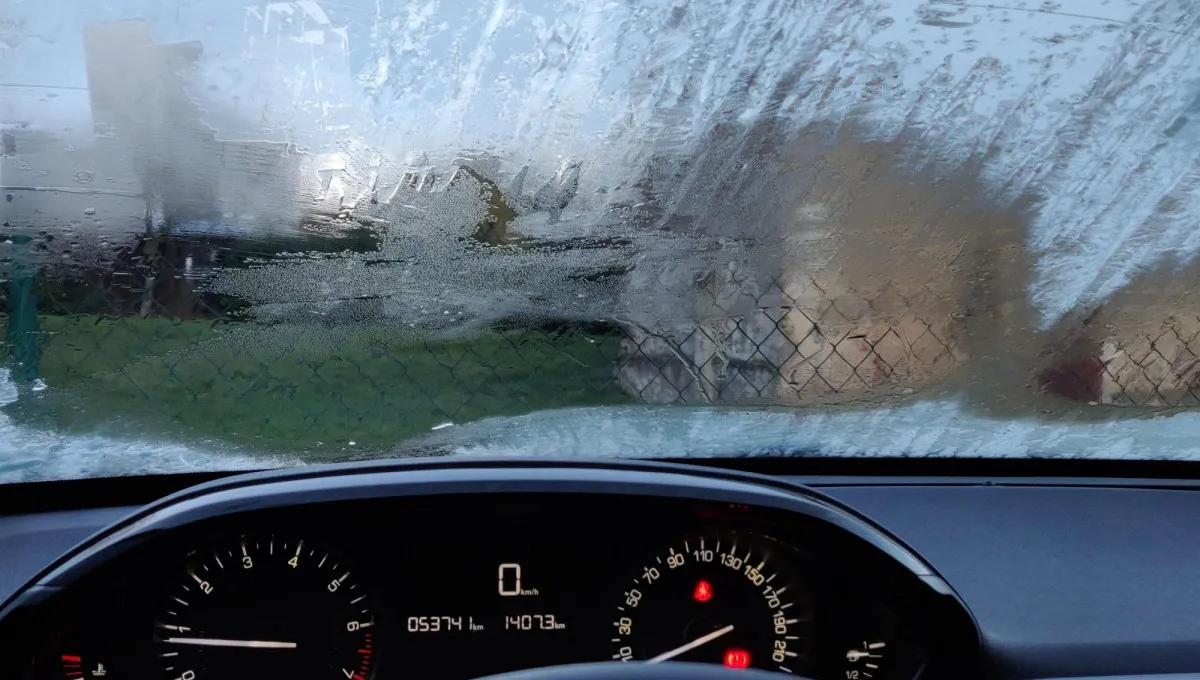
One Car Button Can Make Your Windows Fog Up Faster: What Not to Do in the Rain
Moisture brought into the cabin by drivers and passengers can linger in the air and settle on cold windows, reducing visibility.