
One Car Button Can Make Your Windows Fog Up Faster: What Not to Do in the Rain
Moisture brought into the cabin by drivers and passengers can linger in the air and settle on cold windows, reducing visibility.

As temperatures drop, condensation can quickly fog up a car’s windows, making it harder to see and creating a serious safety hazard. While trying to clear the glass, many drivers make a common mistake that can actually make the problem worse.
Here’s how to get rid of foggy car windows and keep them clear in wet weather.
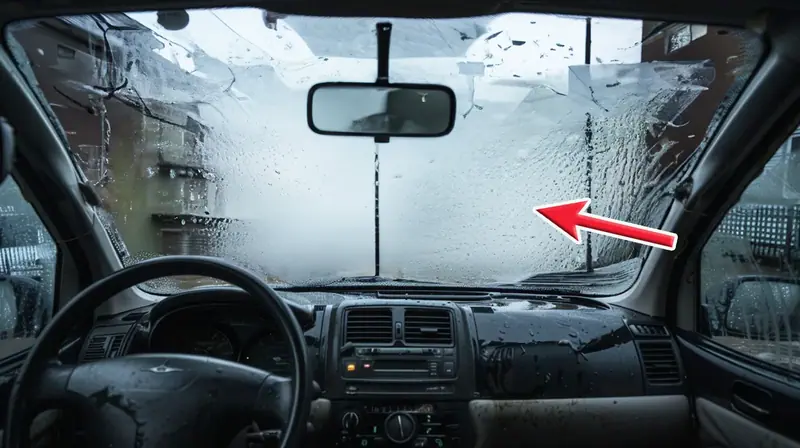
Why Air Recirculation Makes Foggy Windows Worse
Using your car’s air recirculation mode on a damp, rainy day can make window fogging worse rather than solve it. Moisture brought into the cabin by the driver and passengers stays trapped inside the vehicle and eventually condenses on the cold glass again.
To restore visibility quickly, switch off recirculation, allow fresh outside air into the cabin, and turn on both the heat and the air conditioning, according to Interia.
Recirculation does have its advantages. By blocking outside air, it can help keep exhaust fumes out of the cabin when driving through a tunnel or sitting in traffic behind a vehicle producing heavy exhaust. On a rainy day, however, leaving it on can work against you.
The explanation comes down to basic physics. Warm air can hold more water vapor than cold air. When moist air touches a cold window, it cools rapidly, causing excess moisture to condense into tiny droplets. The temperature at which this condensation begins is known as the dew point.
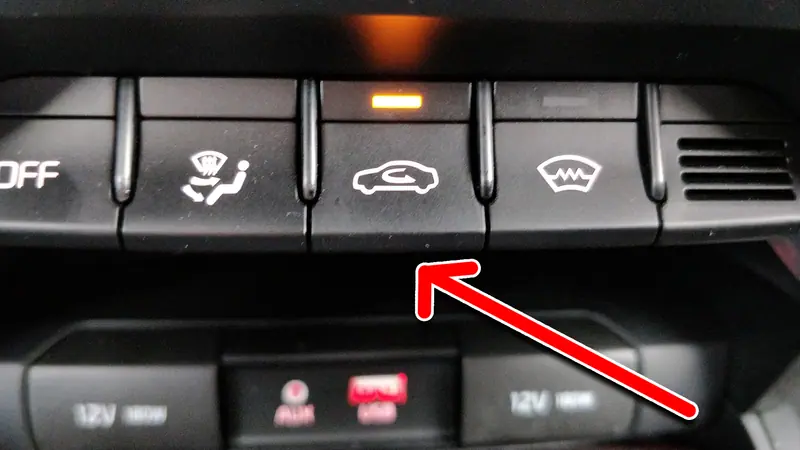
To clear fogged-up windows, turn off recirculation, direct the vents toward the windshield, and increase the fan speed. Keep the heat and air conditioning running together.
The heater warms the glass, while the air conditioner removes moisture from the air. Fresh air from outside gradually replaces the humid air trapped inside the cabin.
There is one exception: in extremely cold weather, recirculation can help warm the cabin more quickly for a short time. Even then, switch back to fresh-air mode after a few minutes to help clear the windows.
Why You Shouldn't Wipe a Foggy Windshield With Your Sleeve
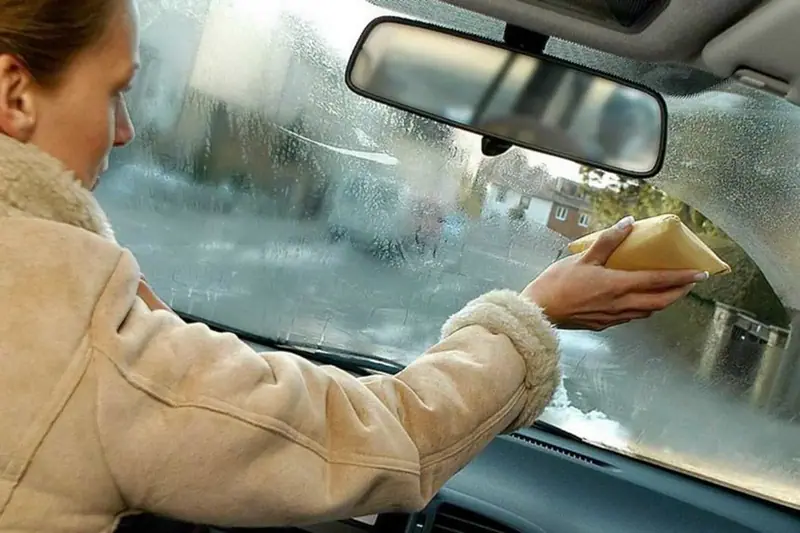
A common mistake is wiping a fogged windshield with a hand or sleeve and immediately pulling away. This may clear a narrow patch directly in front of the driver, but it leaves much of the surrounding view obscured. Pedestrians, vehicles in adjacent lanes, and hazards along the roadside can remain hidden.

Wiping the glass by hand can also leave behind oily smears. At night, those streaks scatter light from headlights and streetlights, creating additional glare and making it harder to see.
A safer approach is to direct airflow onto the windshield and wait until visibility is fully restored before driving. If condensation is especially heavy, remove the excess moisture with a clean microfiber cloth before using the defroster.
How a Cabin Air Filter Affects Window Fogging
The cabin air filter does not remove moisture from the air by itself, but its condition can affect how quickly your windows clear.
The filter traps dust, soot, pollen, and other airborne particles. Over time, it becomes clogged, restricting the amount of air that can pass through the ventilation system. Even with the fan running at full speed, less air may reach the windshield, slowing the process of warming and drying the glass.
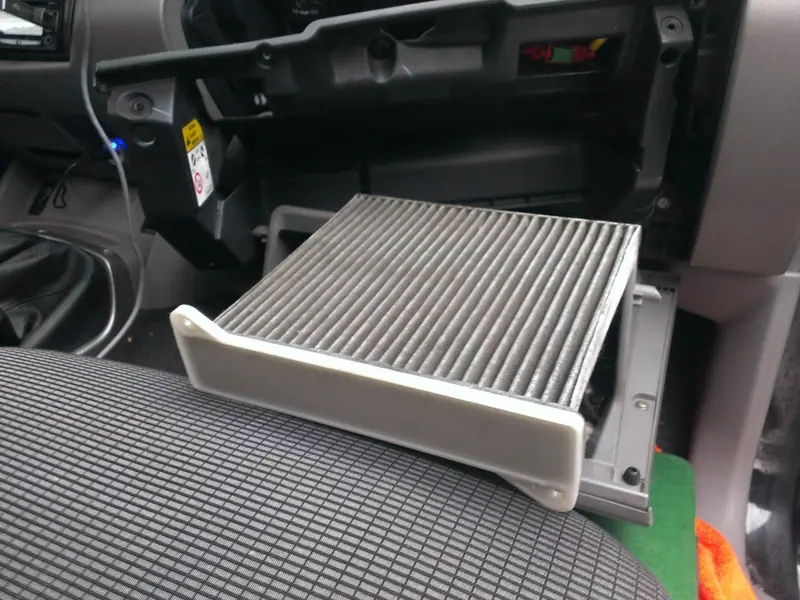
A worn or clogged filter can cause several noticeable symptoms. The blower may sound loud while producing only a weak stream of air, the windows may take unusually long to clear, and the ventilation system may produce a musty smell. Moisture trapped in the filter can also contribute to unpleasant odors inside the system.
Replacement intervals vary by vehicle manufacturer. Many cabin air filters are replaced once a year, with typical mileage intervals ranging from about 9,000 to 19,000 miles.
Fall leaves, dust from unpaved roads, urban soot, and frequent trips through tunnels can clog a filter much sooner. If airflow has weakened or the windows consistently take too long to defog, checking the cabin air filter is a sensible place to start.
You may also be interested in the news:
VIN-Based Auto Parts Lookup: Where Buyers Make the Most Mistakes
A VIN helps identify the right replacement part for your vehicle, but it cannot account for every change. Here’s what sellers need to know.
Why Experienced Drivers Put Socks on Their Car Mirrors in Fall: The Clever Trick Explained
An old pair of socks can help reduce frost buildup on your side mirrors overnight, saving time on cold mornings when every minute counts.
How to Clean Your Windshield Without Streaks: Experts Recommend This Simple DIY Mix
The secret to a streak-free windshield comes down to the right cleaning solution, two microfiber cloths, and the proper drying technique.

Why Some Drivers Keep Bay Leaves in Their Cars — It’s Not Just About Superstition
Can a common kitchen spice help repel bugs, freshen your car’s interior, or even help you relax behind the wheel?
Cold Weather Can Leave You Stranded — 5 Things Every Driver Should Have in Their Car
The first hard freeze can catch drivers off guard. Here's what to keep in your vehicle and how to prepare your battery, tires, and fluids for colder weather.