
8 Car Maintenance Mistakes That Could Cost You Thousands if You Wait Too Long
Depending on driving conditions, some maintenance tasks may need to be performed sooner and more often than the automaker recommends.
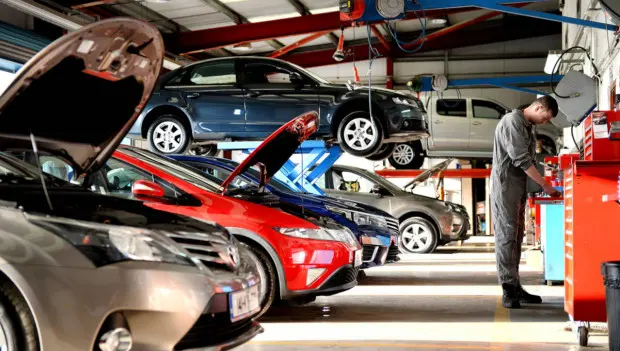
Many automakers recommend maintenance at intervals based on mileage, but the right schedule depends on how a vehicle is driven. Keeping ownership costs down is important, yet plenty of cars spend their lives in demanding conditions that can accelerate wear. Engine oil, timing belts, brake pads, and other components may need attention sooner than the standard maintenance schedule suggests.
What Counts as Severe Driving Conditions?
Common examples include:
-
Frequent trips shorter than 5 miles
-
Repeated cold starts in low temperatures
-
Driving with a fully loaded vehicle
-
Frequent city driving in stop-and-go traffic
-
Driving in mountainous terrain
-
Dusty roads and dusty environments
-
High ambient temperatures
1. Engine Oil: Mileage Matters
If you mostly drive on open highways with light loads, following the manufacturer's oil change schedule may be sufficient. When driving conditions are more demanding, more frequent oil changes may be necessary.
For drivers who rack up miles quickly, one option is to follow the automaker's recommended service schedule while under warranty and change the oil independently halfway between scheduled services. For example, if the recommended interval is 9,300 miles, an additional oil change around 4,650 miles can provide extra protection under severe conditions.
Drive fewer than about 4,350 miles a year? An annual oil change may be sufficient, provided it aligns with the manufacturer's recommendations.
Choose oil with the SAE viscosity grade and API or ACEA performance specifications required by the automaker. In some climates, seasonal temperature changes may affect which approved viscosity is appropriate, but always follow the owner's manual rather than switching grades based on season alone. Replace the oil filter with every oil change, using an original-equipment part or a reputable equivalent.
2. Engine Air Filter: Operating Conditions Matter
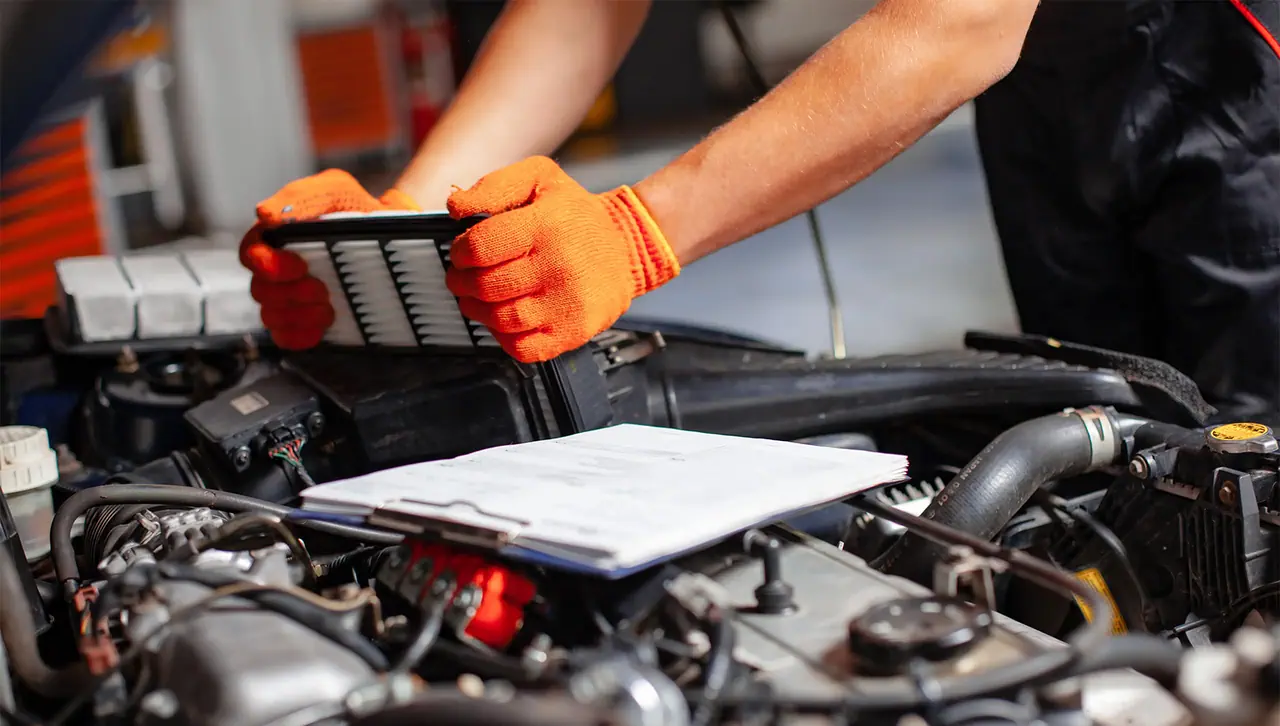
Replace the engine air filter based on its condition and the manufacturer's service recommendations, not mileage alone.
A car driven in heavy city traffic may cover relatively few miles while spending many hours running and drawing in airborne contaminants. Drivers in large cities and those who regularly travel on dusty roads may need to replace the filter more frequently.
When installing a new filter, clean the air-filter housing and make sure the element fits correctly. A poor seal can allow unfiltered air to enter the engine.
3. Spark Plugs: Don't Replace Them Too Early—or Too Late
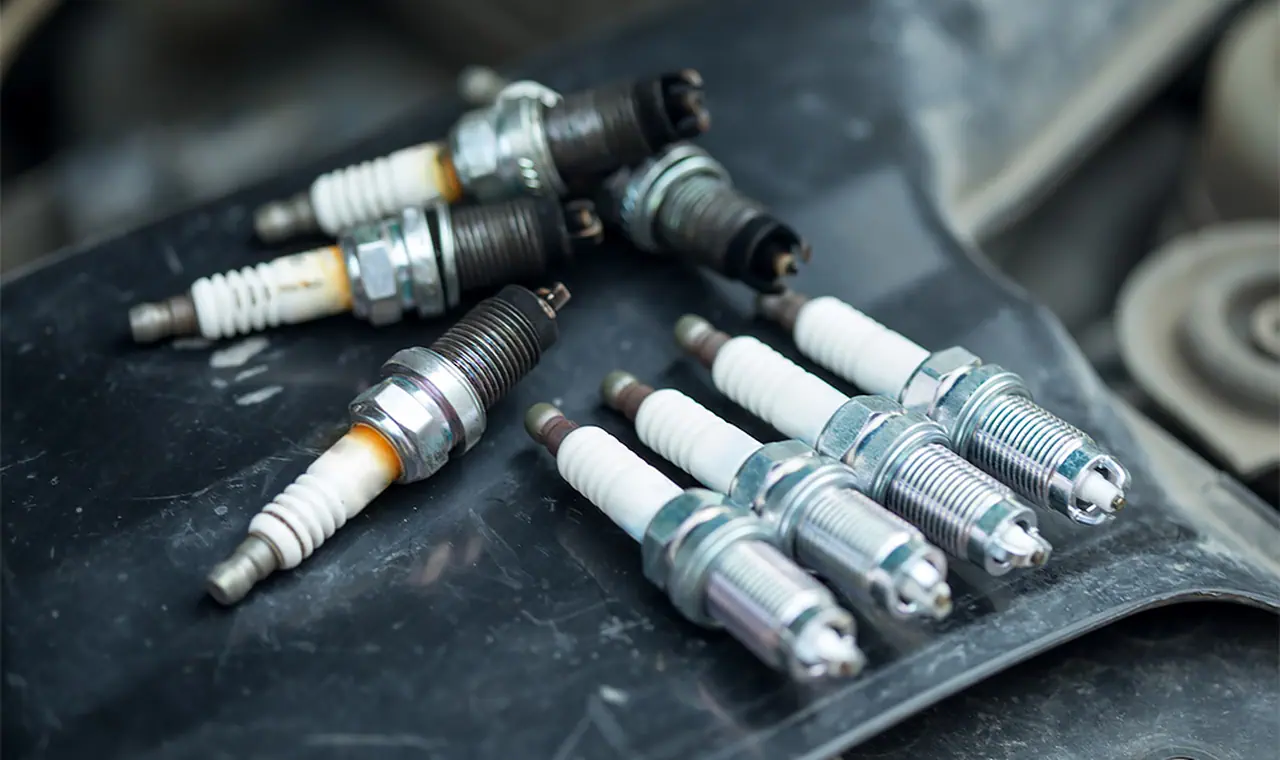
Replacing spark plugs before they're due can mean spending money unnecessarily. Suppose the maintenance schedule calls for replacement every 60,000 miles or four years. A driver who covers only 3,000 to 6,000 miles annually may still be advised to replace the plugs at the four-year service.
However, spark plugs don't last forever. Their service life depends on the electrode material, engine design, and operating conditions. Follow the manufacturer's mileage and time recommendations rather than agreeing to replacement simply because a shop suggests it.
Driving too long on worn plugs can cause poor engine performance, increased fuel consumption, and misfires. As the electrode gap grows, the ignition system must generate higher voltage, which can put additional strain on ignition coils. In severe cases, a damaged spark plug can also harm the engine.
4. Timing Belt Replacement: Don't Push the Deadline
Timing belt replacement should follow the manufacturer's specified mileage and time intervals. On many engines, a broken belt can cause extensive internal damage.
Even a car that rarely gets driven isn't exempt from age-related wear. Rubber deteriorates over time, so low mileage doesn't eliminate the need for replacement. Some manufacturers specify intervals of five to seven years, but the correct limit varies by engine. Check the owner's manual and don't exceed the recommended deadline.
5. Valve Clearance: Don't Skip Adjustments
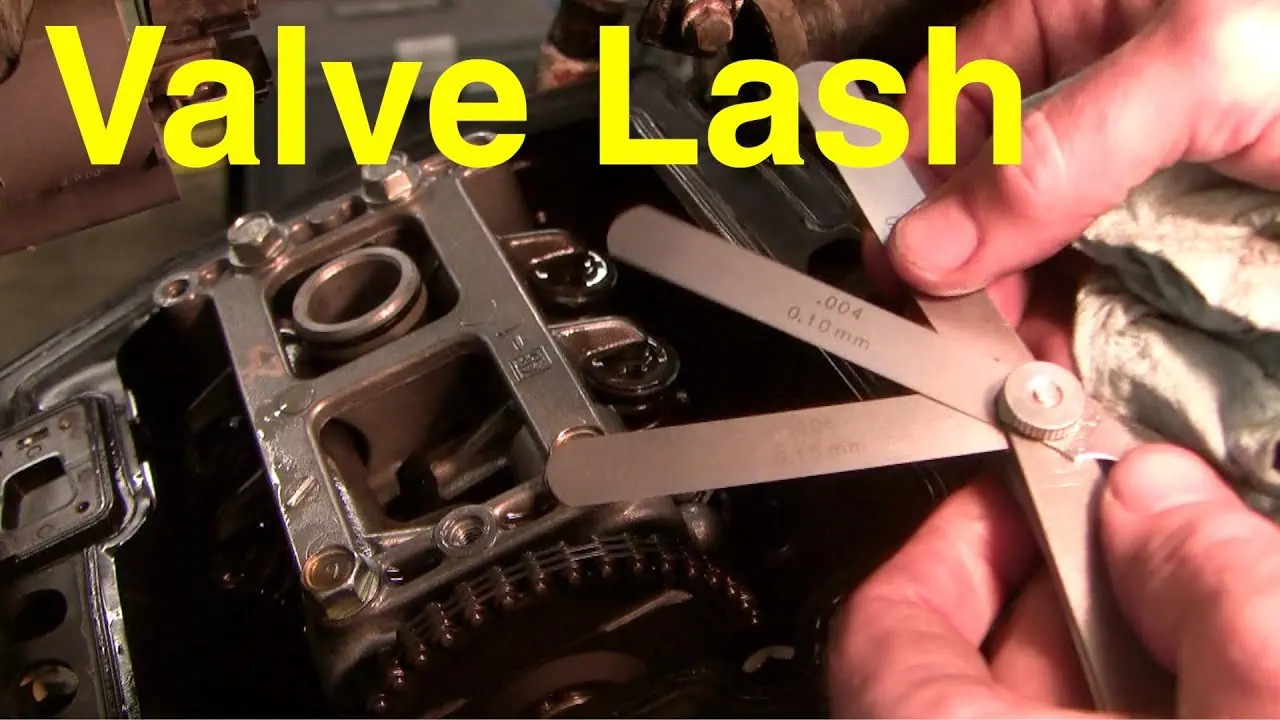
A quiet engine doesn't necessarily mean the valve clearances are correct. On some modern engines, clearances gradually decrease as components wear.
An exhaust valve with insufficient clearance may fail to close completely, causing it to overheat and potentially burn. Severe damage can follow if the valve fails.
Owners of vehicles equipped with aftermarket propane or natural gas systems should pay particular attention to valve-clearance requirements. Depending on the engine and installation, these systems can accelerate wear on exhaust valves and valve seats. Follow the engine manufacturer's inspection schedule and any additional guidance for the fuel system.
6. Transmission Fluid: It Doesn't Last Forever
Some automakers describe transmission fluid as a lifetime fill, meaning it isn't scheduled for routine replacement under specified operating conditions.
However, fluid can deteriorate over time due to heat, oxidation, and contamination. For some vehicles, replacing manual transmission fluid or automatic transmission fluid around every 40,000 miles may be appropriate, particularly under severe driving conditions. Others require different intervals or specific fluids.
If you drive very little, a time-based service interval may still apply. Check the owner's manual before deciding when to change the fluid, and never assume that one interval fits every transmission.
For rear-wheel-drive and all-wheel-drive vehicles, differential and transfer-case fluids also need attention according to the manufacturer's schedule. These components rely on the correct lubricant to protect their gears and bearings, especially under heavy loads or demanding driving conditions.
7. Cabin Air Filter: Consider Cleaning the A/C System, Too
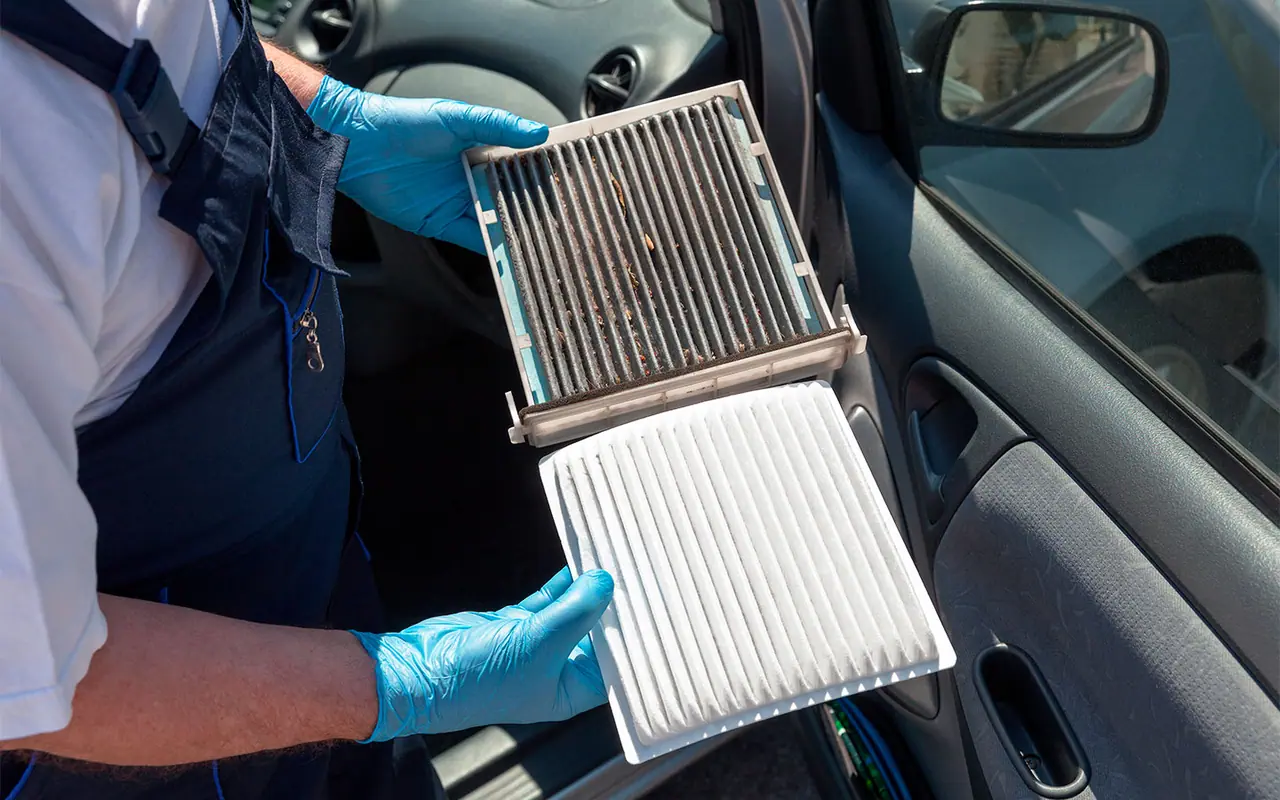
The cabin air filter helps keep dust and other airborne particles out of the passenger compartment. If you regularly drive in heavy traffic or dusty conditions, you may need to replace it more often than the standard schedule recommends.
When replacing the filter, vacuum the filter housing and the accessible air duct carefully. This can also be a convenient time to have the air-conditioning evaporator inspected and cleaned if there are signs of odor or microbial buildup. The cabin filter sits upstream of the evaporator in many systems, but replacing it alone doesn't clean the evaporator.
8. Inspect the Suspension and Undercarriage Regularly
Have the vehicle inspected on a lift at least once a year, or more often if you notice unusual noises, vibrations, steering changes, or uneven tire wear.
Engine or transmission problems can leave you stranded, but serious failures in suspension, steering, or braking components can directly affect your ability to control the vehicle.
Pay particular attention to the brakes and steering system. If you notice unusual handling, excessive play in the steering, grinding noises, or changes in braking performance, arrange an inspection promptly rather than waiting for the next scheduled service.
You may also be interested in the news:
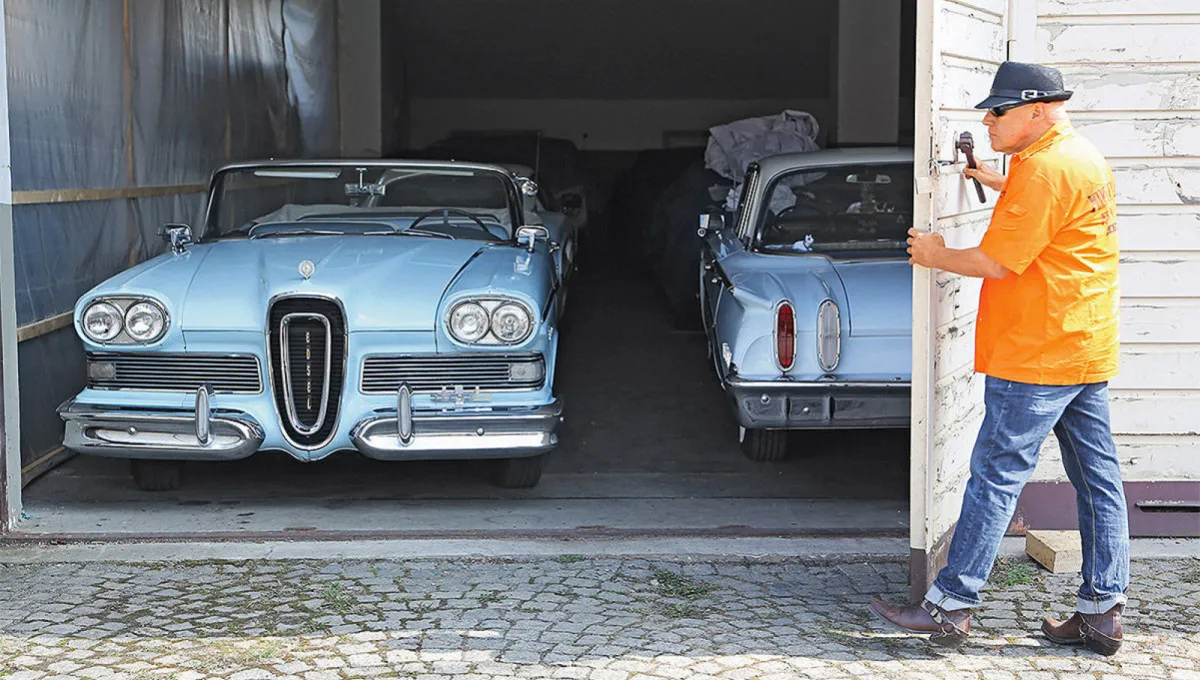
How Long Will Your Car Last? A Guide to Making It Age Gracefully
Automotive experts explain how routine maintenance and timely replacement of aging components can help your car last longer.

Common Car Problems on the Road and How to Handle Them Yourself
A breakdown far from home can leave any driver stranded. Here’s how to assess the problem and decide what to do next.
Experienced Drivers Share Their Best Car Hacks: Better Visibility, a Cleaner Backup Camera, and Battery Care
Simple DIY fixes can improve visibility, protect your car’s finish, and make routine repairs easier without expensive tools or parts.

Your Car Key Has a Hidden Summer Feature—Here’s How to Open Your Windows Without Getting Inside
Holding your car key’s unlock button may lower the windows remotely, helping release heat before you climb inside.

Drivers Are Seeing Strange Pink Signs on the Road—What They Say Is Surprising Everyone
A new roadside campaign uses personalized messages to praise safe drivers, offering a different approach to speeding warnings.