
Car Won’t Start When Temperatures Drop? 4 Battery Checks Every Driver Should Make in October
A few simple battery checks in October can help prevent cold-weather starting problems when winter temperatures arrive.
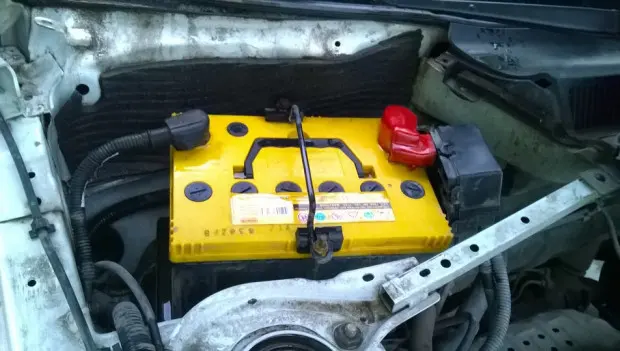
The first frosty morning of the season can leave drivers stuck with a car that refuses to start. Cold temperatures slow the chemical reactions inside a lead-acid battery, reducing its ability to deliver the power needed to crank the engine. Even a fully charged battery can produce significantly less starting power at temperatures between 5°F and -4°F. Meanwhile, cold, thickened engine oil creates additional resistance, forcing the starter to work harder.
Checking your car’s electrical system in the fall can help reduce the chances of being stranded when winter arrives.
How to Check Your Battery Before Freezing Weather
Before temperatures drop, experts recommend checking several key factors that affect battery performance and engine starting.
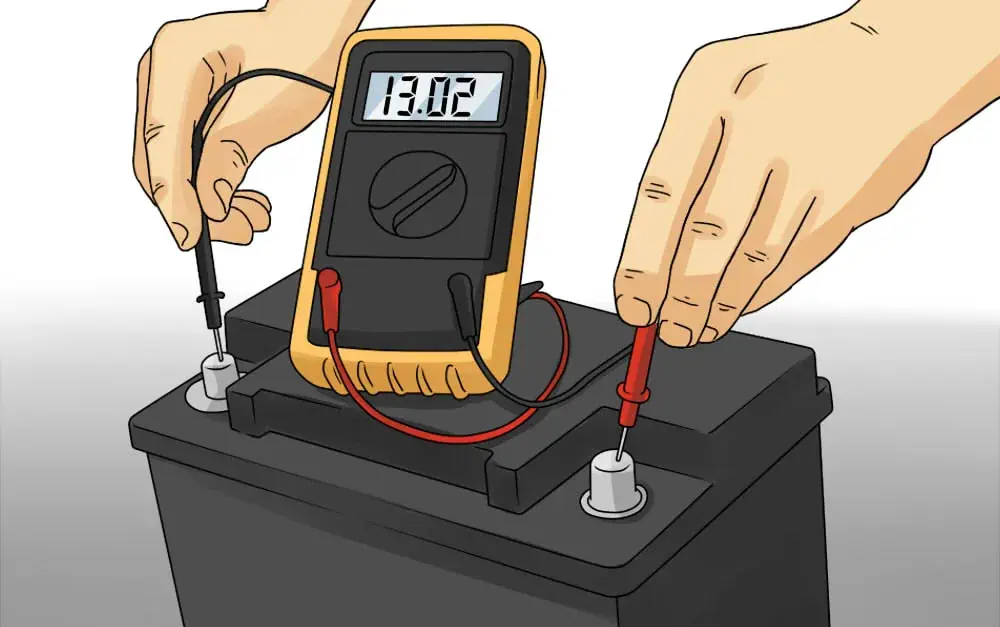
1. Check the Battery Voltage
Measure the battery voltage a few hours after driving, once the battery has had time to rest. This provides a better indication of its state of charge.
-
12.6–12.7 volts: The battery is generally fully charged.
-
Around 12.4 volts: The battery is approximately 75% charged.
-
12.2 volts or lower: The battery likely needs to be recharged.
These readings are general guidelines for a typical 12-volt lead-acid battery. Battery condition and temperature can affect the results.
2. Inspect the Battery Terminals
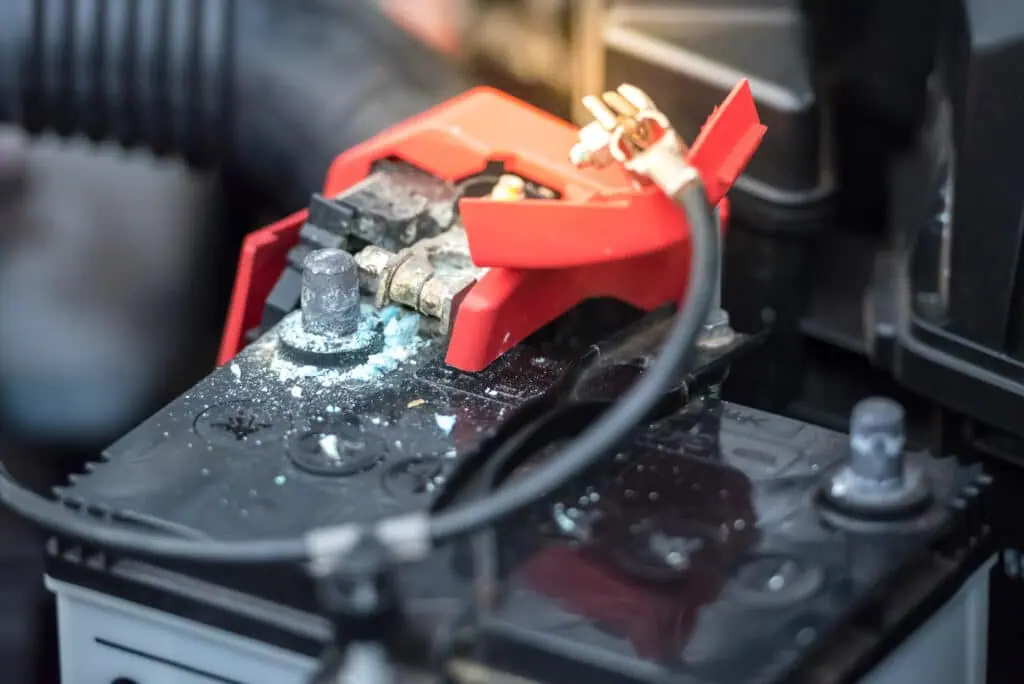
Corroded battery connections can restrict electrical current and make starting the engine more difficult. A white or greenish buildup around the terminals is a common sign of corrosion.
Clean the terminals periodically and make sure the connections are secure. Before disconnecting the battery for cleaning, follow the vehicle manufacturer’s safety instructions to avoid damaging electrical components or creating a safety hazard.
3. Make Sure the Alternator Is Charging the Battery
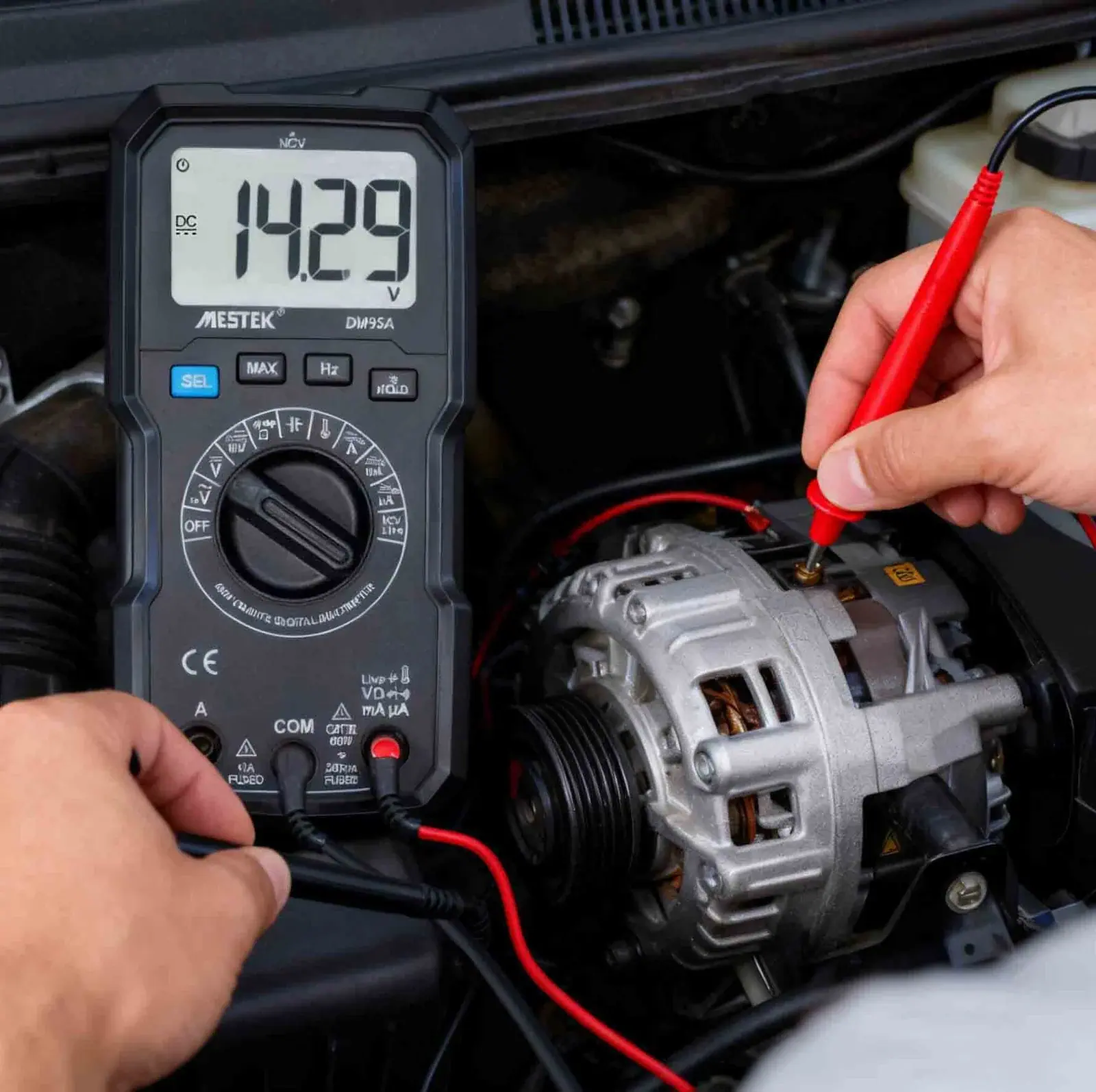
Even a healthy battery can lose its charge if the alternator isn’t supplying enough power. A multimeter can help you check the charging system.
With the engine running, battery voltage typically falls somewhere between 13.8 and 14.5 volts. If the reading stays close to 12 volts, the charging system may not be working properly and should be inspected.
4. Consider How Long You Drive
Frequent trips lasting just 10–15 minutes may not give the battery enough time to recover the energy used to start the engine. This is especially true when the headlights, heater, heated seats, and other power-hungry systems are running at the same time.
During colder months, check the battery’s charge periodically. If necessary, use a compatible battery charger to restore it.
When Is It Time to Replace the Battery?
Recharging won’t always solve the problem. An aging battery may have lost too much of its original capacity to reliably start the engine.
Watch for these warning signs:
-
The battery voltage drops quickly after charging.
-
The starter turns the engine over slowly.
-
The battery case has visible bulges or cracks.
Battery age also matters. If yours has been in service for more than four to six years, consider having it tested with professional equipment to determine its remaining capacity and starting performance.
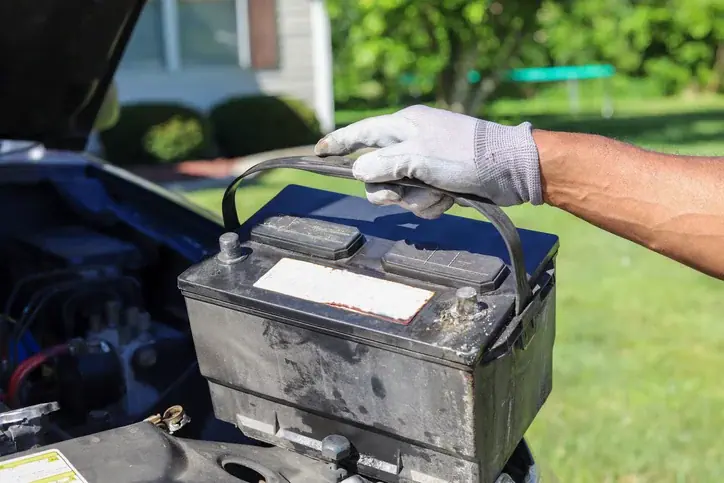
Choosing the Right Replacement Battery
When buying a replacement, follow the specifications recommended by your vehicle’s manufacturer. Check the battery’s capacity, cold-cranking performance, physical dimensions, terminal polarity, and battery type.
Cars equipped with stop-start systems may require an Enhanced Flooded Battery (EFB) or an Absorbent Glass Mat (AGM) battery, depending on the specific model.
Taking care of these checks in October can help you catch potential problems before freezing weather puts your battery to the test.
You may also be interested in the news:
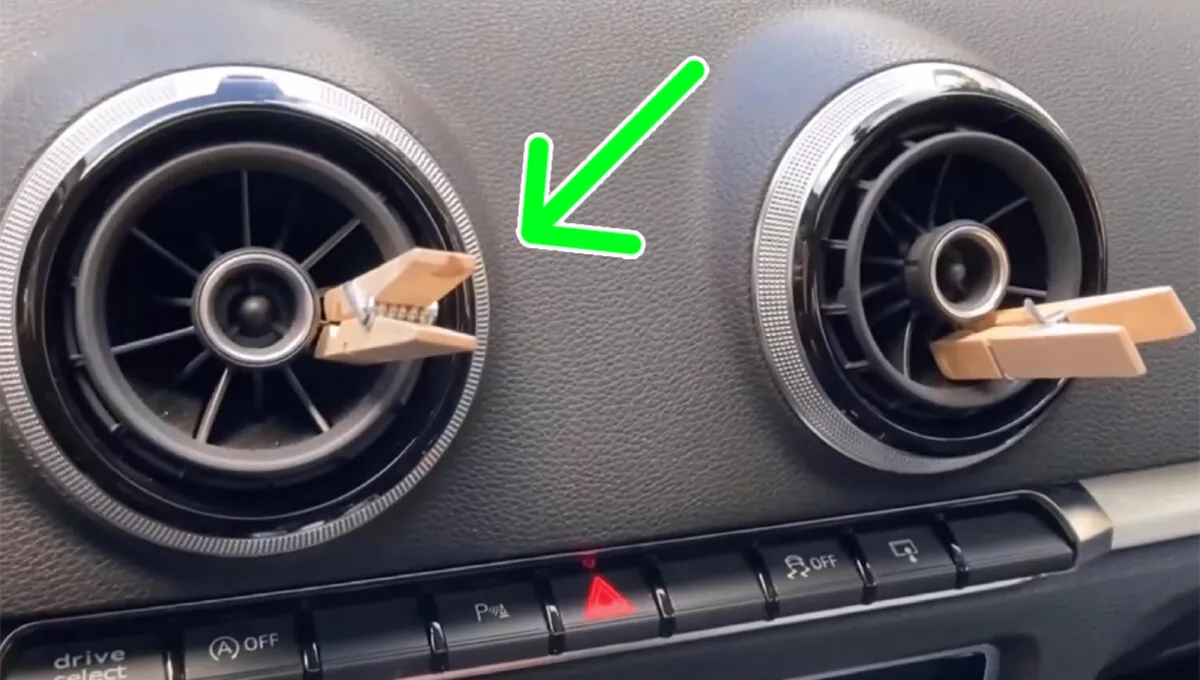
Why Experienced Drivers Keep a Simple Wooden Clothespin in Their Cars
A wooden clothespin clipped inside a car might look out of place, but some drivers use it for several surprisingly practical purposes.

How to Get Your Car Ready for Cold Weather: A Complete Fall Checklist
Falling temperatures, heavy rain, and shorter days make fall the ideal time to prepare your car for safer winter driving.
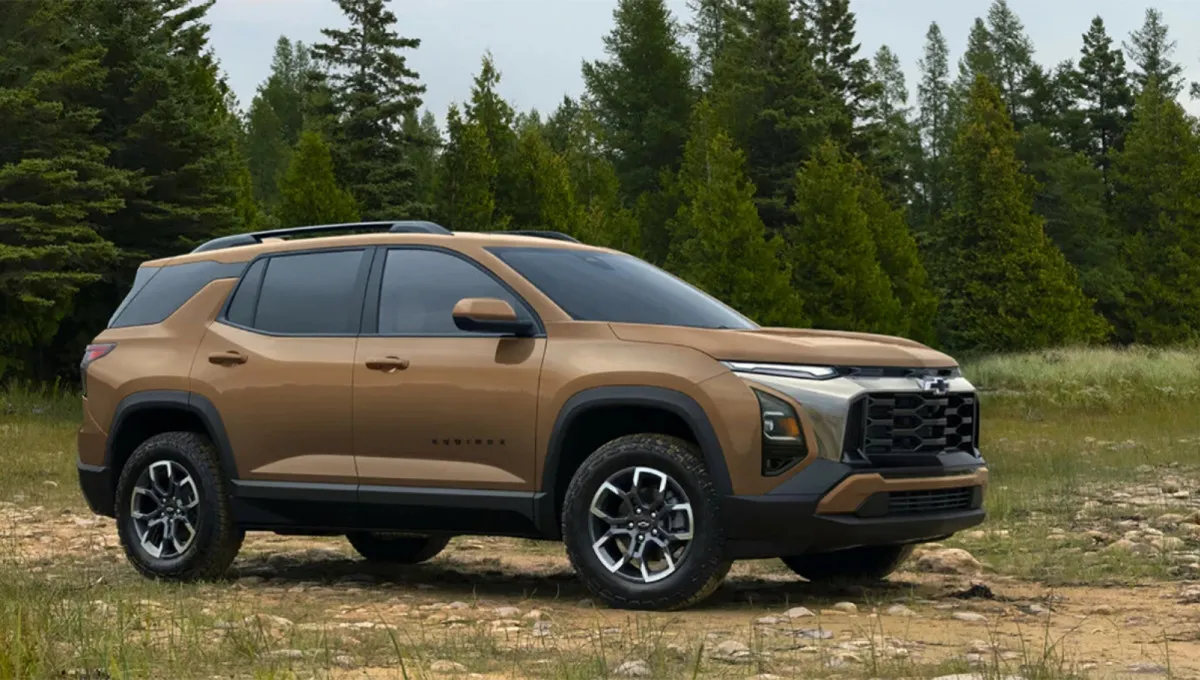
2027 Chevrolet Equinox Drops Its CVT, but Prices Go Up Across the Lineup
Chevrolet has unveiled the updated 2027 Equinox in the U.S., replacing its CVT and raising prices across the lineup.

The 2027 Honda Civic Just Got More Premium — And It Still Starts Under $27,000
Honda has updated the Civic for the U.S. market, adding premium features and new driving technology without significantly raising prices.
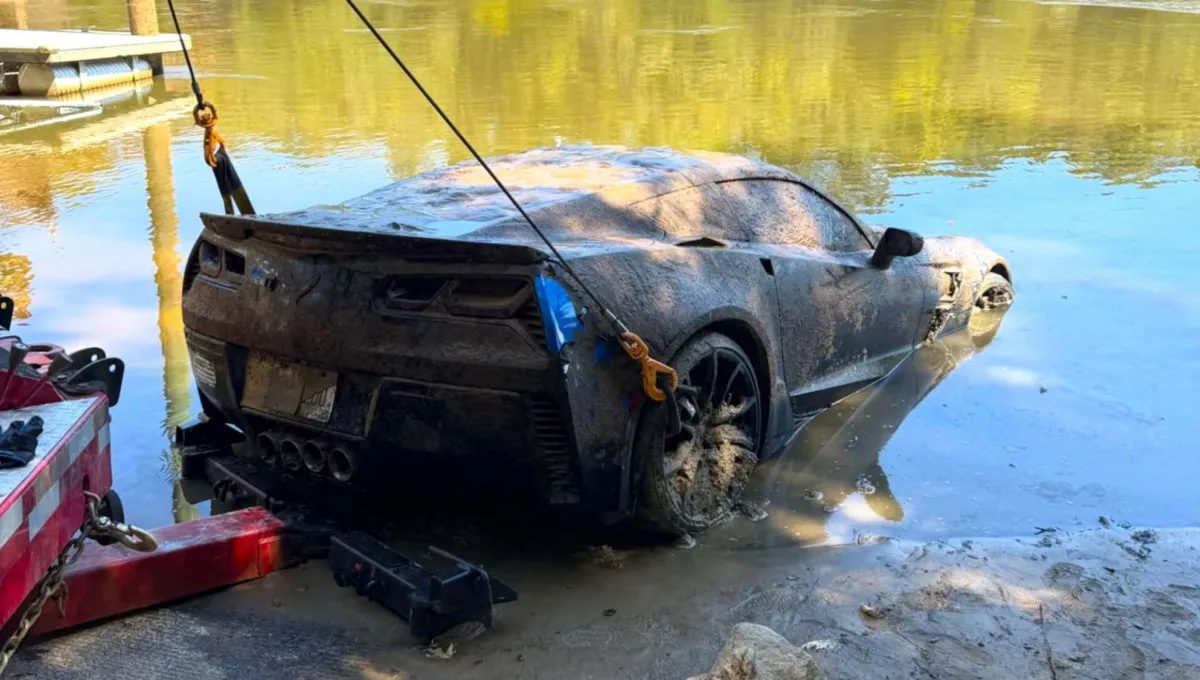
Stolen Corvette C7 Found at the Bottom of a Georgia River Nearly Six Years Later
A social media post helped identify a submerged Corvette Grand Sport and connect it to a theft reported in 2020.