
Stellantis Patents System That Lets an EV Drop Its Battery and Drive Away
A new patent details an emergency system that could let an EV disconnect its high-voltage battery and move away from danger.
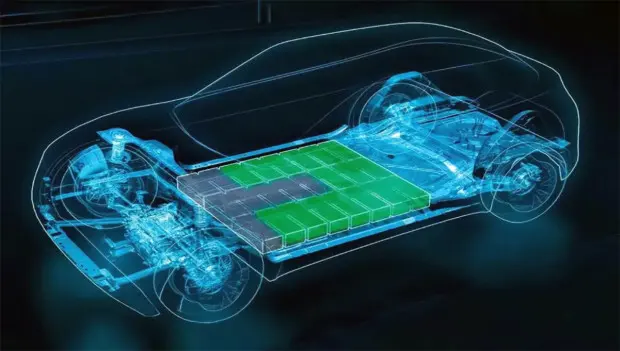
Stellantis has patented an unusual emergency safety system for electric vehicles that would physically disconnect the high-voltage battery if it overheats, is damaged, or poses a fire risk. Once the battery is separated from the vehicle, the EV could use its 12-volt battery to move away from the potentially dangerous pack.
The U.S. Patent and Trademark Office published the patent, titled “Quick Release System for High Voltage Battery for a Vehicle,” on September 17. FCA US, part of Stellantis, is listed as the applicant and assignee.
The document describes a mechanism designed to respond when a high-voltage battery overheats, becomes damaged, or creates another thermal hazard. Rather than simply trying to cool the battery, the system would disconnect it from the vehicle entirely.
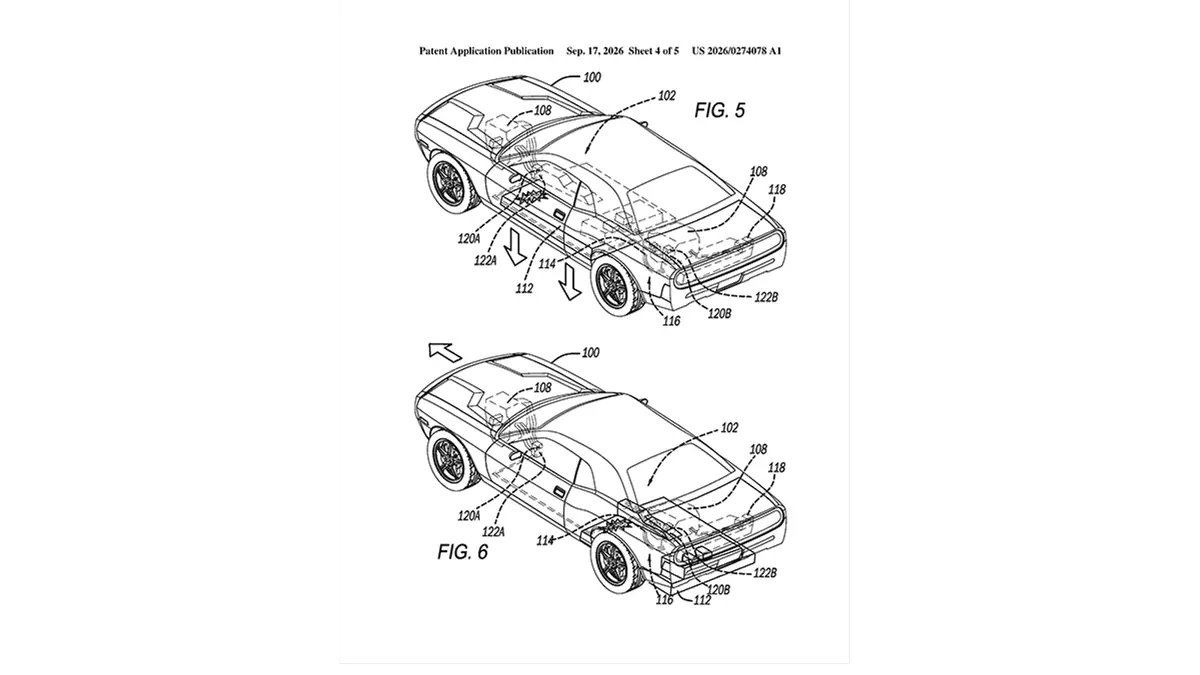
The mechanism could be activated by the driver, passenger, first responder, or another person using a dedicated switch. Once activated, the system would disconnect the high-voltage battery from the vehicle’s electrical system and trigger a mechanism that physically separates the battery pack from the vehicle.
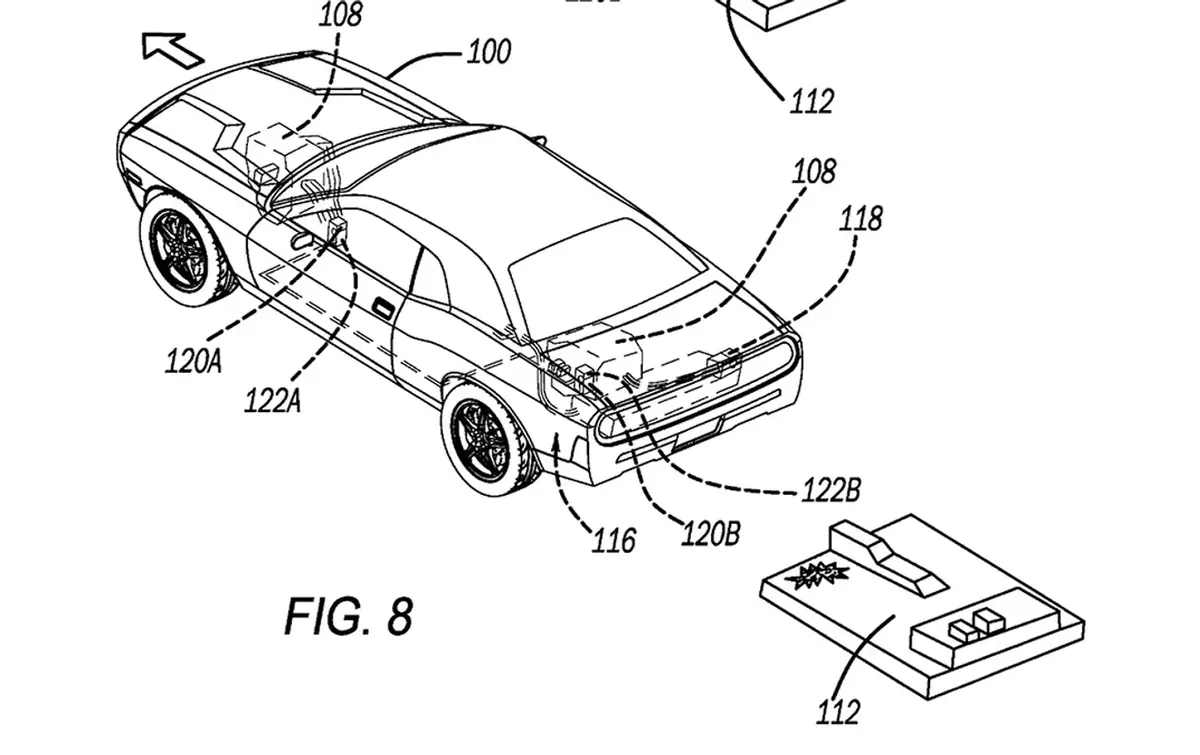
The patent describes several possible versions of the release mechanism. Some could use movable sections of a sliding frame, while others could rely on pyrotechnic devices to separate the battery pack from the vehicle. Stellantis also envisions multiple locations for the activation switches, including one inside the cabin and another in the cargo area.
That would allow the system to be activated from either inside or outside the vehicle. The switches could also take different forms, ranging from a conventional lever or physical button to a touch-sensitive control or toggle switch. The approach could potentially be adapted to different vehicle designs and packaging layouts.
Once the high-voltage battery has been disconnected, the patent says the vehicle could use its 12-volt battery for limited movement. A separate controller would manage the electric motor after the primary power source has been disconnected.
The idea is to move the vehicle away from the battery after it has been released, reducing the risk posed by a pack that could potentially catch fire. The patent does not specify how far the vehicle would be able to travel under its own power. The system appears intended for a short relocation rather than extending a normal drive after the main battery has been removed.
The patent also suggests that the system could be used across multiple types of vehicles. That does not mean Stellantis has decided to put the technology into production.
It remains unclear how far development has progressed or whether Stellantis plans to install the mechanism in future EVs. The company also has not disclosed the system’s technical limitations, including the exact distance a vehicle could travel after its high-voltage battery has been disconnected.
You may also be interested in the news:
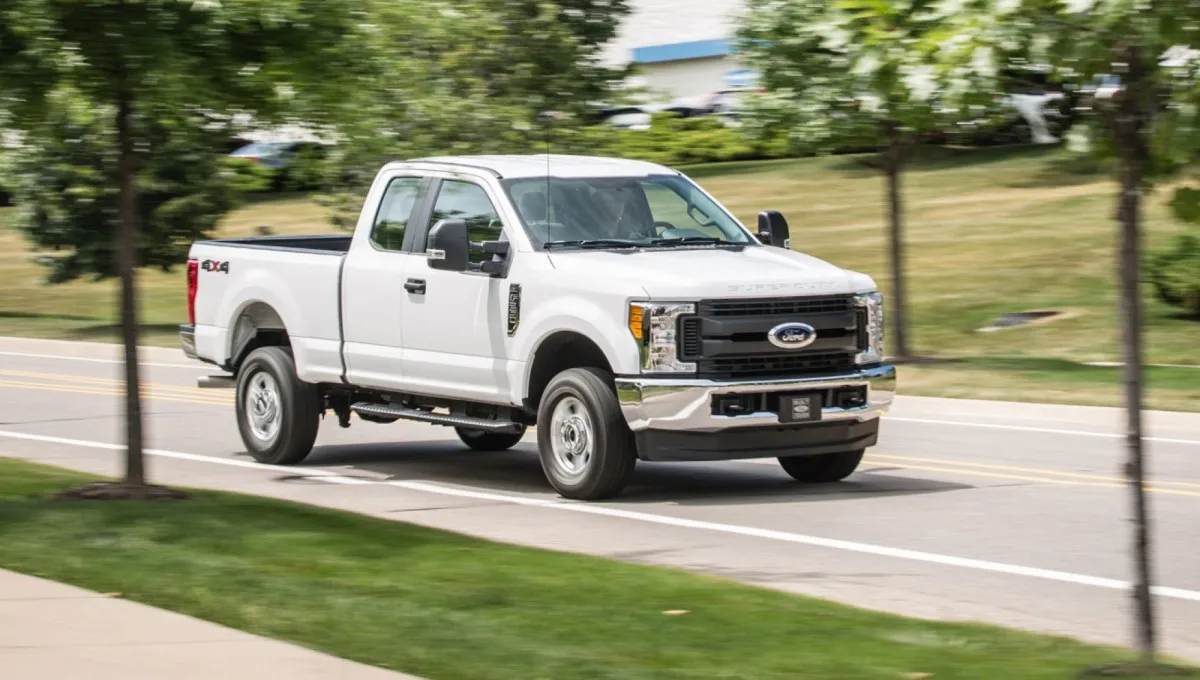
41,748 Ford SUVs and Trucks Recalled—Your Headlights Could Suddenly Stop Working
Ford recalls 41,748 vehicles after contaminated LED chips threaten required headlight performance on newer models.

The Sheriff Knew She Was Speeding—Then This Blonde Driver Turned the Ticket Against Him
A sheriff pulls over a Ferrari for speeding, but the driver's bizarre logic quickly turns the traffic stop against him.
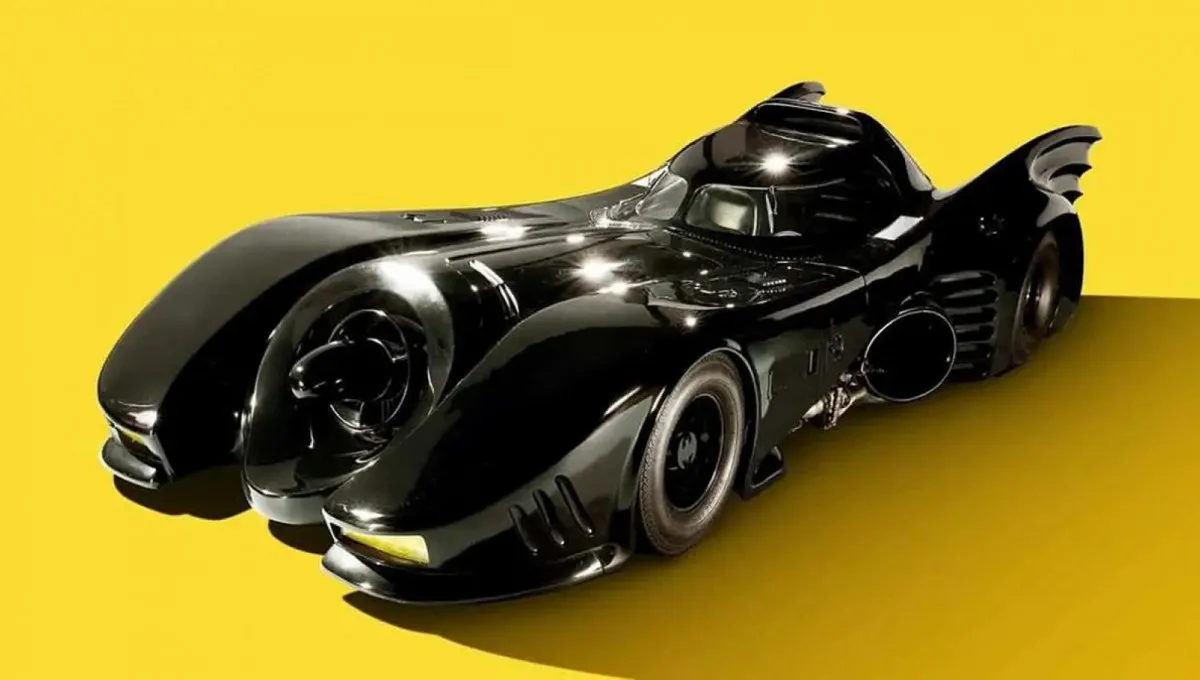
The Original Batmobile From Batman Returns Could Sell for $7 Million
The original 1992 Batmobile from Batman Returns is heading to a Los Angeles auction with a $7 million estimate.
Watch Your Fingers: Cadillac Recalls Nearly 30,000 New Optiq EVs Over Power Window Problem
General Motors is recalling 29,347 new Cadillac Optiq electric crossovers because of a potentially dangerous power-window malfunction.
The 10-Step Guide to Driving a Car When Absolutely Everything Goes Wrong
Driving an unfamiliar car through an unfamiliar city is easy when absolutely nothing makes sense.