
Tesla Cybercab Costs $29,990—and Comes With Strict Ownership Limits
A privately owned, self-driving Tesla Cybercab costs $29,990, but ownership comes with significant restrictions.
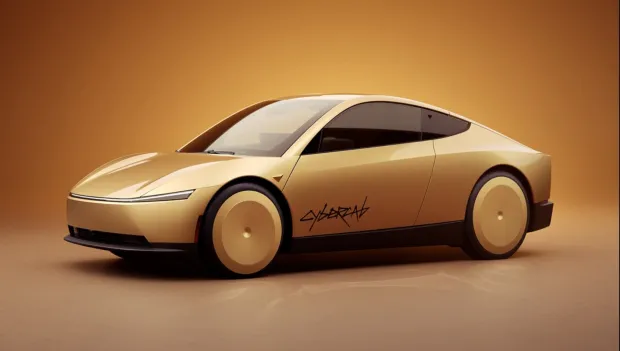
Tesla has begun offering select customers in the United States the option to buy a self-driving Cybercab electric vehicle for personal use, according to an unnamed automotive publication. The vehicle is priced at $29,990, excluding a mandatory $299 monthly subscription for its automated driving system.
Cybercab comes with significant restrictions
The EV's defining design feature is its complete lack of a steering wheel and pedals, making manual driving physically impossible. An active monthly subscription is required to operate the automated driving system, and placing a preorder requires a nonrefundable $1,000 deposit. Purchases are currently available by personal invitation only, and the vehicle has not yet completed the full certification process for the market.
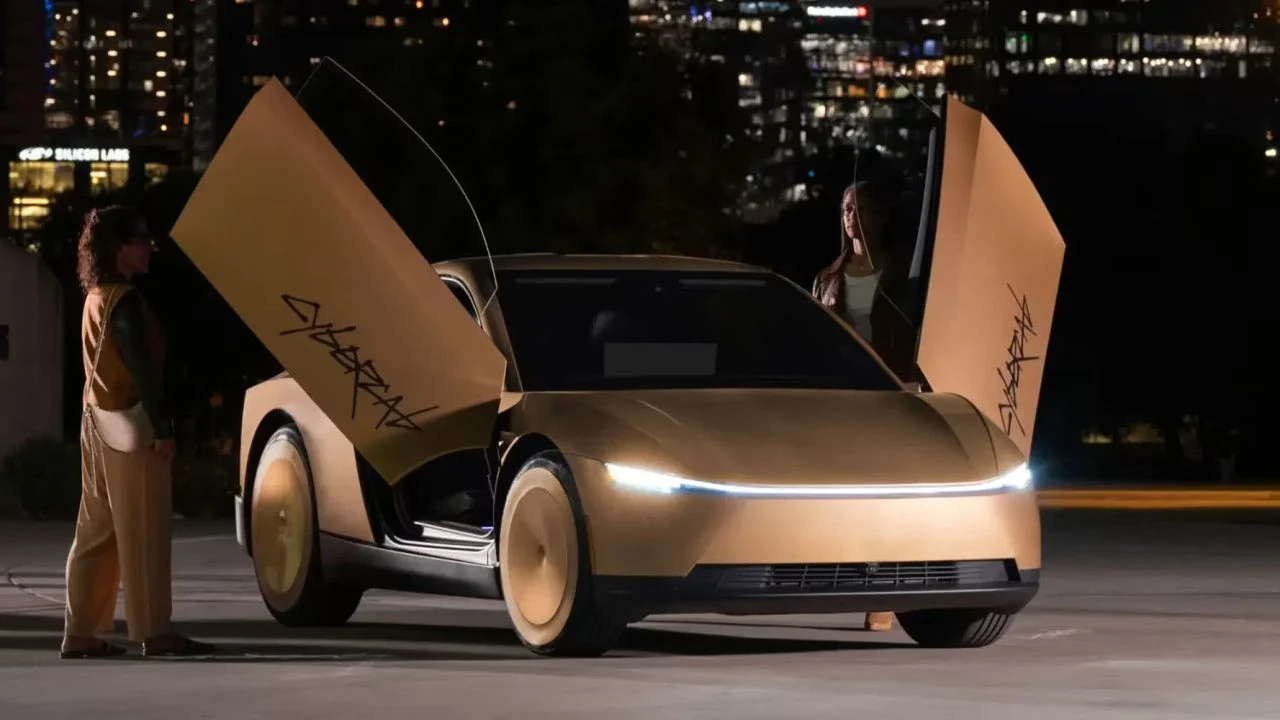
Buying a Cybercab does not guarantee unrestricted travel. Its automated driving system is currently permitted to operate only within designated metropolitan areas in Texas and Florida: Austin, Dallas, Fort Worth, Houston, San Antonio, Miami, Orlando, and Tampa. Travel beyond those boundaries, including on interstate highways, is blocked. The owner must also occupy a passenger seat inside the vehicle during every trip.
Strict contract terms impose further limits: Owners cannot repaint the vehicle, modify its exterior, or resell it without Tesla's prior approval. Commercial use is strictly prohibited, and the company reserves the legal right to remotely disable the vehicle. Owners are also fully responsible for insurance costs.
Is buying one worthwhile?
The $29,990 base price buys a two-seat vehicle with a spacious, 20-cubic-foot trunk. Although the $299 monthly fee is substantially less than the cost of hiring a professional driver, a conventional vehicle remains a more versatile means of transportation, without geographic restrictions or dependence on recurring subscription payments.
For some buyers, however, this arrangement makes sense. A privately owned self-driving vehicle can operate around the clock, letting owners travel comfortably with a companion without calling a taxi service. They cannot earn money by adding it to a robotaxi network, though: Tesla strictly limits the vehicle to private use.
For its part, the manufacturer is testing market demand for an experimental ownership model. Despite the appealing price, the buyer is getting not so much a conventional car as a commitment to a particular service—one entirely dependent on the company's infrastructure and strict rules.
You may also be interested in the news:
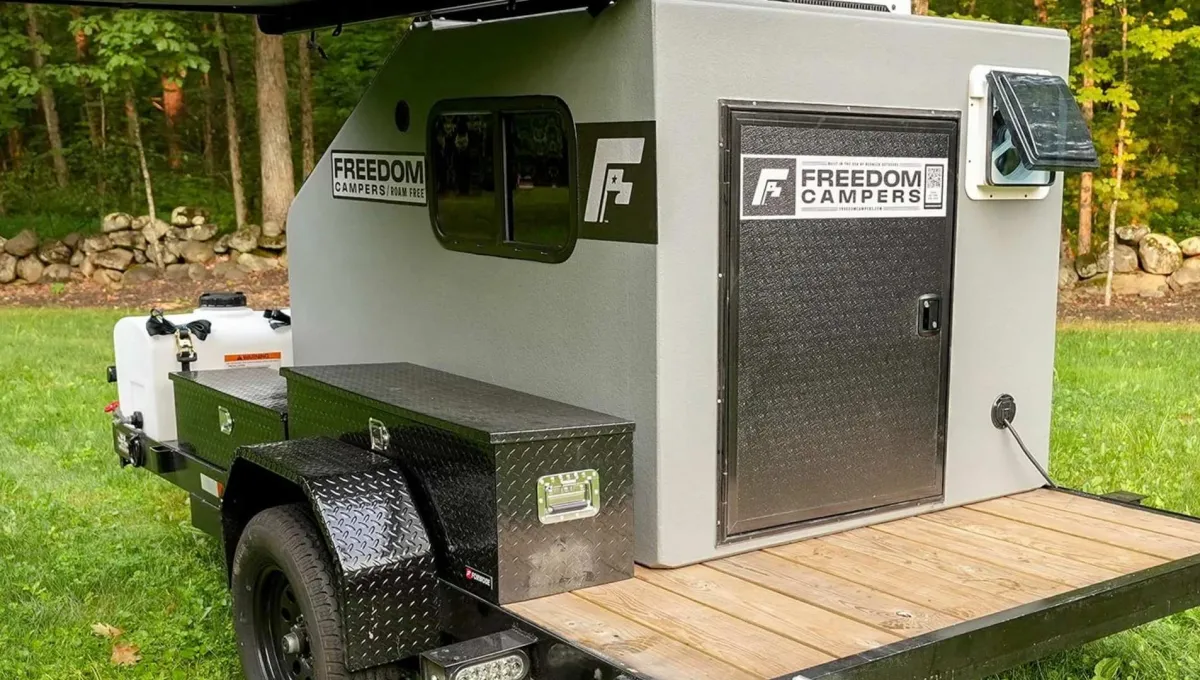
In the US, They Developed a Lightweight Living Capsule for Pickups and Trailers
Camper travel has grown steadily in popularity in recent years, and more companies in the segment are developing new products.
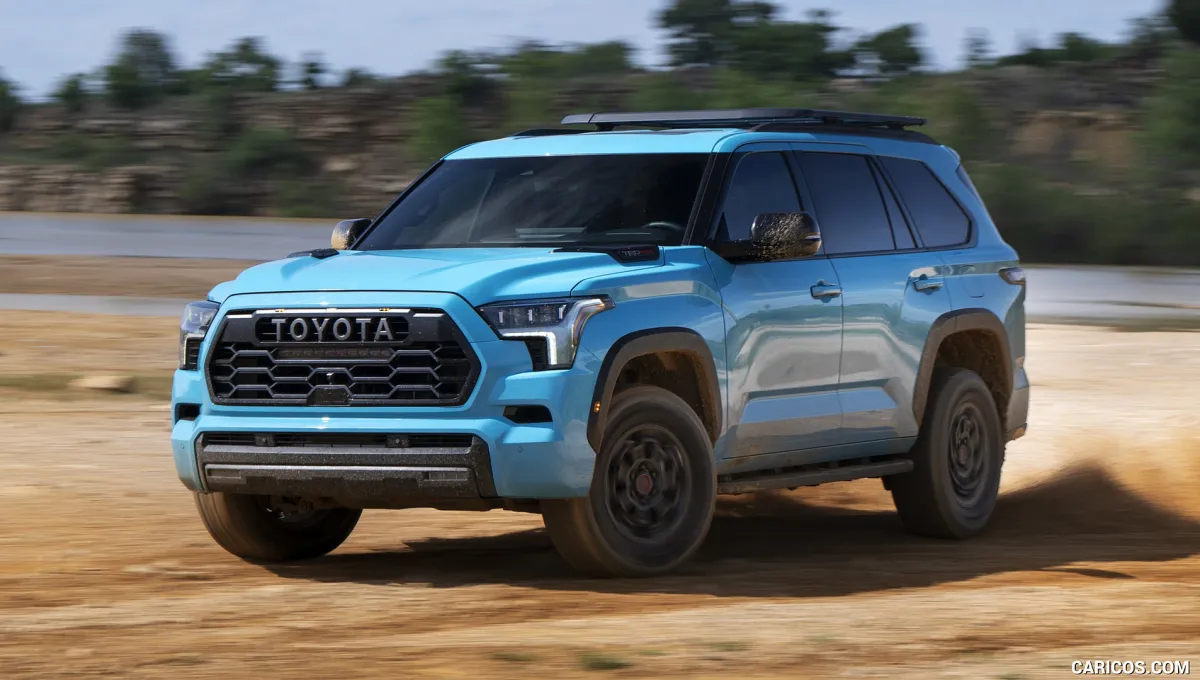
They Named 5 V8 Cars Capable of Covering More Than 250,000 Miles
These five vehicles with V8 engines have the potential to exceed 250,000 miles.
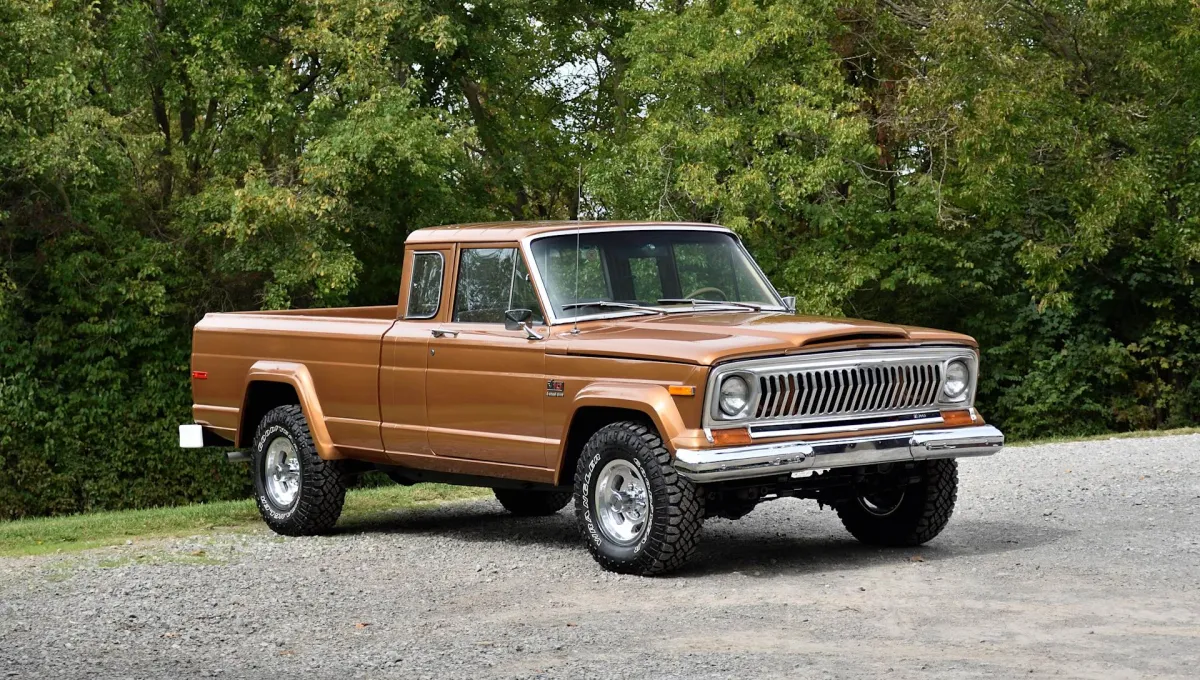
One-Off 1977 Jeep J10 Extended-Cab Prototype Heads to Its First Auction
Jeep's extended-cab J10 prototype escaped destruction and will reach auction after decades with one family.
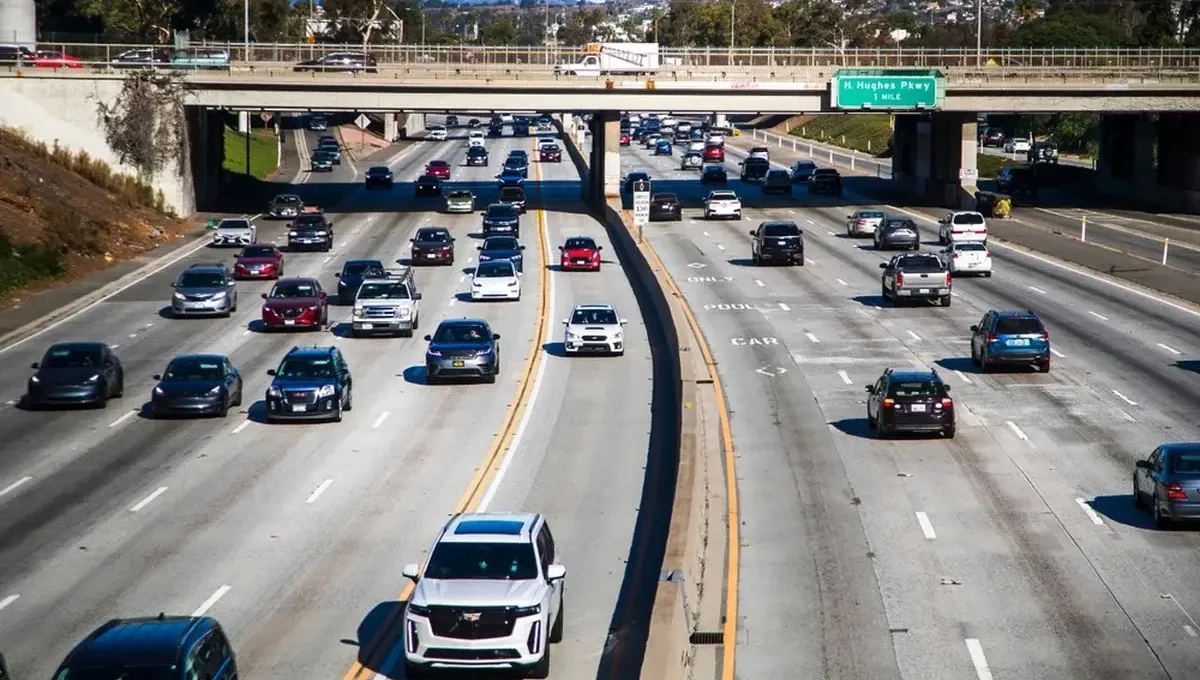
Study Finds the Cars Most Likely to Break Down After Three Years
A J.D. Power study identifies which vehicles have the most reported problems after three years of ownership.
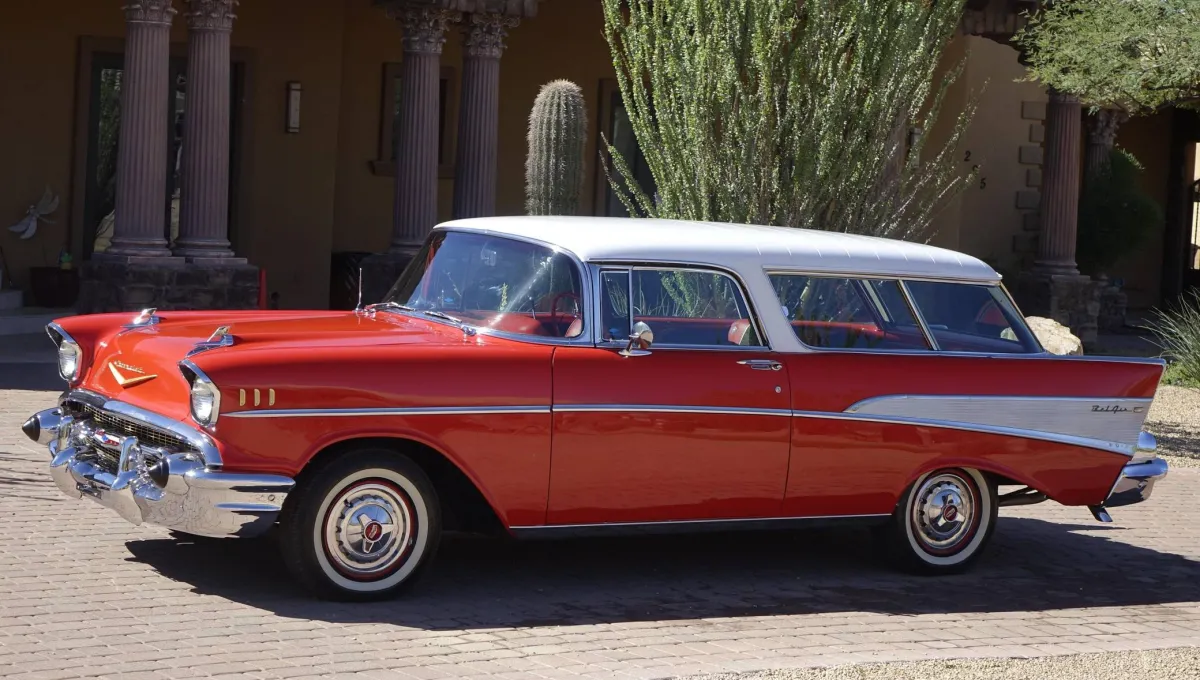
1957 Chevrolet Nomad With Crate V8 Heads to Auction After 200 Miles Under Current Owner
This 1957 Chevrolet Nomad pairs classic styling with upgraded V8 power and modern cabin comforts.