
A Winch for the Cybertruck: Why Self-Recovery Gets Complicated
Engineers always criticize other engineers.

Engineers always criticize other engineers, and Elon Musk, whom the author does not consider an engineer, gets considerably more scrutiny. Yet the machines he imagines keep taking shape.
Those products often deserve criticism, although some of it is simply chasing attention.
The Tesla Cybertruck is a case in point, and it is time to examine it through an engineer’s eyes rather than another round of breathless commentary. The focus here is serious off-road modification.
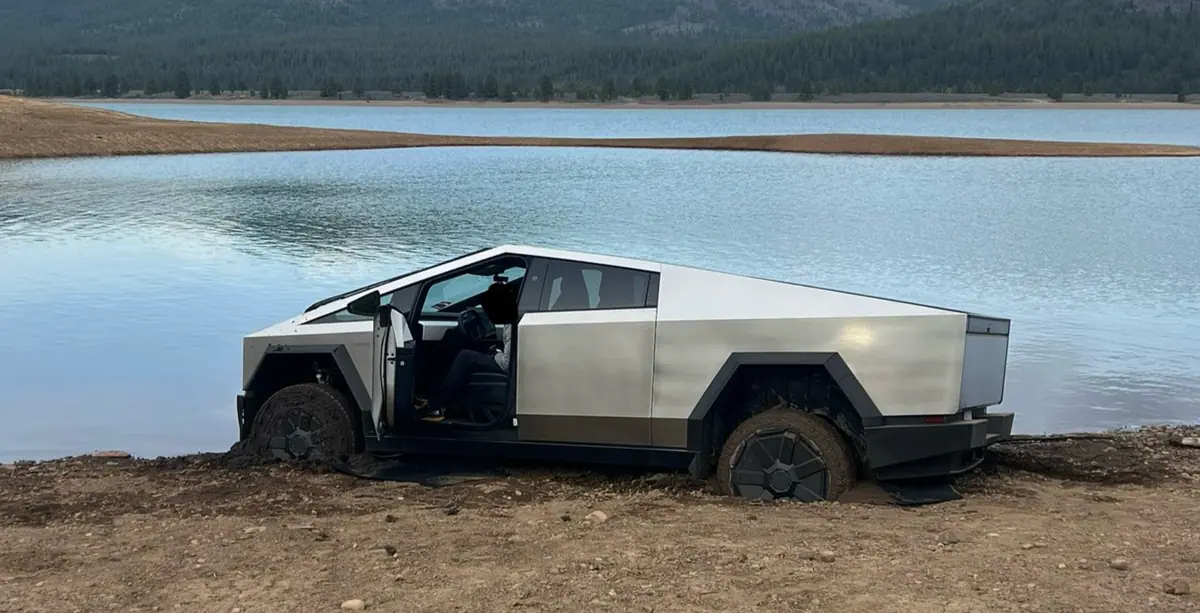
Anyone who has tackled a challenging trail has confronted the same question: What happens if I get stuck? Another vehicle will not always be there to help.
Recovering a roughly 4,400-pound SUV with a high-lift jack is slow, exhausting work, which makes at least one winch a necessity rather than a luxury for many off-roaders.
A heavy-duty bumper or expedition roof rack will not pull you out of a mud hole on its own.
So where does that leave the Tesla Cybertruck?
You might think the installation is straightforward: bolt on a mounting plate, connect positive and negative cables to the battery, and get moving. Tesla’s engineering makes that familiar recipe considerably more complicated.
The first obstacle is the Cybertruck’s 48-volt electrical system, rather than the 12- or 24-volt systems commonly associated with vehicle accessories.
How many electric winches have you seen that run at that voltage?
The second challenge is the chassis—or, more precisely, the absence of a conventional separate frame. This pickup takes a different structural approach.
Its outer shell uses stainless steel up to about 0.12 inch thick, with substantial cast-aluminum structures at the front and rear.
Those are just two of the issues apparent from online videos, so the discussion that follows is a hypothetical engineering exercise grounded in physics and structural mechanics. It is not an installation report.
48 Volts: Why a Conventional Electric Winch Is Not a Simple Fit
What access does the Cybertruck provide to its low-voltage system? The source identifies two accessory connections: a 400-watt point in the front trunk and a roof connection for an LED light bar.
The roof connection does not help this proposal, leaving the front-trunk connection as the starting point.
Its location is convenient, roughly where a conventional pickup carries its engine, but the available power is the real limitation.
The source puts the top Cybertruck version’s curb weight at about 6,900 pounds, rising to roughly 7,300 pounds with two occupants aboard. Recovering that much vehicle from a serious predicament calls for substantial pulling capacity.
The proposed minimum is a 12,000-pound winch, a familiar rating for heavy SUVs such as the Toyota Land Cruiser and Nissan Safari/Patrol.
A conventional WARN winch or comparable model in that class can draw at least 400 amps under heavy load, putting demand around 5 kW. Converting from 48 volts to 12 volts does not make that power requirement disappear.
At roughly 12 times the 400-watt accessory connection’s output, that demand leaves two broad options: add an intermediate energy reserve or find a higher-capacity power connection.
Start with the reserve-battery approach.
In a conventional combustion-powered off-roader, the vehicle’s batteries provide that reserve, with the alternator replenishing them during operation. Heavy-duty builds often use two batteries.
The Cybertruck does not have conventional 12-volt batteries, so this proposal would add them in the front trunk.
Two traditional 80-Ah lead-acid batteries would weigh roughly 44 pounds apiece, adding about 88 pounds before the rest of the installation.
They would also need charging, requiring a 48-to-12-volt DC-DC converter and more space in an already heavily loaded pickup. That still leaves the question of usable recovery time.
The factory 400-watt connection would take hours to recharge the battery bank, while a heavily loaded winch could deplete it in minutes.
In the scenario outlined here, three to five minutes of pulling could mean several hours waiting for another charge.
The other approach is more invasive: bypass the buffer batteries and connect to a higher-capacity part of the vehicle’s electrical system.
Conceptually, that would mean taking power from the 48-volt side of the main converter and feeding a high-output industrial DC-DC converter for a 12-volt winch, or sourcing a less common 48-volt winch.
That is a major electrical modification to a pickup costing more than $100,000, with potential warranty consequences.
The source also raises the risk of shorts and fire if a custom installation is damaged during a water crossing or an impact with an obstacle.
Either approach adds wiring, complexity, and potential failure points to an already sophisticated vehicle. The author’s concern is that a poorly integrated installation could leave the truck immobilized.
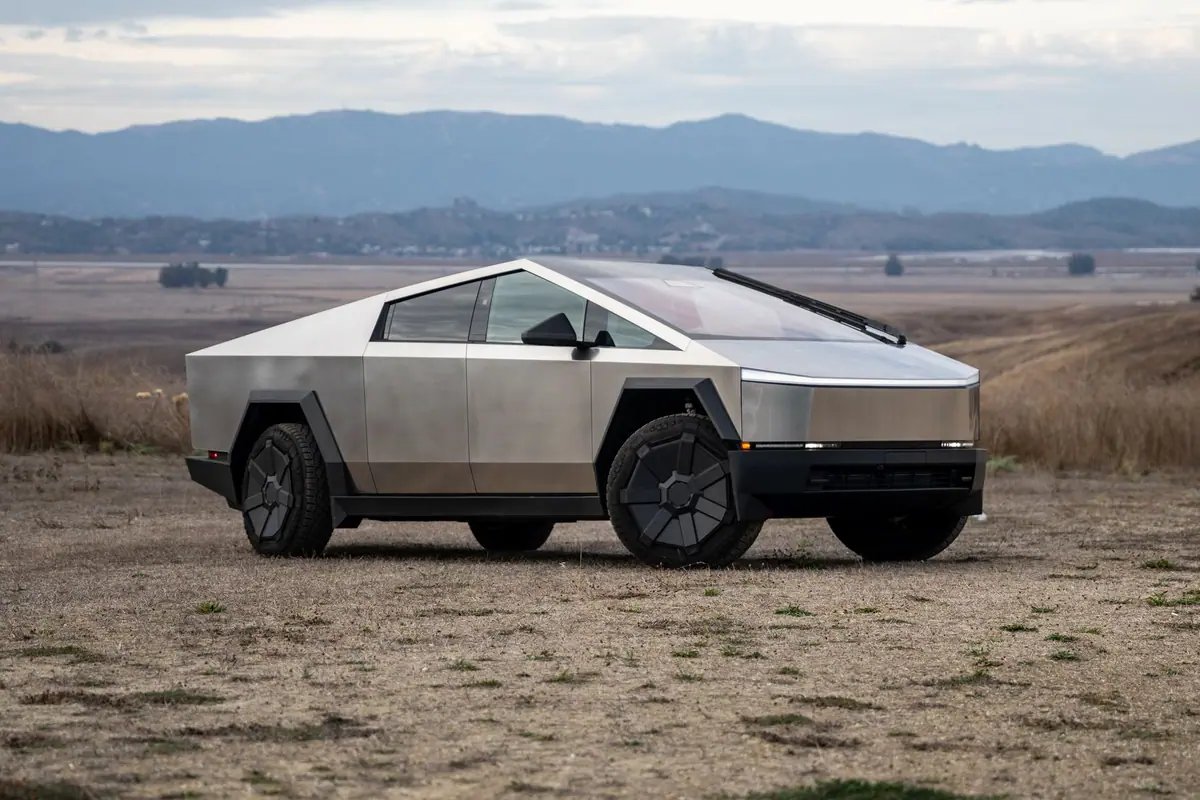
Cast Aluminum and Recovery Loads: Where Would the Winch Mount?
The mechanical installation presents another set of problems because the Cybertruck lacks the conventional frame rails used to support many aftermarket winch plates.
Three structural features shape the proposed solution.
First are the large front and rear aluminum castings that support the drive units, suspension, and steering hardware.
Second, the traction battery is more than cargo: its rigid enclosure forms part of the floor structure and provides mounting points for seats and other cabin components.
Finally, the source describes the outer panels as high-strength 30X stainless steel up to about 0.12 inch thick, contributing torsional stiffness rather than serving as attachment points for concentrated recovery loads of roughly 11,000–13,000 pounds.
On that basis, the proposed winch mount would bolt to the front aluminum structure.
But can cast aluminum handle the load?
One widely circulated video compares a Cybertruck with a Ford F-150 and shows the Tesla’s rear structure breaking during an attempt to recover the stuck Ford.
At first glance, that seems decisive, but the author argues that the recovery arrangement introduced substantial leverage rather than applying the load directly through the hitch.
In that interpretation, the resulting bending force explains the failure.
Another video uses heavy equipment to load the rear hitch vertically downward, testing how much force it can withstand before breaking. The direction matters.
The source cites a maximum trailer rating of 11,000 pounds, but trailer weight is not the same thing as a vertical load applied to the hitch.
In the second video, the aluminum structure reportedly withstands about 10,400 pounds of downward force before failing.
The author considers that a respectable result.
These videos illustrate the distinction the article draws between large aluminum castings, often called Gigacasting, and a traditional steel frame: steel may bend under overload, while cast aluminum can fracture abruptly under severe bending or impact loads.
A winch, by contrast, is intended to apply a controlled pull rather than a sudden recovery jerk.
For this concept, the objective is therefore a mounting arrangement that minimizes leverage and keeps the pull as closely aligned with the vehicle’s longitudinal axis as possible, without drilling additional holes in the castings.
The proposed location is between the forward extensions of the front casting.
Behind the front bumper reinforcement and the plastic front-trunk tub, the author identifies space for a substantial steel winch plate tied into existing bumper-reinforcement and tow-point mounts.
That arrangement would tuck the winch inside the bodywork while retaining the truck’s exterior dimensions and approach angle.
The packaging would be tight, however, and bumper-mounted sensors could need relocation.
The steel plate would also need electrical isolation from the aluminum structure to limit galvanic corrosion, with the source suggesting rigid nylon or polyurethane insulating washers alongside a substantial powder-coated finish.
A Hydraulic Alternative: A Different Engineering Compromise
Does that mean abandoning the winch or buying a more conventional Ford or Ram? An unconventional truck may call for an unconventional approach.
The alternative proposed here is a hydraulic winch.
The source points to the Mile Marker HI12000, described as a model used on military Humvees, with a two-stage planetary gearbox, a sealed cast-iron housing, and a weight of about 110 pounds.
But where would its hydraulic pressure come from when the truck has no hydraulic power-steering pump?
The proposal uses a separate 3–3.5-kW hydraulic power unit, similar in concept to one found on an automotive lift, powered from the truck bed’s 240-volt, 40-amp outlet.
The aim is a self-contained recovery system that does not require tapping into the vehicle’s internal low-voltage wiring.
Mechanically, a hydraulic winch is no larger than a comparable electric unit in the author’s assessment, and the absence of a bulky solenoid pack can help reduce its overall height.
Weight is the trade-off.
Replacing the steel cable with synthetic rope and swapping the roller fairlead for an aluminum hawse fairlead would, by the source’s estimate, remove about 22–26 pounds from the front overhang.
The hydraulic power unit would require more adaptation because a shop-lift system is designed to remain stationary in a relatively sheltered environment.
The proposal calls for a smaller reservoir, along with internal baffles or a reservoir arrangement that maintains a positive oil supply to prevent the pump from drawing air on steep side slopes.
At 240 volts, a 3.5-kW load draws roughly 15 amps, and the source proposes flexible copper cable with a conductor area approximately equivalent to 14–12 AWG.
That cable would run from the bed outlet to the front trunk, with the system plugged in when needed for off-road use.
What would this combination offer? The author identifies several potential advantages.
- Lower electrical demand: about 3.5 kW for the proposed hydraulic package, compared with the 5.5–6 kW cited here for a powerful electric winch.
- A more gradual application of the recovery load: the hydraulic unit would run largely unloaded before the control directs pressure to the winch motor.
- Continuous-duty potential: the source argues that a properly supplied hydraulic winch avoids the electric-motor heating that can limit sustained operation, contrasting it with an electric winch pulling at maximum load for three to five minutes.
- Fewer exposed electrical components at the front bumper: the winch would have a hydraulic motor rather than high-current solenoids and motor brushes, while the power unit would sit higher in the front trunk.
- Compact packaging: the winch would sit behind the bumper, the reduced-reservoir power unit would occupy a space the author compares with a fire extinguisher, and the installation would use one electrical cable through the vehicle plus two short hydraulic hoses up front.
What Would Recovery Equipment for a $100,000 Pickup Cost?
Would it be cheaper to buy another Cybertruck to pull the first one out? Here is the source’s estimated budget, entirely in U.S. dollars.
A Mile Marker HI12000 with an integrated control valve is estimated at approximately $2,800.
An industrial hydraulic power unit, such as a RuggedMade lift unit, adds about $500, while roughly 100 feet of 3/8-inch synthetic rope and an aluminum hawse fairlead add another $300.
A custom steel winch plate—including laser cutting, powder coating, and hardware for attachment without drilling the casting—is estimated at $1,000.
A replacement hydraulic reservoir, front-trunk mounting bracket, two short crimped hydraulic hoses, and the power cable add roughly $700.
That brings the proposed parts and fabrication total to approximately $5,300, excluding installation labor.
It is not a small bill, but the alternatives are not necessarily inexpensive either.
The source estimates that a WARN electric winch installation with a high-output industrial converter and auxiliary batteries would cost roughly $4,000–$5,000, while retaining the electrical-integration concerns discussed above.
For comparison, it puts a quality electric winch and heavy-duty bumper installation on a Ford F-150 or Ram 2500 at a reputable U.S. shop in the $4,500–$6,500 range.
Those estimates place the proposed hydraulic system in broadly familiar territory for a substantial recovery-equipment build.
Against the source’s assumed vehicle price of at least $100,000, the author considers that a reasonable additional expense for self-recovery capability.
Beyond the Winch: Adapting to Different Vehicle Designs
The automotive world changes, but people still want to reach their favorite fishing spots, hunting grounds, and campsites.
Traditional solid-axle off-roaders are becoming less common as newer vehicles bring independent suspension, more complex engines, and, increasingly, no combustion engine at all.
The Cybertruck is a niche vehicle with a particular audience.
The Land Cruiser 80 once drew criticism for an interior considered too upscale for mud, the Land Cruiser 100 for its independent front suspension, and the Land Cruiser 200 for moving away from the inline-six diesel.
Each still found buyers and took people where they wanted to go, eventually becoming an icon to its own generation of enthusiasts.
Perhaps in 15 or 20 years, some owners will look back at the Cybertruck in much the same way.
This discussion is not just about winches or Elon Musk’s pickup; it is about understanding new technology and adapting it to the jobs owners need it to do.
Sometimes that means stepping outside a familiar field and borrowing an approach that engineers elsewhere have already used successfully.
New vehicles and unfamiliar designs will always attract criticism. Getting to a quiet campsite, a hot cup of tea, and a view of the outdoors takes a workable solution.
You may also be interested in the news:
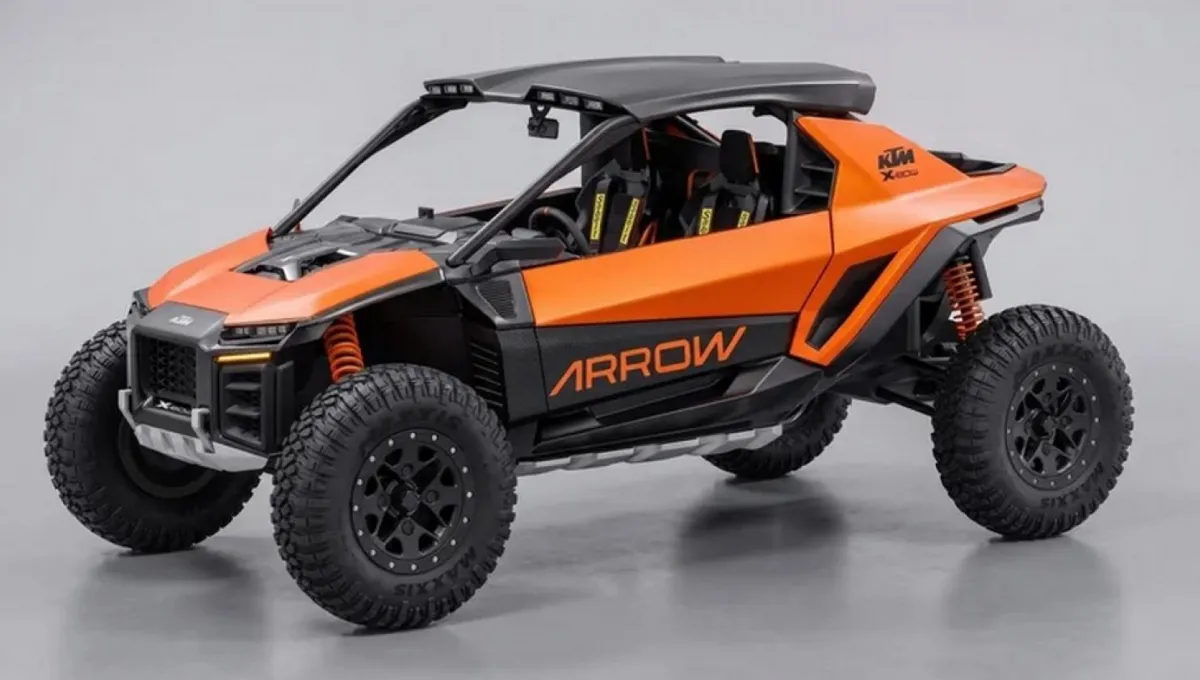
KTM X-Bow Arrow Takes Golf R Power Off-Road
KTM X-Bow’s new Arrow pairs Golf R power with Dakar-inspired hardware and an enclosed cabin.
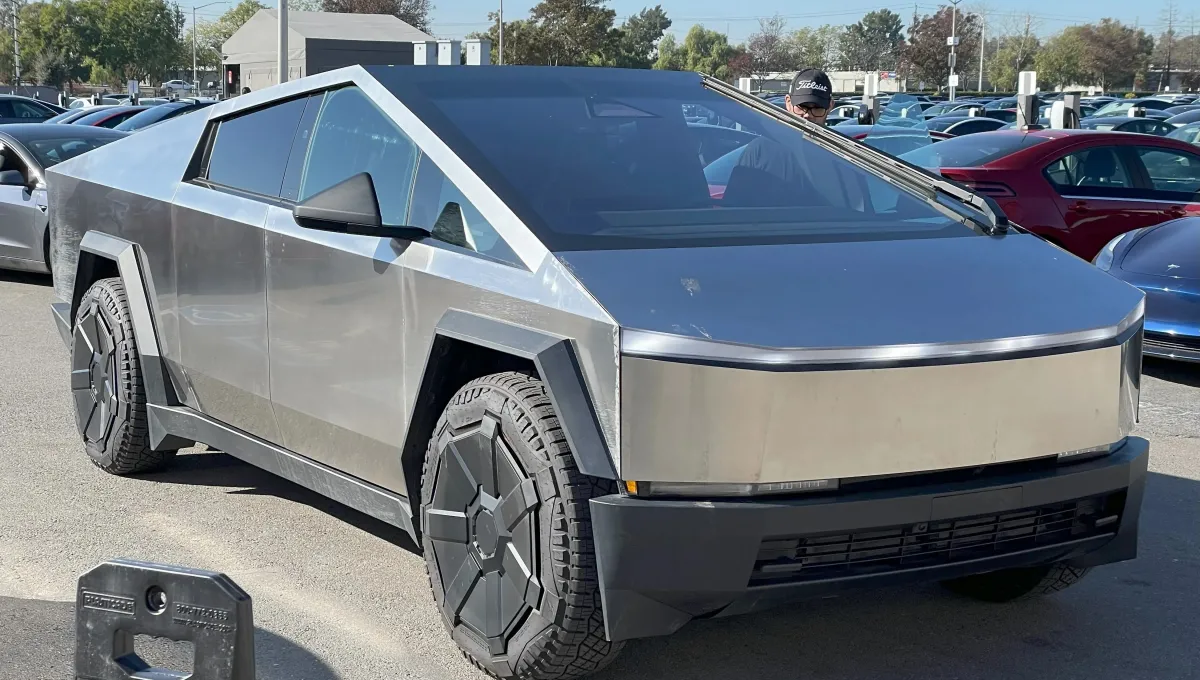
Tesla to End Cybertruck Production in 2027, Shift Texas Factory to Cybercab
A project that began with shattered armored glass at its unveiling and a promise of a $39,000 pickup is ending with a quiet production shutdown.
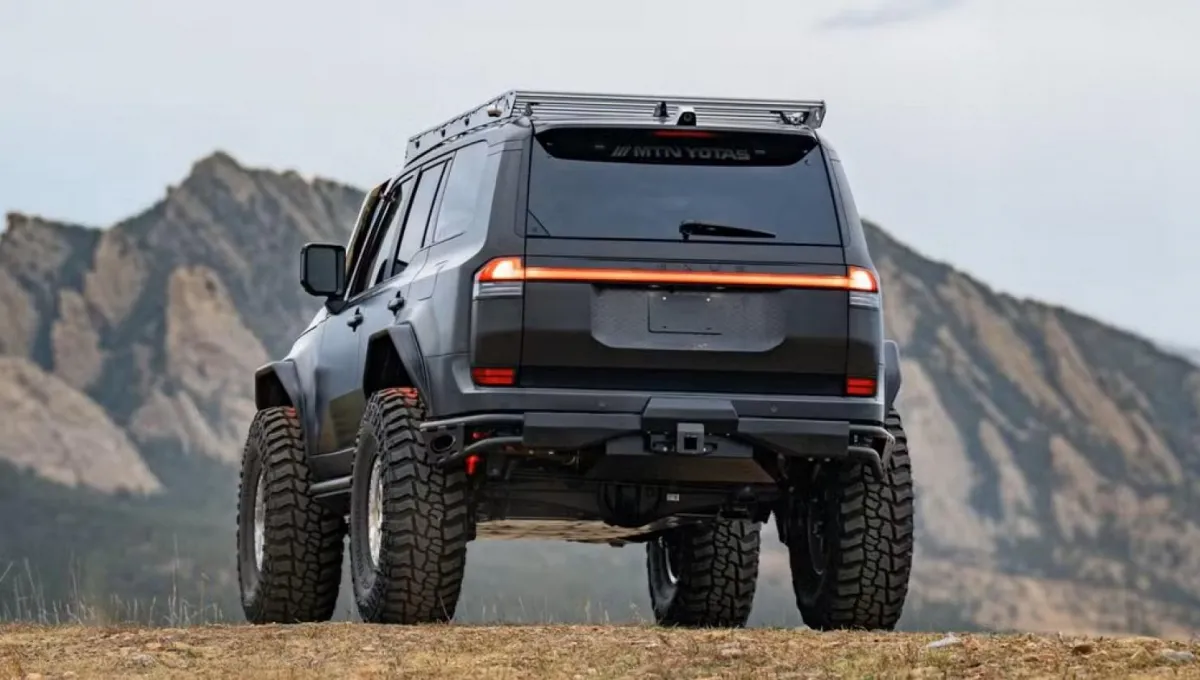
Lexus GX 550 Goes Extreme With Portal Axles and 40-Inch Tires
Lexus itself has no plans to build anything like it.
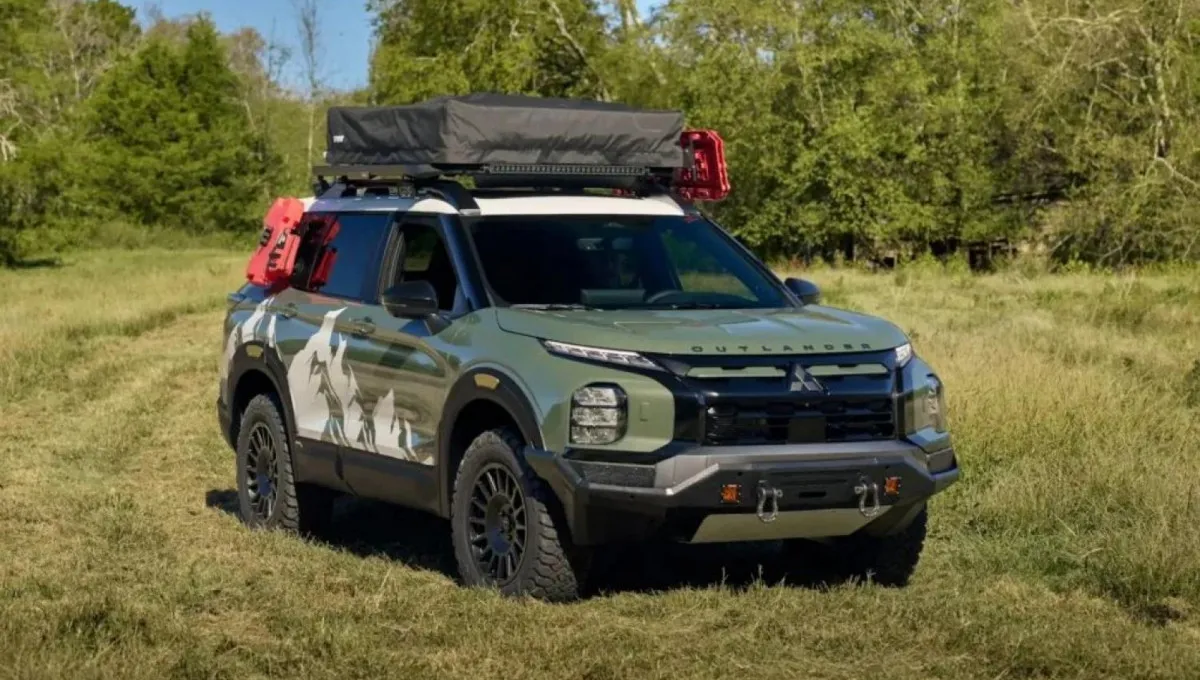
Mitsubishi Turns the Outlander Into a Serious Off-Roader With a Lift, All-Terrain Tires, and a New Rock Mode
Mitsubishi is returning to SEMA after 12 years with an adventure-ready Outlander built for serious off-road driving.

Tesla’s New Roadster Can Fly, but That May Be the Least Impressive Thing About It
Nearly a decade after Elon Musk unveiled the next-generation Roadster, Tesla has finally revealed its most outrageous capabilities.