
Tesla to End Cybertruck Production in 2027, Shift Texas Factory to Cybercab
A project that began with shattered armored glass at its unveiling and a promise of a $39,000 pickup is ending with a quiet production shutdown.
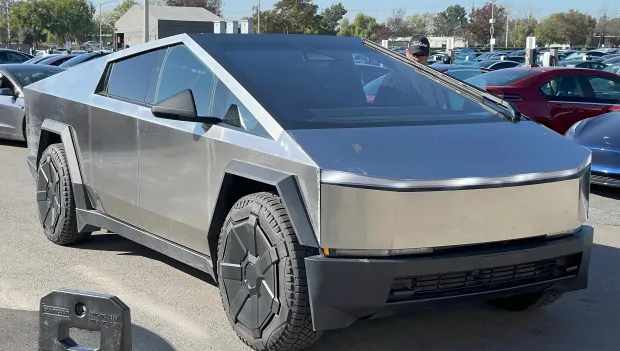
A project that began with shattered armored glass at its unveiling and a promise of a $39,000 pickup is ending with a quiet production shutdown. Elon Musk has announced that Cybertruck production at the Texas Gigafactory will end by the middle of next year. The capacity it leaves behind will go to the Cybercab driverless taxi.
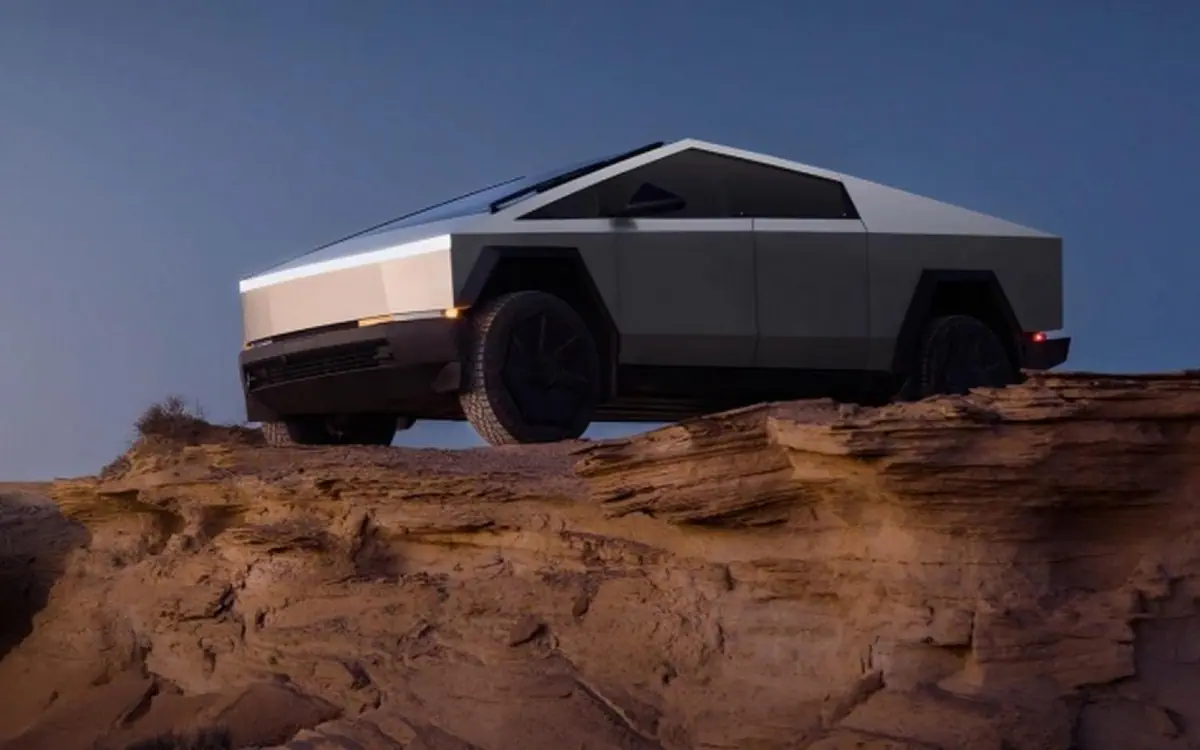
The Cybertruck was conceived as a vehicle that would redefine the pickup. It had an angular stainless-steel body, futuristic styling, and promises of armored glass and extraordinary off-road capability. Instead, it spent three years facing recalls and losing buyers without reaching major overseas markets.
How did it happen?
The 2019 unveiling became memorable not as a triumph, but as an embarrassment. Tesla chief designer Franz von Holzhausen threw a metal ball at the supposedly armored side window—and it cracked. A second ball thrown at another window left the same spiderweb pattern. Musk tried to laugh it off, but the damage was done. Four years later, the company tried for redemption: von Holzhausen threw a baseball at the window of a production Cybertruck. It held up, but that did not restore confidence in the armored glass.
A 250,000-truck annual production goal, but far fewer sales
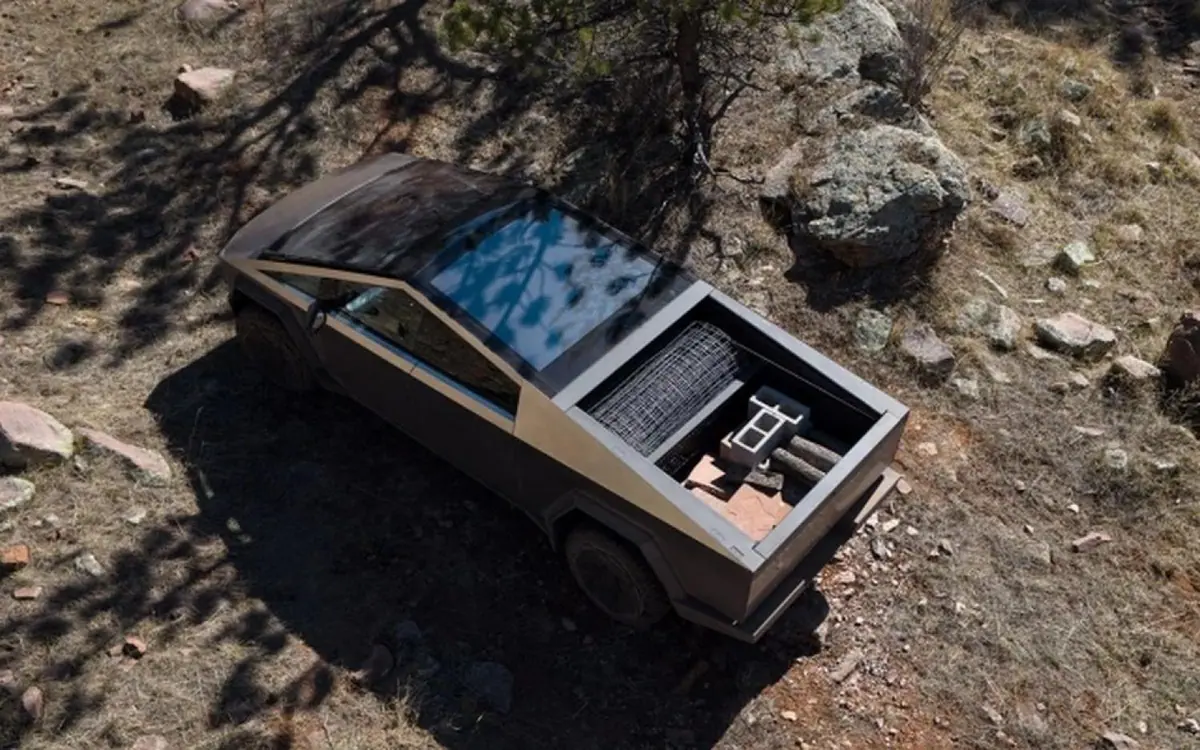
Tesla initially planned to build 250,000 pickups a year. The reality was much more modest. U.S. sales totaled 38,965 vehicles in 2024 and 20,237 in 2025, a decline of nearly 48%. Lifetime Cybertruck sales barely exceeded 70,000. By comparison, reservations had once approached two million. Buyers lined up for a truck that did not yet exist, but once it arrived, that line dwindled. According to Bloomberg, Musk-affiliated companies accounted for some of the sales. SpaceX, for example, bought more than 18% of all Cybertrucks sold in the fourth quarter of last year—a measure of support from within Musk’s business empire.
Prices climbed far above the original promise
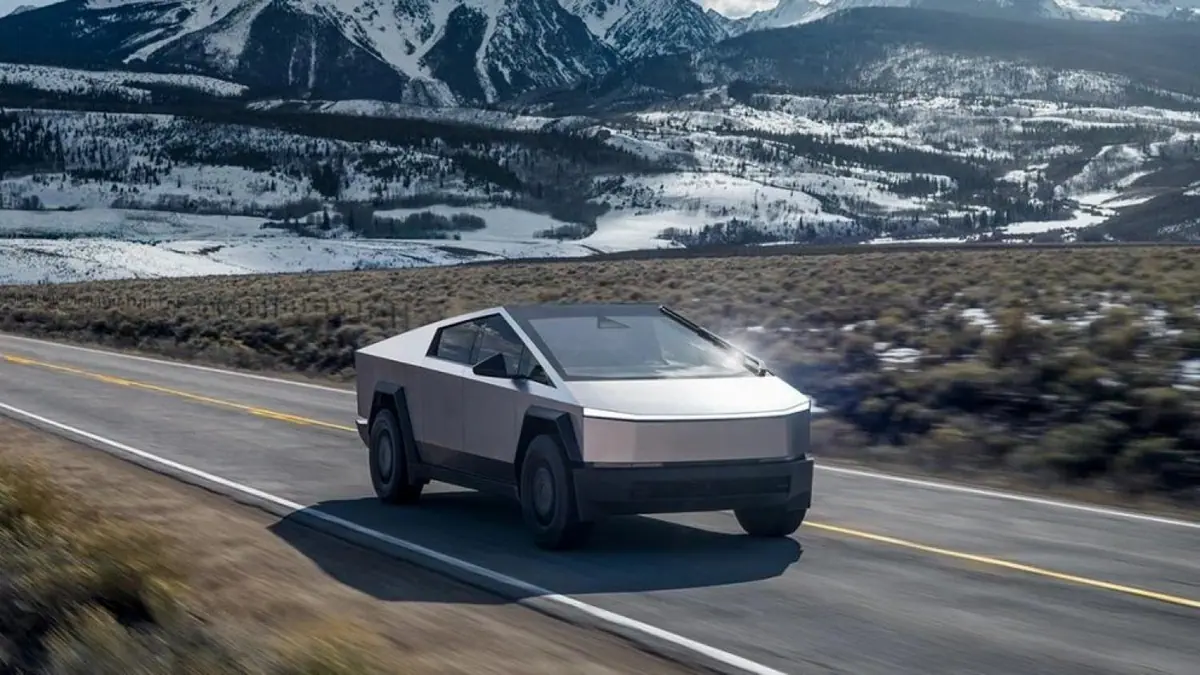
The promised $39,000 starting price for a rear-wheel-drive model remained a vision from 2019. When that version finally arrived in 2025, it cost $72,000. By 2026, the base all-wheel-drive model had risen to $77,235, while the range-topping Cyberbeast cost $102,235. In February of this year, Tesla briefly introduced a $60,000 version, but the price began climbing again just 10 days later.
Europe and China remained out of reach
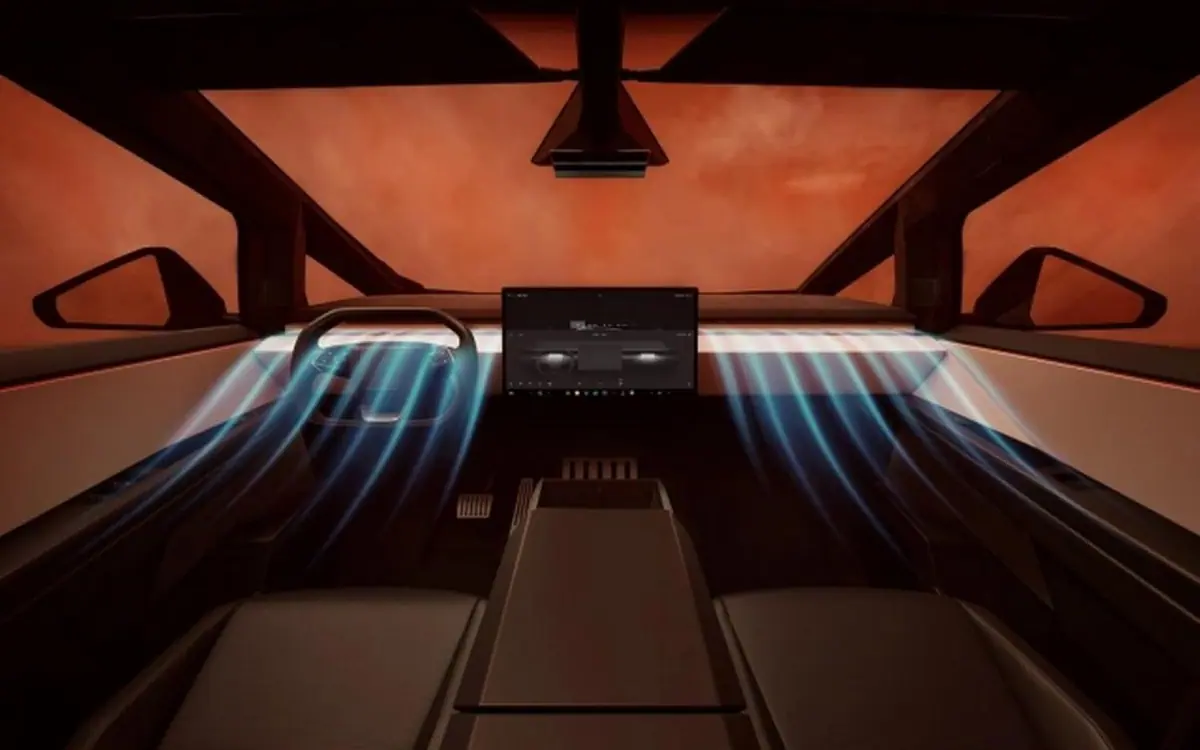
The Cybertruck never became a global model. It was not officially sold in Europe. Tesla’s vice president of vehicle engineering, Lars Moravy, explained that European rules require protruding body edges to have a minimum rounding radius of about 0.13 inch, something nearly impossible to achieve with stainless-steel panels about 0.055 inch thick. Weight was another obstacle. Some versions weigh more than roughly 7,700 pounds, requiring a Category C license in Europe. In China, the pickup was certified but never put on sale. The explanation was that its angular body and steel panels posed risks to pedestrians, while local restrictions on pickups also limited the market’s appeal.
Eleven recalls in three years
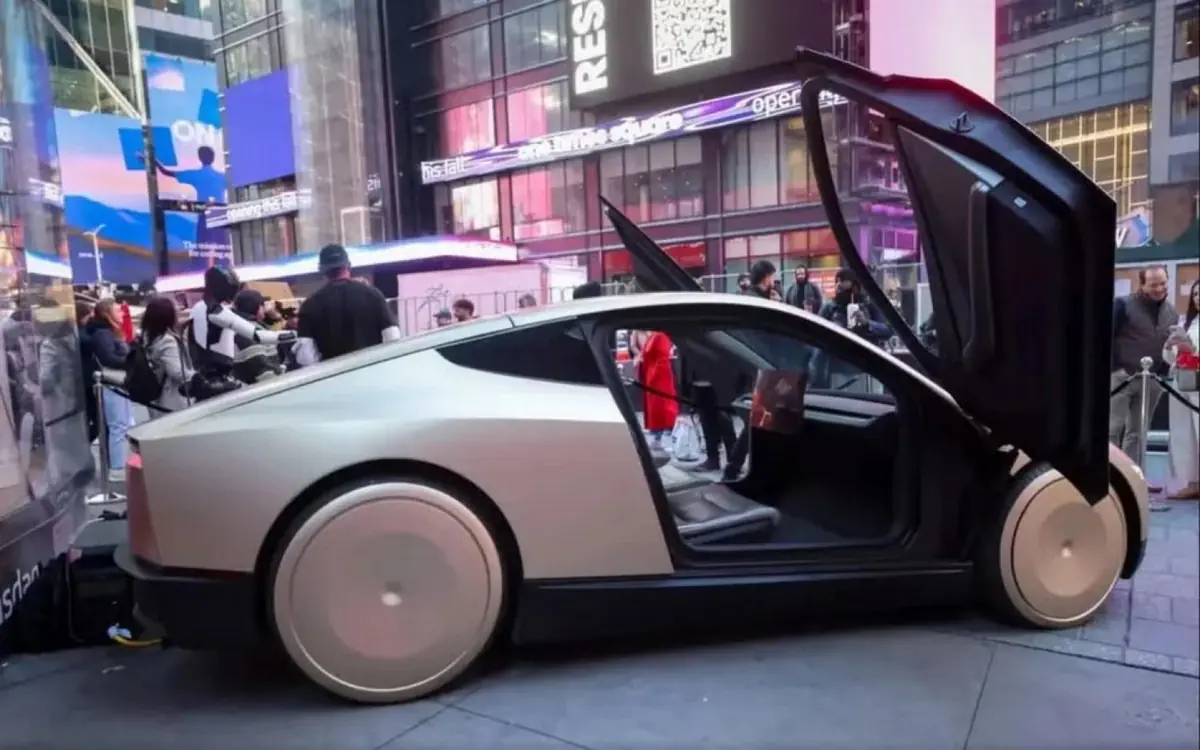
The Cybertruck’s list of problems is substantial. In April 2024, the accelerator pedal pad could slip and become trapped in the trim; Tesla secured it with a rivet. In March 2025, nearly 46,000 trucks were recalled over roof trim that could detach. Another recall followed that October over a windshield light bar that could come loose while driving. In April 2026, cracked brake rotors that could lead to a wheel separating prompted a recall of 173 rear-wheel-drive pickups. The prospect of a wheel coming off stood in stark contrast to promises of an indestructible truck. There have been 11 recalls over the production run—a lengthy list for a vehicle presented as an engineering showcase.
What comes after the Cybertruck?
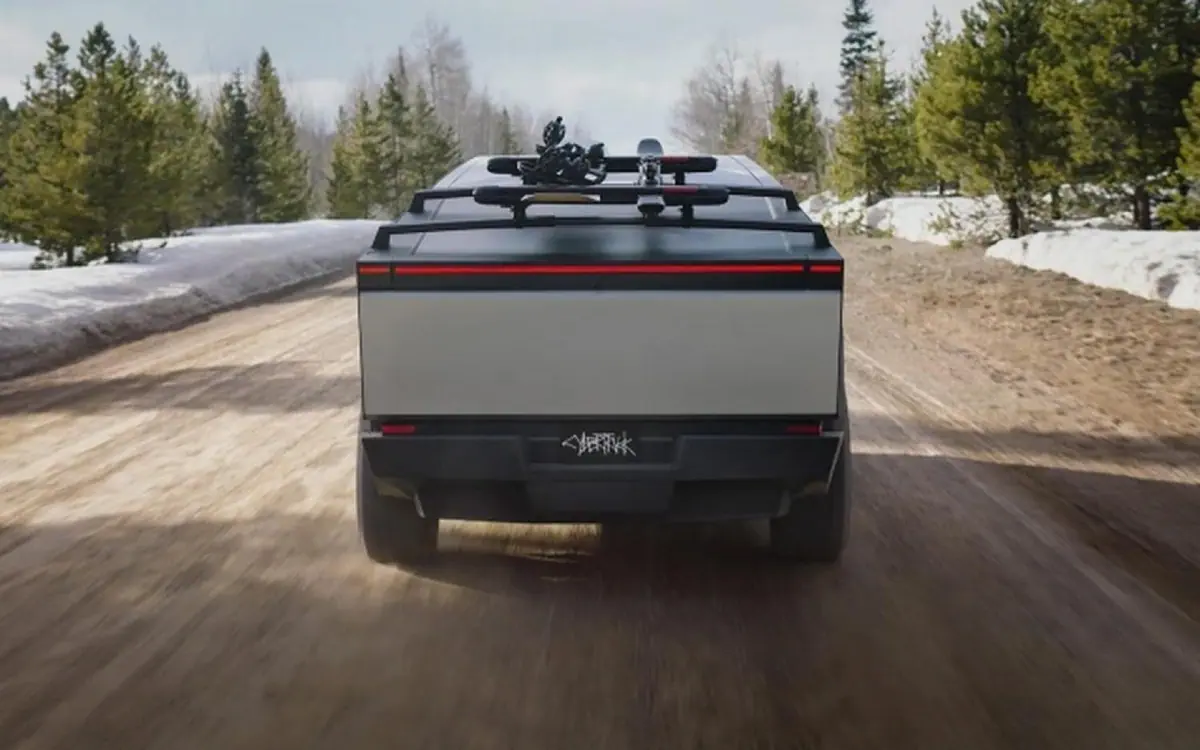
By mid-2027, the Texas assembly line will be retooled for the Cybercab, a two-seat robotaxi without a steering wheel or pedals. Musk is betting on autonomous vehicles, while the Cybertruck is set to enter automotive history as one of the industry’s most conspicuous failures. That is not because it handled poorly or lacked speed: the Cyberbeast can accelerate from 0 to 62 mph in 2.6 seconds. Rather, the promises strayed too far from reality, and its price and quality never aligned with buyers’ expectations.
You may also be interested in the news:
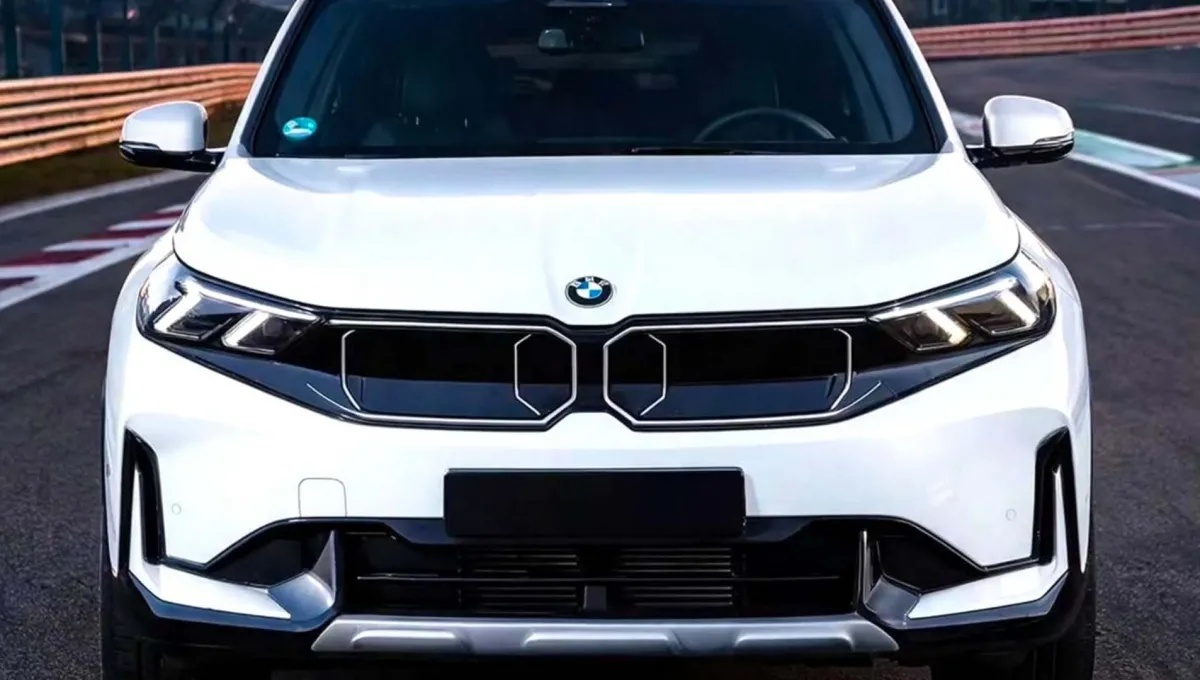
BMW X1 Refresh Imagined With Neue Klasse Styling
The BMW X1 is headed for a midcycle refresh, with substantial exterior changes and a redesigned cabin expected to incorporate Neue Klasse design elements.
Mercedes-Benz May Close Its Plants, Leaving Thousands of Employees Out on the Street
Mercedes-Benz faces major changes as it freezes new investment in its German factories and leaves open the possibility of plant closures.
Hyundai Recalls Nearly 95,000 Genesis Sedans Over Fire Risk From Power Seats
Hyundai is recalling 94,622 Genesis sedans after a faulty power seat switch was linked to overheating and potential vehicle fires.
“Are You Sure It’s Chinese?” Who Really Builds China’s Car Engines
Who Really Develops China’s Car Engines?
The U.S. Builds the World’s Fastest Lawn Mower
An American-built lawn mower hit 152.8 mph at Arkansas Mile and can still cut grass.