
“Are You Sure It’s Chinese?” Who Really Builds China’s Car Engines
Who Really Develops China’s Car Engines?
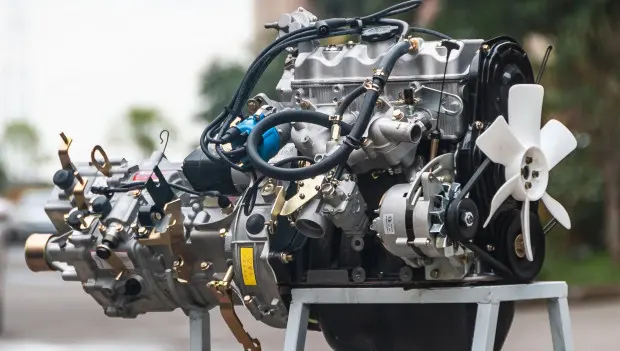
“Yesterday they couldn’t even afford a pair of pants, and today look at them!” Those were the words my late grandfather used to loudly comment on any news about China’s achievements. Nearly 20 years have passed since then, yet many people still seem to believe that China’s abundance of products, from toothbrushes to electric cars, appeared out of nowhere. But nothing comes from nowhere, especially an automotive engine.
No Miracles
China made its first attempts to establish automobile production in the early 1930s. However, the industry did not begin to grow on a large scale until after the civil war ended in 1950.
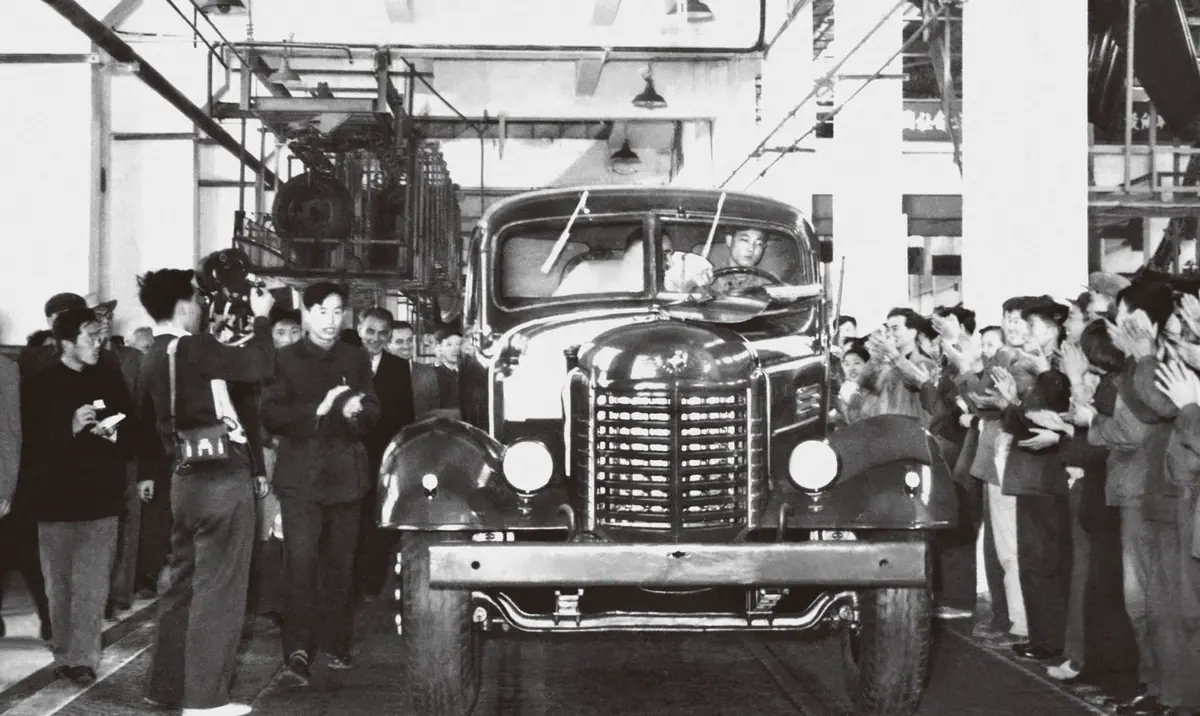
The starting point for the development of modern Chinese automotive manufacturing can reasonably be traced to 1953, when First Automobile Works (FAW) opened in Changchun. The company was established with extensive assistance from the Soviet Union. Its first products included Jiefang CA10 trucks, which were essentially copies of the Soviet ZIS-150.
In the years that followed, China's young automotive industry achieved many milestones. However, the country did not begin focusing heavily on passenger car production until the 1980s and 1990s.
By the early 2000s, most of the Chinese automotive brands known today had taken shape. China has since become one of the world's largest passenger car manufacturers.
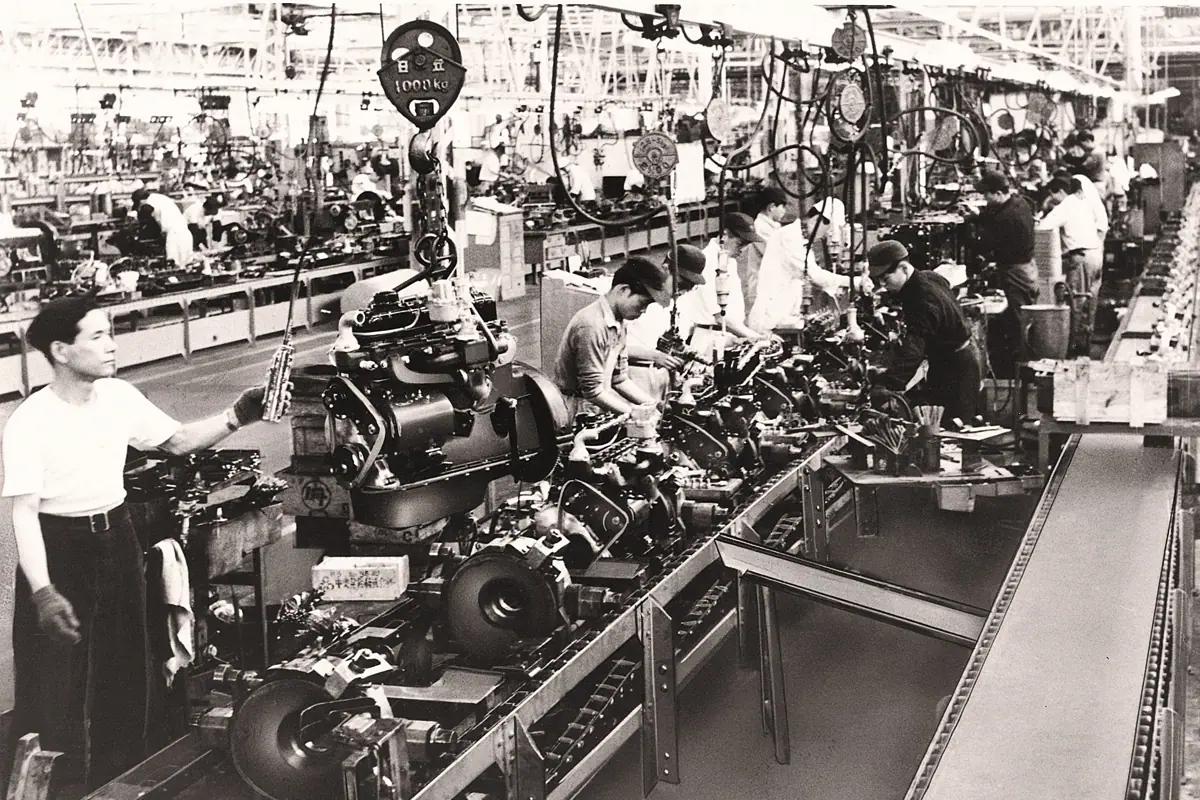
Since nothing comes from nowhere, and reinventing the wheel is rarely worthwhile, it should come as no surprise that the Soviet Union was not the only foreign influence on China's automotive industry.
As early as the 1980s, Chinese manufacturers began actively developing joint ventures with major automakers from Europe and elsewhere. The government maintained strict control over these partnerships, preventing foreign companies from acquiring even a 50% ownership stake.
Despite these restrictions, China's emerging automotive industry quickly became an attractive source of profit for Western companies. At the same time, foreign automakers became an important source of technology for China.
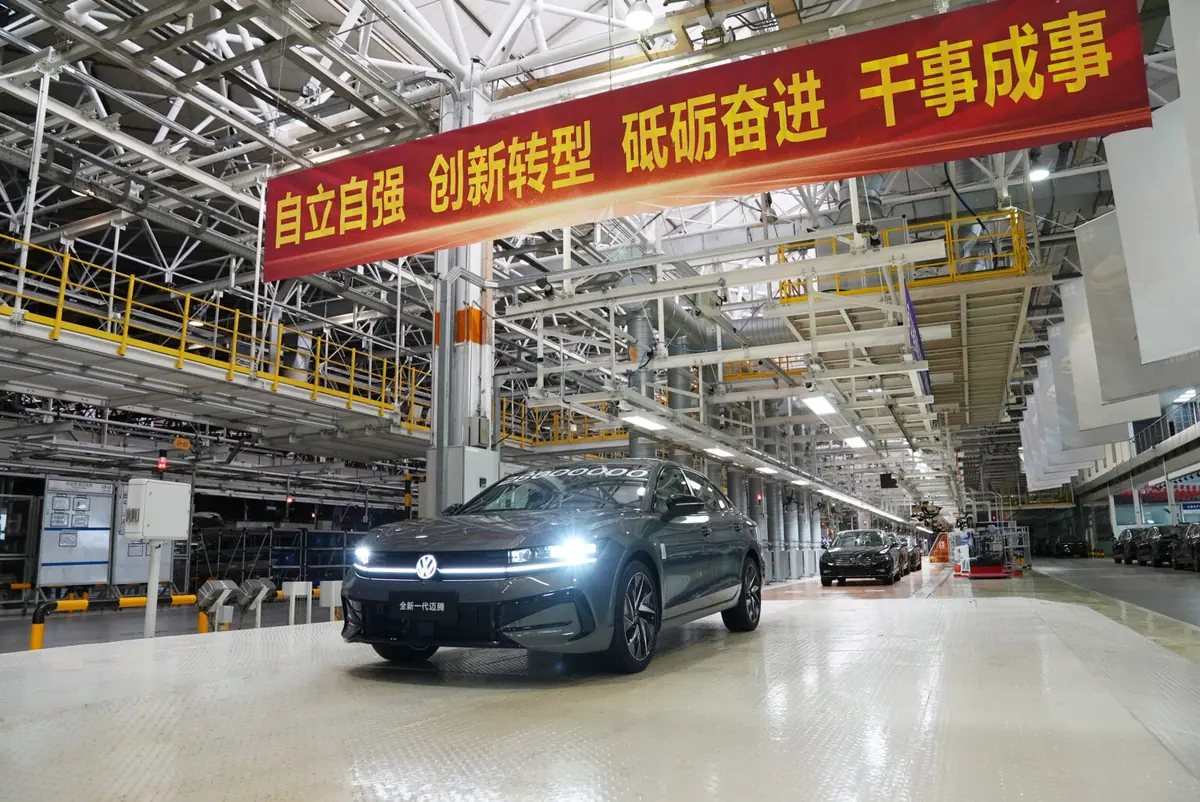
What Was Yours Became Ours
Today, China's passenger car industry has an extensive range of domestically developed engines, and that number continues to grow. Nevertheless, the industry's foundations still rely heavily on imported technology and technology developed through joint ventures with foreign companies, particularly European and Japanese manufacturers.
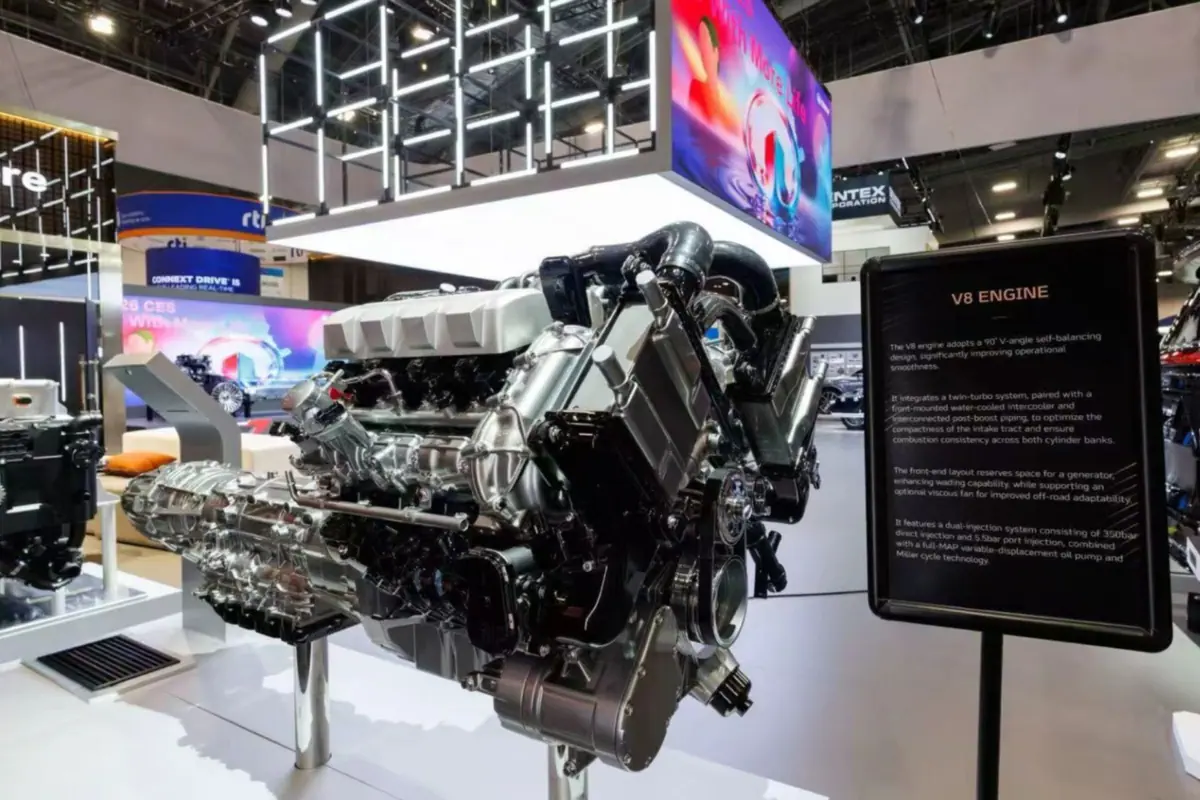
Some of the clearest examples can be found at Chery, Geely, Haval, Great Wall, and Changan.
Chery
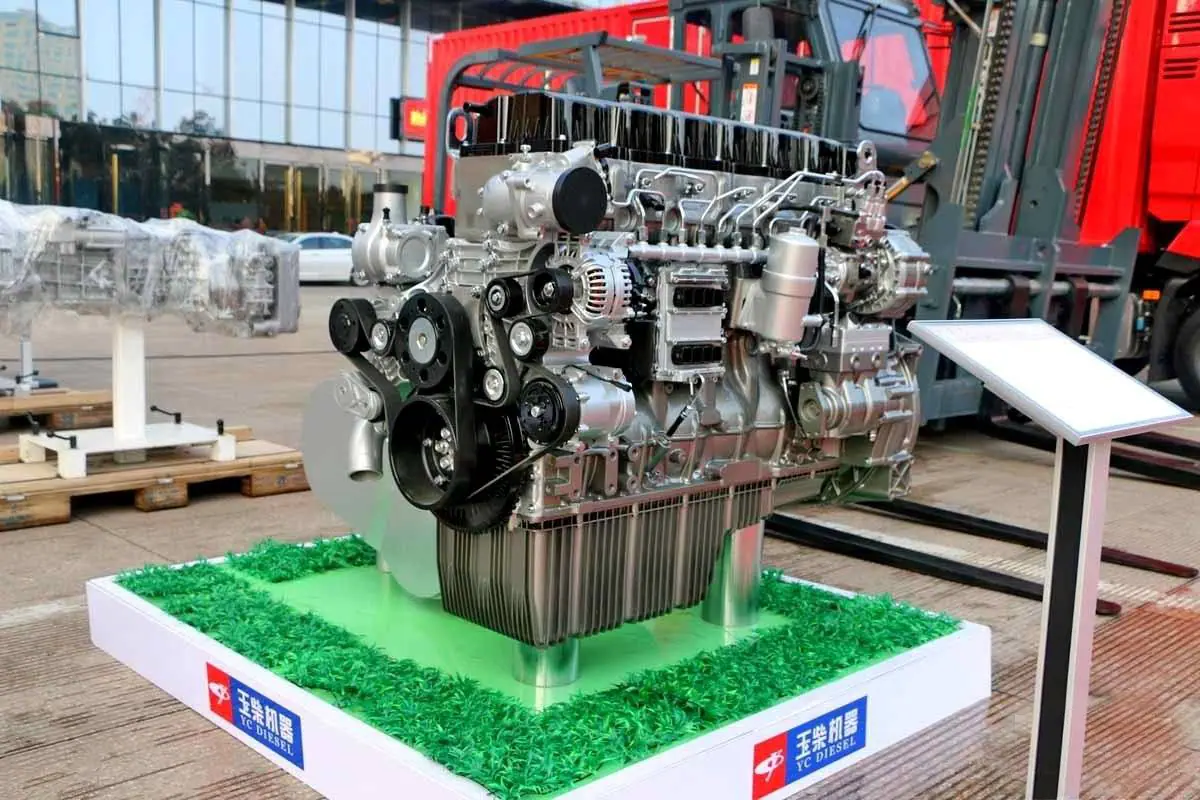
Chery is one of the most prominent examples of cooperation between China's automotive industry and foreign engine specialists.
The company's early Acteco engines were developed in large part with the help of engineers from AVL, an Austrian engineering company.
Today, the Acteco family has reached its fifth generation. Cooperation with AVL has continued over the decades, although the Austrian company's contribution has increasingly focused on refining Chinese-developed designs.
Geely
Geely is another Chinese automaker whose engines benefited from foreign engineering expertise. This time, the connection leads to Sweden and Volvo.
Geely acquired Volvo Cars, gaining access to its vehicle platforms and engineering developments.
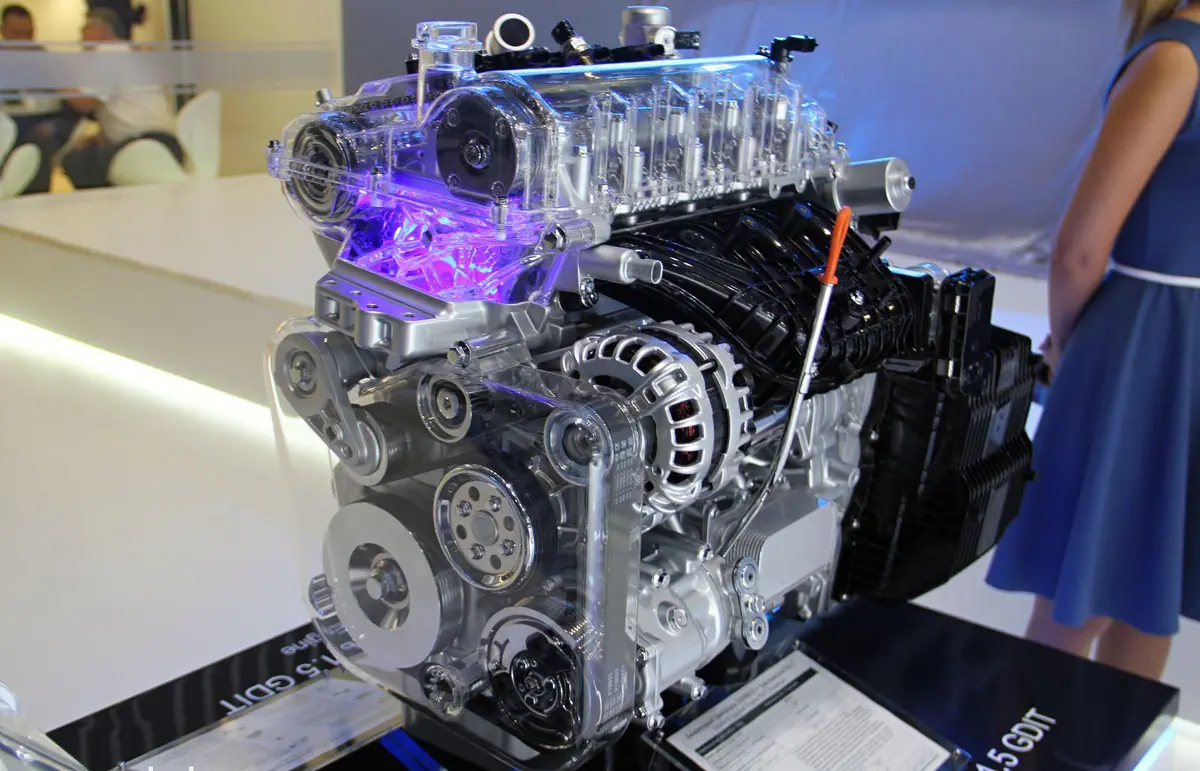
The Chinese JLH-3G15TD and Swedish B3154T engines are virtually identical powerplants. However, the Chinese engine is not simply a copy. It was developed through collaboration between Chinese and Swedish engineering teams.
Geely did not stop there. Another notable example of cooperation with a Western automaker is its partnership with French company Renault.
Together, the companies established Horse Powertrain, whose products are now attracting interest from established automakers in Germany, Italy, and the United States.
Great Wall, Haval, and Changan
Great Wall, Haval, and Changan can be grouped together when discussing foreign involvement in Chinese engine development because the same foreign engineering company helped develop their early engine families.
That company is Britain's Ricardo, whose engineers have extensive experience designing not only powertrains but also suspension systems.
It is important to emphasize that this development work was collaborative. Chinese manufacturers wanted not only to obtain engines but also to acquire the expertise necessary to continue advancing their own automotive industries.
These companies have also worked extensively with Japanese automakers, particularly engineers from Mitsubishi and Toyota.
You may also be interested in the news:
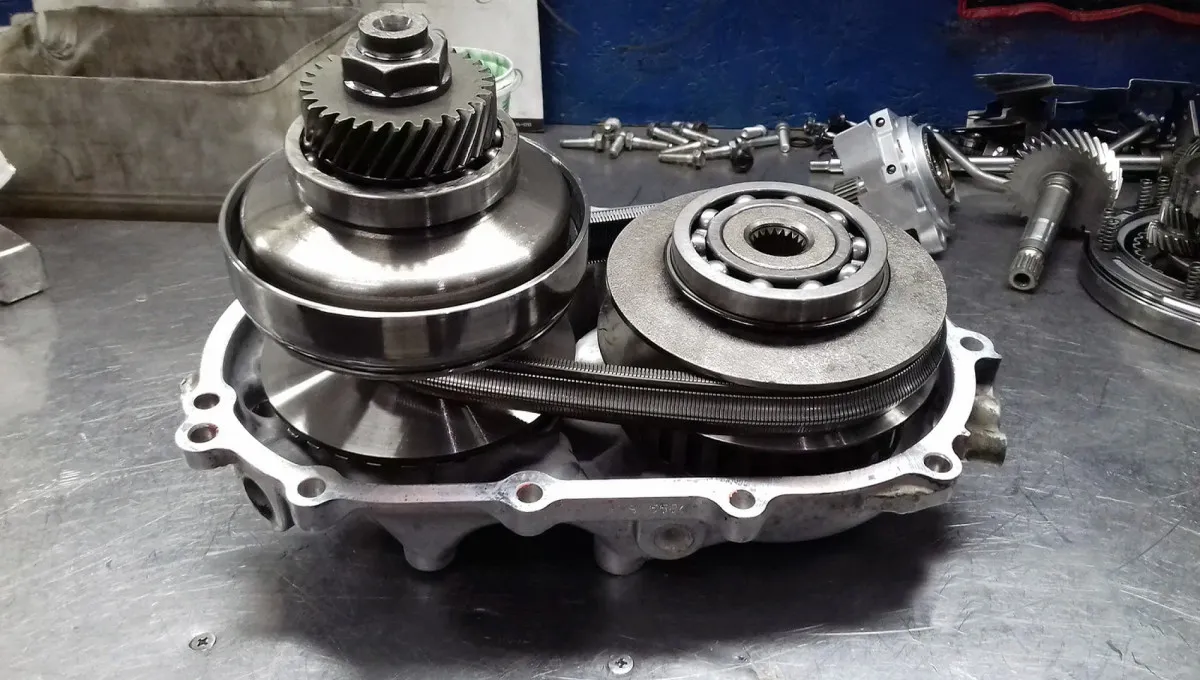
Why Experienced Drivers Still Warn Against Buying a Used Car With a CVT
CVTs offer smooth acceleration and good fuel economy, but expensive repairs and durability concerns make used models risky.
8 Car Maintenance Mistakes That Could Cost You Thousands if You Wait Too Long
Depending on driving conditions, some maintenance tasks may need to be performed sooner and more often than the automaker recommends.

What Does the 99% Patch Mean to Bikers? The History Behind the Motorcycle Symbol
The 99% biker label separates everyday motorcycle enthusiasts from outlaw culture, carrying a message rooted in American motorcycle history.

Drivers Are Seeing Strange Pink Signs on the Road—What They Say Is Surprising Everyone
A new roadside campaign uses personalized messages to praise safe drivers, offering a different approach to speeding warnings.

Tank Crossings, Duck Warnings and More: America’s Weirdest Road Signs Are Real
From tank crossings to duck warnings, America’s roads feature unusual signs that alert drivers to unexpected hazards.