
More Than a Car! More Than a Truck! The 1957 Ford Ranchero
The 1957 Ford Ranchero launched a new kind of American vehicle, blending passenger-car styling with pickup-truck utility years before the segment took off.
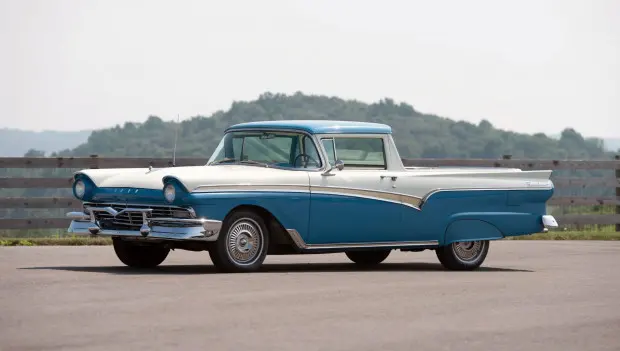
The 1957 Ranchero kicked off a long-running trend of stylish car-based pickups, soon followed by Chevrolet. Here's how it all began.
Exactly who at Ford Motor Company came up with the 1957 Ranchero remains unclear. The idea itself, however, was hardly revolutionary. Before World War II, Ford pickups were largely based on passenger cars, while Ford Australia had been building coupe utilities, commonly known as utes, for decades.
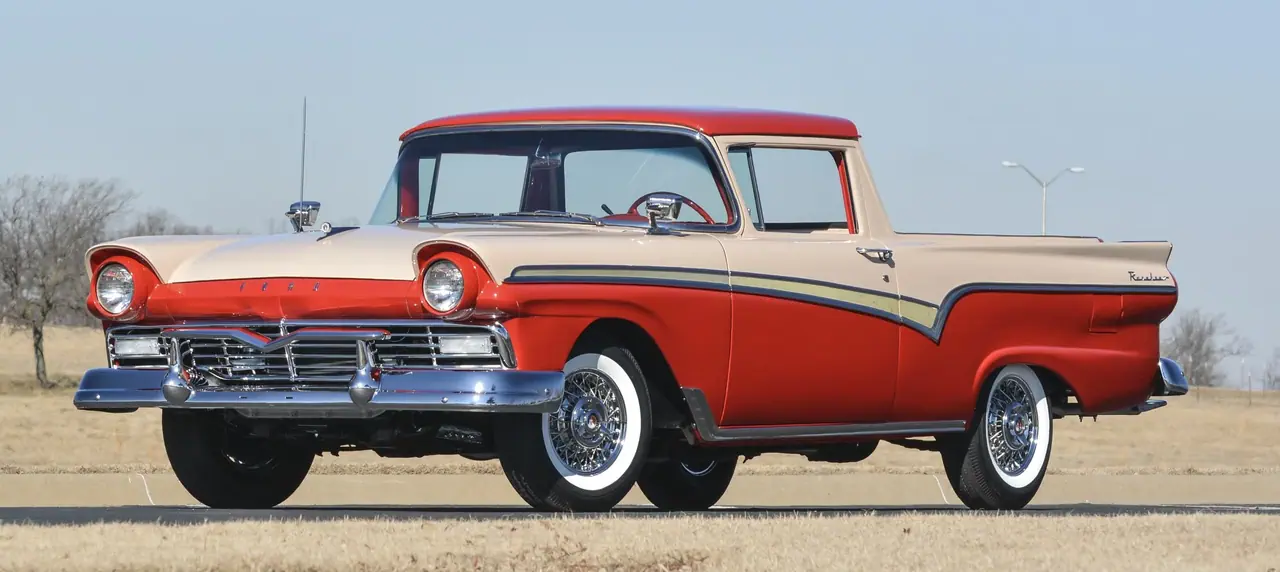
The Ranchero's basic concept was straightforward: create a stylish car-truck hybrid at relatively low cost by adapting the two-door Ranch Wagon station wagon, using the same chassis and much of the existing bodywork. The new model made its official debut on December 6, 1956, three months after Ford introduced its regular 1957 passenger-car lineup.
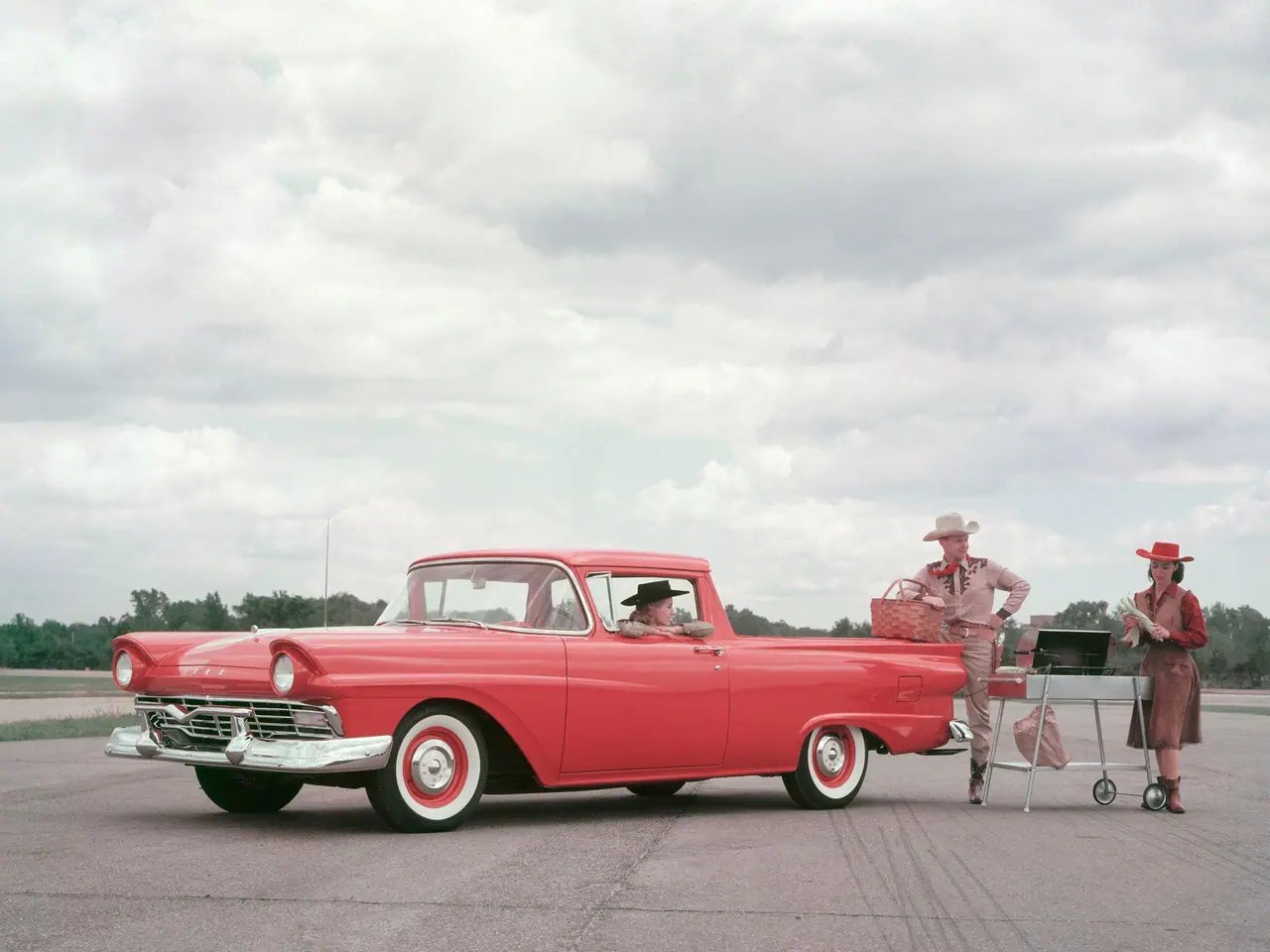
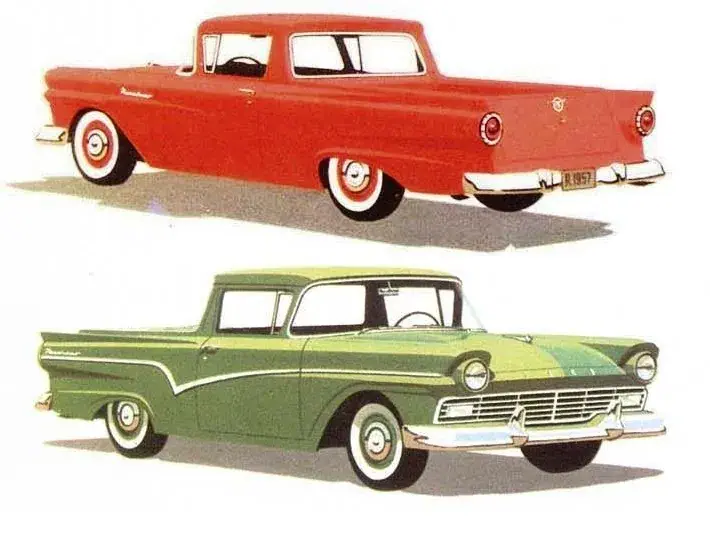
The new car-based pickup came in two versions: the Ranchero, priced at $2,098, and the Ranchero Custom, which started at $2,149. For the extra $51, Custom buyers received upgraded interior trim, dual sun visors, a wider choice of exterior colors, and additional bright-metal side trim. Interestingly, early press photos and brochure illustrations showed just one narrow chrome strip on each side.
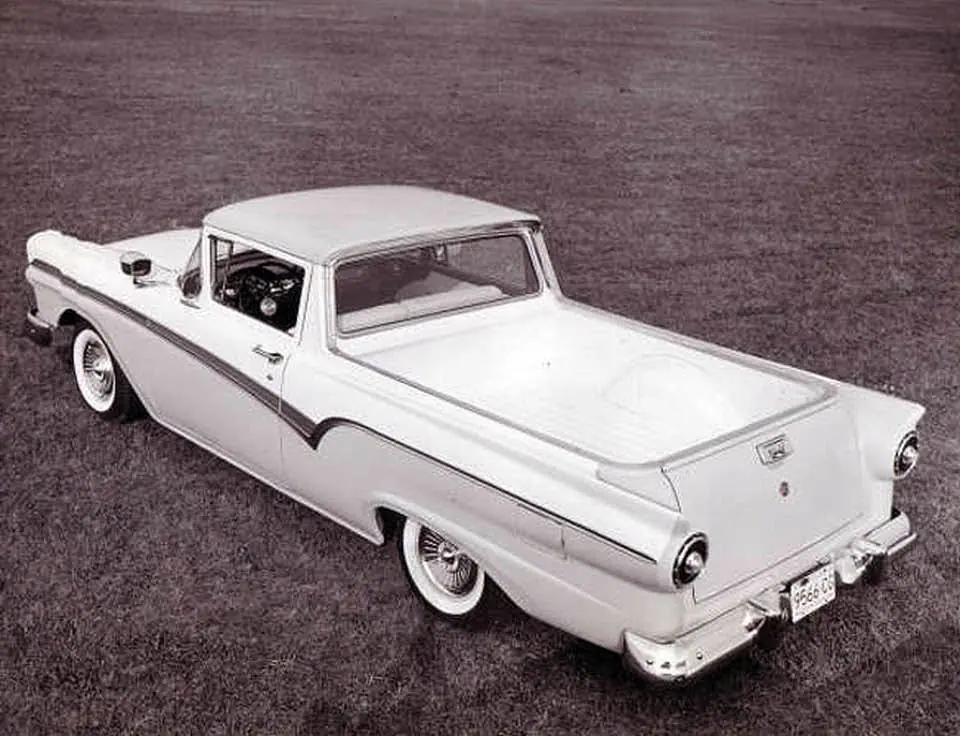
Both versions came standard with a 223-cubic-inch inline-six producing 114 horsepower. Buyers could also choose between two V-8 engines: a 272-cubic-inch Y-block rated at 190 horsepower for the standard Ranchero, or a 292-cubic-inch V-8 delivering 220 horsepower for the Custom.
Transmission choices included a three-speed manual with overdrive or the Ford-O-Matic automatic, a popular $188 option. Available extras included power steering, power brakes, power seats, and power windows. With a few exceptions, buyers could equip the Ranchero much like any other Ford passenger car of the era.
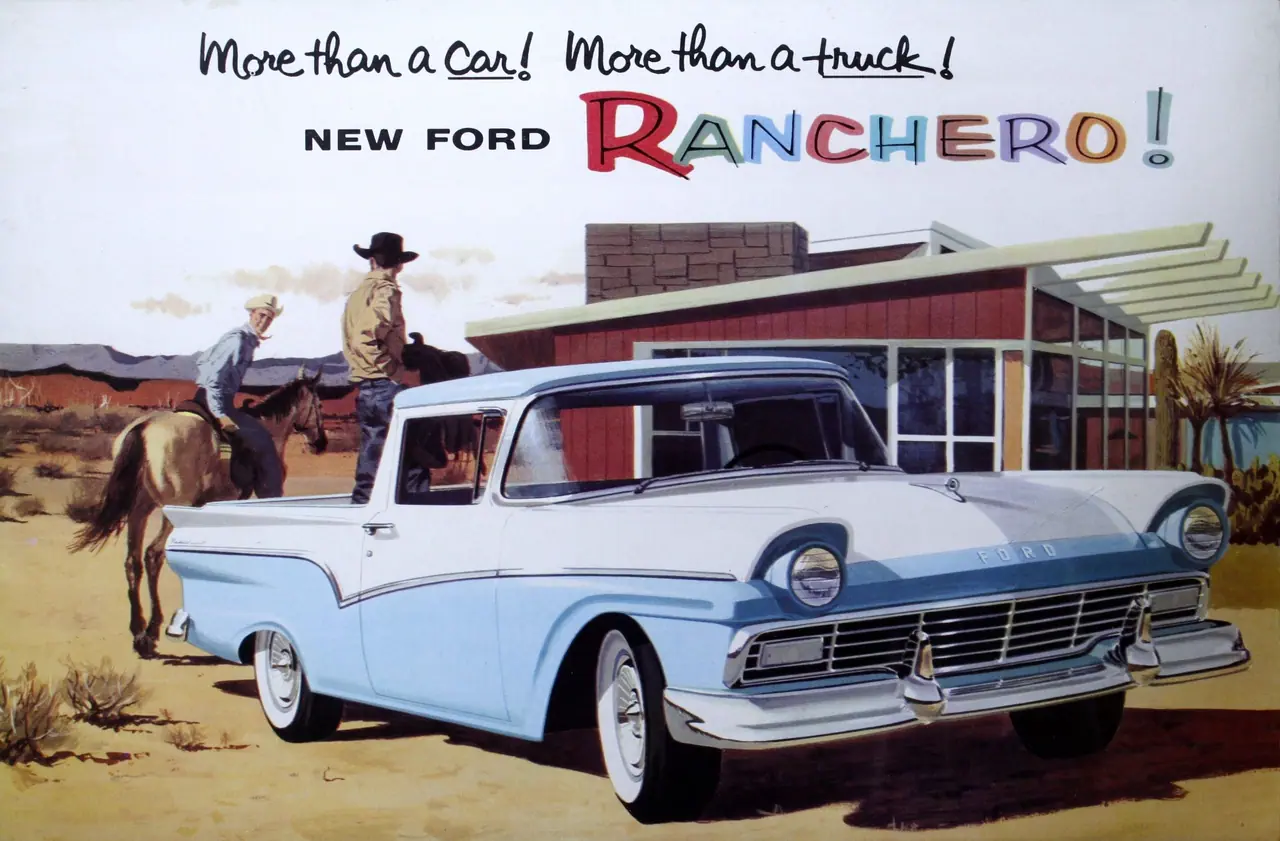
“More Than a Car! More Than a Truck!” proclaimed Ford's brochure.
Ford built nearly 22,000 Rancheros in 1957. That wasn't a particularly impressive production figure, but the project made financial sense because the pickup shared so much of its design and hardware with the two-door station wagon.
Chevrolet was caught somewhat off guard by the Ranchero's arrival, but it responded in 1959 with its own car-based pickup, the El Camino. Both models enjoyed long production runs, though neither would last forever. The Ranchero remained in production through 1979, while the El Camino continued until 1987.
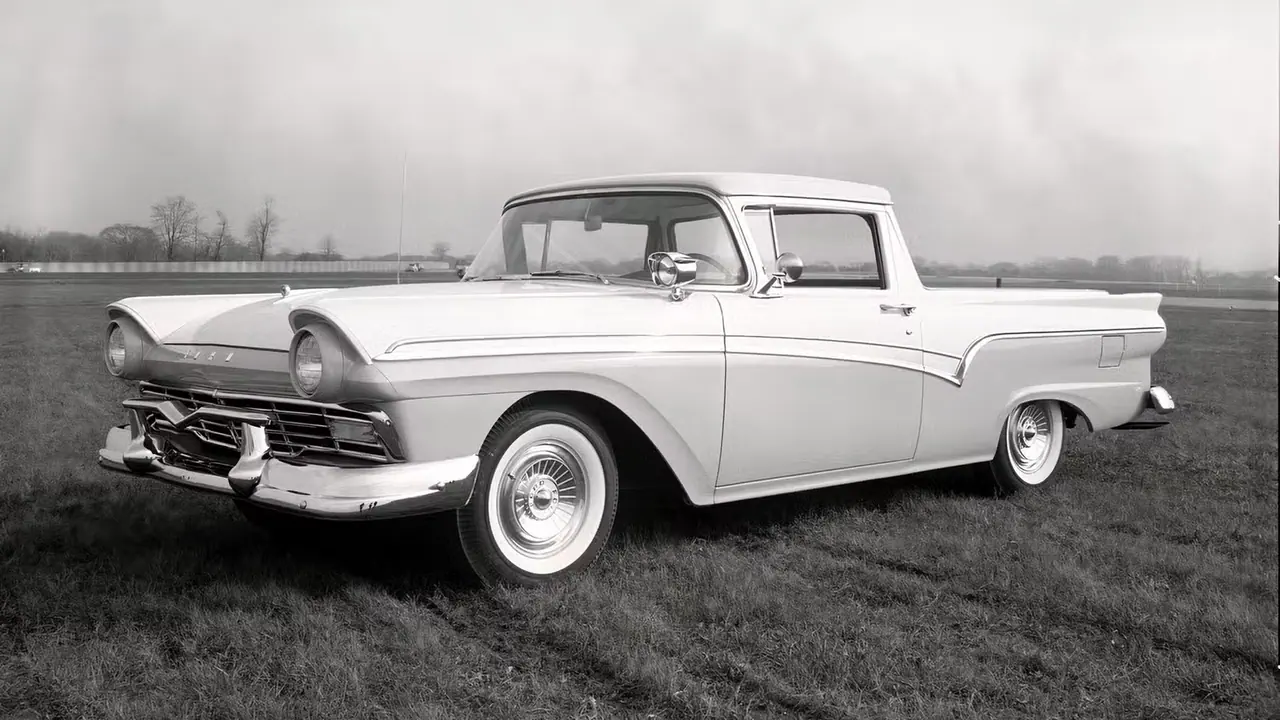
Eventually, conventional pickups took over the American market, offering increasingly sophisticated comfort and convenience features that made the car-based alternatives less appealing. The Ranchero and El Camino had helped establish a distinctive vehicle category, but changing buyer preferences ultimately brought the era to an end.
You may also be interested in the news:
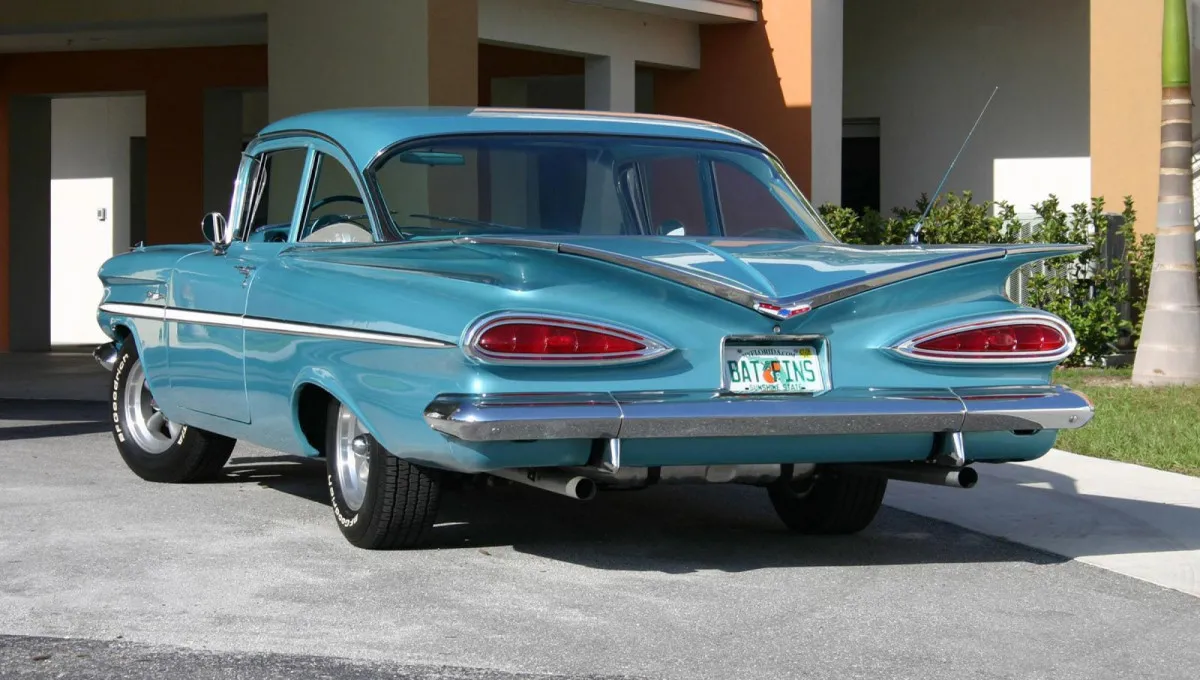
Elegance for Everyone: How Chevrolet Made Its 1960 Cars Stand Out
Chevrolet toned down its extravagant 1959 styling for 1960, bringing a more refined look to its affordable full-size cars.

4 Strange Road Signs in America That You Have to See to Believe
From invisible cows to alien highways, these unusual American road signs turn ordinary drives into unforgettable roadside surprises.
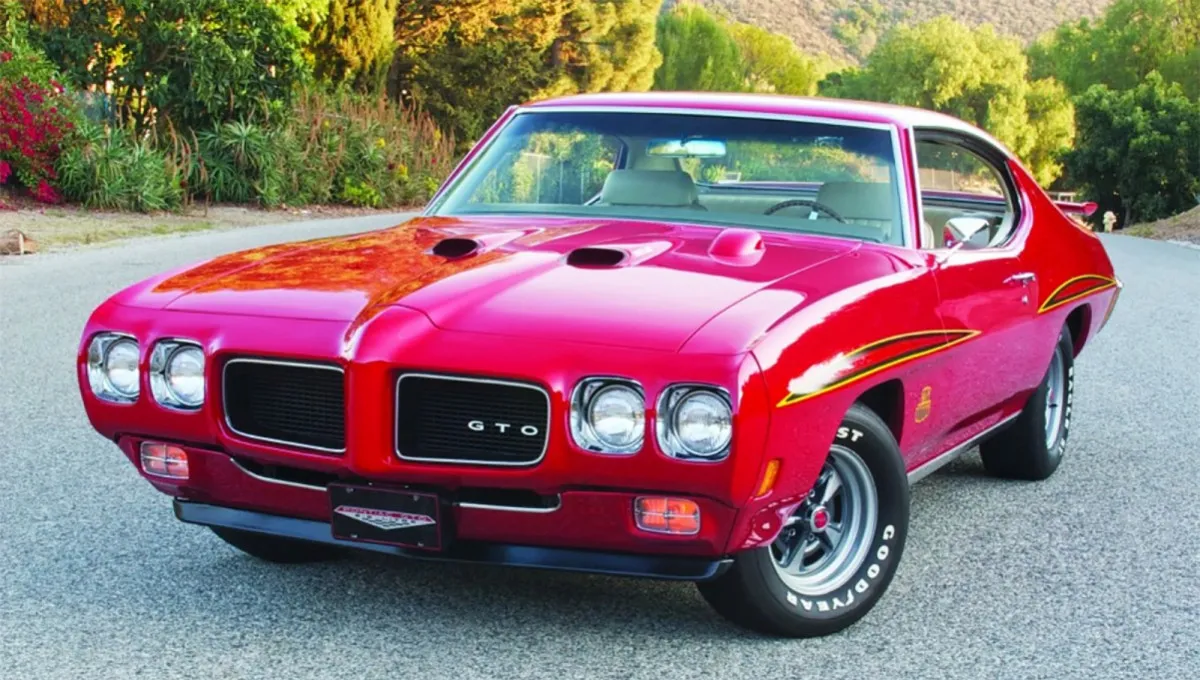
Pontiac's 1970 GTO Had a Wild Exhaust Option—Only 233 Cars Got It
Pontiac offered an unusual exhaust system for the 1970 GTO, but the factory option didn't last long.
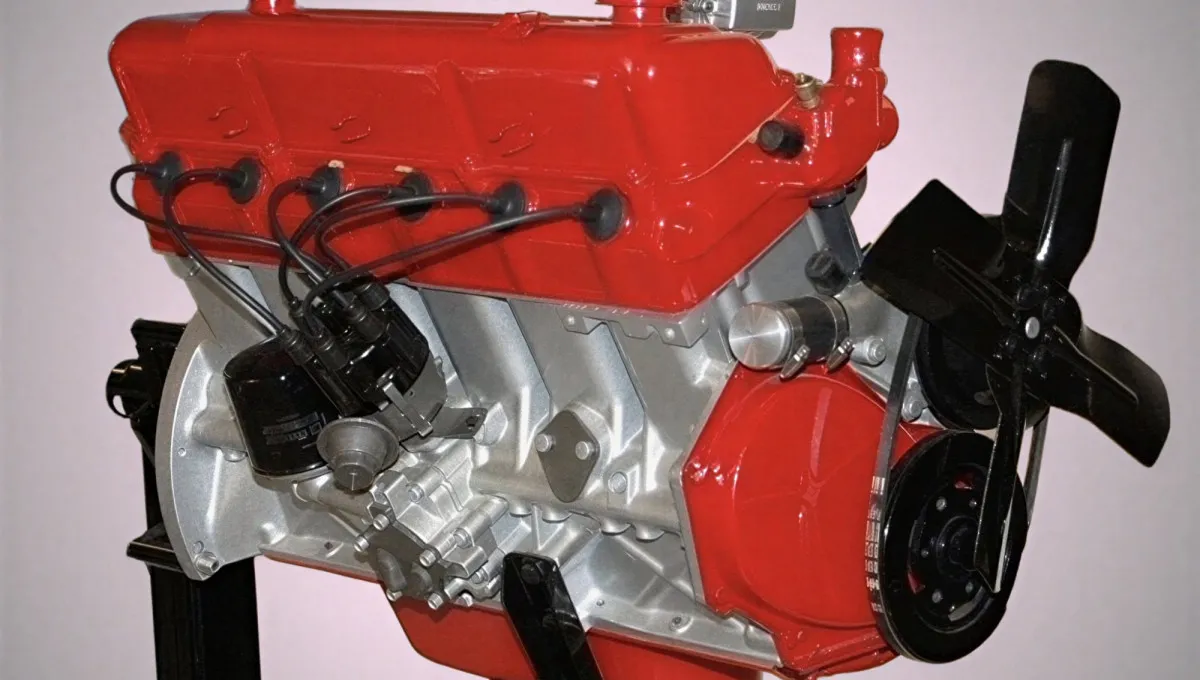
Chrysler's Aluminum Slant 6 Engine: The Lightweight Experiment of 1961–1963
Chrysler built more than 50,000 cars with an aluminum-block Slant 6 before production challenges brought the project to an end.
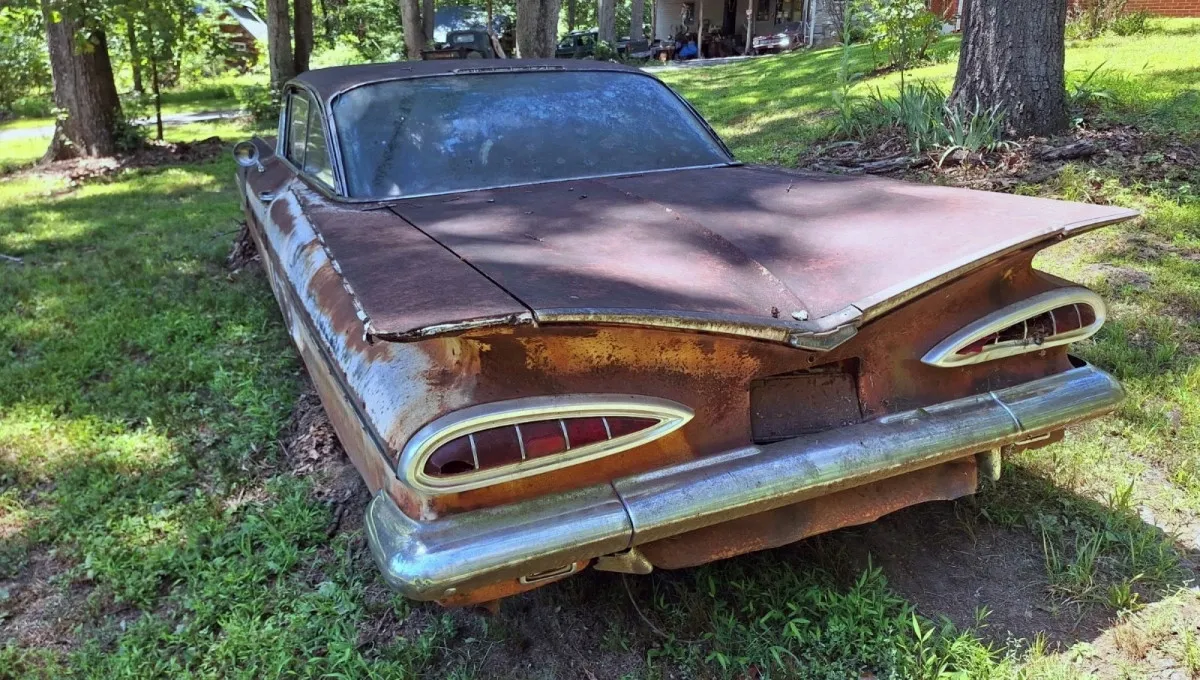
1959 Chevy Impala Parked in a Farm Begs for Restoration As Owner Decides To Let It Go
This 1959 Chevrolet Impala has landed online with one big mission: it must convince a skilled restoration guy to give it a second chance