
Your Car Sat for a Few Days and Won’t Start: What Could Be Draining the Battery
Your car can sit for days and still drain its battery, even when everything appears switched off.
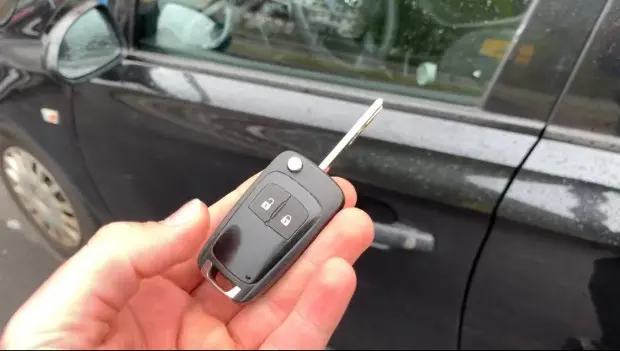
A car can sit quietly outside for a few days, only for the starter to barely turn the engine over one morning—or for the vehicle to show no response at all when the key is turned. Drivers often blame an old battery, even when it was replaced recently. The reason may be that a parked car still uses electricity, according to experts at Auto30.
A small amount of power consumption after the ignition is turned off is normal. The alarm, clock, keyless-entry system, electronic control modules, and other equipment all need some electricity. A healthy battery should be able to handle this without a problem.
Trouble starts when that power draw becomes excessive.
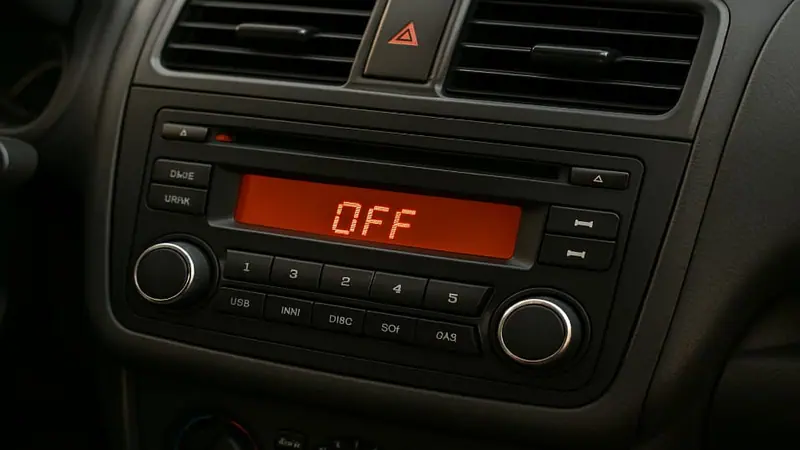
1. An Electronic Module Never Goes to Sleep
After a vehicle is locked, its electronic systems may need some time to shut down. A faulty sensor, door latch, or software problem can cause an individual module to remain active for hours.

2. The Dashcam Keeps Running
Parking-monitor mode can be useful, but a dashcam still needs power. If it is connected directly to the vehicle's electrical system without proper voltage protection, it can significantly drain the battery over several days.
3. A Light Stays On Without Being Noticed
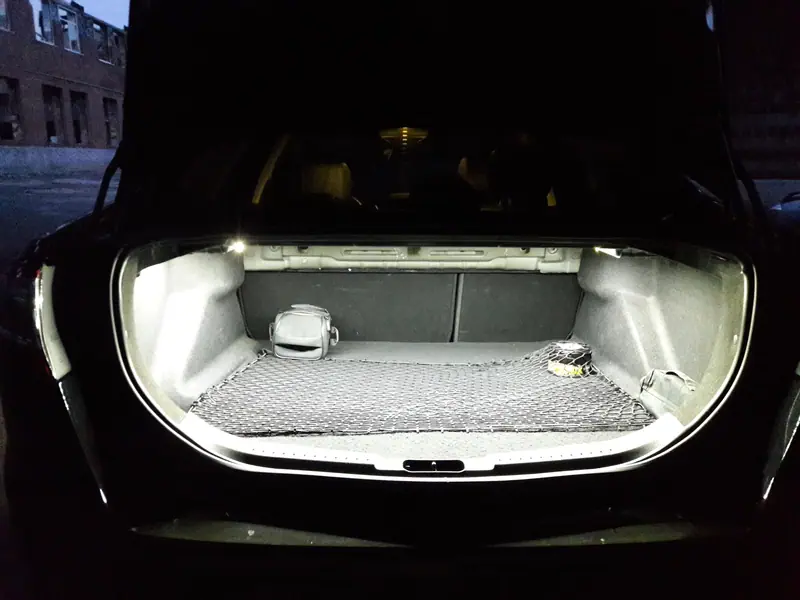
The problem isn't limited to the headlights. A trunk or interior light can remain on because of a faulty switch. The driver may lock the car without realizing that the light is still burning.

4. Aftermarket Equipment Keeps Drawing Power
An aftermarket infotainment system, alarm, GPS tracker, charger, or other installed equipment can sometimes become the source of what is known as a parasitic drain.
5. The Battery Has Lost Capacity
A battery may still work normally when the vehicle is driven every day but fail to hold enough charge after several days of sitting. The problem can become more noticeable in cold weather because low temperatures reduce the battery's available power, while starting a cold engine requires more energy.
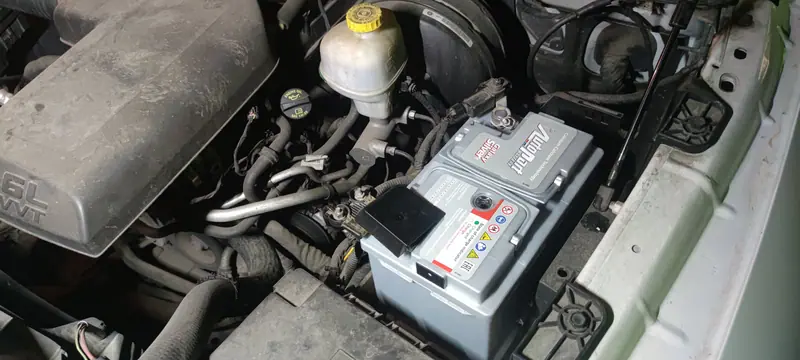
There is another possibility: the battery simply isn't getting enough time to recharge. When a vehicle is used mostly for short trips, the energy consumed by starting the engine, defrosting the windows, heating the seats, running the lights, and powering other systems may not be fully replaced by the alternator.
That means installing a new battery does not always solve the problem. If a vehicle repeatedly fails to start after sitting for only a few days, the battery's condition and charge, the alternator, and the electrical current draw should all be checked after the vehicle's electronic systems have entered sleep mode.
A fully charged, healthy battery that goes dead after two or three days is a particularly strong warning sign. In that situation, the source of the electrical drain should be investigated rather than simply charging the battery again. Otherwise, the car could greet its driver with complete silence the next morning.
You may also be interested in the news:
Why You Should Check a Tire’s Manufacturing Date Before Buying
Tire buyers should check more than size, tread, and brand because rubber changes with age, even without visible wear.
Four Car Features Modern Drivers Are Starting to Miss
New cars keep adding technology, but some simple features that drivers once relied on are disappearing.
One Driving Habit Slowly Wears Out an Automatic Transmission: What Drivers Should Avoid
Seven-speed DSG gearboxes with dry clutches are among the most vulnerable and expensive to repair.
The 10-Step Guide to Driving a Car When Absolutely Everything Goes Wrong
Driving an unfamiliar car through an unfamiliar city is easy when absolutely nothing makes sense.
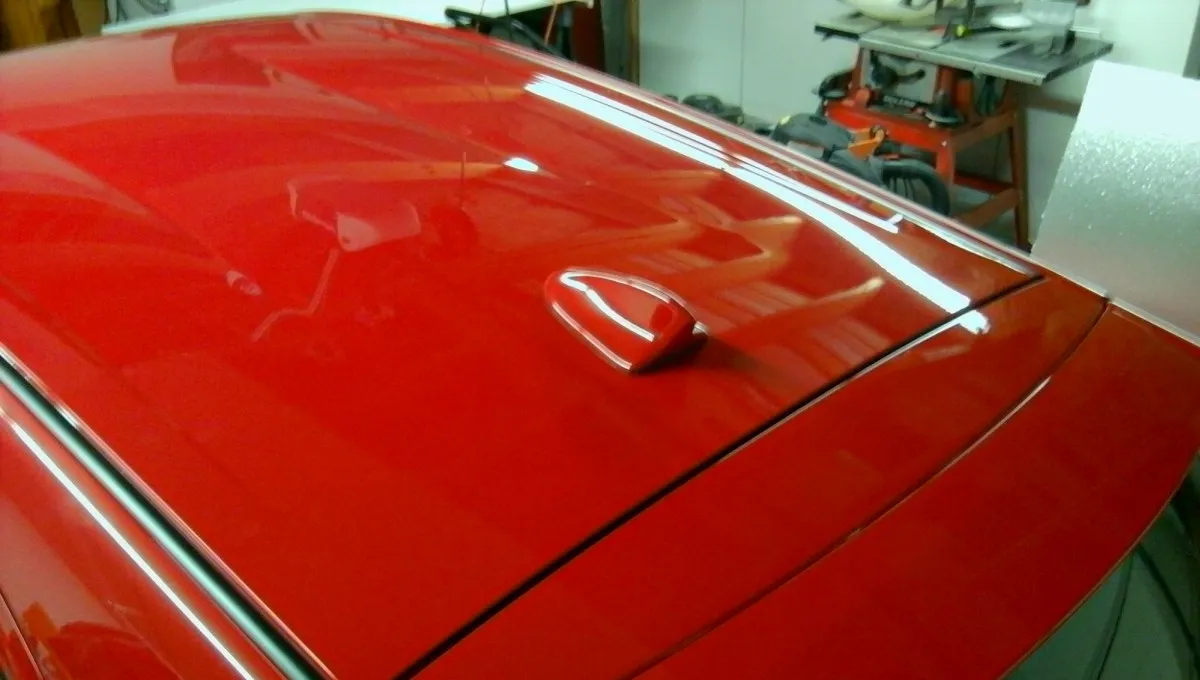
Small Fin, Big Job: Why Your Car’s Shark Fin Is More Than Just a Styling Trick
The small fin on your car's roof may look decorative, but it actually serves several important technical purposes.