
Car Windows Will Stop Fogging Up — Here’s the Mistake Almost Every Driver Makes
Car windows constantly fogging up? Experts explain how to set the heat, when to turn off recirculation, and why the cabin air filter matters.
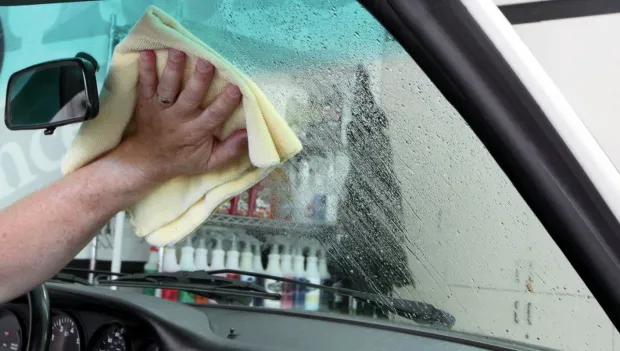
Foggy windows can be a serious problem for drivers in cold weather. Sometimes condensation forms immediately after the engine starts; other times, visibility deteriorates during the drive. Wiping the glass offers only temporary relief unless you address the moisture buildup. Auto30 explains.
Experienced drivers point to excess cabin moisture, incorrect ventilation settings, or a dirty cabin air filter as common causes. Specialists say that clearing condensation effectively requires fresh air and proper airflow.

Why car windows fog up on the inside
Fogging occurs when water vapor condenses. When warm, moist air inside the car meets cold glass, tiny water droplets form on the surface.
This is especially common in fall and winter, when the glass is much colder than the cabin air.
Wet shoes, damp floor mats, umbrellas, clothing, and even passengers' breath can all add moisture.
Without enough fresh air circulating through the cabin, moisture builds up and the windows become increasingly foggy.
The ventilation mistake that can make windows fog up
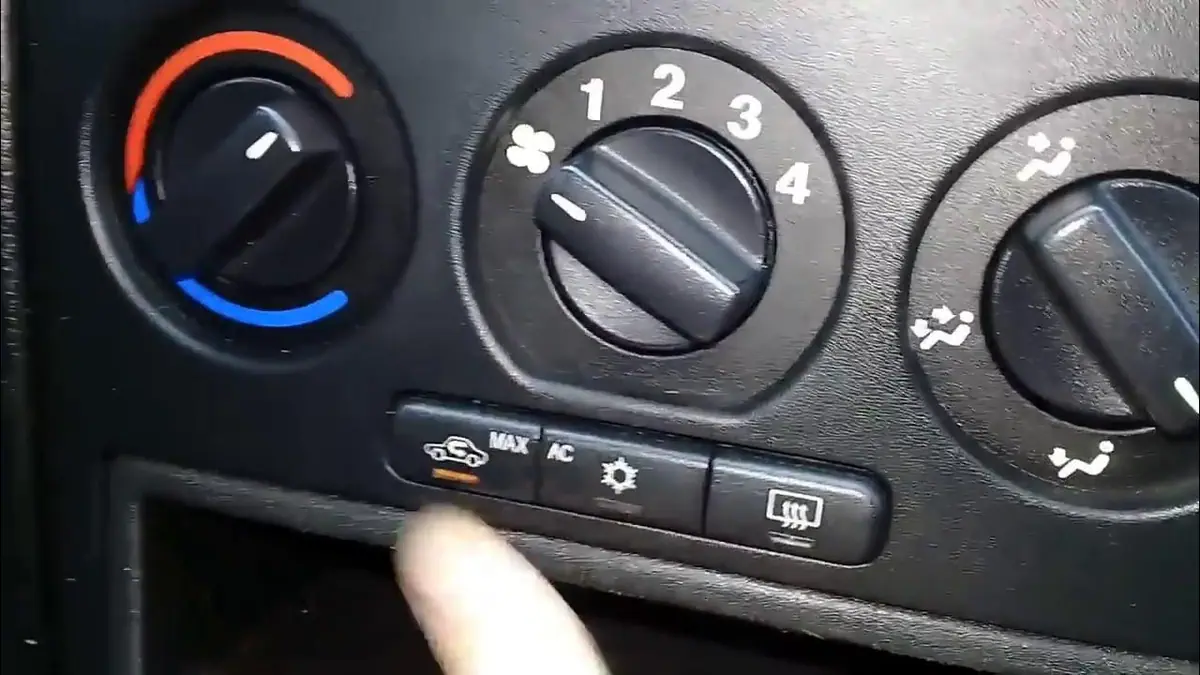
One of the most common mistakes is leaving the air recirculation setting on for too long.
Many drivers turn it on in winter hoping to warm the cabin faster. But this setting primarily circulates air already inside the vehicle, limiting the fresh air coming in from outside.
As a result, moisture from passengers and wet belongings continues to accumulate. That can make the windows fog up even more.
To address the problem, turn off recirculation and allow outside air into the cabin.
Direct warm air toward the windshield as well. If the vehicle has air conditioning, using it can also help dry the air.
A video on preventing condensation on car windows can be viewed here:
How to clear windshield condensation quickly
Clearing fog effectively starts with the right climate-control settings.
Drivers should:
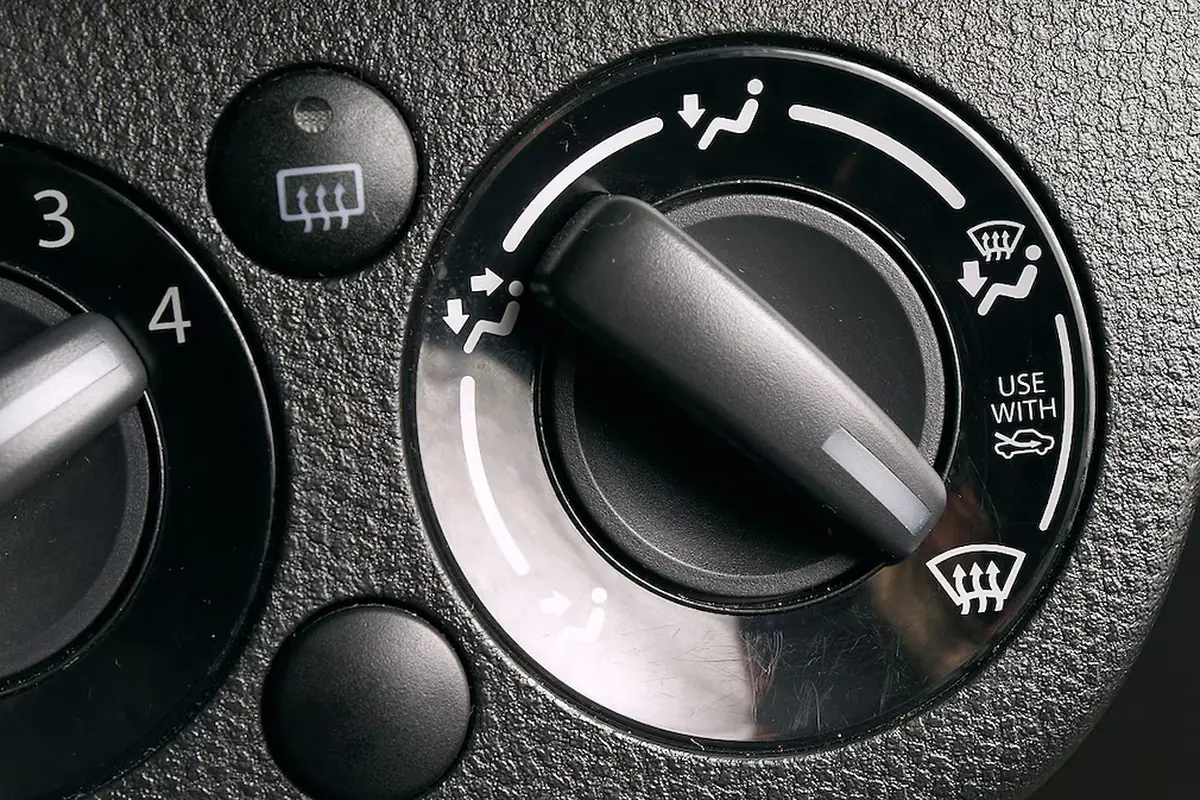
- Turn off air recirculation. This lets fresh outside air enter the cabin.
- Direct airflow toward the windshield. Moving air helps clear condensation faster.
- Turn on the heat. Warm air helps raise the temperature of the glass.
- Use the air conditioning. When temperatures allow it to operate, it can help reduce humidity.
- Crack a window if needed. This can help exchange cabin air more quickly.
If the vehicle has a dedicated setting for quickly defogging the windshield, use it.
Before driving, make sure visibility through the windshield and side windows is fully restored.
Why windows can fog up even with the heat set correctly
If the ventilation is set correctly but condensation keeps returning, check the cabin air filter.
Dust, leaves, pollen, and other debris collect in the filter over time. That restricts airflow and reduces ventilation performance.
Even with the fan running at high speed, airflow may be too weak to clear the windows quickly.
In that situation, replacing the cabin air filter often helps improve airflow and reduce fogging.
Other problems can also be responsible, including faulty ventilation doors, air-conditioning issues, or water leaking into the cabin. If replacing the filter does not help, have a repair shop inspect the vehicle.
How to help keep car windows from fogging up
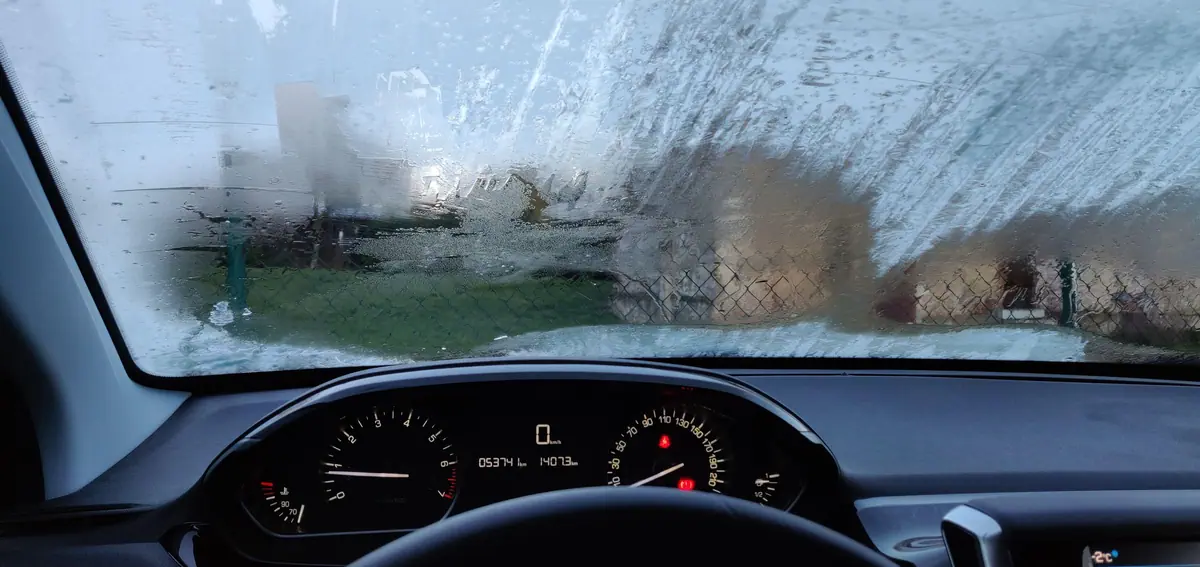
A few simple habits can help reduce moisture buildup inside the vehicle.
- Dry floor mats regularly. Moisture from snow and rain can linger in the cabin.
- Remove wet belongings. Take umbrellas, jackets, and other damp clothing out of the vehicle.
- Use rubber floor mats in winter. Water and snow are easier to remove from them.
- Keep the glass clean. Dirt on the inside surface can make visibility worse when windows fog up.
- Replace the cabin air filter when needed. A dirty filter can significantly restrict airflow.
Automotive moisture absorbers can also help, but they are no substitute for a properly working ventilation system.
What not to use on foggy windows
Some drivers use home remedies to fight condensation, such as rubbing the glass with a potato or toothpaste.
Experts advise against these methods. Potatoes can leave residue, while toothpaste contains abrasives that can damage the glass or its coating.
Automotive anti-fog products can be useful, but they must be applied according to the manufacturer's instructions.
No product will provide lasting results if air is not circulating properly or excess moisture is accumulating inside the vehicle.
You may also be interested in the news:
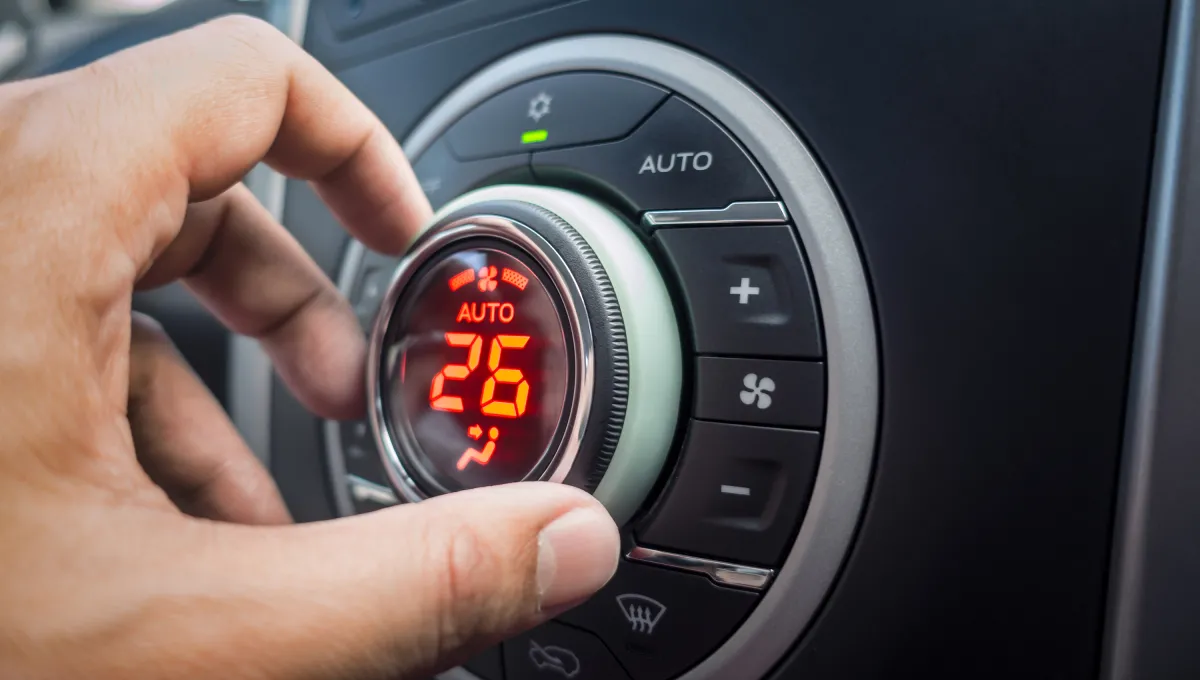
How Not to Ruin Your Car: One Winter Habit Will Help You Save on Repairs
Your car’s air conditioning isn’t just for summer. Experts recommend using it periodically during colder months, too.

Even Experienced Drivers Make a Mistake: On Which Axle Should the Best Tires Be Installed?
Should new tires go on the front or rear? Physics points to the rear, because losing rear-wheel traction poses a greater risk of a spin.
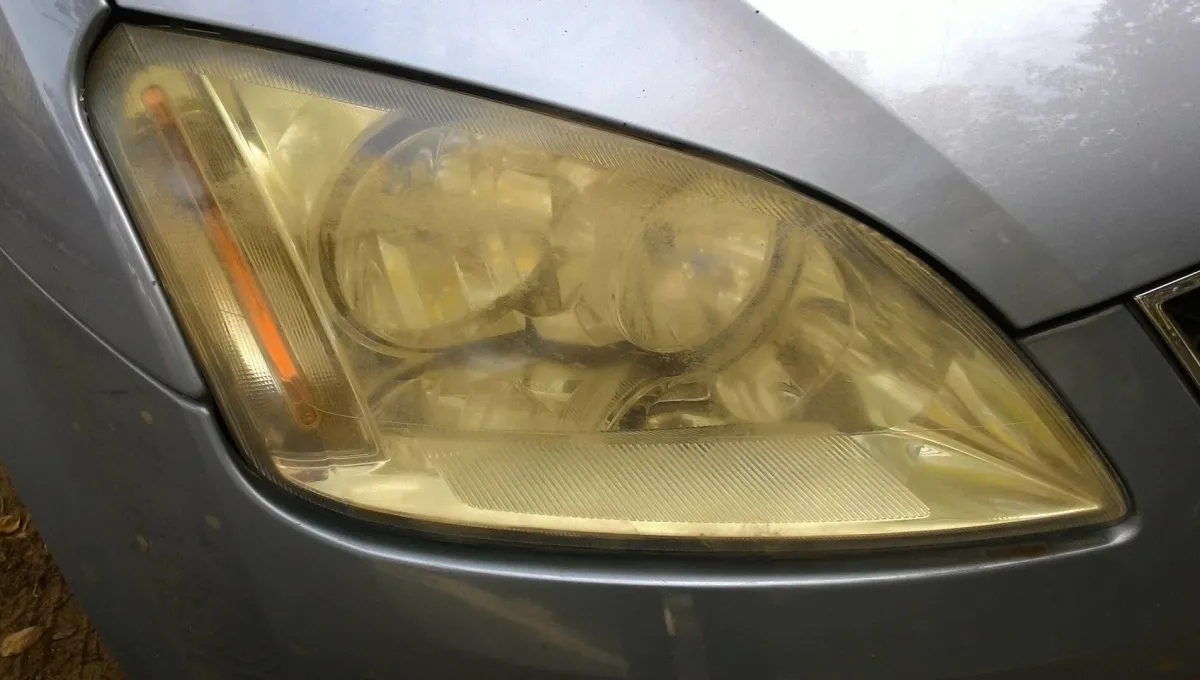
Yellow Buildup on Headlights Can Be Removed in a Matter of Minutes: An Unexpected Product Does the Trick
Yellowed headlights may not need an expensive polishing job. Here’s how to use white toothpaste to remove surface haze and improve clarity.

At Night, Automation Goes Blind from Reflectors. Experts Ran a Night Test of a Reflective Vest
All six cars detected an adult pedestrian wearing a basic reflective vest, but most struggled with someone in standard reflective workwear.

3 Zodiac Signs That Turn Every Car Ride Into a Full-Blown Karaoke Concert
They don't just listen to music behind the wheel. They put on a concert, and they're their own biggest fans.