
Even Experienced Drivers Make a Mistake: On Which Axle Should the Best Tires Be Installed?
Should new tires go on the front or rear? Physics points to the rear, because losing rear-wheel traction poses a greater risk of a spin.
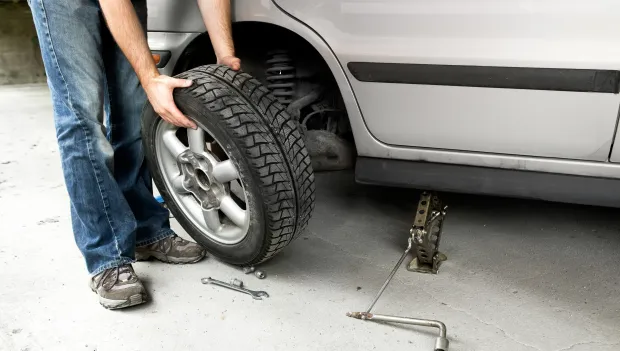
Many drivers put their best tires on the front wheels, assuming that will improve winter traction. But that approach can compromise stability. Auto examined which axle should get the tires with the most grip.
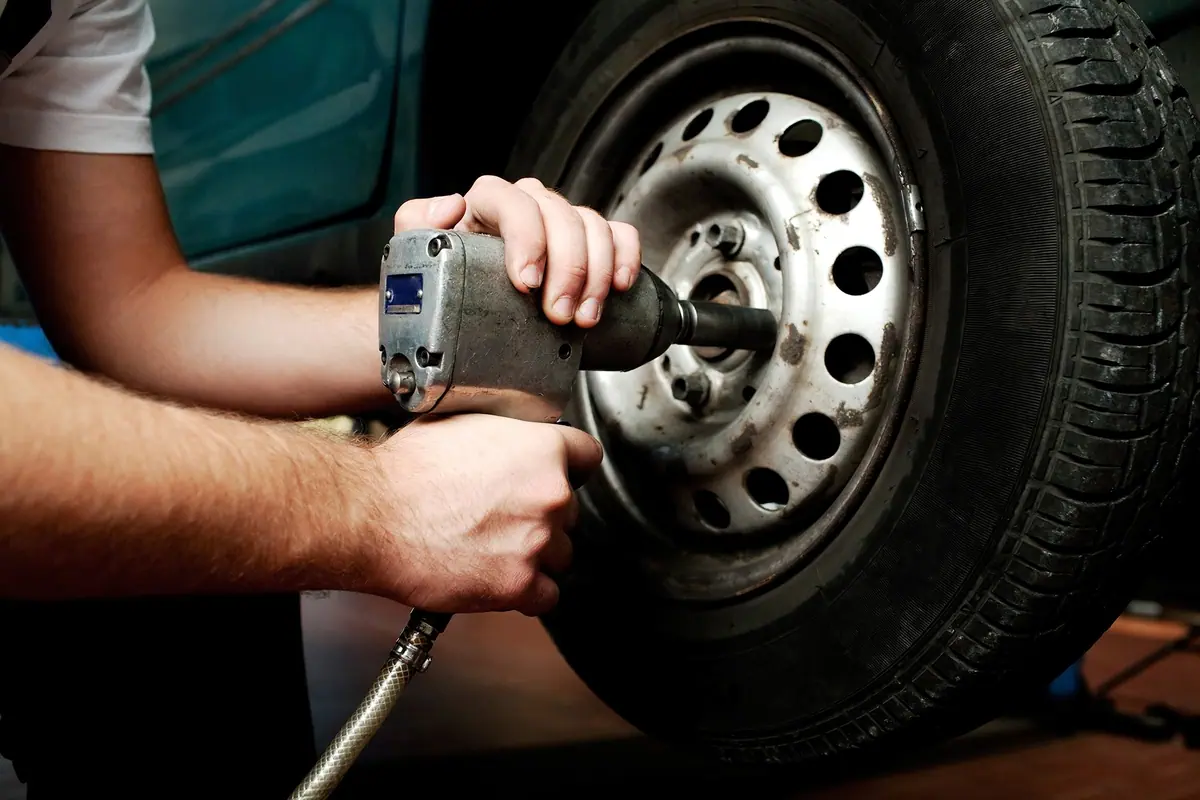
Why the best tires belong on the rear
The tires with the most grip should go on the rear axle, regardless of which wheels drive the vehicle. Rear-wheel traction helps keep the car stable when changing direction, and losing grip at the rear can be considerably more dangerous than losing it at the front.
Many drivers reason differently: The front wheels steer, brake, and pull the car forward, so they should get the best tires. But vehicle dynamics favor putting the better pair on the rear, even on a front-wheel-drive car.
The question becomes especially important when preparing a car for winter. If the front tires lose traction, the car runs wide in a turn. Easing off the accelerator can help it gradually return to its intended path.
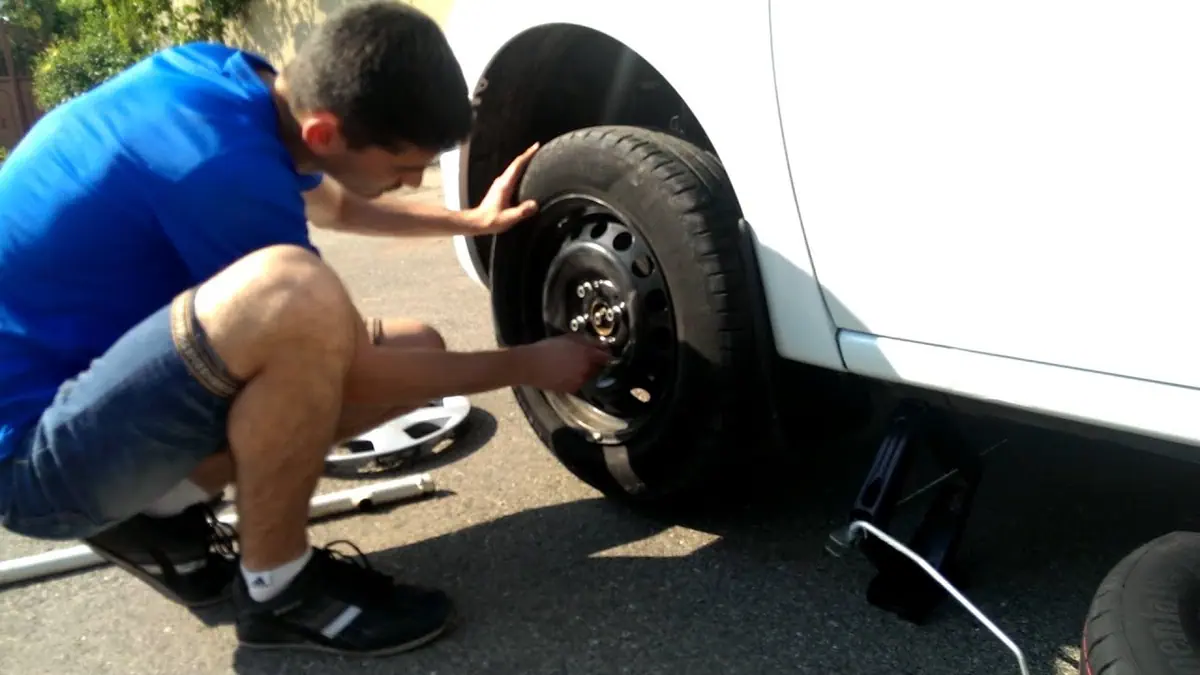
Why a rear-wheel skid is more dangerous
When the rear tires lose grip, the back of the car starts to swing around, and the vehicle can quickly spin. A driver's instinctive reaction may be to brake hard and turn the steering wheel sharply, but that often makes the skid worse.
Putting the better tires on the front also has advantages, primarily when driving in a straight line. On wet pavement, they shorten braking distances and delay the onset of hydroplaning. The effect is most noticeable with summer tires. With new winter tires, the benefit is smaller because their deeper tread flexes more on pavement.
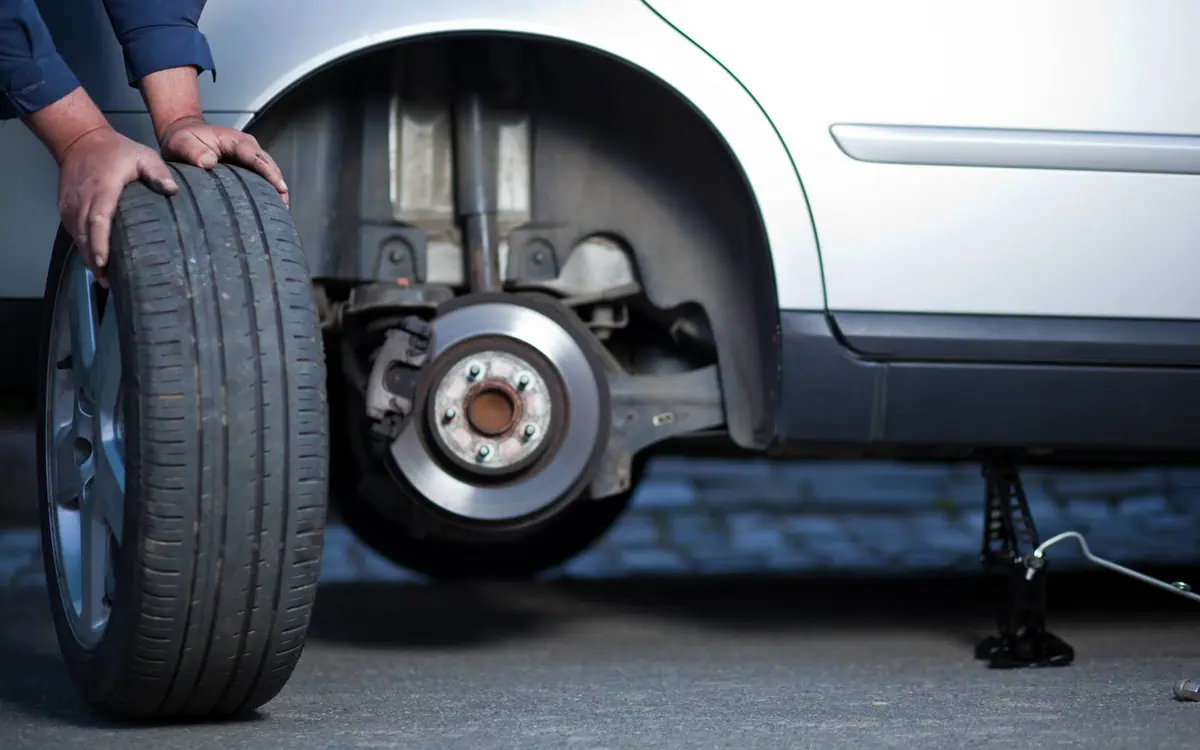
Why regular tire rotation matters
If only two tires are being replaced, the new pair should go on the rear, with the older pair moved to the front. Regular rotation also helps improve safety: Switching tires between axles about every 5,000–6,200 miles is recommended to keep differences in wear from building up.
You may also be interested in the news:
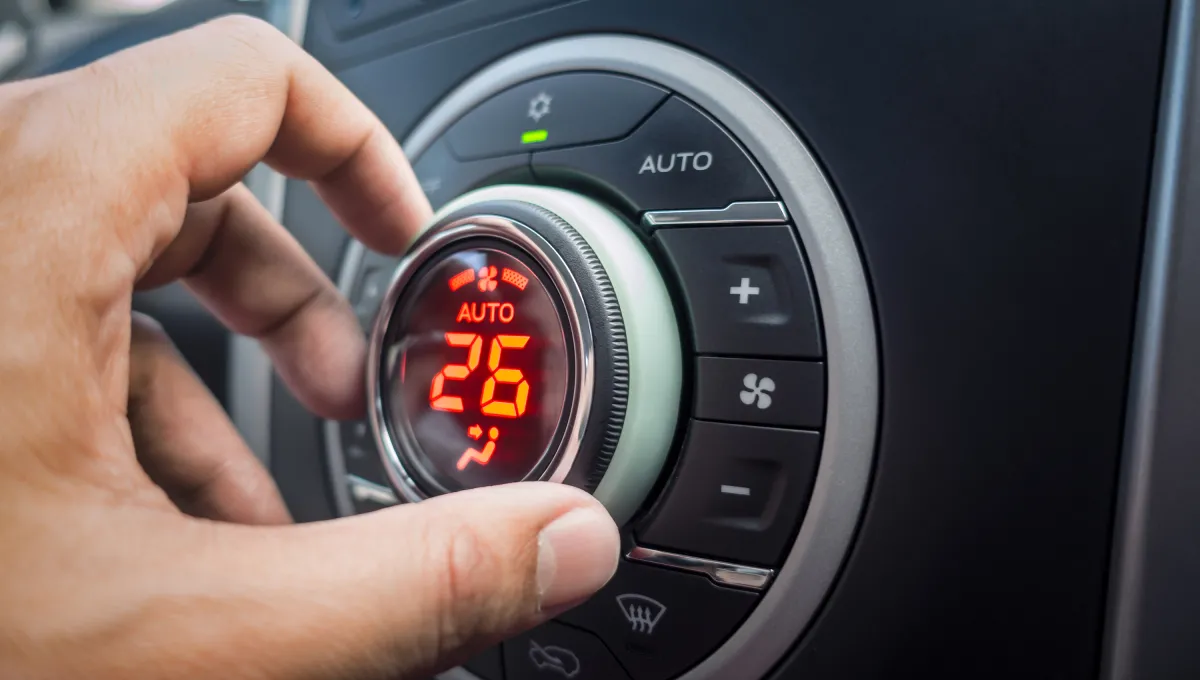
How Not to Ruin Your Car: One Winter Habit Will Help You Save on Repairs
Your car’s air conditioning isn’t just for summer. Experts recommend using it periodically during colder months, too.
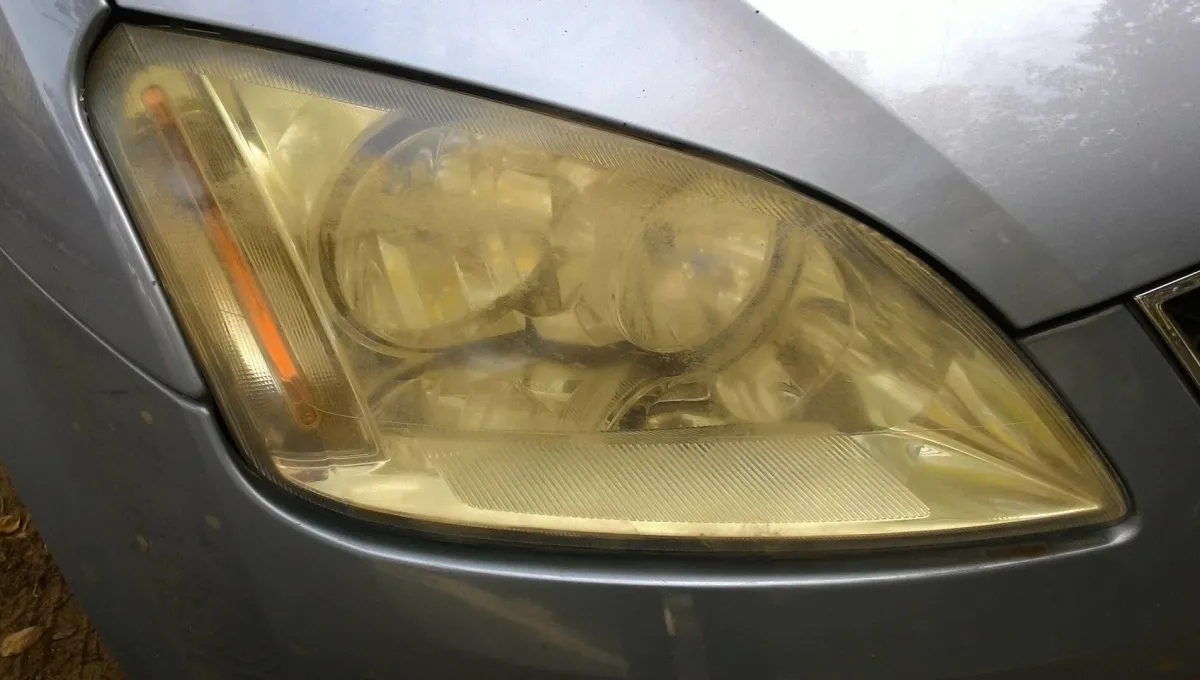
Yellow Buildup on Headlights Can Be Removed in a Matter of Minutes: An Unexpected Product Does the Trick
Yellowed headlights may not need an expensive polishing job. Here’s how to use white toothpaste to remove surface haze and improve clarity.

At Night, Automation Goes Blind from Reflectors. Experts Ran a Night Test of a Reflective Vest
All six cars detected an adult pedestrian wearing a basic reflective vest, but most struggled with someone in standard reflective workwear.

3 Zodiac Signs That Turn Every Car Ride Into a Full-Blown Karaoke Concert
They don't just listen to music behind the wheel. They put on a concert, and they're their own biggest fans.
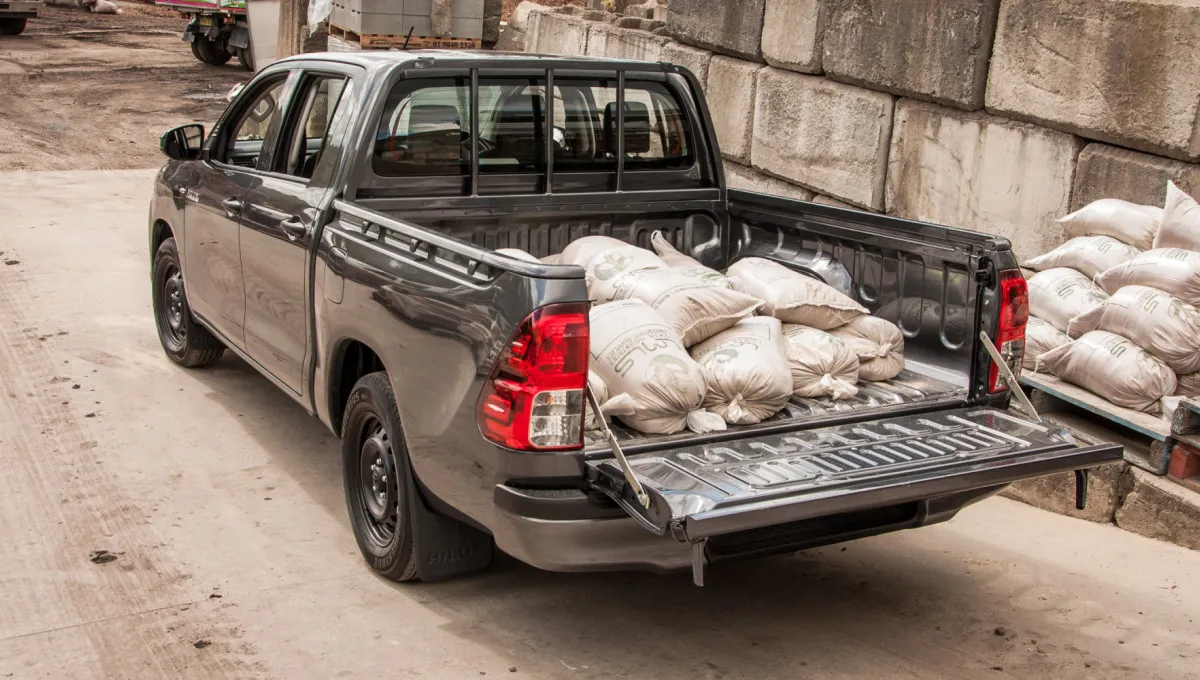
Does Extra Weight Matter? How Passengers and Cargo Change a Vehicle's Performance
Let's revisit the theory and put some of it to the test, using real-world driving and instrumented measurements.