
Why Drivers Keep Cat Litter in the Trunk — A Winter Trick
Sand, salt, or cat litter: What can help tires find traction on a slippery road? Here’s a look at an unusual addition to a winter emergency kit.
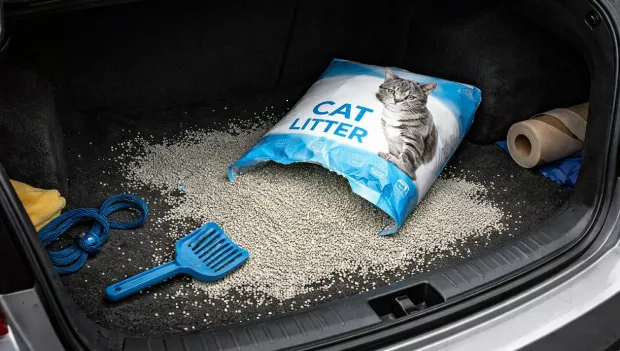
What you’ll learn:
- Why keep cat litter in your trunk
- Which type can help on slippery roads
- How to use cat litter to absorb moisture inside your car
A car can get stuck on a snowy or icy road in winter, even during a routine trip. That’s why AAA recommends putting together an emergency kit ahead of time. It should include an ice scraper, a blanket, a first-aid kit, and other essentials. Sand, salt, or cat litter are also mentioned as useful additions. Auto30 takes a closer look.

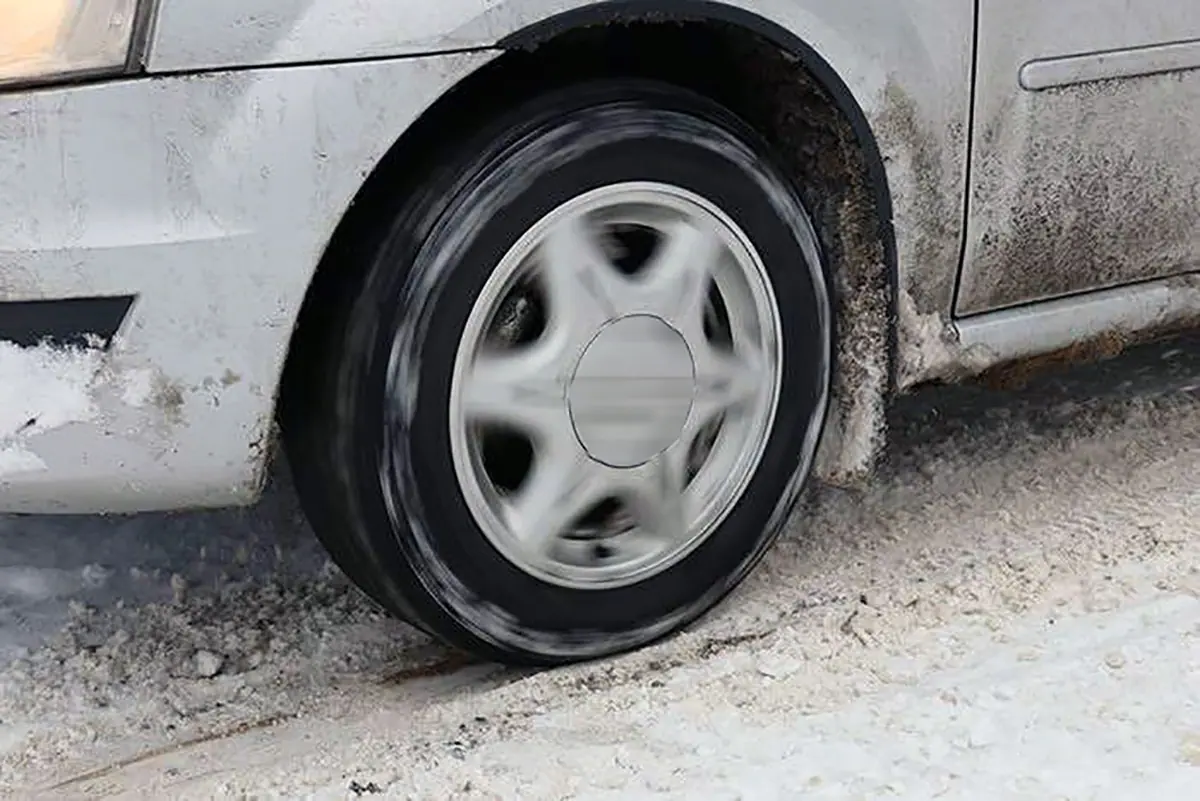
This material can help a car get out of the snow. Its granules create a rough surface under the wheels, giving the tires more traction.
This isn’t just a popular internet trick. Iowa State University’s safety website also recommends keeping a small supply of cat litter or sand in a winter car kit.
Which Type of Cat Litter Helps on Slippery Roads?
Not every type of litter is equally effective. To improve tire traction, experts recommend choosing a non-clumping variety.
Litter that clumps when exposed to moisture can form a dense mass under the tires. Instead of providing a rough surface, it can create a slippery layer that won’t help the car get moving.
Non-clumping clay litter, by contrast, consists of separate granules. These add friction between the tires and the road surface. Still, this method has limits: If a wheel keeps spinning rapidly, the granules can scatter or mix with slush.
Silica gel litter is better suited to absorbing moisture than improving traction on ice. Non-clumping clay litter or ordinary sand is a better choice for traction.
How Cat Litter Can Help Reduce Window Fogging
Another unusual use for this material involves excess moisture inside the car. Temperature differences in winter often cause condensation to form on the windows, reducing visibility.
To help absorb moisture, you can pour fresh cat litter into an old stocking or a tightly woven fabric bag. The bag is placed on the dashboard or rear parcel shelf. The litter gradually absorbs some of the moisture in the air.
A car-leasing company has shared similar advice, also mentioning silica gel packets as an alternative way to reduce moisture.
How to Use Cat Litter in Winter
To avoid creating additional problems, follow a few simple guidelines.
- Secure the bag in the trunk. During hard braking, unsecured cargo can shift and pose a hazard.
- Spread the granules around the drive wheels. Place the material in front of and behind the tires to help them gain traction.
- Go easy on the accelerator. Rapidly spinning tires will scatter the litter and may dig deeper into the snow.
- Keep the material dry. Store it in a sealed bag or plastic container to protect the granules from moisture.
Cat litter is no substitute for winter tires, tire chains, or equipment designed for safe winter driving. But a small supply of non-clumping litter in the trunk can be a useful addition to a winter emergency kit.
You may also be interested in the news:

Owners Say Toyota Hybrids With eCVTs Can Reach Nearly 500,000 Miles
Toyota hybrids have long been considered among the most durable vehicles in their segment.
Windshield Freezes Every Morning — This Mechanic’s Trick Helps You De-Ice It Faste
Is frost leaving your car windows covered in ice? A few simple steps can make morning cleanup easier and help keep ice from forming.
Car Windows Will Stop Fogging Up — Here’s the Mistake Almost Every Driver Makes
Car windows constantly fogging up? Experts explain how to set the heat, when to turn off recirculation, and why the cabin air filter matters.
5 Car Engines Capable of Covering More Than 220,000 Miles
These five engines have the potential to reach roughly 217,000 miles or more.
How Not to Ruin Your Car: One Winter Habit Will Help You Save on Repairs
Your car’s air conditioning isn’t just for summer. Experts recommend using it periodically during colder months, too.