
What Does a Flashing Red Traffic Light Mean? Can You Keep Driving?
Drivers must come to a complete stop at the stop line before deciding whether it is safe to proceed.
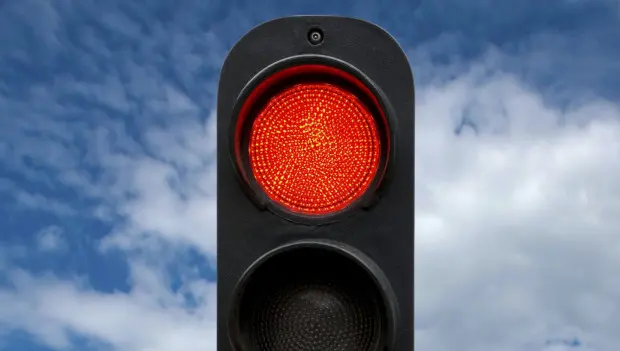
Traffic lights are a familiar sight at intersections across the country, and their signals are generally easy for drivers and pedestrians to understand. But what happens when a traffic signal starts flashing instead of following its normal red-yellow-green cycle? Auto30 explains what a flashing red light means and what drivers are expected to do.
Can You Drive Through a Flashing Red Light?
A flashing red traffic signal is generally treated like a STOP sign. Drivers must come to a complete stop before the stop line and cannot simply continue through the intersection without stopping.
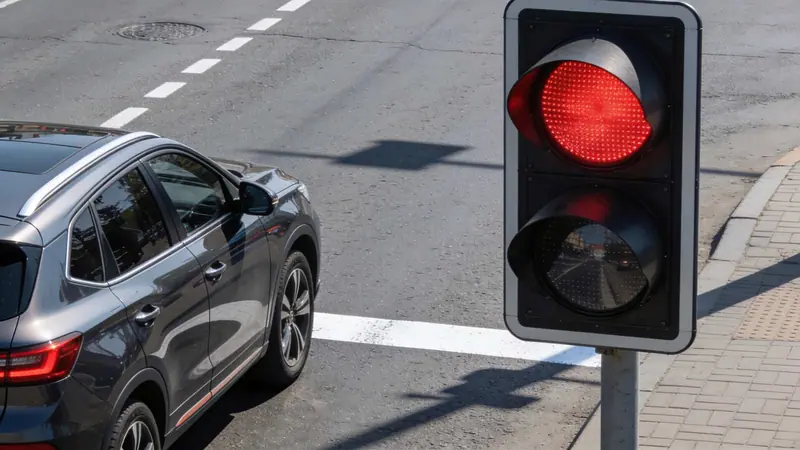
The flashing signal does not necessarily indicate that the traffic light is malfunctioning. In some locations, flashing operation is used during certain hours or under specific traffic conditions. When that happens, the signal temporarily operates differently from its normal sequence to control traffic at the intersection.
After stopping, the driver must assess the traffic situation and yield to vehicles, pedestrians or other road users who have the right of way. The driver can proceed only when the movement can be made safely and legally.
What Does a Flashing Yellow Light Mean?
Flashing red and yellow signals may look similar, but they carry very different instructions.
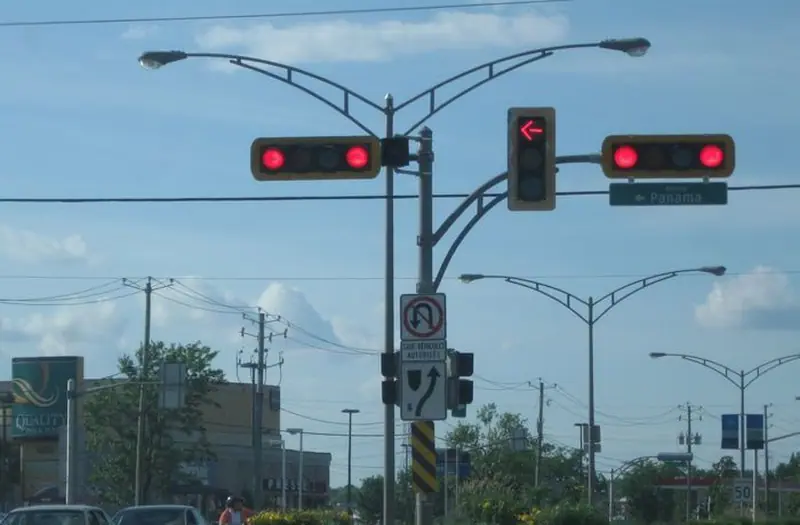
A flashing red light requires the driver to stop completely before proceeding. A flashing yellow light generally warns drivers to slow down, use extra caution and proceed only after making sure the intersection is clear.
The exact rules can vary by jurisdiction, so drivers should follow the traffic laws and posted signs applicable in the state or locality where they are driving.
Why Are Flashing Signals Used?
Flashing signals can also help establish different levels of priority at an intersection. For drivers, the signal provides a visual indication of whether they must stop or whether they can continue with caution.
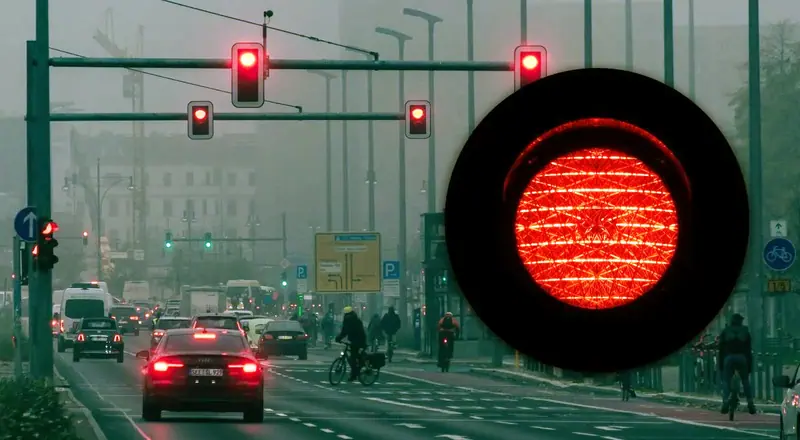
A flashing yellow signal may be used for an approach that has priority, while a flashing red signal can be used for traffic approaching from a road or direction that must yield.
The key distinction is simple: flashing red means stop, while flashing yellow means proceed with caution. Drivers should never treat a flashing red signal as permission to roll through an intersection without stopping.
You may also be interested in the news:
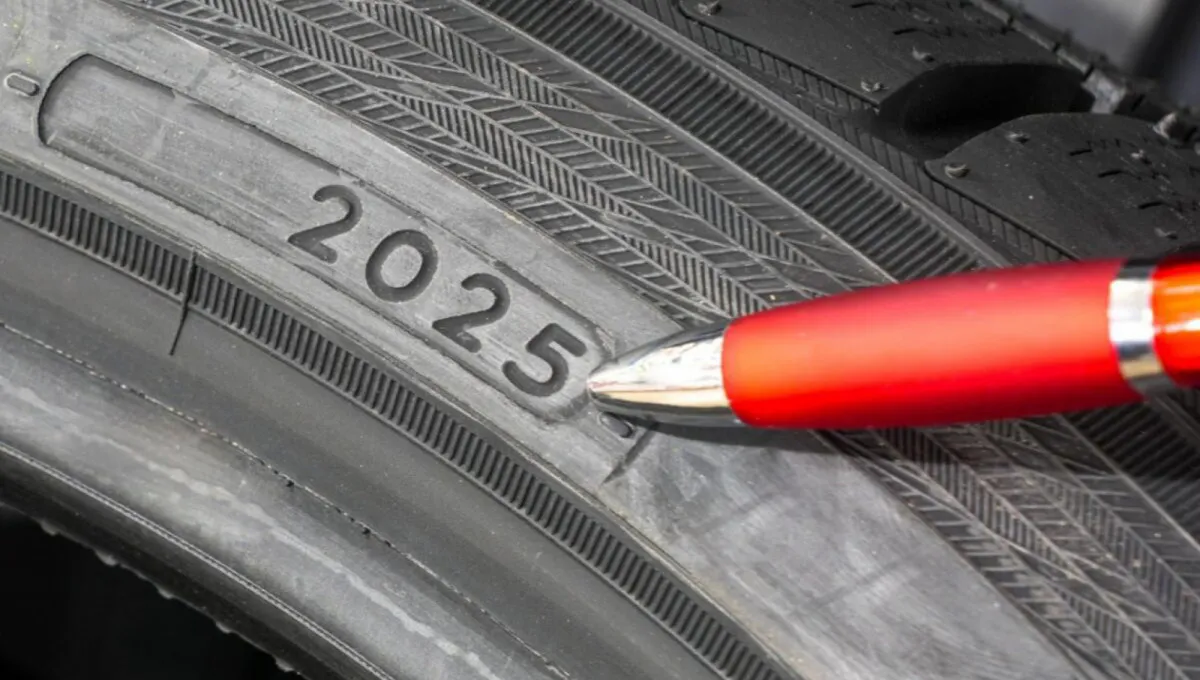
Why You Should Check a Tire’s Manufacturing Date Before Buying
Tire buyers should check more than size, tread, and brand because rubber changes with age, even without visible wear.
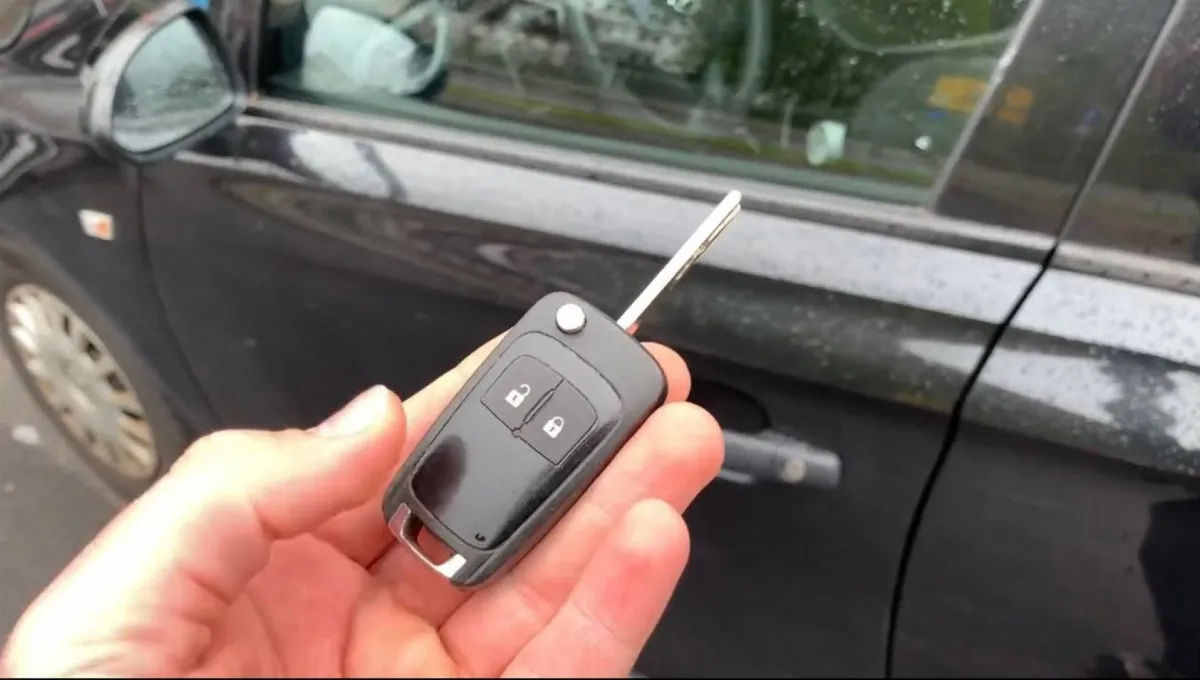
Your Car Sat for a Few Days and Won’t Start: What Could Be Draining the Battery
Your car can sit for days and still drain its battery, even when everything appears switched off.

Four Car Features Modern Drivers Are Starting to Miss
New cars keep adding technology, but some simple features that drivers once relied on are disappearing.
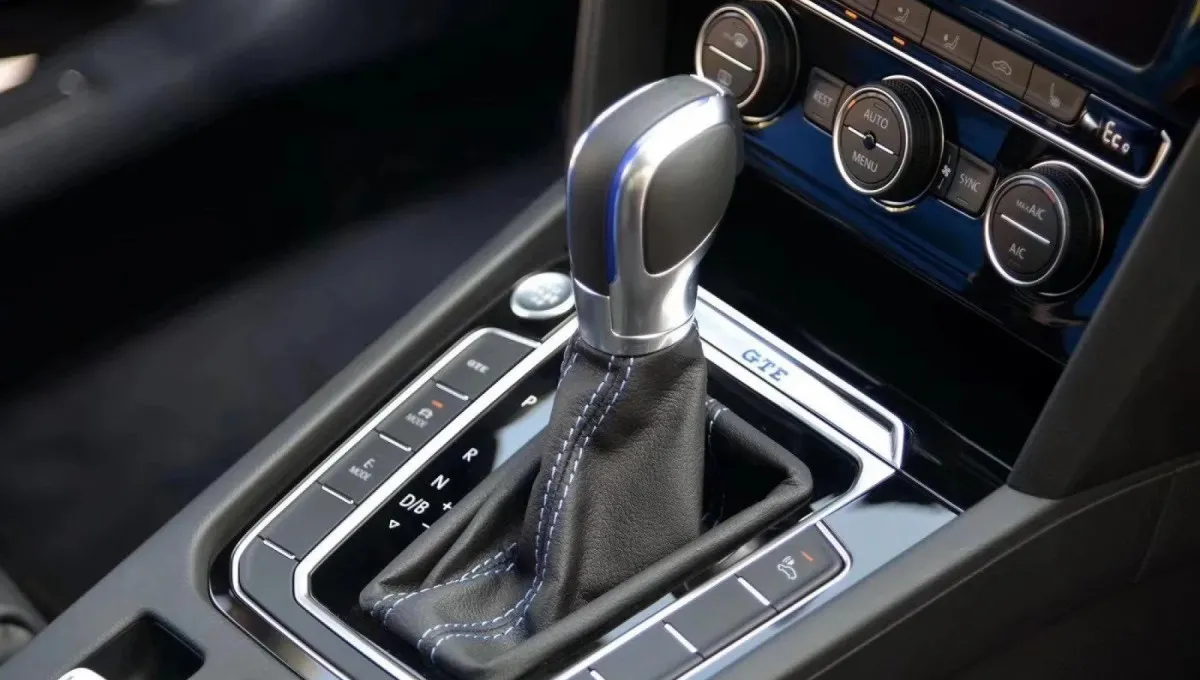
One Driving Habit Slowly Wears Out an Automatic Transmission: What Drivers Should Avoid
Seven-speed DSG gearboxes with dry clutches are among the most vulnerable and expensive to repair.
The 10-Step Guide to Driving a Car When Absolutely Everything Goes Wrong
Driving an unfamiliar car through an unfamiliar city is easy when absolutely nothing makes sense.