
How to Reduce Tire Damage on Pothole-Filled Roads
Even a small pothole can cause serious trouble for a car. A hard hit can damage a tire, including its internal structure.
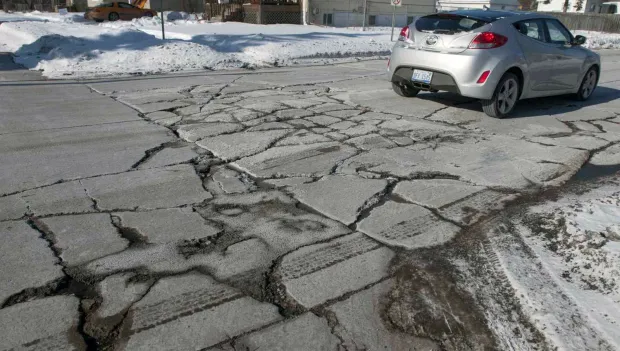
Even a small pothole can cause serious trouble for a car. A hard hit can damage a tire’s internal structure, so drivers need to be cautious on rough pavement.
Automotive specialists point to several factors that can help reduce the risk of expensive repairs.
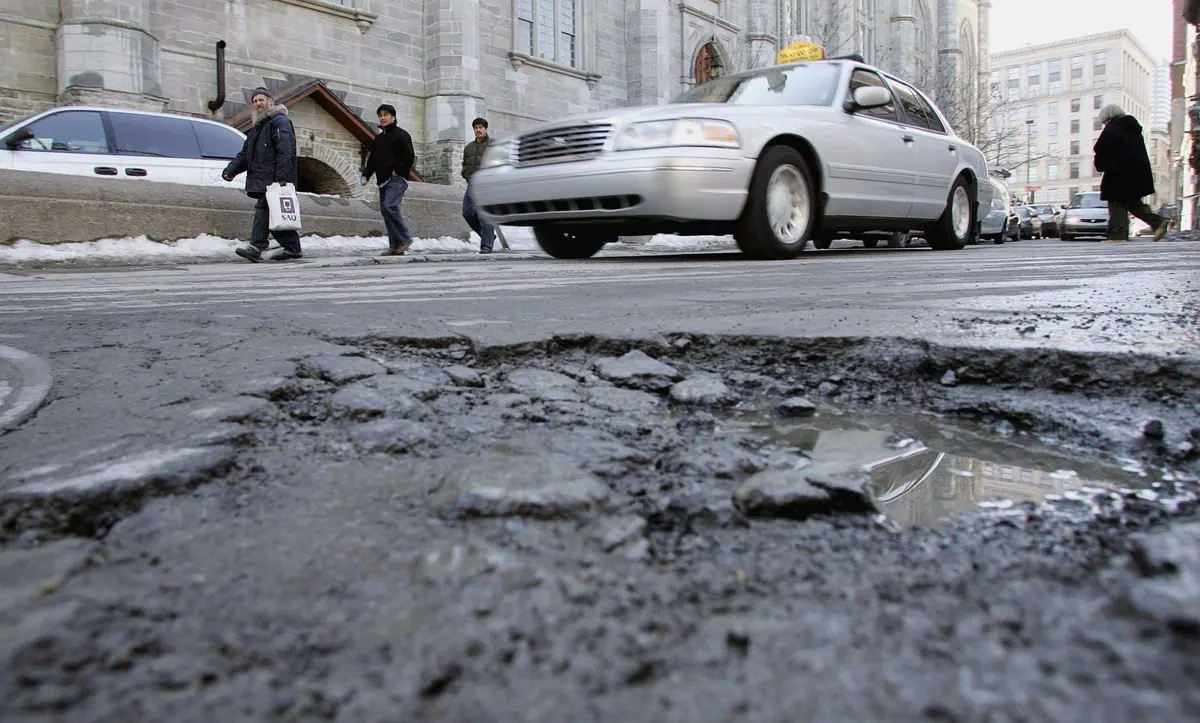
Tire quality matters. More durable tires typically feature reinforced internal construction, strong sidewalls, and specialized rubber compounds. These features help distribute impact energy and reduce the likelihood of damage on uneven roads.
But even high-quality tires cannot provide complete protection. When a wheel hits a deep pothole, the force is concentrated on a small area of the tire. That can damage the internal reinforcement that gives the tire its strength and helps it maintain its shape.

Tire characteristics also affect vehicle stability. Tire quality influences traction, braking performance, and handling, especially in the rain. When choosing tires, it is important to consider performance as well as price.
How to Help Protect Your Tires
The specialists’ main recommendation is to watch the road closely and avoid potholes ahead of time whenever possible. Any change in direction should be smooth and made only when it will not endanger other road users.
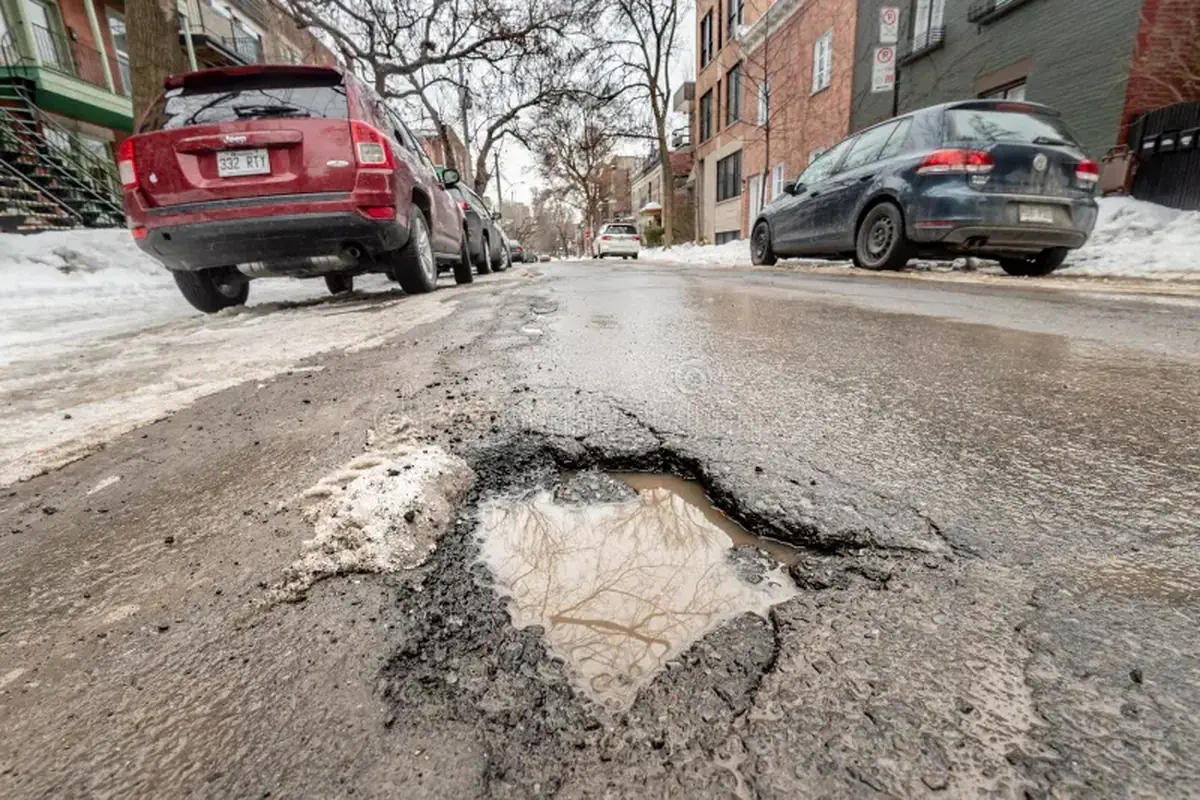
Experts also recommend following these guidelines:
- Maintain a safe speed, especially on unfamiliar roads.
- Watch pavement conditions and look ahead for deep potholes.
- Do not swerve sharply around a pothole when other vehicles are nearby.
- Choose tires suited to your driving conditions and vehicle.
- Inspect tires regularly for cuts, cracks, and sidewall deformation.
Road conditions also deserve attention. Better pavement reduces the likelihood of damage to wheels and other vehicle components. Driving on smooth roads also helps tires last longer and maintain their performance.
Reducing pothole damage takes a combination of attentive driving, appropriate tire selection, and regular tire inspections. A little caution on the road can help prevent serious mechanical problems.
Toyota Earns Recognition for Reliability
According to British auto repair specialists, Toyota ranks among the most reliable brands: its vehicles relatively rarely need repairs for serious engine problems. Maintenance costs also remain moderate compared with other manufacturers in the same class.
The Toyota Yaris with a gasoline-hybrid powertrain receives particular attention. However, one driver who also chose the Japanese brand opted for a different model: a compact Toyota Aygo with an automatic transmission.
You may also be interested in the news:
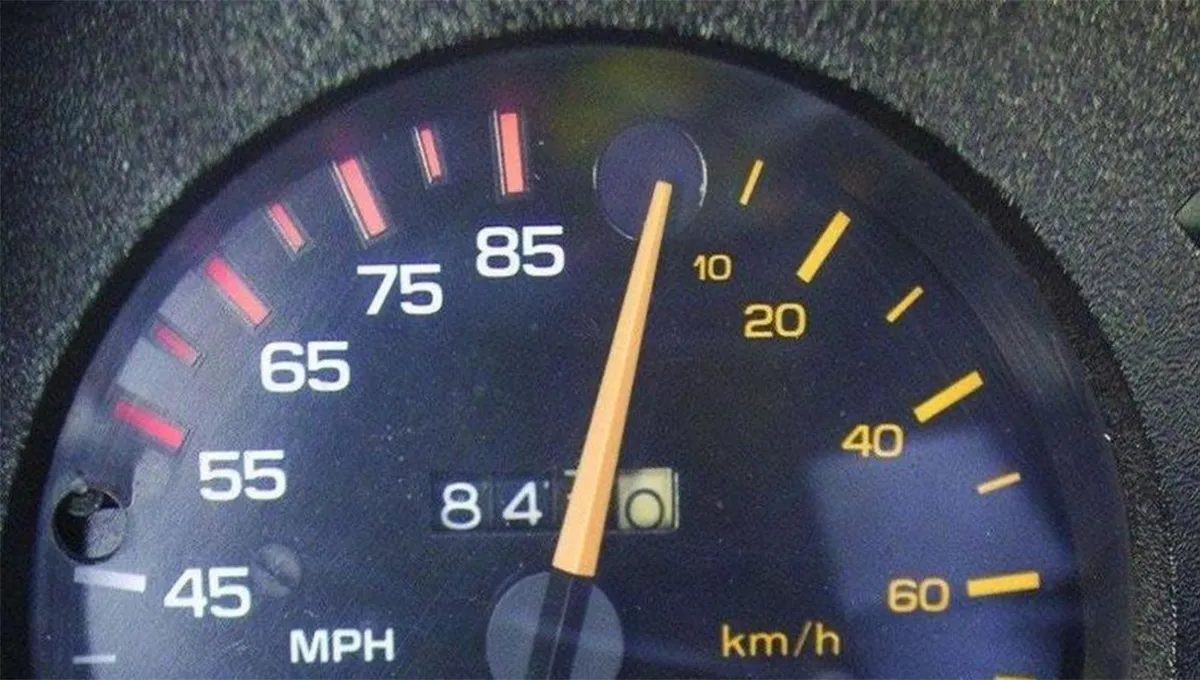
Study Finds Cars Used the Least Fuel Around 43 MPH, Not 56 MPH
At what speed does a car use the least fuel? French researchers identified a figure that may surprise many drivers.
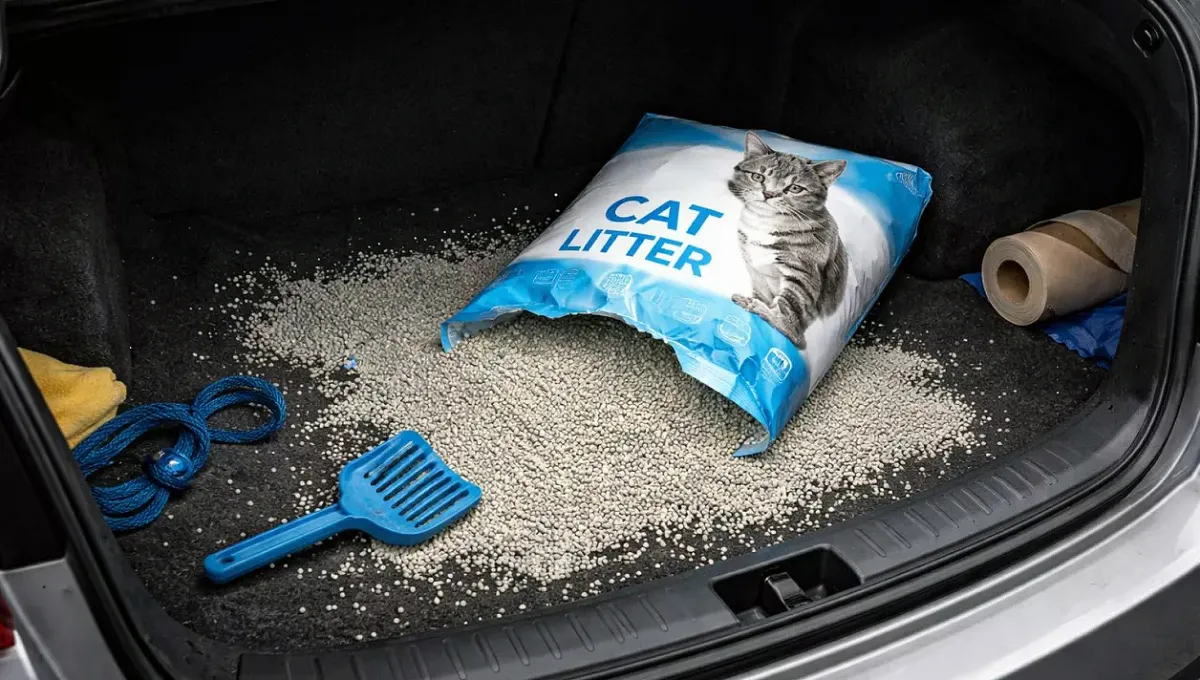
The Winter Trick Every Driver Should Know: Kitty Litter in the Trunk
Sand, salt, or cat litter: What can help tires find traction on a slippery road? Here’s a look at an unusual addition to a winter emergency kit.
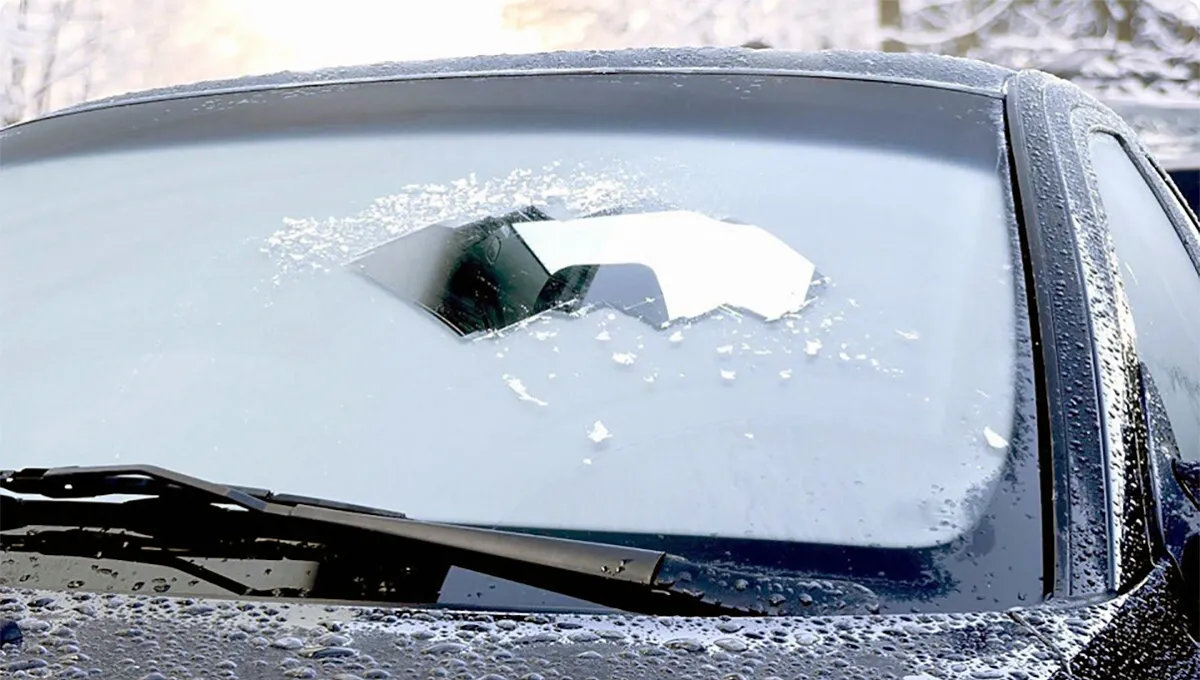
Windshield Freezes Every Morning — This Mechanic’s Trick Helps You De-Ice It Faste
Is frost leaving your car windows covered in ice? A few simple steps can make morning cleanup easier and help keep ice from forming.
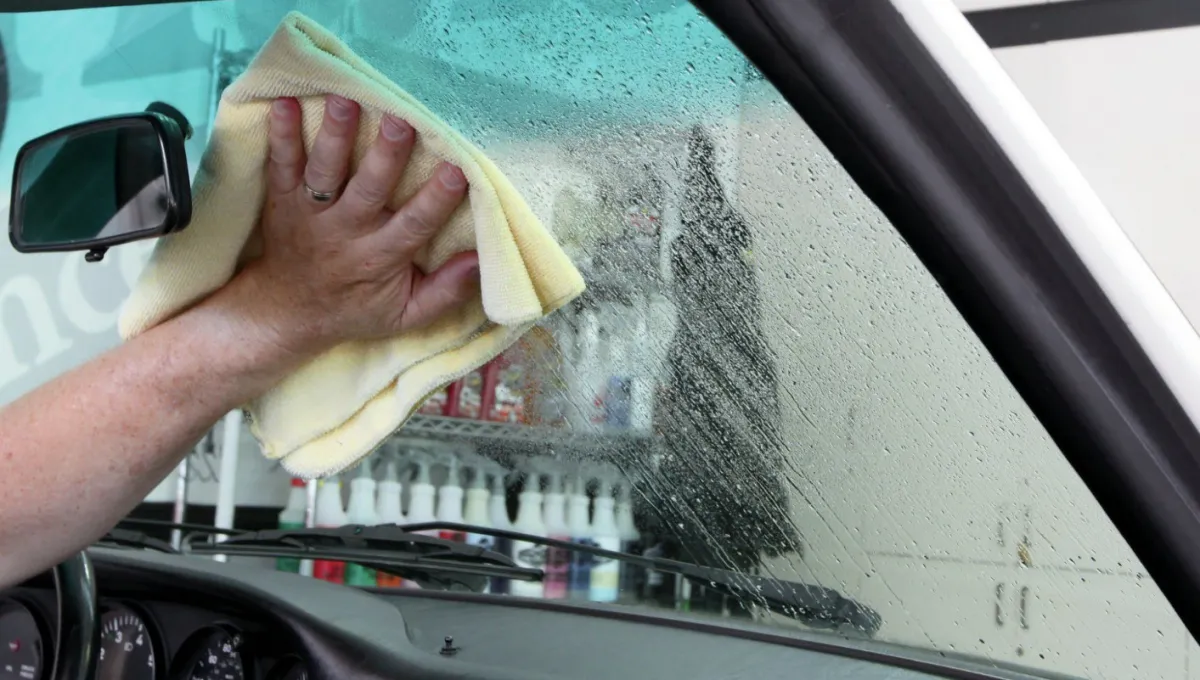
Car Windows Will Stop Fogging Up — Here’s the Mistake Almost Every Driver Makes
Car windows constantly fogging up? Experts explain how to set the heat, when to turn off recirculation, and why the cabin air filter matters.
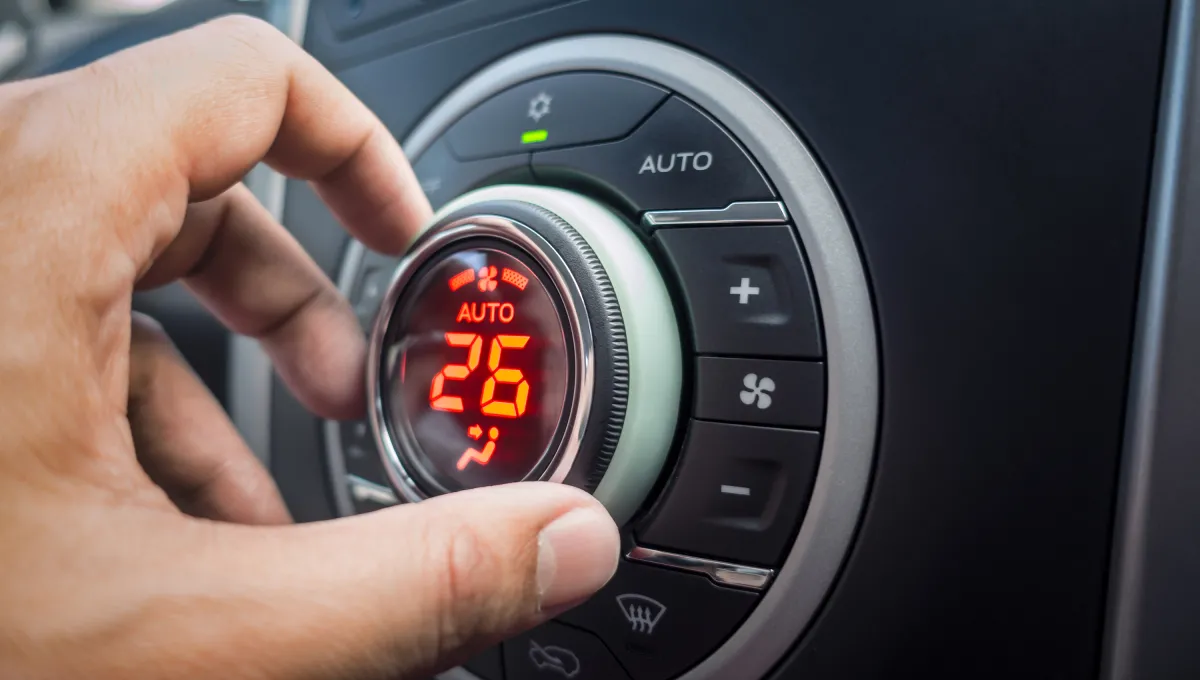
How Not to Ruin Your Car: One Winter Habit Will Help You Save on Repairs
Your car’s air conditioning isn’t just for summer. Experts recommend using it periodically during colder months, too.