
Pontiac's 1970 GTO Had a Wild Exhaust Option—Only 233 Cars Got It
Pontiac offered an unusual exhaust system for the 1970 GTO, but the factory option didn't last long.
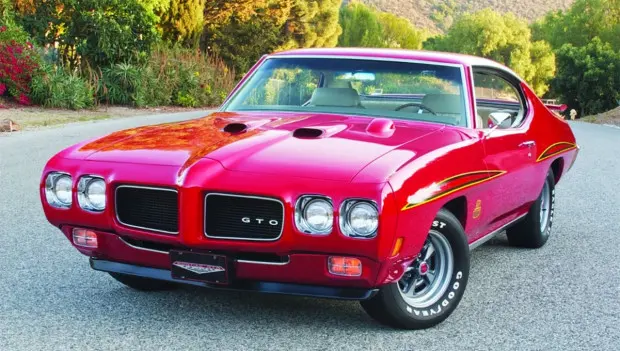
Detroit's muscle car era of the 1960s and 1970s produced plenty of automotive legends, and some of them are actually true. The story of Pontiac's W-73 exhaust system for the 1970 GTO might sound like an urban myth, but it really happened. Pontiac offered the unusual setup that year, though not for long.
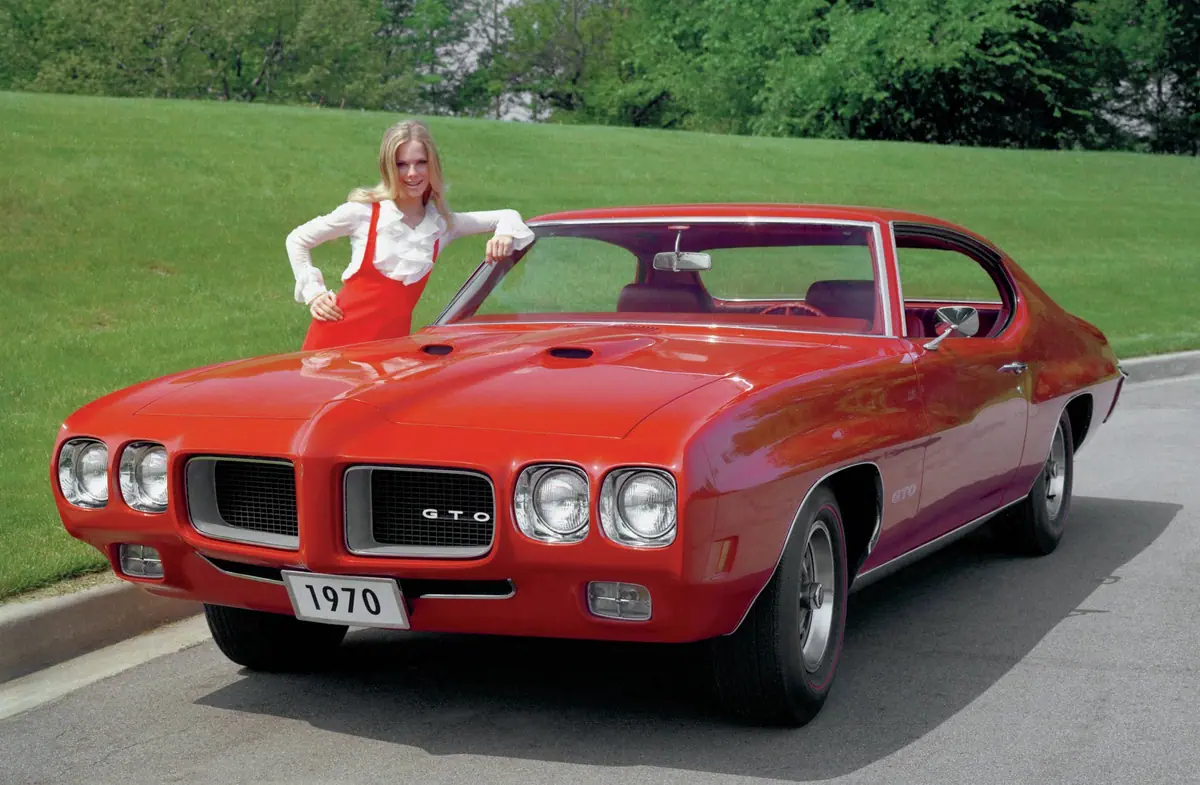
Controlled exhaust cutouts actually date back to the early days of the automobile. Drivers could use mufflers around town, then open the cutouts on the highway to improve performance, fuel economy, and driving enjoyment. Exhaust cutouts were factory equipment on the Duesenberg Model J and other luxury cars, but the feature eventually fell out of fashion.
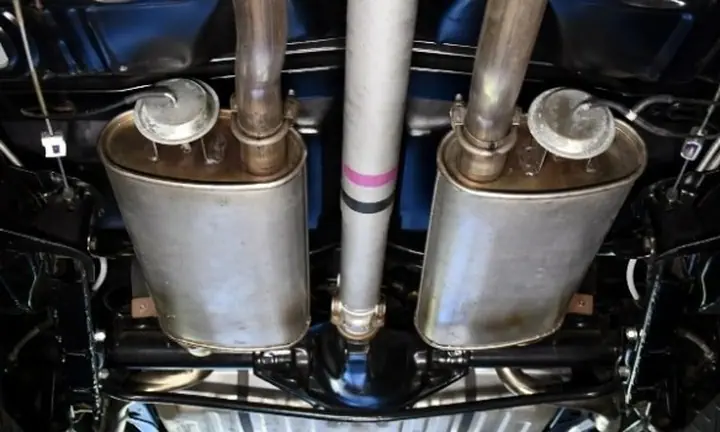
Pontiac simply revived the concept by offering a vacuum-operated exhaust cutout system. Officially listed on the order form as RPO W-73, it cost $63.19. A switch nicknamed the "Tiger Switch" sent a signal from the intake manifold to a pair of vacuum actuators, one mounted near the front of each muffler. When activated, the actuators opened valves that allowed exhaust gases to bypass the muffler chambers, making the exhaust considerably louder.
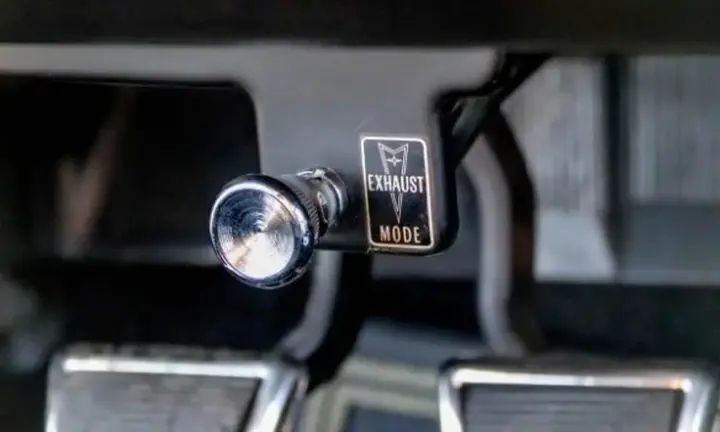
The VOE (Vacuum Operated Exhaust) system was designed less to reduce exhaust backpressure for maximum power than to make the car louder and impress other drivers. It did not increase the engine's advertised horsepower rating. Pontiac even produced a commercial for the 1970 GTO demonstrating the system for exactly that purpose. The company's slogan for the GTO that year was "The Humbler."
Why Pontiac Dropped the W-73 Option
This is where the story gets a little more complicated. According to the popular account, General Motors executives were horrified when the commercial aired during Super Bowl IV in January 1970. Automakers were already facing growing pressure from insurance companies and critics opposed to muscle cars, so GM management reportedly ordered Pontiac to drop the option immediately.
It is also worth pointing out that the VOE system could potentially violate various state and local noise ordinances. Whatever the exact reason, the option was discontinued.
Of the 40,157 Pontiac GTOs built for the 1970 model year, only 233 were equipped with the W-73 option. As is often the case in the muscle car world, a rare factory option can become highly desirable among collectors.
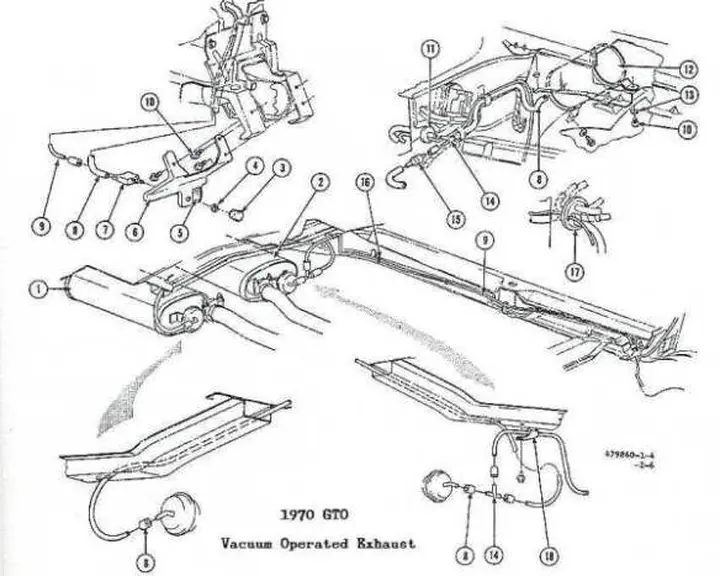
Editor's Note: I have no intention of questioning the absolute expertise of Pontiac's engineers. However, reducing exhaust backpressure in an engine designed around a particular exhaust system does not necessarily improve performance. In some cases, it can actually reduce power. It's much like a steam locomotive that sends all its steam into the whistle instead of putting it to work.
You may also be interested in the news:
Why Did the Man Behind the DeLorean Build an RV With the Aerodynamics of a Sports Car?
The Vixen challenged the idea that motorhomes had to be big, clumsy, and hard to drive.

2027 Chrysler Pacifica Adds Copperline Package and Ski Grey Interior
Chrysler's 2027 Pacifica gains copper accents and a Ski Grey interior, reaching dealers early 2027.
Field-Rescued 1957 Buick Caballero Gets Supercharged LS3 Power
Rescued from a field, this 1957 Buick Caballero now pairs weathered paint with supercharged power.
Original-Paint 1970 Mustang Boss 302 Pairs Calypso Coral With a Rare White Interior
Original paint, a white interior, and documented options distinguish this preserved 1970 Mustang Boss 302.
1965 Pontiac Catalina 2+2 Returns to the Road With Its Original 421 V8
After decades with one family, this Pontiac 2+2 needed brake repairs before returning to service.