
1965 Pontiac Catalina 2+2 Returns to the Road With Its Original 421 V8
After decades with one family, this Pontiac 2+2 needed brake repairs before returning to service.
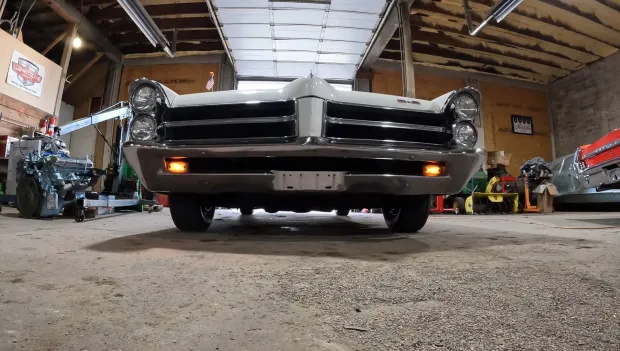
This 1965 Pontiac Catalina 2+2 comes with a paper trail reaching back to Chuck Gaines Pontiac in Auburn, Washington, where it sold new on August 23, 1965. Original paperwork and Pontiac Historical Services documents record a $4,525 purchase price and financing with 36 monthly payments of $100.
The buyer ordered bucket seats, a center console, a tilt steering column and a wood-rimmed steering wheel. Power steering, power brakes, Soft-Ray glass, VerbaPhonic reverb and Kelsey-Hayes eight-lug wheels rounded out the equipment list.
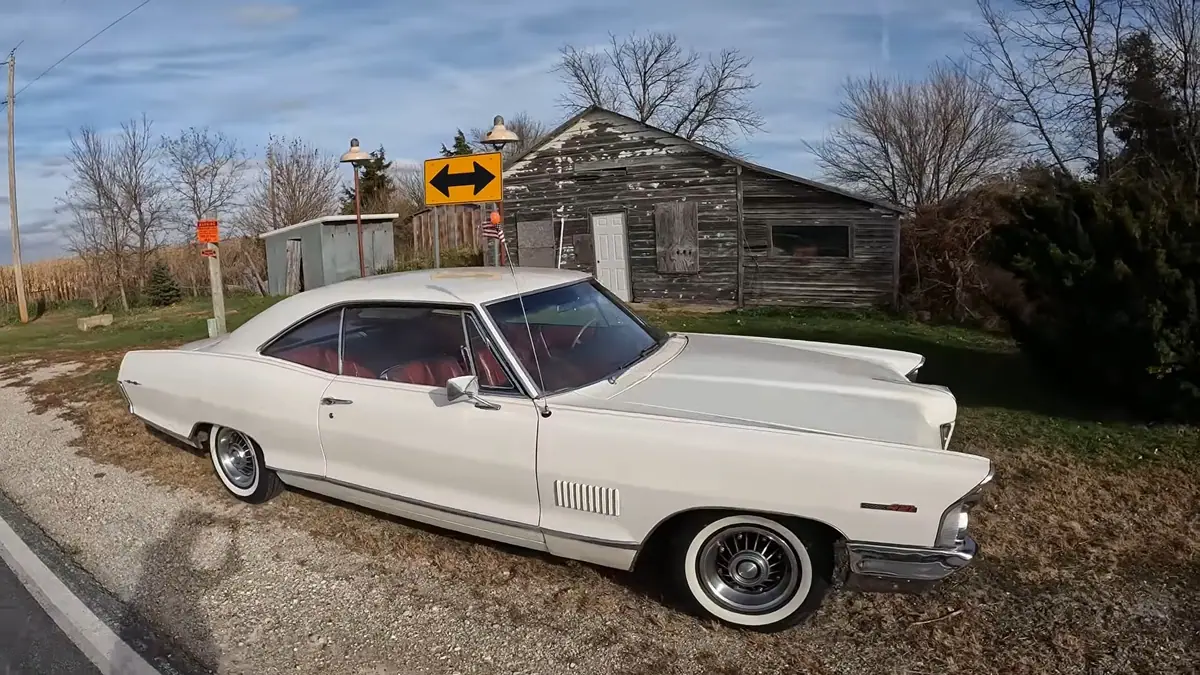
Purchased from the original owner's son after decades in the same family, the Pontiac retained its Protect-O-Plate, an untouched eight-lug spare and extra studded snow tires. Receipts document tires in 1987, a $1,870 Imron repaint in 1988, a transmission rebuild at 34,562 miles in 1989, a $362 cylinder-head rebuild in 2007 and an alternator in 2008; the odometer now shows just over 50,000 miles, while the last insurance slip dates to 2018.
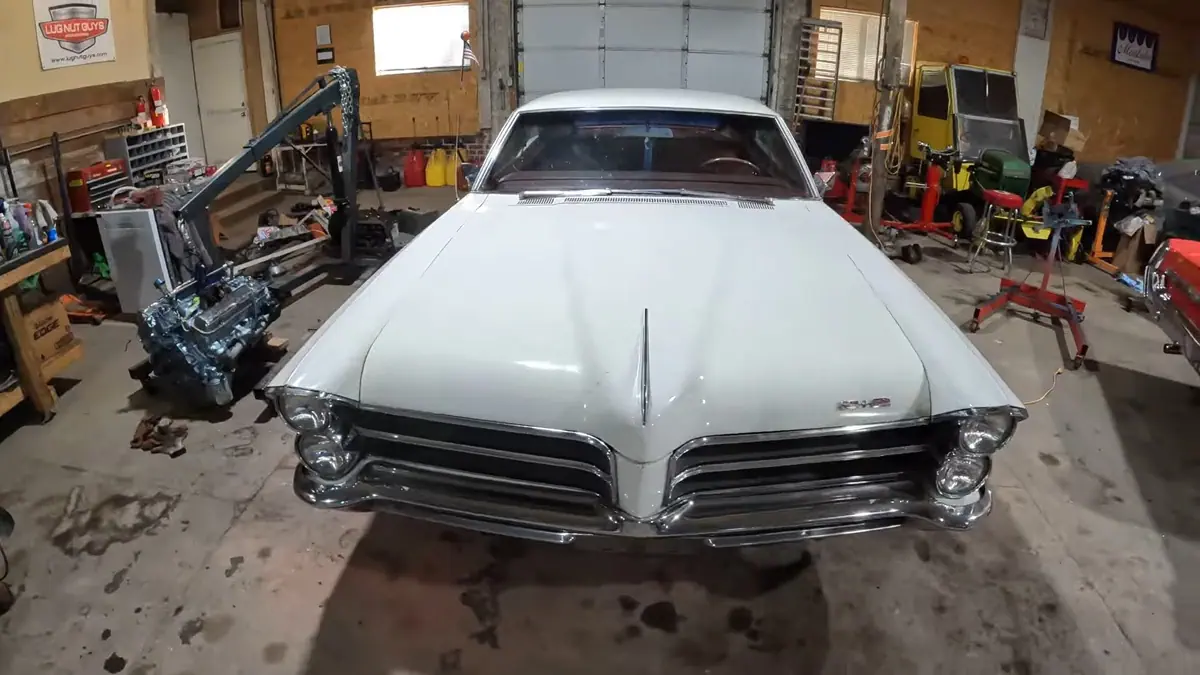
Pontiac positioned the 1965 2+2 as the GTO's bigger sibling, making a 421-cubic-inch V8 standard equipment. The exterior lost its "Catalina" badges and gained front-fender gills, pinstripes and full-length trim.
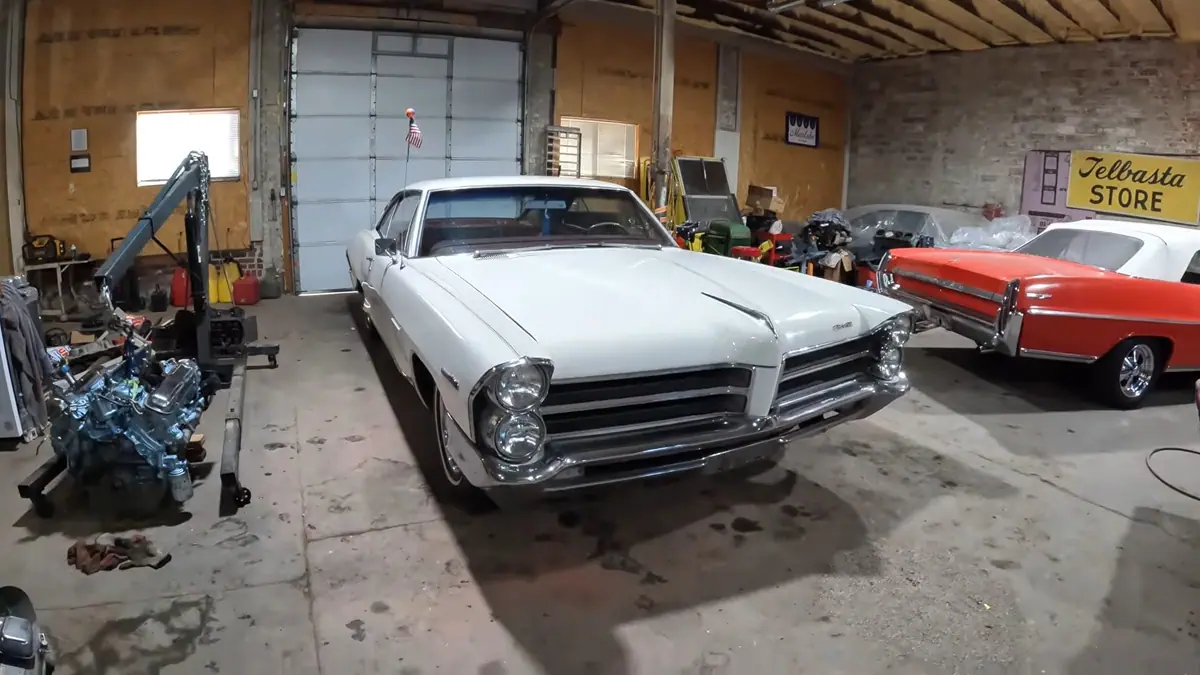
Hardtop prices started near $2,910, while convertibles began around $3,200, placing the 2+2 among full-size performance cars such as the Chevrolet Impala SS, Ford Galaxie 500XL and Dodge Polara 500. Those rivals offered Chevrolet's 409 or 396, depending on the production date, Ford's optional 427 and Dodge's 426 Wedge; Pontiac transmission choices included a four-speed manual and a three-speed Turbo Hydra-Matic automatic.
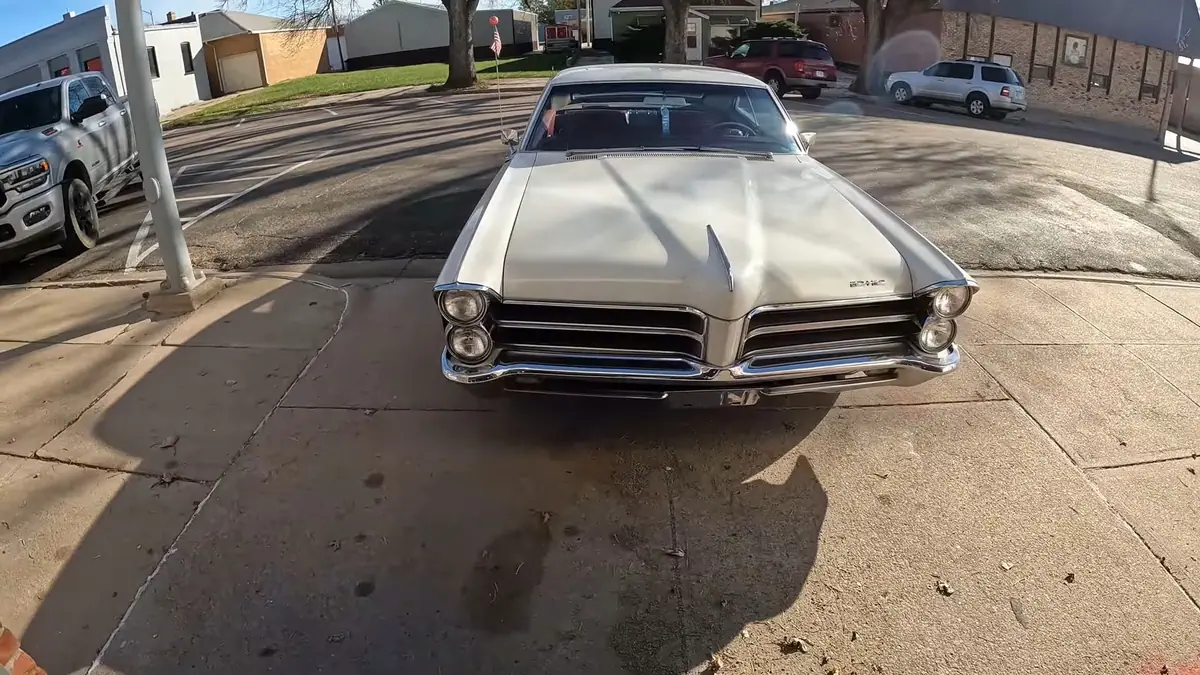
A 1965 Car and Driver comparison gave the 2+2 a particularly memorable performance claim: the magazine reported that a 4,400-pound, 376-hp Pontiac reached 60 mph in 3.9 seconds, against 6.3 seconds for a 3,430-pound, 300-hp Ferrari 330 GT 2+2. Despite its taller 3.42 rear gearing versus the Ferrari's 4.25 ratio, the Pontiac reportedly covered the quarter-mile in 13.8 seconds at 106 mph, ahead of the Ferrari's 14.6 seconds at 97 mph.
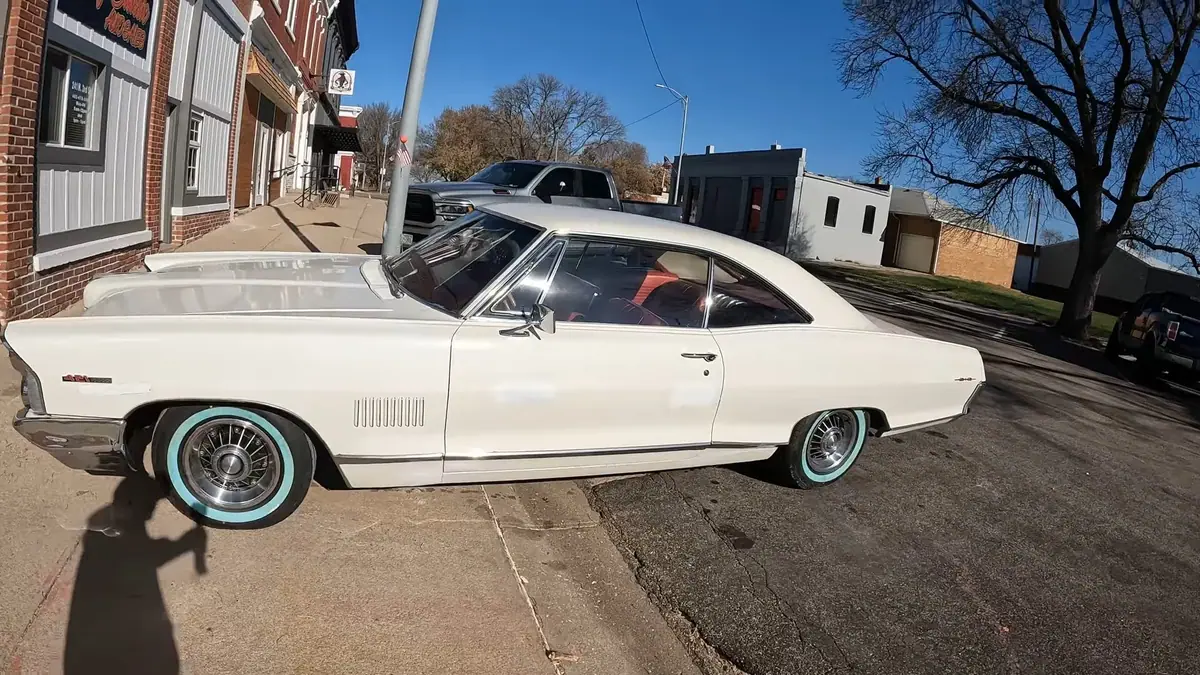
The comparison also generated rumors that the Pontiac's engine displaced 428 cubic inches rather than 421, along with questions about the contribution of Royal Bobcat tuning. The Ferrari narrowly led on the road course, recording a 2:00.85 lap against the Pontiac's 2:01.33.
Production 1965 2+2s nevertheless came with the 421. Across Pontiac's lineup, just 1,082 manual-transmission WJ-code 421 H.O. blocks were cast.
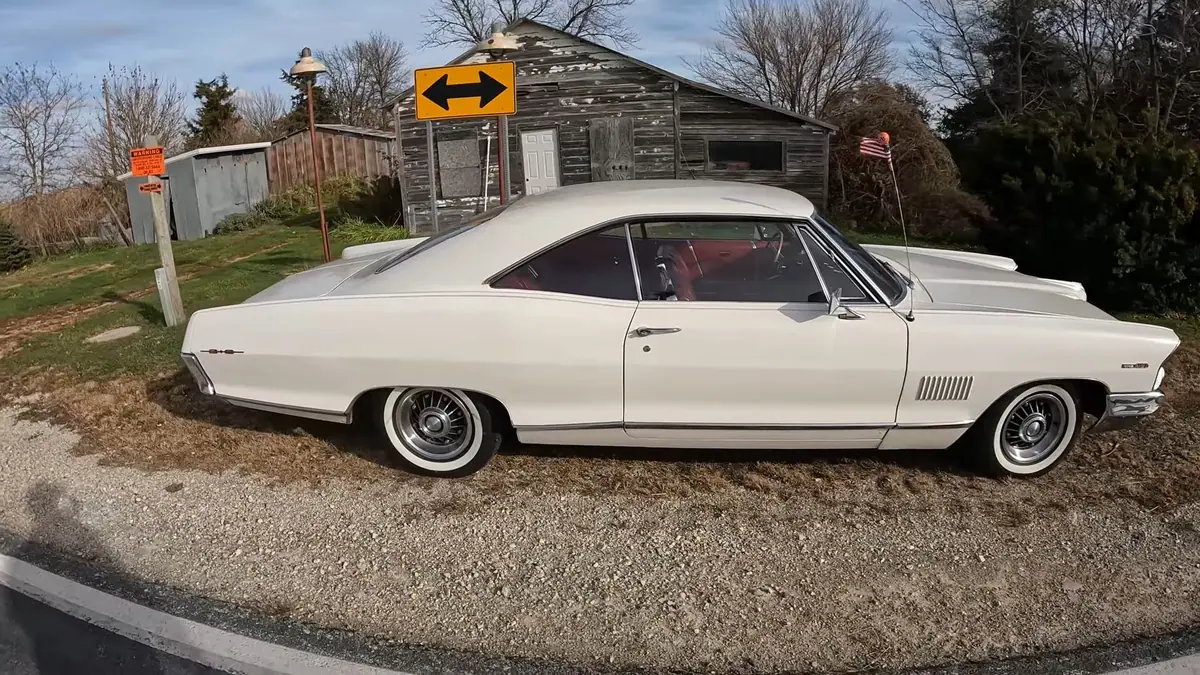
The 2+2 became a standalone model for 1966, the year GTO sales topped 96,000 and Chrysler introduced its Street Hemi, before returning to option status for 1967. That final iteration brought fastback styling and a 428-cubic-inch V8 rated at 360 hp in standard form or 376 hp in H.O. trim, with 261 H.O. examples built, including 144 four-speeds, as competition included the Firebird, Dodge Coronet R/T and Shelby GT500.
This car retains its numbers-matching YH-code 421, correct No. 76 cylinder heads and Carter four-barrel carburetor.
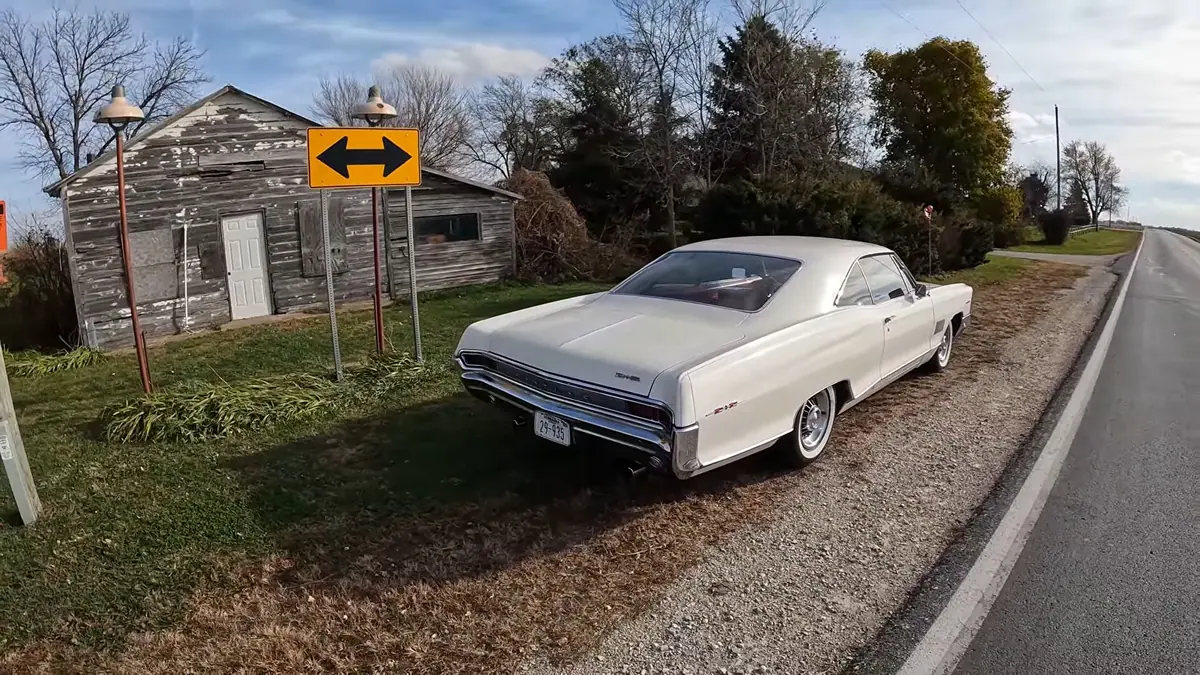
The V8 started immediately using a battery dated August 2007 and registered nearly 40 psi of oil pressure. A breakfast outing revealed a more urgent problem: the front brakes grabbed hard enough to pitch Jeff toward the windshield.
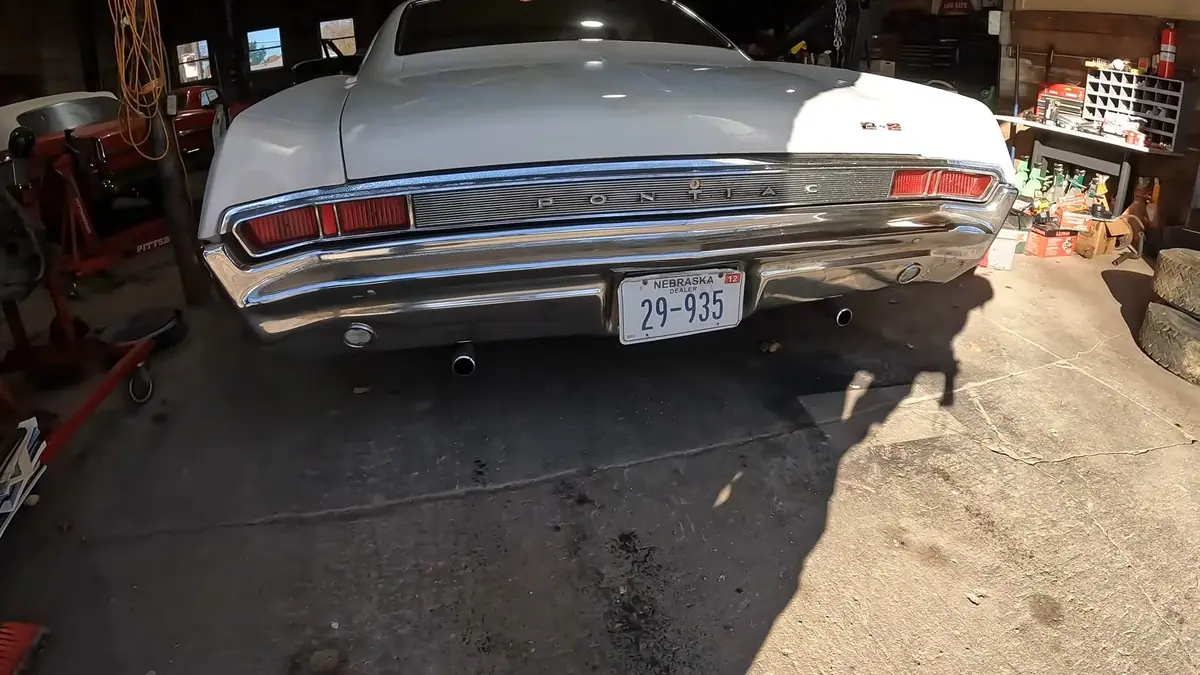
Removing the eight-lug front drums revealed leaking wheel cylinders that had contaminated the brake shoes. Jeff replaced the cylinders and shoes, bled the single-reservoir drum-brake system, checked the open differential and changed the oil to high-zinc Valvoline VR1 20W-50 for the flat-tappet V8; a new battery, polished chrome bumpers and balanced GripMax wide-whitewall tires replaced the old battery, dulled finish and cracked 1987 rubber.
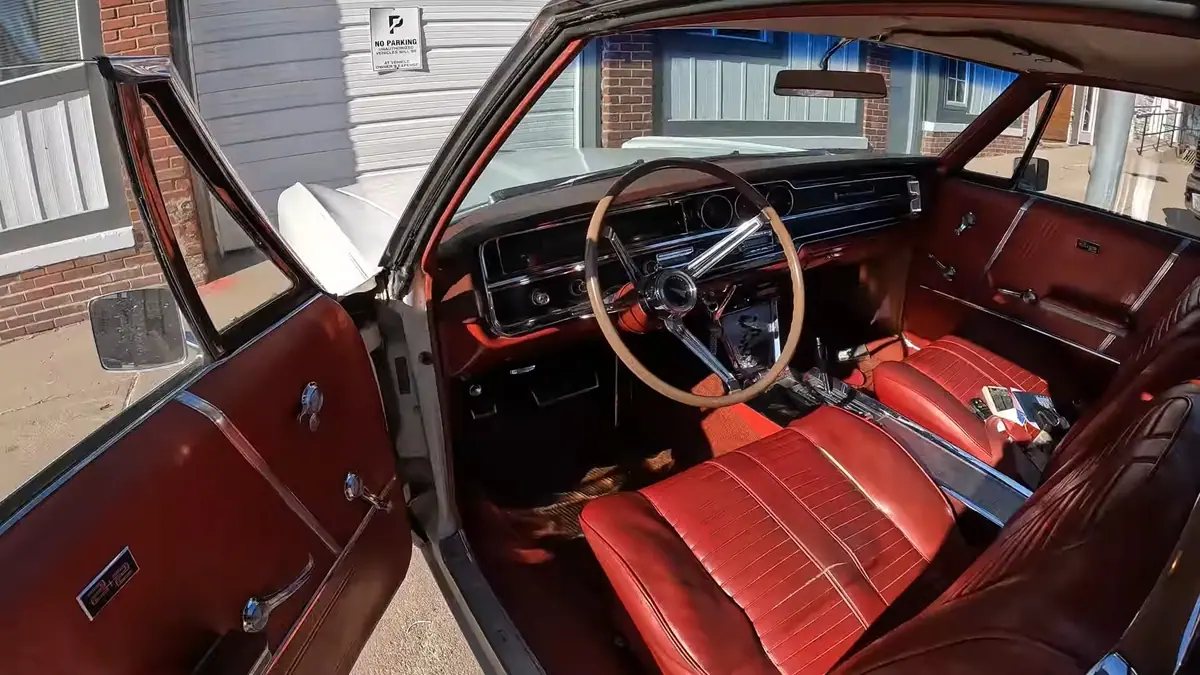
Inoperative taillights and brake lights required more troubleshooting, with the fault traced to a defective replacement headlight switch. An original 1965 switch from a parts car restored the lights, and after the whitewalls were cleaned and the tank received fresh 91-octane gasoline, the Pontiac returned to Nebraska roads in windy mid-November weather.
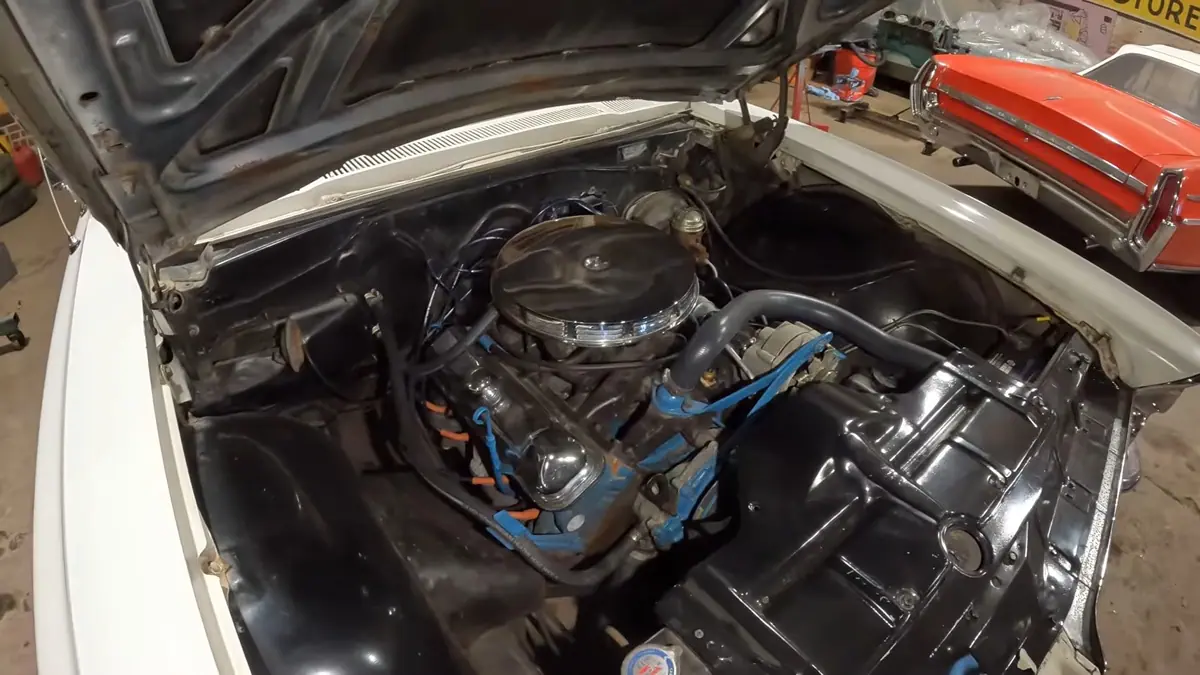
At a steady 55 to 65 mph, the original 421 held 40 psi of oil pressure while engine temperature stayed below 175°F. Steering effort was light, and the repaired brakes stopped the car straight—a more useful measure of its return to service than the ease of that first start.
You may also be interested in the news:
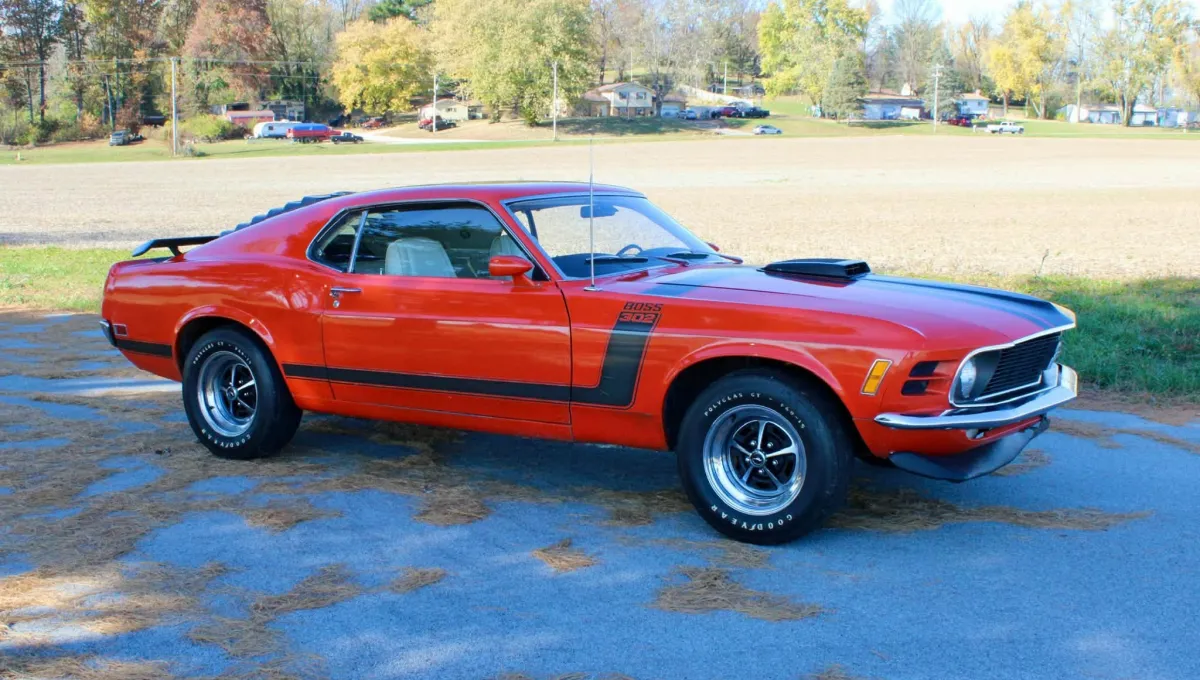
Original-Paint 1970 Mustang Boss 302 Pairs Calypso Coral With a Rare White Interior
Original paint, a white interior, and documented options distinguish this preserved 1970 Mustang Boss 302.
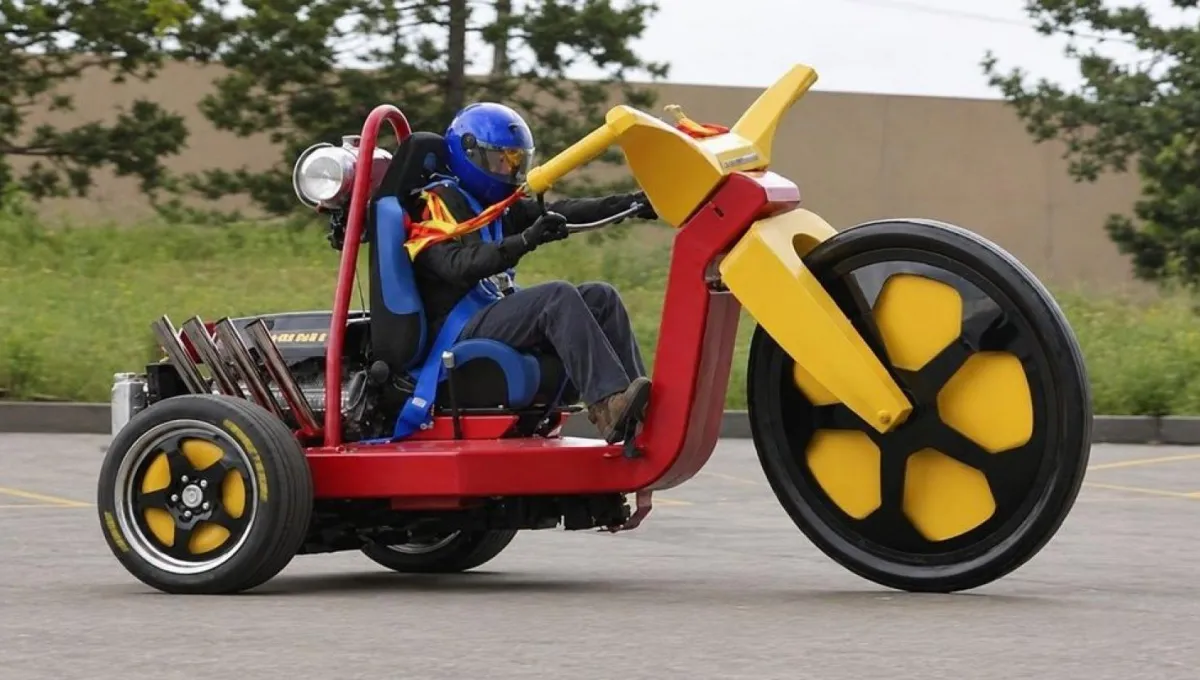
Hemi Beyond the Highway: Tanks, Sirens, and Other Unlikely Machines
Chrysler’s Hemi usually brings muscle cars and pickups to mind, but over the decades, it has also found work in Antarctic snowcats, fighter aircraft, tanks, and even a carousel.
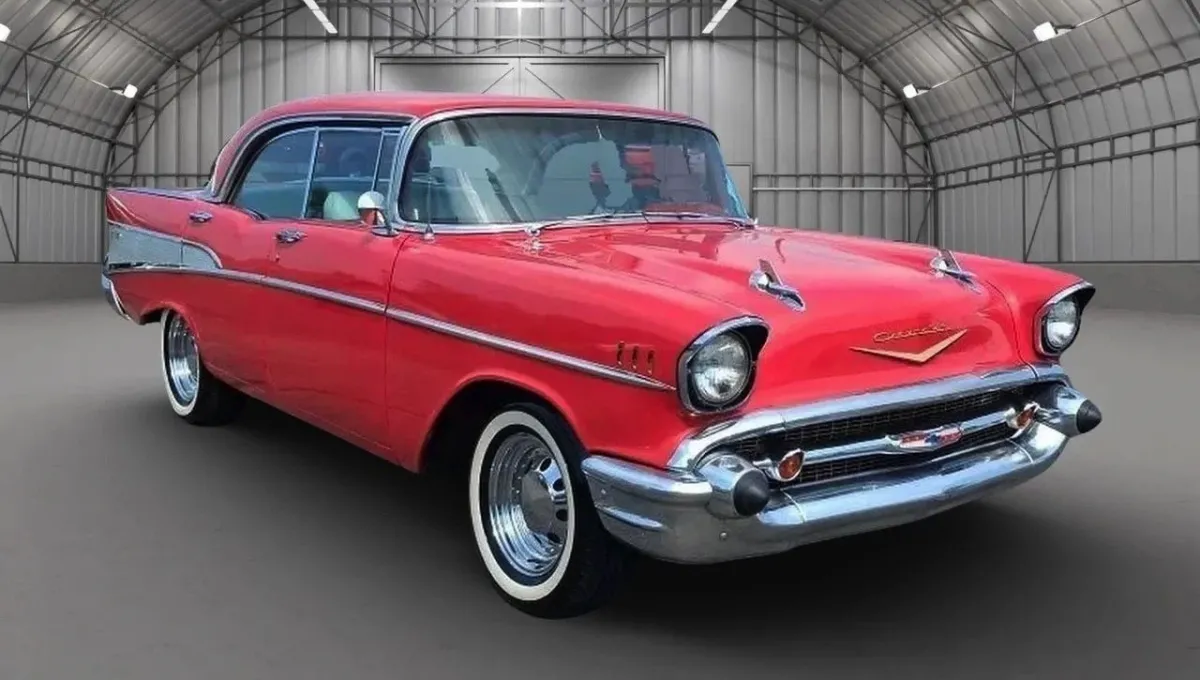
Restored 1957 Chevrolet Bel Air Sedan Listed for $33,500
An Illinois seller is asking $33,500 for a restored 1957 Chevrolet Bel Air four-door sedan.
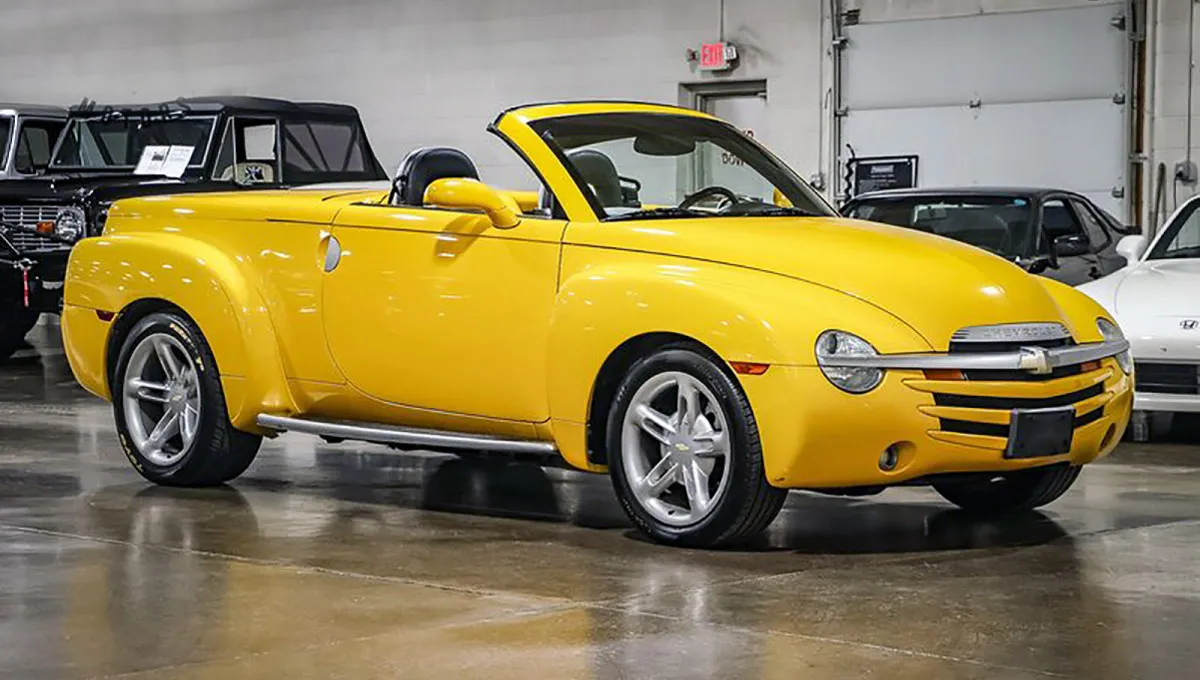
Chevrolet Put a Corvette V8 in Its Strange Retro Pickup, but It Still Couldn't Save the SSR
Chevrolet's unusual SSR combined classic hot-rod styling, a folding hardtop, and Corvette power, but buyers never came around.

Hyundai Confirms New U.S. Elantra as Limited-Run Ioniq 6 N Nears Launch
Hyundai plans a redesigned Elantra for 2027 and a hybrid for the 2028 model year.