
Useful for Many Drivers and Mechanics: This DIY Tool Makes Adding Engine Oil Much Easier
A simple homemade funnel helps drivers add engine oil cleanly, avoid spills, and reach hard-to-access filler openings.
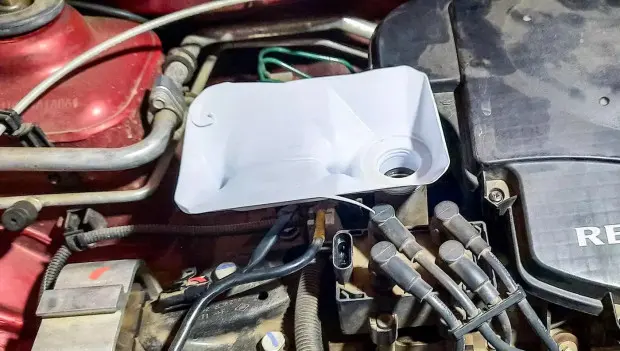
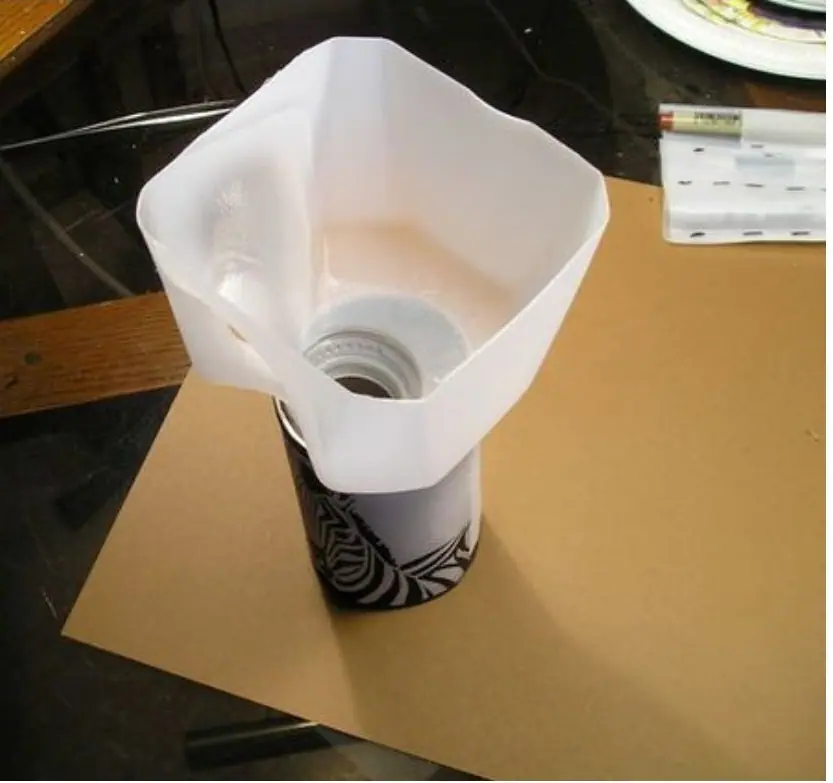
Adding engine oil can be surprisingly messy when the filler opening sits deep inside the engine bay. Instead of using a conventional funnel, try making one from the top of a plastic oil jug with a neck that fits the opening.
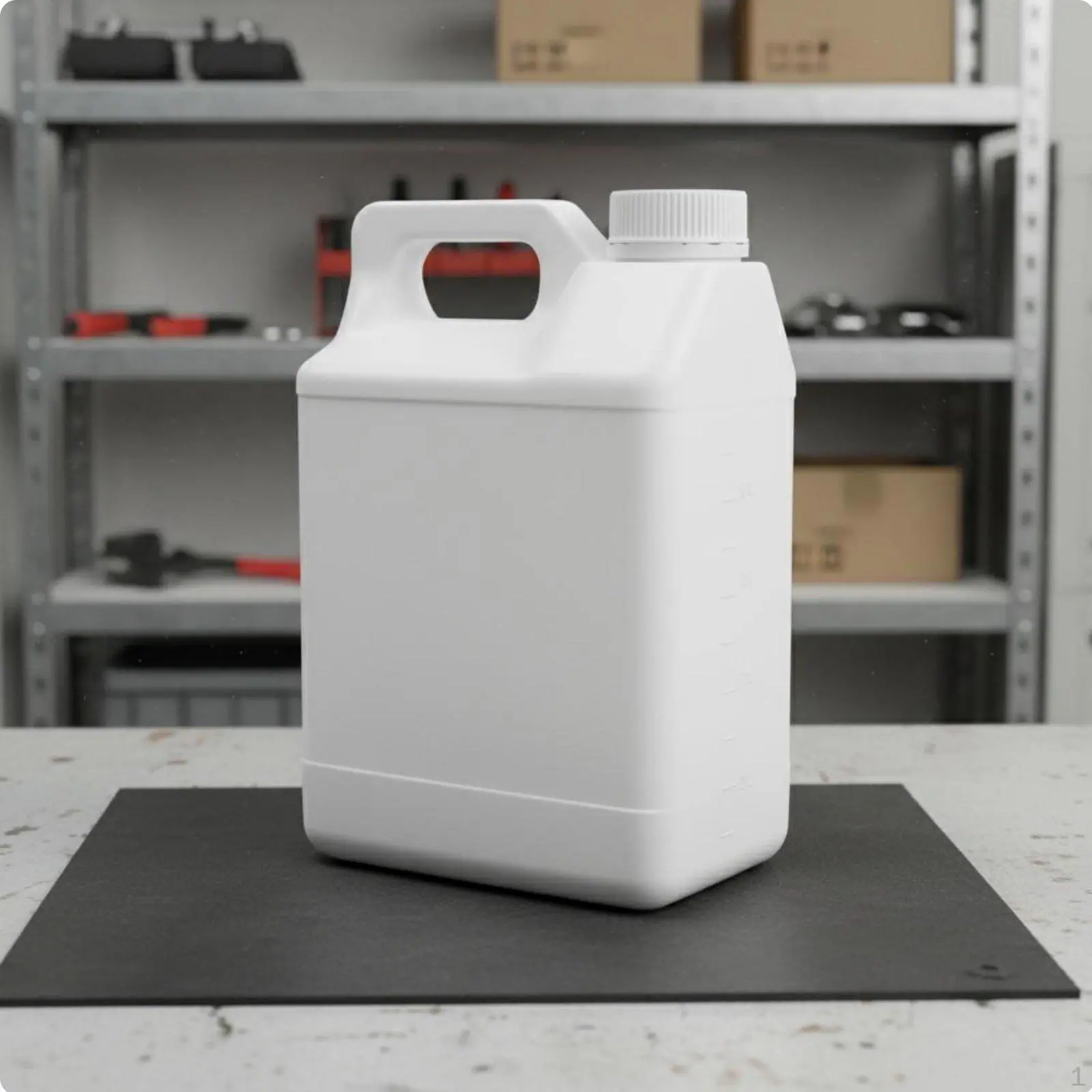
A standard funnel may be too short, too wide, or unstable. You end up holding the funnel with one hand and the oil container with the other while trying to avoid plastic components, wiring, and hot engine parts. One wrong move can send oil spilling across the engine bay.
A homemade funnel cut from a plastic jug offers a simple solution. When sized correctly, it fits securely into the filler opening, stays in place, and makes pouring oil easier without needing to hold two separate items.
What You'll Need
Gather a clean, empty plastic oil container with a capacity of roughly 1 to 4 quarts, a sharp utility knife or scissors, a marker, sandpaper or a file, and a rag.
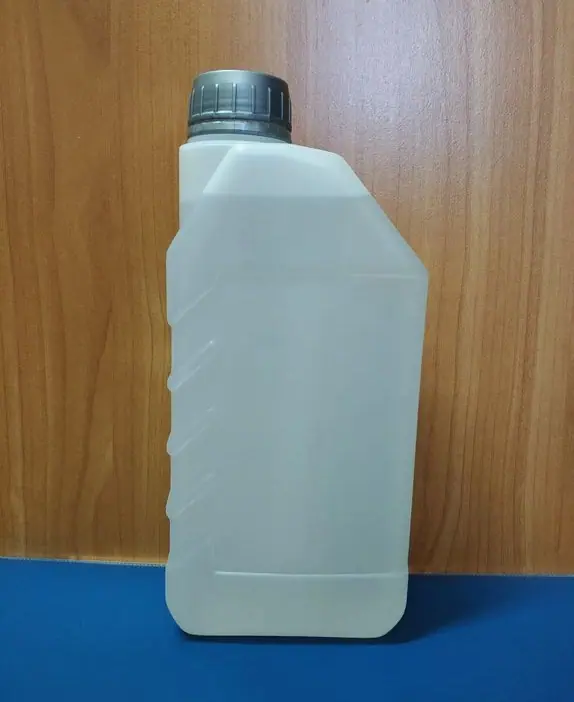
If the container's neck does not match the engine's oil filler opening, you may also need electrical tape, a clamp, or a short piece of appropriately sized hose.
How to Make the Funnel
1. Clean the container. Wash the jug thoroughly and let it dry completely. Dirt and leftover oil residue should not enter the engine.
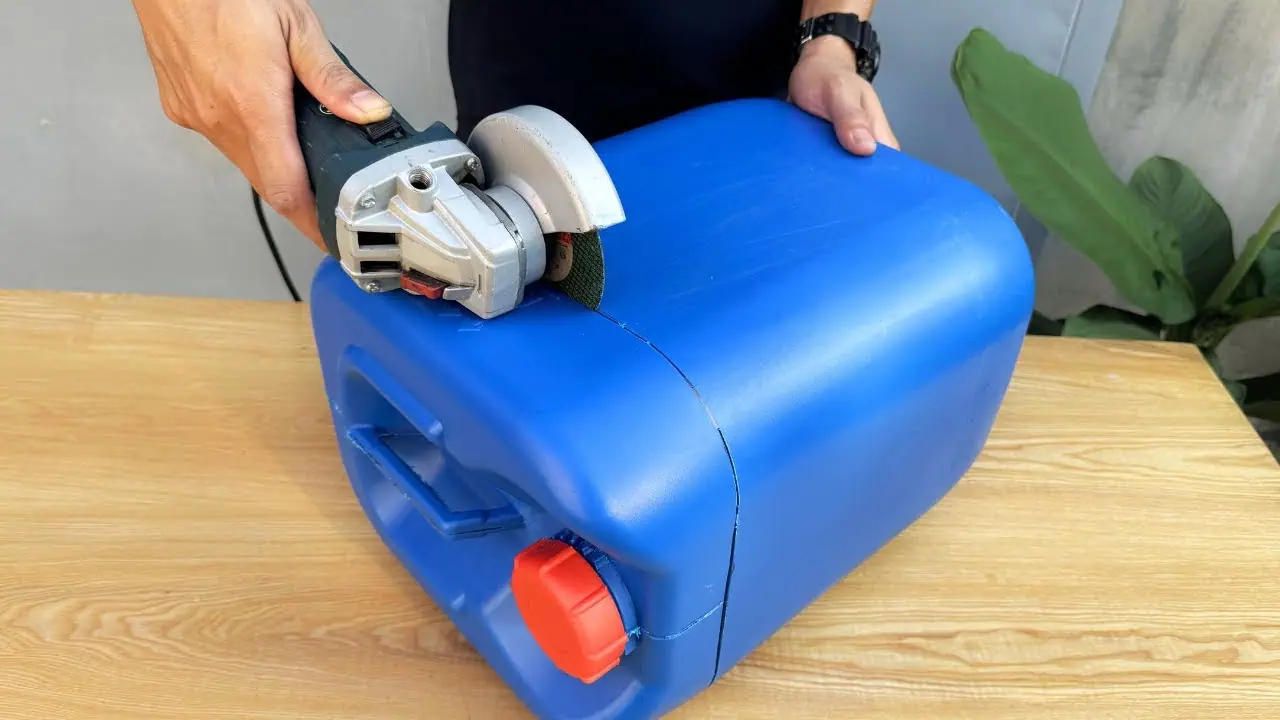
2. Mark the cutting line. Measure approximately 4 to 6 inches down from the neck. This leaves a wide opening for pouring while retaining the neck and part of the sloped shoulder.
3. Cut off the top. Carefully cut along the marked line. Keep the neck and enough of the shoulder to guide the oil into the engine.
4. Smooth the edges. Use sandpaper or a file to remove sharp edges and plastic burrs.
5. Check the fit. Turn the cut-off section upside down, with the neck pointing down, and test it in the oil filler opening. If the neck is too narrow, a suitable hose or a small amount of electrical tape may help create a snug fit. If it is too wide, use a different container rather than forcing it into place.
6. Clean it again. Rinse the homemade funnel and wipe it dry before use.
How to Use the Homemade Funnel
Park the vehicle on level ground, shut off the engine, and allow it to cool until it is safe to work around.
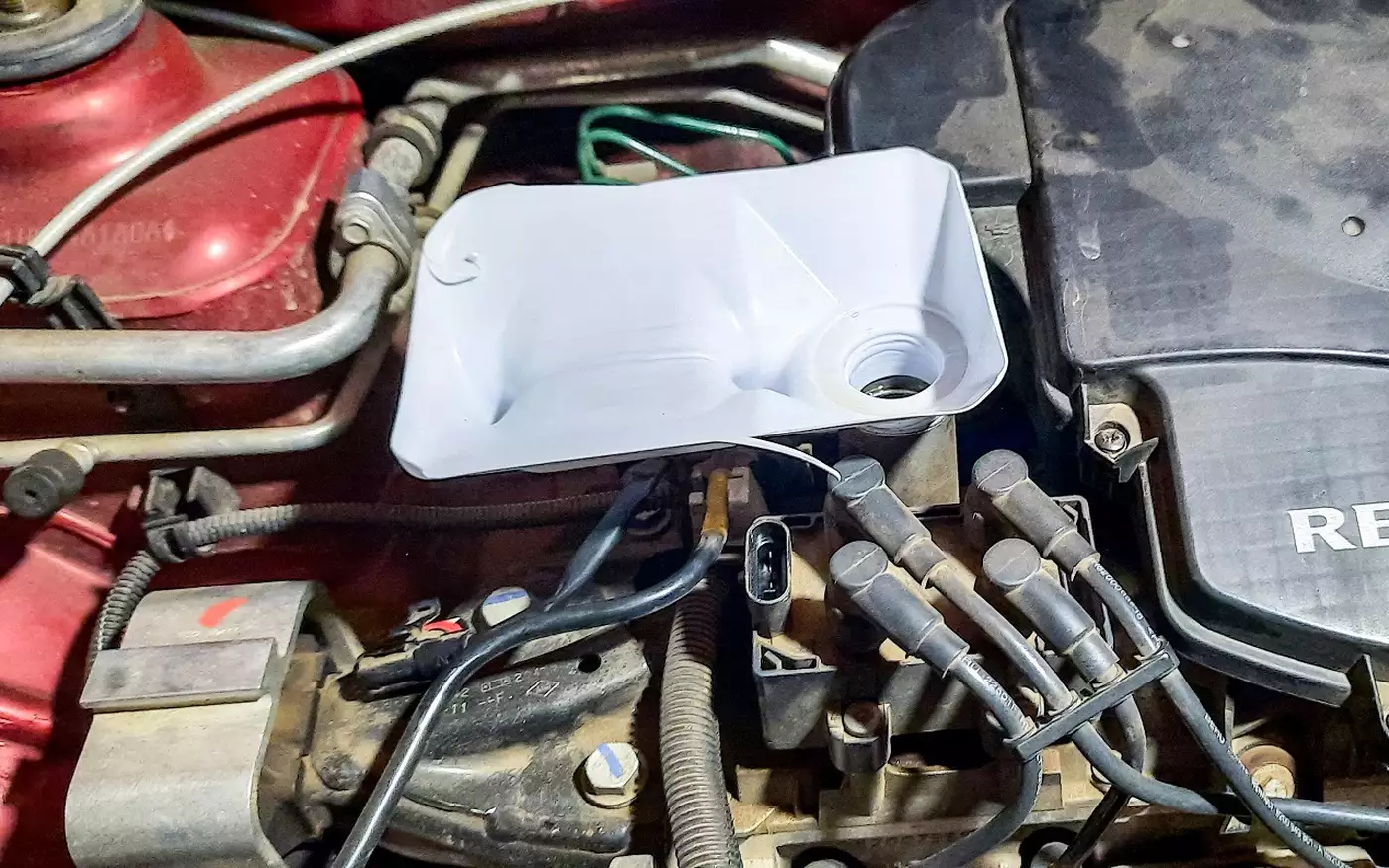
Remove the oil filler cap and insert the homemade funnel. If it does not sit securely, hold it steady with a gloved hand. Pour the oil slowly in a thin stream, pausing periodically to let it drain into the engine.
Avoid pouring the entire container at once. After adding the recommended amount, remove the funnel, wipe the filler opening, and reinstall the cap.
Start the engine briefly, then shut it off and wait about 5 to 10 minutes, or follow the vehicle manufacturer's instructions for checking the oil. Use the dipstick to check the level and add more oil if necessary. Never exceed the maximum mark.
Quick Instructions
-
Wash and dry an empty plastic oil jug.
-
Cut off the top, leaving about 4 to 6 inches below the neck.
-
Smooth the cut edges with sandpaper.
-
Turn the funnel upside down and check the fit.
-
Use a suitable hose or electrical tape if needed to improve the fit.
-
Insert the funnel and pour the oil slowly.
-
Remove the funnel, clean the area, replace the cap, and check the oil level.
Safety Precautions
Work only when the engine is cool or slightly warm. Hot oil and exhaust components can cause burns.
Never leave the homemade funnel in the engine bay after finishing the job. Use only a thoroughly cleaned container, since dirt and debris can accelerate engine wear.
Avoid overtightening the oil filler cap, and never overfill the engine. Used motor oil should be taken to an appropriate recycling or collection facility.
Make sure the homemade funnel is stable before pouring. If it does not fit securely, use a properly sized commercial funnel instead of risking a spill.
Other Advantages of This Simple Tool
You can make the funnel ahead of time and keep it in your garage. It takes up very little space, is easy to clean, and costs practically nothing if you already have an empty oil jug.
If you work on several vehicles, you can make funnels with different neck sizes. For an oil filler opening located deep inside the engine bay, a suitable flexible hose can help direct the oil more accurately.
This simple DIY solution can save time, reduce frustration, and help keep oil off engine components. It takes only a few minutes to make and can last for years if kept clean and stored properly. The key is to work carefully, keep contaminants out of the engine, and always verify the oil level after filling.
You may also be interested in the news:
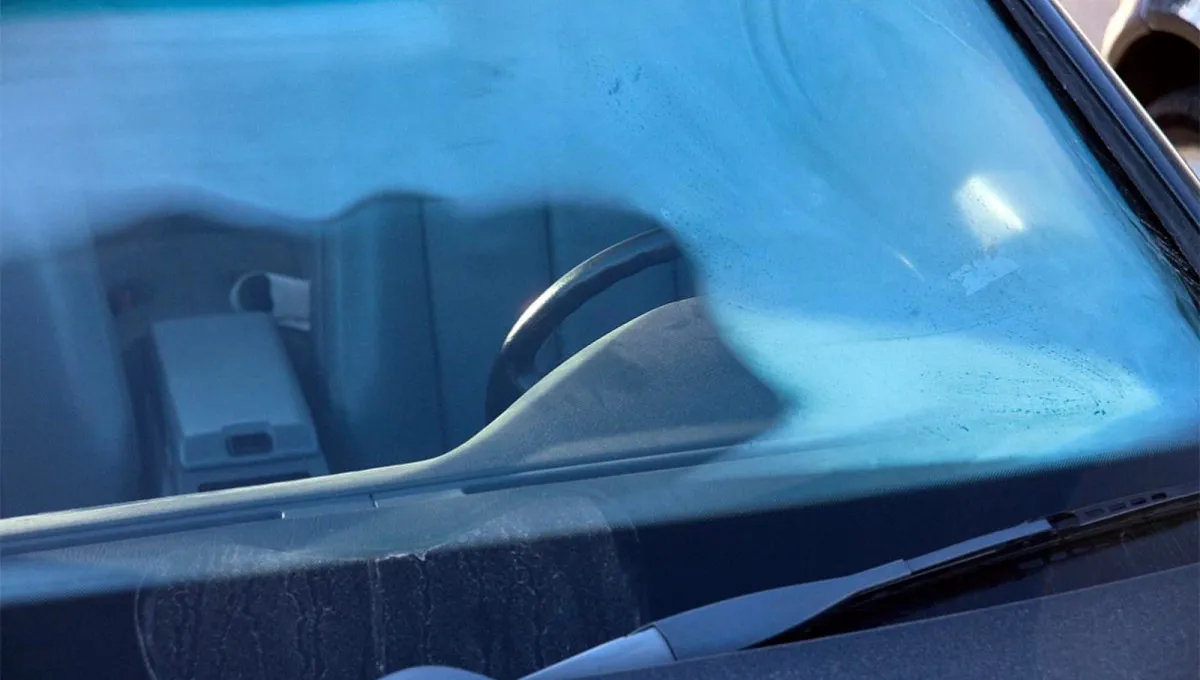
Foggy Windows in Dry Weather: What Problem Could This Indicate?
Foggy car windows can signal anything from excess cabin moisture to a clogged air filter or a hidden coolant leak.
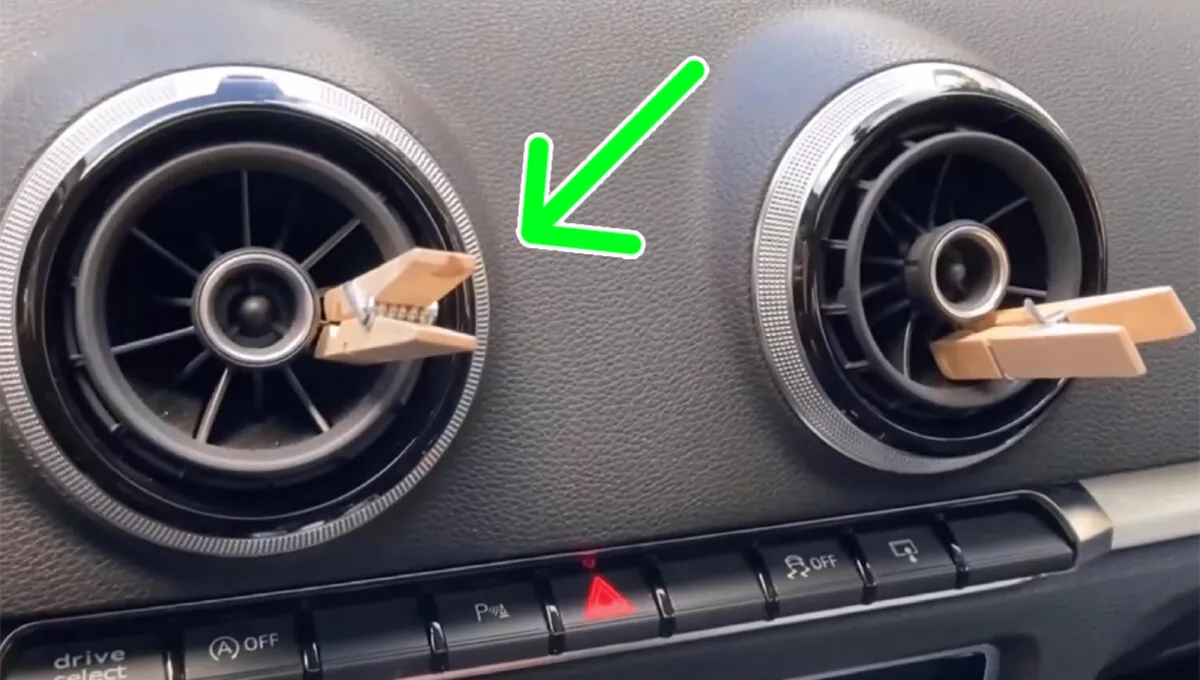
Why Experienced Drivers Keep a Simple Wooden Clothespin in Their Cars
A wooden clothespin clipped inside a car might look out of place, but some drivers use it for several surprisingly practical purposes.
Car Won’t Start When Temperatures Drop? 4 Battery Checks Every Driver Should Make in October
A few simple battery checks in October can help prevent cold-weather starting problems when winter temperatures arrive.

How to Get Your Car Ready for Cold Weather: A Complete Fall Checklist
Falling temperatures, heavy rain, and shorter days make fall the ideal time to prepare your car for safer winter driving.
When the First Freeze Hits, Put Newspaper Under Your Floor Mat: An Old Winter Driving Trick
Newspaper under a floor mat can help protect a car's floor from winter moisture, but it requires regular attention.