
Tank Crossings, Duck Warnings and More: America’s Weirdest Road Signs Are Real
From tank crossings to duck warnings, America’s roads feature unusual signs that alert drivers to unexpected hazards.
You expect to see STOP, YIELD and SPEED LIMIT signs on American roads. But every so often, a sign appears that makes you slow down and look twice.
Duck crossing? Tank crossing? Golf carts ahead?
These aren’t made-up warnings. Across the country, drivers encounter signs for everything from farm machinery to horse-drawn buggies. Some look unusual, but each serves a practical purpose: alerting motorists to hazards they might not expect.
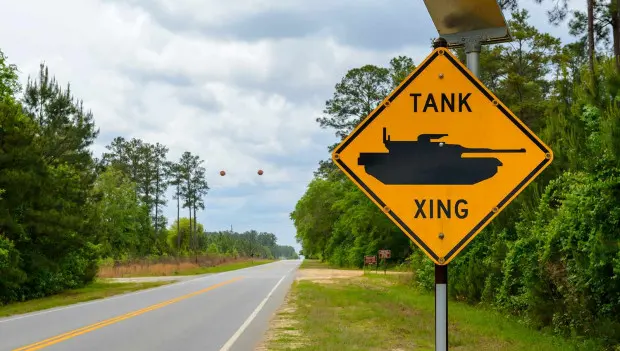
Yes, There Really Is a Tank Crossing Sign
Near military installations, drivers may encounter one of the more surprising road warnings: TANK CROSSING.
It sounds like something from an action movie, but the sign is real. Pennsylvania’s approved sign standards include a designated Tank Crossing sign, along with warnings for heavy equipment and other unusual roadway traffic.
The message is simple: Drivers may need to yield to vehicles far larger than anything they typically encounter on the road.
Duck Crossing: Deer Aren’t the Only Animals With Road Signs
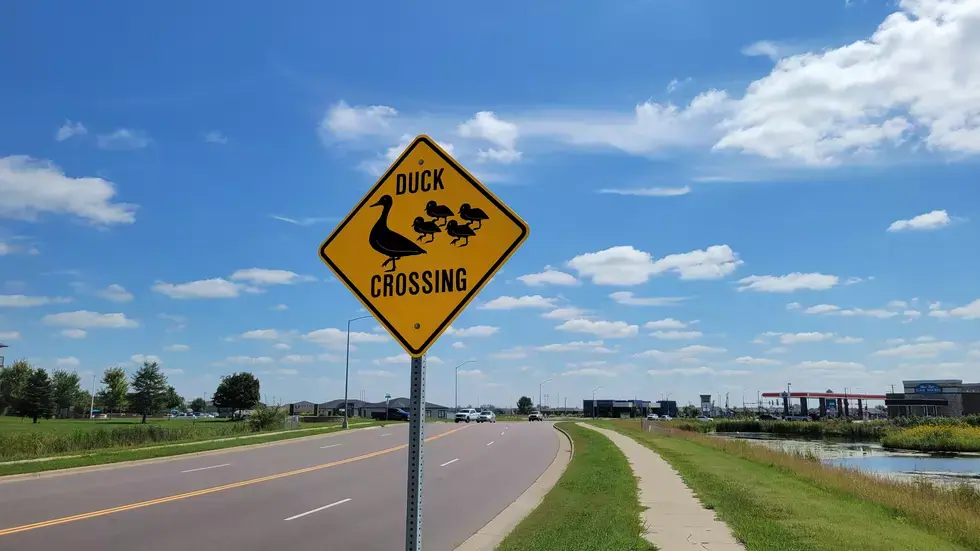
Deer aren’t the only animals that receive their own traffic warnings.
Duck Crossing is also a recognized warning sign. It can be used where motorists need to watch for ducks or other waterfowl entering the roadway.
The sign may look unusual, but its purpose is straightforward: alert drivers to animals that could unexpectedly cross their path.
Golf Cart Crossing: Watch Beyond the Golf Course
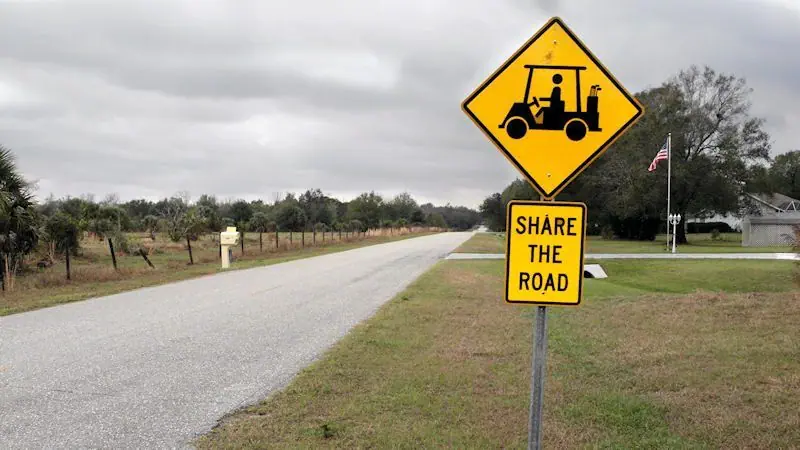
Golf carts aren’t confined to the back nine.
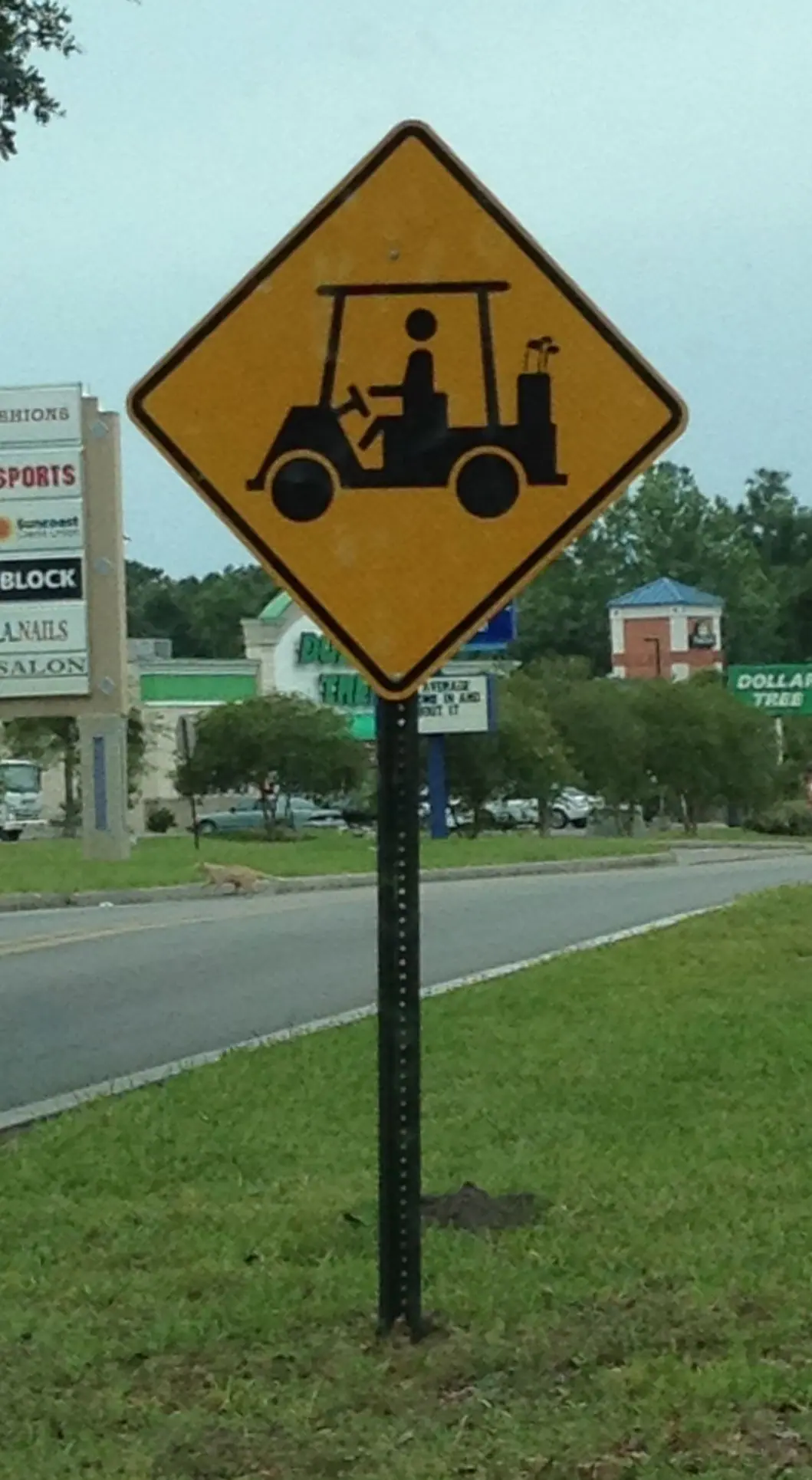
In some communities, resorts and areas near golf courses, drivers may encounter Golf Cart Crossing signs. These warnings address a specific type of traffic that motorists might not expect on an ordinary road.
When one appears, drivers should watch for golf carts entering or crossing the roadway.
Horse-Drawn Vehicles Are Still Part of the Road
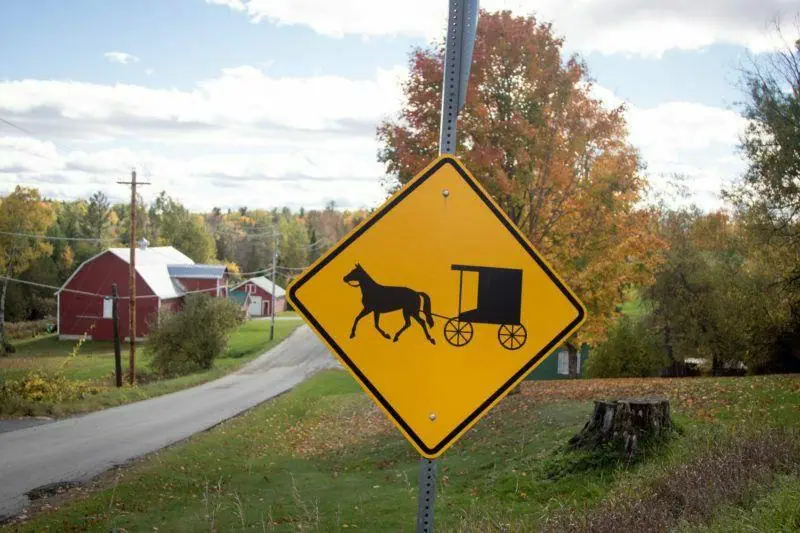
In Pennsylvania, horse-and-buggy warnings are far less unusual.
Travel through parts of Lancaster County and other rural areas, and you may see signs alerting motorists to horse-drawn vehicles. PennDOT uses these signs where slow-moving buggies may cross or share roads with motorized traffic.
For visitors unfamiliar with the region, seeing a horse and buggy pictured on a highway sign can be a memorable sight.
Snowmobiles, ATVs and Cattle: What Else Might Be Ahead?
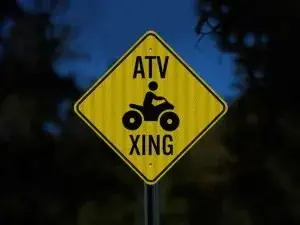
Depending on where you drive, the road may bring you face-to-face with traffic that looks nothing like a typical commute.
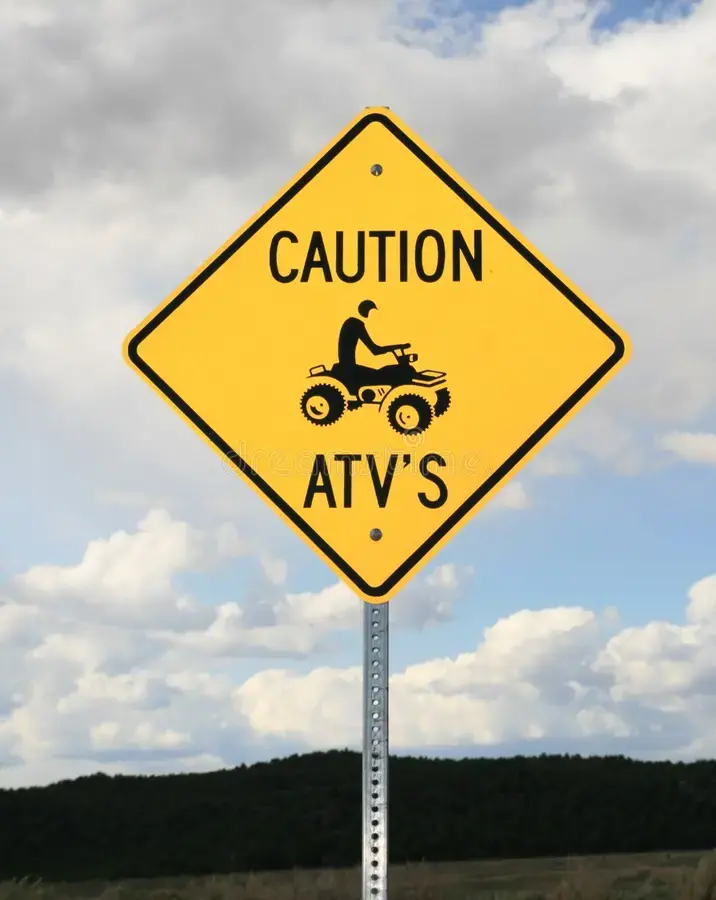
Official warning signs can alert motorists to:
-
Snowmobile crossings
-
ATV crossings
-
Cattle crossings
-
Farm machinery
-
Equestrian crossings
-
Elk crossings
-
Hiking trails
-
Heavy equipment
After that list, a standard Deer Crossing sign seems almost ordinary.
When Road Warnings Get Specific
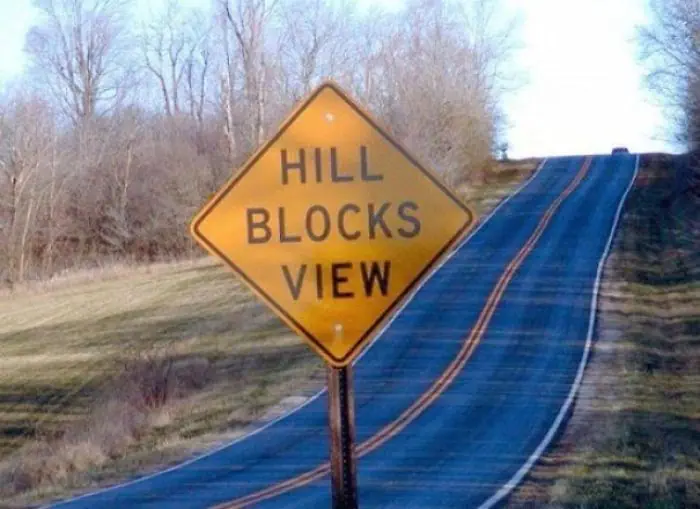
Some signs stand out because of their blunt wording:
-
FALLEN ROCKS
-
GUSTY WINDS AREA
-
ROAD MAY FLOOD
-
HILL BLOCKS VIEW
Each warning delivers a specific message in just a few words. Drivers traveling at 40, 50 or 60 mph need to recognize a potential hazard quickly, not read a lengthy explanation.
That is the point of effective road signage: deliver the information drivers need while they still have time to react.
Unusual Signs, Serious Safety Concerns
Whether a sign warns about ducks, tanks, horse-drawn buggies or construction crews working just feet from moving traffic, the underlying purpose remains the same: help drivers recognize hazards and respond appropriately.
PennDOT describes warning signs as a way to alert motorists to hazards or changing roadway conditions early enough for them to recognize what lies ahead and react accordingly.
The same principle applies to work zones.
Signs must be positioned correctly. Traffic patterns must be clear. Motorists need understandable directions. And when a flagger controls traffic, drivers should never be left guessing whether to stop, slow down or proceed.
At Summit Flagging, professional traffic control is built around that goal.
The company’s certified flaggers, experienced on-site foremen and traffic control teams help organize work zones, communicate directions to motorists and protect crews working nearby.
Whether the sign reads ROAD WORK AHEAD or TANK CROSSING, the objective is the same: give drivers the right information at the right time so everyone can reach their destination safely.
You may also be interested in the news:
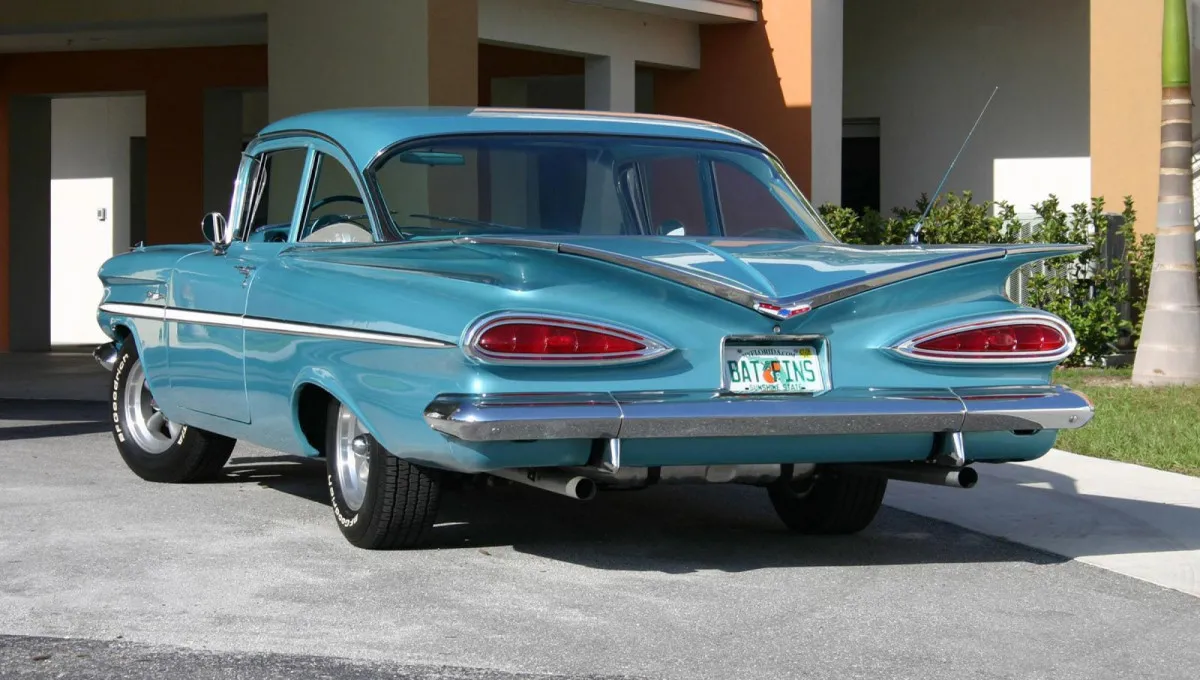
Elegance for Everyone: How Chevrolet Made Its 1960 Cars Stand Out
Chevrolet toned down its extravagant 1959 styling for 1960, bringing a more refined look to its affordable full-size cars.
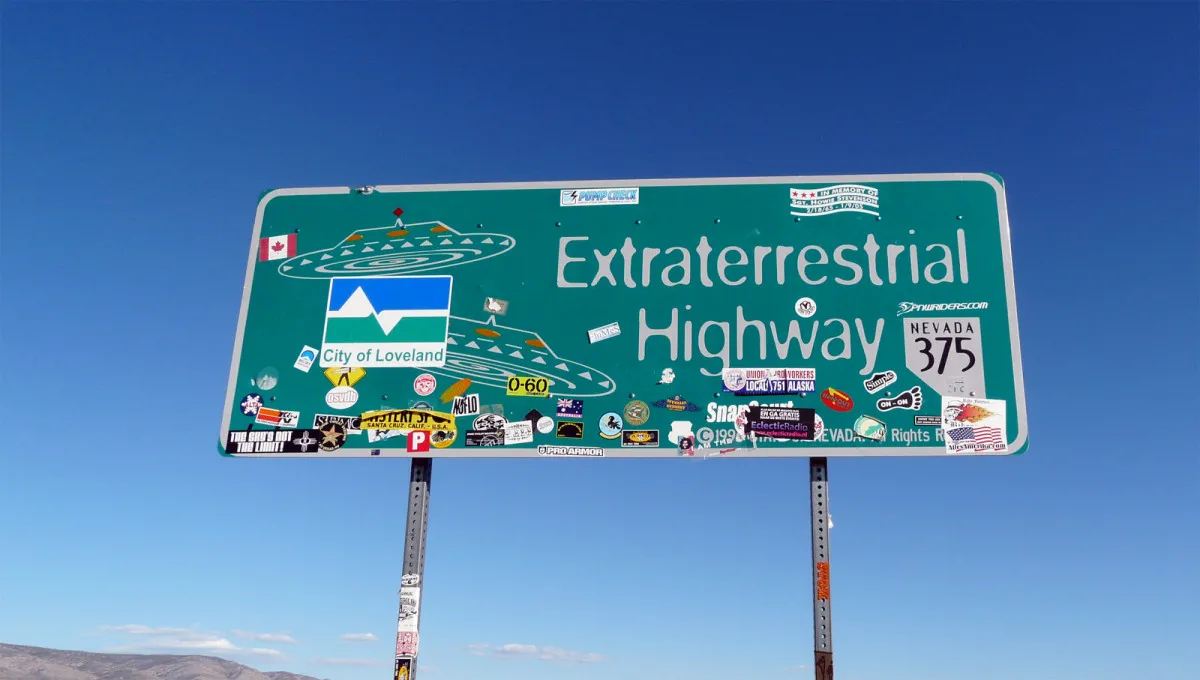
Invisible Cows and a 17.3 MPH Speed Limit? 4 of America's Strangest Road Signs
From invisible cows to alien highways, these unusual American road signs turn ordinary drives into unforgettable roadside surprises.
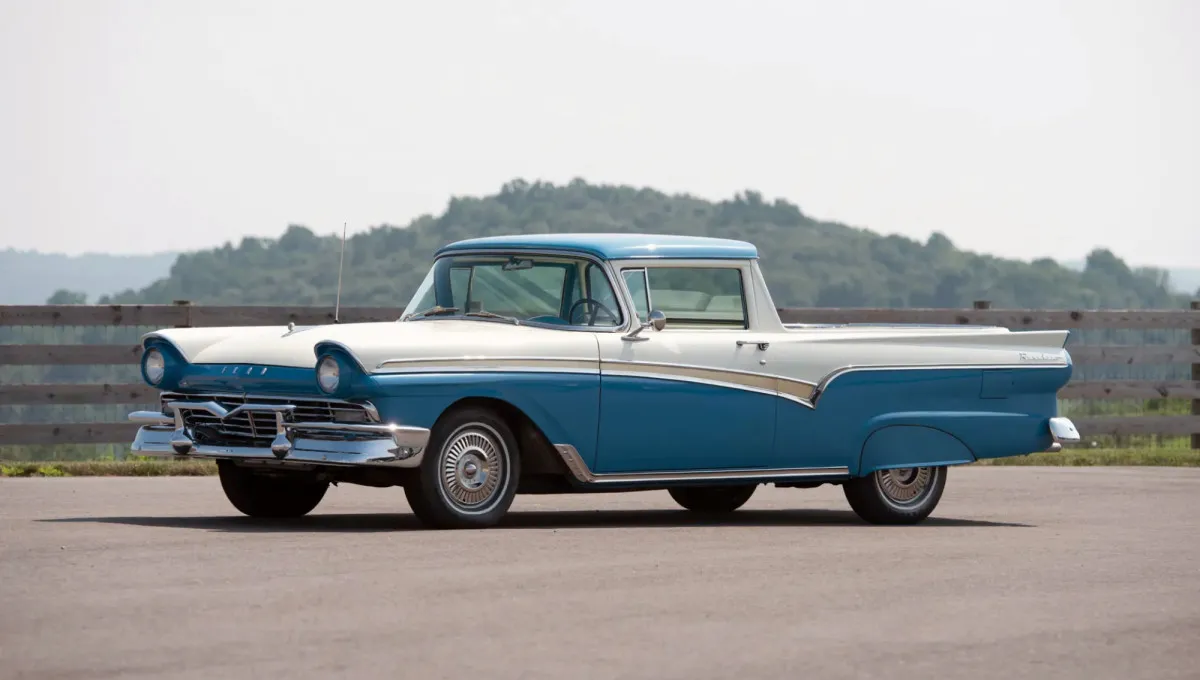
More Than a Car! More Than a Truck! The 1957 Ford Ranchero
The 1957 Ford Ranchero launched a new kind of American vehicle, blending passenger-car styling with pickup-truck utility years before the segment took off.
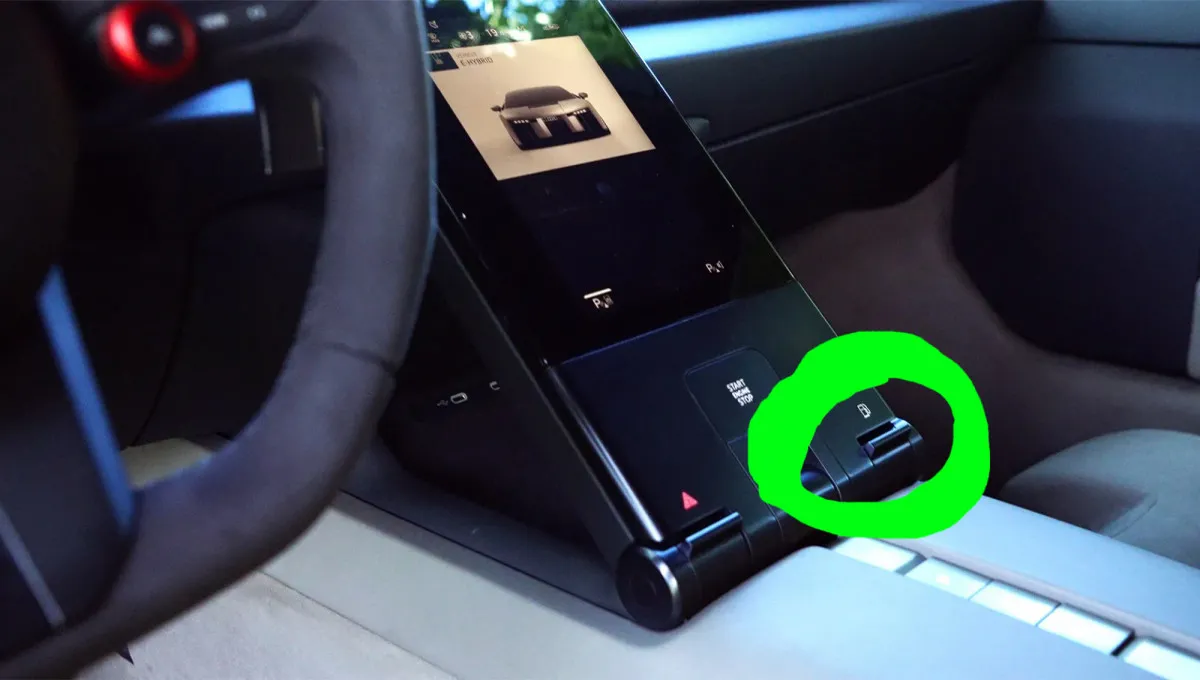
Solving the Mystery of the Audi Nuvolari’s Massive Fuel Door Button
Audi’s striking Nuvolari supercar has an unusually large fuel door button, and its placement may reveal an unexpected connection.
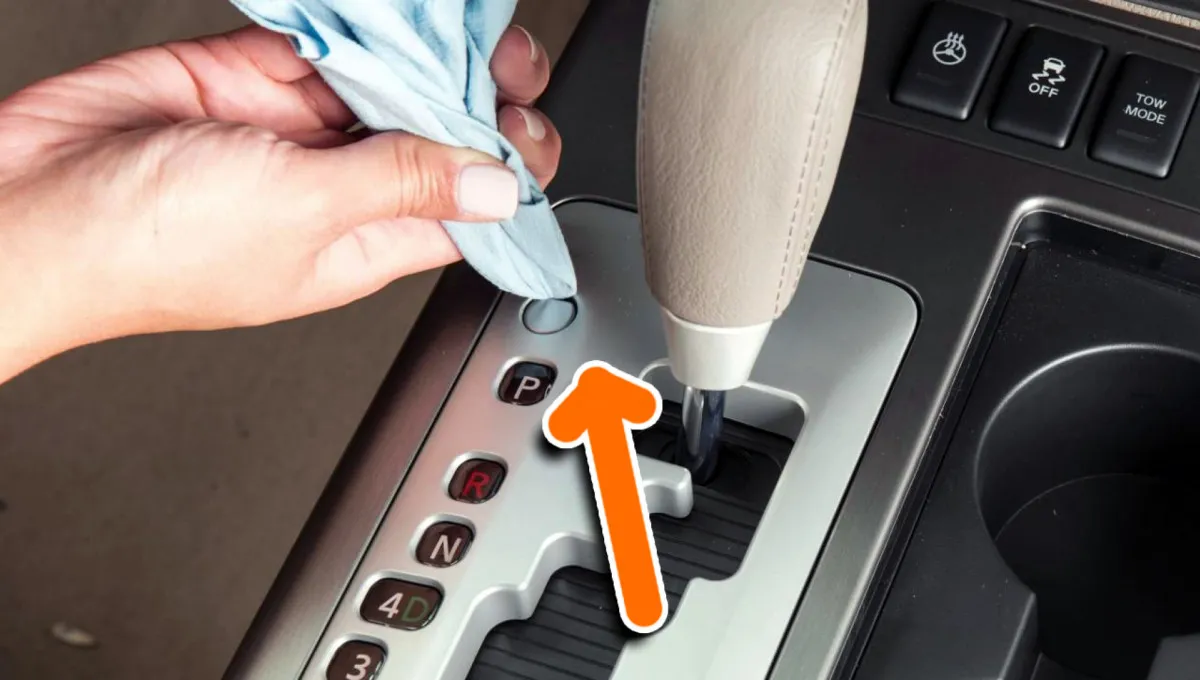
Tow Truck Driver Reveals a Hidden Car Feature That Could Save Your Life in an Emergency
A professional tow truck driver revealed a little-known feature that can help drivers move a disabled vehicle to safety.