
How to Find the Source of a Car Interior Rattle in 15 Minutes
A simple trick can help drivers pinpoint an annoying interior rattle without taking apart half the cabin or visiting a repair shop.
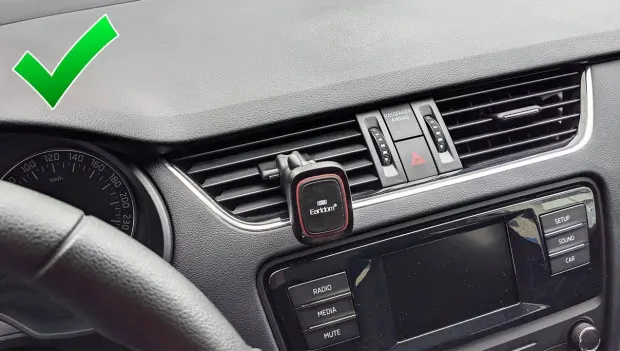
You've probably experienced it: you're driving on a smooth road and everything is quiet. Then you hit a patch of rough pavement, and suddenly there's an annoying clicking, squeaking or rattling somewhere around the dashboard, door or pillar.
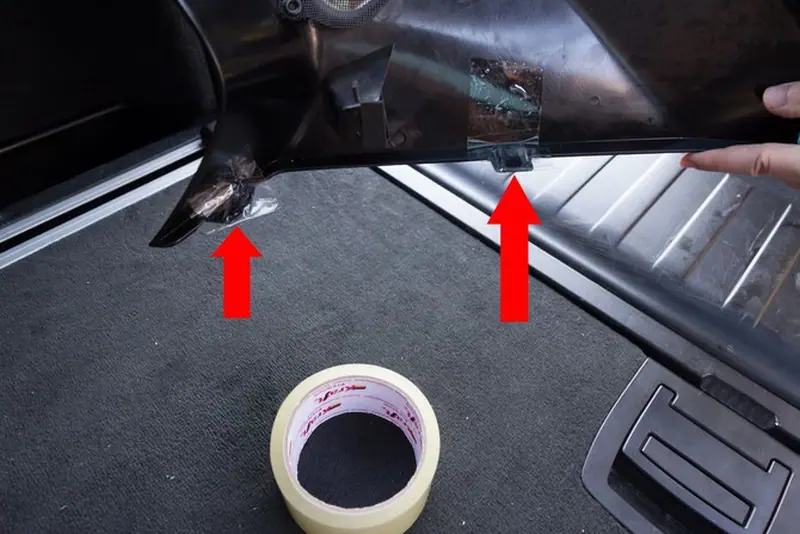
The frustrating part is that finding the source by ear can be surprisingly difficult. Sound bounces off glass and plastic, making it seem as if the noise is coming from a completely different part of the cabin.
There's a simple way to narrow it down yourself, and all you need is ordinary painter's tape.
Before your next drive, temporarily secure areas that could be making the noise. Try the seam between two plastic panels, a trim piece, the glovebox door, the multimedia screen bezel, part of the door panel or a plastic pillar trim.
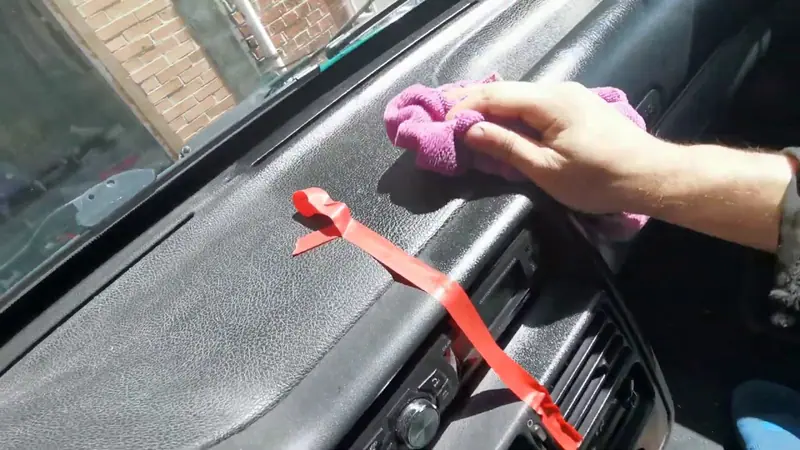
Don't tape up half the interior at once. Test one area at a time so you know exactly which piece is responsible.
Then drive over the same stretch of road where the rattle normally appears. If the noise disappears, you've likely found the culprit. If nothing changes, remove the tape and move on to the next suspect area.
There's another useful trick if you suspect something inside the glovebox or door pocket. Empty the compartment completely and repeat the drive.
A surprising number of mysterious "interior rattles" turn out to be something as simple as a plastic card, charging cable, loose change or a pair of sunglasses bouncing against the inside of the compartment.
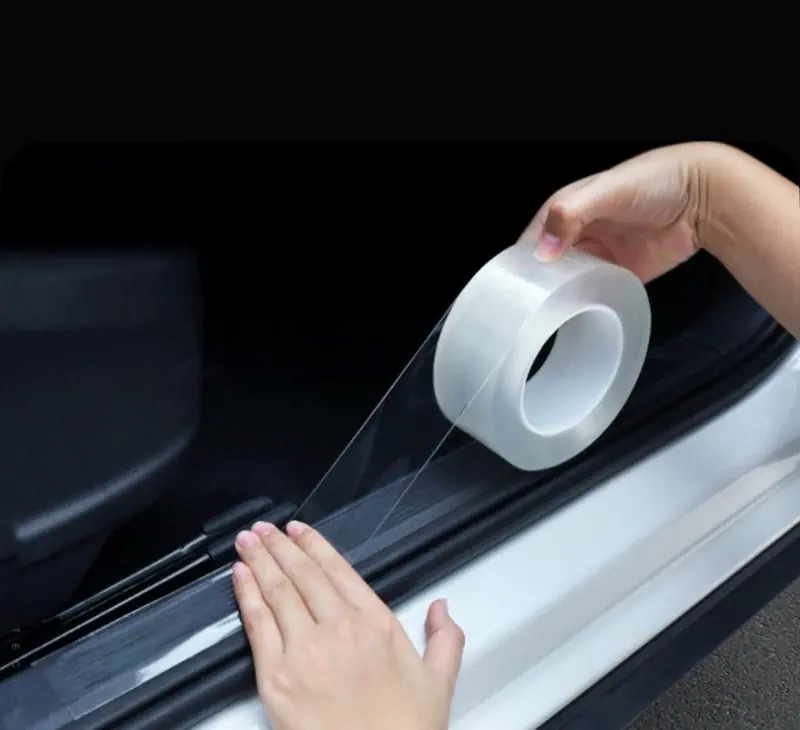
Once you've identified the source, there's no reason to leave the painter's tape in place. Depending on what's causing the noise, the fix could be as simple as replacing a broken clip, tightening a fastener or adding a thin strip of automotive anti-rattle felt tape where two surfaces make contact.
One safety rule matters: never tape over airbag deployment areas, the steering wheel, pedals, switches or other controls.
This method is especially useful because it can help locate an annoying noise without removing large sections of the interior. Sometimes a tiny piece of plastic can irritate a driver for months, while identifying the culprit may take only one short drive.
You may also be interested in the news:
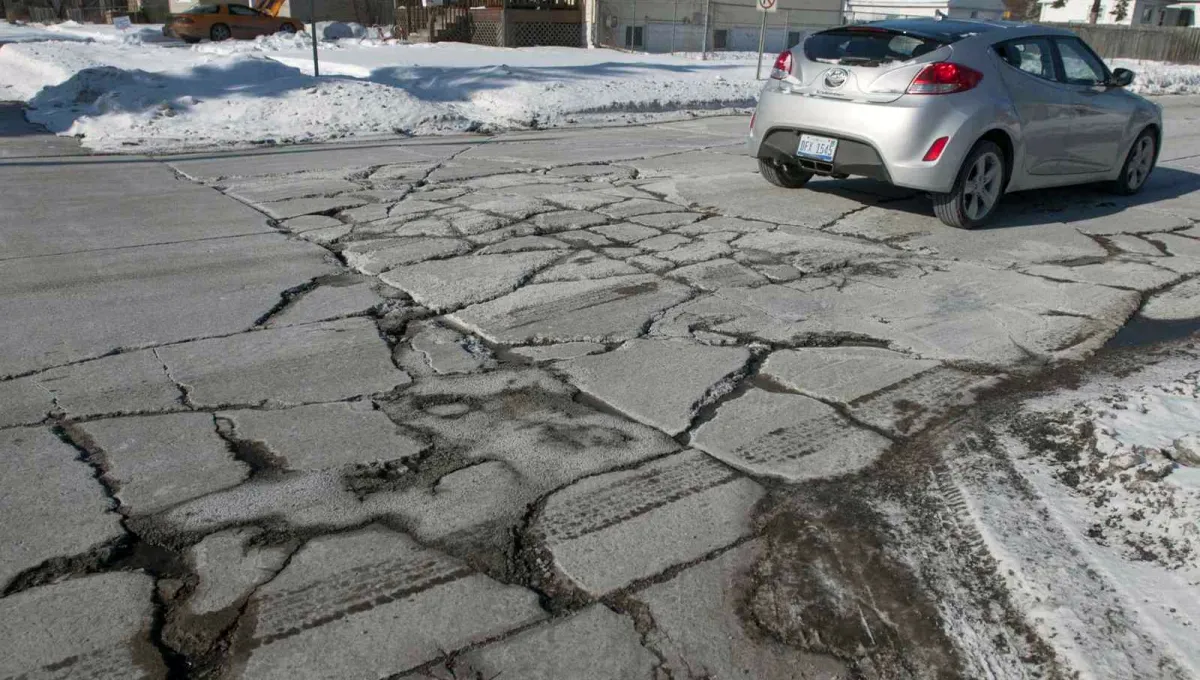
How to Reduce Tire Damage on Pothole-Filled Roads
Even a small pothole can cause serious trouble for a car. A hard hit can damage a tire, including its internal structure.
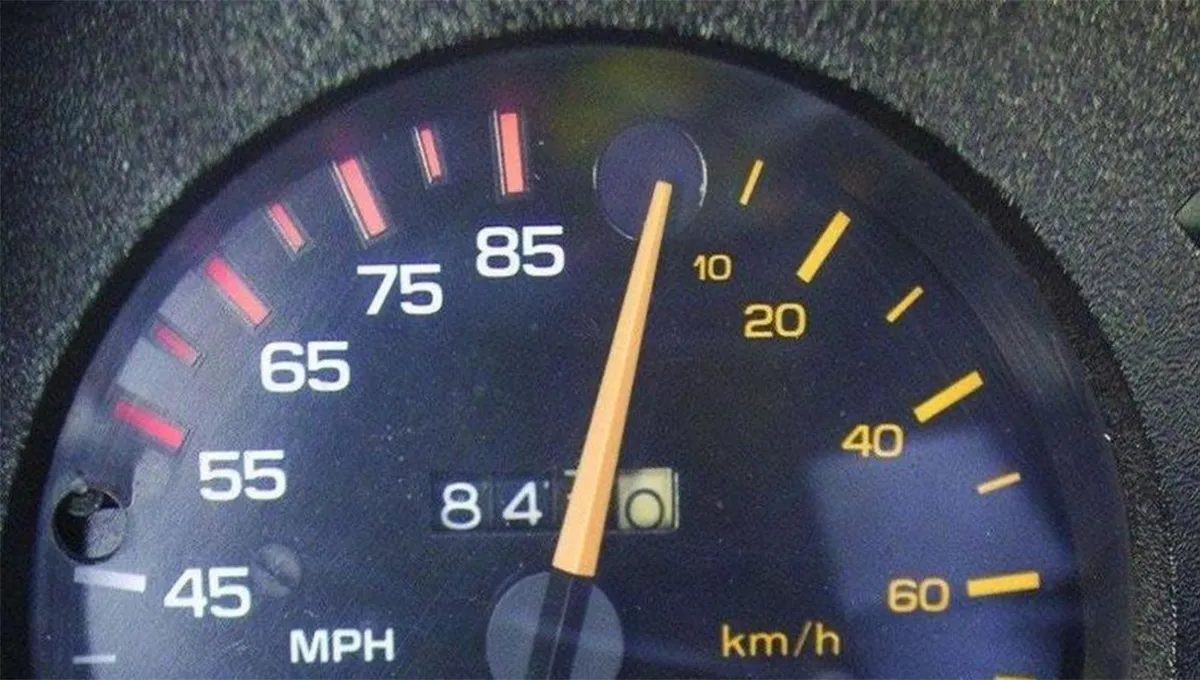
Study Finds Cars Used the Least Fuel Around 43 MPH, Not 56 MPH
At what speed does a car use the least fuel? French researchers identified a figure that may surprise many drivers.
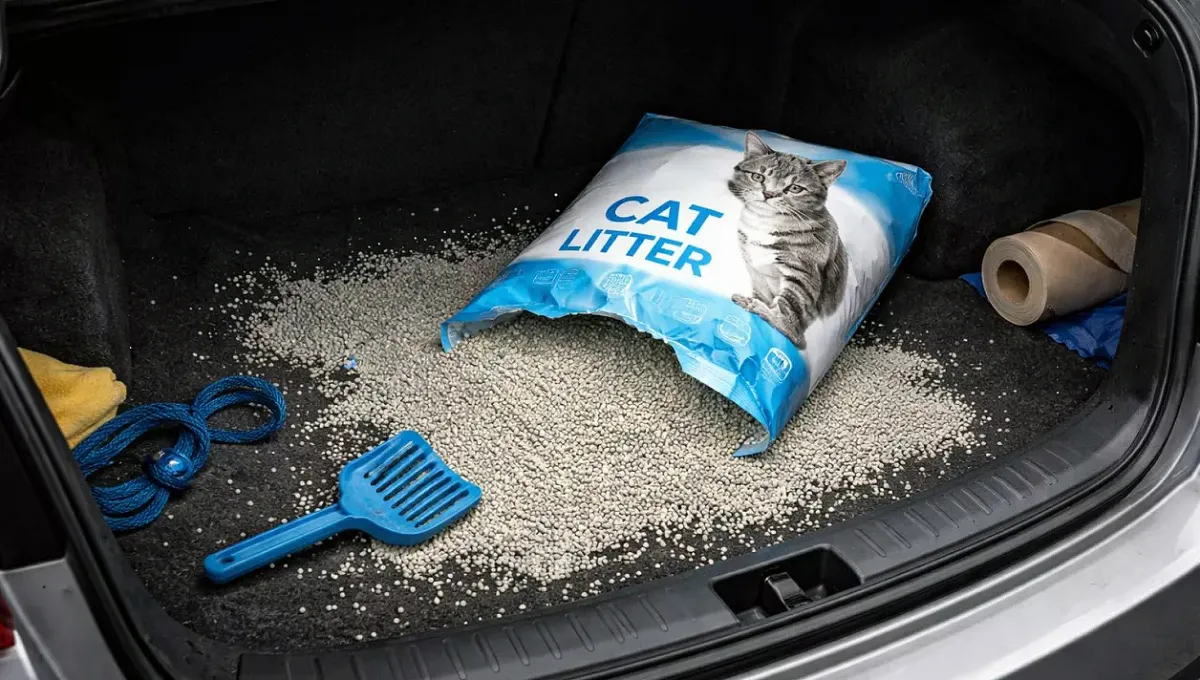
The Winter Trick Every Driver Should Know: Kitty Litter in the Trunk
Sand, salt, or cat litter: What can help tires find traction on a slippery road? Here’s a look at an unusual addition to a winter emergency kit.
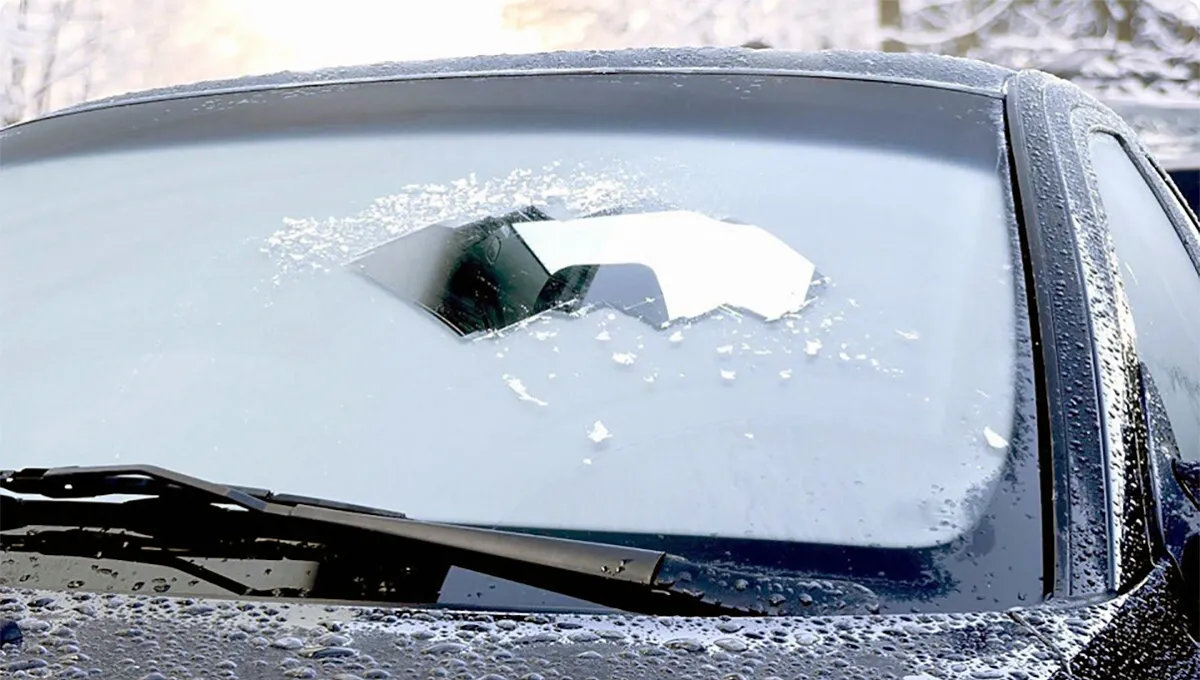
Windshield Freezes Every Morning — This Mechanic’s Trick Helps You De-Ice It Faste
Is frost leaving your car windows covered in ice? A few simple steps can make morning cleanup easier and help keep ice from forming.
Car Windows Will Stop Fogging Up — Here’s the Mistake Almost Every Driver Makes
Car windows constantly fogging up? Experts explain how to set the heat, when to turn off recirculation, and why the cabin air filter matters.