
How Long Will Your Car Last? A Guide to Making It Age Gracefully
Automotive experts explain how routine maintenance and timely replacement of aging components can help your car last longer.
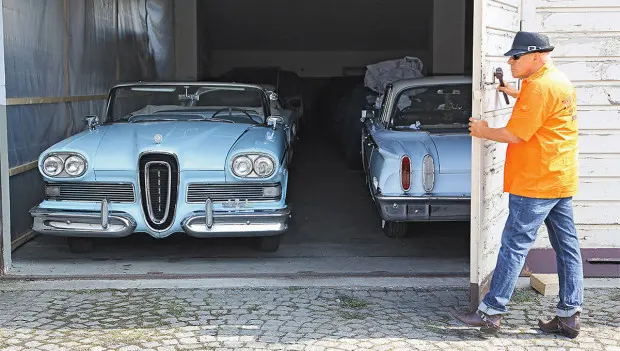
Modern cars are both engineering marvels and, some might argue, the result of a conspiracy to shorten vehicle lifespans. The era of cars capable of running a million miles is largely behind us, and automakers have a business incentive to keep consumers interested in newer vehicles. Midcycle refreshes arrive every two or three years, while entirely new models often appear every five or six.
That's fine for drivers who can afford to keep up with the latest trends. But for those who prefer to hold on to their cars for as long as possible, it helps to know which components are likely to cause trouble as a vehicle ages.
Let's go through the major ones, starting with fluids.
Automotive Fluids
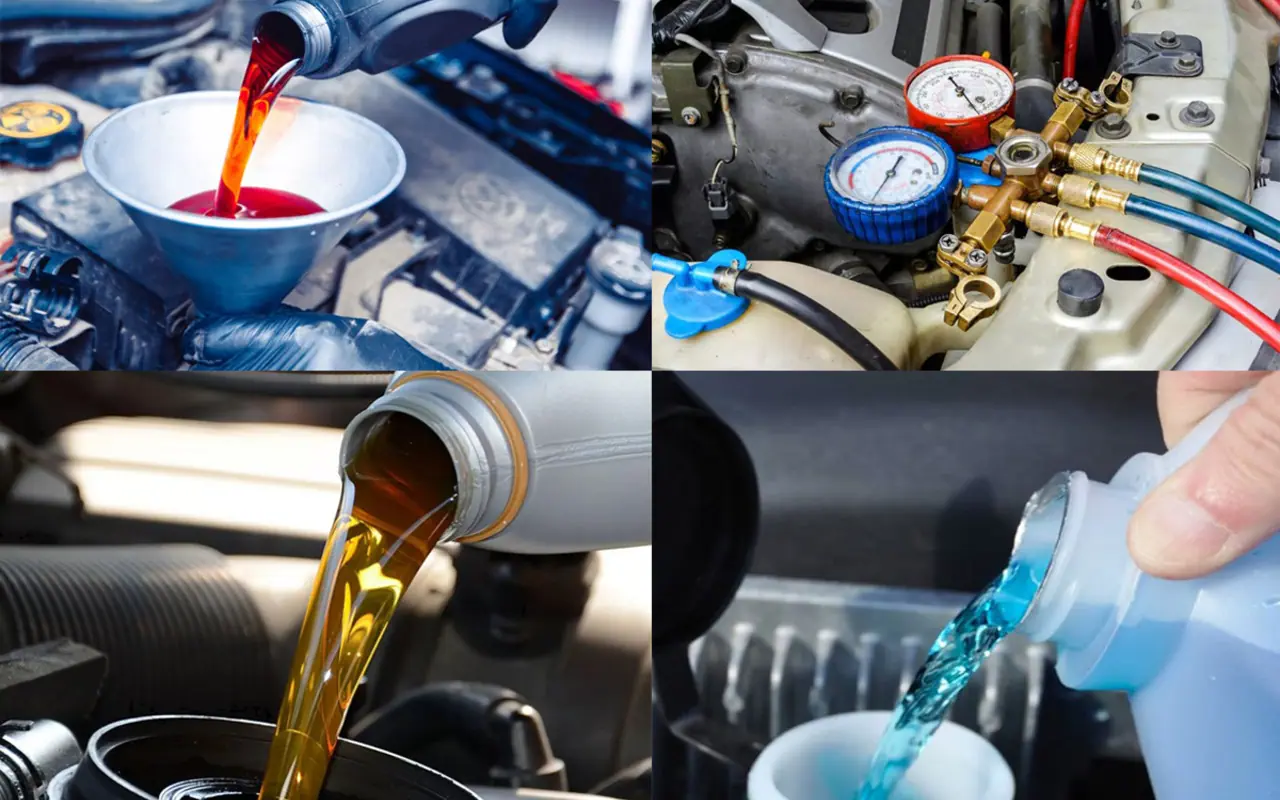
Gasoline. Gasoline can begin to lose its quality after about a year in the tank. Condensation can also introduce moisture, particularly in humid conditions. Fuel quality, the gasoline's composition, and contamination during refueling can affect how well it keeps.
Diesel fuel. Diesel fuel may remain usable for around six months in hot weather, especially above 77°F, and up to a year in cooler conditions. Seasonal diesel blends are designed for different temperatures. Using winter-blend fuel helps reduce the risk of cold-weather gelling.
Windshield washer fluid. Change it according to the season. The fluid itself generally doesn't deteriorate quickly, but summer washer fluid can freeze in winter. Some winter formulas, particularly those made with isopropyl alcohol, can also have a strong odor in hot weather.
Engine oil. Engine oil in a vehicle should generally be changed according to the manufacturer's time and mileage recommendations, even if the car is driven very little. Many automakers specify an interval of about one year. Unopened oil stored in a sealed container can often last several years, depending on the product and storage conditions.
Transmission fluid. With relatively low annual mileage, transmission fluid can still age over time. Manual transmissions may go many years between changes, while automatics can have different requirements depending on the design and fluid. Follow the manufacturer's maintenance schedule rather than relying on a fixed age alone.
Brake fluid. Brake fluid commonly needs replacement every two to three years, although the exact interval varies by vehicle. It absorbs moisture over time, even when the car isn't driven much. Following the manufacturer's replacement schedule helps preserve braking performance.
Coolant. Some factory-fill coolants are designed to last up to 10 years, depending on the vehicle and formulation. After the initial service interval, replacement may be required every three to five years. Check the owner's manual for the correct schedule and coolant type.
Power steering fluid. Hydraulic and electrohydraulic power steering systems may need fresh fluid after several years or around 75,000 to 95,000 miles, depending on the vehicle. Some modern cars use electric power steering and have no steering fluid to replace.
Air-conditioning oil. A/C compressor oil generally doesn't need to be replaced every time the system is recharged. The correct oil type and amount depend on the system, and oil service should be performed when required by a repair or compressor replacement.
Other Consumables
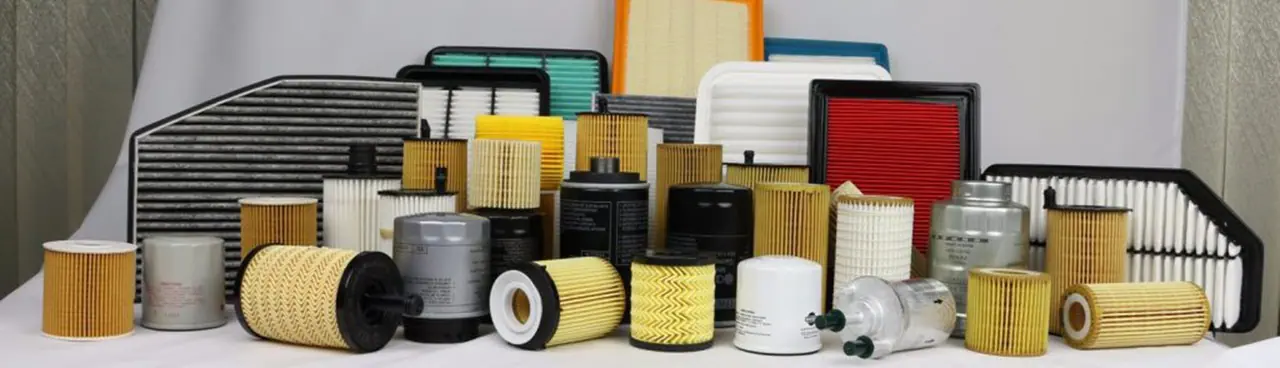
Filters. A cabin air filter is often replaced about once a year to maintain airflow and help keep dust and debris out of the cabin. The engine air filter is usually changed according to mileage and driving conditions, often around every 10,000 to 15,000 miles. The oil filter should be replaced with every engine oil change.
Fuel filter. Many gasoline-powered vehicles have fuel filters that aren't listed as routine replacement items because they're designed to last a long time. Diesel engines often have specific fuel-filter service intervals. Fuel quality matters, and replacing the filter may be worthwhile after buying a used car with an unknown maintenance history, particularly if the manufacturer recommends it.
Windshield wipers. Replacing wiper blades about once a year is a reasonable rule of thumb. Worn blades can leave streaks and reduce visibility, even if they're an expensive brand or have an advanced design.
Spark plugs. Spark plug life depends on the type of plug and the engine, not simply the vehicle's age. Replacement intervals can range from around 30,000 miles to 60,000 miles or more. Some long-life plugs last considerably longer. If the engine runs properly, follow the manufacturer's service interval rather than replacing plugs at every shop visit.
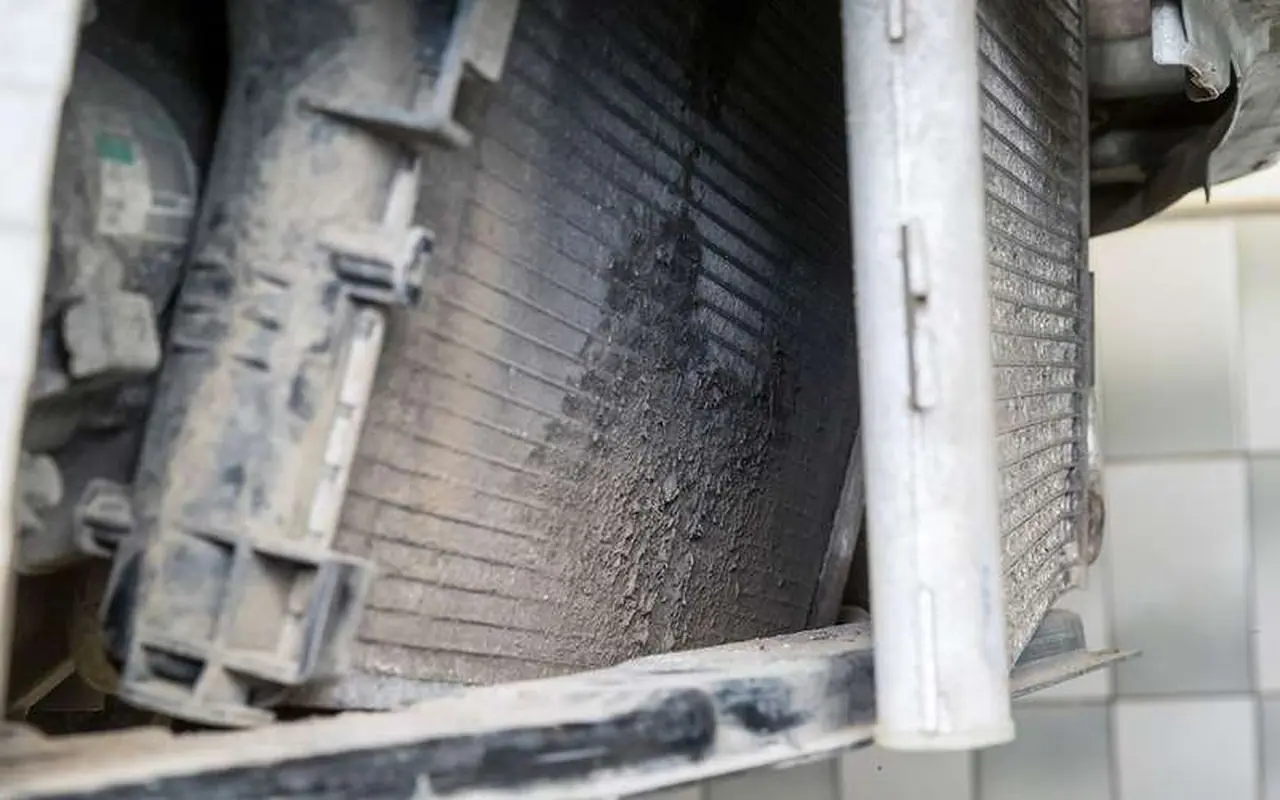
Belts. Timing belts must be replaced according to the manufacturer's time and mileage limits. Even a car that rarely gets driven may need a new timing belt after about five years, depending on the automaker's requirements, because rubber deteriorates with age. Accessory belts should be inspected regularly and replaced when worn, cracked, or otherwise damaged.
Tires
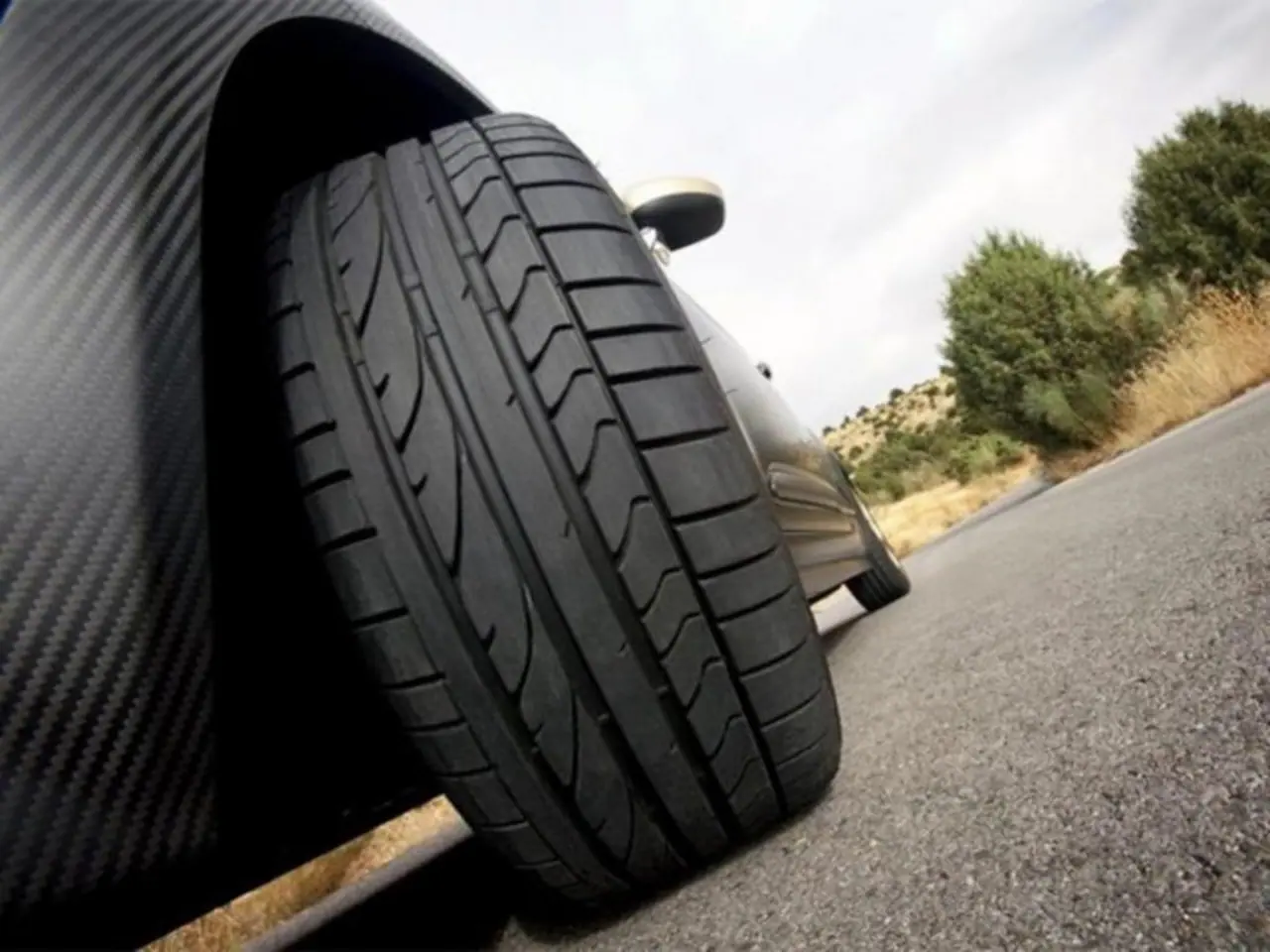
Tires are another wear item, but drivers often replace them because of tread wear rather than age. Many tire manufacturers recommend close inspection once tires reach five years of service, with replacement by 10 years from the date of manufacture as a general maximum—even if the tread looks usable. Heat, sunlight, storage conditions, and the tire's condition can shorten its service life.
Premium tires aren't automatically good for 10 years. Check the tire manufacturer's guidance and replace tires that show cracking, bulges, or other signs of deterioration.
Rubber Components
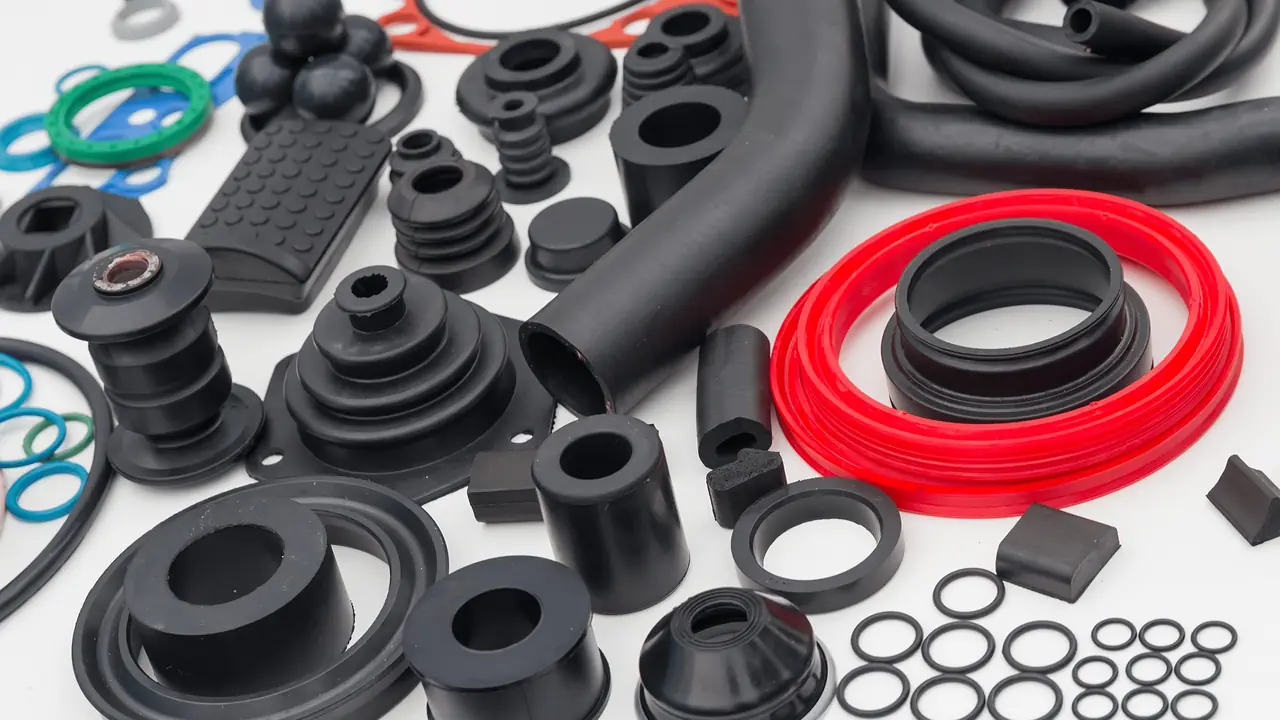
Brake hoses. Brake hoses can last around 10 years under favorable conditions, but age alone isn't a reliable measure of safety. Inspect them regularly for cracks, leaks, swelling, abrasion, or other damage. Replace any hose showing signs of deterioration immediately.
Suspension bushings. Rubber suspension bushings wear gradually. They don't necessarily fail all at once, but deterioration can cause clunking noises, uneven tire wear, and changes in handling. Replace them when inspection reveals excessive wear or damage.
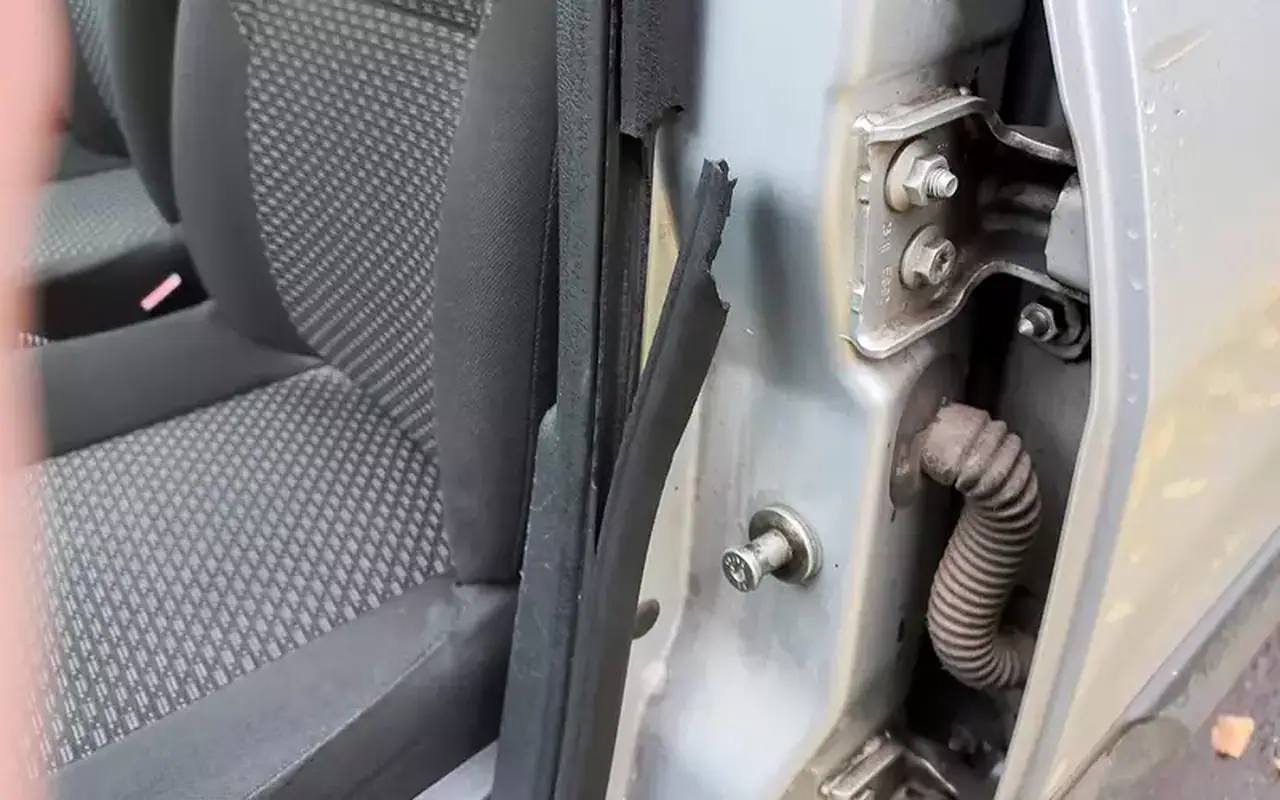
Ball joints and tie-rod ends. The protective rubber boots often deteriorate before the underlying components fail. Regular inspections can catch torn boots, grease loss, and excessive play. Replace worn or damaged parts as needed, since these components are critical to steering and suspension safety.
Coolant hoses. Radiator and heater hoses can last around 10 years, but heat, pressure, and age affect their durability. Inspect them for cracks, swelling, soft spots, and leaks, and replace them when necessary.
Electrical Systems
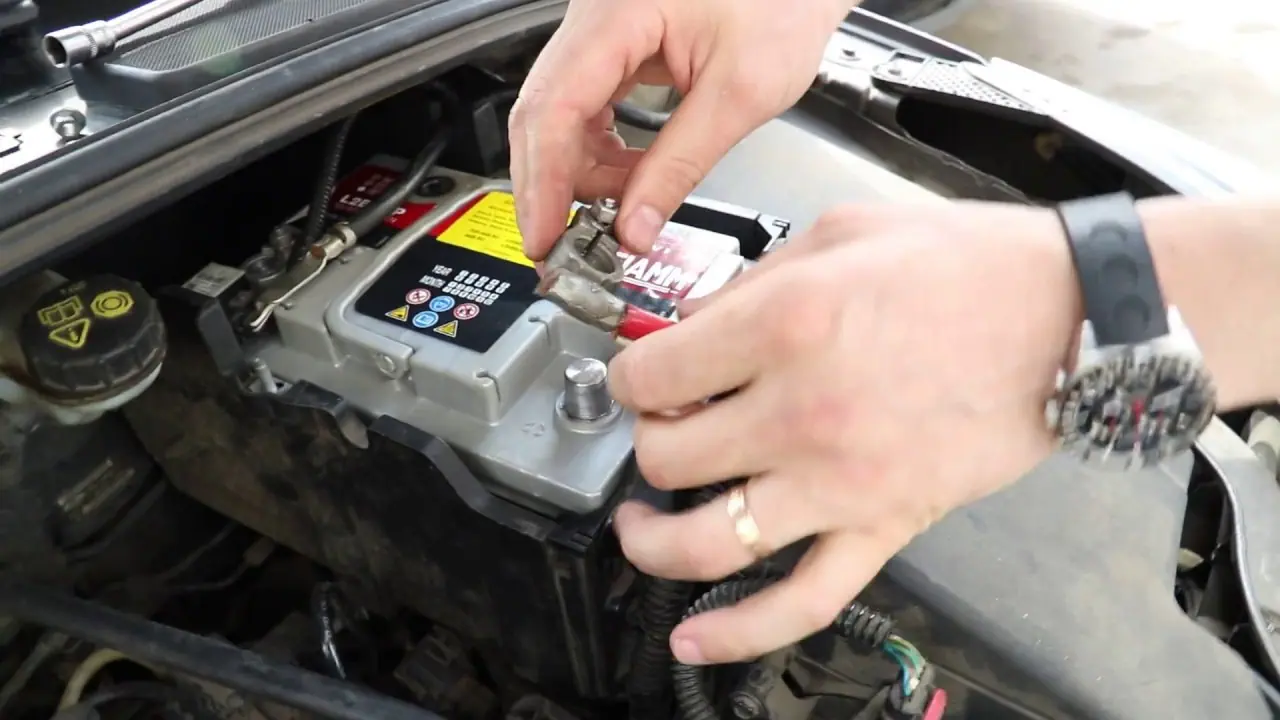
Battery. A typical car battery lasts around three to five years, although climate and driving habits can shorten or extend its life. Batteries in hot climates often age faster. A battery that has lasted more than four years may still work perfectly, but it's wise to have it tested regularly and replace it when its condition warrants it.
Electric motors. The starter and alternator are generally durable components, but moisture and frequent exposure to road salt can accelerate corrosion and wear. Blower motors and radiator cooling fans can also fail prematurely if water enters their electric motors during improper washing. Avoid directing high-pressure water at electrical components and connectors.
You may also be interested in the news:
8 Car Maintenance Mistakes That Could Cost You Thousands if You Wait Too Long
Depending on driving conditions, some maintenance tasks may need to be performed sooner and more often than the automaker recommends.

Common Car Problems on the Road and How to Handle Them Yourself
A breakdown far from home can leave any driver stranded. Here’s how to assess the problem and decide what to do next.
Experienced Drivers Share Their Best Car Hacks: Better Visibility, a Cleaner Backup Camera, and Battery Care
Simple DIY fixes can improve visibility, protect your car’s finish, and make routine repairs easier without expensive tools or parts.

Your Car Key Has a Hidden Summer Feature—Here’s How to Open Your Windows Without Getting Inside
Holding your car key’s unlock button may lower the windows remotely, helping release heat before you climb inside.

Drivers Are Seeing Strange Pink Signs on the Road—What They Say Is Surprising Everyone
A new roadside campaign uses personalized messages to praise safe drivers, offering a different approach to speeding warnings.