
The 1957 Dodge: How “Autodynamics” Shaped One of Detroit’s Boldest Designs
The 1957 Dodge Looked Like a Dream Car, but Its Biggest Flaw Was Hiding Beneath the Surface.
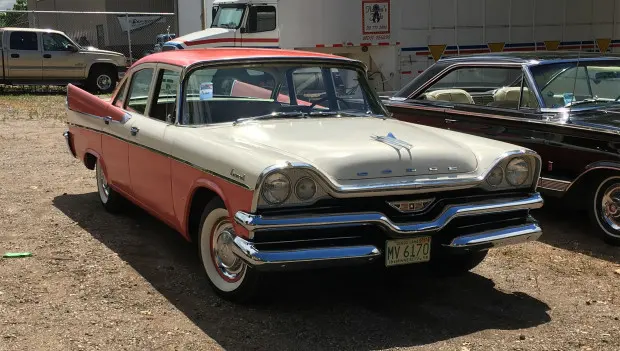
In 1957, Dodge introduced a new term to the automotive vocabulary: autodynamics. The concept helped define its futuristic styling, but the cars had a few surprises beneath the surface.
Although all five Chrysler Corporation brands shared the 1957 Forward Look design philosophy, each interpreted it in its own way. At Dodge, the styling theme was called “Swept Wing ’57,” and the advertising team promoted it as an entirely new approach known as “autodynamics.” The idea combined automobiles and aerodynamics into one distinctive design philosophy.
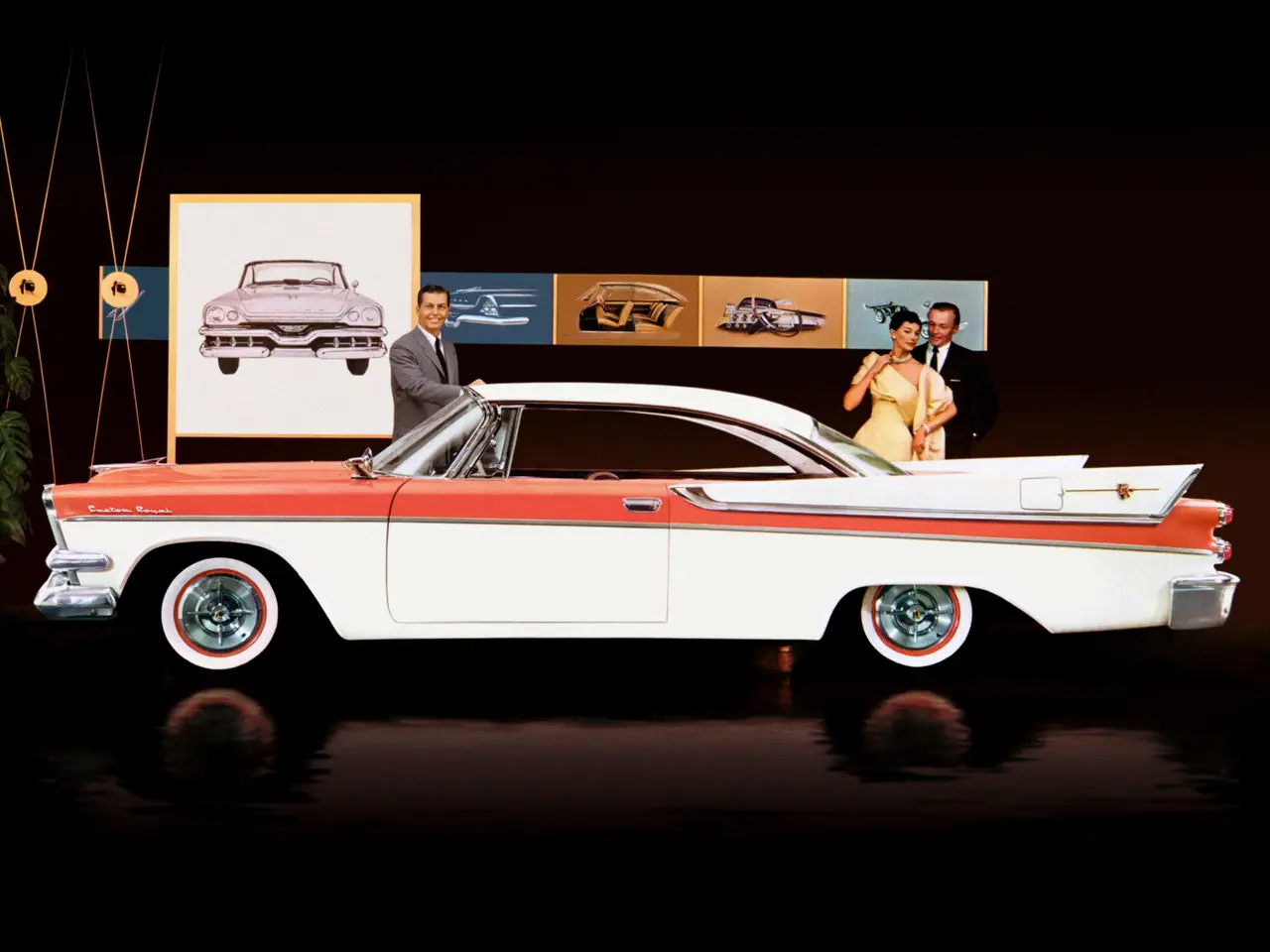
“Enter the wonderful world of autodynamics,” Dodge advertising urged customers, promising a fresh approach “from road to roof” for a more comfortable driving experience. Along with the rest of Chrysler’s 1957 lineup, Dodge produced some of the most striking cars Detroit had ever seen.
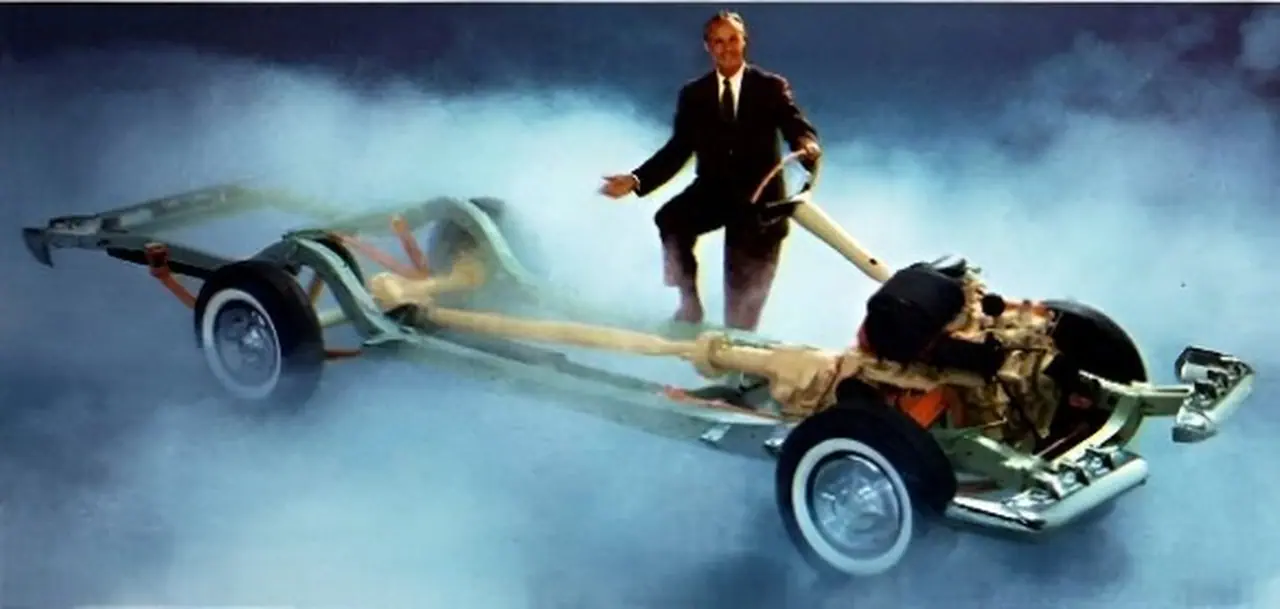
Despite standing just 56 inches tall, the 1957 Dodge retained a traditional ladder-type frame. General Motors had adopted an X-frame in pursuit of a lower profile, while Ford developed a perimeter-style chassis with a distinctive center section. Chrysler stuck with its proven frame design until 1960, when it introduced unibody construction.
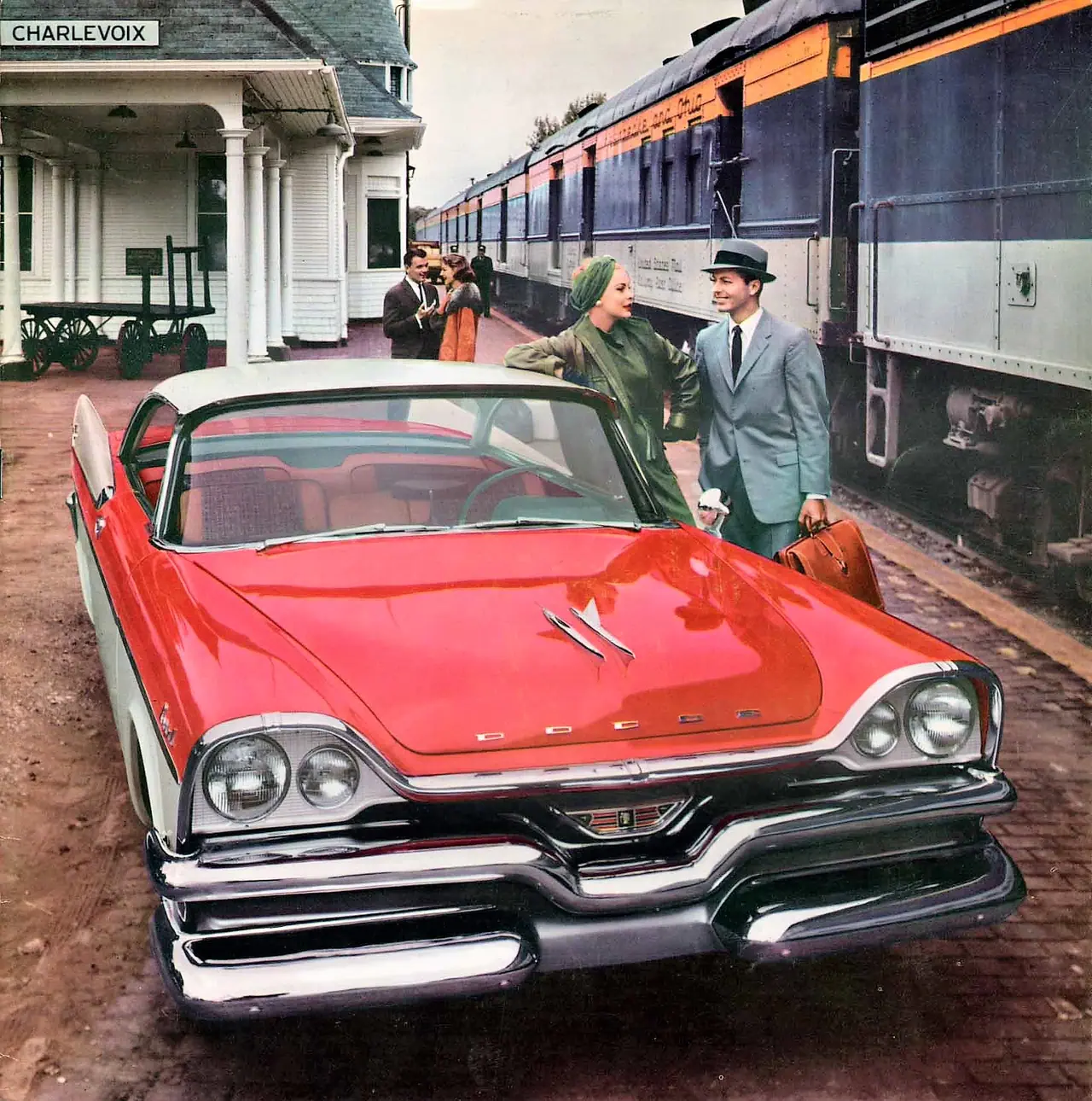
Chrysler’s major engineering innovation for 1957 was the Torsion-Aire front suspension. Its longitudinal torsion bars allowed a lower vehicle profile than conventional coil springs while offering other handling and ride benefits.
Performance buyers had plenty to choose from, too. The entry-level Coronet came standard with a dependable 230-cubic-inch inline-six, while the midrange Royal and top-of-the-line Custom Royal came equipped with V-8 engines.
Two 325-cubic-inch V-8 versions produced 245 and 260 horsepower. Buyers looking for even more power could opt for the legendary Hemi V-8. In D-500 or D-500-1 form, the Dodge Hemi delivered up to 340 horsepower, with the latter configuration featuring dual four-barrel carburetors.
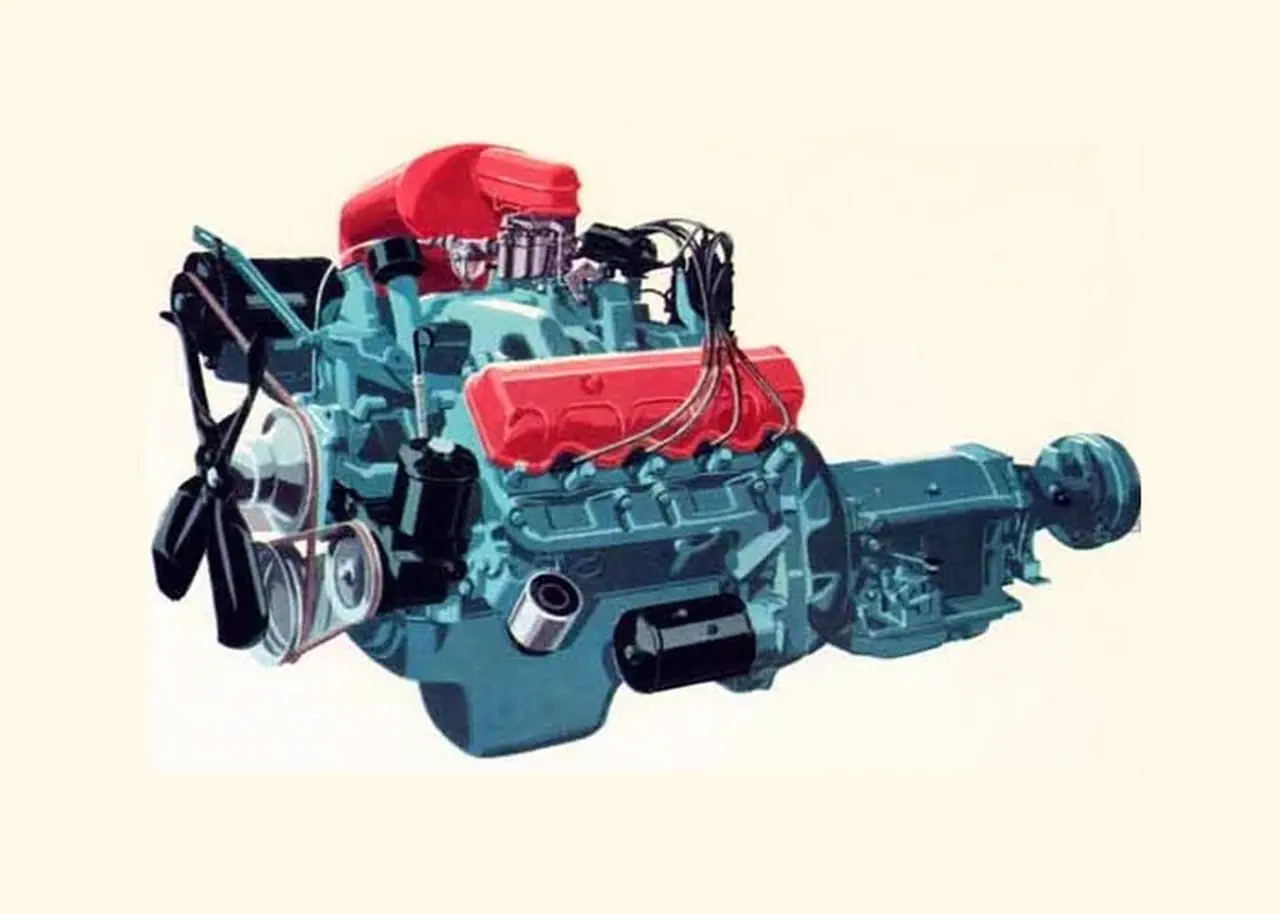
There was also the Chrysler 354-cubic-inch Hemi V-8, installed in the rare D-501 for NASCAR homologation purposes. Reports indicate that just 56 examples were built, making it an especially uncommon version of the 1957 Dodge.
The 1957 model year also marked the end of factory-installed Hemi engines in Dodge cars. For 1958, the brand offered only wedge-head V-8 engines.
Styling was unquestionably one of Chrysler’s greatest strengths in 1957. Dodge and its corporate siblings helped establish a bold new direction for American automotive design. The futuristic front-end styling was designed to accommodate quad headlamps, although Dodge wouldn't introduce them until the following model year.
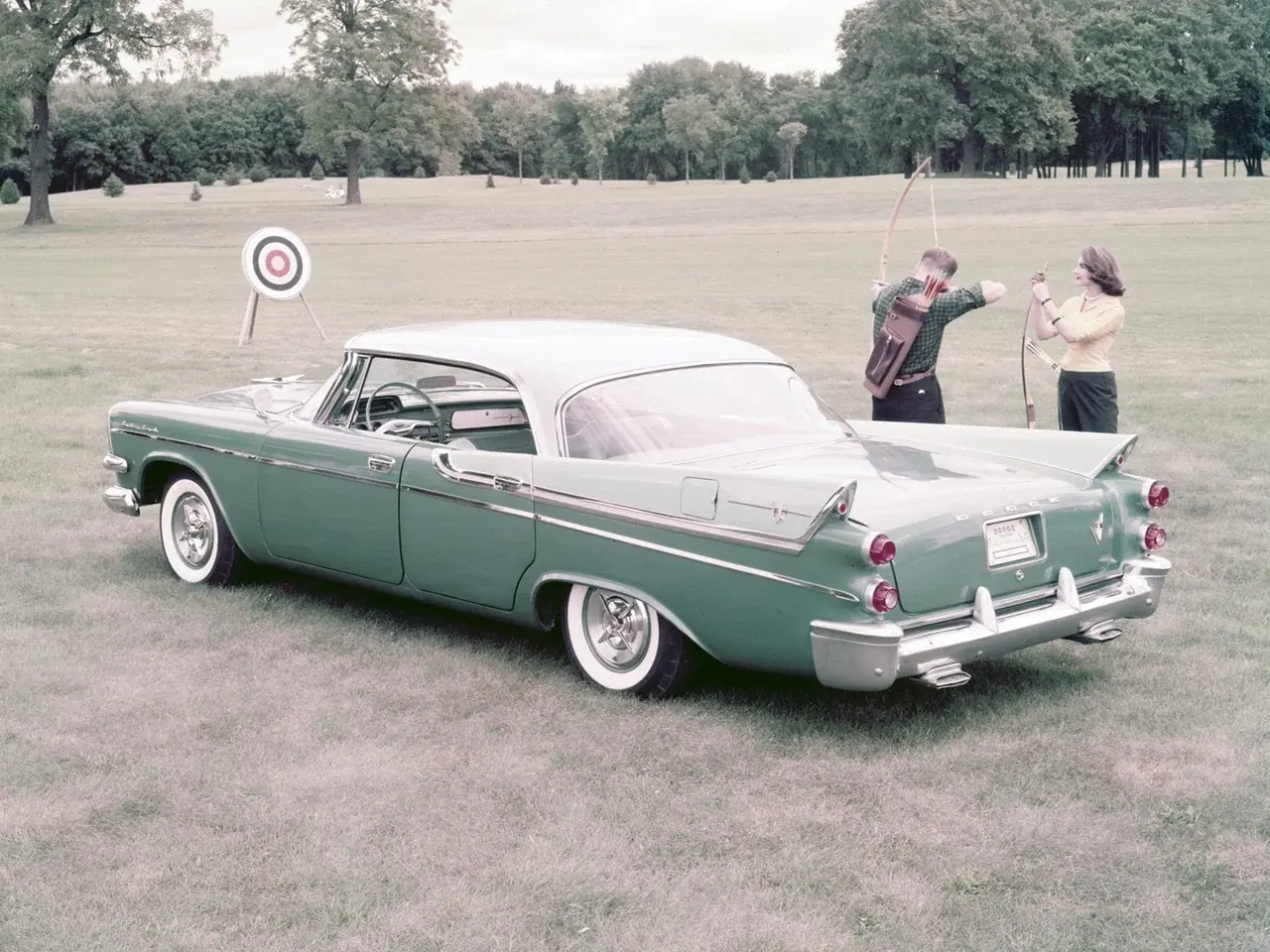
But spectacular styling couldn't solve every problem. When Briggs Manufacturing withdrew from the automotive body business, Chrysler was forced to acquire the operation and quickly take over body engineering and production.
The transition proved difficult. Chrysler's 1957 cars suffered from inconsistent build quality and a serious tendency to rust. The science of autodynamics apparently had little to say about corrosion protection.
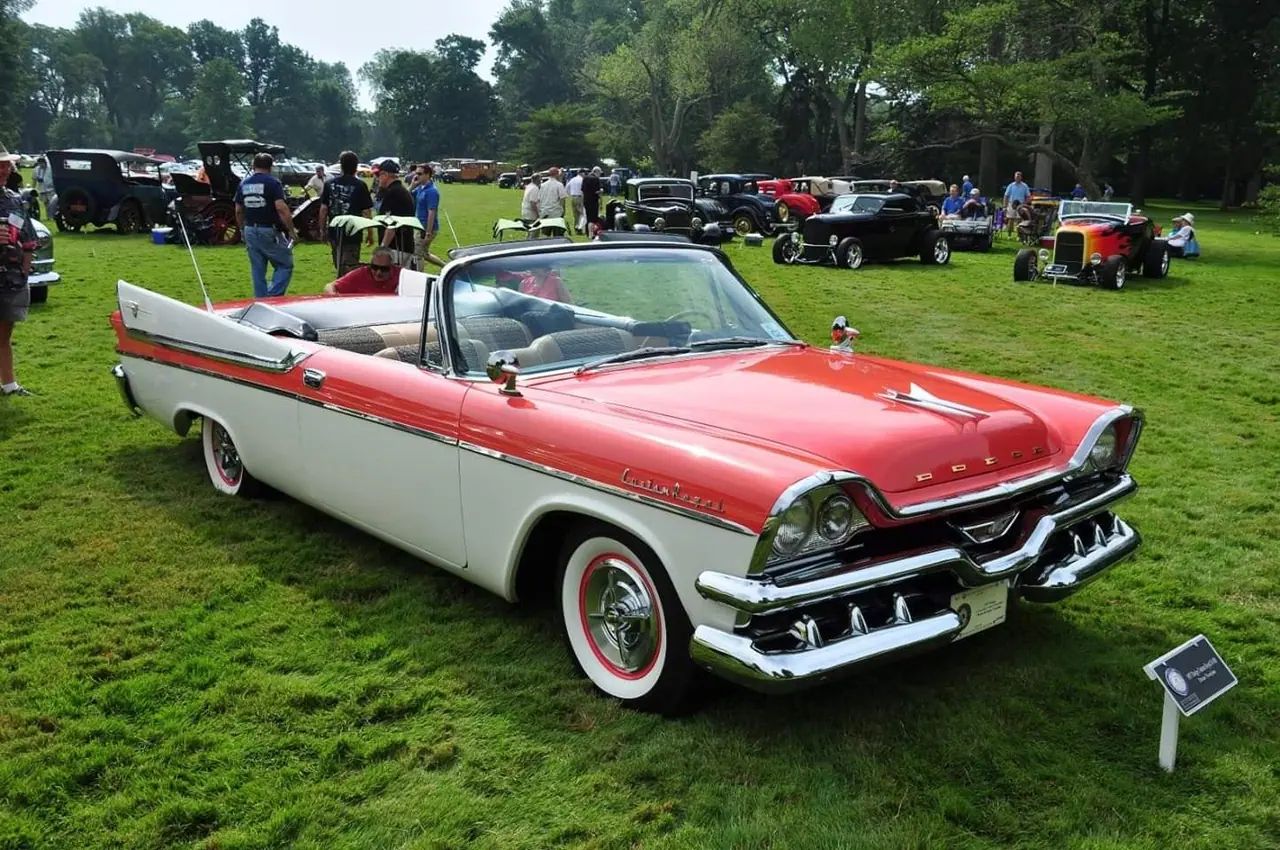
Even so, 1957 was a strong year for Dodge. Sales climbed to nearly 288,000 vehicles, an increase of approximately 20 percent over the previous year. The cars may have struggled with durability, but their dramatic styling and powerful engines helped make them a memorable chapter in American automotive history.
You may also be interested in the news:

8 Cars That Racked Up More Than 1.5 Million Miles and Kept Going
Some cars outlast generations of owners, proving that careful maintenance and durable engineering can deliver extraordinary mileage.
The 1937 Ford Was a Quality Car at an Affordable Price — Here’s What Made It Stand Out
The 1937 Ford featured several major changes and improvements. Let’s take a closer look.

Two Ferrari F40s Spotted on Google Maps Turn Out to Be Pontiac Fiero Replicas
Two Ferrari F40 lookalikes spotted on Google Maps in Spain turned out to be replicas built on an American sports car.
Your Speedometer Says 65 MPH, but Your GPS Says 62 — Here’s Why Your Car Does That
Your speedometer reads 65 mph, but your GPS says 62 mph. Here’s why the numbers rarely match.
Hyundai Recalls Nearly 95,000 Genesis Sedans Over Fire Risk From Power Seats
Hyundai is recalling 94,622 Genesis sedans after a faulty power seat switch was linked to overheating and potential vehicle fires.