
Teen Scores a 1966 Thunderbird for Just $3,200—but There's a Catch
A teenager's $3,200 Thunderbird purchase revealed an optional 428 V8, but reviving it proved difficult.
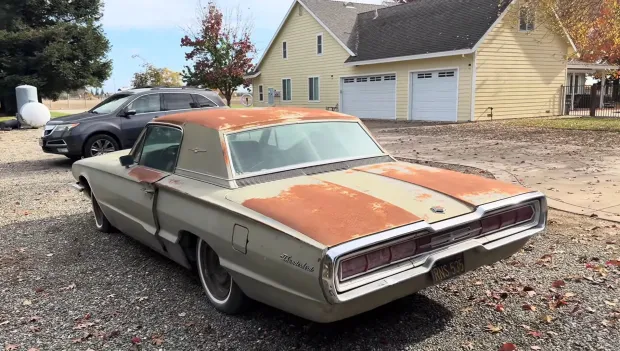
A 1966 Ford Thunderbird bought sight unseen through Facebook Marketplace turned out to have something more interesting than its weathered body suggested: a factory Q-code 428-cubic-inch V8. The teenage enthusiast behind the TDM Garage YouTube channel paid $3,200 for the San Leandro, California, car, negotiating down from $3,900. Its registration expired in April 2006, before its new owner was born.
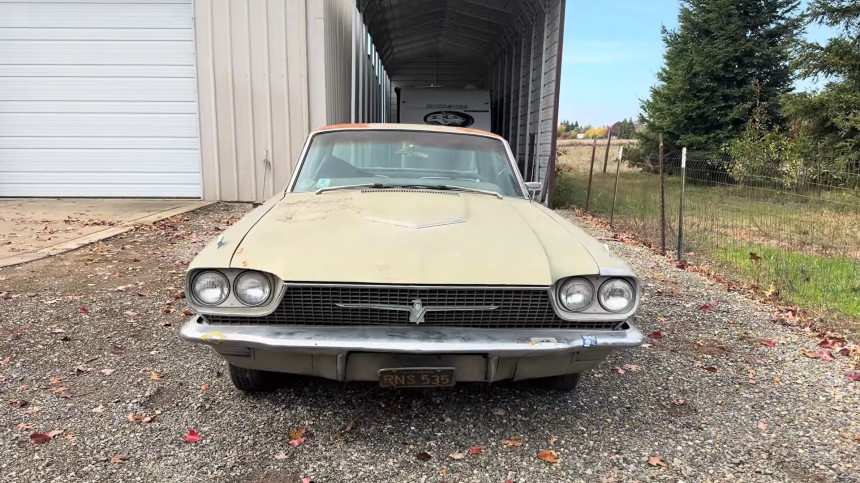
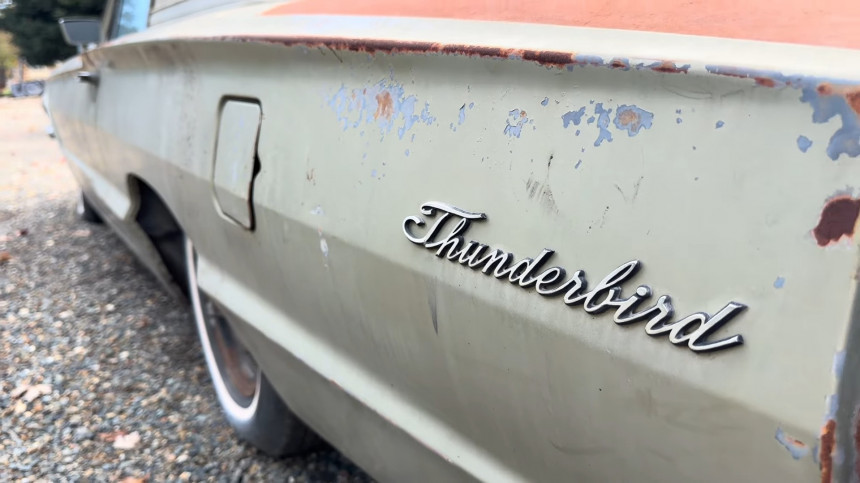
The listing described indoor storage, but extensive surface rust covered the roof, trunk lid, and door tops. Below those areas, the Medium Sage Gold Metallic Town Hardtop appeared largely straight, riding on black steel wheels and whitewall tires. It retained black-and-yellow California plates and a College of San Mateo bumper sticker, but lacked a gas cap, and one front hub had just four wheel studs.
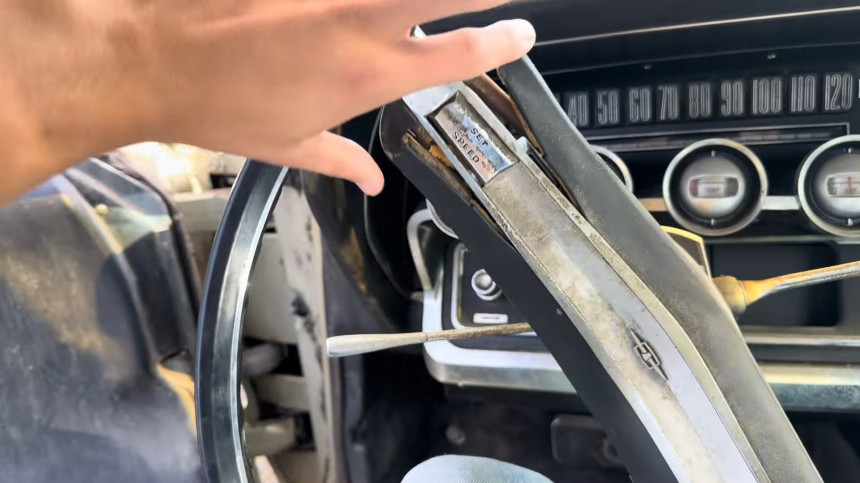
Inside, the Thunderbird still had its four recessed instrument pods, Swing-Away steering wheel, factory air conditioning, steering-wheel speed control, and reclining passenger seat. Thunderbird Headquarters catalogs covered the seat, the headliner sagged, and someone had removed the rear seat to gain access to the jammed trunk. The brake pedal would not move, although the driver's-side power windows still worked.
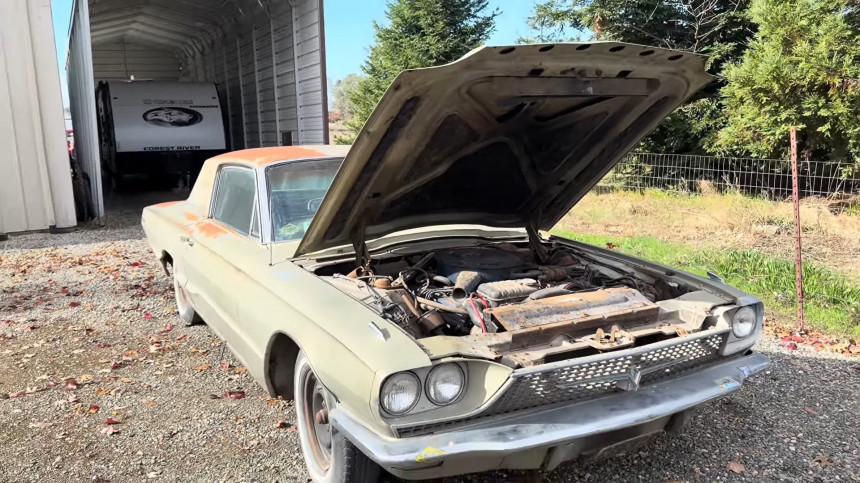
The engine compartment held the purchase's main attraction. Beneath the California Thermactor emissions equipment and large air-conditioning compressor sat the optional 428, paired with a three-speed Cruise-O-Matic automatic transmission and a 3.00:1 rear axle.
Getting it to crank required more than installing a battery: the owner shuffled two batteries among five cars, cleaned corroded connections, and investigated a silent starter. The column shifter was misadjusted, preventing a start in Park, but moving it into Neutral allowed the starter to engage. He then oiled the accessible cylinders, cleaned the ignition points, and found clean oil at the proper level on the difficult-to-reach dipstick.
The fuel system presented another obstacle. A dry surge tank and a water-bottle test pointed to a failed mechanical fuel pump, tucked behind the fan, pulleys, and power-steering hardware. Rather than dismantle the front accessories, the owner tried starting fluid through the four-barrel carburetor, while considering whether the engine might eventually go into a Shelby.
The V8 cranked, but a successful restart remained elusive. Ignition trouble, incorrect distributor timing, and inadequate fuel delivery were among the possible explanations; the attempt did not establish a definitive cause.
On the second day, an auxiliary fuel bottle, hose clamps, and a brass shutoff valve supplied a temporary gravity-feed arrangement. Fuel reached the carburetor inlet, but an apparent internal blockage prevented it from feeding properly. With a prolonged rainstorm approaching, the owner dismantled the setup, leaving the revival unfinished.
The project belongs to a long Thunderbird lineage that began in 1955 with Ford's two-seat V8 alternative to the Chevrolet Corvette and developed around personal luxury. Production spanned eleven generations, from 1955 through 1997 and again from 2002 through 2005, totaling more than 4.4 million cars. Annual sales peaked at 352,751 in 1978 and fell to 9,295 in the final year.
For 1966, the standard Z-code 390-cubic-inch V8 delivered 315 hp at 4,600 rpm and 427 lb-ft at 2,800 rpm, with no manual transmission offered. The roughly 4,400-pound Thunderbird could reach 60 mph in about 10 seconds and cover a quarter-mile in approximately 17 seconds; the optional 428 brought those figures to about 8.5 and 16 seconds, respectively, with a reported 120-mph top speed. The base Hardtop started at $4,426, while the Town Hardtop cost $4,483, plus $86 for the 428—a $4,569 total before other options.
Introduced for 1966 and produced through 1970, the cast-iron 428 belonged to Ford's FE engine family. Its 4.13-inch bore, 3.98-inch stroke, and 10.5:1 compression ratio provided a street-oriented alternative to the racing-focused 427.
The single-four-barrel Q-code 428 carried ratings of 345 hp at 4,600 rpm and 462 lb-ft at 2,800 rpm in the 1966 Thunderbird, Galaxie 7-Litre, full-size Ford, and Mercury S-55. Car Life recorded an automatic Galaxie 7-Litre reaching 60 mph in 8.0 seconds and completing the quarter-mile in 16.4 seconds at 89 mph. Four-speed S-55 models managed low-seven-second acceleration to 60 mph and quarter-mile times in the mid-15-second range.
Ford also offered law enforcement the P-code 428 Police Interceptor for 1966. Solid lifters, a hotter camshaft, and an aluminum intake accompanied ratings of 360 hp at 5,400 rpm and 459 lb-ft at 3,200 rpm, with reported speeds exceeding 128 mph.
The engine's later history included Carroll Shelby's 355-hp GT500 applications and the 1968½–1970 Cobra Jet and Super Cobra Jet versions. Those later variants carried advertised ratings of 335 hp and 440 lb-ft in Mustangs, Torinos, Fairlanes, Cougars, and Cyclones.
You may also be interested in the news:
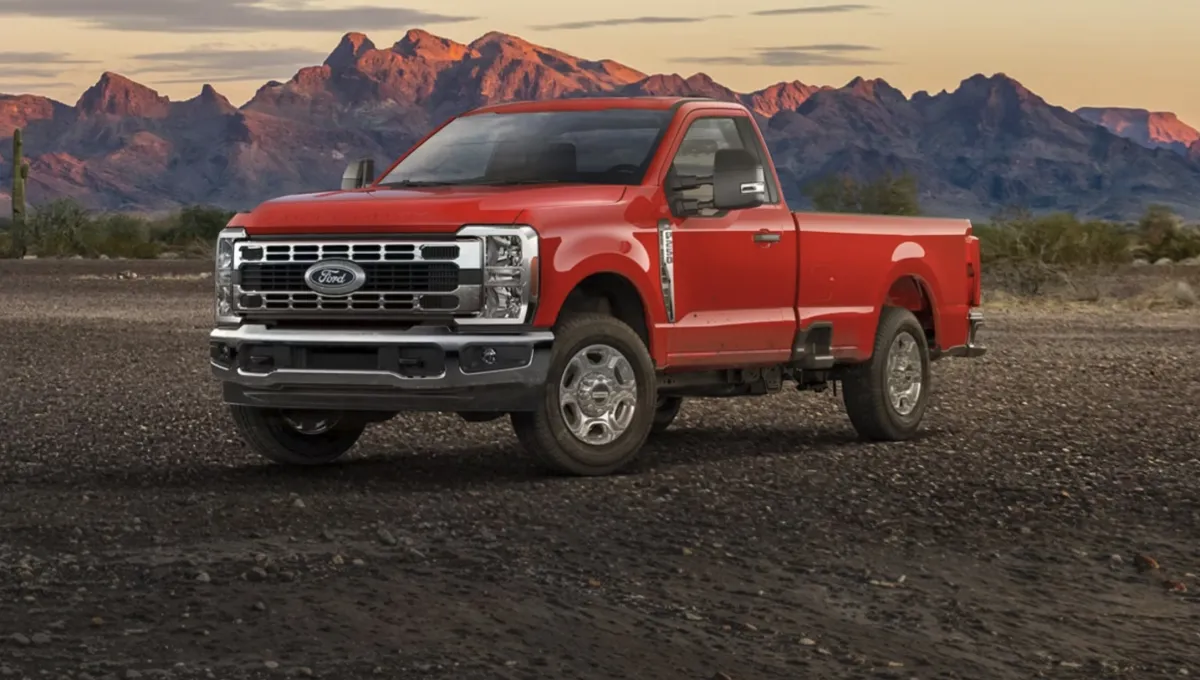
Ford Is Reportedly Building an 8.0-Liter Diesel Called “Roadrunner”—What Is It Really for?
Ford reportedly has an 8.0-liter Power Stroke diesel in testing under the “Roadrunner” development name.
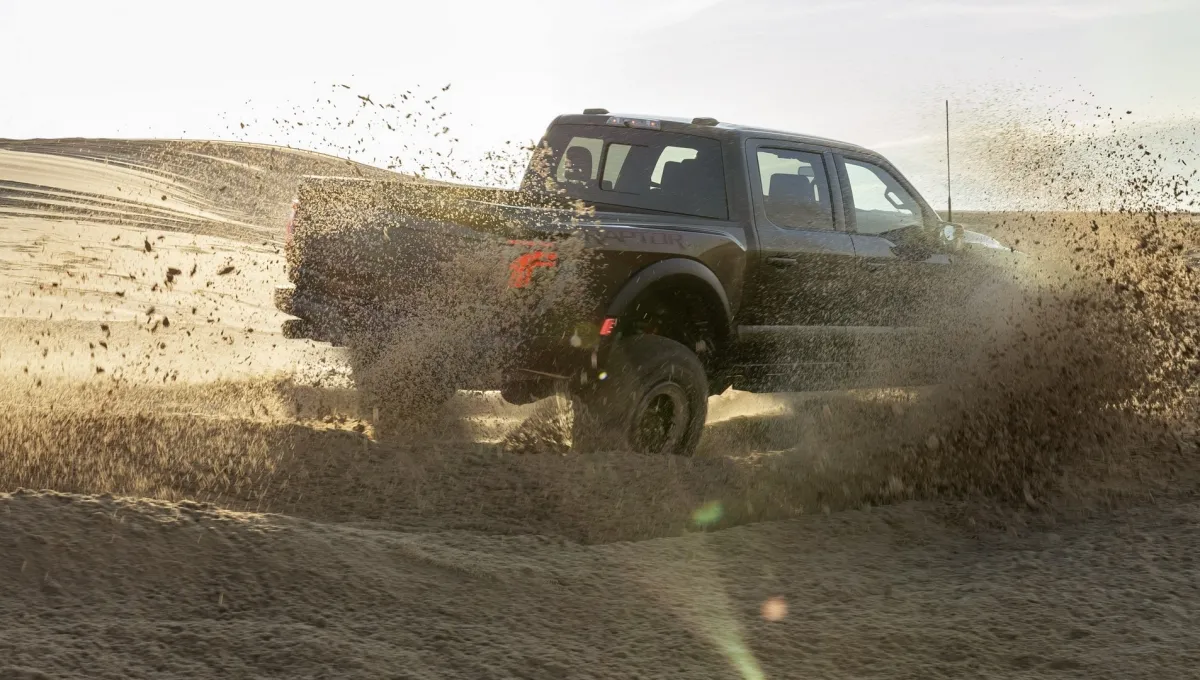
Ford Recalls F-150s Over Fuel Tank Straps That Could Loosen
Ford's latest F-150 recall in China targets fuel tank straps that could loosen while driving.
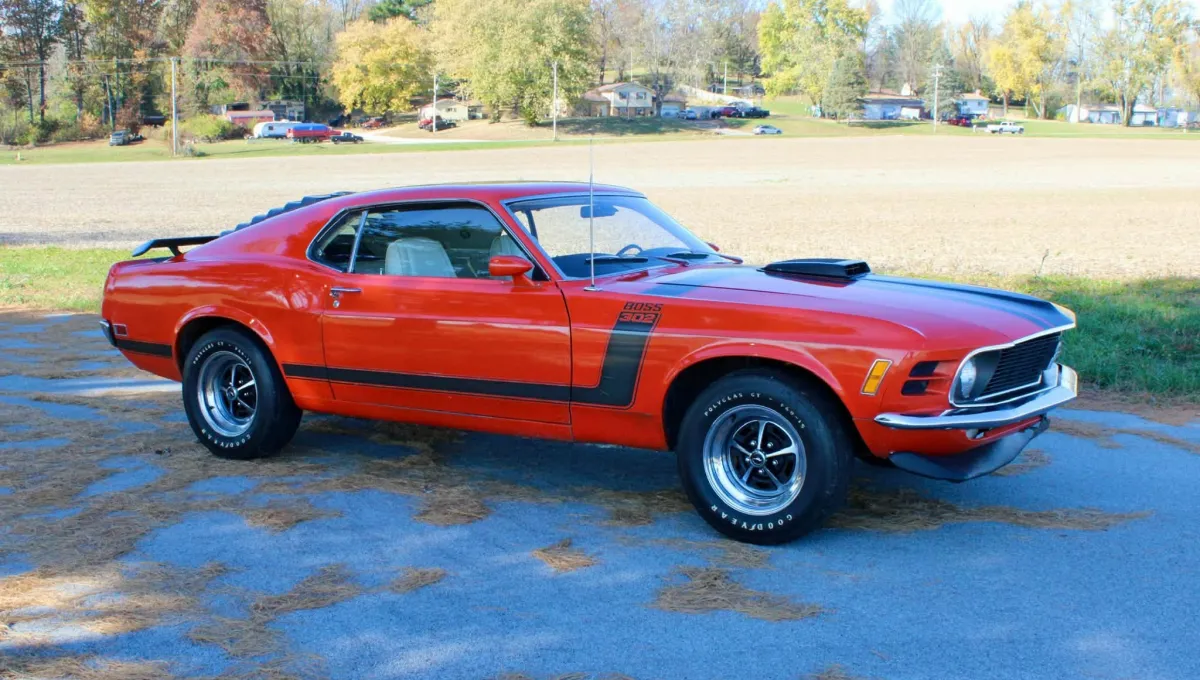
Original-Paint 1970 Mustang Boss 302 Pairs Calypso Coral With a Rare White Interior
Original paint, a white interior, and documented options distinguish this preserved 1970 Mustang Boss 302.
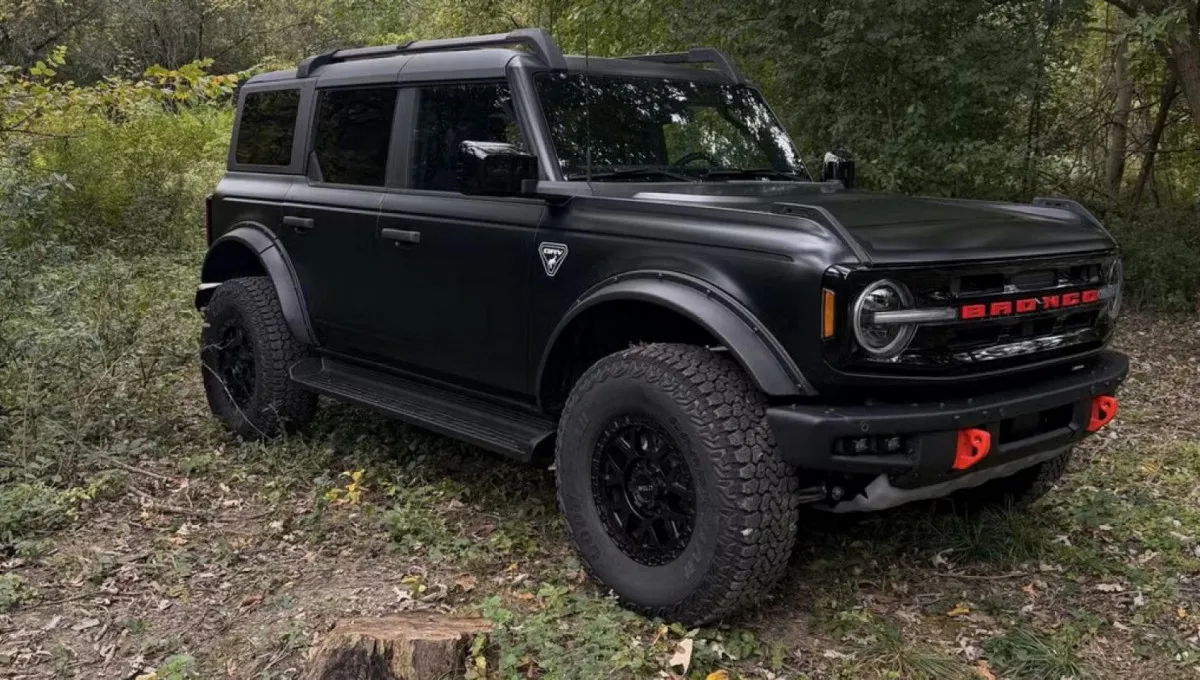
Ford Created an ORV Package for the Bronco: A Weird Name, a Big Price Tag, and Serious Off-Road Gear
Ford has expanded Bronco customization options through its Custom Garage program, adding an expensive new off-road accessory package.
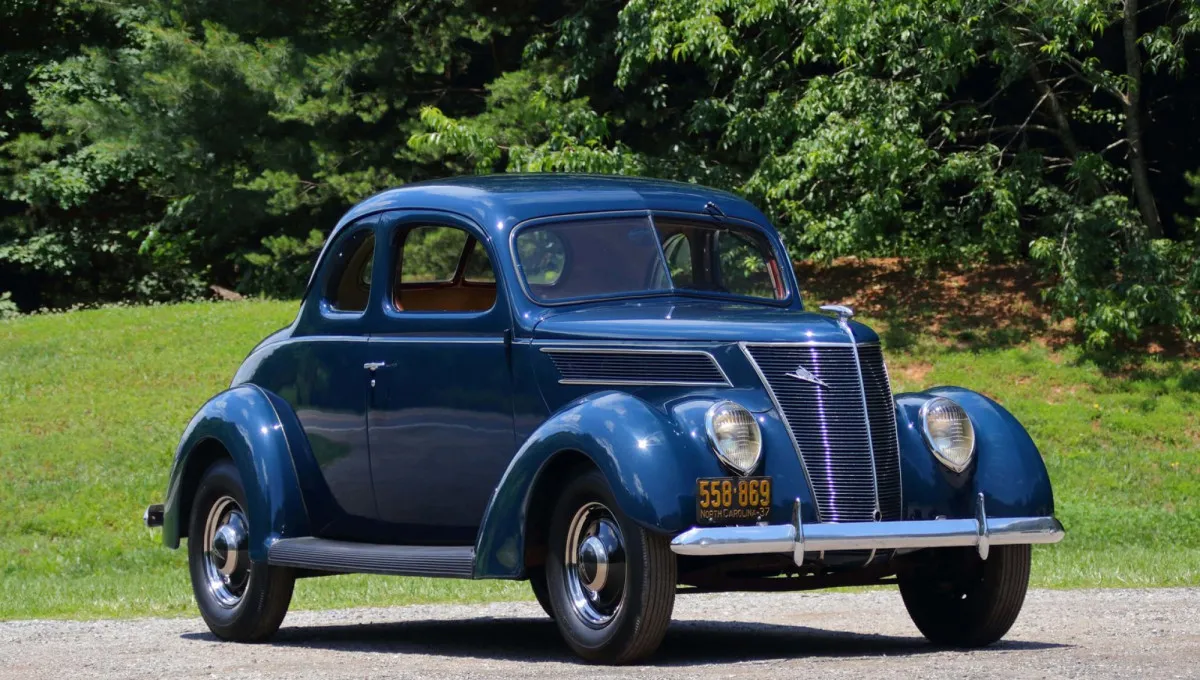
The 1937 Ford Was a Quality Car at an Affordable Price — Here’s What Made It Stand Out
The 1937 Ford featured several major changes and improvements. Let’s take a closer look.