
The 1960 Chevrolet Pickup: The Biggest Thing to Happen to Trucks Since Trucks Were Invented
Chevrolet unveiled an all-new pickup for 1960, calling it “the most important news since trucks came into being!”
Times have changed. During the golden age of American pickups, however, trucks rarely underwent major changes from one model year to the next. Commercial truck buyers were practical people who cared more about operating costs and dependability than the latest engineering breakthroughs or styling trends.
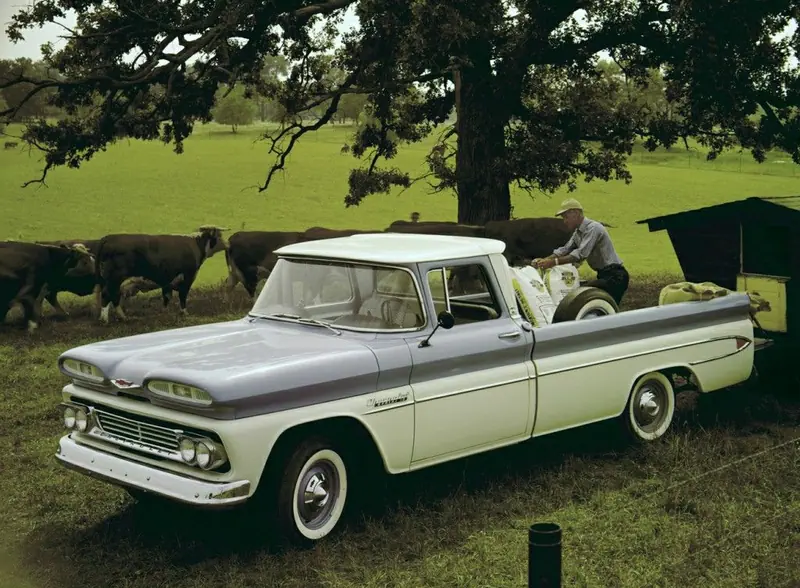
By 1960, the market was beginning to change, and Chevrolet’s new pickups made that shift impossible to ignore. These trucks were completely redesigned inside and out, with a fresh body, a new chassis, and a more modern approach to truck engineering.
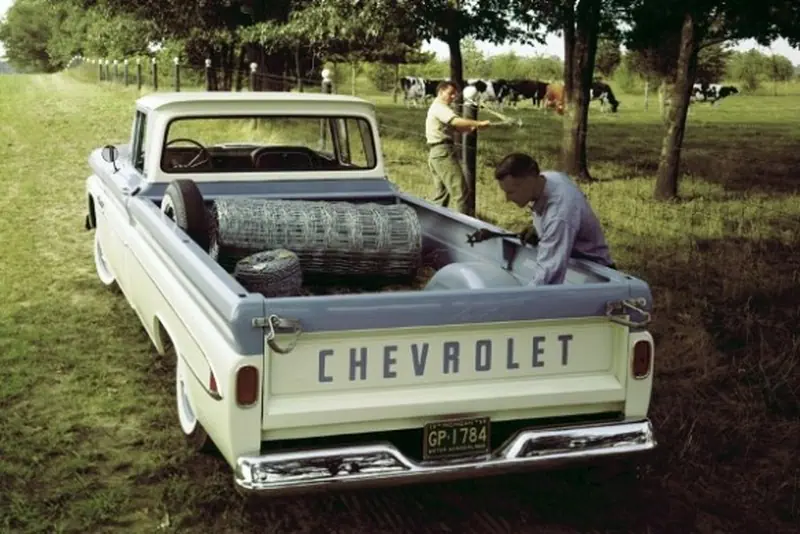
Chevrolet’s new design sat about 6.7 inches lower than its predecessor. The body featured sculpted side panels that were unusually stylish for a work truck, along with a flat roofline inspired by GM’s four-door Flying Wing design. Up front, a split grille sat beneath a distinctive arrangement of four headlights, while the turn signals and parking lights were tucked into raised hood “eyebrows,” echoing the styling of Chevrolet’s 1959 passenger cars.
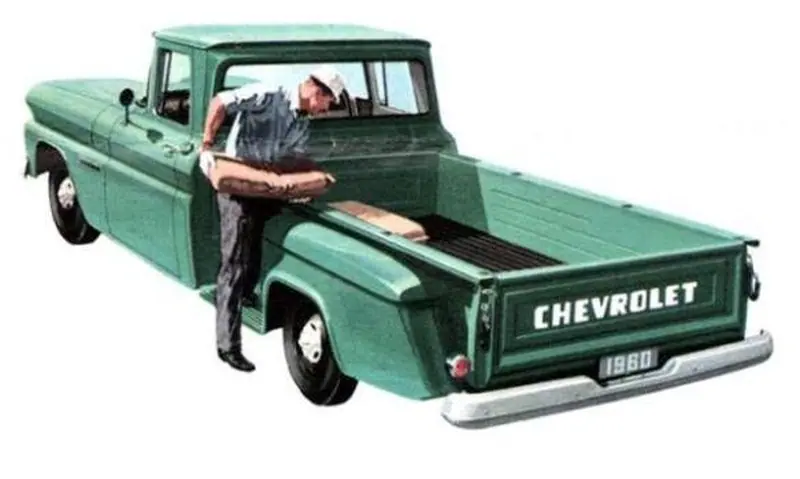
Chevrolet called the new exterior design its “Forward Look.” The distinctive hood eyebrows lasted only two model years, but the basic body design remained in production through 1966. GMC also used the same fundamental platform for its pickups.
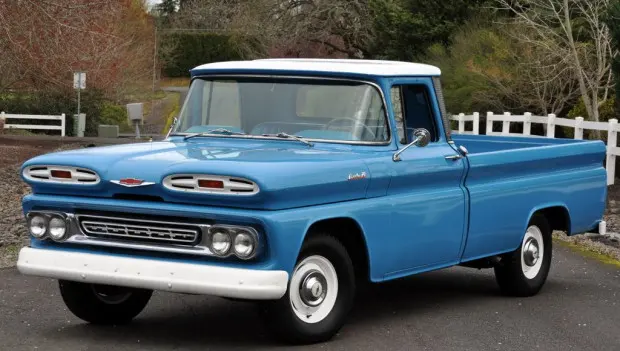
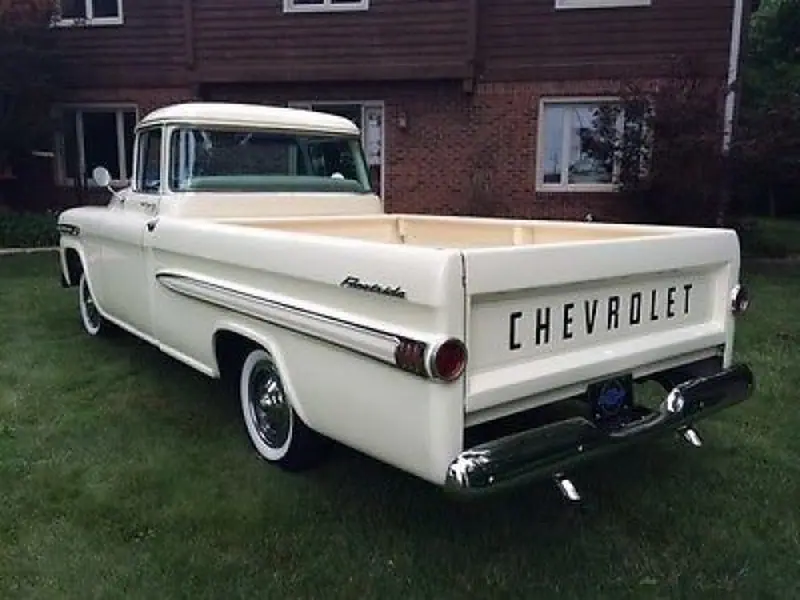
Buyers with traditional tastes could choose the Stepside, shown in the accompanying photo, with three bed lengths ranging from approximately 6.5 to 9 feet. Those looking for a more contemporary appearance could opt for the Apache Fleetside, which featured smooth, integrated bedside panels. Buyers could dress it up further with bright metal side trim, chrome bumpers, and a chrome grille, as seen in the main photo.
Four-wheel drive was also available, marking the debut of Chevrolet’s first factory-developed 4WD system for its pickups.
Engine choices were relatively straightforward. Buyers could select a 235-cubic-inch Thriftmaster inline-six producing 135 horsepower or a 283-cubic-inch Trademaster V8 rated at 160 horsepower. Transmission options included the Powerglide automatic, a three-speed manual, and a four-speed manual. Larger 348- and 409-cubic-inch V8 engines were reserved for Chevrolet’s heavier-duty trucks.
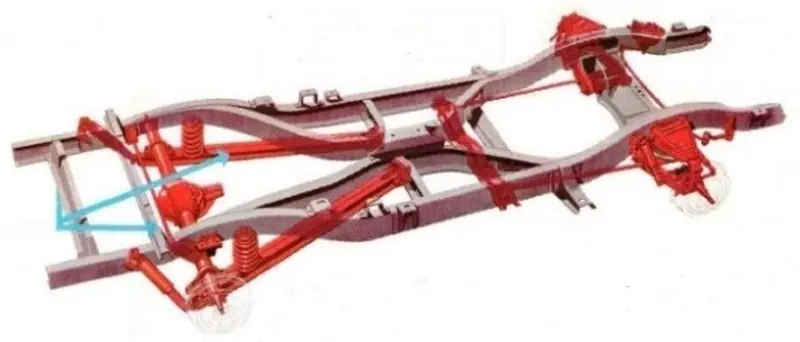
The new chassis represented a major departure from the previous design. For the first time, Chevrolet offered independent front suspension on its pickups, using upper and lower control arms paired with longitudinal torsion bars. The rear suspension featured a trailing-arm arrangement with a pair of longitudinal I-beam arms and coil springs.
The front torsion bars didn't last long. Chevrolet replaced them with conventional coil springs in 1963. The rear trailing-arm suspension, however, enjoyed a much longer afterlife when NASCAR adopted a similar arrangement. The design remained in use in the NASCAR Cup Series through 2021, where it became widely known as the truck-arm suspension.
The redesigned C-Series trucks were also available in a variety of commercial configurations, including flatbed models and versions equipped with utility bodies and tool-storage compartments. The same basic platform also underpinned the Suburban Carryall, Chevrolet’s people-hauling wagon.
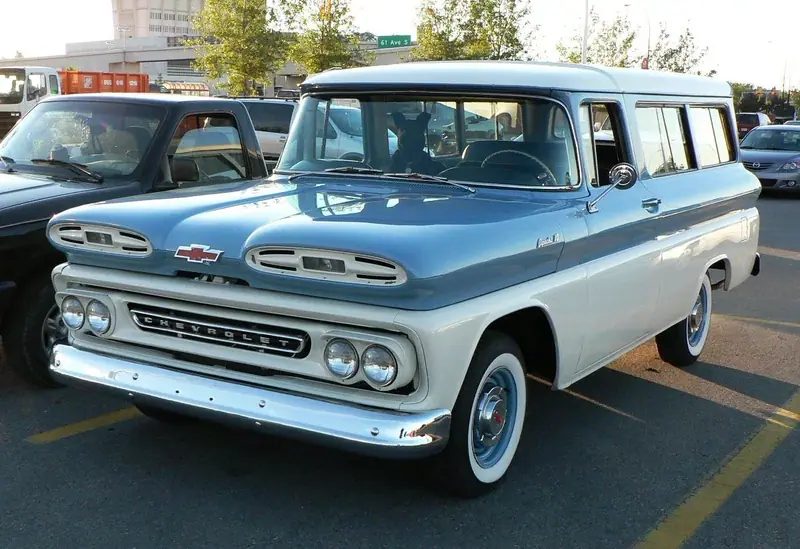
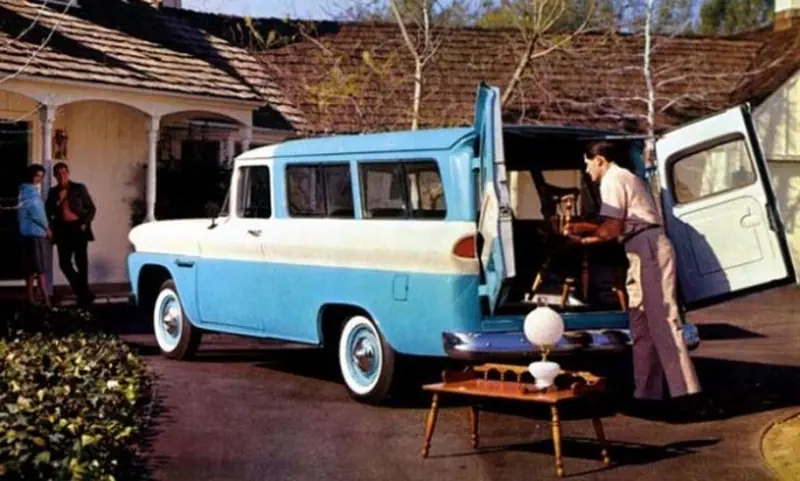
The Suburban of this era had just two passenger-side doors, a configuration that remained until the three-door version arrived in 1967. A four-door model followed in 1973. Buyers could choose between side-opening rear cargo doors, shown in the accompanying photo, and a traditional two-piece tailgate with an upper liftgate and lower tailgate, similar to those found on station wagons. Depending on the configuration, the Suburban could accommodate up to eight passengers.
Chevrolet still builds the Suburban today, but the modern version is a very different proposition. Like today's full-size pickups, it offers a level of comfort, technology, and luxury that would have been difficult to imagine when the groundbreaking 1960 models first appeared.
More than six decades later, Chevrolet’s bold redesign stands as a reminder of how dramatically American pickups evolved from basic workhorses into vehicles that could combine utility, style, and everyday comfort.
You may also be interested in the news:
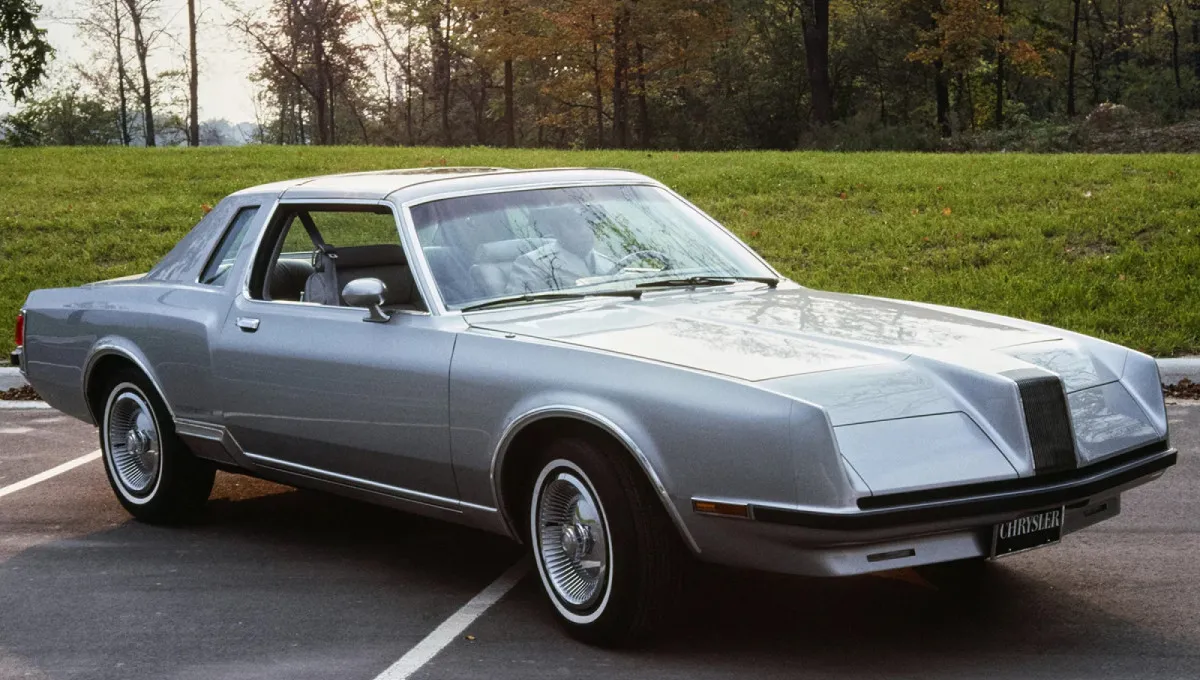
The 1977 Chrysler LeBaron Turbine: The Final Chapter of a 25-Year Experiment
Chrysler's 1977 LeBaron Turbine concept showcased decades of gas turbine research, but financial troubles ultimately brought the ambitious program to an end.
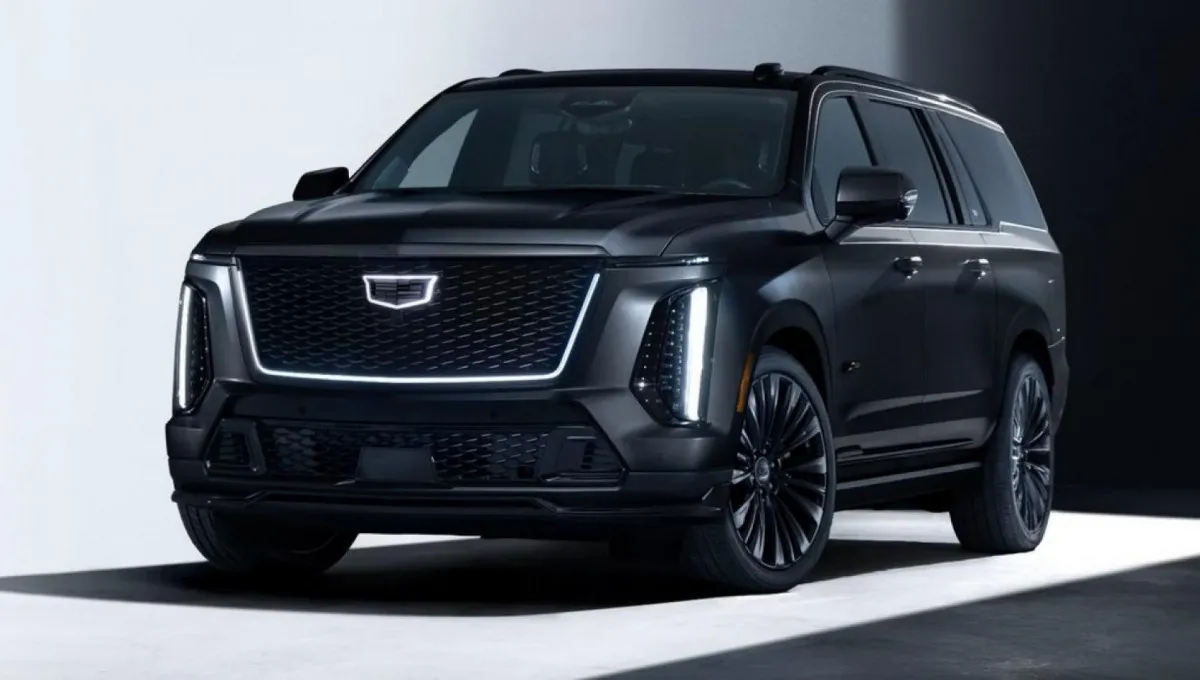
Cadillac Celebrates Its 125th Anniversary With the Most Expensive Escalade-V Ever
One of America’s oldest automotive brands has unveiled a limited-edition version of its flagship SUV to mark a major milestone.

These 8 Cars Went Over 1 Million Miles — They Just Don’t Build Them Like They Used To
Some cars outlast generations of owners, proving that careful maintenance and durable engineering can deliver extraordinary mileage.
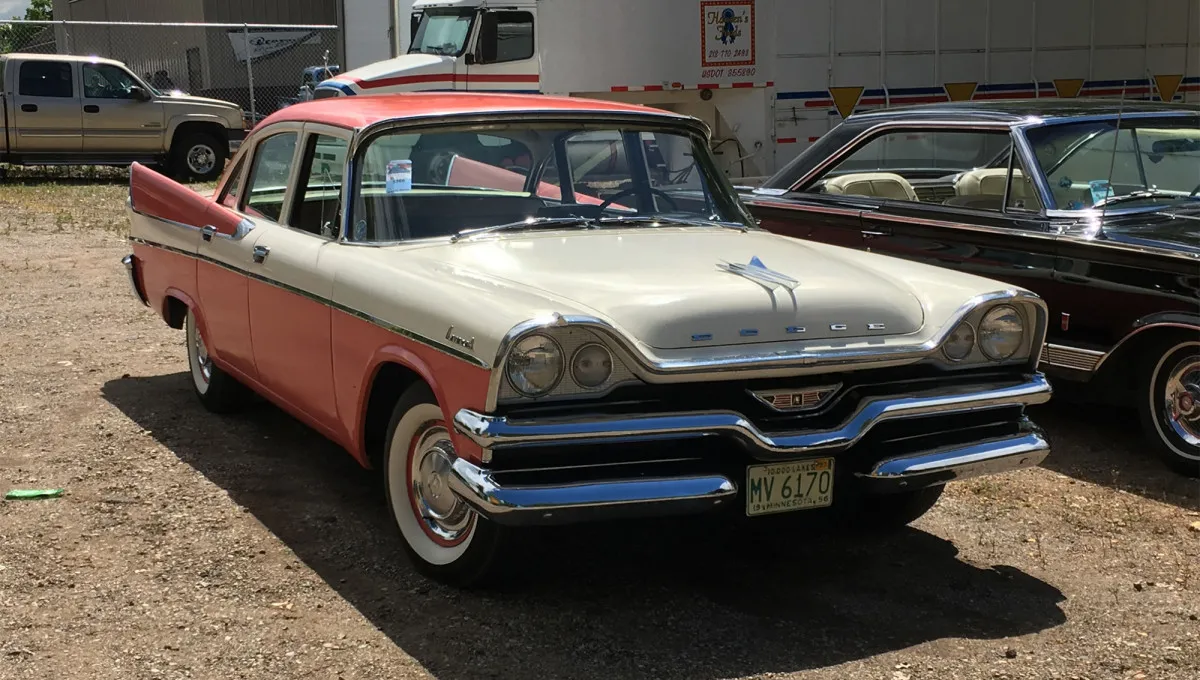
The 1957 Dodge: How “Autodynamics” Shaped One of Detroit’s Boldest Designs
The 1957 Dodge Looked Like a Dream Car, but Its Biggest Flaw Was Hiding Beneath the Surface.
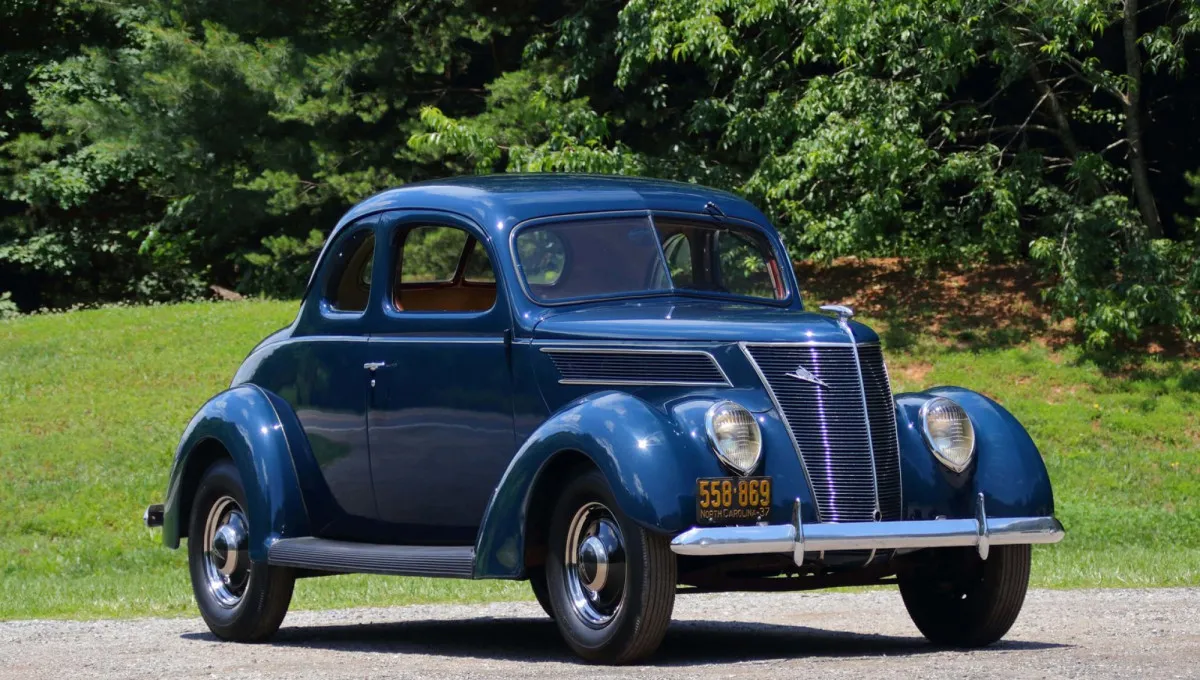
The 1937 Ford Was a Quality Car at an Affordable Price — Here’s What Made It Stand Out
The 1937 Ford featured several major changes and improvements. Let’s take a closer look.