
The 1977 Chrysler LeBaron Turbine: The Final Chapter of a 25-Year Experiment
Chrysler's 1977 LeBaron Turbine concept showcased decades of gas turbine research, but financial troubles ultimately brought the ambitious program to an end.
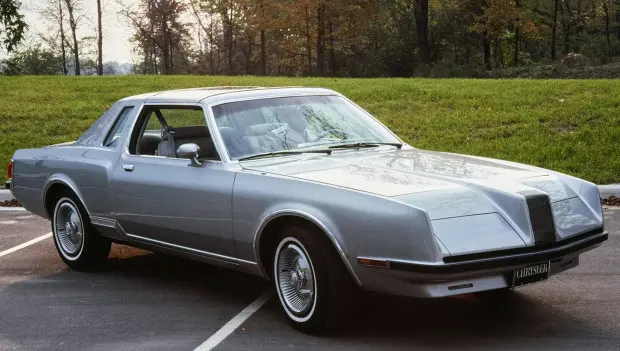
The 1977 LeBaron was the culmination of nearly 25 years of Chrysler research into gas turbine engines. Ultimately, however, the program reached a dead end.
First, the 1963 Chrysler Turbine Ghia was not the beginning of the story. The automaker's ambitious gas turbine research program had started nearly a decade earlier, with the first-generation CR1 engine in 1954. It produced 100 horsepower but suffered from several drivability issues, including significant throttle lag and a lack of engine braking.
Continued development led to the fourth-generation A831 engine, which powered the now-famous Turbine Ghia. Chrysler built 55 of these cars, nine of which still exist today, with three reportedly remaining operational. The fourth-generation engine weighed just 399 pounds, produced 130 hp and 232 lb-ft of torque, and could run on almost any liquid hydrocarbon fuel, from kerosene to tequila.
After the Turbine Ghia's public demonstration program ended, development continued. Chrysler's engineers worked to address the familiar problems associated with gas turbines in passenger cars, including high fuel consumption and excessive exhaust emissions, particularly nitrogen oxides (NOx).
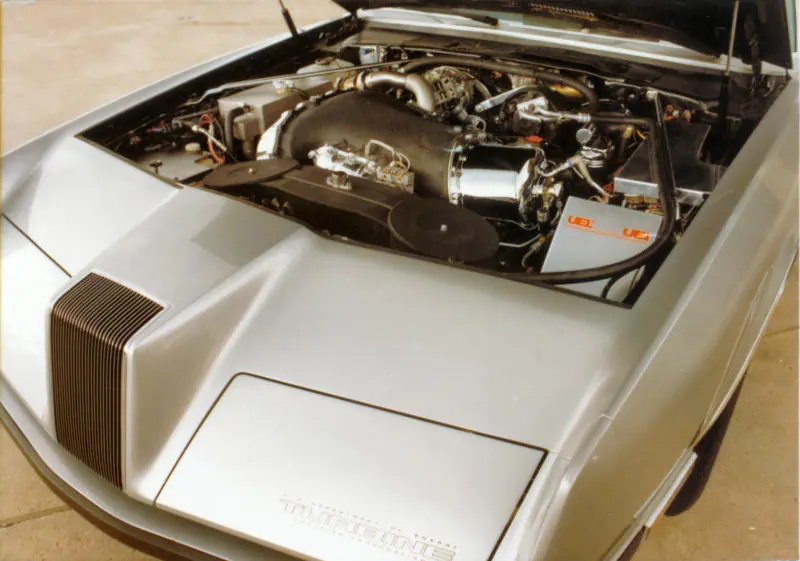
In 1972, the U.S. Department of Energy, which was actively exploring alternatives to gasoline and conventional internal combustion engines, provided funding and technical support for the project. The contract called for 14 test engines and several experimental vehicles. By then, the turbine had reached its seventh generation and could produce up to 123 hp while meeting applicable emissions requirements.
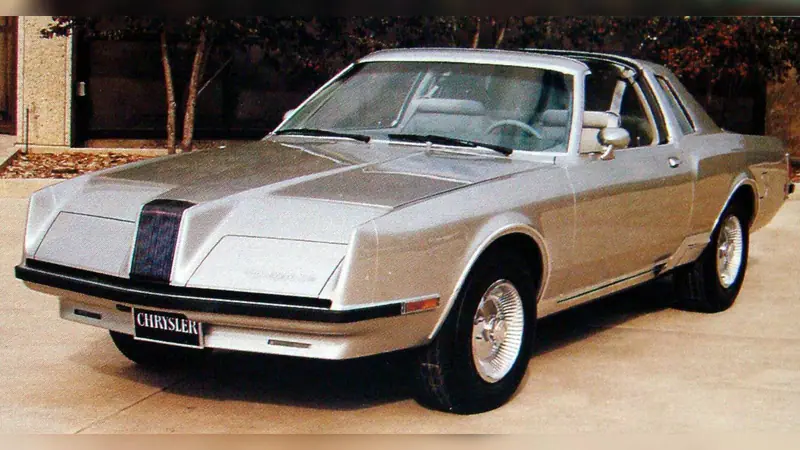
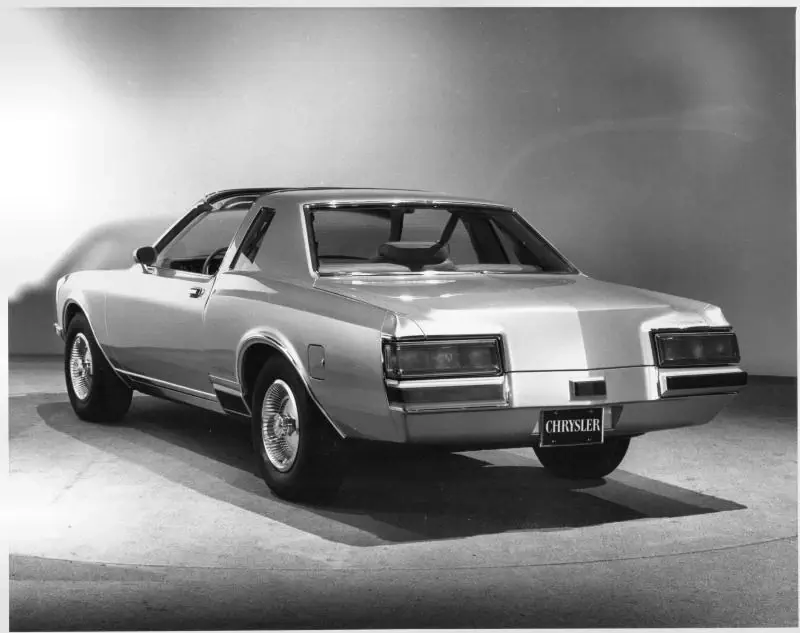
To demonstrate the Department of Energy program, Chrysler installed a seventh-generation turbine in the heavily redesigned 1977 LeBaron coupe featured here. Built on the M-body platform, the concept had a 112.6-inch wheelbase, a curb weight of approximately 3,880 pounds, and a three-speed TorqueFlite automatic transmission paired with the gas turbine.
Some of the front-end styling elements seen on the LeBaron Turbine concept later appeared on the production 1981 Imperial.
At the time, Chrysler seriously considered putting the turbine engine into limited production. Those plans came to an end with the Chrysler Corporation Loan Guarantee Act of 1979, better known as the Chrysler bailout. A committee overseeing government assistance, led by the Treasury secretary, concluded that the turbine-powered car was too risky and expensive for a company already facing severe financial difficulties.
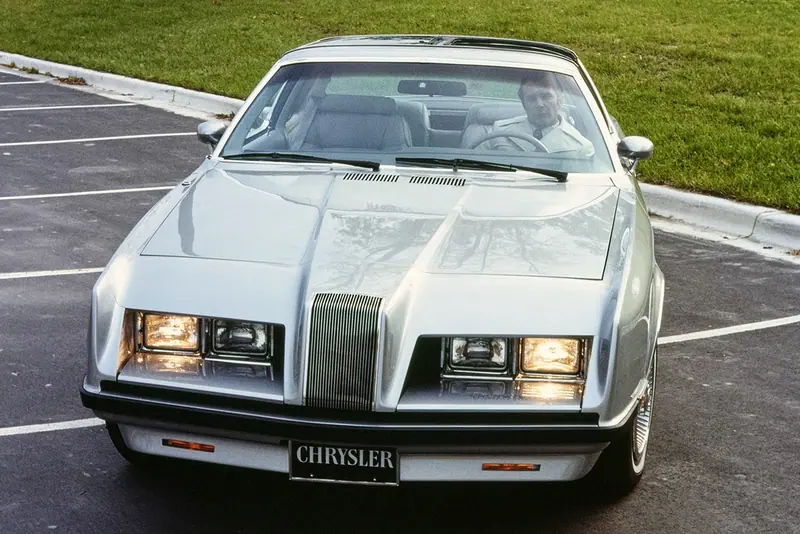
Although the LeBaron concept marked the final chapter of Chrysler's passenger-car turbine program, it wasn't the last turbine-powered vehicle the automaker built. Chrysler also produced a turbine-powered 1981 Dodge Mirada, shown below.
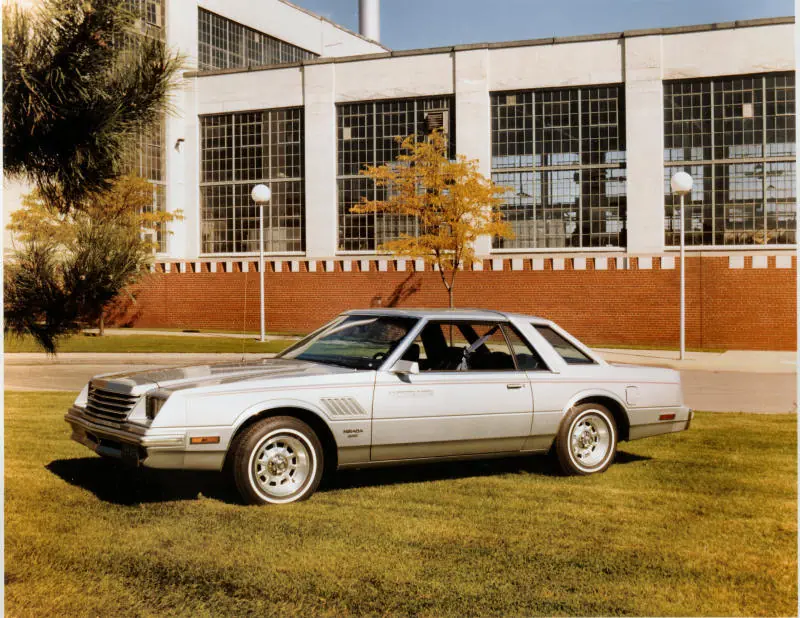
Years after the program ended, a Chrysler turbine enthusiast tracked down the LeBaron and Mirada prototypes at a U.S. Department of Energy facility at a nuclear power plant in Ohio. Both cars have since been preserved in Stellantis' extensive historic vehicle collection, maintained by the company formerly known as Chrysler.
You may also be interested in the news:
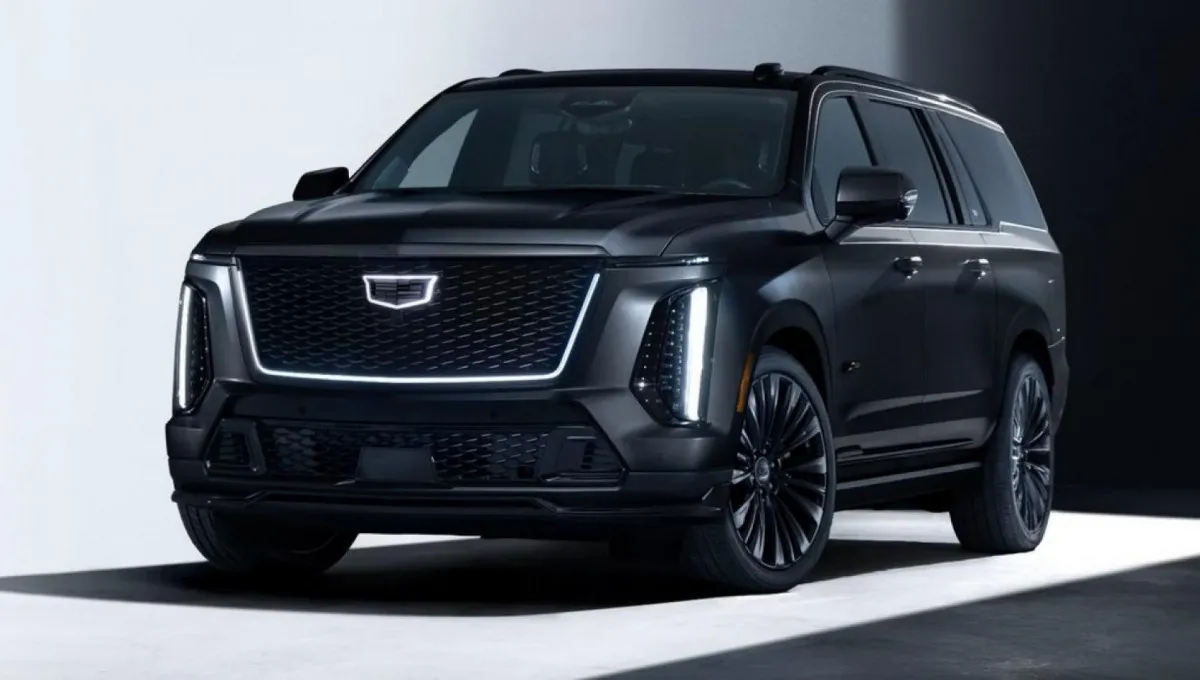
Cadillac Celebrates Its 125th Anniversary With the Most Expensive Escalade-V Ever
One of America’s oldest automotive brands has unveiled a limited-edition version of its flagship SUV to mark a major milestone.
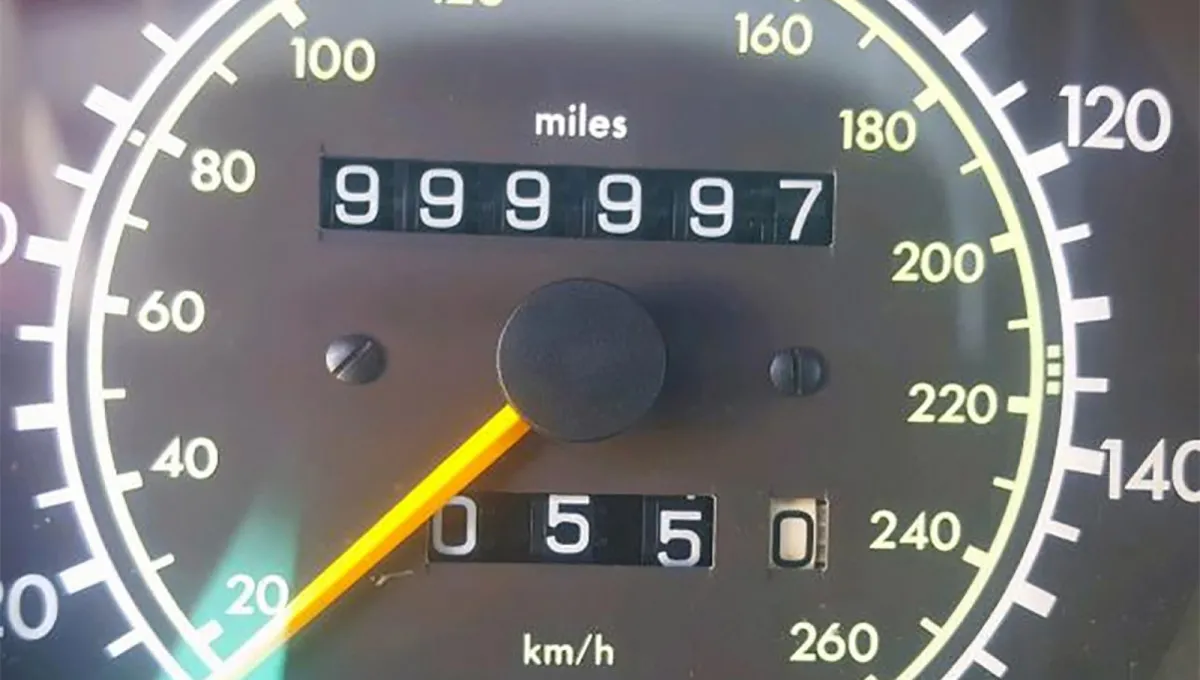
These 8 Cars Went Over 1 Million Miles — They Just Don’t Build Them Like They Used To
Some cars outlast generations of owners, proving that careful maintenance and durable engineering can deliver extraordinary mileage.
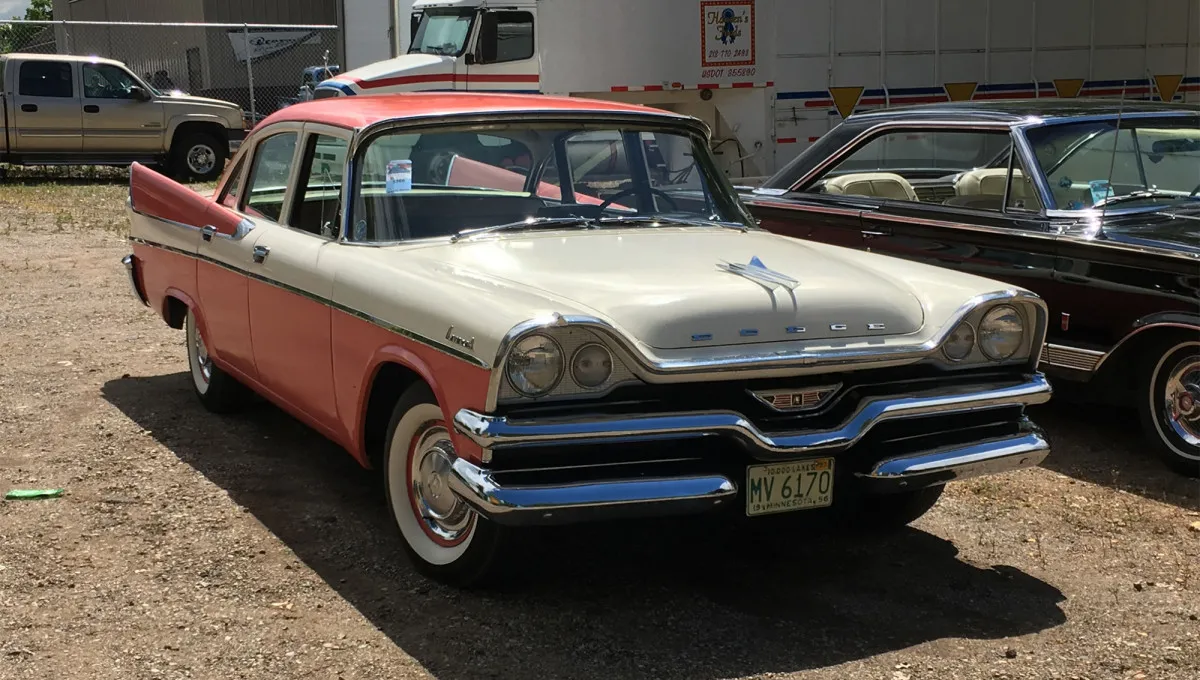
The 1957 Dodge: How “Autodynamics” Shaped One of Detroit’s Boldest Designs
The 1957 Dodge Looked Like a Dream Car, but Its Biggest Flaw Was Hiding Beneath the Surface.
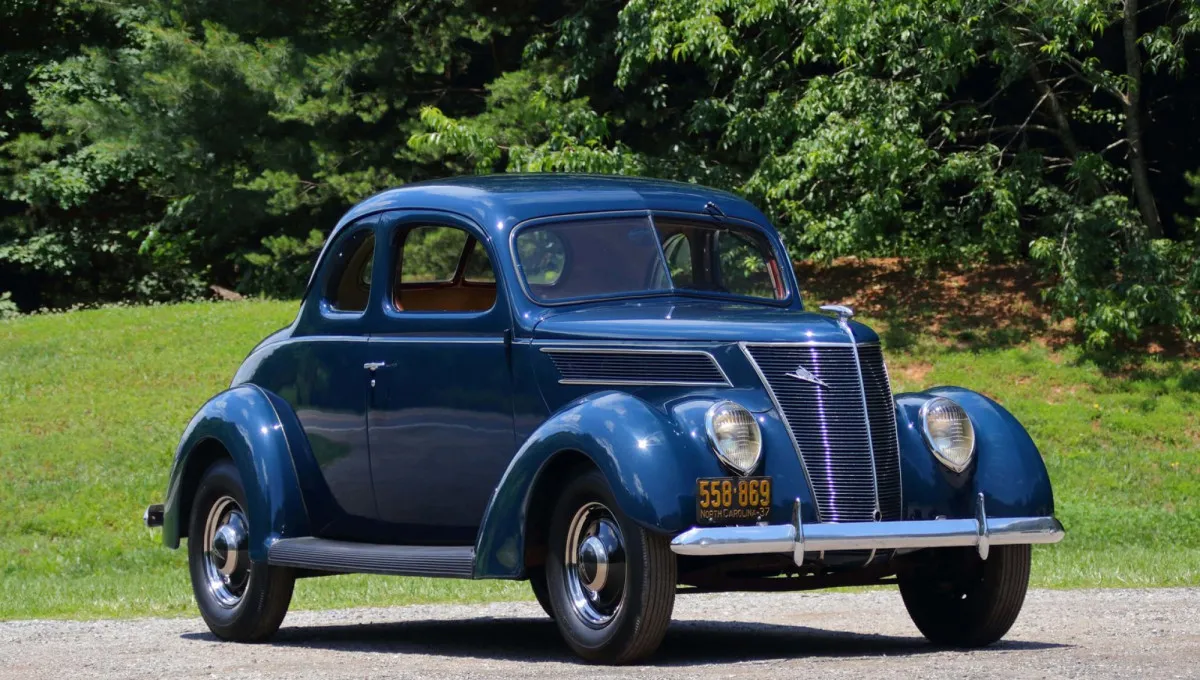
The 1937 Ford Was a Quality Car at an Affordable Price — Here’s What Made It Stand Out
The 1937 Ford featured several major changes and improvements. Let’s take a closer look.
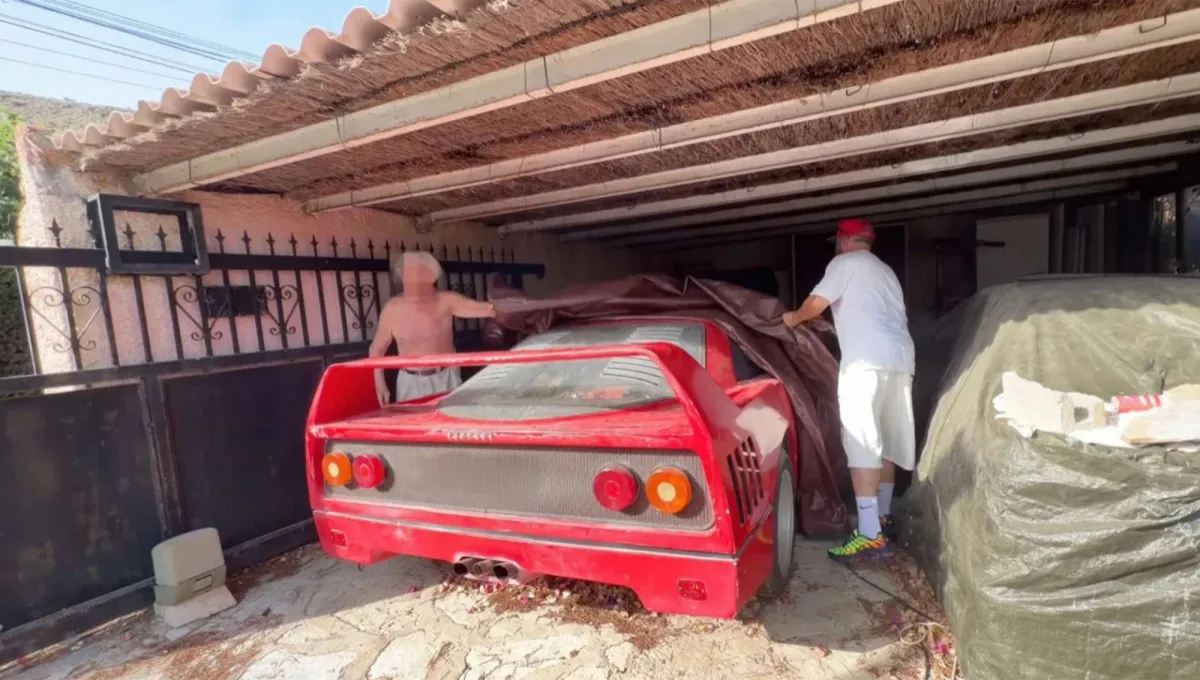
Two Ferrari F40s Spotted on Google Maps Turn Out to Be Pontiac Fiero Replicas
Two Ferrari F40 lookalikes spotted on Google Maps in Spain turned out to be replicas built on an American sports car.