
Why Colored Stripes on New Tires Confuse Drivers: What They Really Mean
A blue stripe on one tire brand can mean something entirely different on another, leaving drivers wondering what the markings mean.
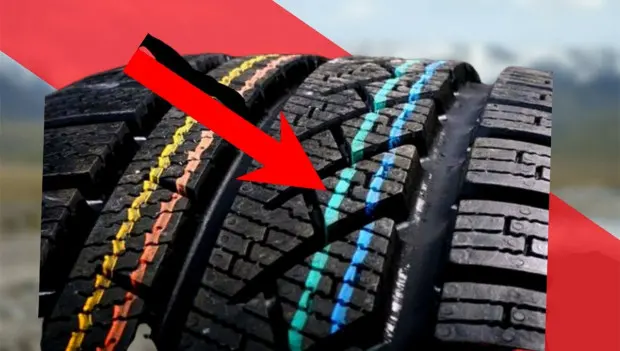
When buying new tires, many drivers may notice colored stripes on the tread. They might assume the markings indicate better traction, a specific rubber compound, or certain performance characteristics. The reality is quite different. Here’s what those colorful stripes on new tires actually mean.
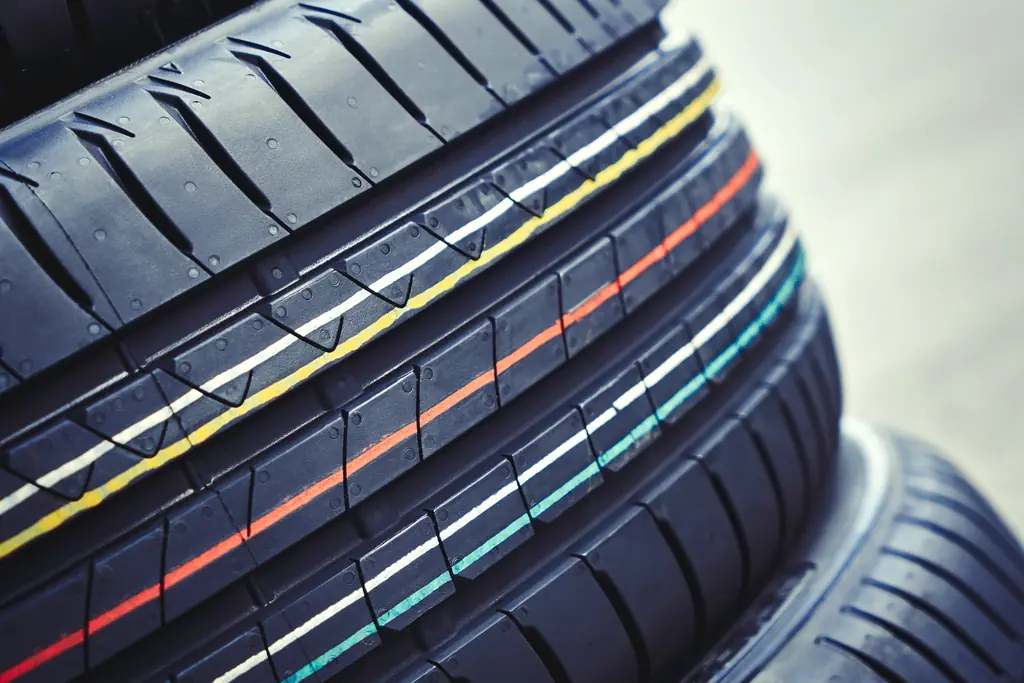
Why Do New Tires Have Colored Stripes?
Colored stripes on the tread of new tires do not indicate tire quality or performance. They are manufacturing marks, meaning two tires of the same model and size can have different stripes—or no stripes at all—without any difference that matters to the driver.
The stripes help manufacturers track a tire's progress through production and identify where it needs to go at a particular stage. They can also distinguish between different rubber compounds and materials. Both factory workers and automated equipment use these markings.
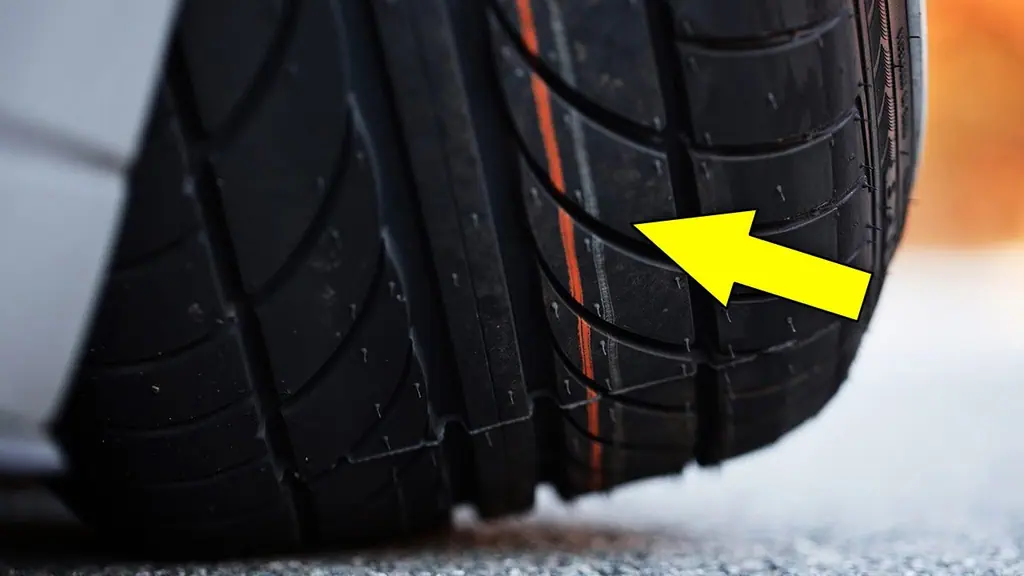
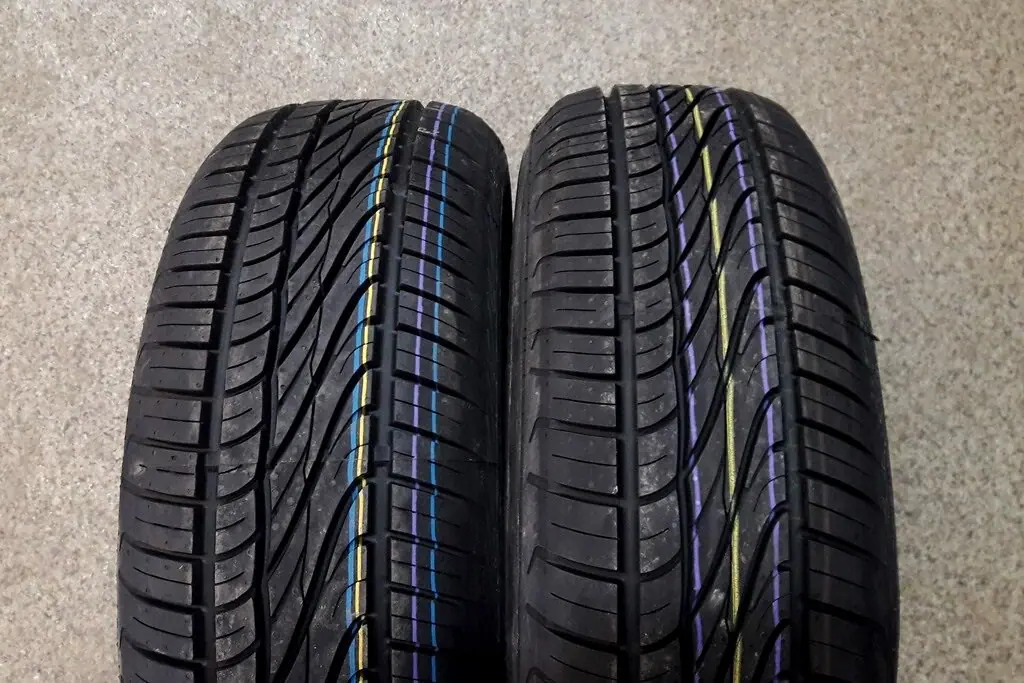
Differences between otherwise identical tires come down to how production is organized. If a tire model is manufactured at multiple plants, each facility may use its own markings or skip them altogether.
Stripes can also identify production batches. Tires manufactured during one week, for example, may carry different markings from the same tires produced the week before or the week after.
There is no industrywide standard for stripe colors. A blue stripe from one brand may mean something entirely different from a blue stripe used by a competitor. At some plants, the markings rely on a combination of colors rather than a single stripe.
What Tire Markings Actually Matter?
The markings on the sidewall are much more useful in practice. Manufacturers use colored dots to identify a tire's heaviest or lightest point.
These marks are intended for tire technicians. Ideally, the tire's heaviest point should align with the wheel's heaviest point, which may also be marked with a more durable indicator. This helps improve wheel balance.
However, the absence of colored dots is not a problem. An experienced technician at a well-equipped shop can properly mount and balance a wheel without them.
When choosing new tires, drivers should consider more than just tire size. The speed and load ratings must match the vehicle's weight and performance capabilities. Other features that may matter include sound-absorbing foam inserts and reinforced construction.
You may also be interested in the news:

These 8 Cars Went Over 1 Million Miles — They Just Don’t Build Them Like They Used To
Some cars outlast generations of owners, proving that careful maintenance and durable engineering can deliver extraordinary mileage.
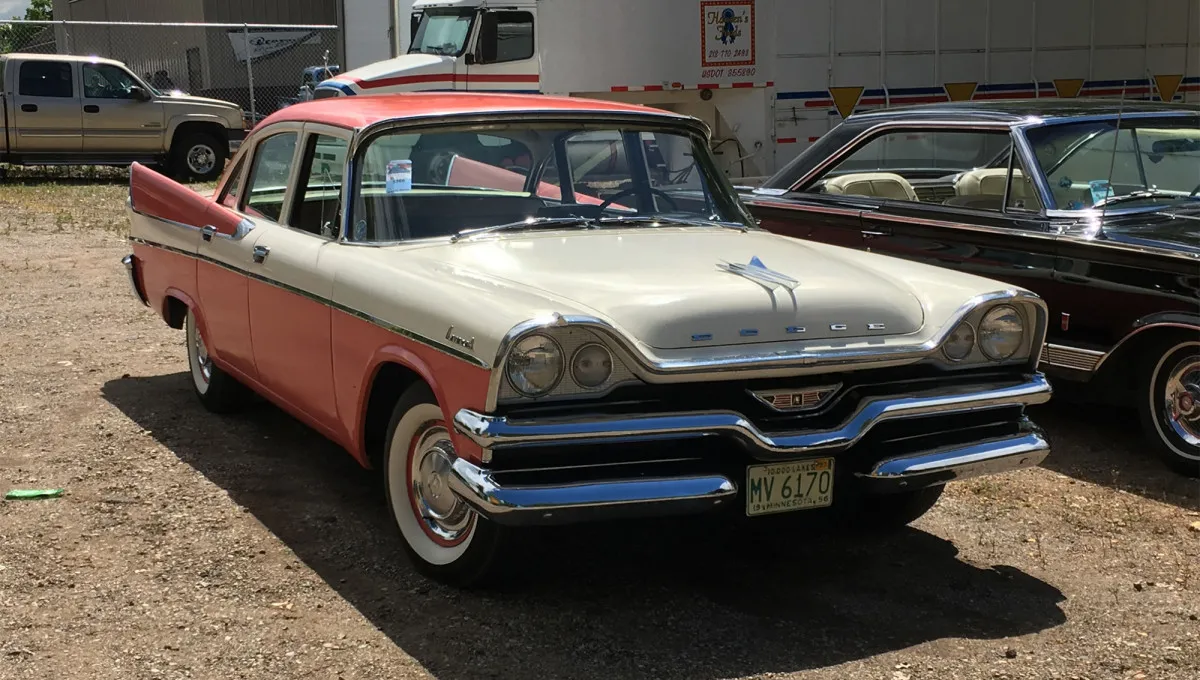
The 1957 Dodge: How “Autodynamics” Shaped One of Detroit’s Boldest Designs
The 1957 Dodge Looked Like a Dream Car, but Its Biggest Flaw Was Hiding Beneath the Surface.

Two Ferrari F40s Spotted on Google Maps Turn Out to Be Pontiac Fiero Replicas
Two Ferrari F40 lookalikes spotted on Google Maps in Spain turned out to be replicas built on an American sports car.

Your Speedometer Says 65 MPH, but Your GPS Says 62 — Here’s Why Your Car Does That
Your speedometer reads 65 mph, but your GPS says 62 mph. Here’s why the numbers rarely match.

“Are You Sure It’s Chinese?” Who Really Builds China’s Car Engines
Who Really Develops China’s Car Engines?